Growth vs Dividend Investing After Age 50

At 50 life often brings about new financial priorities. Younger investors may worry more about growing their wealth over time, while those closer to retirement may start to worry more about income, preserving their capital and financial stability. Thus, deciding between growth and dividend investing can be a crucial component of a retirement investing strategy.
Growth investing is investing in companies with the potential to grow their earnings and share prices over time. Dividend investing, in contrast, is investing in companies that pay out a portion of their profits to shareholders. Both have various pros and cons, and the right mix depends on a person’s retirement timeline, income needs and tolerance for market volatility.
If you are an Australian investor over 50, understanding how these strategies work can help you to build a portfolio that can support your current financial needs as well as your longer term goals.
Understanding Growth Investing After Age 50
Growth investing is buying stock in companies expected to grow their earnings, market share or business. These companies may reinvest much of their profits back into product development, acquisitions, technology and expansion instead of paying out regular dividends.
Growth stocks can still be a staple of a portfolio for investors over 50. Retirement can last for many decades, so investments may need to continue growing to help manage inflation and support future expenses.
Growth opportunities can be found in technology, healthcare, consumer and infrastructure businesses. Growth stocks, however, can be more volatile, especially if market conditions change or company earnings fall short of expectations.
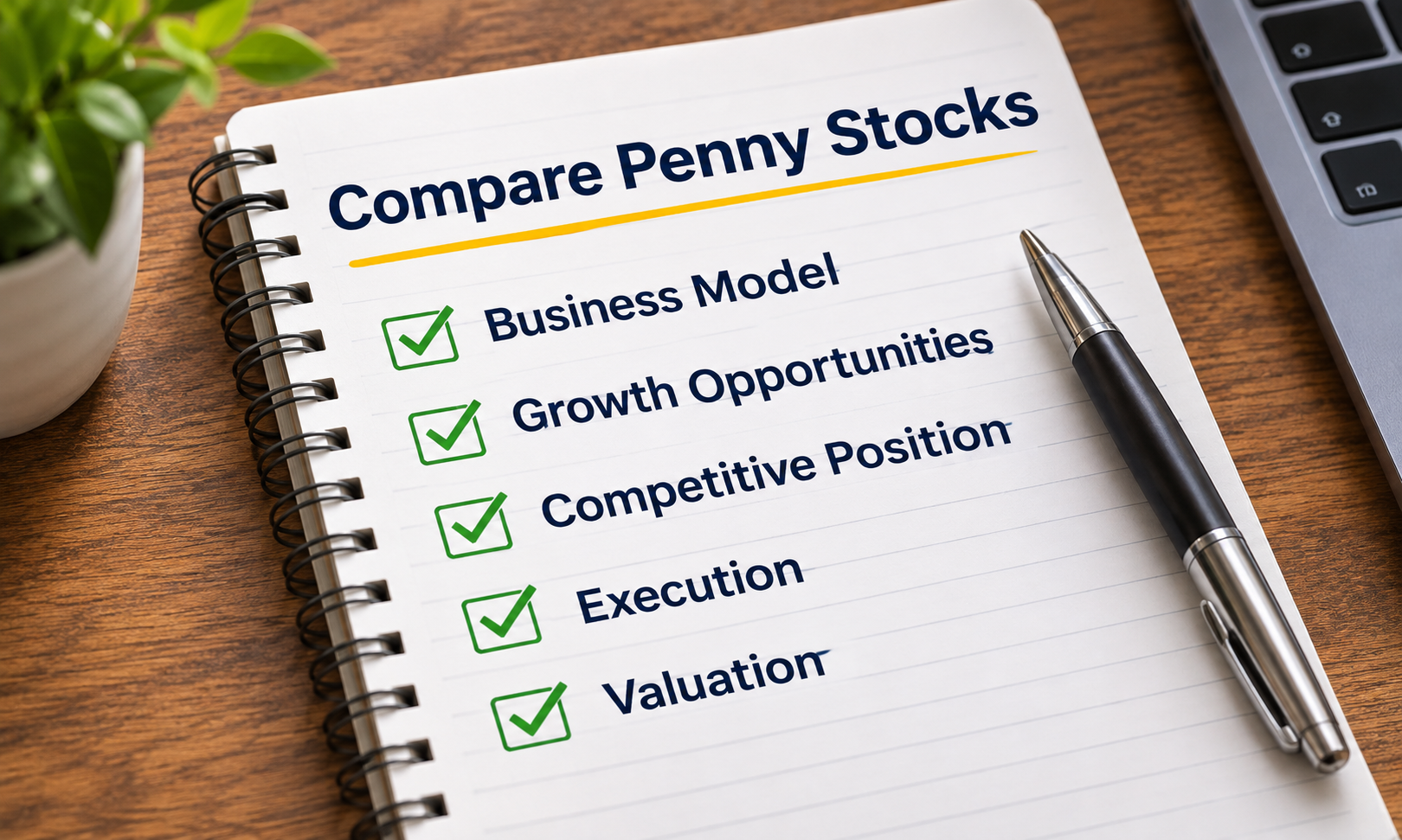
Investors should be looking beyond the share price performance and be assessing revenue growth, profitability, debt levels and sustainability of a company's business model. Another potential investment risk is a company with a great growth outlook but an expensive valuation.
Understanding Dividend Investing for Retirement
Dividend investing is when you invest in companies that regularly pay out a portion of their profits to shareholders. These payments can be another income stream and can be useful as investors approach retirement or become less reliant on income from employment.
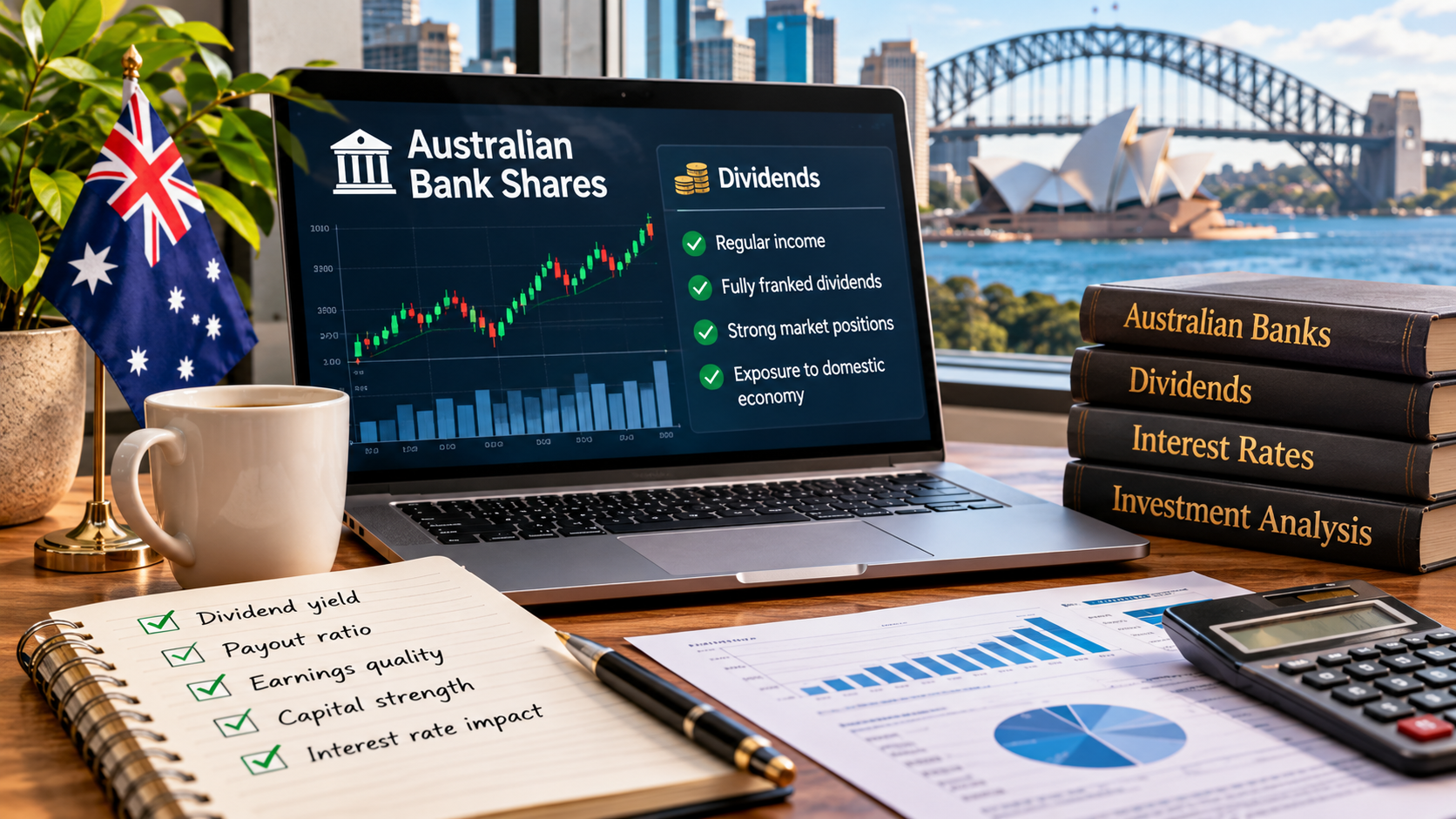
Australian investors typically search for dividend opportunities in established businesses within industries such as banking, energy, telecommunications and resources. Some companies have a history of steady dividend payments, but past payments do not guaranty future distributions.
There is something called the dividend imputation system in the Australian market. Eligible dividends can include franking credits, which is the tax that has already been paid by the company. Depending on an investor’s individual tax situation, these credits can impact the after-tax value of dividend income.
But a high dividend yield shouldn't be viewed as an attractive opportunity automatically. If the underlying business is in trouble, a declining share price can improve the reported yield. Investors should focus on the cash flow, quality of earnings, payout ratios and the company’s capability to continue making distributions.
Growth vs Dividend Investing: Which Approach Is More Suitable?
Dividend investing vs growth investing. What’s the difference? They serve different purposes in a retirement investing strategy. Growth investments may help to increase portfolio value over time, and dividend paying shares can provide regular cash distributions.
There are a number of factors that can help investors determine how much exposure to each approach might be appropriate.
- Investment timeframe: Investors who are years away from retirement may have more time to capitalise on growth opportunities. Those who are already withdrawing from their investments may be more concerned with income and stability.
- Income requirements: Dividend-paying stocks can provide a regular cash flow, although the payments may vary. Some investors might opt to reinvest dividends, particularly if they don't need immediate income.
- Risk Tolerance: Growth stocks can be very volatile price wise, whereas companies that pay dividends may be more established in their business models. Both ways are subject to market risk.
- Inflation: Investments that have the ability to provide long term earnings growth can help support purchasing power while dividend income can provide cash flow. Nor is it an inflation hedge.
- Portfolio balance: A mix of investment styles can reduce dependence on one source of returns.
You don’t have to choose only one strategy. A mix of growth and dividend investments can help satisfy income needs and longer-term capital growth.
The Role of Superannuation in Retirement Investing
Superannuation is a core part of retirement planning in Australia. Many Australians have built up retirement savings through employer contributions and personal contributions during their working lives.
The investment options available within superannuation may include Australian shares, international equities, fixed interest, property and diversified investment products. Investors approaching retirement need to know where their superannuation is invested and whether the mix of investments reflects their changing financial needs.
Some investors may prefer to hold a more conservative allocation as retirement draws nearer, while others may still have some exposure to growth assets as their retirement savings will need to last them for many years.
It's also worth thinking about the transition from accumulation to retirement income. Factors like access to superannuation, account based pensions, tax treatment and expected living expenses may influence an investment approach. It can be helpful for investors to review these arrangements to see how their share portfolio fits into their wider retirement plans.
Building a Balanced Portfolio After 50
A balanced portfolio does not need to have equal quantities of growth and dividend stocks. The allocation should depend on the investor’s financial status, projected retirement date, income requirements and market decline tolerance.
For instance, someone still working with a longer investment horizon may retain more exposure to growth-oriented companies. The retired investor who is depending on income from his portfolio may focus more on dividend paying stocks and other income producing assets.
Diversification is still important, too. Owning shares in a range of industries, company sizes and geographical markets can help to reduce the impact of problems in any one business or sector. Another possibility for market exposure could be exchange-traded funds (ETFs).
Regular portfolio reviews can help you identify changes in company fundamentals, sustainability of dividends, asset allocation and investment risk. However, trading on short-term market movements too often can create unnecessary costs and disrupt a long-term strategy.
Risk Considerations
Market risk is a factor in both growth and dividend investing. When a company’s earnings fall off, growth stocks can quickly see their prices tumble and their dividends reduced or eliminated. Investing in a few companies or sectors can increase the volatility of your portfolio. Inflation, interest rates, taxes and changing retirement needs can also affect investment performance. Investors should evaluate their financial situation, investment time horizon and risk appetite before choosing a method.
Disclaimer:
General Financial Product Advice and Regulatory Framework: Pristine Gaze Pty Ltd (ABN 66 680 815 678, ACN 680 815 678) operates as Corporate Authorised Representative (CAR No. 001312049) of Alpha Securities Pty Ltd (AFSL 330757), which is licensed and regulated by the Australian Securities and Investments Commission under the Corporations Act 2001 (Cth). This report contains general financial product advice only and has been prepared without consideration of your personal objectives, financial situation, specific needs, circumstances, or investment experience. The information is not tailored to individual circumstances and may not be suitable for your particular situation. Before acting on any information contained herein, you should carefully consider its appropriateness having regard to your personal objectives, financial situation, and needs, and consider seeking personal financial advice from a qualified financial adviser who can assess your individual circumstances and provide tailored recommendations.
Investment Risks and Market Warnings: All investments carry significant risk, and different investment strategies may carry varying levels of risk exposure including total loss of invested capital. The value of investments and income derived from them can fluctuate significantly due to market conditions, economic factors, company-specific events, regulatory changes, commodity price volatility, currency fluctuations, interest rate movements, and other factors beyond our control. Securities markets are subject to market risk from general economic conditions and investor sentiment, liquidity risk affecting the ability to buy or sell securities at desired prices, credit risk from issuer default or deterioration, operational risk from inadequate internal processes, sector-specific risks including industry regulatory changes, technology obsolescence, management changes, competitive pressures, supply chain disruptions, and mining-specific risks including resource estimation uncertainty, operational hazards, environmental compliance, permitting delays, commodity price cycles, geopolitical factors affecting mining operations, and exploration risks. Small-cap and speculative mining stocks carry additional risks including limited liquidity, higher volatility, dependence on key personnel, limited operating history, uncertain cash flows, and potential failure to achieve commercial production.
Information Accuracy and Limitations: While we endeavour to ensure information accuracy and reliability, we make no representations or warranties (express or implied) regarding the accuracy, reliability, completeness, timeliness, or suitability of information provided, except where liability cannot be excluded under applicable law. This report may include information from third-party sources including company announcements, regulatory filings, research reports, market data providers, financial news services, and publicly available information, which we do not independently verify and for which we assume no responsibility. Past performance, examples, historical data, or projections are not indicative of future results, and no guarantee of future returns is provided or implied. To the maximum extent permitted by law, Pristine Gaze Pty Ltd and Alpha Securities Pty Ltd, together with their respective directors, officers, employees, representatives, and related entities, exclude all liability for any errors, omissions, inaccuracies, loss or damage (including direct, indirect, consequential, or special damages) arising from reliance on information provided, investment decisions made based on this report, market losses, opportunity costs, and technical issues or system failures.
Frequently Asked Questions
Common questions about investing and market research to help guide your decisions.