What Every First-Time Investor Should Know Before Buying Shares

Investing in the share market for the first time can be a critical step in creating wealth in the long run. Buying shares means you get to own a piece of a company and share in its potential growth. If you are new to investing in Australia, However, before you invest for the first time, you need to understand how the market works, what moves share prices and how to manage investment risk.
First-time investors should not buy shares on the basis of recent price movements or market trends. A clear investing goal, basic financial knowledge and a well-thought-out approach can build confidence and support more informed decisions.
1. Set Clear Investment Goals Before Getting Started
Knowing the reason behind the investment is important before buying shares. Some investors want to grow their wealth over time. Others might be looking to generate an income from dividends or save for a financial goal.
The duration you plan to invest also matters. But stocks are not so well adapted for money that may be needed within a year or two, for the market price may unexpectedly fall. Shares are typically better suited for longer investment horizons, enabling investors to weather short-term market volatility.
First-time investors should also look at their savings, expenses and existing debts before determining how much money they can comfortably invest. Pulling out emergency savings can help avoid having to sell shares at an inopportune time.
2. Understand How the Share Market Works
A share is a part ownership in a company. If an investor buys shares listed on the Australian Securities Exchange (ASX) they become a shareholder and can reap the benefits if the company grows and the share price increases.
Investors have two common ways they can potentially earn returns:
- Capital growth: The difference between the purchase price and sale price of a share is a capital gain.
- Dividends: Some companies share some of their profits with investors. Dividends are not guarantyd and may be reduced or suspended.
A number of factors determine the share price, including the company’s results, the economic environment, interest rates, developments in the industry and the mood of investors. Beginners who know these factors can avoid making decisions based on daily price movements alone.
3. Research a Company Before Buying Its Shares
One of the most important steps for first time investors in Australia is learning how to research a company. Just because a stock is from a well-known brand or is a share price that is rising quickly does not mean it is a good investment.
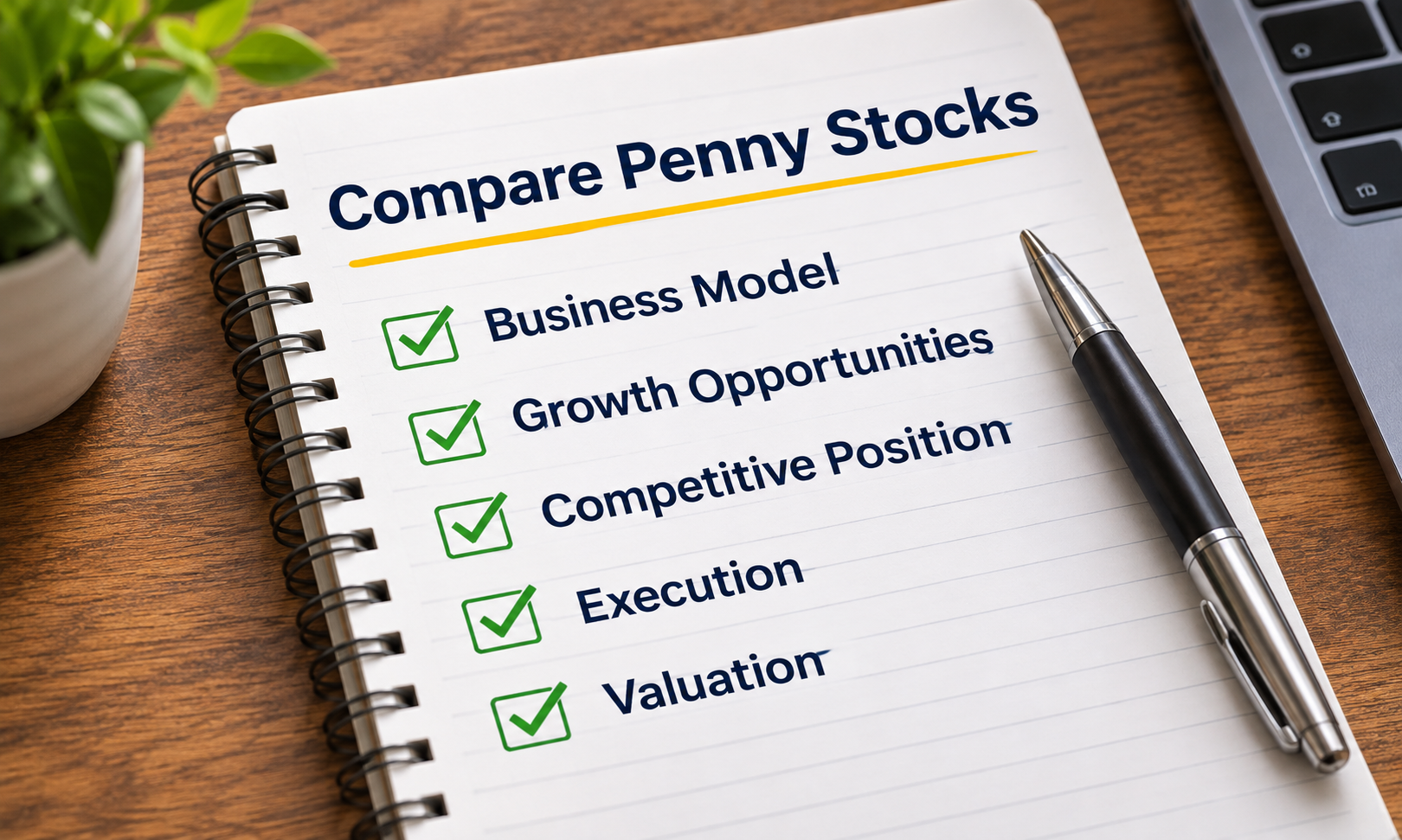
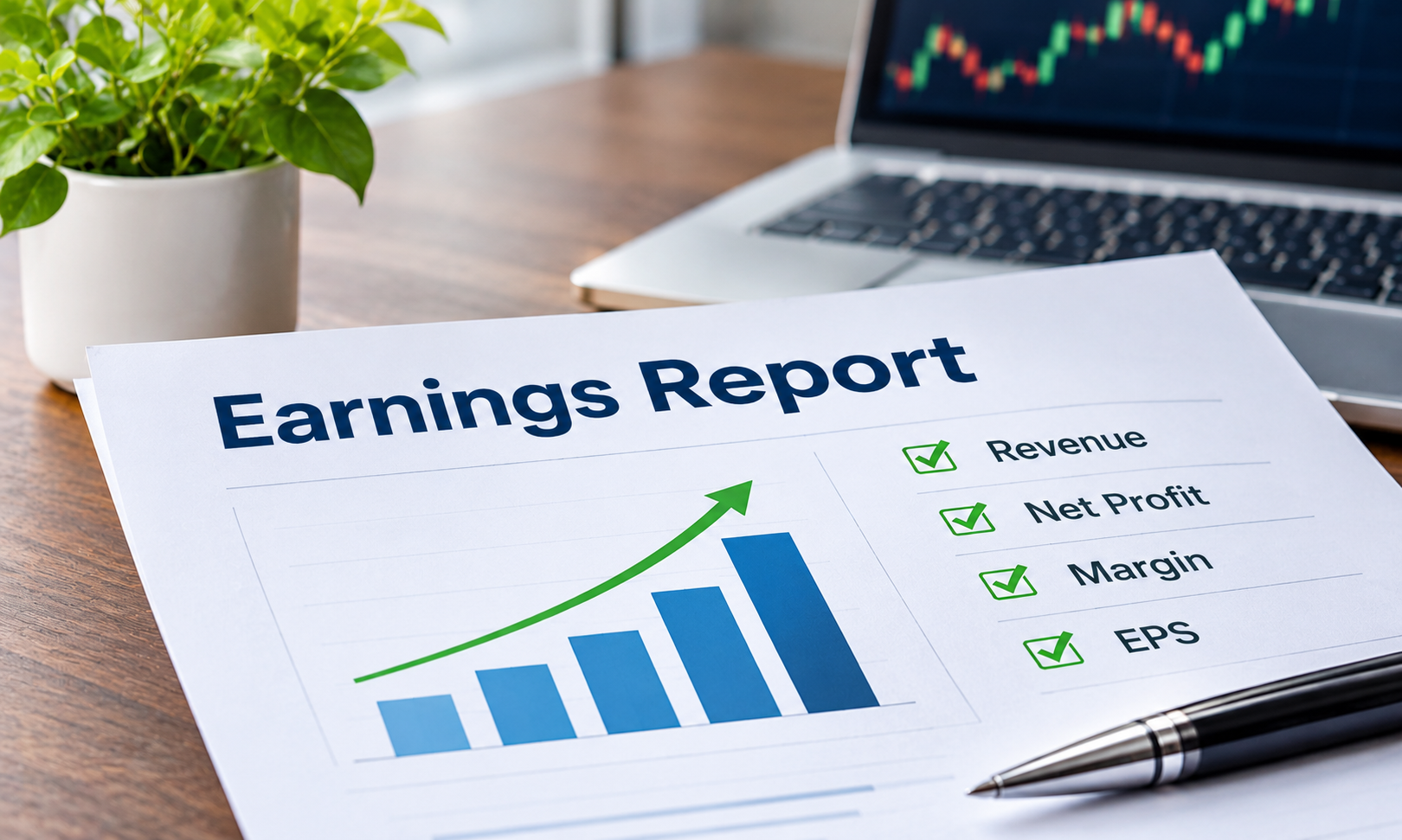
Investors should research the company’s business model, products, competitive position and future growth opportunities. Financial performance also matters. Revenue, earnings, debt levels and cash flow all give useful insight into the financial health.
Investors are kept informed of business performance and key developments through annual reports, half yearly results and company announcements published via the ASX. It is also worth looking at the management commentary and look for risks that may impact future results.
4. Choose a Suitable Broker and Understand the Costs
Shares listed on the ASX are usually bought through a licensed stockbroker. If you’re a beginner, you can compare online brokers based on trading fees, markets available, platform features, and customer support.
Before opening an account, investors should know the difference between brokerage fees and other costs. These can include account fees, platform fees and foreign exchange fees when buying international shares.
Australian investors also need to know how their shares are held. Holdings are registered with the relevant share registry and linked to a Holder Identification Number (HIN) under sponsorship of CHESS. Some platforms use custodial arrangements instead, where investments are held in trust for clients. Understanding the ownership structure can help investors make a more informed platform choice.
5. Start with Diversification Rather Than One Stock
Putting all available investment money into one company can leave a portfolio vulnerable to significant company-specific risk. If that business runs into trouble because of money or operations or demand, the investment could lose much of its value.
Diversification is spreading investments across different companies, industries, asset classes and geographical markets. For example, instead of being completely exposed to banking, mining or technology stocks, an investor could have exposure to a number of industries.
Exchange-traded funds (ETFs) can also offer exposure to a basket of investments through a single listed product. However, diversification does not eliminate market risk. Investors should understand the assets and costs associated with any fund before investing.
6. Avoid Emotional Decisions and Follow Market Trends Carefully
Share prices can go up and down quickly, especially in times of economic uncertainty or when market sentiment shifts. New investors might be tempted to buy shares after a big price jump or sell immediately when prices drop.
Investment decisions based on fear or excitement or social media discussions can lead to poor investment choices. Rather, investors should examine the fundamentals of the company, its financial position and long-term outlook.
And it’s important to know how to distinguish creditable research from promotional materials. Social media posts, online forums and AI-generated investment information may make incomplete or misleading claims. Verifying facts with company announcements and trusted financial sources will help you avoid acting on incorrect information.
7. Understand Tax and Keep Investment Records
Tax is another important factor to take into account when buying shares in Australia. Investment dividends are usually taxable and should be reported on an investor's tax return. Eligible Australian dividends may also include franking credits representing company tax that has already been paid.
If you sell your shares for more than you paid for them, you may have a capital gain. If you sell them for less than you paid, you may have a capital loss. Capital gains tax rules and concessions available will depend on your individual circumstances.
Investors should keep records of purchase prices and brokerage fees, dividend payments and sale transactions. Good records can make tax reporting easier and help track how well an investment is actually performing.
Risk Considerations
When you invest in stocks you could lose some or all of the money you invest. Share prices can be affected by company performance, market volatility, economic conditions and changing interest rates. Limited research, emotional decisions, concentrated portfolios and investment scams can also put beginners at risk. Some risks can be reduced by diversification and careful planning, but there are no guaranties of returns or avoidance of loss. Each investment should be understood and the financial circumstances of the investor should be considered before making decisions.
Disclaimer:
General Financial Product Advice and Regulatory Framework: Pristine Gaze Pty Ltd (ABN 66 680 815 678, ACN 680 815 678) operates as Corporate Authorised Representative (CAR No. 001312049) of Alpha Securities Pty Ltd (AFSL 330757), which is licensed and regulated by the Australian Securities and Investments Commission under the Corporations Act 2001 (Cth). This report contains general financial product advice only and has been prepared without consideration of your personal objectives, financial situation, specific needs, circumstances, or investment experience. The information is not tailored to individual circumstances and may not be suitable for your particular situation. Before acting on any information contained herein, you should carefully consider its appropriateness having regard to your personal objectives, financial situation, and needs, and consider seeking personal financial advice from a qualified financial adviser who can assess your individual circumstances and provide tailored recommendations.
Investment Risks and Market Warnings: All investments carry significant risk, and different investment strategies may carry varying levels of risk exposure including total loss of invested capital. The value of investments and income derived from them can fluctuate significantly due to market conditions, economic factors, company-specific events, regulatory changes, commodity price volatility, currency fluctuations, interest rate movements, and other factors beyond our control. Securities markets are subject to market risk from general economic conditions and investor sentiment, liquidity risk affecting the ability to buy or sell securities at desired prices, credit risk from issuer default or deterioration, operational risk from inadequate internal processes, sector-specific risks including industry regulatory changes, technology obsolescence, management changes, competitive pressures, supply chain disruptions, and mining-specific risks including resource estimation uncertainty, operational hazards, environmental compliance, permitting delays, commodity price cycles, geopolitical factors affecting mining operations, and exploration risks. Small-cap and speculative mining stocks carry additional risks including limited liquidity, higher volatility, dependence on key personnel, limited operating history, uncertain cash flows, and potential failure to achieve commercial production.
Information Accuracy and Limitations: While we endeavour to ensure information accuracy and reliability, we make no representations or warranties (express or implied) regarding the accuracy, reliability, completeness, timeliness, or suitability of information provided, except where liability cannot be excluded under applicable law. This report may include information from third-party sources including company announcements, regulatory filings, research reports, market data providers, financial news services, and publicly available information, which we do not independently verify and for which we assume no responsibility. Past performance, examples, historical data, or projections are not indicative of future results, and no guarantee of future returns is provided or implied. To the maximum extent permitted by law, Pristine Gaze Pty Ltd and Alpha Securities Pty Ltd, together with their respective directors, officers, employees, representatives, and related entities, exclude all liability for any errors, omissions, inaccuracies, loss or damage (including direct, indirect, consequential, or special damages) arising from reliance on information provided, investment decisions made based on this report, market losses, opportunity costs, and technical issues or system failures.
Frequently Asked Questions
Common questions about investing and market research to help guide your decisions.