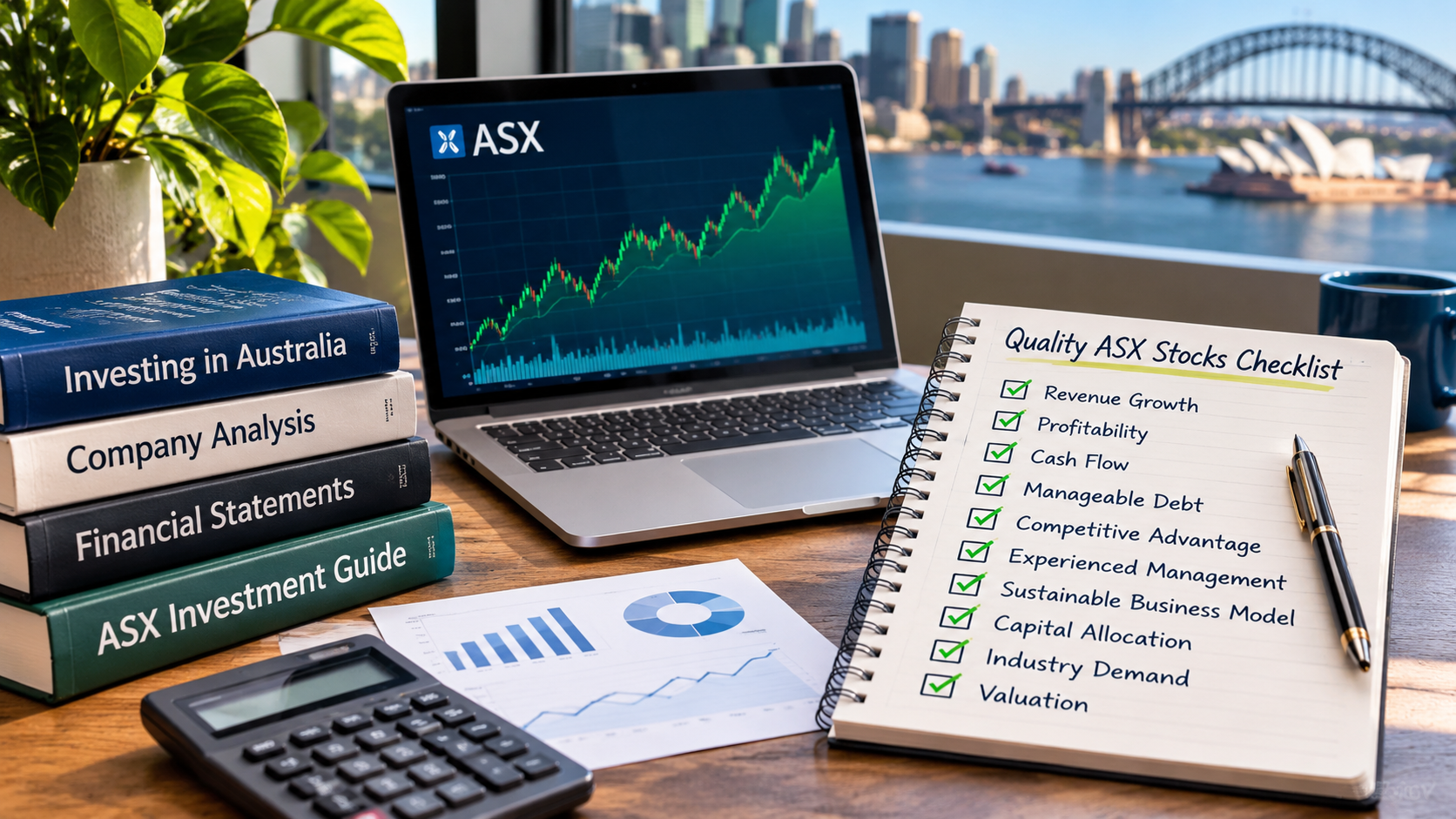
Should Retirees Invest in Growth Stocks?
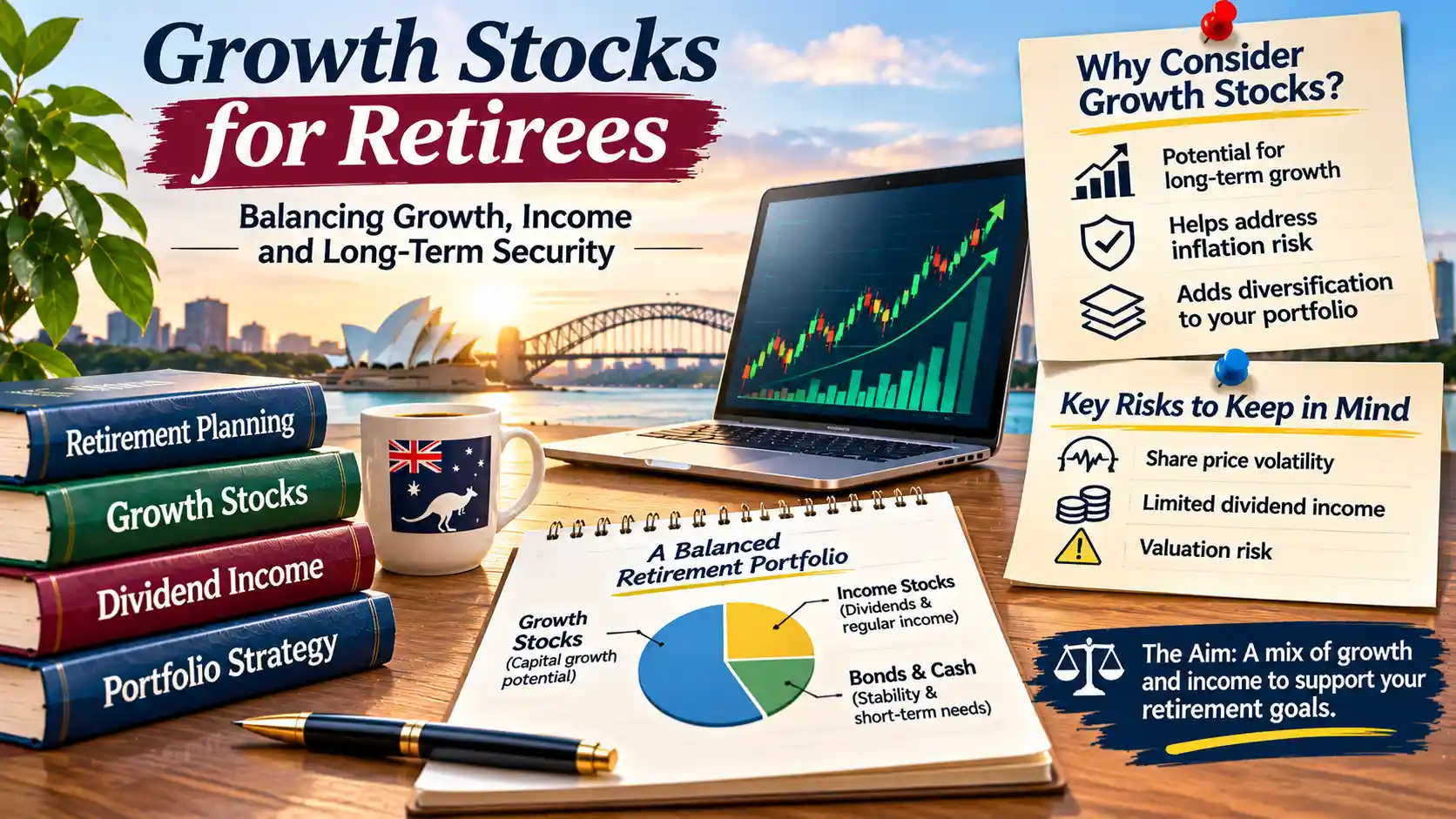
Retirement typically impacts the way people approach investing. Retired investors may need to dip into their savings and assets to pay for routine costs, whereas working investors may have more time to bounce back from market downturns. Income production and capital preservation are therefore key concerns. But eliminating growth assets completely might also handicap a portfolio's ability to keep up with rising living expenditures.
Growth stocks for retirees provide a way to invest in firms that are likely to improve their earnings and the value of their business over time. Such investments may have potential for financial appreciation but may also be subject to volatility and lack of regular dividend income. Retirees can use an appreciation of the rewards and hazards of growth equities to evaluate if they belong in their portfolio.
What Are Growth Stocks?
Growth stocks are shares in firms predicted to grow their revenue, earnings or market share at a quicker pace than the broader market or their industry. Typically, these companies reinvest a large part of their income on expansion, product development and new markets.
Unlike established dividend-paying corporations, growing companies may give shareholders little or no income. Their investing attraction usually stems from the hope that corporate growth will allow for bigger profits and maybe push up the share price.
For example, a technology company that is creating new software or a healthcare organisation that is broadening its product line may have the chance to grow. However, these possibilities depend on client demand, competition, and the company's ability to make a sustained profit.
Why Might Retirees Consider Growth Stocks?
1. Potential for Long-Term Capital Growth
Retirement may be a long process, and some investors may want their investments to continue to grow after they retire. Successful companies with growing operations and earnings may provide capital appreciation over time.
This can help retirees keep the purchasing power of their funds when the cost of living rises. But predicted growth doesn’t necessarily mean a higher stock price. Investors should focus on the financial performance and business fundamentals rather than just future expectations.
2. Helps Address Inflation Risk
Inflation may progressively erode the purchasing power of your retirement funds. Costs for things like groceries, healthcare, electricity and housing may rise over time, adding more pressure on retirement income.
Changing economic conditions may enable some growing enterprises to boost prices, sales or productivity. If these trends are good for earnings growth, their stocks may have the ability to beat inflation over a longer period of time.
But corporations could also face increased prices and decreased demand. Even if the companies are still growing, growth stocks might fall in a market that is uncertain.
3. Diversifies Retirement Investments
If you are retired and primarily investing for income, you may be underweight in growth firms. Adding select growth stocks can be a way to add exposure to diverse sectors and potential sources of return.
For example, a portfolio with a focus on Australian banks and infrastructure industries may have distinct risk exposures to one that also contains healthcare or technology companies.
But it is contingent upon what you hold to be diversified. If you have a portfolio with a number of growth stocks in the same industry, you may still be susceptible to the same market dangers.
What Risks Should Retirees Consider?
Share Price Volatility
Growth companies can be volatile, since their prices are generally based on expectations of future earnings. If a corporation announces poor results or a cut to its expectations, its share price can fall sharply.
This can be painful for retirees who have to liquidate investments to fund their living expenses. Selling shares during a downturn might result in losses and limit capital available for future requirements.
Limited Dividend Income
Many growth corporations pay out profits rather than pay regular dividends. This might mean retirees who rely on income from investments will have to sell shares or tap into other assets to cover costs.
A portfolio primarily weighted to growth equities may be less reliable in terms of cash flow than one that contains income-producing items.
Valuation Risk
Investors may be paying a high price for companies perceived to have significant future growth. If earnings are lower than expected the market can revise its estimate of the value of the company and the share price might fall.
A good business is not necessarily a good investment at any price. Growth potential should be evaluated on the basis of earnings, cash flow, debt levels and valuation for retirees.
How Can Retirees Balance Growth and Income?
There isn't a universally applicable portfolio allocation for retirees. Your investing objectives, need for income, current funds, ability to tolerate risk and investment time horizon will determine the proper mix.
Some retirees may want to combine growth equities with blue-chip dividend-paying stocks, bonds and cash. This can offer diverse sources for prospective profits and decrease reliance on one asset class.
For example, an investor may hold selected growth shares for prospective capital appreciation yet hold cash and income-producing investments to satisfy short-term expenses. That can lessen the need to sell growing assets when the price of shares comes under pressure.
Retirees should also make sure they have enough liquid savings to cover scheduled spending and unexpected charges. The quantity needed will be dependent on individual circumstances.
What Should Retirees Look for in Growth Stocks?
When looking for growth stocks for retirees, you need to look at the underlying business, not just previous stock price success.
Some of the things to watch for are:
- Revenue & earnings growth: Look for a history of steady growth in the company and whether that growth is being fueled by sustainable demand.
- Cash flow generation: Determine whether the business can produce cash from its operations or it largely depends on outside investment.
- Debt levels: More borrowing might increase financial pressure, especially if interest rates go up or your income falls.
- Competitive position: Look at the company’s products, customer relationships and ability to compete.
- Valuation: Consider the share price in relation to earnings, cash flow and future growth forecasts.
- Dividend Policy: Understand whether the corporation pays dividends or reinvests.
These factors can help investors differentiate between companies with proven growth history and those whose prices are based only on the promise of future performance.
Are Growth Stocks Suitable for Every Retiree?
Growth stocks can be a good fit for retirees who have a longer investment horizon and can handle market volatility and who don’t need to access their investments for quick income. They may not be as ideal for people with limited finances or a high requirement for steady cash flow.
Retirement conditions might change. Unexpected costs, changes in household income and health care expenses might alter the amount of investment risk a person can safely take on.
Ultimately, growth stocks for retirees should be considered as part of a wider investment strategy, not a replacement for income-producing or low-volatility investments. Their involvement will rely on your financial needs, your investing time horizon and your ability to bear any possible losses.
Risk Considerations
Growth stocks are subject to market volatility, changing investor expectations, competition and company-specific risks. Prices can decline if earnings are not as high as expected or values become less attractive. Retirees who need to liquidate investments while markets are down risk locking in losses. Diversification does not guaranty a profit or protect against loss in a declining market. Past performance is not indicative of future results. Investors should assess their own financial situation, and their retirement income needs before making investing decisions.
Disclaimer:
General Financial Product Advice and Regulatory Framework: Pristine Gaze Pty Ltd (ABN 66 680 815 678, ACN 680 815 678) operates as Corporate Authorised Representative (CAR No. 001312049) of Alpha Securities Pty Ltd (AFSL 330757), which is licensed and regulated by the Australian Securities and Investments Commission under the Corporations Act 2001 (Cth). This report contains general financial product advice only and has been prepared without consideration of your personal objectives, financial situation, specific needs, circumstances, or investment experience. The information is not tailored to individual circumstances and may not be suitable for your particular situation. Before acting on any information contained herein, you should carefully consider its appropriateness having regard to your personal objectives, financial situation, and needs, and consider seeking personal financial advice from a qualified financial adviser who can assess your individual circumstances and provide tailored recommendations.
Investment Risks and Market Warnings: All investments carry significant risk, and different investment strategies may carry varying levels of risk exposure including total loss of invested capital. The value of investments and income derived from them can fluctuate significantly due to market conditions, economic factors, company-specific events, regulatory changes, commodity price volatility, currency fluctuations, interest rate movements, and other factors beyond our control. Securities markets are subject to market risk from general economic conditions and investor sentiment, liquidity risk affecting the ability to buy or sell securities at desired prices, credit risk from issuer default or deterioration, operational risk from inadequate internal processes, sector-specific risks including industry regulatory changes, technology obsolescence, management changes, competitive pressures, supply chain disruptions, and mining-specific risks including resource estimation uncertainty, operational hazards, environmental compliance, permitting delays, commodity price cycles, geopolitical factors affecting mining operations, and exploration risks. Small-cap and speculative mining stocks carry additional risks including limited liquidity, higher volatility, dependence on key personnel, limited operating history, uncertain cash flows, and potential failure to achieve commercial production.
Information Accuracy and Limitations: While we endeavour to ensure information accuracy and reliability, we make no representations or warranties (express or implied) regarding the accuracy, reliability, completeness, timeliness, or suitability of information provided, except where liability cannot be excluded under applicable law. This report may include information from third-party sources including company announcements, regulatory filings, research reports, market data providers, financial news services, and publicly available information, which we do not independently verify and for which we assume no responsibility. Past performance, examples, historical data, or projections are not indicative of future results, and no guarantee of future returns is provided or implied. To the maximum extent permitted by law, Pristine Gaze Pty Ltd and Alpha Securities Pty Ltd, together with their respective directors, officers, employees, representatives, and related entities, exclude all liability for any errors, omissions, inaccuracies, loss or damage (including direct, indirect, consequential, or special damages) arising from reliance on information provided, investment decisions made based on this report, market losses, opportunity costs, and technical issues or system failures.
Frequently Asked Questions
Common questions about investing and market research to help guide your decisions.