
How to Analyse Mining Stocks Before Investing
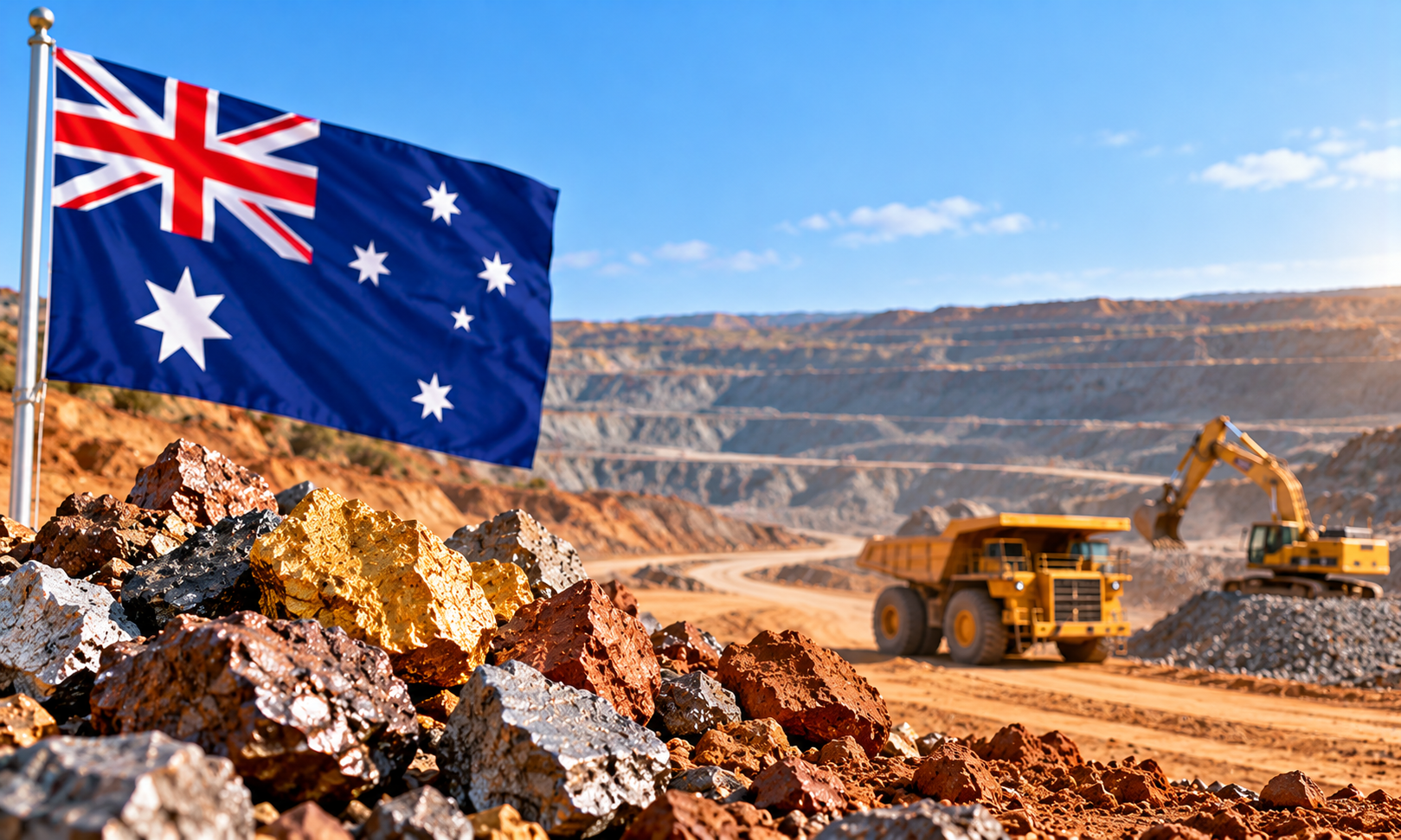
Mining stocks can provide investors with exposure to commodities such as gold, copper, iron ore, lithium and other resources used in construction, manufacturing and energy production. However, investing in a mining company involves more than assessing its share price or the commodity it produces. A company's financial performance can depend on the quality of its mineral deposits, production costs, commodity prices, access to funding and ability to operate efficiently. For Australian investors, understanding analyse mining stocks is particularly relevant because the ASX includes companies at different stages of development, from early-stage explorers to established producers. Learning how to assess these businesses can help investors understand their growth potential, identify important risks and make more informed investment decisions.
Understand the Company's Stage of Development
Mining firms are often placed in three major categories: exploration companies, development companies and established producers. Exploration businesses look for mineral deposits and drill or do geological research to see whether there might be a resource. These companies may have little or no revenue and their prospects are generally contingent on exploration results, finance and the potential to find an economically viable deposit. Development firms are further along in the process and may be performing feasibility studies, seeking approvals, or getting ready to develop a mine. Commodity producers, which own mines, make their money by selling what they extract.
Knowing the stage that a firm is in allows the investor to know the factors likely to affect the performance of a company. Exploration companies’ share values might swing dramatically on drilling results, whereas a producer’s financial results might be more affected by production volumes, operational costs and commodity prices. “Investors shouldn’t try to compare these companies as if they had the same risk profile.” A promising exploration finding does not necessarily mean the mine can be commercially developed and even a proven producer can run into operational or financial issues.
Examine Mineral Resources and Ore Reserves
Mineral resources and ore reserves are crucial indicators of the material that a mining company has located, and the potential to extract it. But the words are not interchangeable. A mineral resource is a concentration of a mineral that has a realistic possibility for eventual economic extraction, as shown by geological evidence and knowledge. An ore reserve is that part of a mineral resource which is economically extractable by existing proven technology and which might be profitably mined.
Investors should consider the size, grade and location of a company's resource, and the degree of geological confidence and amount of work still required to prove commercial viability. Higher-grade deposits can minimise the amount of material that needs to be processed to create a given amount of metal, but profitability also depends on the mining conditions, processing requirements, infrastructure, and the recovery rates and costs. There will be further drilling and technical work to revise the resource estimations. Therefore investors should look at the studies that back these up and not assume a large resource equals a good or successful mining.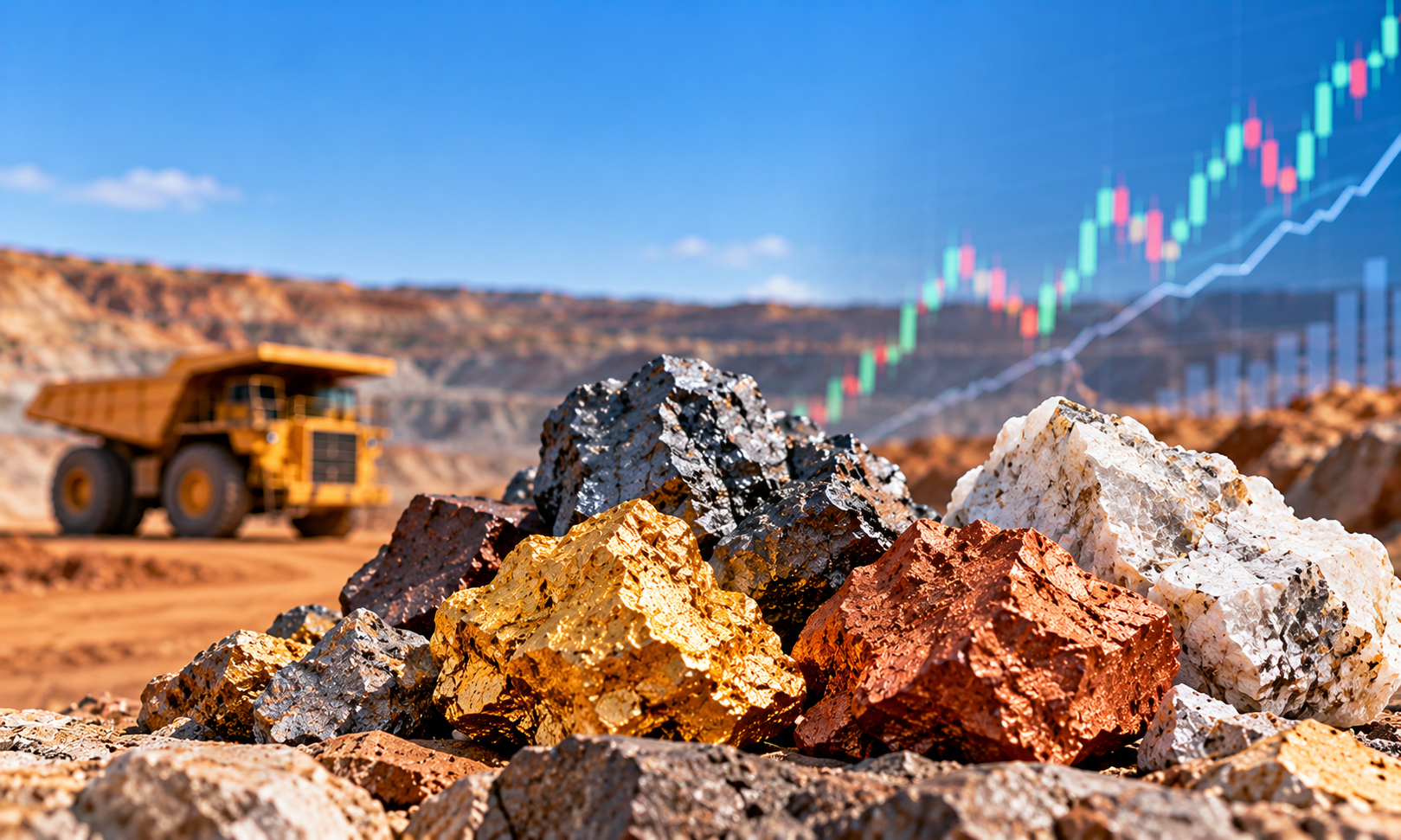
Analyse Production Costs and Profitability
For an established mining company, the cost of production is a key factor in determining its financial performance. Commodity prices are volatile, and enterprises with relatively high operational costs can have problems when market prices decline. Investors can look at things such as the cost of producing a unit of the commodity, the total operating expenses, the production volumes and the realised selling prices. Gold miners commonly utilise all-in sustaining costs as a gauge of the current costs of maintaining production, but definitions and reporting processes should be reviewed when comparing businesses.
Let's assume there are two hypothetical gold manufacturers selling gold at the same market price. Assuming all other things are equal, if your production costs are lower you may have a higher profit on every unit you sell. But cost comparisons must take into consideration differences in ore quality, mine life, location, by-product credits and sustaining capital requirements. Investors should be looking at whether costs are going up or down over time and whether the output guidance from management looks feasible. Higher commodity prices might help boost profitability, but any operational inefficiencies or unanticipated expenses can eat away at the benefit.
Assess Commodity Prices and Market Demand
Market circumstances are also an important aspect of investment analysis because mining businesses are subject to the commodities they produce. Demand for iron ore is driven by steel production and construction activities and demand for copper is driven by electrical infrastructure, manufacturing and other industrial applications. Investment demand, central bank action, currency changes and general economic instability can all affect gold. Demand for lithium is partially driven by batteries and energy storage but also by growth in supply and changes in battery technology that can impact prices.
It’s important to examine current market circumstances and factors that may affect supply and demand going forward. If the selling price of a company’s commodity is low enough, its expansion in production can be weakened in the face of its revenue. Similarly, increasing pricing do not ensure higher profits if operating costs rise at the same time. It helps to know whether management’s financial projections are based on conservative, current or optimistic commodity pricing assumptions. Commodity price forecasts are seldom definite, thus investors should think about how the business may perform in less favourable market conditions.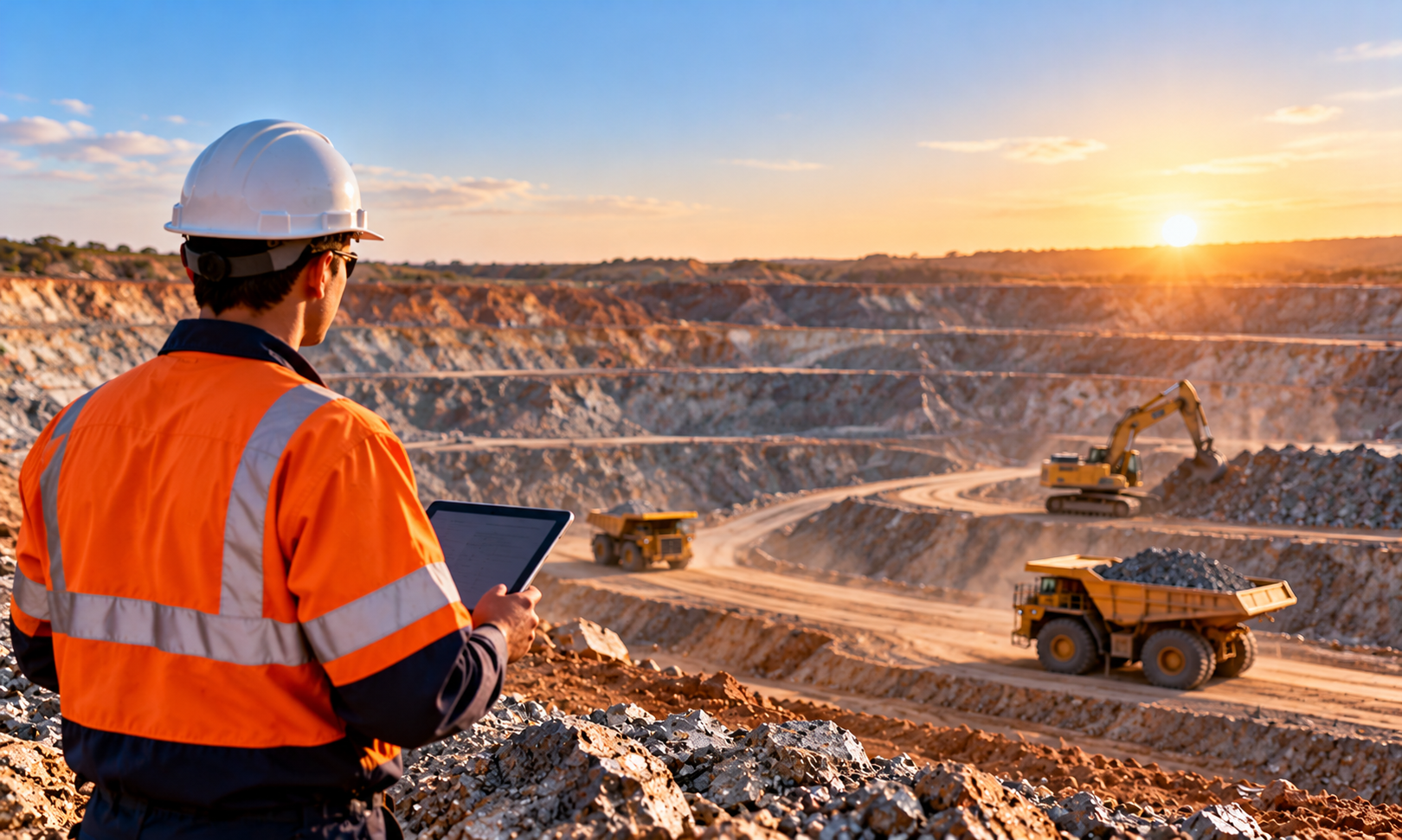
Review Cash Flow, Debt and Funding Requirements
Mining operations may require significant investment for exploration, equipment, infrastructure, processing facilities and ongoing maintenance. To assess a company’s financial flexibility, investors should look at its cash position, operational cash flow, debt levels and projected capital expenditure. Established producers may use operating revenue to fund expansion, but companies in the early stages of development typically rely on external investment to continue exploration or advance development initiatives.
If a corporation has low cash and high spending needs in the future, it may need to obtain more capital. If new shares are issued to raise this equity, current shareholders could be diluted in ownership unless they participate in the raising, reducing their ownership to a lower fraction of the enlarged share capital. Debt can also put strain on companies if interest costs rise or commodity prices fall. Investors should consider the intended use of capital, the timing of expected spend, and if the company has adequate resources to reach its next important milestone. A good geological possibility may not translate into shareholder value if the project cannot be advanced due to a lack of funds.
Consider Management, Infrastructure and Regulatory Approvals
A mining project is more than the quality of the mineral resource it contains. Management must supervise exploration, engineering, building, production and financial planning, while adapting to changing operating conditions. Investors might look at management’s track record, past project delivery and consistency between proclaimed aims and actual performance. But if there are repeated delays or major cost overruns, then more scrutiny may be warranted. Individual setbacks should be viewed in context.
Infrastructure and clearances are equally vital. Projects may need access to roads, rail, ports, power, water and processing facilities. Environmental evaluations, land access agreements, heritage concerns and required government permissions can have impact on project timing and costs. A remote deposit may have appealing geological qualities but be difficult or costly to develop without the right infrastructure. Investors should determine what approvals are in hand, what approvals are pending and what restrictions could prevent construction or production from proceeding as expected.
Risk Considerations
Mining equities can be influenced by commodity-price volatility, uncertain exploration results, operational problems, increasing expenses, funding restrictions and regulatory delays. Resource estimates are estimations and a discovery is not an assurance that a commercially viable mine can be constructed. Companies may also have environmental duties, infrastructure constraints and dilution from future capital raisings. Investors should consider the development stage, financial position, production economics and project assumptions of a mining company before making judgements. A corporation can have great assets, yet its share price can still fall sharply. Returns on investments are not guaranteed.
Disclaimer:
General Financial Product Advice and Regulatory Framework: Pristine Gaze Pty Ltd (ABN 66 680 815 678, ACN 680 815 678) operates as Corporate Authorised Representative (CAR No. 001312049) of Alpha Securities Pty Ltd (AFSL 330757), which is licensed and regulated by the Australian Securities and Investments Commission under the Corporations Act 2001 (Cth). This report contains general financial product advice only and has been prepared without consideration of your personal objectives, financial situation, specific needs, circumstances, or investment experience. The information is not tailored to individual circumstances and may not be suitable for your particular situation. Before acting on any information contained herein, you should carefully consider its appropriateness having regard to your personal objectives, financial situation, and needs, and consider seeking personal financial advice from a qualified financial adviser who can assess your individual circumstances and provide tailored recommendations.
Investment Risks and Market Warnings: All investments carry significant risk, and different investment strategies may carry varying levels of risk exposure including total loss of invested capital. The value of investments and income derived from them can fluctuate significantly due to market conditions, economic factors, company-specific events, regulatory changes, commodity price volatility, currency fluctuations, interest rate movements, and other factors beyond our control. Securities markets are subject to market risk from general economic conditions and investor sentiment, liquidity risk affecting the ability to buy or sell securities at desired prices, credit risk from issuer default or deterioration, operational risk from inadequate internal processes, sector-specific risks including industry regulatory changes, technology obsolescence, management changes, competitive pressures, supply chain disruptions, and mining-specific risks including resource estimation uncertainty, operational hazards, environmental compliance, permitting delays, commodity price cycles, geopolitical factors affecting mining operations, and exploration risks. Small-cap and speculative mining stocks carry additional risks including limited liquidity, higher volatility, dependence on key personnel, limited operating history, uncertain cash flows, and potential failure to achieve commercial production.
Information Accuracy and Limitations: While we endeavour to ensure information accuracy and reliability, we make no representations or warranties (express or implied) regarding the accuracy, reliability, completeness, timeliness, or suitability of information provided, except where liability cannot be excluded under applicable law. This report may include information from third-party sources including company announcements, regulatory filings, research reports, market data providers, financial news services, and publicly available information, which we do not independently verify and for which we assume no responsibility. Past performance, examples, historical data, or projections are not indicative of future results, and no guarantee of future returns is provided or implied. To the maximum extent permitted by law, Pristine Gaze Pty Ltd and Alpha Securities Pty Ltd, together with their respective directors, officers, employees, representatives, and related entities, exclude all liability for any errors, omissions, inaccuracies, loss or damage (including direct, indirect, consequential, or special damages) arising from reliance on information provided, investment decisions made based on this report, market losses, opportunity costs, and technical issues or system failures.
Frequently Asked Questions
Common questions about investing and market research to help guide your decisions.