Healthcare

2 ASX Healthcare Stocks With Commercialisation Potential

Healthcare innovation often starts with big ideas, but value is created when those ideas move out of the lab and into real-world use. That step, commercialisation, is where science meets regulation, funding meets partnerships, and patient need meets scalable solutions. On the ASX, two healthcare companies are progressing along that path in very different ways, yet toward the same goal: turning innovation into usable, revenue-generating healthcare products.

This blog looks at Dimerix Ltd and BlinkLab Ltd. One is developing a potential first-in-class drug for a rare kidney disease, the other is building AI-powered diagnostic tools using everyday smartphones. Both are still in development, but both are showing signs that commercial outcomes are no longer theoretical.

Why commercialisation matters more than early discovery

Early-stage healthcare investing is often dominated by promise. Promising molecules, promising algorithms, promising pilot results. Commercialisation is different. It requires evidence strong enough for regulators, systems robust enough for clinicians, and business models credible enough for partners and payers.

When a company reaches this stage, the conversation changes. Instead of asking “does this work?”, the questions become “who will use this?”, “how will it be approved?”, and “how does it scale?”. That is the transition both Dimerix and BlinkLab are attempting.

Dimerix Ltd: addressing a disease with no approved treatment

Dimerix is a clinical-stage biopharmaceutical company focused on inflammatory and kidney diseases. Its lead drug candidate, DMX-200, is being developed to treat focal segmental glomerulosclerosis, commonly known as FSGS. This is a rare but serious kidney disorder that can lead to kidney failure, dialysis, or transplant.

Why FSGS creates a commercial opening

The most important commercial feature of FSGS is that there is currently no approved therapy specifically indicated for it anywhere in the world. Patients are often treated with off-label drugs that carry significant side effects and inconsistent outcomes.

That creates three important dynamics:

  1. Strong unmet medical need
  2. Willingness from regulators to engage constructively
  3. Clear interest from healthcare systems in effective treatments

Drugs that successfully address rare diseases often benefit from regulatory incentives, including market exclusivity and expedited review pathways, which can enhance commercial viability.

Progress beyond early-stage science

DMX-200 is currently in Phase 3 clinical trials, the final stage before potential regulatory submission. This is a meaningful milestone. Many drug candidates fail long before this point.

Dimerix has also structured its development strategy with global reach in mind. The company has entered licensing agreements in regions such as Japan and the Middle East. These agreements typically involve upfront payments, development milestones, and future royalties, which help validate commercial interest even before full approval.

From a commercialisation perspective, this matters because it shows:

  1. External partners see value in the asset
  2. The product is being positioned for multiple markets
  3. The company is not relying on a single approval outcome

What needs to go right next

For Dimerix, commercialisation depends on:

  1. Successful Phase 3 trial outcomes
  2. Regulatory engagement translating into approvals
  3. Execution of licensing or commercial partnerships in major markets

The opportunity is significant, but the pathway remains execution-dependent, as it is for all late-stage drug developers.

BlinkLab Ltd: turning smartphones into diagnostic tools

BlinkLab operates in digital health, focusing on neurodevelopmental diagnostics such as autism spectrum disorder and ADHD. Its approach is fundamentally different from traditional diagnostic pathways, which often involve long wait times, subjective assessments, and limited access.

A different kind of healthcare innovation

BlinkLab’s technology uses smartphone cameras combined with artificial intelligence to analyse subtle behavioural and sensory responses in children. The aim is not to replace clinicians, but to provide objective, scalable tools that support earlier and more consistent diagnosis.

This matters because early diagnosis in neurodevelopmental conditions can significantly improve long-term outcomes, yet access to assessment remains a bottleneck in many healthcare systems.

Signs of commercial readiness

What separates BlinkLab from many digital health concepts is its focus on clinical validation and regulation. The company has reported pilot study results showing strong sensitivity and specificity, meeting or exceeding thresholds discussed with regulators.

BlinkLab is progressing through the U.S. Food and Drug Administration’s 510(k) regulatory pathway, which is designed for medical devices that demonstrate substantial equivalence to existing approved tools. Engagement at this level signals intent to enter mainstream clinical use, not just consumer experimentation.

From a commercial perspective, this approach matters because:

  1. Regulatory clearance enables reimbursement discussions
  2. Clinician adoption depends on validated workflows
  3. Scalability is supported by widespread smartphone use

Where commercial leverage could emerge

If approved, BlinkLab’s tools could be deployed across clinics, schools, and healthcare systems without the need for expensive equipment. That creates potential for:

  1. High scalability
  2. Lower marginal costs
  3. Broad geographic reach

Digital diagnostics do face challenges, including clinician acceptance and data governance, but BlinkLab’s regulatory-first strategy addresses some of the biggest barriers early.

Two paths, one shared objective

Although Dimerix and BlinkLab operate in very different healthcare domains, their commercialisation journeys share common elements.

Both are:

  1. Addressing genuine unmet needs
  2. Advancing through formal regulatory pathways
  3. Engaging with global markets rather than remaining local
  4. Moving beyond concept toward structured deployment

The difference lies in timelines and risk profiles. Drug development is longer and more capital intensive, but successful outcomes can deliver long exclusivity. Digital diagnostics can scale faster, but face competition and adoption hurdles.

Why these stories matter in healthcare investing

Healthcare investors often struggle to distinguish between innovation and commercial intent. Many companies can demonstrate interesting science or clever technology. Fewer show the discipline required to translate that into real-world use.

In the cases of Dimerix and BlinkLab, the signals to watch are not marketing claims, but structural progress:

  1. Late-stage trials and licensing activity
  2. Regulatory submissions and clinical validation
  3. Partnerships that suggest future distribution and adoption

Innovation moving toward impact

The healthcare sector rewards patience, but it also rewards progress. Dimerix and BlinkLab are not finished stories, but they are moving from potential toward practicality. One aims to deliver a first-of-its-kind therapy for a serious kidney disease. The other aims to make early neurodevelopmental diagnosis more accessible and objective.

For investors watching healthcare innovation evolve into healthcare delivery, these two ASX-listed companies offer contrasting but instructive examples of what commercialisation-in-progress looks like.

Disclaimer:

General Financial Product Advice and Regulatory Framework: Pristine Gaze Pty Ltd (ABN 66 680 815 678, ACN 680 815 678) operates as Corporate Authorised Representative (CAR No. 001312049) of Alpha Securities Pty Ltd (AFSL 330757), which is licensed and regulated by the Australian Securities and Investments Commission under the Corporations Act 2001 (Cth). This report contains general financial product advice only and has been prepared without consideration of your personal objectives, financial situation, specific needs, circumstances, or investment experience. The information is not tailored to individual circumstances and may not be suitable for your particular situation. Before acting on any information contained herein, you should carefully consider its appropriateness having regard to your personal objectives, financial situation, and needs, and consider seeking personal financial advice from a qualified financial adviser who can assess your individual circumstances and provide tailored recommendations.

Investment Risks and Market Warnings: All investments carry significant risk, and different investment strategies may carry varying levels of risk exposure including total loss of invested capital. The value of investments and income derived from them can fluctuate significantly due to market conditions, economic factors, company-specific events, regulatory changes, commodity price volatility, currency fluctuations, interest rate movements, and other factors beyond our control. Securities markets are subject to market risk from general economic conditions and investor sentiment, liquidity risk affecting the ability to buy or sell securities at desired prices, credit risk from issuer default or deterioration, operational risk from inadequate internal processes, sector-specific risks including industry regulatory changes, technology obsolescence, management changes, competitive pressures, supply chain disruptions, and mining-specific risks including resource estimation uncertainty, operational hazards, environmental compliance, permitting delays, commodity price cycles, geopolitical factors affecting mining operations, and exploration risks. Small-cap and speculative mining stocks carry additional risks including limited liquidity, higher volatility, dependence on key personnel, limited operating history, uncertain cash flows, and potential failure to achieve commercial production.

Information Accuracy and Limitations: While we endeavour to ensure information accuracy and reliability, we make no representations or warranties (express or implied) regarding the accuracy, reliability, completeness, timeliness, or suitability of information provided, except where liability cannot be excluded under applicable law. This report may include information from third-party sources including company announcements, regulatory filings, research reports, market data providers, financial news services, and publicly available information, which we do not independently verify and for which we assume no responsibility. Past performance, examples, historical data, or projections are not indicative of future results, and no guarantee of future returns is provided or implied. To the maximum extent permitted by law, Pristine Gaze Pty Ltd and Alpha Securities Pty Ltd, together with their respective directors, officers, employees, representatives, and related entities, exclude all liability for any errors, omissions, inaccuracies, loss or damage (including direct, indirect, consequential, or special damages) arising from reliance on information provided, investment decisions made based on this report, market losses, opportunity costs, and technical issues or system failures.

Commonwealth Bank

Does Commonwealth Bank of Australia (ASX: CBA) Deserve a Higher Multiple?

Few stocks generate as much debate in Australian investing circles as Commonwealth Bank of Australia. It is widely regarded as the highest-quality franchise among the major banks, yet it already trades at a valuation that many observers consider demanding. That tension leads to a recurring question: does CBA actually deserve a higher valuation multiple, or is its premium already fully justified?

To answer that properly, it helps to step away from short-term price movements and look instead at the structural qualities of the business, how it earns its profits, and why markets sometimes reward certain companies with enduring valuation premiums.

What a “higher multiple” really reflects

A valuation multiple is not a reward for size alone. Markets tend to pay higher multiples for businesses that combine three things: predictable earnings, strong competitive positioning, and confidence that those advantages will persist. A higher multiple usually signals trust, not excitement.

So when investors debate whether CBA deserves a premium, they are really asking whether its earnings are safer, more repeatable, and more durable than those of peers.

A franchise built on everyday banking habits

CBA’s most powerful advantage is not a single product or technology. It is habit. Millions of Australians receive their salaries into CBA accounts, pay bills through its systems, and manage savings and loans within its ecosystem. That everyday engagement creates deep customer inertia.

From a valuation perspective, this matters because habitual usage lowers churn. Customers rarely switch primary banks unless something goes wrong. That stability supports consistent deposit inflows, which in turn fund lending at relatively low cost. A large, sticky deposit base is one of the most valuable assets a bank can have, especially in uncertain economic conditions.

Banks with more predictable funding profiles often justify higher valuation multiples because their earnings are less fragile during stress.

Digital leadership as a quiet compounding advantage

CBA has spent years investing heavily in digital platforms, data analytics, and automation. While these investments were expensive upfront, they now shape how the bank operates day to day.

Its digital channels handle the majority of customer interactions, reducing reliance on physical branches and manual processing. Over time, this lowers operating costs per customer while improving service convenience. Importantly, digital leadership also allows CBA to scale without proportionately increasing expenses.

For valuation, this efficiency matters. A business that can grow volumes while holding costs relatively steady improves return on equity over the long run. Markets often reward that dynamic with higher multiples, especially when efficiency gains are structural rather than cyclical.

Diversification that smooths the earnings profile

Although home lending remains central to CBA’s business, the bank’s earnings are not reliant on a single activity. It has exposure across retail banking, business lending, payments, institutional services, and wealth-related products.

This diversification helps smooth results through different economic environments. When one segment slows, others can partially offset the impact. That smoothing effect reduces earnings volatility, which tends to support valuation premiums.

Investors are usually willing to pay more for a business whose earnings path is flatter and more predictable, even if growth is moderate rather than spectacular.

Risk management and capital strength as valuation anchors

CBA operates in a heavily regulated sector, but regulation cuts both ways. While it limits aggressive growth, it also enforces discipline. Strong capital buffers, conservative provisioning, and tight credit standards reduce the risk of catastrophic losses.

History shows that markets tend to re-rate banks upward when confidence in balance sheet strength is high. In contrast, banks perceived as taking excessive risk often trade at discounts, regardless of short-term profitability.

CBA’s long track record of prudent risk management supports the argument that its earnings deserve to be capitalised at a higher rate than peers with weaker histories.

Why the market may hesitate to award an even higher multiple

Despite these strengths, there are valid reasons investors hesitate to push CBA’s valuation much further.

Banking remains cyclical. Credit growth depends on economic activity, employment, and property markets. Net interest margins fluctuate with interest rate settings and competitive dynamics. Even the best bank cannot fully escape these forces.

Regulation also caps upside. Capital requirements and compliance obligations limit how aggressively banks can deploy balance sheets. This naturally constrains long-term growth rates compared with asset-light industries.

Finally, valuation is relative. When markets favour fast-growing technology or industrial themes, even high-quality banks can look less exciting by comparison, which can compress multiples regardless of fundamentals.

Quality versus price discipline

The real debate around CBA is not about quality. That is widely acknowledged. The debate is about how much investors should pay for that quality.

Arguments supporting a higher multiple focus on:

  1. A dominant retail deposit franchise
  2. Digital efficiency that compounds over time
  3. Diversified earnings and strong risk controls
  4. Predictable cash generation

Arguments against further multiple expansion focus on:

  1. Sector cyclicality
  2. Regulatory ceilings on returns
  3. Sensitivity to interest rate movements
  4. Competition from non-bank and digital challengers

Both sides can be true at once. A company can deserve a premium while still being fully priced at a given moment.

What could justify multiple expansion over time

If CBA were to sustain or grow its premium valuation, investors would likely want to see:

  1. Continued cost efficiency gains from digital investments
  2. Stable or improving margins without taking extra risk
  3. Disciplined capital management that balances growth and returns
  4. Evidence that customer engagement deepens rather than fragments

Valuation premiums are rarely granted for ambition alone. They are earned through consistent delivery.

When Consistency, Not Excitement, Drives Value

So, does Commonwealth Bank of Australia deserve a higher multiple? The answer depends on perspective. From a quality standpoint, CBA has many attributes that justify trading above peers. Its franchise strength, digital capability, and earnings stability are difficult to replicate.

From a valuation standpoint, however, premiums have limits. Banking remains a regulated, cyclical industry, and markets tend to enforce discipline even on the strongest players.

In the end, CBA’s multiple reflects a balance between trust and constraint. Whether that balance shifts higher will depend less on bold announcements and more on steady execution, efficiency, and risk control over time.

Disclaimer:

General Financial Product Advice and Regulatory Framework: Pristine Gaze Pty Ltd (ABN 66 680 815 678, ACN 680 815 678) operates as Corporate Authorised Representative (CAR No. 001312049) of Alpha Securities Pty Ltd (AFSL 330757), which is licensed and regulated by the Australian Securities and Investments Commission under the Corporations Act 2001 (Cth). This report contains general financial product advice only and has been prepared without consideration of your personal objectives, financial situation, specific needs, circumstances, or investment experience. The information is not tailored to individual circumstances and may not be suitable for your particular situation. Before acting on any information contained herein, you should carefully consider its appropriateness having regard to your personal objectives, financial situation, and needs, and consider seeking personal financial advice from a qualified financial adviser who can assess your individual circumstances and provide tailored recommendations.

Investment Risks and Market Warnings: All investments carry significant risk, and different investment strategies may carry varying levels of risk exposure including total loss of invested capital. The value of investments and income derived from them can fluctuate significantly due to market conditions, economic factors, company-specific events, regulatory changes, commodity price volatility, currency fluctuations, interest rate movements, and other factors beyond our control. Securities markets are subject to market risk from general economic conditions and investor sentiment, liquidity risk affecting the ability to buy or sell securities at desired prices, credit risk from issuer default or deterioration, operational risk from inadequate internal processes, sector-specific risks including industry regulatory changes, technology obsolescence, management changes, competitive pressures, supply chain disruptions, and mining-specific risks including resource estimation uncertainty, operational hazards, environmental compliance, permitting delays, commodity price cycles, geopolitical factors affecting mining operations, and exploration risks. Small-cap and speculative mining stocks carry additional risks including limited liquidity, higher volatility, dependence on key personnel, limited operating history, uncertain cash flows, and potential failure to achieve commercial production.

Information Accuracy and Limitations: While we endeavour to ensure information accuracy and reliability, we make no representations or warranties (express or implied) regarding the accuracy, reliability, completeness, timeliness, or suitability of information provided, except where liability cannot be excluded under applicable law. This report may include information from third-party sources including company announcements, regulatory filings, research reports, market data providers, financial news services, and publicly available information, which we do not independently verify and for which we assume no responsibility. Past performance, examples, historical data, or projections are not indicative of future results, and no guarantee of future returns is provided or implied. To the maximum extent permitted by law, Pristine Gaze Pty Ltd and Alpha Securities Pty Ltd, together with their respective directors, officers, employees, representatives, and related entities, exclude all liability for any errors, omissions, inaccuracies, loss or damage (including direct, indirect, consequential, or special damages) arising from reliance on information provided, investment decisions made based on this report, market losses, opportunity costs, and technical issues or system failures.


Long-Term Investment

The Long-Term Investment Case for Hub24 Ltd (ASX: HUB)

Long-term investing is rarely about spotting what is fashionable. It is about recognising businesses that quietly align themselves with how an industry is changing and then execute patiently over many years. Hub24 Ltd fits that description. It operates behind the scenes of Australia’s wealth management system, providing the digital infrastructure that advisers and investors rely on every day.

Hub24 is not an asset manager, a fund promoter, or a financial adviser. Instead, it is the platform that connects all of those pieces together. That position, combined with structural shifts in advice, technology and superannuation, underpins the long-term investment case.

A platform built for modern wealth management

At its core, Hub24 is a technology platform that allows advisers and their clients to manage investments, superannuation, reporting and administration in one place. It does not push its own investment products. Instead, it offers open architecture, meaning advisers can choose from a wide range of funds, securities and portfolios that suit each client.

This neutrality is important. Advisers increasingly want flexibility rather than being tied to in-house products. Hub24’s platform model positions it as infrastructure rather than a product manufacturer, which aligns well with how professional advice is evolving.

In simple terms, Hub24 does not compete with advisers. It makes their jobs easier. That alignment is one of the foundations of its long-term relevance.

Structural tailwinds from advice and superannuation

Australia’s wealth system is shaped by long-running forces that extend well beyond market cycles. Superannuation balances continue to grow over time, driven by compulsory contributions. The population is ageing, which increases demand for advice around retirement, income streams and estate planning. At the same time, regulation has raised the bar on compliance, making technology support more important for advisers.

These trends favour platforms that reduce complexity and improve efficiency. Advisers managing more clients, more reporting obligations and more investment options need systems that scale without adding friction. Hub24 is positioned directly in the path of this demand.

As more assets move into professionally managed advice structures, platforms that support advisers become natural beneficiaries of that flow.

Funds under administration as a compounding engine

One of the clearest measures of Hub24’s progress is growth in funds under administration. As client assets are added to the platform, Hub24 earns administration and service fees linked to those balances.

This creates a compounding dynamic. When funds under administration grow, revenue tends to grow alongside it, even if costs rise more slowly. Over time, this operating leverage can support stronger margins and cash generation.

Recent reporting periods have shown consistent net inflows, meaning more money is coming onto the platform than leaving it. That is not just a reflection of market movements, but of adviser adoption and client retention. For a platform business, those are critical long-term signals.

Technology investment that reinforces adviser loyalty

Hub24 continues to invest heavily in technology, not only to maintain performance but to extend its ecosystem. Enhancements to reporting, data integration and user experience are designed to make the platform more embedded in advisers’ daily workflows.

Strategic investments in adjacent technology providers, such as tools that automate advice processes or improve compliance efficiency, reinforce this ecosystem approach. The more tasks advisers can complete within the Hub24 environment, the more valuable the platform becomes.

This creates switching costs that are practical rather than contractual. Once an adviser has built processes, client reporting and workflows around a platform, changing systems becomes disruptive. That stickiness supports long-term retention.

Competitive positioning in a crowded market

The wealth platform market in Australia is competitive, with bank-aligned platforms, legacy systems and newer entrants all vying for adviser attention. Hub24’s differentiation lies in its focus on technology, flexibility and service quality.

Legacy platforms often carry older systems that are harder to adapt quickly. Hub24’s technology-first approach allows it to roll out improvements faster and respond to adviser feedback more effectively. That agility has helped it steadily gain market share over time.

Importantly, Hub24 does not need to dominate the entire market to succeed. Even incremental gains in share, combined with industry growth, can support long-term expansion.

Recurring revenue and business resilience

A large portion of Hub24’s revenue is recurring, linked to ongoing administration rather than one-off transactions. This provides a level of predictability that many businesses lack.

While market volatility can affect asset values, advisers and clients do not typically exit platforms wholesale during downturns. Investments may fluctuate, but the underlying need for administration, reporting and advice remains. That helps smooth revenue over time.

For long-term investors, businesses with recurring revenue tied to essential services often exhibit greater resilience across cycles.

Capital management and shareholder returns

As Hub24 has matured, it has demonstrated a balanced approach to capital allocation. Alongside continued reinvestment in technology and growth initiatives, the company has paid fully franked dividends.

This signals confidence in cash generation while still prioritising long-term expansion. For patient investors, that combination of reinvestment and income can enhance total returns over time.

Risks that deserve attention

No long-term case is without uncertainty. Hub24 operates in a regulated industry where policy changes can affect adviser behaviour. Competition remains intense, and fee pressure is an ongoing consideration. Market downturns can also reduce asset values temporarily.

These risks are real, but they are not unique to Hub24. What matters is whether the company continues to execute, innovate and retain adviser trust over time.

A business aligned with how wealth is managed

The long-term investment case for Hub24 rests on alignment. Alignment with advisers rather than competing against them. Alignment with structural growth in superannuation and advice. Alignment with technology as an enabler rather than a distraction.

Hub24’s role as infrastructure, its growing asset base, and its focus on continuous improvement give it characteristics that appeal to long-horizon investors. It is not a story built on short-term excitement, but on steady relevance in a system that grows and evolves year after year.

Disclaimer:

General Financial Product Advice and Regulatory Framework: Pristine Gaze Pty Ltd (ABN 66 680 815 678, ACN 680 815 678) operates as Corporate Authorised Representative (CAR No. 001312049) of Alpha Securities Pty Ltd (AFSL 330757), which is licensed and regulated by the Australian Securities and Investments Commission under the Corporations Act 2001 (Cth). This report contains general financial product advice only and has been prepared without consideration of your personal objectives, financial situation, specific needs, circumstances, or investment experience. The information is not tailored to individual circumstances and may not be suitable for your particular situation. Before acting on any information contained herein, you should carefully consider its appropriateness having regard to your personal objectives, financial situation, and needs, and consider seeking personal financial advice from a qualified financial adviser who can assess your individual circumstances and provide tailored recommendations.

Investment Risks and Market Warnings: All investments carry significant risk, and different investment strategies may carry varying levels of risk exposure including total loss of invested capital. The value of investments and income derived from them can fluctuate significantly due to market conditions, economic factors, company-specific events, regulatory changes, commodity price volatility, currency fluctuations, interest rate movements, and other factors beyond our control. Securities markets are subject to market risk from general economic conditions and investor sentiment, liquidity risk affecting the ability to buy or sell securities at desired prices, credit risk from issuer default or deterioration, operational risk from inadequate internal processes, sector-specific risks including industry regulatory changes, technology obsolescence, management changes, competitive pressures, supply chain disruptions, and mining-specific risks including resource estimation uncertainty, operational hazards, environmental compliance, permitting delays, commodity price cycles, geopolitical factors affecting mining operations, and exploration risks. Small-cap and speculative mining stocks carry additional risks including limited liquidity, higher volatility, dependence on key personnel, limited operating history, uncertain cash flows, and potential failure to achieve commercial production.

Information Accuracy and Limitations: While we endeavour to ensure information accuracy and reliability, we make no representations or warranties (express or implied) regarding the accuracy, reliability, completeness, timeliness, or suitability of information provided, except where liability cannot be excluded under applicable law. This report may include information from third-party sources including company announcements, regulatory filings, research reports, market data providers, financial news services, and publicly available information, which we do not independently verify and for which we assume no responsibility. Past performance, examples, historical data, or projections are not indicative of future results, and no guarantee of future returns is provided or implied. To the maximum extent permitted by law, Pristine Gaze Pty Ltd and Alpha Securities Pty Ltd, together with their respective directors, officers, employees, representatives, and related entities, exclude all liability for any errors, omissions, inaccuracies, loss or damage (including direct, indirect, consequential, or special damages) arising from reliance on information provided, investment decisions made based on this report, market losses, opportunity costs, and technical issues or system failures.
Data stocks

Two ASX Stocks Leveraging Data and Analytics

Data has become the quiet engine behind modern business. It shapes how companies allocate capital, serve customers, manage risk, and automate decisions. Yet most organisations do not create value from data on their own. They rely on platforms, integrators, and specialist technologies that turn raw information into insight or intelligence.

On the ASX Data stocks  illustrate very different but complementary ways data and analytics are being leveraged. Data#3 Ltd helps enterprises and governments turn information into practical decisions using analytics, cloud, and business systems. BrainChip Holdings Ltd is building hardware designed to process data intelligently at the edge, where speed and efficiency matter most. Together, they show how analytics is reshaping both decision-making and computing itself.

Why data and analytics are more than a tech trend

Analytics is no longer about reports that explain what happened last month. It is about guiding decisions in real time, predicting outcomes, and automating responses. Organisations that use data well tend to operate more efficiently, respond faster to change, and uncover opportunities that competitors miss.

This shift creates demand in two key areas. The first is enterprise enablement, where organisations need help organising data, building analytics capability, and embedding insights into daily workflows. The second is computing innovation, where data volumes are so large and time sensitive that traditional cloud processing is no longer enough. Data#3 and BrainChip sit on opposite ends of this spectrum, yet both are beneficiaries of the same structural move toward data-driven systems.

Data#3 Ltd: making data useful inside large organisations

Data#3 operates at the point where data meets everyday business decisions. The company works with large enterprises and government agencies to modernise IT environments, migrate workloads to the cloud, and deploy analytics platforms that make information easier to use.

Rather than building proprietary analytics software, Data#3 focuses on integration. It helps clients connect data from finance systems, operations, customer platforms, and infrastructure into coherent models. Tools such as cloud data platforms, dashboards, and analytics services are then layered on top so leaders can see what is happening and why.

How this supports analytics-led decision making

For many organisations, data already exists but is fragmented. Different teams run different systems, reports are inconsistent, and decision makers struggle to trust what they see. Data#3 addresses this problem by standardising data flows and building analytics frameworks that align with how organisations actually operate.

This has several practical outcomes. Executives gain clearer visibility into performance. Operations teams can spot inefficiencies or risks earlier. Finance and procurement functions can forecast with greater confidence. Over time, analytics becomes part of routine decision-making rather than a separate reporting exercise.

Why this matters commercially

The demand for analytics-led transformation is persistent. Governments need better data to manage services and infrastructure. Enterprises need insight to control costs and improve productivity. Data#3’s role as an enabler places it in the middle of this demand without requiring it to bet on a single technology trend.

Because analytics projects often span multiple years and touch core systems, relationships tend to be sticky. Once an organisation standardises on a data platform and analytics approach, switching providers is complex and disruptive. That creates recurring opportunities through ongoing services, upgrades, and expansion into adjacent areas like security and automation.

BrainChip Holdings: intelligence where the data is created

BrainChip approaches data and analytics from a completely different angle. Instead of helping organisations interpret business data, it is focused on how data is processed at the hardware level, particularly for artificial intelligence applications.

The company’s technology is based on neuromorphic computing. This is a design approach inspired by how the human brain works. Rather than processing every data point continuously, neuromorphic chips respond to events. They focus on what changes and ignore background noise. This makes them well suited to real-time analytics in environments where power, speed, and efficiency are critical.

What edge analytics really means

Most analytics today relies on sending data to central servers or cloud platforms. That works well for many applications, but it has limits. Sending large volumes of sensor or video data creates latency, consumes bandwidth, and raises privacy concerns.

BrainChip’s approach allows analytics and AI models to run directly on devices such as cameras, sensors, industrial equipment, or vehicles. Data is analysed where it is generated. Only relevant insights need to be transmitted elsewhere.

This enables use cases like real-time anomaly detection in factories, intelligent monitoring systems that react instantly, or smart devices that operate with minimal power consumption. In these scenarios, speed and efficiency matter more than raw computing scale.

The long-term opportunity

As connected devices proliferate, the amount of data generated at the edge continues to grow. Processing everything centrally becomes impractical. Hardware that can analyse data locally, learn from it, and respond immediately becomes increasingly valuable.

BrainChip is positioning itself within this shift. Its technology aims to complement cloud analytics rather than replace it. Data can be filtered and interpreted at the edge, with higher-level insights fed into enterprise systems for broader analysis.

Two paths, one data-driven future

While Data#3 and BrainChip operate in very different domains, they are part of the same ecosystem. One helps organisations make sense of data at the enterprise level. The other enables machines and devices to interpret data in real time.

Consider a smart infrastructure network. BrainChip-powered sensors could analyse activity locally and detect anomalies instantly. That information could then flow into enterprise analytics platforms implemented by Data#3, where planners and operators use it to guide investment and operations. Insight and intelligence reinforce each other.

What makes these stories worth watching

Both companies reflect how data and analytics are becoming embedded rather than optional.

Data#3 benefits from the steady, ongoing need for organisations to modernise systems and turn information into decisions. Its role is practical, grounded, and closely tied to operational outcomes.

BrainChip represents a more speculative but potentially transformative angle. It targets the computing foundations of analytics and AI, particularly where traditional architectures struggle.

Different risk profiles, different timelines, but a shared driver. As data volumes grow and decision-making accelerates, companies that help extract value from information will continue to play central roles in how industries evolve.

Disclaimer:

General Financial Product Advice and Regulatory Framework: Pristine Gaze Pty Ltd (ABN 66 680 815 678, ACN 680 815 678) operates as Corporate Authorised Representative (CAR No. 001312049) of Alpha Securities Pty Ltd (AFSL 330757), which is licensed and regulated by the Australian Securities and Investments Commission under the Corporations Act 2001 (Cth). This report contains general financial product advice only and has been prepared without consideration of your personal objectives, financial situation, specific needs, circumstances, or investment experience. The information is not tailored to individual circumstances and may not be suitable for your particular situation. Before acting on any information contained herein, you should carefully consider its appropriateness having regard to your personal objectives, financial situation, and needs, and consider seeking personal financial advice from a qualified financial adviser who can assess your individual circumstances and provide tailored recommendations.

Investment Risks and Market Warnings: All investments carry significant risk, and different investment strategies may carry varying levels of risk exposure including total loss of invested capital. The value of investments and income derived from them can fluctuate significantly due to market conditions, economic factors, company-specific events, regulatory changes, commodity price volatility, currency fluctuations, interest rate movements, and other factors beyond our control. Securities markets are subject to market risk from general economic conditions and investor sentiment, liquidity risk affecting the ability to buy or sell securities at desired prices, credit risk from issuer default or deterioration, operational risk from inadequate internal processes, sector-specific risks including industry regulatory changes, technology obsolescence, management changes, competitive pressures, supply chain disruptions, and mining-specific risks including resource estimation uncertainty, operational hazards, environmental compliance, permitting delays, commodity price cycles, geopolitical factors affecting mining operations, and exploration risks. Small-cap and speculative mining stocks carry additional risks including limited liquidity, higher volatility, dependence on key personnel, limited operating history, uncertain cash flows, and potential failure to achieve commercial production.

Information Accuracy and Limitations: While we endeavour to ensure information accuracy and reliability, we make no representations or warranties (express or implied) regarding the accuracy, reliability, completeness, timeliness, or suitability of information provided, except where liability cannot be excluded under applicable law. This report may include information from third-party sources including company announcements, regulatory filings, research reports, market data providers, financial news services, and publicly available information, which we do not independently verify and for which we assume no responsibility. Past performance, examples, historical data, or projections are not indicative of future results, and no guarantee of future returns is provided or implied. To the maximum extent permitted by law, Pristine Gaze Pty Ltd and Alpha Securities Pty Ltd, together with their respective directors, officers, employees, representatives, and related entities, exclude all liability for any errors, omissions, inaccuracies, loss or damage (including direct, indirect, consequential, or special damages) arising from reliance on information provided, investment decisions made based on this report, market losses, opportunity costs, and technical issues or system failures.

ASX Tech

2 ASX Tech-Enablers Supporting Enterprise Growth

Businesses rarely grow by accident. Behind every expansion into new markets, every efficiency gain, and every leap in digital capability sits a layer of technology that quietly makes it possible. Some companies build the software that runs organisations from the inside. Others provide the infrastructure that keeps modern digital services fast, secure, and scalable.

On the ASX, two technology businesses play these enabling roles in very different but complementary ways: TechnologyOne Ltd and NEXTDC Ltd. One focuses on the systems enterprises use every day. The other builds the physical backbone that supports cloud, data, and AI workloads. Together, they illustrate how enterprise growth is increasingly supported by a blend of smart software and resilient infrastructure.

Why tech enablers matter more than headline innovations

When people talk about digital transformation, the conversation often jumps straight to buzzwords like artificial intelligence or automation. In reality, most transformation depends on quieter foundations. Businesses need systems that work reliably, scale smoothly, and integrate cleanly with new tools. They also need infrastructure that can handle growing data volumes, rising security demands, and performance expectations that leave little room for downtime.

This is where tech enablers come in. They do not sell consumer apps or chase trends. Instead, they build platforms that let other organisations grow with confidence.

TechnologyOne: software that simplifies complex organisations

TechnologyOne has spent decades doing one thing well: building enterprise software for large, complex organisations. Its customers include government departments, local councils, universities, and large enterprises that need integrated systems for finance, HR, procurement, asset management, and reporting.

The company’s core philosophy is simplicity. Rather than encouraging heavy customisation, TechnologyOne designs modular software with standardised workflows that reflect how organisations actually operate.

What the numbers say

TechnologyOne has steadily grown its annual recurring revenue as more customers migrate to its cloud-based SaaS platform. Recurring revenue now accounts for the majority of group revenue, giving the business strong visibility and predictable cash flows. The company has also consistently reinvested a meaningful share of revenue into research and development, signalling a long-term focus on product depth rather than short-term margins.

Why enterprises value this approach

Large organisations often run dozens of disconnected systems. Every integration adds cost, risk, and complexity. TechnologyOne’s integrated platform reduces this burden by bringing multiple functions into a single environment.

For enterprises, this means:

  1. Faster implementation compared with heavily customised legacy systems
  2. Lower ongoing maintenance costs
  3. Easier upgrades as new features are released
  4. Less reliance on external consultants

Once finance, payroll, procurement, and reporting are embedded into one platform, switching providers becomes disruptive. This creates a form of stickiness that is based on operational alignment rather than contractual lock-in.

Supporting growth from the inside

As organisations expand, their internal processes must keep pace. TechnologyOne enables that by allowing customers to add modules, users, and capabilities without rebuilding their core systems. That ability to scale quietly is what makes the company a true enterprise growth enabler.

NEXTDC: building the backbone of digital expansion

If TechnologyOne supports growth inside organisations, NEXTDC supports it underneath everything else. The company designs and operates carrier-neutral data centres across Australia, providing the physical environment where cloud services, enterprise applications, and increasingly AI workloads run.

Data centres are no longer just places to store servers. They are critical infrastructure for digital economies.

What the numbers say

NEXTDC has continued to expand its data centre footprint, with contracted utilisation rising as customers commit to long-term capacity. The company’s developments typically involve multi-year investment cycles, but once facilities are operational, they generate recurring revenue under long-dated contracts. Power density per rack has also increased, reflecting demand from more compute-intensive workloads.

Why enterprises rely on local data centres

Modern enterprises care deeply about performance, security, and compliance. Local data centres help address all three.

Key benefits include:

  1. Low latency access to cloud platforms and enterprise systems
  2. Data sovereignty, which matters for regulated industries and government
  3. High levels of physical and cyber security
  4. Direct interconnection with multiple cloud and network providers

As data usage grows and AI applications require more processing power, not all facilities are fit for purpose. NEXTDC’s focus on high-density, high-power designs positions it well for these demands.

Infrastructure that scales with ambition

When a business launches a new digital product or expands its online services, infrastructure needs can grow quickly. NEXTDC enables that growth by offering scalable capacity without forcing customers to build and manage their own facilities. This removes a major barrier to expansion.

Two layers, one outcome: enabling enterprise capability

While TechnologyOne and NEXTDC operate in different parts of the technology stack, they ultimately support the same outcome. They help organisations do more without adding unnecessary complexity.

Imagine a large public sector organisation rolling out digital services for citizens. TechnologyOne provides the core systems that manage finances, staff, and data. NEXTDC provides the secure, high-performance environment where those services run and connect to the cloud. Together, they reduce friction and increase reliability.

This layered support is what turns digital ambition into operational reality.

Risks that come with enabling roles

No business is without challenges. TechnologyOne must continue to deliver software that genuinely reduces complexity. If implementations become slower or more expensive, customer confidence can erode.

NEXTDC faces capital intensity and energy considerations. Building and powering data centres requires long-term planning, access to electricity, and disciplined investment. Execution matters.

However, both companies operate in markets where demand is driven by long-term structural needs rather than short-term trends.

Why these enablers matter over time

Enterprise growth is not about one breakthrough product. It is about consistent improvement, scalability, and reliability. Companies that provide the tools and infrastructure for that growth often benefit quietly as their customers expand.

TechnologyOne supports growth by simplifying internal operations and making systems easier to scale. NEXTDC supports growth by providing the physical backbone for data-heavy, always-on services. Neither seeks the spotlight, but both sit in positions that become more important as organisations rely more on technology.

For anyone trying to understand how Australian enterprises will grow and modernise over the coming years, it is worth paying attention to the enablers behind the scenes. That is where capability compounds, and where long-term value is often built.

Disclaimer:

General Financial Product Advice and Regulatory Framework: Pristine Gaze Pty Ltd (ABN 66 680 815 678, ACN 680 815 678) operates as Corporate Authorised Representative (CAR No. 001312049) of Alpha Securities Pty Ltd (AFSL 330757), which is licensed and regulated by the Australian Securities and Investments Commission under the Corporations Act 2001 (Cth). This report contains general financial product advice only and has been prepared without consideration of your personal objectives, financial situation, specific needs, circumstances, or investment experience. The information is not tailored to individual circumstances and may not be suitable for your particular situation. Before acting on any information contained herein, you should carefully consider its appropriateness having regard to your personal objectives, financial situation, and needs, and consider seeking personal financial advice from a qualified financial adviser who can assess your individual circumstances and provide tailored recommendations.

Investment Risks and Market Warnings: All investments carry significant risk, and different investment strategies may carry varying levels of risk exposure including total loss of invested capital. The value of investments and income derived from them can fluctuate significantly due to market conditions, economic factors, company-specific events, regulatory changes, commodity price volatility, currency fluctuations, interest rate movements, and other factors beyond our control. Securities markets are subject to market risk from general economic conditions and investor sentiment, liquidity risk affecting the ability to buy or sell securities at desired prices, credit risk from issuer default or deterioration, operational risk from inadequate internal processes, sector-specific risks including industry regulatory changes, technology obsolescence, management changes, competitive pressures, supply chain disruptions, and mining-specific risks including resource estimation uncertainty, operational hazards, environmental compliance, permitting delays, commodity price cycles, geopolitical factors affecting mining operations, and exploration risks. Small-cap and speculative mining stocks carry additional risks including limited liquidity, higher volatility, dependence on key personnel, limited operating history, uncertain cash flows, and potential failure to achieve commercial production.

Information Accuracy and Limitations: While we endeavour to ensure information accuracy and reliability, we make no representations or warranties (express or implied) regarding the accuracy, reliability, completeness, timeliness, or suitability of information provided, except where liability cannot be excluded under applicable law. This report may include information from third-party sources including company announcements, regulatory filings, research reports, market data providers, financial news services, and publicly available information, which we do not independently verify and for which we assume no responsibility. Past performance, examples, historical data, or projections are not indicative of future results, and no guarantee of future returns is provided or implied. To the maximum extent permitted by law, Pristine Gaze Pty Ltd and Alpha Securities Pty Ltd, together with their respective directors, officers, employees, representatives, and related entities, exclude all liability for any errors, omissions, inaccuracies, loss or damage (including direct, indirect, consequential, or special damages) arising from reliance on information provided, investment decisions made based on this report, market losses, opportunity costs, and technical issues or system failures.

Catalyst Metals

What Investors Should Monitor in Catalyst Metals Ltd (ASX: CYL) This Quarter

Gold stocks often move on headlines, but the companies that build lasting credibility do so through steady execution. Catalyst Metals Ltd sits firmly in that category. Over recent periods, the company has shifted from being viewed mainly as a project consolidator to a producer with growing operational depth. As the current quarter unfolds, the focus for investors should not be on daily price movements, but on a handful of practical signals that reveal whether the business is strengthening beneath the surface.

Below is a clear, grounded look at what really matters for Catalyst Metals this quarter, and why each area deserves attention.

Production consistency at the core operations

For any gold producer, production is the starting point. Catalyst’s Plutonic Gold Belt assets in Western Australia are now well established as the engine of the business. Recent updates have shown rising output and improved operational performance, which has naturally lifted market interest.

This quarter, investors should watch for consistency rather than one-off peaks. The key is whether Catalyst can maintain stable throughput across its mining fronts, including underground development and processing.

Questions worth asking include:

  1. Is gold output holding at or above recent levels?
  2. Are multiple mining areas contributing, or is performance concentrated in one zone?
  3. Are there any signs of unplanned downtime or processing constraints?

Consistent production builds trust. Over time, trust is what allows the market to look beyond short-term fluctuations and focus on longer-term value.

Cost control and operating discipline

Production numbers mean little without an understanding of costs. Mining margins are shaped just as much by how efficiently ounces are produced as by the gold price itself.

This quarter, cost commentary will be important. Investors should pay attention to:

  1. Mining and processing costs per ounce
  2. Energy, labour, and contractor cost trends
  3. Any commentary on inflationary pressures or cost savings initiatives

If Catalyst can show that higher production does not come with runaway costs, it strengthens the case that recent operational improvements are structural rather than temporary.

Exploration results and resource growth signals

While production keeps the lights on, exploration is what extends the life of a gold business. Catalyst has been active on the drilling front, both at Plutonic and at its Victorian assets.

This quarter, exploration updates could be a meaningful catalyst, especially if they point to:

  1. Extensions of known high-grade zones
  2. New mineralised structures near existing infrastructure
  3. Resource growth that could support longer mine life or higher future output

Investors often underestimate how important steady exploration success is. Even modest, consistent drilling results can quietly reshape a company’s future production profile.

Progress at Tandarra and asset simplification

Catalyst’s move to secure full ownership of the Tandarra Gold Project simplified its asset base and removed joint venture complexity. That strategic step matters because it gives management full control over exploration pace, budget allocation, and development decisions.

This quarter, the focus should be on how that ownership clarity translates into action:

  1. Are drilling programs advancing smoothly?
  2. Is management clearly communicating exploration priorities?
  3. Are early results helping refine the geological model?

Full ownership does not guarantee success, but it removes friction. Over time, reduced complexity often leads to better execution.

Management communication and strategic clarity

Leadership stability and communication style often shape investor confidence more than people realise. Catalyst has gone through changes at the executive level, and the market will be watching how clearly management articulates priorities.

This quarter, investors should listen closely to:

  1. How management frames near-term versus longer-term goals
  2. Whether capital allocation priorities are clearly explained
  3. The tone used when discussing risks, not just opportunities

Clear, realistic communication tends to build credibility, especially in the resources sector where execution risk is always present.

Balance sheet and funding flexibility

Gold companies live and die by their balance sheets. Strong cash flow provides flexibility to fund exploration, improve operations, or withstand periods of weaker commodity prices.

This quarter, key balance sheet signals include:

  1. Cash levels and working capital position
  2. Any changes in debt or funding arrangements
  3. Commentary around reinvestment versus preservation of capital

A company that can fund growth internally often has more strategic freedom than one reliant on frequent capital raises.

Market positioning relative to peers

Catalyst’s share price performance has drawn attention, but relative positioning matters just as much as absolute moves. Investors should compare Catalyst with similar-sized gold producers on factors such as:

  1. Production growth consistency
  2. Cost discipline
  3. Exploration success rate
  4. Operational complexity

If Catalyst continues to deliver while peers struggle with cost or operational issues, the market narrative can shift in its favour even without dramatic news.

The broader gold backdrop

While Catalyst controls its operations, it does not control the gold market. This quarter, investors should keep an eye on:

  1. Gold price direction and volatility
  2. Currency movements that affect Australian dollar margins
  3. Investor sentiment toward gold equities versus other sectors

Strong operational execution tends to matter most when macro conditions are supportive, but even in quieter gold markets, well-run producers can stand out.

Bringing it all together

For Catalyst Metals, this quarter is less about proving potential and more about reinforcing credibility. The foundations are already in place. What investors should monitor now is whether those foundations are being built upon methodically.

In simple terms, the checklist looks like this:

  1. Steady production without operational surprises
  2. Costs that remain under control
  3. Exploration that adds depth, not just headlines
  4. Clear communication from management
  5. A balance sheet that supports flexibility

When these elements move in the same direction, they tend to reinforce each other. That is how resource companies gradually shift from being stories of promise to businesses with durable value. For investors watching Catalyst Metals this quarter, the most important signals will come not from noise, but from consistent execution across these core areas.

Disclaimer:

General Financial Product Advice and Regulatory Framework: Pristine Gaze Pty Ltd (ABN 66 680 815 678, ACN 680 815 678) operates as Corporate Authorised Representative (CAR No. 001312049) of Alpha Securities Pty Ltd (AFSL 330757), which is licensed and regulated by the Australian Securities and Investments Commission under the Corporations Act 2001 (Cth). This report contains general financial product advice only and has been prepared without consideration of your personal objectives, financial situation, specific needs, circumstances, or investment experience. The information is not tailored to individual circumstances and may not be suitable for your particular situation. Before acting on any information contained herein, you should carefully consider its appropriateness having regard to your personal objectives, financial situation, and needs, and consider seeking personal financial advice from a qualified financial adviser who can assess your individual circumstances and provide tailored recommendations.

Investment Risks and Market Warnings: All investments carry significant risk, and different investment strategies may carry varying levels of risk exposure including total loss of invested capital. The value of investments and income derived from them can fluctuate significantly due to market conditions, economic factors, company-specific events, regulatory changes, commodity price volatility, currency fluctuations, interest rate movements, and other factors beyond our control. Securities markets are subject to market risk from general economic conditions and investor sentiment, liquidity risk affecting the ability to buy or sell securities at desired prices, credit risk from issuer default or deterioration, operational risk from inadequate internal processes, sector-specific risks including industry regulatory changes, technology obsolescence, management changes, competitive pressures, supply chain disruptions, and mining-specific risks including resource estimation uncertainty, operational hazards, environmental compliance, permitting delays, commodity price cycles, geopolitical factors affecting mining operations, and exploration risks. Small-cap and speculative mining stocks carry additional risks including limited liquidity, higher volatility, dependence on key personnel, limited operating history, uncertain cash flows, and potential failure to achieve commercial production.

Information Accuracy and Limitations: While we endeavour to ensure information accuracy and reliability, we make no representations or warranties (express or implied) regarding the accuracy, reliability, completeness, timeliness, or suitability of information provided, except where liability cannot be excluded under applicable law. This report may include information from third-party sources including company announcements, regulatory filings, research reports, market data providers, financial news services, and publicly available information, which we do not independently verify and for which we assume no responsibility. Past performance, examples, historical data, or projections are not indicative of future results, and no guarantee of future returns is provided or implied. To the maximum extent permitted by law, Pristine Gaze Pty Ltd and Alpha Securities Pty Ltd, together with their respective directors, officers, employees, representatives, and related entities, exclude all liability for any errors, omissions, inaccuracies, loss or damage (including direct, indirect, consequential, or special damages) arising from reliance on information provided, investment decisions made based on this report, market losses, opportunity costs, and technical issues or system failures.

medibank

Is Medibank Private Ltd (ASX: MPL) Building a Sustainable Moat?

Healthcare is becoming more complex, more expensive, and more personal. Consumers want coverage, but they also want guidance, access, and value that goes beyond a policy document. In that environment, Australia’s largest private health insurer is trying to evolve its role. Medibank Private Ltd is no longer positioning itself as just an insurer. It is working toward becoming a broader health services company.

That shift raises an important long-term question. Is Medibank building a moat that can protect its position against competitors, regulation, and changing consumer expectations, or is it simply keeping pace with an industry that is changing around it?

Medibank’s starting position

Medibank began in the 1970s as a government initiative to bring competition to private health insurance. Today, it serves millions of Australians through its Medibank and ahm brands, covering hospital and extras insurance, while also operating health services across primary care, telehealth, mental health, and homecare.

This scale gives Medibank a powerful starting point. In insurance, size matters. A large member base helps spread risk, lowers average costs, and strengthens bargaining power with hospitals and providers. These are not flashy advantages, but they are foundational.

Still, scale alone is not a moat. In a regulated market where products can look similar, size needs to be combined with something harder to copy.

What a moat means in private health insurance

A moat is a set of advantages that makes it difficult for competitors to take customers or replicate a business model. For Medibank, potential moat elements include:

  1. A large and established membership base
  2. Brand recognition and trust built over decades
  3. Integrated health services that go beyond insurance
  4. Regulatory barriers that limit new entrants
  5. Data and insights from managing millions of health interactions

None of these guarantees protection on its own. The question is whether Medibank can combine them into something durable.

Scale and brand as defensive layers

Medibank’s membership scale provides stability. With millions of policyholders, the company benefits from recurring premium income and a broad risk pool. Data from the private health insurance sector shows that larger funds often manage claims volatility better than smaller peers.

Brand recognition also plays a role. Many Australians are familiar with Medibank, even if they are not customers. In healthcare, trust matters. People are less likely to switch insurers casually, especially when health needs increase with age.

However, brand strength in insurance is defensive rather than offensive. It helps retain customers, but it does not automatically attract new ones unless paired with clear value.

Moving beyond insurance into health services

Where Medibank’s moat-building effort becomes more interesting is in its expansion into health services. The company has invested in primary care clinics, mental health support, telehealth platforms, and home-based care.

This strategy targets a key weakness in traditional insurance. Insurance is often invisible until something goes wrong. By offering services that members actually use, Medibank aims to become part of everyday health management rather than a once-a-year renewal decision.

If successful, this approach increases switching costs. A customer who relies on Medibank clinics, digital consultations, or preventative programs may hesitate to move to a rival insurer that only offers a policy.

Data from global health systems suggests that integrated care models can improve outcomes and lower long-term costs. If Medibank can replicate even part of that benefit, it strengthens both customer loyalty and cost control.

Regulation as both shield and constraint

Private health insurance in Australia is tightly regulated. This creates barriers to entry. New players face complex compliance requirements, capital needs, and pricing rules. That protects incumbents like Medibank from sudden disruption.

At the same time, regulation limits differentiation. Insurers must follow similar product rules and pricing structures. This reduces the ability to compete purely on product innovation.

For Medibank, regulation acts like a shallow moat. It slows down competitors, but it also prevents the company from racing ahead through pricing or radical product design. That makes non-price differentiation, such as service integration, more important.

Digital engagement and data advantages

Medibank is investing heavily in digital tools. These include virtual care, digital claims, personalised health programs, and data-driven engagement. The goal is to make interactions simpler while collecting insights that improve risk management and service design.

Data can be a powerful moat if used well. Managing millions of health interactions generates insights into behaviour, outcomes, and costs. Over time, this can support better pricing, targeted prevention, and more efficient care pathways.

The challenge is execution. Digital features are easy to copy at a surface level. The moat only forms if these tools are deeply integrated into how members experience healthcare, not just how they manage paperwork.

Competitive pressures remain real

Medibank operates in a crowded market. Other large funds and smaller, more agile insurers compete on price, service, and niche offerings. Some focus on younger demographics, others on digital-first experiences.

There are also operational risks. Expanding into healthcare delivery introduces complexity. Clinics, mental health services, and homecare require consistent quality and cost control. Poor execution in these areas can erode trust rather than build loyalty.

Market sentiment is another factor. Even strong strategic positioning can be overshadowed by concerns about growth rates, margins, or policy changes.

Is the moat already there?

The honest answer is that Medibank’s moat is under construction rather than complete.

The company clearly has defensive advantages. Scale, brand, and regulation provide a buffer that smaller players lack. Its move into health services adds an offensive element that could deepen customer relationships and improve economics.

But a sustainable moat depends on outcomes, not intent. Integrated services must genuinely improve experience and value. Digital tools must reduce friction, not add complexity. Cost control must keep pace with rising healthcare expenses.

What to watch going forward

To judge whether Medibank’s moat is strengthening, long-term observers often focus on a few indicators:

  1. Member retention and average tenure
  2. Uptake and usage of health services beyond insurance
  3. Claims cost trends relative to peers
  4. Customer satisfaction and engagement metrics
  5. Regulatory developments that affect industry structure

These signals show whether strategic investments are translating into durable advantages.

A business in transition

Medibank Private is no longer just defending its position as Australia’s largest private health insurer. It is attempting to redefine what a health insurer can be.

The building blocks of a moat are visible. Scale and trust provide the base. Integrated care and digital engagement aim to deepen it. Regulation offers partial protection.

Whether this becomes a truly sustainable moat will depend on consistent execution over time. In healthcare, trust and usefulness are earned slowly. If Medibank continues to embed itself into how Australians manage their health, its competitive position could become much harder to challenge.

Disclaimer:

General Financial Product Advice and Regulatory Framework: Pristine Gaze Pty Ltd (ABN 66 680 815 678, ACN 680 815 678) operates as Corporate Authorised Representative (CAR No. 001312049) of Alpha Securities Pty Ltd (AFSL 330757), which is licensed and regulated by the Australian Securities and Investments Commission under the Corporations Act 2001 (Cth). This report contains general financial product advice only and has been prepared without consideration of your personal objectives, financial situation, specific needs, circumstances, or investment experience. The information is not tailored to individual circumstances and may not be suitable for your particular situation. Before acting on any information contained herein, you should carefully consider its appropriateness having regard to your personal objectives, financial situation, and needs, and consider seeking personal financial advice from a qualified financial adviser who can assess your individual circumstances and provide tailored recommendations.

Investment Risks and Market Warnings: All investments carry significant risk, and different investment strategies may carry varying levels of risk exposure including total loss of invested capital. The value of investments and income derived from them can fluctuate significantly due to market conditions, economic factors, company-specific events, regulatory changes, commodity price volatility, currency fluctuations, interest rate movements, and other factors beyond our control. Securities markets are subject to market risk from general economic conditions and investor sentiment, liquidity risk affecting the ability to buy or sell securities at desired prices, credit risk from issuer default or deterioration, operational risk from inadequate internal processes, sector-specific risks including industry regulatory changes, technology obsolescence, management changes, competitive pressures, supply chain disruptions, and mining-specific risks including resource estimation uncertainty, operational hazards, environmental compliance, permitting delays, commodity price cycles, geopolitical factors affecting mining operations, and exploration risks. Small-cap and speculative mining stocks carry additional risks including limited liquidity, higher volatility, dependence on key personnel, limited operating history, uncertain cash flows, and potential failure to achieve commercial production.

Information Accuracy and Limitations: While we endeavour to ensure information accuracy and reliability, we make no representations or warranties (express or implied) regarding the accuracy, reliability, completeness, timeliness, or suitability of information provided, except where liability cannot be excluded under applicable law. This report may include information from third-party sources including company announcements, regulatory filings, research reports, market data providers, financial news services, and publicly available information, which we do not independently verify and for which we assume no responsibility. Past performance, examples, historical data, or projections are not indicative of future results, and no guarantee of future returns is provided or implied. To the maximum extent permitted by law, Pristine Gaze Pty Ltd and Alpha Securities Pty Ltd, together with their respective directors, officers, employees, representatives, and related entities, exclude all liability for any errors, omissions, inaccuracies, loss or damage (including direct, indirect, consequential, or special damages) arising from reliance on information provided, investment decisions made based on this report, market losses, opportunity costs, and technical issues or system failures.

Industrials stocks

2 ASX Industrials stocks With Growing Order Books

Industrial companies live and die by their order books. Unlike consumer businesses that react quickly to demand shifts, contractors and service providers depend on secured work that stretches months or years into the future. A growing order book is more than just a headline number. It reflects demand converting into signed contracts, assets staying busy, and revenue becoming more predictable.

On the ASX, two industrial stocks that illustrate this dynamic well are NRW Holdings Ltd and Downer EDI Ltd. Both operate in capital-intensive sectors tied to mining and infrastructure, and both have been building backlogs that give investors clearer visibility into future activity.

Why order books matter in industrials

In industrial contracting, revenue does not appear out of thin air. It comes from work that is tendered, awarded, and executed over time. That makes the order book a powerful indicator.

A strong and growing backlog usually signals four things. First, revenue visibility improves because work is already contracted rather than hoped for. Second, asset utilisation tends to rise, as equipment and labour are deployed consistently rather than sitting idle. Third, cash flow becomes easier to forecast, which supports planning and capital discipline. Finally, a healthy order book often strengthens pricing power, especially when contractors are selective about which projects they take on.

Data across industrial cycles shows that companies with deeper, more diversified backlogs tend to experience less earnings volatility than peers that rely on short-term project wins.

NRW Holdings: converting mining and civil demand into secured work

NRW Holdings is a diversified contractor with exposure to mining services, bulk earthworks, civil infrastructure, and maintenance activities. Its customer base spans major resource producers and infrastructure developers across Australia.

What is driving the order book

NRW’s growing backlog reflects several structural and cyclical forces working together. Mining remains a core contributor. Even when commodity prices fluctuate, large miners continue to invest in sustaining capital, expansions, and specialist services. These projects often run for multiple years, creating durable demand for contractors with proven delivery records.

Civil and infrastructure work has also supported backlog growth. Public and private investment in transport, industrial estates, and utilities continues to translate into awarded contracts rather than just tenders. NRW’s ability to operate across both mining and civil segments allows it to smooth demand across cycles.

Repeat business is another factor. Established relationships with large clients reduce tender risk and increase the likelihood of extensions and follow-on work. This kind of repeat contracting is often more valuable than one-off project wins because it improves planning certainty.

Why this matters for performance

A growing order book supports high utilisation of fleets and crews. When equipment is working consistently, unit costs tend to fall. That operational leverage can support margins even if pricing pressure exists elsewhere in the market.

For investors, this means revenue forecasts are anchored in contracted work rather than assumptions. While execution still matters, the starting point is stronger than for contractors with thin or shrinking backlogs.

What to watch with NRW

Key indicators include the mix of mining versus civil work, the duration of new contracts, and client concentration. A balanced backlog across sectors and customers usually signals resilience.

Downer EDI: building predictability through long-term services

Downer EDI operates at a much larger scale, with activities spanning transport, utilities, energy, mining, and facilities management. Its business model increasingly blends project delivery with long-term service contracts.

How the order book is evolving

Downer’s backlog growth has been driven by an emphasis on service-based agreements. These contracts often run for several years and include maintenance, operations, and support services rather than one-off construction. This shifts revenue from being lumpy to being more recurring.

Project work still plays a role, particularly in transport and energy infrastructure, but it is increasingly complemented by long-dated service revenue. This balance reduces reliance on constant new project wins and helps smooth earnings through different phases of the cycle.

Data from diversified contractors shows that service-heavy backlogs tend to produce more stable margins over time, even if headline growth is slower than pure project businesses.

Why investors care

For Downer, a growing and diversified order book improves earnings visibility and reduces volatility. It also signals client trust. Long-term contracts are rarely awarded unless clients are confident in delivery, safety, and cost control.

This credibility can create a virtuous cycle. Strong execution leads to renewals and extensions, which further strengthen the backlog.

What to watch with Downer

Investors often track the proportion of service revenue, contract renewals, and the balance between public and private sector clients. Early renewals and extensions are particularly telling indicators of client satisfaction.

Common themes supporting both companies

Although NRW and Downer differ in size and focus, their order book growth reflects shared structural drivers.

Sustained infrastructure investment remains a key factor. Government commitments to transport, utilities, and public works tend to span many years, providing a pipeline of work for established contractors.

Mining services demand also remains resilient. Even in periods of commodity price volatility, miners continue to spend on maintenance, development, and efficiency upgrades.

Long-term contracts play a growing role. Service agreements and multi-year project packages convert forecast demand into contracted revenue, which improves planning and capital efficiency.

Finally, client relationships matter. Both companies benefit from repeat customers, which lowers bidding risk and improves the quality of backlog.

Risks that still apply

A strong order book does not remove risk. Execution remains critical. Cost overruns, delays, or safety incidents can erode margins even when revenue is secured.

Client credit quality also matters, especially for long-cycle projects. And while backlogs provide visibility, they do not make companies immune to broader economic slowdowns that can affect future tender activity.

Understanding these risks helps investors separate backlog growth that genuinely supports earnings from growth that looks good only on paper.

Turning backlog into long-term value

Order books are not guarantees, but they are among the most useful indicators in industrial investing. They show where demand is real, where clients are committing capital, and where revenue is already spoken for.

For NRW Holdings and Downer EDI, growing backlogs point to improving visibility, better asset utilisation, and more predictable cash flows. These qualities do not eliminate volatility, but they reduce reliance on short-term wins and create a stronger foundation for performance over time.

For investors focused on industrial businesses with clearer forward pipelines, these two ASX companies demonstrate how structural demand in mining, infrastructure, and services can translate into tangible, contracted growth rather than just optimism.

Disclaimer:

General Financial Product Advice and Regulatory Framework: Pristine Gaze Pty Ltd (ABN 66 680 815 678, ACN 680 815 678) operates as Corporate Authorised Representative (CAR No. 001312049) of Alpha Securities Pty Ltd (AFSL 330757), which is licensed and regulated by the Australian Securities and Investments Commission under the Corporations Act 2001 (Cth). This report contains general financial product advice only and has been prepared without consideration of your personal objectives, financial situation, specific needs, circumstances, or investment experience. The information is not tailored to individual circumstances and may not be suitable for your particular situation. Before acting on any information contained herein, you should carefully consider its appropriateness having regard to your personal objectives, financial situation, and needs, and consider seeking personal financial advice from a qualified financial adviser who can assess your individual circumstances and provide tailored recommendations.

Investment Risks and Market Warnings: All investments carry significant risk, and different investment strategies may carry varying levels of risk exposure including total loss of invested capital. The value of investments and income derived from them can fluctuate significantly due to market conditions, economic factors, company-specific events, regulatory changes, commodity price volatility, currency fluctuations, interest rate movements, and other factors beyond our control. Securities markets are subject to market risk from general economic conditions and investor sentiment, liquidity risk affecting the ability to buy or sell securities at desired prices, credit risk from issuer default or deterioration, operational risk from inadequate internal processes, sector-specific risks including industry regulatory changes, technology obsolescence, management changes, competitive pressures, supply chain disruptions, and mining-specific risks including resource estimation uncertainty, operational hazards, environmental compliance, permitting delays, commodity price cycles, geopolitical factors affecting mining operations, and exploration risks. Small-cap and speculative mining stocks carry additional risks including limited liquidity, higher volatility, dependence on key personnel, limited operating history, uncertain cash flows, and potential failure to achieve commercial production.

Information Accuracy and Limitations: While we endeavour to ensure information accuracy and reliability, we make no representations or warranties (express or implied) regarding the accuracy, reliability, completeness, timeliness, or suitability of information provided, except where liability cannot be excluded under applicable law. This report may include information from third-party sources including company announcements, regulatory filings, research reports, market data providers, financial news services, and publicly available information, which we do not independently verify and for which we assume no responsibility. Past performance, examples, historical data, or projections are not indicative of future results, and no guarantee of future returns is provided or implied. To the maximum extent permitted by law, Pristine Gaze Pty Ltd and Alpha Securities Pty Ltd, together with their respective directors, officers, employees, representatives, and related entities, exclude all liability for any errors, omissions, inaccuracies, loss or damage (including direct, indirect, consequential, or special damages) arising from reliance on information provided, investment decisions made based on this report, market losses, opportunity costs, and technical issues or system failures.
Gold mining companies

How Macroeconomic Trends Impact this Gold mining company

Gold mining companies do not operate in isolation. Their fortunes rise and fall not only on what happens at mine sites, but also on forces far beyond company control. Interest rates set in distant capitals, currency movements, inflation trends, and global investor sentiment all feed into how gold miners are valued and how profitable they can be.

For Genesis Minerals Ltd, a producer focused on the Leonora district in Western Australia, these macroeconomic trends play a central role in shaping performance and perception. Understanding them helps investors make sense of why the stock can move sharply even when day-to-day operations appear steady.

Gold prices and economic uncertainty

Gold as a macro hedge

Gold has long been viewed as a store of value during periods of uncertainty. When inflation rises, currencies weaken, or confidence in economic growth fades, investors often increase their allocation to gold. Data across multiple cycles shows that gold demand typically strengthens when real interest rates fall or when financial markets become volatile.

For a gold miner like Genesis, this matters directly. Gold prices are the single biggest revenue driver. Even modest changes in price can have an outsized impact on margins, particularly when production volumes are stable.

What this means for Genesis

Higher gold prices expand cash flow and provide greater financial flexibility. This can support exploration, development, and balance-sheet strength. Lower prices, on the other hand, tighten margins and force greater discipline on costs and capital allocation.

Because Genesis is a pure gold producer, it is more sensitive to these price swings than diversified miners. That sensitivity cuts both ways, amplifying the effect of macro conditions on performance.

Interest rates and monetary policy

Why rates matter to gold

Gold does not generate interest or dividends. Its appeal often rises when interest rates are low, because the opportunity cost of holding gold decreases. When central banks tighten policy and rates rise, income-producing assets can become more attractive, reducing gold demand.

Historical data shows a clear relationship between real interest rates and gold prices, even though the timing is not always precise.

Implications for Genesis

Interest rates influence Genesis in two ways. First, through gold prices and investor demand. Second, through the cost of capital. Higher rates can increase financing costs for development, refinancing, or expansion.

When rates are stable or falling, gold producers often enjoy both stronger pricing and more favourable funding conditions. When rates rise sharply, the opposite can occur.

Currency movements and margins

The USD and AUD dynamic

Gold is priced globally in US dollars. Many mining inputs, such as equipment and fuel, are also priced in USD. Genesis earns revenue in USD terms but reports and pays most costs in Australian dollars.

When the Australian dollar weakens against the US dollar, gold revenue translated into AUD increases, but USD-denominated costs also rise. When the AUD strengthens, revenues can be pressured even if the USD gold price holds steady.

Why this matters operationally

Currency movements can materially affect margins without any change in production. For investors, this explains why gold miners can report improving earnings even when global gold prices appear flat, or vice versa.

Genesis, like its peers, must manage this currency exposure through operational efficiency rather than trying to predict FX markets.

Inflation and cost pressures

Mining and inflation

Mining is capital and labour intensive. Inflation in wages, energy, consumables, and logistics directly affects operating costs. Over recent years, global inflation has highlighted how quickly mining costs can escalate.

Data from the resources sector shows that cost inflation often lags revenue growth in strong gold markets, but can quickly squeeze margins if gold prices plateau.

What it means for Genesis

Genesis must balance production growth with cost control. In high-inflation environments, strong gold prices can offset rising costs. In weaker pricing environments, cost discipline becomes critical.

Macro inflation trends therefore shape how forgiving the market is toward cost overruns or operational inefficiencies.

Global growth and risk appetite

Risk-on versus risk-off markets

Gold stocks often behave differently depending on broader market mood. In risk-off environments, when investors are cautious about growth, gold equities tend to attract capital as a defensive allocation. In risk-on periods dominated by growth and technology stocks, gold miners can be overlooked.

This behaviour is not always tied to gold prices alone. It reflects portfolio allocation decisions driven by macro sentiment.

Impact on Genesis valuation

Genesis can see valuation multiples expand during periods of heightened uncertainty even if operational results are unchanged. Conversely, strong equity markets focused on growth can compress gold valuations despite solid fundamentals.

This explains why Genesis may outperform or underperform the broader market depending on macro context rather than company news.

Capital flows and market liquidity

Access to capital

Macroeconomic conditions influence how willing investors are to fund mining companies. In supportive environments, capital is more readily available for exploration, development, and mergers. In tighter conditions, funding becomes selective and more expensive.

Genesis operates in a sector where access to capital matters for growth and consolidation opportunities.

Sector consolidation dynamics

Gold mining often sees increased merger and acquisition activity when gold prices are strong and financing is accessible. Macro-driven cycles can therefore affect whether Genesis is seen as a consolidator, a target, or a standalone growth story.

What investors should watch from a macro perspective

Rather than tracking every headline, investors can focus on a few practical macro indicators that consistently influence Genesis:

  1. Trends in global gold prices and volatility
  2. Central bank interest rate expectations
  3. AUD versus USD currency movements
  4. Inflation data affecting labour and energy costs
  5. Shifts in equity market risk appetite

These indicators often explain share price movements more clearly than isolated operational updates.

How macro forces and execution interact

Macroeconomic trends set the backdrop, but they do not determine outcomes alone. Genesis still needs to execute well. Production reliability, reserve growth, and cost discipline matter regardless of gold prices.

What macro conditions do is amplify results. In favourable environments, strong execution is rewarded more generously. In tougher conditions, mistakes are punished more quickly.

Seeing Genesis through a wider lens

Genesis Minerals is a company whose fortunes are closely tied to forces beyond its mine gates. Gold prices, interest rates, inflation, and investor sentiment all shape how its performance is perceived and valued.

For long-term investors, understanding these macro drivers helps put short-term volatility into context. Genesis is not just a story about ounces produced. It is also a story about how global economic trends influence demand for gold, the cost of capital, and the flow of investment into the sector.

Disclaimer:

General Financial Product Advice and Regulatory Framework: Pristine Gaze Pty Ltd (ABN 66 680 815 678, ACN 680 815 678) operates as Corporate Authorised Representative (CAR No. 001312049) of Alpha Securities Pty Ltd (AFSL 330757), which is licensed and regulated by the Australian Securities and Investments Commission under the Corporations Act 2001 (Cth). This report contains general financial product advice only and has been prepared without consideration of your personal objectives, financial situation, specific needs, circumstances, or investment experience. The information is not tailored to individual circumstances and may not be suitable for your particular situation. Before acting on any information contained herein, you should carefully consider its appropriateness having regard to your personal objectives, financial situation, and needs, and consider seeking personal financial advice from a qualified financial adviser who can assess your individual circumstances and provide tailored recommendations.

Investment Risks and Market Warnings: All investments carry significant risk, and different investment strategies may carry varying levels of risk exposure including total loss of invested capital. The value of investments and income derived from them can fluctuate significantly due to market conditions, economic factors, company-specific events, regulatory changes, commodity price volatility, currency fluctuations, interest rate movements, and other factors beyond our control. Securities markets are subject to market risk from general economic conditions and investor sentiment, liquidity risk affecting the ability to buy or sell securities at desired prices, credit risk from issuer default or deterioration, operational risk from inadequate internal processes, sector-specific risks including industry regulatory changes, technology obsolescence, management changes, competitive pressures, supply chain disruptions, and mining-specific risks including resource estimation uncertainty, operational hazards, environmental compliance, permitting delays, commodity price cycles, geopolitical factors affecting mining operations, and exploration risks. Small-cap and speculative mining stocks carry additional risks including limited liquidity, higher volatility, dependence on key personnel, limited operating history, uncertain cash flows, and potential failure to achieve commercial production.

Information Accuracy and Limitations: While we endeavour to ensure information accuracy and reliability, we make no representations or warranties (express or implied) regarding the accuracy, reliability, completeness, timeliness, or suitability of information provided, except where liability cannot be excluded under applicable law. This report may include information from third-party sources including company announcements, regulatory filings, research reports, market data providers, financial news services, and publicly available information, which we do not independently verify and for which we assume no responsibility. Past performance, examples, historical data, or projections are not indicative of future results, and no guarantee of future returns is provided or implied. To the maximum extent permitted by law, Pristine Gaze Pty Ltd and Alpha Securities Pty Ltd, together with their respective directors, officers, employees, representatives, and related entities, exclude all liability for any errors, omissions, inaccuracies, loss or damage (including direct, indirect, consequential, or special damages) arising from reliance on information provided, investment decisions made based on this report, market losses, opportunity costs, and technical issues or system failures.

Structural Demand

3 ASX Companies Benefiting from Structural Demand Trends

In investing, some forces matter more than quarterly results. Structural demand trends are one of them. These trends unfold slowly, often over decades, and are driven by deep changes in how economies grow, how people live, and how resources and services are consumed. Companies aligned with these forces are not just reacting to the next cycle, they are positioned within it.

On the ASX, three large companies illustrate this well: BHP Group Ltd, Commonwealth Bank of Australia, and Origin Energy. Each operates in a very different sector, yet all benefit from long-term demand trends that extend well beyond short-term market sentiment.

BHP Group: supplying the materials modern economies rely on

One of the most powerful structural trends shaping the global economy is continued urbanisation combined with electrification. As populations grow and cities expand, demand rises for housing, transport, energy infrastructure, and industrial capacity. At the same time, the energy transition is increasing demand for metals that support renewable power, electric vehicles, and grid expansion.

BHP’s portfolio sits directly within these trends. Iron ore remains a core input for steel, which underpins construction and infrastructure. Copper is essential for electrification, used extensively in power grids, electric vehicles, and renewable systems. Nickel plays a key role in battery technology. Even potash, often overlooked, supports global food security through fertiliser demand.

What strengthens BHP’s position is scale and diversification. The company operates large, long-life assets across multiple continents, spreading risk across commodities and regions. Data from global mining markets shows that large, low-cost producers tend to remain profitable across cycles because they can continue supplying even when prices soften.

For long-term investors, BHP’s alignment with structural demand means earnings are tied less to short-lived booms and more to the ongoing build-out of modern economies. As infrastructure, electrification, and industrial activity continue globally, demand for BHP’s products remains anchored.

Commonwealth Bank of Australia: embedded in financial behaviour shifts

The financial sector is also experiencing structural change. Banking is no longer just about branches and basic accounts. It is increasingly digital, data-driven, and integrated into everyday life. At the same time, long-term wealth accumulation continues as populations age and savings pools grow.

Commonwealth Bank sits at the centre of these shifts. It serves millions of customers across retail banking, business lending, and wealth-related services. Digital engagement has become a core driver of how customers interact with financial institutions, and CBA has invested heavily in technology to support this transition.

Data on consumer behaviour shows rising use of mobile banking, digital payments, and app-based financial management. These tools are not temporary conveniences. They are becoming the default way people manage money. Banks with strong digital platforms benefit from higher engagement, better data insights, and lower servicing costs over time.

Another structural trend supporting CBA is wealth accumulation. Superannuation balances continue to grow, and demand for advice, investment platforms, and integrated financial services rises as people plan for retirement or long-term goals. CBA’s broad ecosystem allows it to serve customers across multiple life stages, creating durable relationships rather than transactional ones.

For investors thinking long term, CBA’s position reflects structural growth in how financial services are consumed, not just movements in interest rates.

Origin Energy: adapting to how energy is produced and used

Energy markets are undergoing a profound transformation. The shift toward lower-emission generation, distributed energy resources, and smarter grids is driven by policy, technology, and changing consumer expectations. This transition is not a short-term project. It is a multi-decade reconfiguration of energy systems.

Origin Energy operates at the intersection of this change. It remains a major electricity and gas retailer, serving millions of customers, while also investing in renewable generation, storage, and energy services. This combination matters. It allows Origin to support reliability today while adapting to cleaner energy demand over time.

Natural gas continues to play a role as a transition fuel, supporting grid stability as renewable penetration increases. At the same time, investment in wind, solar, and battery storage aligns Origin with policy-driven decarbonisation goals and customer demand for cleaner energy options.

Data from energy markets shows that utilities with large customer bases can more easily introduce new products such as solar, batteries, and flexible pricing plans. Origin’s retail scale gives it a channel to monetise structural changes in energy consumption rather than being disrupted by them.

For long-term investors, the key point is that the energy transition is not optional. Companies positioned to manage it while maintaining cash flow are aligned with a durable demand shift.

What these companies have in common

Although BHP, CBA, and Origin operate in very different industries, their alignment with structural demand trends shares common features.

First, each benefits from forces that extend beyond economic cycles. Urbanisation, digital finance, and energy transition do not reverse because of a single downturn.

Second, scale matters. These companies operate in industries with high barriers to entry. Large asset bases, regulatory complexity, and customer trust create competitive advantages that are hard to replicate.
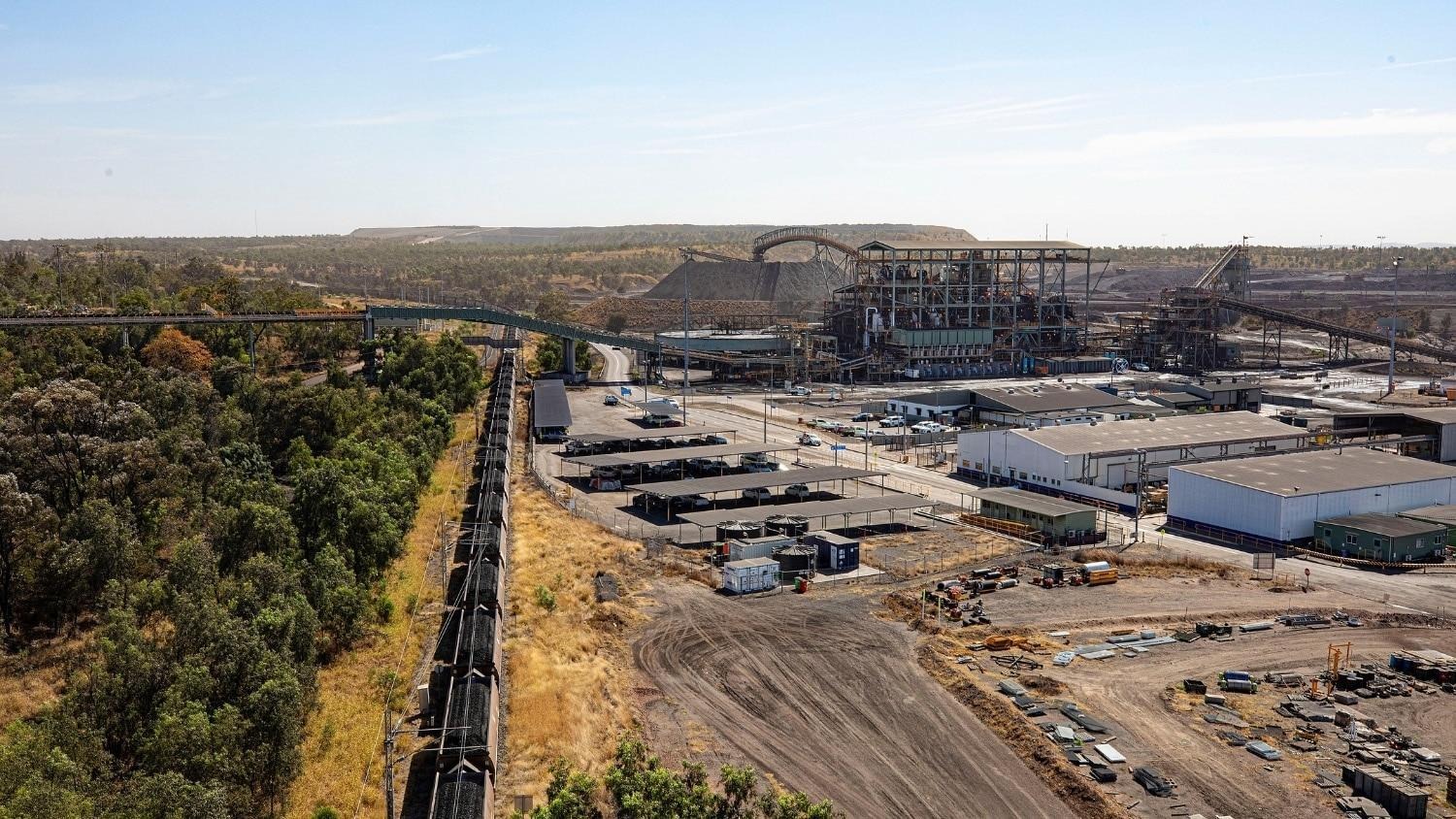
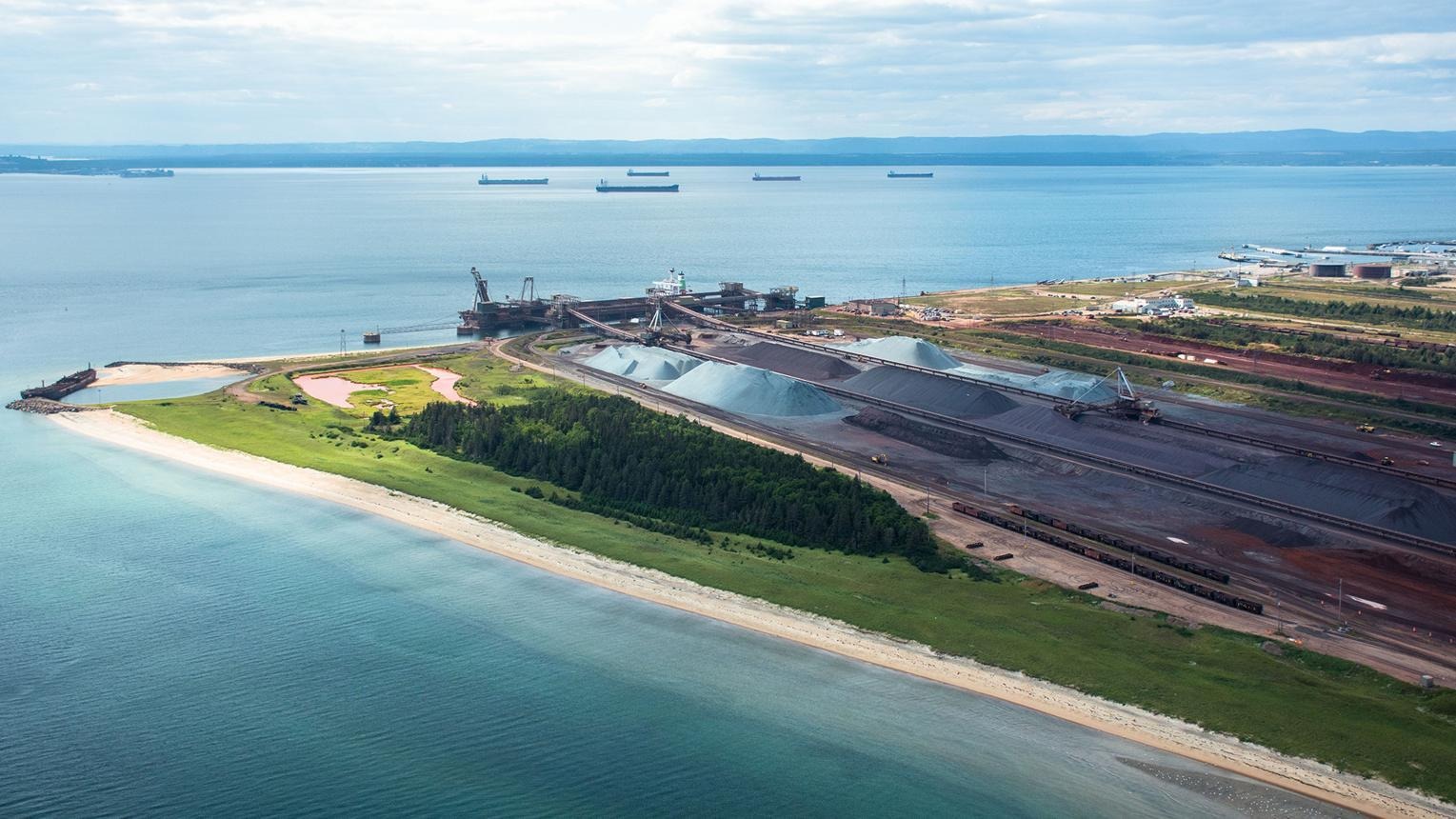
Third, cash flow durability underpins their strategies. Structural demand does not just support revenue growth. It supports ongoing investment, dividends, and balance sheet resilience.

Signals worth watching over time

For investors tracking whether structural trends are translating into performance, certain indicators matter more than short-term share price moves.

For BHP, commodity demand for copper and other electrification metals, along with progress on future-facing projects, provides insight into long-term alignment.

For CBA, digital engagement metrics, customer retention, and growth in wealth-related services show whether behavioural shifts are being captured.

For Origin, renewable capacity additions, storage integration, and changes in retail energy mix signal how effectively it is navigating the transition.

Looking Beyond the Next Cycle

Structural demand trends do not generate instant results. They reward patience, consistency, and execution. BHP Group, Commonwealth Bank of Australia, and Origin Energy each sit within powerful, long-lasting shifts that shape how economies function.

For investors willing to think in years rather than quarters, these companies offer exposure to trends that are not dependent on timing the market, but on understanding how the world is changing.

Disclaimer:

General Financial Product Advice and Regulatory Framework: Pristine Gaze Pty Ltd (ABN 66 680 815 678, ACN 680 815 678) operates as Corporate Authorised Representative (CAR No. 001312049) of Alpha Securities Pty Ltd (AFSL 330757), which is licensed and regulated by the Australian Securities and Investments Commission under the Corporations Act 2001 (Cth). This report contains general financial product advice only and has been prepared without consideration of your personal objectives, financial situation, specific needs, circumstances, or investment experience. The information is not tailored to individual circumstances and may not be suitable for your particular situation. Before acting on any information contained herein, you should carefully consider its appropriateness having regard to your personal objectives, financial situation, and needs, and consider seeking personal financial advice from a qualified financial adviser who can assess your individual circumstances and provide tailored recommendations.

Investment Risks and Market Warnings: All investments carry significant risk, and different investment strategies may carry varying levels of risk exposure including total loss of invested capital. The value of investments and income derived from them can fluctuate significantly due to market conditions, economic factors, company-specific events, regulatory changes, commodity price volatility, currency fluctuations, interest rate movements, and other factors beyond our control. Securities markets are subject to market risk from general economic conditions and investor sentiment, liquidity risk affecting the ability to buy or sell securities at desired prices, credit risk from issuer default or deterioration, operational risk from inadequate internal processes, sector-specific risks including industry regulatory changes, technology obsolescence, management changes, competitive pressures, supply chain disruptions, and mining-specific risks including resource estimation uncertainty, operational hazards, environmental compliance, permitting delays, commodity price cycles, geopolitical factors affecting mining operations, and exploration risks. Small-cap and speculative mining stocks carry additional risks including limited liquidity, higher volatility, dependence on key personnel, limited operating history, uncertain cash flows, and potential failure to achieve commercial production.

Information Accuracy and Limitations: While we endeavour to ensure information accuracy and reliability, we make no representations or warranties (express or implied) regarding the accuracy, reliability, completeness, timeliness, or suitability of information provided, except where liability cannot be excluded under applicable law. This report may include information from third-party sources including company announcements, regulatory filings, research reports, market data providers, financial news services, and publicly available information, which we do not independently verify and for which we assume no responsibility. Past performance, examples, historical data, or projections are not indicative of future results, and no guarantee of future returns is provided or implied. To the maximum extent permitted by law, Pristine Gaze Pty Ltd and Alpha Securities Pty Ltd, together with their respective directors, officers, employees, representatives, and related entities, exclude all liability for any errors, omissions, inaccuracies, loss or damage (including direct, indirect, consequential, or special damages) arising from reliance on information provided, investment decisions made based on this report, market losses, opportunity costs, and technical issues or system failures.