
Nickel Stocks ASX to Watch
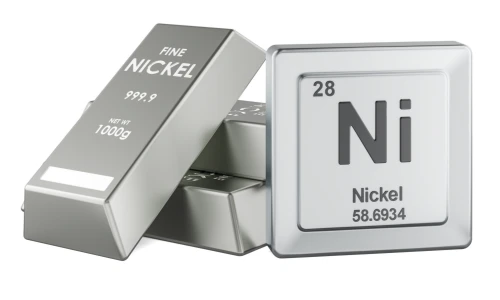
Nickel has long been an important industrial metal, with demand coming from stainless steel, specialised alloys, batteries and other manufacturing applications. Australia has also developed a significant position in the global nickel industry, although the sector has experienced a challenging period as increased global supply has placed pressure on prices and project economics. For investors researching nickel stocks Australia, the ASX offers exposure to companies with different operating models, geographic footprints and commodity strategies. Among the names worth following are IGO Ltd (ASX: IGO) and Nickel Industries (ASX: NIC), which provide two distinct approaches to nickel exposure.
Why Nickel Remains Important
Nickel is used extensively in stainless steel production, making industrial demand an important driver of the market. The metal also has applications in batteries and energy-related technologies, although the outlook for battery-grade nickel has been influenced by changes in battery chemistry and the rapid development of alternative technologies.
This creates a market with several different demand drivers rather than one single source of consumption. At the same time, nickel prices can be heavily affected by changes in global production. When new supply enters the market faster than demand grows, prices can come under pressure, affecting producers' margins and investment decisions.
For ASX-listed nickel companies, the balance between production growth, costs and commodity prices is therefore particularly important.
IGO Ltd (ASX: IGO)
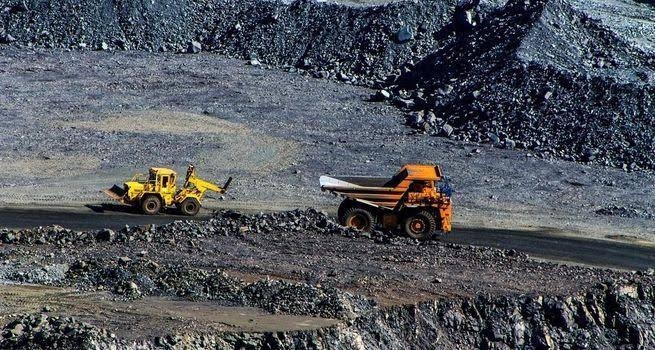
IGO has been one of Australia's better-known nickel and critical-minerals companies, with its Nova Nickel Operation in Western Australia historically providing direct exposure to domestic nickel production. Nova has produced nickel, copper and cobalt concentrates and has been an important part of IGO's operating portfolio.
However, IGO's nickel exposure is changing significantly. In July 2026, IGO announced an agreement to divest the Nova Nickel Operation assets to Global Lithium Resources, with completion targeted for November 2026 following the conclusion of mining and processing activities. This marks an important transition for the company as it moves further towards its broader critical-minerals portfolio.
IGO's broader portfolio also provides exposure to lithium. The company holds a 49% interest in Tianqi Lithium Energy Australia, which has interests in the Greenbushes Lithium Operation and Kwinana Lithium Hydroxide Refinery. This means IGO is no longer simply a traditional nickel-focused investment and its future performance will increasingly depend on developments across its wider critical-minerals portfolio.
Nickel Industries (ASX: NIC)
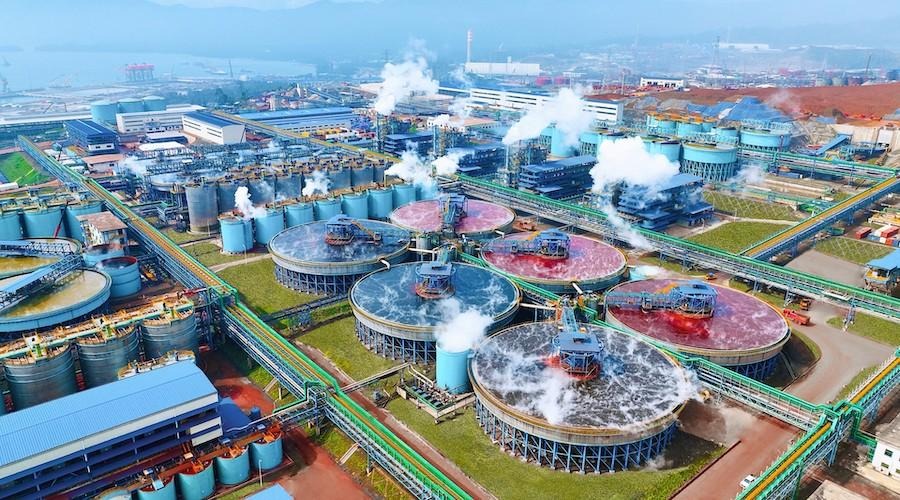
Nickel Industries provides a different form of exposure to the nickel market, with its principal operations located in Indonesia. The company has built a substantial nickel production and processing platform and has continued working on projects designed to expand its production capabilities and product mix.
The company's recent development activity includes progress at its Excelsior Nickel Project, with maiden mixed hydroxide precipitate production reported in July 2026 and maiden nickel cathode production in August 2026. These developments represent an important step in the company's strategy to expand beyond traditional nickel production and increase its downstream processing capabilities.
However, this also means the company is exposed to the competitive and regulatory environment in Indonesia. Changes in government policy, production quotas, environmental requirements, operating costs or export conditions can influence the economics of nickel businesses operating there.
Nickel Prices and Company Earnings
Commodity prices are one of the most important factors affecting nickel producers. When nickel prices rise, producers with competitive operating costs may generate stronger margins and cash flow. When prices decline, higher-cost operations can experience greater financial pressure.
However, the relationship between nickel prices and share prices is not always straightforward. Production volumes, processing costs, capital expenditure, project development and balance-sheet strength can all influence how much of a commodity-price movement reaches the company's bottom line.
This is particularly relevant when comparing companies at different stages of development. A producer already generating revenue may respond differently to nickel-price movements than a company investing heavily in new capacity.
Supply Remains a Major Market Driver
Global nickel supply has become one of the biggest factors shaping the industry's outlook. Indonesia's rapid expansion has significantly increased available nickel supply, placing pressure on global prices and forcing producers in other regions to reassess costs and project economics.
For Australian nickel businesses, this has created a difficult environment. Higher-cost operations can become less competitive when lower-cost supply continues entering the market. Companies may respond by reducing production, restructuring operations, improving efficiency or focusing on higher-value products.
This makes operating costs and asset quality increasingly important when evaluating nickel stocks Australia.
Different Paths to Nickel Exposure
IGO and Nickel Industries illustrate how ASX investors can gain exposure to the nickel industry through very different business models. IGO's nickel exposure is changing as Nova moves towards its planned divestment, while its broader portfolio increasingly centres on other critical minerals. Nickel Industries, meanwhile, remains closely connected to Indonesian nickel production and downstream processing expansion.
These differences mean that simply comparing the two companies based on their exposure to nickel prices would provide an incomplete picture. Their geographic exposure, asset portfolios, production profiles and future capital requirements all contribute to their individual investment characteristics.
Risk Considerations
Nickel stocks can be exposed to substantial commodity-price volatility, changes in global supply, weaker-than-expected demand and shifting battery technologies. Companies operating in the sector may also face high capital requirements, production disruptions, rising costs and project-development challenges. IGO faces an additional portfolio-transition risk as Nova approaches its planned divestment, while Nickel Industries remains exposed to Indonesian regulatory and operating conditions. Broader geopolitical, environmental and market developments can also influence the profitability and valuation of nickel-focused businesses.
Disclaimer:
General Financial Product Advice and Regulatory Framework: Pristine Gaze Pty Ltd (ABN 66 680 815 678, ACN 680 815 678) operates as Corporate Authorised Representative (CAR No. 001312049) of Alpha Securities Pty Ltd (AFSL 330757), which is licensed and regulated by the Australian Securities and Investments Commission under the Corporations Act 2001 (Cth). This report contains general financial product advice only and has been prepared without consideration of your personal objectives, financial situation, specific needs, circumstances, or investment experience. The information is not tailored to individual circumstances and may not be suitable for your particular situation. Before acting on any information contained herein, you should carefully consider its appropriateness having regard to your personal objectives, financial situation, and needs, and consider seeking personal financial advice from a qualified financial adviser who can assess your individual circumstances and provide tailored recommendations.
Investment Risks and Market Warnings: All investments carry significant risk, and different investment strategies may carry varying levels of risk exposure including total loss of invested capital. The value of investments and income derived from them can fluctuate significantly due to market conditions, economic factors, company-specific events, regulatory changes, commodity price volatility, currency fluctuations, interest rate movements, and other factors beyond our control. Securities markets are subject to market risk from general economic conditions and investor sentiment, liquidity risk affecting the ability to buy or sell securities at desired prices, credit risk from issuer default or deterioration, operational risk from inadequate internal processes, sector-specific risks including industry regulatory changes, technology obsolescence, management changes, competitive pressures, supply chain disruptions, and mining-specific risks including resource estimation uncertainty, operational hazards, environmental compliance, permitting delays, commodity price cycles, geopolitical factors affecting mining operations, and exploration risks. Small-cap and speculative mining stocks carry additional risks including limited liquidity, higher volatility, dependence on key personnel, limited operating history, uncertain cash flows, and potential failure to achieve commercial production.
Information Accuracy and Limitations: While we endeavour to ensure information accuracy and reliability, we make no representations or warranties (express or implied) regarding the accuracy, reliability, completeness, timeliness, or suitability of information provided, except where liability cannot be excluded under applicable law. This report may include information from third-party sources including company announcements, regulatory filings, research reports, market data providers, financial news services, and publicly available information, which we do not independently verify and for which we assume no responsibility. Past performance, examples, historical data, or projections are not indicative of future results, and no guarantee of future returns is provided or implied. To the maximum extent permitted by law, Pristine Gaze Pty Ltd and Alpha Securities Pty Ltd, together with their respective directors, officers, employees, representatives, and related entities, exclude all liability for any errors, omissions, inaccuracies, loss or damage (including direct, indirect, consequential, or special damages) arising from reliance on information provided, investment decisions made based on this report, market losses, opportunity costs, and technical issues or system failures.
Frequently Asked Questions
Common questions about investing and market research to help guide your decisions.