Best ASX Stocks with Sustainable Dividend Growth

Dividend investing is often associated with generating income, but the most successful long-term dividend strategies usually focus on something even more important: sustainable dividend growth. Rather than chasing the highest yields available, many investors prefer companies capable of consistently increasing dividends while maintaining healthy balance sheets and stable earnings. This approach can help create a growing income stream while also providing exposure to long-term capital appreciation. As a result, ASX sustainable dividend stocks continue attracting significant interest from investors seeking both stability and growth.

The best dividend growers typically operate in industries supported by recurring revenue, resilient demand, and disciplined capital allocation. These businesses are often able to increase shareholder distributions without compromising future growth opportunities.

Several ASX-listed companies have built strong reputations for generating reliable cash flows and maintaining dividend policies that support long-term shareholder returns.

Why Sustainable Dividend Growth Matters

A high dividend yield may look attractive, but sustainability is often more important than the headline payout. Companies that distribute too much of their earnings can struggle to maintain dividends during challenging economic periods.

By contrast, businesses with sustainable dividend policies generally balance shareholder returns with ongoing investment in growth. This creates a stronger foundation for future dividend increases and long-term value creation.

For investors, focusing on ASX sustainable dividend stocks can help reduce the risk of dividend cuts while supporting a steadily growing income stream.

Sonic Healthcare Ltd (ASX: SHL)

Sonic Healthcare is one of Australia’s leading healthcare providers, specialising in pathology and diagnostic services across multiple international markets. The company benefits from recurring demand for healthcare services, making its earnings profile more resilient than many cyclical businesses.

Healthcare demand is generally less dependent on economic conditions, providing a degree of stability that can support long-term cash generation. This consistency has helped Sonic maintain its position as a reliable dividend-paying company.

Among ASX sustainable dividend stocks, Sonic Healthcare stands out because of its defensive business model and exposure to long-term healthcare demand.

Key Insight: Recurring healthcare demand supports stable earnings and cash flows.

APA Group (ASX: APA)

APA Group owns and operates critical energy infrastructure assets that help transport and manage energy throughout Australia. Infrastructure businesses often benefit from long-term contracts and predictable cash flows, making them attractive for income-focused investors.

The company’s essential infrastructure assets provide recurring revenue opportunities while supporting long-term earnings visibility. These characteristics have contributed to APA’s reputation as a reliable dividend payer.

Within the broader universe of ASX sustainable dividend stocks, APA remains popular because of its infrastructure-backed earnings profile and stable cash-flow generation.

Key Insight: Essential infrastructure assets help support long-term dividend sustainability.

Washington H. Soul Pattinson (ASX: SOL)

Washington H. Soul Pattinson is one of Australia’s most established investment companies, with interests spanning multiple industries including resources, telecommunications, financial services, and property.

The company’s diversified investment approach helps reduce dependence on any single sector while supporting consistent cash generation. This diversification has contributed to one of the strongest dividend track records on the ASX.

Among ASX sustainable dividend stocks, SOL is frequently highlighted because of its long history of dividend growth and disciplined investment strategy.

Key Insight: Diversification helps support long-term dividend consistency.

Charter Hall Group (ASX: CHC)

Charter Hall is a leading property investment and funds management business with exposure to industrial, office, retail, and logistics assets. The company benefits from recurring management fees and long-term relationships with institutional investors.

Its diversified property platform and recurring revenue streams provide a foundation for stable cash-flow generation. As property investment activity continues evolving, Charter Hall remains positioned to benefit from long-term demand for professionally managed assets.

Within discussions surrounding ASX sustainable dividend stocks, Charter Hall attracts attention because of its combination of recurring income and exposure to quality property assets.

Key Insight: Recurring management fees support long-term income generation.

What These Companies Have in Common

Although Sonic Healthcare, APA Group, Washington H. Soul Pattinson, and Charter Hall operate in different industries, they all possess characteristics that support sustainable dividend growth. Each company benefits from recurring earnings streams, disciplined financial management, and business models designed to generate long-term cash flows.

Importantly, these businesses are not solely focused on paying dividends today. They also continue investing in future growth opportunities, helping strengthen their ability to support dividends over time.

This balance between income and growth is one of the defining characteristics of sustainable dividend investing.

Why Investors Focus on Dividend Growth

Long-term investors often prefer businesses that can increase dividends gradually rather than those offering exceptionally high yields that may not be sustainable. Growing dividends can help offset inflation and increase portfolio income over time.

Dividend growth can also reflect improving business fundamentals. Companies that consistently increase shareholder distributions are often generating strong cash flows and demonstrating confidence in future earnings prospects.

This explains why ASX sustainable dividend stocks remain a popular choice for investors seeking a combination of income, stability, and long-term wealth creation.

Risk Considerations

Even companies with strong dividend histories face risks. Changes in economic conditions, industry dynamics, regulatory requirements, or operating performance can influence future earnings and dividend policies.

Healthcare businesses face regulatory and operational challenges, infrastructure companies are influenced by policy and energy market developments, investment companies depend on portfolio performance, and property-related businesses remain exposed to market conditions.

For investors, ASX sustainable dividend stocks should be evaluated based on overall business quality, cash-flow generation, and long-term growth potential rather than dividend yield alone. A sustainable dividend is ultimately supported by a strong and growing business, making fundamental analysis an essential part of the investment process.

Disclaimer:

General Financial Product Advice and Regulatory Framework: Pristine Gaze Pty Ltd (ABN 66 680 815 678, ACN 680 815 678) operates as Corporate Authorised Representative (CAR No. 001312049) of Alpha Securities Pty Ltd (AFSL 330757), which is licensed and regulated by the Australian Securities and Investments Commission under the Corporations Act 2001 (Cth). This report contains general financial product advice only and has been prepared without consideration of your personal objectives, financial situation, specific needs, circumstances, or investment experience. The information is not tailored to individual circumstances and may not be suitable for your particular situation. Before acting on any information contained herein, you should carefully consider its appropriateness having regard to your personal objectives, financial situation, and needs, and consider seeking personal financial advice from a qualified financial adviser who can assess your individual circumstances and provide tailored recommendations.

Investment Risks and Market Warnings: All investments carry significant risk, and different investment strategies may carry varying levels of risk exposure including total loss of invested capital. The value of investments and income derived from them can fluctuate significantly due to market conditions, economic factors, company-specific events, regulatory changes, commodity price volatility, currency fluctuations, interest rate movements, and other factors beyond our control. Securities markets are subject to market risk from general economic conditions and investor sentiment, liquidity risk affecting the ability to buy or sell securities at desired prices, credit risk from issuer default or deterioration, operational risk from inadequate internal processes, sector-specific risks including industry regulatory changes, technology obsolescence, management changes, competitive pressures, supply chain disruptions, and mining-specific risks including resource estimation uncertainty, operational hazards, environmental compliance, permitting delays, commodity price cycles, geopolitical factors affecting mining operations, and exploration risks. Small-cap and speculative mining stocks carry additional risks including limited liquidity, higher volatility, dependence on key personnel, limited operating history, uncertain cash flows, and potential failure to achieve commercial production.

Information Accuracy and Limitations: While we endeavour to ensure information accuracy and reliability, we make no representations or warranties (express or implied) regarding the accuracy, reliability, completeness, timeliness, or suitability of information provided, except where liability cannot be excluded under applicable law. This report may include information from third-party sources including company announcements, regulatory filings, research reports, market data providers, financial news services, and publicly available information, which we do not independently verify and for which we assume no responsibility. Past performance, examples, historical data, or projections are not indicative of future results, and no guarantee of future returns is provided or implied. To the maximum extent permitted by law, Pristine Gaze Pty Ltd and Alpha Securities Pty Ltd, together with their respective directors, officers, employees, representatives, and related entities, exclude all liability for any errors, omissions, inaccuracies, loss or damage (including direct, indirect, consequential, or special damages) arising from reliance on information provided, investment decisions made based on this report, market losses, opportunity costs, and technical issues or system failures.


Why ASX Retail Stocks Are Worth Watching in 2026

Retail stocks are often viewed as a direct reflection of consumer confidence and spending behaviour. While the sector faced challenges during periods of high inflation and economic uncertainty, many investors are beginning to reassess the outlook for retailers as consumer conditions gradually improve. Stable employment levels, easing cost pressures, and stronger household confidence are creating a more supportive environment for discretionary spending. As a result, ASX retail stocks are once again attracting attention from investors looking for businesses that could benefit from improving consumer activity in 2026.

The retail sector offers exposure to multiple spending categories, including electronics, furniture, sporting goods, lifestyle products, and fashion accessories. Businesses with strong brands, efficient operations, and proven execution often perform well when consumers become more willing to spend beyond essential goods and services.

Several ASX-listed retailers remain well positioned because of their market leadership, established customer bases, and ability to benefit from long-term consumer trends.

Why Retail Stocks Matter

Consumer spending is a major driver of economic activity. When confidence improves, households are generally more willing to spend on electronics, home furnishings, leisure products, and lifestyle purchases.

Retail businesses can therefore experience stronger sales growth during periods of improving economic sentiment. Companies with recognised brands and efficient business models may be particularly well placed to capture increased spending.

For investors, ASX retail stocks provide a way to gain exposure to changing consumer behaviour and broader economic trends.

JB Hi-Fi Ltd (ASX: JBH)

JB Hi-Fi is one of Australia’s leading consumer electronics retailers and has built a strong reputation through operational efficiency, competitive pricing, and a well-established store network. The company remains a key destination for technology products, appliances, and entertainment-related purchases.

As consumer confidence improves, spending on electronics and household technology products can increase. JB Hi-Fi’s market position and brand recognition help support its ability to capture this demand.

Among ASX retail stocks, JB Hi-Fi continues attracting investor interest because of its strong execution and leadership within the consumer electronics category.

Key Insight: Consumer technology demand remains an important retail growth driver.

Harvey Norman Holdings Ltd (ASX: HVN)

Harvey Norman operates across furniture, appliances, electronics, and home-related products, giving it broad exposure to consumer spending trends. The company’s performance is often influenced by housing activity and household spending patterns.

As housing turnover and consumer confidence improve, demand for furniture and household goods can strengthen. Harvey Norman’s extensive retail footprint positions it to benefit from these trends.

Within the broader universe of ASX retail stocks, Harvey Norman remains closely watched because of its exposure to home-related spending and consumer activity.

Key Insight: Housing-related purchases can support retail demand growth.

Super Retail Group Ltd (ASX: SUL)

Super Retail Group operates several well-known retail brands, including Supercheap Auto, Rebel, and BCF. Through these businesses, the company provides exposure to automotive products, sporting goods, and outdoor recreation spending.

The diversity of its retail portfolio helps reduce dependence on a single spending category while allowing participation in multiple consumer trends. Increased spending on hobbies, sports, travel, and recreation can provide support for future growth.

Among ASX retail stocks, Super Retail Group stands out because of its broad exposure to discretionary consumer spending.

Key Insight: Diverse retail categories can benefit from improving consumer confidence.

Lovisa Holdings Ltd (ASX: LOV)

Lovisa has become one of Australia’s most successful retail growth stories through its international jewellery store network. Unlike many domestic-focused retailers, the company continues expanding globally and increasing its presence in multiple markets.

The combination of store expansion, brand development, and international growth provides several avenues for future earnings growth. As consumer spending conditions improve, fashion and lifestyle retailers may benefit from stronger demand.

Within discussions surrounding ASX retail stocks, Lovisa remains notable because of its global expansion strategy and strong growth profile.

Key Insight: International expansion continues supporting long-term growth opportunities.

What These Retail Stocks Have in Common

Although JB Hi-Fi, Harvey Norman, Super Retail Group, and Lovisa operate in different retail segments, they all benefit from exposure to consumer spending. Electronics, furniture, recreation products, and fashion accessories are categories that often perform well when consumer confidence improves.

Each company also possesses strong brand recognition and established customer relationships, helping support market position and long-term competitiveness.

Together, these businesses provide exposure to multiple areas of the Australian retail landscape while benefiting from different spending trends.

Why Investors Are Watching Retail in 2026

Many investors believe the retail sector could become increasingly attractive if consumer confidence continues improving. Stable employment conditions, easing inflation pressures, and stronger household finances may support discretionary spending over time.

Retailers with strong operational execution and established market positions could therefore be well placed to benefit from changing consumer behaviour. This potential explains why ASX retail stocks remain firmly on investor watchlists heading into 2026.

Importantly, successful retailers are often those that combine strong brands with the ability to adapt to changing customer preferences and shopping habits.

Risk Considerations

Despite improving conditions, retail businesses remain exposed to economic uncertainty, changing consumer preferences, and competitive pressures. Weak consumer confidence or slower spending growth can affect sales performance across the sector.

Retailers must also manage inventory levels, operating costs, and evolving customer expectations. Even well-established businesses can experience periods of slower growth if market conditions become challenging.

For investors, ASX retail stocks can offer attractive opportunities when consumer spending improves, but company-specific factors and broader economic conditions should always be considered. A balanced approach that combines growth potential with risk management remains essential for long-term investment success.

Disclaimer:

General Financial Product Advice and Regulatory Framework: Pristine Gaze Pty Ltd (ABN 66 680 815 678, ACN 680 815 678) operates as Corporate Authorised Representative (CAR No. 001312049) of Alpha Securities Pty Ltd (AFSL 330757), which is licensed and regulated by the Australian Securities and Investments Commission under the Corporations Act 2001 (Cth). This report contains general financial product advice only and has been prepared without consideration of your personal objectives, financial situation, specific needs, circumstances, or investment experience. The information is not tailored to individual circumstances and may not be suitable for your particular situation. Before acting on any information contained herein, you should carefully consider its appropriateness having regard to your personal objectives, financial situation, and needs, and consider seeking personal financial advice from a qualified financial adviser who can assess your individual circumstances and provide tailored recommendations.

Investment Risks and Market Warnings: All investments carry significant risk, and different investment strategies may carry varying levels of risk exposure including total loss of invested capital. The value of investments and income derived from them can fluctuate significantly due to market conditions, economic factors, company-specific events, regulatory changes, commodity price volatility, currency fluctuations, interest rate movements, and other factors beyond our control. Securities markets are subject to market risk from general economic conditions and investor sentiment, liquidity risk affecting the ability to buy or sell securities at desired prices, credit risk from issuer default or deterioration, operational risk from inadequate internal processes, sector-specific risks including industry regulatory changes, technology obsolescence, management changes, competitive pressures, supply chain disruptions, and mining-specific risks including resource estimation uncertainty, operational hazards, environmental compliance, permitting delays, commodity price cycles, geopolitical factors affecting mining operations, and exploration risks. Small-cap and speculative mining stocks carry additional risks including limited liquidity, higher volatility, dependence on key personnel, limited operating history, uncertain cash flows, and potential failure to achieve commercial production.

Information Accuracy and Limitations: While we endeavour to ensure information accuracy and reliability, we make no representations or warranties (express or implied) regarding the accuracy, reliability, completeness, timeliness, or suitability of information provided, except where liability cannot be excluded under applicable law. This report may include information from third-party sources including company announcements, regulatory filings, research reports, market data providers, financial news services, and publicly available information, which we do not independently verify and for which we assume no responsibility. Past performance, examples, historical data, or projections are not indicative of future results, and no guarantee of future returns is provided or implied. To the maximum extent permitted by law, Pristine Gaze Pty Ltd and Alpha Securities Pty Ltd, together with their respective directors, officers, employees, representatives, and related entities, exclude all liability for any errors, omissions, inaccuracies, loss or damage (including direct, indirect, consequential, or special damages) arising from reliance on information provided, investment decisions made based on this report, market losses, opportunity costs, and technical issues or system failures.

Top ASX Stocks with Improving Analyst Sentiment

Analyst sentiment can play an important role in shaping investor confidence and market perception. While analysts do not always get their forecasts right, changes in sentiment often reflect improving business fundamentals, stronger earnings expectations, or favourable industry trends. When analysts become increasingly optimistic about a company, it can attract greater institutional interest and encourage investors to take a closer look at the stock. This is one reason many investors monitor ASX analyst sentiment stocks when searching for new opportunities.

Positive analyst sentiment is typically driven by factors such as improving profitability, expanding market opportunities, successful execution of growth strategies, or favourable industry conditions. Companies that consistently exceed expectations often attract upgrades and more constructive outlooks from the investment community.

Several ASX-listed companies are benefiting from improving business conditions and continue drawing attention because of their exposure to attractive growth themes. While analyst opinions should never be the sole basis for an investment decision, they can provide useful insight into how professional investors view future opportunities.

Why Analyst Sentiment Matters

Analysts spend significant time evaluating company performance, industry dynamics, earnings forecasts, and competitive positioning. Changes in sentiment often reflect new information regarding a company’s prospects rather than short-term market fluctuations.

Improving sentiment can also help increase investor awareness, particularly when analysts highlight stronger earnings growth or emerging opportunities that may not yet be fully reflected in market valuations.

For investors, following ASX analyst sentiment stocks can provide another perspective when evaluating businesses with improving outlooks.

JB Hi-Fi Ltd (ASX: JBH)

JB Hi-Fi remains one of Australia’s most recognised retail businesses and has built a strong reputation through operational efficiency and consistent execution. Despite challenges facing the retail sector in recent years, the company has continued demonstrating resilience through its diversified product offering and strong market position.

As consumer confidence stabilises and spending conditions improve, investors are paying close attention to the company’s ability to maintain profitability and market share. The strength of its retail network and established brand continue supporting long-term growth prospects.

Among ASX analyst sentiment stocks, JB Hi-Fi remains a company that often attracts attention due to its ability to navigate changing retail environments successfully.

Key Insight: Improving consumer spending trends could support future earnings performance.

Aristocrat Leisure Ltd (ASX: ALL)

Aristocrat Leisure has evolved from a traditional gaming-machine manufacturer into a diversified gaming technology business with growing exposure to digital gaming markets. This transformation has expanded the company’s growth opportunities beyond its historical core business.

Investors continue monitoring Aristocrat’s ability to grow its digital operations while maintaining leadership within gaming technology. The combination of recurring digital revenue and global market exposure provides multiple avenues for long-term expansion.

Within the broader universe of ASX analyst sentiment stocks, Aristocrat frequently attracts interest because of its evolving business model and exposure to global gaming trends.

Key Insight: Digital gaming growth continues creating new opportunities for expansion.

Mineral Resources Ltd (ASX: MIN)

Mineral Resources operates across mining services, iron ore, and lithium-related activities, giving it exposure to several important commodity markets. Resource companies often experience shifts in analyst sentiment as commodity prices and industry outlooks change.

Growing interest in energy transition themes and future demand for critical minerals continues influencing investor perceptions of mining companies with lithium exposure. At the same time, the company’s diversified operations provide additional earnings drivers beyond a single commodity.

Among ASX analyst sentiment stocks, Mineral Resources remains closely watched because of its leverage to both traditional mining activity and long-term resource demand trends.

Key Insight: Commodity market expectations can significantly influence future earnings outlooks.

Steadfast Group Ltd (ASX: SDF)

Steadfast Group operates one of Australia’s largest insurance broking networks and benefits from exposure to the growing importance of insurance and risk-management services. The company has expanded its market position through acquisitions, network growth, and increasing industry participation.

Insurance-related businesses often attract investor attention because they can benefit from recurring demand and long-term industry growth. Steadfast’s scale and market position provide competitive advantages that support future expansion opportunities.

Within discussions surrounding ASX analyst sentiment stocks, Steadfast continues attracting attention because of its consistent growth strategy and strong industry presence.

Key Insight: Insurance industry growth supports long-term business expansion opportunities.

What These Companies Have in Common

Although JB Hi-Fi, Aristocrat Leisure, Mineral Resources, and Steadfast operate in very different industries, they all possess characteristics that can contribute to improving investor sentiment. Each company benefits from identifiable growth drivers, strong market positions, and opportunities to expand earnings over time.

Retail recovery, digital gaming growth, commodity demand, and insurance industry expansion represent distinct themes that continue attracting market attention. These factors often influence how analysts assess future performance and earnings potential.

The common thread connecting these businesses is their ability to participate in trends that may support future growth.

Why Investors Monitor Sentiment Trends

Changes in analyst sentiment can sometimes provide early clues about evolving market expectations. While sentiment alone should never drive investment decisions, it can highlight companies where professional investors are becoming more optimistic about future prospects.

Businesses receiving increased attention from analysts often have identifiable catalysts that could influence future earnings growth. Monitoring these developments can help investors identify companies worth researching further.

This explains why ASX analyst sentiment stocks continue attracting interest among investors seeking businesses with improving outlooks.

Risk Considerations

Analyst sentiment can change quickly if market conditions shift or company performance fails to meet expectations. Retail businesses remain exposed to consumer spending trends, gaming companies face regulatory and competitive pressures, mining companies depend on commodity markets, and financial services businesses must navigate industry-specific challenges.

In addition, positive sentiment does not guarantee strong future returns. Investors should always evaluate company fundamentals, competitive positioning, and valuation alongside analyst opinions.

For investors, ASX analyst sentiment stocks are often most useful when analyst optimism is supported by genuine business improvements and long-term growth opportunities. Combining sentiment analysis with broader fundamental research remains the most effective approach when evaluating investment opportunities.

Disclaimer:

General Financial Product Advice and Regulatory Framework: Pristine Gaze Pty Ltd (ABN 66 680 815 678, ACN 680 815 678) operates as Corporate Authorised Representative (CAR No. 001312049) of Alpha Securities Pty Ltd (AFSL 330757), which is licensed and regulated by the Australian Securities and Investments Commission under the Corporations Act 2001 (Cth). This report contains general financial product advice only and has been prepared without consideration of your personal objectives, financial situation, specific needs, circumstances, or investment experience. The information is not tailored to individual circumstances and may not be suitable for your particular situation. Before acting on any information contained herein, you should carefully consider its appropriateness having regard to your personal objectives, financial situation, and needs, and consider seeking personal financial advice from a qualified financial adviser who can assess your individual circumstances and provide tailored recommendations.

Investment Risks and Market Warnings: All investments carry significant risk, and different investment strategies may carry varying levels of risk exposure including total loss of invested capital. The value of investments and income derived from them can fluctuate significantly due to market conditions, economic factors, company-specific events, regulatory changes, commodity price volatility, currency fluctuations, interest rate movements, and other factors beyond our control. Securities markets are subject to market risk from general economic conditions and investor sentiment, liquidity risk affecting the ability to buy or sell securities at desired prices, credit risk from issuer default or deterioration, operational risk from inadequate internal processes, sector-specific risks including industry regulatory changes, technology obsolescence, management changes, competitive pressures, supply chain disruptions, and mining-specific risks including resource estimation uncertainty, operational hazards, environmental compliance, permitting delays, commodity price cycles, geopolitical factors affecting mining operations, and exploration risks. Small-cap and speculative mining stocks carry additional risks including limited liquidity, higher volatility, dependence on key personnel, limited operating history, uncertain cash flows, and potential failure to achieve commercial production.

Information Accuracy and Limitations: While we endeavour to ensure information accuracy and reliability, we make no representations or warranties (express or implied) regarding the accuracy, reliability, completeness, timeliness, or suitability of information provided, except where liability cannot be excluded under applicable law. This report may include information from third-party sources including company announcements, regulatory filings, research reports, market data providers, financial news services, and publicly available information, which we do not independently verify and for which we assume no responsibility. Past performance, examples, historical data, or projections are not indicative of future results, and no guarantee of future returns is provided or implied. To the maximum extent permitted by law, Pristine Gaze Pty Ltd and Alpha Securities Pty Ltd, together with their respective directors, officers, employees, representatives, and related entities, exclude all liability for any errors, omissions, inaccuracies, loss or damage (including direct, indirect, consequential, or special damages) arising from reliance on information provided, investment decisions made based on this report, market losses, opportunity costs, and technical issues or system failures.

Why ASX Infrastructure Stocks Could Be Long-Term Winners

Infrastructure has long been considered one of the most important foundations of economic growth. From transportation networks and energy systems to telecommunications and digital connectivity, infrastructure assets play a critical role in supporting businesses, communities, and national productivity. As governments and private organisations continue investing heavily in these areas, investors are increasingly turning their attention toward ASX infrastructure stocks that could benefit from long-term development trends.

Unlike many industries that are heavily influenced by short-term economic cycles, infrastructure businesses often benefit from long asset lives, recurring demand, and predictable revenue streams. These characteristics can create greater earnings visibility and support long-term growth opportunities. As Australia’s population continues expanding and the economy becomes increasingly digital, demand for essential infrastructure is expected to remain strong.

Several ASX-listed companies are positioned at the centre of these trends through exposure to transportation, energy networks, infrastructure services, and digital infrastructure development.

Why Infrastructure Remains a Long-Term Investment Theme

Infrastructure assets are essential to economic activity. Roads, energy networks, telecommunications systems, and data centres support the movement of people, goods, information, and resources throughout the economy.

Many infrastructure projects also benefit from multi-year investment programs, providing businesses with opportunities to secure long-term contracts and recurring revenue. This combination of stability and growth potential helps explain why infrastructure remains a popular investment theme among long-term investors.

For investors seeking businesses with durable demand characteristics, ASX infrastructure stocks continue offering exposure to some of the economy’s most important assets.

Transurban Group (ASX: TCL)

Transurban operates a portfolio of major toll-road assets across Australia and North America. Transportation infrastructure remains essential to economic activity because businesses and consumers rely on efficient road networks for commuting, logistics, and freight movement.

The company’s long-life assets provide exposure to population growth, urbanisation, and increasing transportation demand. While traffic volumes may fluctuate over shorter periods, major transport corridors remain critical components of economic infrastructure.

Among ASX infrastructure stocks, Transurban stands out because of its recurring revenue model and ownership of strategically important transportation assets.

Key Insight: Long-life transport infrastructure benefits from population growth and economic activity.

APA Group (ASX: APA)

APA Group owns and operates a large portfolio of energy infrastructure assets, including gas pipelines, storage facilities, and energy networks. Reliable energy distribution remains essential for households, businesses, and industrial operations throughout Australia.

As the country’s energy landscape evolves, infrastructure operators continue playing an important role in supporting energy security and network reliability. Long-term contracts and critical infrastructure assets often contribute to stable operating conditions.

Within the broader universe of ASX infrastructure stocks, APA provides exposure to one of Australia’s most important infrastructure sectors through its extensive energy network portfolio.

Key Insight: Energy infrastructure remains critical to long-term economic development.

Ventia Services Group Ltd (ASX: VNT)

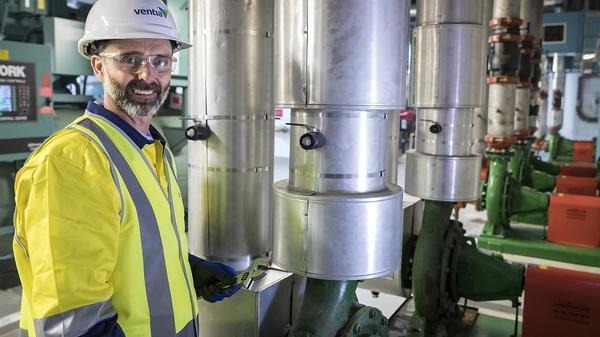
Ventia provides maintenance, engineering, and operational services across transport, defence, utilities, telecommunications, and public infrastructure assets. Rather than owning infrastructure directly, the company helps maintain and manage many of the assets that support everyday economic activity.

As governments continue investing in infrastructure upgrades and maintenance programs, service providers remain important participants in the sector. Ongoing maintenance requirements can create recurring work opportunities that support long-term revenue visibility.

Among ASX infrastructure stocks, Ventia offers a different form of exposure by focusing on infrastructure services rather than infrastructure ownership.

Key Insight: Infrastructure maintenance remains essential regardless of economic cycles.

NextDC Ltd (ASX: NXT)

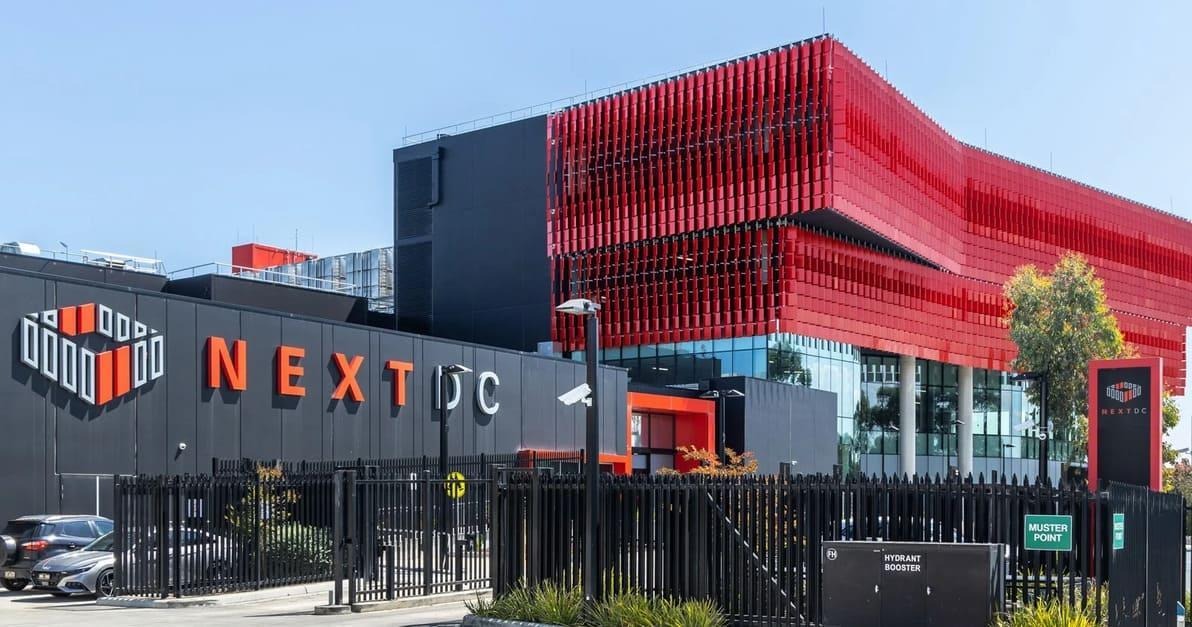
Modern infrastructure extends far beyond roads and utilities. Digital infrastructure has become increasingly important as businesses, governments, and consumers rely more heavily on cloud computing, artificial intelligence, and digital services.

NextDC operates a growing network of data centres that support these digital requirements. As organisations continue investing in cloud technology and AI-related workloads, demand for secure and scalable digital infrastructure remains strong.

Within discussions surrounding ASX infrastructure stocks, NextDC stands out because it provides exposure to one of the fastest-growing infrastructure categories in the modern economy.

Key Insight: Cloud computing and AI continue driving demand for digital infrastructure.

What These Infrastructure Stocks Have in Common

Although Transurban, APA, Ventia, and NextDC operate across different segments of the infrastructure sector, they all benefit from exposure to assets and services that remain essential to economic activity.

Transportation networks, energy systems, infrastructure maintenance, and digital connectivity are all critical components of modern economies. Demand for these services is often more durable than demand in many cyclical industries, helping support long-term business stability.

This combination of resilience and growth potential continues attracting investors to infrastructure-related businesses.

Why Investors Are Focusing on Infrastructure

Infrastructure investing often appeals to long-term investors because it combines essential services with structural growth opportunities. Population growth, urbanisation, energy demand, and digital transformation all contribute to the need for continued infrastructure investment.

Many infrastructure businesses also benefit from recurring revenue streams, long-term contracts, and significant barriers to entry. These characteristics can help create more predictable financial performance over time.

As a result, ASX infrastructure stocks continue attracting attention from investors seeking exposure to long-duration growth themes supported by essential economic assets.

Risk Considerations

Despite their attractive characteristics, infrastructure businesses still face risks. Regulatory changes, rising interest rates, project delays, and economic slowdowns can influence performance across the sector.

Transportation assets may be affected by traffic volumes, energy infrastructure operators face evolving policy environments, and digital infrastructure businesses require ongoing investment to support growth. Infrastructure service providers must also manage contract execution and operational efficiency.

For investors, understanding both the opportunities and challenges remains important when evaluating ASX infrastructure stocks. While long-term demand drivers remain supportive, successful investment outcomes ultimately depend on asset quality, management execution, and the ability to adapt to changing economic conditions.

Disclaimer:

General Financial Product Advice and Regulatory Framework: Pristine Gaze Pty Ltd (ABN 66 680 815 678, ACN 680 815 678) operates as Corporate Authorised Representative (CAR No. 001312049) of Alpha Securities Pty Ltd (AFSL 330757), which is licensed and regulated by the Australian Securities and Investments Commission under the Corporations Act 2001 (Cth). This report contains general financial product advice only and has been prepared without consideration of your personal objectives, financial situation, specific needs, circumstances, or investment experience. The information is not tailored to individual circumstances and may not be suitable for your particular situation. Before acting on any information contained herein, you should carefully consider its appropriateness having regard to your personal objectives, financial situation, and needs, and consider seeking personal financial advice from a qualified financial adviser who can assess your individual circumstances and provide tailored recommendations.

Investment Risks and Market Warnings: All investments carry significant risk, and different investment strategies may carry varying levels of risk exposure including total loss of invested capital. The value of investments and income derived from them can fluctuate significantly due to market conditions, economic factors, company-specific events, regulatory changes, commodity price volatility, currency fluctuations, interest rate movements, and other factors beyond our control. Securities markets are subject to market risk from general economic conditions and investor sentiment, liquidity risk affecting the ability to buy or sell securities at desired prices, credit risk from issuer default or deterioration, operational risk from inadequate internal processes, sector-specific risks including industry regulatory changes, technology obsolescence, management changes, competitive pressures, supply chain disruptions, and mining-specific risks including resource estimation uncertainty, operational hazards, environmental compliance, permitting delays, commodity price cycles, geopolitical factors affecting mining operations, and exploration risks. Small-cap and speculative mining stocks carry additional risks including limited liquidity, higher volatility, dependence on key personnel, limited operating history, uncertain cash flows, and potential failure to achieve commercial production.

Information Accuracy and Limitations: While we endeavour to ensure information accuracy and reliability, we make no representations or warranties (express or implied) regarding the accuracy, reliability, completeness, timeliness, or suitability of information provided, except where liability cannot be excluded under applicable law. This report may include information from third-party sources including company announcements, regulatory filings, research reports, market data providers, financial news services, and publicly available information, which we do not independently verify and for which we assume no responsibility. Past performance, examples, historical data, or projections are not indicative of future results, and no guarantee of future returns is provided or implied. To the maximum extent permitted by law, Pristine Gaze Pty Ltd and Alpha Securities Pty Ltd, together with their respective directors, officers, employees, representatives, and related entities, exclude all liability for any errors, omissions, inaccuracies, loss or damage (including direct, indirect, consequential, or special damages) arising from reliance on information provided, investment decisions made based on this report, market losses, opportunity costs, and technical issues or system failures.

4 ASX Stocks with Strong Balance Sheets and Low Debt

A strong balance sheet is one of the most underrated qualities in investing. While investors often focus on revenue growth, earnings, and market opportunities, financial strength can play a major role in determining how well a company performs over the long term. Businesses with low debt levels and healthy cash positions typically have greater flexibility to invest in growth, navigate economic uncertainty, and pursue strategic opportunities without placing excessive pressure on shareholders. This is why many investors actively look for ASX low debt stocks when building resilient portfolios.

Companies with strong balance sheets are often better positioned to withstand market volatility and changing economic conditions. They may also have more freedom to invest in product development, acquisitions, international expansion, or shareholder returns. While low debt alone does not guarantee success, it can provide an important foundation for sustainable long-term growth.

Several ASX-listed companies have built reputations for maintaining disciplined financial management while continuing to expand their businesses. These companies combine strong operational performance with conservative balance-sheet strategies, making them attractive to investors focused on quality and stability.

Why Low Debt Matters

Debt can be a useful tool when managed effectively, but excessive borrowing can increase financial risk, particularly during periods of economic uncertainty or rising interest rates. Companies with lower debt burdens often enjoy greater flexibility because they are less dependent on lenders and external financing.

Strong balance sheets can also allow businesses to take advantage of opportunities when competitors are under pressure. Whether through acquisitions, expansion projects, or additional investment in growth initiatives, financially strong companies often have more options available.

For long-term investors, balance-sheet strength can be an important indicator of overall business quality.

Pro Medicus Ltd (ASX: PME)

Pro Medicus has established itself as one of the highest-quality software businesses on the ASX. The company’s medical imaging platform serves healthcare providers globally and benefits from a highly scalable software model.

Because software businesses generally require less capital investment than traditional industrial companies, Pro Medicus has been able to maintain a strong financial position while continuing to invest in growth opportunities. Its combination of profitability and operational efficiency has contributed to a strong balance sheet over time.

Among ASX low debt stocks, Pro Medicus stands out because of its asset-light business model and strong cash-generating capabilities.

Key Insight: Scalable software operations support financial flexibility and balance-sheet strength.

Breville Group Ltd (ASX: BRG)

Breville has built a globally recognised premium appliance brand through a combination of innovation, product quality, and international expansion. The company has successfully grown its business while maintaining disciplined financial management.

Strong brand recognition and international sales growth have helped support cash generation, allowing Breville to continue investing in product development and market expansion. This balanced approach to growth and financial management has contributed to the company’s attractive financial profile.

Within the broader universe of ASX low debt stocks, Breville remains notable because of its combination of global growth opportunities and balance-sheet discipline.

Key Insight: Strong cash generation supports sustainable international expansion.

Netwealth Group Ltd (ASX: NWL)

Netwealth operates one of Australia’s leading wealth-management platforms and benefits from growing adoption of digital investment solutions. The company’s platform-based model allows it to expand efficiently while maintaining relatively low capital requirements.

As funds under administration increase, Netwealth can generate additional revenue without requiring substantial investment in physical assets. This scalability helps support strong financial flexibility and operational efficiency.

Among ASX low debt stocks, Netwealth attracts investor attention because of its asset-light platform model and exposure to long-term growth within Australia’s wealth-management sector.

Key Insight: Platform scalability supports financial strength and operational efficiency.

TechnologyOne Ltd (ASX: TNE)

TechnologyOne has built a successful enterprise software business serving government agencies, educational institutions, and commercial organisations. Its transition toward cloud-based subscription services has strengthened recurring revenue and improved earnings visibility.

Software businesses often generate strong cash flow because recurring customer relationships create predictable revenue streams. TechnologyOne’s disciplined approach to growth and capital management has helped support a strong financial position over many years.

Within discussions surrounding ASX low debt stocks, TechnologyOne remains a popular example of a business combining recurring revenue, profitability, and balance-sheet strength.

Key Insight: Recurring cloud software revenue supports long-term financial stability.

What These Companies Have in Common

Although Pro Medicus, Breville, Netwealth, and TechnologyOne operate in different industries, they all share characteristics that support strong financial positions. Each company benefits from scalable business models, attractive cash generation, and disciplined capital allocation.

Importantly, these businesses have generally avoided relying heavily on debt to fund growth. Instead, they have focused on building strong operational foundations capable of supporting expansion through internally generated resources.

This financial flexibility can become particularly valuable during periods of market volatility or economic uncertainty.

Why Investors Value Strong Balance Sheets

Businesses with low debt levels often have more options available when economic conditions change. They may be able to continue investing in growth opportunities, pursue acquisitions, or strengthen competitive positions even when access to external capital becomes more challenging.

Strong balance sheets can also reduce financial risk by limiting exposure to rising borrowing costs and refinancing pressures. This can help create greater stability and resilience across different market environments.

For these reasons, ASX low debt stocks continue attracting investors focused on quality, risk management, and long-term wealth creation.

Risk Considerations

While strong balance sheets are generally viewed positively, low debt alone does not guarantee investment success. Companies must still compete effectively, grow earnings, and adapt to changing market conditions.

Technology businesses face innovation risks, consumer brands remain exposed to spending trends, and wealth-management platforms depend on investor activity and market performance. Even financially strong businesses can experience periods of slower growth or operational challenges.

For investors, ASX low debt stocks are often most attractive when strong balance sheets are supported by durable competitive advantages, growing earnings, and attractive long-term opportunities. Combining financial strength with broader fundamental analysis remains the most effective approach when evaluating investment opportunities.

Disclaimer:

General Financial Product Advice and Regulatory Framework: Pristine Gaze Pty Ltd (ABN 66 680 815 678, ACN 680 815 678) operates as Corporate Authorised Representative (CAR No. 001312049) of Alpha Securities Pty Ltd (AFSL 330757), which is licensed and regulated by the Australian Securities and Investments Commission under the Corporations Act 2001 (Cth). This report contains general financial product advice only and has been prepared without consideration of your personal objectives, financial situation, specific needs, circumstances, or investment experience. The information is not tailored to individual circumstances and may not be suitable for your particular situation. Before acting on any information contained herein, you should carefully consider its appropriateness having regard to your personal objectives, financial situation, and needs, and consider seeking personal financial advice from a qualified financial adviser who can assess your individual circumstances and provide tailored recommendations.

Investment Risks and Market Warnings: All investments carry significant risk, and different investment strategies may carry varying levels of risk exposure including total loss of invested capital. The value of investments and income derived from them can fluctuate significantly due to market conditions, economic factors, company-specific events, regulatory changes, commodity price volatility, currency fluctuations, interest rate movements, and other factors beyond our control. Securities markets are subject to market risk from general economic conditions and investor sentiment, liquidity risk affecting the ability to buy or sell securities at desired prices, credit risk from issuer default or deterioration, operational risk from inadequate internal processes, sector-specific risks including industry regulatory changes, technology obsolescence, management changes, competitive pressures, supply chain disruptions, and mining-specific risks including resource estimation uncertainty, operational hazards, environmental compliance, permitting delays, commodity price cycles, geopolitical factors affecting mining operations, and exploration risks. Small-cap and speculative mining stocks carry additional risks including limited liquidity, higher volatility, dependence on key personnel, limited operating history, uncertain cash flows, and potential failure to achieve commercial production.

Information Accuracy and Limitations: While we endeavour to ensure information accuracy and reliability, we make no representations or warranties (express or implied) regarding the accuracy, reliability, completeness, timeliness, or suitability of information provided, except where liability cannot be excluded under applicable law. This report may include information from third-party sources including company announcements, regulatory filings, research reports, market data providers, financial news services, and publicly available information, which we do not independently verify and for which we assume no responsibility. Past performance, examples, historical data, or projections are not indicative of future results, and no guarantee of future returns is provided or implied. To the maximum extent permitted by law, Pristine Gaze Pty Ltd and Alpha Securities Pty Ltd, together with their respective directors, officers, employees, representatives, and related entities, exclude all liability for any errors, omissions, inaccuracies, loss or damage (including direct, indirect, consequential, or special damages) arising from reliance on information provided, investment decisions made based on this report, market losses, opportunity costs, and technical issues or system failures.

Top ASX Stocks with Strong Forecast Earnings Growth

Forecast earnings growth is one of the most closely watched indicators among growth-focused investors. While historical performance provides valuable context, future earnings expectations often play a larger role in determining long-term share-price performance. Companies expected to deliver strong earnings growth typically benefit from expanding markets, scalable business models, improving profitability, or structural industry tailwinds. This is why investors frequently monitor ASX forecast growth stocks when searching for businesses with significant long-term potential.

Businesses with strong forecast growth profiles often operate in industries experiencing rapid change and innovation. Technology adoption, digital transformation, financial services evolution, and subscription-based software models continue creating opportunities for companies capable of expanding revenue and improving profitability over time.

Several ASX-listed businesses are attracting investor attention because analysts and market participants continue focusing on their long-term growth opportunities. While future earnings are never guaranteed, these companies remain exposed to trends that could support sustained expansion in the years ahead.

Why Forecast Earnings Growth Matters

Investors often pay premium valuations for companies expected to deliver strong future earnings growth. The reason is simple: growing profits can create long-term shareholder value and support higher business valuations over time.

Forecast growth also provides insight into how a company may perform relative to broader market conditions. Businesses capable of expanding earnings despite economic uncertainty often attract significant investor interest because they demonstrate resilience and strong competitive positioning.

For long-term investors, identifying businesses with compelling future growth opportunities can be just as important as analysing current financial performance.

Life360 Inc. (ASX: 360)

Life360 operates a family safety and location-sharing platform that has built a substantial global user base. The company’s business model continues evolving through subscription services, premium features, and additional monetisation opportunities.

As digital safety and connected services become increasingly important to consumers, Life360 remains positioned to benefit from growing adoption and recurring subscription revenue. Investors continue monitoring the company’s ability to convert user growth into stronger profitability and earnings expansion.

Among ASX forecast growth stocks, Life360 attracts attention because of its expanding ecosystem and exposure to long-term digital consumer trends.

Key Insight: Subscription growth and platform monetisation support future earnings potential.

Generation Development Group Ltd (ASX: GDG)

Generation Development Group operates within Australia’s financial services sector and benefits from growing demand for investment, retirement, and wealth-management solutions. As Australia’s population ages and financial planning becomes increasingly important, the company remains exposed to supportive long-term industry trends.

Growth in funds under management, increasing product adoption, and expanding customer engagement continue contributing to the company’s development. These factors have helped position GDG as a business frequently discussed in relation to future earnings growth opportunities.

Within the broader universe of ASX forecast growth stocks, GDG remains notable because of its exposure to structural growth within financial services and retirement planning.

Key Insight: Growing demand for wealth and retirement solutions supports long-term expansion.

Catapult Group International Ltd (ASX: CAT)

Catapult develops performance analytics and athlete-monitoring technology used by professional sporting organisations around the world. The company operates within the growing sports technology sector, where data-driven decision-making continues becoming increasingly important.

As teams and organisations seek competitive advantages through performance analysis, demand for advanced analytics solutions remains supportive. The company’s global customer base and recurring software revenue opportunities create potential pathways for future earnings growth.

Among ASX forecast growth stocks, Catapult stands out because of its niche market leadership and exposure to expanding technology adoption within professional sports.

Key Insight: Sports analytics adoption continues supporting long-term growth opportunities.

SiteMinder Ltd (ASX: SDR)

SiteMinder provides software solutions to hotels and accommodation providers, helping businesses manage bookings, distribution channels, and online visibility. The company benefits from increasing digitisation across the hospitality industry and growing demand for cloud-based management tools.

Software businesses often attract investor attention because recurring subscription revenue can create strong earnings leverage as customer adoption expands. As hotels continue modernising operations, SiteMinder remains positioned to benefit from long-term industry transformation.

Within discussions surrounding ASX forecast growth stocks, SiteMinder continues attracting interest because of its scalable software platform and exposure to global hospitality technology trends.

Key Insight: Hospitality digitisation continues supporting recurring software growth.

What These Companies Have in Common

Although Life360, Generation Development Group, Catapult, and SiteMinder operate in different industries, they all benefit from structural growth trends that extend beyond short-term economic conditions. Digital services, financial planning, sports analytics, and hospitality software continue experiencing increasing adoption worldwide.

These businesses also rely heavily on scalable business models, allowing revenue growth to potentially translate into stronger profitability over time. This scalability often plays an important role in supporting future earnings growth expectations.

The common theme connecting these companies is their ability to participate in expanding markets while leveraging technology-driven business models.

Why Investors Follow Growth Forecasts

Future earnings growth often influences market valuations more than current performance alone. Investors frequently seek companies capable of delivering sustainable expansion because earnings growth can drive long-term share-price appreciation.

Businesses operating within growing industries may also benefit from increasing market opportunities, helping support future revenue and profit growth. This potential explains why companies with attractive earnings forecasts often receive significant investor attention.

As a result, ASX forecast growth stocks remain a popular area of focus for investors looking beyond short-term market fluctuations.

Risk Considerations

Forecast growth is not guaranteed. Changes in industry conditions, competitive pressures, slower customer adoption, and broader economic challenges can all affect future earnings performance.

Technology and software companies must continue innovating to maintain growth momentum, while financial services businesses remain exposed to market conditions and regulatory developments. High-growth companies may also experience increased share-price volatility if expectations change.

For investors, ASX forecast growth stocks should be evaluated alongside factors such as competitive positioning, management execution, and valuation. While future earnings potential can create compelling opportunities, maintaining realistic expectations and a diversified portfolio remains essential for long-term success.

Disclaimer:

General Financial Product Advice and Regulatory Framework: Pristine Gaze Pty Ltd (ABN 66 680 815 678, ACN 680 815 678) operates as Corporate Authorised Representative (CAR No. 001312049) of Alpha Securities Pty Ltd (AFSL 330757), which is licensed and regulated by the Australian Securities and Investments Commission under the Corporations Act 2001 (Cth). This report contains general financial product advice only and has been prepared without consideration of your personal objectives, financial situation, specific needs, circumstances, or investment experience. The information is not tailored to individual circumstances and may not be suitable for your particular situation. Before acting on any information contained herein, you should carefully consider its appropriateness having regard to your personal objectives, financial situation, and needs, and consider seeking personal financial advice from a qualified financial adviser who can assess your individual circumstances and provide tailored recommendations.

Investment Risks and Market Warnings: All investments carry significant risk, and different investment strategies may carry varying levels of risk exposure including total loss of invested capital. The value of investments and income derived from them can fluctuate significantly due to market conditions, economic factors, company-specific events, regulatory changes, commodity price volatility, currency fluctuations, interest rate movements, and other factors beyond our control. Securities markets are subject to market risk from general economic conditions and investor sentiment, liquidity risk affecting the ability to buy or sell securities at desired prices, credit risk from issuer default or deterioration, operational risk from inadequate internal processes, sector-specific risks including industry regulatory changes, technology obsolescence, management changes, competitive pressures, supply chain disruptions, and mining-specific risks including resource estimation uncertainty, operational hazards, environmental compliance, permitting delays, commodity price cycles, geopolitical factors affecting mining operations, and exploration risks. Small-cap and speculative mining stocks carry additional risks including limited liquidity, higher volatility, dependence on key personnel, limited operating history, uncertain cash flows, and potential failure to achieve commercial production.

Information Accuracy and Limitations: While we endeavour to ensure information accuracy and reliability, we make no representations or warranties (express or implied) regarding the accuracy, reliability, completeness, timeliness, or suitability of information provided, except where liability cannot be excluded under applicable law. This report may include information from third-party sources including company announcements, regulatory filings, research reports, market data providers, financial news services, and publicly available information, which we do not independently verify and for which we assume no responsibility. Past performance, examples, historical data, or projections are not indicative of future results, and no guarantee of future returns is provided or implied. To the maximum extent permitted by law, Pristine Gaze Pty Ltd and Alpha Securities Pty Ltd, together with their respective directors, officers, employees, representatives, and related entities, exclude all liability for any errors, omissions, inaccuracies, loss or damage (including direct, indirect, consequential, or special damages) arising from reliance on information provided, investment decisions made based on this report, market losses, opportunity costs, and technical issues or system failures.

Why ASX Industrial Stocks Are Regaining Momentum

Industrial companies are often viewed as a reflection of broader economic activity. When infrastructure investment increases, supply chains strengthen, freight volumes rise, and business confidence improves, industrial businesses are frequently among the first to benefit. After a period of economic uncertainty and higher interest rates, investors are once again paying closer attention to ASX industrial stocks as signs of improving activity begin emerging across key sectors of the economy.

The industrial sector encompasses a diverse range of businesses involved in logistics, transportation, infrastructure, freight movement, and supply-chain management. These industries play a critical role in supporting economic growth by facilitating the movement of goods and resources throughout Australia and international markets.

As infrastructure spending remains elevated, global trade conditions stabilise, and supply-chain investment continues, several industrial companies appear well positioned to benefit from improving operating conditions. This has helped place ASX industrial stocks back on the radar of many long-term investors.

Why Industrial Stocks Matter

Industrial businesses often benefit from long-term economic trends rather than short-term market sentiment. Freight networks, logistics infrastructure, transportation systems, and supply-chain operations remain essential regardless of market conditions.

When economic activity expands, demand for transportation and logistics services generally increases. Industrial companies can therefore benefit from higher freight volumes, stronger infrastructure utilisation, and increased commercial activity.

For investors, industrial stocks can provide exposure to economic growth while also benefiting from structural trends such as infrastructure investment and supply-chain modernisation.

Brambles Ltd (ASX: BXB)

Brambles operates one of the world’s largest pallet pooling and supply-chain solutions businesses through its CHEP brand. The company plays a critical role in global logistics networks by helping manufacturers, retailers, and distributors move products efficiently throughout supply chains.

As trade activity and supply-chain investment continue improving, businesses focused on logistics efficiency remain important participants in global commerce. Brambles benefits from recurring demand because its services are deeply embedded within distribution networks across multiple industries.

Among ASX industrial stocks, Brambles stands out because of its global scale, recurring business model, and exposure to long-term supply-chain trends.

Key Insight: Improving global trade and supply-chain activity support long-term demand.

Qube Holdings Ltd (ASX: QUB)

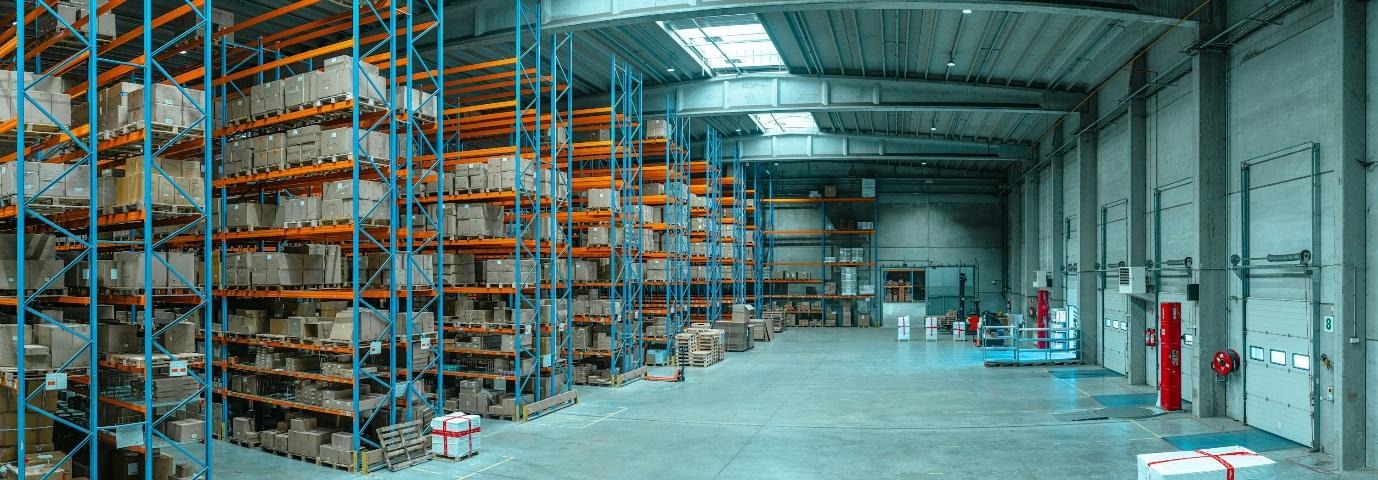
Qube Holdings is one of Australia’s leading logistics and infrastructure businesses, providing services across ports, freight transport, warehousing, and supply-chain operations. The company benefits from increasing freight activity and ongoing investment in Australia’s logistics infrastructure.

Efficient freight movement remains essential for supporting economic growth, particularly as trade volumes and infrastructure investment continue expanding. Qube’s integrated logistics network positions the company to benefit from multiple areas of industrial activity.

Within the broader universe of ASX industrial stocks, Qube remains attractive because of its diversified logistics exposure and strategic infrastructure assets.

Key Insight: Freight and logistics demand continue supporting industrial sector growth.

Aurizon Holdings Ltd (ASX: AZJ)

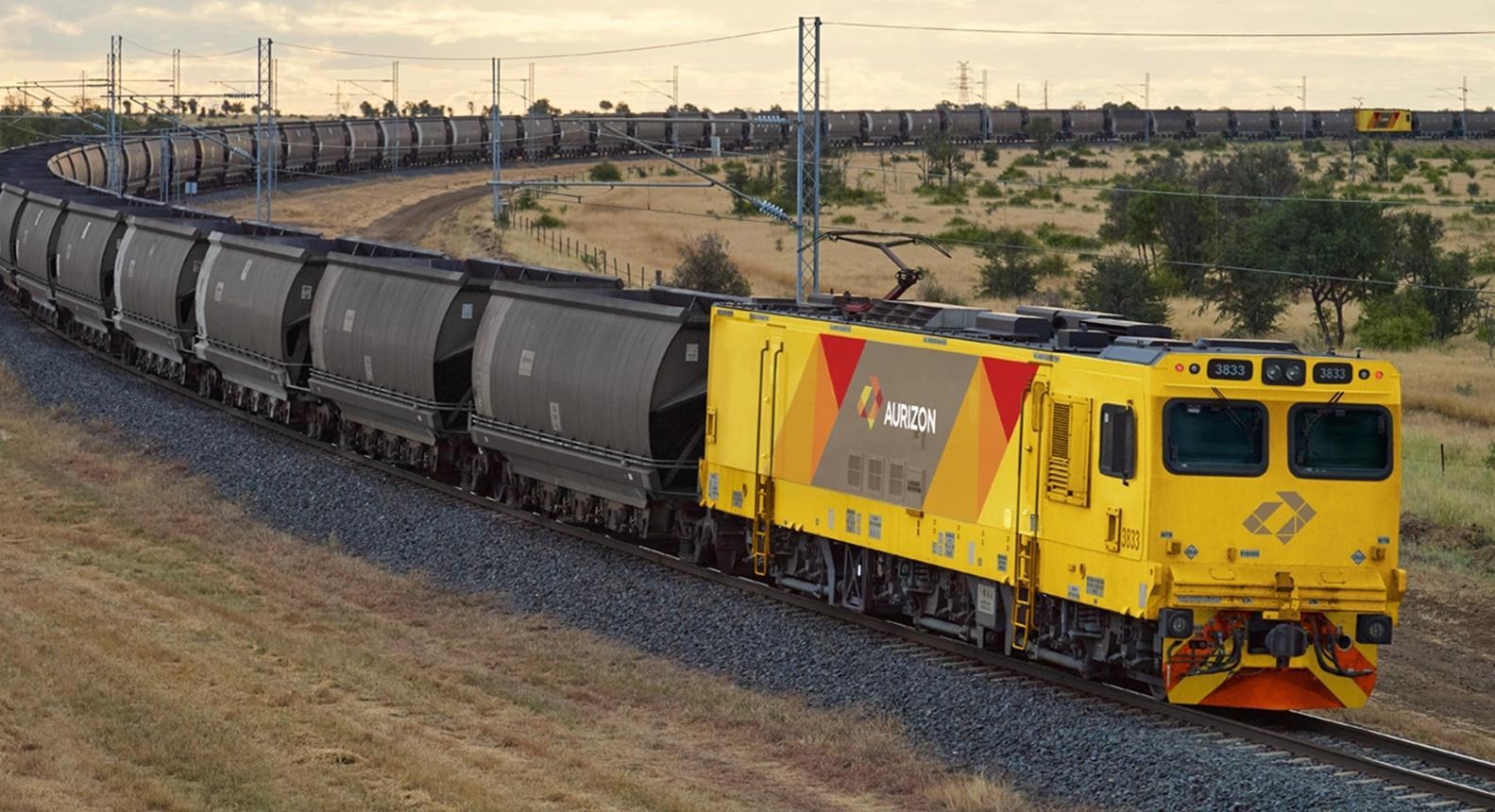
Aurizon operates Australia’s largest rail freight network, transporting bulk commodities and industrial products across key regions of the country. Rail infrastructure remains an essential component of Australia’s resource and industrial sectors, helping connect production centres with export markets and domestic customers.

As commodity volumes, infrastructure activity, and industrial production remain important parts of the Australian economy, rail transport continues playing a critical role within the broader supply chain. Aurizon’s extensive network provides exposure to long-term freight demand and transportation infrastructure.

Among ASX industrial stocks, Aurizon offers investors exposure to rail logistics, bulk commodity transportation, and critical national infrastructure.

Key Insight: Rail freight remains essential to Australia’s industrial economy.

What These Companies Have in Common

Although Brambles, Qube, and Aurizon operate different business models, they all play essential roles within Australia’s industrial and logistics ecosystem. Each company supports the movement of goods, resources, and products through critical infrastructure networks.

Importantly, these businesses benefit from long-term demand drivers rather than relying solely on short-term consumer spending trends. Logistics, freight transportation, and supply-chain services remain necessary regardless of changing economic conditions.

This combination of essential services and infrastructure exposure helps explain why industrial companies often attract investor interest during periods of economic recovery.

Why Industrial Stocks Are Regaining Momentum

Several factors are contributing to renewed interest in the sector. Infrastructure spending remains elevated, supply chains continue modernising, and businesses are investing more heavily in logistics efficiency and transportation networks.

At the same time, industrial companies are benefiting from the growing importance of resilient supply chains and efficient freight movement. These trends have strengthened the long-term outlook for businesses operating within logistics and transportation industries.

As investors look for opportunities beyond technology and financial sectors, ASX industrial stocks are increasingly being viewed as beneficiaries of improving economic activity and long-term infrastructure investment.

Risk Considerations

Despite their attractive characteristics, industrial companies remain exposed to economic conditions, trade activity, and transportation demand. Slower economic growth, reduced freight volumes, or disruptions within supply chains can affect business performance.

Infrastructure businesses also require significant capital investment, while transportation companies can face operational and regulatory challenges. Changes in commodity demand may additionally influence freight volumes for some operators.

For investors, diversification remains important when investing in ASX industrial stocks. While the sector benefits from strong structural drivers, understanding company-specific risks and industry conditions remains essential for long-term investment success.

Disclaimer:

General Financial Product Advice and Regulatory Framework: Pristine Gaze Pty Ltd (ABN 66 680 815 678, ACN 680 815 678) operates as Corporate Authorised Representative (CAR No. 001312049) of Alpha Securities Pty Ltd (AFSL 330757), which is licensed and regulated by the Australian Securities and Investments Commission under the Corporations Act 2001 (Cth). This report contains general financial product advice only and has been prepared without consideration of your personal objectives, financial situation, specific needs, circumstances, or investment experience. The information is not tailored to individual circumstances and may not be suitable for your particular situation. Before acting on any information contained herein, you should carefully consider its appropriateness having regard to your personal objectives, financial situation, and needs, and consider seeking personal financial advice from a qualified financial adviser who can assess your individual circumstances and provide tailored recommendations.

Investment Risks and Market Warnings: All investments carry significant risk, and different investment strategies may carry varying levels of risk exposure including total loss of invested capital. The value of investments and income derived from them can fluctuate significantly due to market conditions, economic factors, company-specific events, regulatory changes, commodity price volatility, currency fluctuations, interest rate movements, and other factors beyond our control. Securities markets are subject to market risk from general economic conditions and investor sentiment, liquidity risk affecting the ability to buy or sell securities at desired prices, credit risk from issuer default or deterioration, operational risk from inadequate internal processes, sector-specific risks including industry regulatory changes, technology obsolescence, management changes, competitive pressures, supply chain disruptions, and mining-specific risks including resource estimation uncertainty, operational hazards, environmental compliance, permitting delays, commodity price cycles, geopolitical factors affecting mining operations, and exploration risks. Small-cap and speculative mining stocks carry additional risks including limited liquidity, higher volatility, dependence on key personnel, limited operating history, uncertain cash flows, and potential failure to achieve commercial production.

Information Accuracy and Limitations: While we endeavour to ensure information accuracy and reliability, we make no representations or warranties (express or implied) regarding the accuracy, reliability, completeness, timeliness, or suitability of information provided, except where liability cannot be excluded under applicable law. This report may include information from third-party sources including company announcements, regulatory filings, research reports, market data providers, financial news services, and publicly available information, which we do not independently verify and for which we assume no responsibility. Past performance, examples, historical data, or projections are not indicative of future results, and no guarantee of future returns is provided or implied. To the maximum extent permitted by law, Pristine Gaze Pty Ltd and Alpha Securities Pty Ltd, together with their respective directors, officers, employees, representatives, and related entities, exclude all liability for any errors, omissions, inaccuracies, loss or damage (including direct, indirect, consequential, or special damages) arising from reliance on information provided, investment decisions made based on this report, market losses, opportunity costs, and technical issues or system failures.

Best ASX Stocks Benefiting from Increased Government Spending

Government spending plays a significant role in shaping economic activity across Australia. Whether through infrastructure development, transportation upgrades, defence initiatives, telecommunications investment, or public services, government-funded projects often create long-term opportunities for businesses operating in sectors closely tied to public expenditure. As governments continue investing in essential infrastructure and national development priorities, investors are increasingly looking at ASX government spending stocks that could benefit from these long-term spending programs.

Unlike short-term economic stimulus measures, many government-funded projects extend over several years and involve substantial capital commitments. This can provide participating companies with recurring revenue opportunities, contract visibility, and a more predictable operating environment. Businesses involved in engineering, maintenance, telecommunications infrastructure, and civil construction are therefore often among the key beneficiaries of public-sector investment.

As Australia continues focusing on infrastructure resilience, digital connectivity, and economic development, several ASX-listed companies remain well positioned to benefit from elevated government spending.

Why Government Spending Matters for Investors

Government expenditure can create significant opportunities across multiple industries because many projects require long-term planning, specialist expertise, and ongoing maintenance. Businesses with established relationships, operational capabilities, and experience delivering large-scale projects are often well positioned to secure contracts and participate in these initiatives.

Unlike some cyclical industries that depend heavily on consumer demand, companies linked to public-sector investment may benefit from more predictable project pipelines and long-duration revenue streams.

For investors, ASX government spending stocks can provide exposure to structural growth themes supported by national development priorities and long-term public investment.

Ventia Services Group Ltd (ASX: VNT)

Ventia provides infrastructure services across defence, transport, telecommunications, utilities, and public-sector assets. The company works with government agencies and major organisations to maintain and manage essential infrastructure networks.

One of Ventia’s strengths is its diversified exposure to multiple sectors that receive ongoing government investment. Long-term service agreements and maintenance contracts help provide recurring revenue opportunities while supporting earnings visibility.

Among ASX government spending stocks, Ventia stands out because of its broad exposure to infrastructure and public-sector projects.

Key Insight: Long-term government contracts support recurring revenue opportunities.

Service Stream Ltd (ASX: SSM)

Service Stream operates across telecommunications, utilities, and infrastructure services, helping build and maintain critical networks throughout Australia. The company benefits from ongoing investment in digital connectivity, utility infrastructure, and network upgrades.

As governments and service providers continue investing in telecommunications and essential infrastructure, businesses involved in deployment and maintenance services remain important participants in these projects.

Within the broader universe of ASX government spending stocks, Service Stream provides exposure to infrastructure modernisation and long-term connectivity initiatives.

Key Insight: Infrastructure upgrades continue supporting demand for network services.

Downer EDI Ltd (ASX: DOW)

Downer is one of Australia’s largest providers of infrastructure, engineering, and maintenance services. The company operates across transport, defence, utilities, and public infrastructure projects, making it closely linked to government investment programs.

Large-scale infrastructure initiatives often require specialist expertise and ongoing operational support, creating opportunities for established service providers. Downer’s broad capabilities allow it to participate across multiple project categories, ranging from transportation networks to defence-related infrastructure.

Among ASX government spending stocks, Downer remains a key name because of its long history of involvement in major public-sector projects.

Key Insight: Diversified exposure provides access to multiple government-funded initiatives.

NRW Holdings Ltd (ASX: NWH)

NRW Holdings provides civil construction, engineering, and infrastructure services across Australia. The company participates in projects linked to transportation, resources, and public infrastructure development.

As governments continue funding major infrastructure projects, civil contractors and engineering specialists remain important contributors to project delivery. NRW’s experience across large-scale developments positions it to benefit from ongoing construction and infrastructure activity.

Within discussions surrounding ASX government spending stocks, NRW offers investors exposure to civil construction and long-term infrastructure development trends.

Key Insight: Infrastructure development creates opportunities for engineering and construction providers.

What These Companies Have in Common

Although Ventia, Service Stream, Downer, and NRW operate in different areas of the infrastructure sector, they all benefit from public-sector investment and long-term project activity. Their services help support the construction, maintenance, and operation of critical national infrastructure.

Importantly, these businesses often participate in projects that extend over multiple years, providing greater revenue visibility than industries reliant on short-term economic cycles. This characteristic can make government-linked businesses attractive during periods of market uncertainty.

The common theme connecting these companies is their exposure to essential infrastructure and public investment priorities.

Why Investors Are Watching Government Spending Trends

Infrastructure development, telecommunications investment, defence initiatives, and public asset maintenance continue representing major areas of government expenditure. These priorities are often supported by long-term planning frameworks that extend beyond short-term economic fluctuations.

As a result, businesses positioned within these sectors may benefit from sustained project pipelines and recurring contract opportunities. Investors frequently view this as an attractive source of earnings visibility and potential growth.

This is one reason ASX government spending stocks continue attracting attention from investors seeking exposure to long-term structural investment themes.

Risk Considerations

Despite their exposure to government spending, these businesses are not without risk. Project delays, cost inflation, labour shortages, regulatory changes, and contract execution challenges can all affect financial performance.

Competition for major contracts can also influence profitability, while changes in government priorities may impact future project opportunities. In addition, many infrastructure-related businesses require ongoing investment in equipment, workforce development, and operational capabilities.

For investors, understanding both the opportunities and risks remains important when evaluating ASX government spending stocks. While government investment can provide strong long-term tailwinds, successful outcomes ultimately depend on project execution, operational performance, and the ability to maintain competitive advantages.

Disclaimer:

General Financial Product Advice and Regulatory Framework: Pristine Gaze Pty Ltd (ABN 66 680 815 678, ACN 680 815 678) operates as Corporate Authorised Representative (CAR No. 001312049) of Alpha Securities Pty Ltd (AFSL 330757), which is licensed and regulated by the Australian Securities and Investments Commission under the Corporations Act 2001 (Cth). This report contains general financial product advice only and has been prepared without consideration of your personal objectives, financial situation, specific needs, circumstances, or investment experience. The information is not tailored to individual circumstances and may not be suitable for your particular situation. Before acting on any information contained herein, you should carefully consider its appropriateness having regard to your personal objectives, financial situation, and needs, and consider seeking personal financial advice from a qualified financial adviser who can assess your individual circumstances and provide tailored recommendations.

Investment Risks and Market Warnings: All investments carry significant risk, and different investment strategies may carry varying levels of risk exposure including total loss of invested capital. The value of investments and income derived from them can fluctuate significantly due to market conditions, economic factors, company-specific events, regulatory changes, commodity price volatility, currency fluctuations, interest rate movements, and other factors beyond our control. Securities markets are subject to market risk from general economic conditions and investor sentiment, liquidity risk affecting the ability to buy or sell securities at desired prices, credit risk from issuer default or deterioration, operational risk from inadequate internal processes, sector-specific risks including industry regulatory changes, technology obsolescence, management changes, competitive pressures, supply chain disruptions, and mining-specific risks including resource estimation uncertainty, operational hazards, environmental compliance, permitting delays, commodity price cycles, geopolitical factors affecting mining operations, and exploration risks. Small-cap and speculative mining stocks carry additional risks including limited liquidity, higher volatility, dependence on key personnel, limited operating history, uncertain cash flows, and potential failure to achieve commercial production.

Information Accuracy and Limitations: While we endeavour to ensure information accuracy and reliability, we make no representations or warranties (express or implied) regarding the accuracy, reliability, completeness, timeliness, or suitability of information provided, except where liability cannot be excluded under applicable law. This report may include information from third-party sources including company announcements, regulatory filings, research reports, market data providers, financial news services, and publicly available information, which we do not independently verify and for which we assume no responsibility. Past performance, examples, historical data, or projections are not indicative of future results, and no guarantee of future returns is provided or implied. To the maximum extent permitted by law, Pristine Gaze Pty Ltd and Alpha Securities Pty Ltd, together with their respective directors, officers, employees, representatives, and related entities, exclude all liability for any errors, omissions, inaccuracies, loss or damage (including direct, indirect, consequential, or special damages) arising from reliance on information provided, investment decisions made based on this report, market losses, opportunity costs, and technical issues or system failures.
Best ASX Stocks to Buy Before Reporting Season

Reporting season is one of the most important periods on the ASX because it provides investors with fresh insight into company performance, earnings trends, and future outlooks. While markets often react to broader economic news throughout the year, reporting season shifts the focus back to business fundamentals. Companies that exceed expectations can experience strong share-price momentum, while disappointing results can lead to significant volatility. This is why many investors actively search for ASX reporting season stocks before earnings announcements begin.

The weeks leading into reporting season can create opportunities for investors looking to position themselves ahead of potential catalysts. Businesses with strong operational momentum, expanding market opportunities, or improving earnings trends often attract increased attention as reporting dates approach. Although predicting results is never guaranteed, companies benefiting from favourable industry conditions frequently become key names to watch.

Several ASX-listed businesses continue standing out because of their exposure to growth trends that investors are expected to monitor closely during reporting season.

Why Reporting Season Matters

Reporting season provides a detailed snapshot of how companies are performing relative to market expectations. Investors gain insight into revenue growth, profitability, cash generation, operational performance, and management outlooks for future periods.

Strong results can improve investor confidence and support higher valuations, while weaker-than-expected updates may lead to share-price pressure. As a result, reporting season often becomes a major driver of market sentiment and stock-specific performance.

For investors, identifying companies with strong business momentum before earnings announcements can be an effective way to uncover potential opportunities.

Lovisa Holdings Ltd (ASX: LOV)

Lovisa has built one of the ASX’s most successful retail growth stories through its global jewellery store network. The company’s expansion strategy continues attracting investor attention because new store openings remain a major driver of revenue growth.

During reporting season, investors often focus on store rollout progress, comparable sales performance, and international growth opportunities. As Lovisa continues increasing its global footprint, earnings updates can provide valuable insight into the effectiveness of its expansion strategy.

Among ASX reporting season stocks, Lovisa remains closely watched because of its strong growth profile and ability to scale internationally.

Key Insight: International expansion remains a major earnings growth driver.

Netwealth Group Ltd (ASX: NWL)

Netwealth operates one of Australia’s leading wealth-management platforms and continues benefiting from increasing adoption of digital investment solutions. Growth in funds under administration and net inflows remains a key area of focus for investors evaluating the company’s performance.

Because platform businesses benefit from recurring revenue and operating leverage, even modest increases in assets can contribute meaningfully to earnings growth. This makes reporting season updates particularly important for understanding business momentum.

Within the broader universe of ASX reporting season stocks, Netwealth attracts investor interest because of its exposure to Australia’s growing wealth-management sector.

Key Insight: Platform inflows and asset growth remain critical performance indicators.

Corporate Travel Management Ltd (ASX: CTD)

Corporate Travel Management provides travel solutions and technology services to businesses operating across multiple international markets. The company’s performance is closely linked to corporate travel activity, customer growth, and operational efficiency.

Reporting season often provides insight into travel demand trends, margin performance, and the company’s ability to convert revenue growth into earnings growth. As business travel continues evolving globally, investors remain focused on the sustainability of demand and future growth opportunities.

Among ASX reporting season stocks, CTD remains notable because earnings updates frequently provide valuable information regarding corporate travel activity and global business conditions.

Key Insight: Business travel demand remains a key driver of future earnings performance.

Breville Group Ltd (ASX: BRG)

Breville has established a strong position within the premium kitchen appliance market and continues benefiting from international expansion opportunities. The company’s combination of product innovation, brand strength, and global growth has helped maintain investor interest over many years.

Reporting season updates often focus on international sales performance, product demand, and margin trends. Investors closely monitor these metrics because they provide insight into the company’s ability to continue delivering sustainable growth.

Within discussions surrounding ASX reporting season stocks, Breville remains a popular name because of its exposure to consumer spending trends and global market expansion.

Key Insight: International sales growth continues shaping long-term performance.

What These Stocks Have in Common

Although Lovisa, Netwealth, Corporate Travel Management, and Breville operate in different industries, they all share one important characteristic: investors closely monitor their growth trajectories during reporting season.

Each company has identifiable performance metrics that can influence market sentiment. Store expansion, platform inflows, travel demand, and international sales growth all provide measurable indicators of business momentum.

This visibility helps explain why these companies frequently attract attention ahead of earnings announcements.

Why Investors Position Before Reporting Season

Many investors attempt to identify businesses with favourable momentum before results are released. Companies benefiting from industry tailwinds, strong operational execution, or improving market conditions can sometimes outperform if reporting outcomes exceed expectations.

However, reporting season can also increase volatility because market reactions depend not only on current performance but also on future guidance and investor expectations. This makes preparation and research particularly important.

As a result, ASX reporting season stocks often become key focus areas for investors seeking potential catalysts and earnings-driven opportunities.

Risk Considerations

While reporting season can create opportunities, it also introduces additional risk. Even strong companies can experience share-price declines if results fail to meet expectations or guidance disappoints investors.

Retail businesses remain exposed to consumer spending trends, wealth-management platforms can be influenced by market conditions, travel operators depend on demand levels, and international businesses face currency and economic risks.

For investors, ASX reporting season stocks should be evaluated using a combination of business fundamentals, industry trends, and valuation considerations. Strong companies can continue creating long-term value, but short-term market reactions around earnings announcements can remain unpredictable.

Disclaimer:

General Financial Product Advice and Regulatory Framework: Pristine Gaze Pty Ltd (ABN 66 680 815 678, ACN 680 815 678) operates as Corporate Authorised Representative (CAR No. 001312049) of Alpha Securities Pty Ltd (AFSL 330757), which is licensed and regulated by the Australian Securities and Investments Commission under the Corporations Act 2001 (Cth). This report contains general financial product advice only and has been prepared without consideration of your personal objectives, financial situation, specific needs, circumstances, or investment experience. The information is not tailored to individual circumstances and may not be suitable for your particular situation. Before acting on any information contained herein, you should carefully consider its appropriateness having regard to your personal objectives, financial situation, and needs, and consider seeking personal financial advice from a qualified financial adviser who can assess your individual circumstances and provide tailored recommendations.

Investment Risks and Market Warnings: All investments carry significant risk, and different investment strategies may carry varying levels of risk exposure including total loss of invested capital. The value of investments and income derived from them can fluctuate significantly due to market conditions, economic factors, company-specific events, regulatory changes, commodity price volatility, currency fluctuations, interest rate movements, and other factors beyond our control. Securities markets are subject to market risk from general economic conditions and investor sentiment, liquidity risk affecting the ability to buy or sell securities at desired prices, credit risk from issuer default or deterioration, operational risk from inadequate internal processes, sector-specific risks including industry regulatory changes, technology obsolescence, management changes, competitive pressures, supply chain disruptions, and mining-specific risks including resource estimation uncertainty, operational hazards, environmental compliance, permitting delays, commodity price cycles, geopolitical factors affecting mining operations, and exploration risks. Small-cap and speculative mining stocks carry additional risks including limited liquidity, higher volatility, dependence on key personnel, limited operating history, uncertain cash flows, and potential failure to achieve commercial production.

Information Accuracy and Limitations: While we endeavour to ensure information accuracy and reliability, we make no representations or warranties (express or implied) regarding the accuracy, reliability, completeness, timeliness, or suitability of information provided, except where liability cannot be excluded under applicable law. This report may include information from third-party sources including company announcements, regulatory filings, research reports, market data providers, financial news services, and publicly available information, which we do not independently verify and for which we assume no responsibility. Past performance, examples, historical data, or projections are not indicative of future results, and no guarantee of future returns is provided or implied. To the maximum extent permitted by law, Pristine Gaze Pty Ltd and Alpha Securities Pty Ltd, together with their respective directors, officers, employees, representatives, and related entities, exclude all liability for any errors, omissions, inaccuracies, loss or damage (including direct, indirect, consequential, or special damages) arising from reliance on information provided, investment decisions made based on this report, market losses, opportunity costs, and technical issues or system failures.
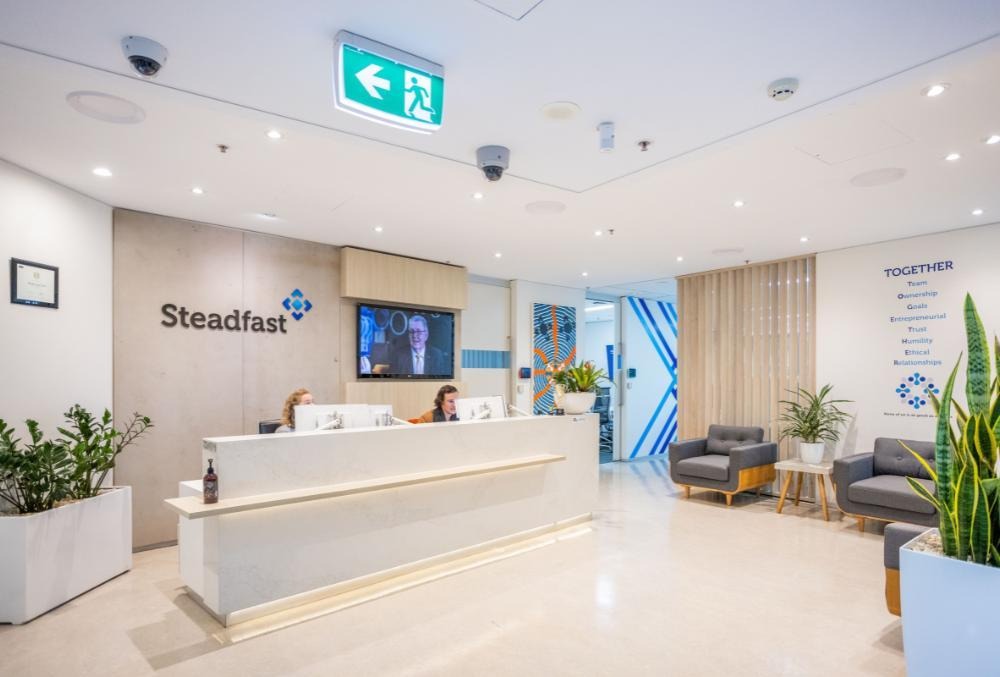
Why ASX Consumer Discretionary Stocks Are Rebounding

Consumer discretionary stocks are often among the most sensitive sectors to changes in economic conditions, consumer confidence, and spending patterns. During periods of uncertainty, investors tend to become cautious about businesses that rely on non-essential purchases. However, when confidence begins improving and spending activity stabilises, consumer discretionary companies can become some of the strongest performers in the market. This is one reason ASX consumer discretionary stocks are attracting renewed attention from investors heading into 2026.

Several factors are supporting the sector. Lower inflation pressures, improving household balance sheets, resilient employment conditions, and expectations of a more stable economic environment are helping consumers regain confidence. As spending gradually shifts beyond essential goods and services, businesses exposed to retail, lifestyle products, automotive accessories, and premium consumer brands may benefit from stronger demand.

While consumer discretionary companies can experience periods of volatility, they also offer significant upside potential when economic conditions improve. This combination of cyclical recovery and long-term growth opportunities continues making the sector an attractive area of the market.

Why Consumer Discretionary Stocks Matter

Consumer discretionary businesses generate revenue from products and services that consumers choose to purchase rather than require for daily living. As a result, these companies often experience stronger growth when consumer confidence and disposable income improve.

Because spending on lifestyle products, home furnishings, travel, and leisure activities typically increases during economic recoveries, investors often monitor discretionary stocks as indicators of broader consumer sentiment.

For this reason, many market participants view ASX consumer discretionary stocks as a way to gain exposure to improving economic conditions and household spending trends.

Harvey Norman Holdings Ltd (ASX: HVN)

Harvey Norman is one of Australia’s most recognised retail brands, operating across furniture, electronics, appliances, and home-related products. Consumer spending on these categories often strengthens when confidence improves and households become more willing to make larger discretionary purchases.

The company benefits from its extensive retail footprint and exposure to housing-related spending, including furniture and household appliances. As housing activity and consumer confidence improve, retailers serving these markets may experience stronger sales momentum.

Among ASX consumer discretionary stocks, Harvey Norman remains closely watched because of its direct exposure to household spending trends and broader consumer sentiment.

Key Insight: Improving consumer confidence can support demand for home and lifestyle products.

Breville Group Ltd (ASX: BRG)

Breville has built a strong reputation through its premium kitchen appliances and globally recognised consumer brands. Unlike many retailers, the company benefits from a combination of product innovation, brand strength, and international expansion opportunities.

Consumers often continue spending on premium products when confidence improves, particularly within categories associated with lifestyle and home improvement. Breville’s focus on premium positioning helps differentiate it from competitors while supporting long-term growth potential.

Within the broader universe of ASX consumer discretionary stocks, Breville stands out because of its global growth profile and strong brand recognition.

Key Insight: Premium consumer brands can benefit as discretionary spending recovers.

ARB Corporation Ltd (ASX: ARB)

ARB Corporation specialises in four-wheel-drive accessories and aftermarket automotive products. The business benefits from consumer spending linked to travel, recreation, and outdoor lifestyles, making it closely connected to discretionary purchasing behaviour.

As economic conditions improve, consumers often become more willing to spend on lifestyle-oriented products and vehicle upgrades. ARB’s strong brand reputation and specialist market position have helped establish it as a leader within the automotive accessories industry.

Among ASX consumer discretionary stocks, ARB offers exposure to recreational spending trends and long-term demand for premium automotive products.

Key Insight: Lifestyle and recreation spending can support growth in specialist retail segments.

Super Retail Group Ltd (ASX: SUL)

Super Retail Group operates several well-known retail brands, including Supercheap Auto, Rebel, and BCF. Through these businesses, the company provides exposure to automotive products, sporting goods, and outdoor recreation categories.

The diversity of its retail portfolio allows the company to participate across multiple areas of discretionary spending. As consumers become more confident and willing to spend on hobbies, sports, and recreational activities, retailers operating in these categories may benefit from improving demand.

Within discussions surrounding ASX consumer discretionary stocks, Super Retail Group remains notable because of its broad exposure to several consumer spending themes.

Key Insight: Diverse retail exposure can benefit from improving consumer activity.

Why the Sector Could Continue Recovering

Consumer discretionary businesses often perform well when economic conditions stabilise and household confidence improves. As consumers become more comfortable making larger purchases, spending can expand beyond essential goods and services into lifestyle and discretionary categories.

Many discretionary businesses also benefit from operating leverage, meaning stronger sales growth can lead to disproportionate increases in profitability. This characteristic can make the sector particularly attractive during periods of economic recovery.

As a result, ASX consumer discretionary stocks remain an important area of focus for investors looking to benefit from improving consumer sentiment.

What These Companies Have in Common

Although Harvey Norman, Breville, ARB, and Super Retail Group operate in different areas of the consumer market, they all rely on discretionary spending rather than essential purchases. Their performance is therefore closely tied to consumer confidence, employment conditions, and household financial health.

Each company also possesses established brands, strong market positions, and exposure to long-term consumer trends. These characteristics help support resilience while creating opportunities for growth during periods of stronger spending activity.

Together, they provide exposure to multiple segments of Australia’s discretionary spending landscape.

Risk Considerations

Consumer discretionary stocks can be more volatile than defensive sectors because spending on non-essential products often slows during economic downturns. Rising interest rates, weaker consumer confidence, and reduced household spending can all affect demand.

Retailers also face challenges from competition, changing consumer preferences, and supply-chain pressures. While improving economic conditions can support growth, future performance remains dependent on broader consumer behaviour.

For investors, diversification remains important when investing in ASX consumer discretionary stocks. While the sector can offer attractive upside during recoveries, balancing growth opportunities with risk management remains essential for long-term investment success.


Disclaimer:

General Financial Product Advice and Regulatory Framework: Pristine Gaze Pty Ltd (ABN 66 680 815 678, ACN 680 815 678) operates as Corporate Authorised Representative (CAR No. 001312049) of Alpha Securities Pty Ltd (AFSL 330757), which is licensed and regulated by the Australian Securities and Investments Commission under the Corporations Act 2001 (Cth). This report contains general financial product advice only and has been prepared without consideration of your personal objectives, financial situation, specific needs, circumstances, or investment experience. The information is not tailored to individual circumstances and may not be suitable for your particular situation. Before acting on any information contained herein, you should carefully consider its appropriateness having regard to your personal objectives, financial situation, and needs, and consider seeking personal financial advice from a qualified financial adviser who can assess your individual circumstances and provide tailored recommendations.

Investment Risks and Market Warnings: All investments carry significant risk, and different investment strategies may carry varying levels of risk exposure including total loss of invested capital. The value of investments and income derived from them can fluctuate significantly due to market conditions, economic factors, company-specific events, regulatory changes, commodity price volatility, currency fluctuations, interest rate movements, and other factors beyond our control. Securities markets are subject to market risk from general economic conditions and investor sentiment, liquidity risk affecting the ability to buy or sell securities at desired prices, credit risk from issuer default or deterioration, operational risk from inadequate internal processes, sector-specific risks including industry regulatory changes, technology obsolescence, management changes, competitive pressures, supply chain disruptions, and mining-specific risks including resource estimation uncertainty, operational hazards, environmental compliance, permitting delays, commodity price cycles, geopolitical factors affecting mining operations, and exploration risks. Small-cap and speculative mining stocks carry additional risks including limited liquidity, higher volatility, dependence on key personnel, limited operating history, uncertain cash flows, and potential failure to achieve commercial production.

Information Accuracy and Limitations: While we endeavour to ensure information accuracy and reliability, we make no representations or warranties (express or implied) regarding the accuracy, reliability, completeness, timeliness, or suitability of information provided, except where liability cannot be excluded under applicable law. This report may include information from third-party sources including company announcements, regulatory filings, research reports, market data providers, financial news services, and publicly available information, which we do not independently verify and for which we assume no responsibility. Past performance, examples, historical data, or projections are not indicative of future results, and no guarantee of future returns is provided or implied. To the maximum extent permitted by law, Pristine Gaze Pty Ltd and Alpha Securities Pty Ltd, together with their respective directors, officers, employees, representatives, and related entities, exclude all liability for any errors, omissions, inaccuracies, loss or damage (including direct, indirect, consequential, or special damages) arising from reliance on information provided, investment decisions made based on this report, market losses, opportunity costs, and technical issues or system failures.