GenusPlus Group

Best 3 ASX Stocks Positioned for Long-Term Compounding

Long-term wealth creation is often less about finding the next speculative winner and more about owning exceptional businesses that can consistently grow earnings, expand cash flow, and strengthen their competitive position over many years. These companies are commonly referred to as compounders because they continuously reinvest capital into growth opportunities, allowing shareholder value to build over time. As investors increasingly focus on quality rather than short-term market noise, interest in ASX compounder stocks continues to grow.

The most successful compounders often share several characteristics. They operate in industries with long growth runways, possess strong competitive advantages, generate high returns on capital, and maintain the ability to grow earnings across different economic environments. Rather than relying on commodity cycles or temporary market trends, these businesses create value through operational execution and sustainable growth.

Another reason investors are attracted to ASX compounder stocks is resilience. While market volatility can affect short-term share prices, companies with durable business models often continue growing through multiple economic cycles. Over long periods, earnings growth and compounding tend to become far more important than temporary market fluctuations.

What Makes a Great Compounder?

A true compounder typically demonstrates consistent earnings growth, strong balance sheet management, scalable operations, and significant competitive advantages. These businesses often dominate their respective industries and benefit from recurring demand that supports long-term expansion.

Another important characteristic is pricing power. Companies capable of increasing prices without materially impacting customer demand are often better positioned to protect margins and maintain profitability over time.

Perhaps most importantly, compounders generally have large opportunities to reinvest capital into future growth initiatives. This ability to continually expand operations creates the foundation for long-term earnings compounding and shareholder value creation.

Pro Medicus Ltd (ASX: PME)

Pro Medicus has established itself as one of the strongest healthcare technology businesses on the ASX through its medical imaging software platform. The company operates in a specialised segment of healthcare technology where demand continues benefiting from digital transformation and increasing healthcare efficiency requirements.

One of the reasons investors often view PME as a compounder is its highly scalable business model. Software businesses can often grow earnings faster than revenue because incremental customers require relatively limited additional costs. This creates significant operating leverage as adoption expands.

The company’s growing international presence has further strengthened its long-term growth profile. Within the universe of ASX compounder stocks, Pro Medicus stands out because of its combination of healthcare exposure, recurring software economics, and strong earnings momentum.

Key Insight: Scalable healthcare software platforms can generate powerful long-term earnings compounding.

REA Group Ltd (ASX: REA)

REA Group has built a dominant position within Australia’s online property advertising market, creating a powerful digital platform business supported by strong network effects. Platform companies often make excellent compounders because market leadership becomes increasingly valuable as user engagement grows.

The company benefits from strong pricing power, high margins, and a business model that generates recurring advertising demand. Real estate agents and property developers continue relying on digital platforms to reach buyers, creating a durable source of revenue over time.

Among ASX compounder stocks, REA is frequently highlighted because it combines market leadership with scalable economics and long-term growth opportunities. The company’s ability to continually monetise its platform has helped drive sustained earnings expansion over many years.

Key Insight: Digital platform dominance supports strong pricing power and long-term profitability.

CSL Ltd (ASX: CSL)

CSL represents one of Australia’s most recognised long-term growth stories. The company operates globally across biotechnology and healthcare markets, benefiting from structural demand for medical products and therapies.

Healthcare businesses often possess attractive compounding characteristics because demand tends to remain resilient regardless of economic conditions. CSL has demonstrated an ability to expand internationally, invest in innovation, and maintain strong market positions across several specialised healthcare segments.

The company’s global scale and research-driven growth strategy continue supporting long-term earnings expansion. Within the broader category of ASX compounder stocks, CSL remains a popular choice because it combines defensive healthcare exposure with significant long-term growth potential.

Key Insight: Global healthcare demand provides a durable foundation for long-term earnings growth.

How These Compounders Differ

Although all three companies are considered high-quality compounders, they generate growth through different business models. Pro Medicus benefits from healthcare software adoption and scalable technology economics. REA Group creates value through digital platform leadership and network effects. CSL drives growth through healthcare innovation, international expansion, and specialised medical products.

This diversity is important because it provides exposure to multiple long-term growth drivers rather than relying on a single industry trend. Healthcare, software, and digital platforms each possess unique characteristics that can support earnings expansion across different market environments.

The common factor connecting these businesses is their ability to grow earnings consistently while maintaining strong competitive advantages.

Why Investors Favour Compounders During Uncertainty

Market volatility often encourages investors to focus more heavily on business quality. While speculative stocks may experience dramatic price swings, compounders are typically evaluated based on their ability to continue delivering earnings growth over many years.

Investors also recognise that compounding becomes increasingly powerful over longer time horizons. A company capable of consistently growing earnings and cash flow can create substantial shareholder value even without extreme short-term share price gains.

This is one of the main reasons ASX compounder stocks continue attracting long-term investors despite changing market conditions and economic uncertainty.

Risk Considerations

Even high-quality compounders face risks. Premium businesses often trade at higher valuations, which can create share price pressure if growth expectations weaken or interest rates remain elevated. Market leadership also attracts competition, requiring ongoing investment and innovation.

Healthcare companies face regulatory and operational risks, software businesses must continue delivering product improvements, and digital platforms can be influenced by changing industry conditions.

Investors should also remember that even exceptional companies can experience periods of slower growth. For this reason, maintaining a long-term perspective remains important when investing in ASX compounder stocks. While short-term volatility is inevitable, the true value of compounding is typically realised over many years rather than quarters.

Disclaimer:

General Financial Product Advice and Regulatory Framework: Pristine Gaze Pty Ltd (ABN 66 680 815 678, ACN 680 815 678) operates as Corporate Authorised Representative (CAR No. 001312049) of Alpha Securities Pty Ltd (AFSL 330757), which is licensed and regulated by the Australian Securities and Investments Commission under the Corporations Act 2001 (Cth). This report contains general financial product advice only and has been prepared without consideration of your personal objectives, financial situation, specific needs, circumstances, or investment experience. The information is not tailored to individual circumstances and may not be suitable for your particular situation. Before acting on any information contained herein, you should carefully consider its appropriateness having regard to your personal objectives, financial situation, and needs, and consider seeking personal financial advice from a qualified financial adviser who can assess your individual circumstances and provide tailored recommendations.

Investment Risks and Market Warnings: All investments carry significant risk, and different investment strategies may carry varying levels of risk exposure including total loss of invested capital. The value of investments and income derived from them can fluctuate significantly due to market conditions, economic factors, company-specific events, regulatory changes, commodity price volatility, currency fluctuations, interest rate movements, and other factors beyond our control. Securities markets are subject to market risk from general economic conditions and investor sentiment, liquidity risk affecting the ability to buy or sell securities at desired prices, credit risk from issuer default or deterioration, operational risk from inadequate internal processes, sector-specific risks including industry regulatory changes, technology obsolescence, management changes, competitive pressures, supply chain disruptions, and mining-specific risks including resource estimation uncertainty, operational hazards, environmental compliance, permitting delays, commodity price cycles, geopolitical factors affecting mining operations, and exploration risks. Small-cap and speculative mining stocks carry additional risks including limited liquidity, higher volatility, dependence on key personnel, limited operating history, uncertain cash flows, and potential failure to achieve commercial production.

Information Accuracy and Limitations: While we endeavour to ensure information accuracy and reliability, we make no representations or warranties (express or implied) regarding the accuracy, reliability, completeness, timeliness, or suitability of information provided, except where liability cannot be excluded under applicable law. This report may include information from third-party sources including company announcements, regulatory filings, research reports, market data providers, financial news services, and publicly available information, which we do not independently verify and for which we assume no responsibility. Past performance, examples, historical data, or projections are not indicative of future results, and no guarantee of future returns is provided or implied. To the maximum extent permitted by law, Pristine Gaze Pty Ltd and Alpha Securities Pty Ltd, together with their respective directors, officers, employees, representatives, and related entities, exclude all liability for any errors, omissions, inaccuracies, loss or damage (including direct, indirect, consequential, or special damages) arising from reliance on information provided, investment decisions made based on this report, market losses, opportunity costs, and technical issues or system failures.


Why Australian Investors Are Watching Dividend Stocks More Closely

Dividend investing has always been an important part of the Australian share market, but in recent years it has gained even greater attention as investors navigate inflation, market volatility, and economic uncertainty. While growth stocks often attract headlines during strong bull markets, dividend-paying companies frequently become more appealing when investors prioritise stability, income generation, and long-term portfolio resilience. This shift in focus has contributed to growing interest in ASX dividend investing across both retail and institutional investor groups.

One of the biggest reasons dividend stocks are attracting attention is their ability to provide a source of return that does not depend entirely on share price appreciation. During periods when markets become volatile or valuations come under pressure, dividends can help support overall portfolio performance. For many investors, particularly those seeking passive income or approaching retirement, this consistency is an important advantage.

Another factor driving ASX dividend investing is the uncertain macroeconomic backdrop. Interest rate expectations, inflation concerns, and slowing economic growth have encouraged many investors to place greater emphasis on cash flow generation and business quality. Companies capable of producing stable earnings and maintaining shareholder distributions often become more attractive in these environments.

Why Dividend Stocks Are Gaining Attention

Dividend-paying businesses are often associated with mature industries that generate strong and predictable cash flow. Rather than reinvesting all profits into aggressive expansion, these companies frequently return a portion of earnings to shareholders through regular distributions.

Investors are also increasingly focused on total return rather than capital gains alone. A stock that consistently delivers dividends while maintaining steady earnings growth can create significant long-term value, particularly when dividends are reinvested over time.

In addition, dividend stocks often provide a sense of stability during uncertain markets because they are typically supported by established businesses with strong competitive positions and proven operating histories.

Commonwealth Bank of Australia (ASX: CBA)

Commonwealth Bank remains one of the most widely followed dividend-paying companies on the ASX. As Australia’s largest bank, it benefits from a substantial customer base, diversified financial services operations, and strong earnings generation capabilities.

Banks have traditionally played a major role within ASX dividend investing because they often generate recurring income through lending, deposits, and financial services activities. While profitability can be influenced by economic conditions and interest rates, large financial institutions generally possess the scale and market position necessary to support long-term shareholder returns.

Investors frequently monitor CBA because it represents a combination of income generation, market leadership, and operational resilience within the Australian financial sector.

Key Insight: Large-scale banking operations continue supporting stable income generation.

Telstra Group Ltd (ASX: TLS)

Telstra operates within one of the market’s most defensive sectors through telecommunications and digital connectivity services. Demand for mobile, internet, and communication infrastructure remains relatively stable regardless of broader economic conditions, helping support recurring revenue generation.

This defensive profile has made Telstra a popular choice among income-focused investors for many years. Telecommunications companies are often viewed favourably because they provide essential services and benefit from long-term customer relationships.

Within broader ASX dividend investing strategies, Telstra remains relevant because of its recurring cash flow profile and exposure to critical digital infrastructure.

Key Insight: Recurring telecommunications revenue supports long-term income stability.

Transurban Group (ASX: TCL)

Transurban provides exposure to infrastructure assets through its portfolio of toll roads and transportation networks. Infrastructure businesses often attract income-focused investors because they typically generate predictable cash flow supported by long-term assets and recurring usage.

Many infrastructure companies also benefit from inflation-linked pricing mechanisms, helping maintain revenue growth during periods of rising costs. This characteristic has become increasingly attractive as investors seek businesses capable of preserving earnings power in inflationary environments.

Among companies associated with ASX dividend investing, Transurban offers a different type of income exposure compared to traditional banking and telecommunications businesses.

Key Insight: Infrastructure assets provide recurring cash flow supported by long-term demand.

Wesfarmers Ltd (ASX: WES)

Wesfarmers combines income potential with exposure to diversified retail and industrial operations. The company’s portfolio includes businesses linked to consumer spending, home improvement, and industrial activity, creating multiple earnings drivers across different segments of the economy.

Diversification is one of Wesfarmers’ key strengths because it helps reduce reliance on any single business line. This operational flexibility has contributed to its reputation as a stable long-term investment within the Australian market.

For investors focused on ASX dividend investing, Wesfarmers provides exposure to a diversified corporate structure supported by strong brands and established market positions.

Key Insight: Diversified earnings streams support long-term operational resilience.

How These Dividend Stocks Differ

Although all four companies are popular among income-focused investors, they generate earnings through very different business models. Commonwealth Bank relies on financial services and lending activity, while Telstra benefits from telecommunications infrastructure and recurring customer subscriptions.

Transurban generates revenue through transportation infrastructure assets, whereas Wesfarmers operates a diversified collection of retail and industrial businesses. This variety allows investors to gain exposure across multiple sectors while maintaining a focus on income generation.

The diversity of these businesses also highlights an important aspect of ASX dividend investing: reliable income opportunities can be found across several industries rather than being limited to a single sector.

What Investors Are Looking For

Modern dividend investors are becoming increasingly selective. Rather than focusing solely on dividend yield, many now prioritise sustainability, earnings quality, and long-term growth potential.

Companies capable of maintaining strong cash flow while continuing to invest in future growth often receive greater attention because they may be better positioned to support shareholder returns over extended periods. Investors are also paying closer attention to balance sheet strength and payout sustainability.

This shift reflects a broader trend where quality and reliability have become just as important as headline income figures.

Risk Considerations

Despite their appeal, dividend stocks are not risk-free. Dividends ultimately depend on company profitability, meaning weaker earnings or changing economic conditions can affect future distributions. Banking, telecommunications, infrastructure, and retail businesses each face unique operational and competitive challenges that may influence financial performance.

Interest rate movements can also impact investor sentiment toward dividend-paying sectors, particularly when alternative income-producing assets become more attractive. Additionally, companies with strong dividend profiles may sometimes underperform during periods when investors aggressively favour high-growth opportunities.

For investors pursuing ASX dividend investing, diversification and a focus on sustainable earnings remain important considerations. While dividend stocks can provide stability and income, long-term success often depends on balancing yield with business quality and growth potential.

Disclaimer:

General Financial Product Advice and Regulatory Framework: Pristine Gaze Pty Ltd (ABN 66 680 815 678, ACN 680 815 678) operates as Corporate Authorised Representative (CAR No. 001312049) of Alpha Securities Pty Ltd (AFSL 330757), which is licensed and regulated by the Australian Securities and Investments Commission under the Corporations Act 2001 (Cth). This report contains general financial product advice only and has been prepared without consideration of your personal objectives, financial situation, specific needs, circumstances, or investment experience. The information is not tailored to individual circumstances and may not be suitable for your particular situation. Before acting on any information contained herein, you should carefully consider its appropriateness having regard to your personal objectives, financial situation, and needs, and consider seeking personal financial advice from a qualified financial adviser who can assess your individual circumstances and provide tailored recommendations.

Investment Risks and Market Warnings: All investments carry significant risk, and different investment strategies may carry varying levels of risk exposure including total loss of invested capital. The value of investments and income derived from them can fluctuate significantly due to market conditions, economic factors, company-specific events, regulatory changes, commodity price volatility, currency fluctuations, interest rate movements, and other factors beyond our control. Securities markets are subject to market risk from general economic conditions and investor sentiment, liquidity risk affecting the ability to buy or sell securities at desired prices, credit risk from issuer default or deterioration, operational risk from inadequate internal processes, sector-specific risks including industry regulatory changes, technology obsolescence, management changes, competitive pressures, supply chain disruptions, and mining-specific risks including resource estimation uncertainty, operational hazards, environmental compliance, permitting delays, commodity price cycles, geopolitical factors affecting mining operations, and exploration risks. Small-cap and speculative mining stocks carry additional risks including limited liquidity, higher volatility, dependence on key personnel, limited operating history, uncertain cash flows, and potential failure to achieve commercial production.

Information Accuracy and Limitations: While we endeavour to ensure information accuracy and reliability, we make no representations or warranties (express or implied) regarding the accuracy, reliability, completeness, timeliness, or suitability of information provided, except where liability cannot be excluded under applicable law. This report may include information from third-party sources including company announcements, regulatory filings, research reports, market data providers, financial news services, and publicly available information, which we do not independently verify and for which we assume no responsibility. Past performance, examples, historical data, or projections are not indicative of future results, and no guarantee of future returns is provided or implied. To the maximum extent permitted by law, Pristine Gaze Pty Ltd and Alpha Securities Pty Ltd, together with their respective directors, officers, employees, representatives, and related entities, exclude all liability for any errors, omissions, inaccuracies, loss or damage (including direct, indirect, consequential, or special damages) arising from reliance on information provided, investment decisions made based on this report, market losses, opportunity costs, and technical issues or system failures.

Top 5 ASX Stocks Investors Are Buying During Market Pullbacks

Market pullbacks are often viewed negatively because they are accompanied by uncertainty, weaker sentiment, and increased volatility. However, experienced investors frequently see these periods differently. Rather than focusing solely on short-term price declines, many investors use market weakness as an opportunity to accumulate high-quality businesses at more attractive valuations. This approach has become increasingly common as investors look for companies with strong fundamentals that can continue growing regardless of temporary market fluctuations.

Periods of market weakness often separate speculative businesses from companies with genuine long-term competitive advantages. Businesses that maintain strong earnings growth, recurring revenue, market leadership, and resilient balance sheets tend to recover more effectively once market conditions stabilise. As a result, investors searching for ASX stocks to buy now often focus on quality companies that have historically demonstrated the ability to create shareholder value across different market cycles.

Another important factor is that pullbacks can create opportunities in sectors that normally trade at premium valuations. Technology infrastructure, healthcare, software, and digital platform businesses often experience temporary pressure during broader market selloffs even when their long-term growth outlook remains unchanged. This is why many investors pay close attention to quality growth companies whenever volatility increases.

Why Investors Buy During Pullbacks

Market corrections often create opportunities because share prices can decline faster than underlying business fundamentals. While short-term sentiment may weaken, companies with strong competitive positions and long-term growth drivers frequently continue executing their business strategies regardless of market conditions.

Investors also understand that timing the exact bottom is extremely difficult. Instead of waiting for perfect market conditions, many prefer accumulating quality businesses gradually during periods of weakness. This strategy allows investors to benefit from lower entry prices while maintaining exposure to long-term growth opportunities.

For those looking at ASX stocks to buy now, the focus is typically on businesses capable of delivering sustained earnings growth rather than relying purely on market sentiment for future returns.

CSL Ltd (ASX: CSL)

CSL remains one of Australia’s most respected healthcare companies, benefiting from global exposure across biotechnology and medical products. Healthcare demand tends to remain relatively resilient regardless of economic conditions, which makes the sector attractive during periods of market uncertainty.

The company’s international footprint and long history of operational execution have helped establish it as a core holding for many long-term investors. Market pullbacks often create renewed interest in CSL because investors view temporary weakness as an opportunity to gain exposure to a business supported by structural healthcare demand and strong earnings potential.

Among ASX stocks to buy now, CSL continues attracting investors looking for a balance between defensive characteristics and long-term growth opportunities.

Key Insight: Global healthcare demand continues supporting long-term earnings resilience.

Xero Ltd (ASX: XRO)

Xero has built a strong position within cloud accounting software through its subscription-based business model and growing international customer base. Software companies often experience valuation volatility during uncertain market conditions, making pullbacks particularly interesting for long-term investors.

The company’s recurring revenue model provides strong visibility, while ongoing digital transformation trends continue supporting demand for cloud-based business solutions. Investors often use periods of market weakness to accumulate software businesses with scalable operations and long-term expansion potential.

Within the broader group of ASX stocks to buy now, Xero remains popular because of its combination of recurring revenue, international growth opportunities, and strong market positioning.

Key Insight: Subscription-based software models continue providing strong long-term growth visibility.

Pro Medicus Ltd (ASX: PME)

Pro Medicus has emerged as one of the strongest healthcare technology success stories on the ASX. The company operates within medical imaging software, benefiting from increasing healthcare digitisation and growing demand for advanced diagnostic technologies.

Businesses with highly scalable software platforms often attract investor interest during market pullbacks because long-term growth opportunities remain intact even when valuations temporarily compress. Pro Medicus continues benefiting from expanding international adoption and strong operational momentum, making it a company frequently monitored by growth-focused investors.

Among ASX stocks to buy now, PME is often viewed as a business with significant long-term earnings potential supported by healthcare technology adoption trends.

Key Insight: Healthcare digitisation continues creating long-term growth opportunities.

NextDC Ltd (ASX: NXT)

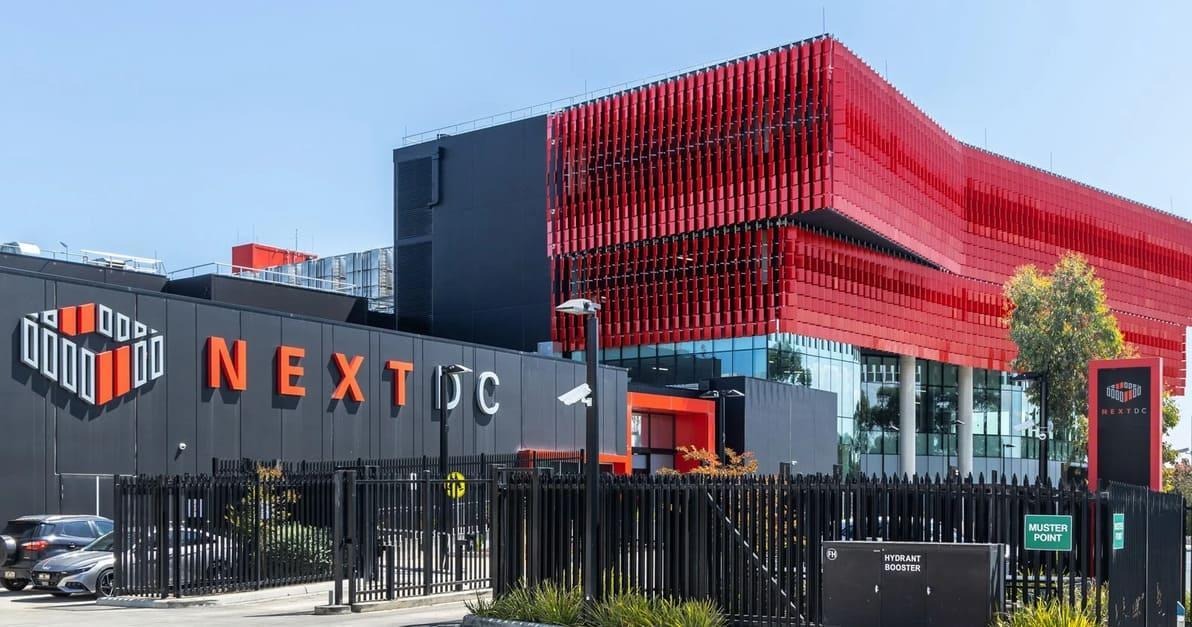
NextDC provides exposure to one of the fastest-growing infrastructure themes in global markets through its data centre operations. Increasing cloud adoption, digital transformation, and artificial intelligence workloads continue driving demand for digital infrastructure.

Because growth-oriented infrastructure companies can experience valuation swings during broader market pullbacks, investors often use periods of weakness to build positions in businesses linked to long-term technology trends. Demand for data storage, processing power, and digital connectivity continues expanding, supporting the long-term investment case.

Within the universe of ASX stocks to buy now, NextDC remains closely watched because it sits at the centre of several powerful structural growth themes.

Key Insight: AI and cloud computing trends continue supporting infrastructure demand growth.

REA Group Ltd (ASX: REA)

REA Group has established itself as one of Australia’s leading digital platform businesses through its dominant position in online property advertising. Platform businesses often benefit from strong network effects, where increasing user participation strengthens competitive advantages over time.

Even when housing market conditions fluctuate, REA’s market leadership and digital business model continue attracting investor interest. During broader market pullbacks, investors frequently revisit high-quality platform companies because they often possess strong pricing power and scalable earnings potential.

Among ASX stocks to buy now, REA continues standing out because of its market position, recurring digital revenue opportunities, and long-term growth profile.

Key Insight: Digital platform leadership supports durable earnings growth over time.

How These Stocks Differ

Although all five companies are popular during market pullbacks, they provide exposure to different growth drivers. CSL and Pro Medicus benefit from healthcare and medical technology demand, while Xero focuses on cloud software and business digitisation.

NextDC is tied closely to data centres, cloud computing, and AI infrastructure expansion, whereas REA Group benefits from digital platform economics and online property advertising. This diversity allows investors to gain exposure across multiple long-term growth themes rather than relying on a single sector.

Each company also generates growth through different mechanisms, creating a balanced mix of technology, healthcare, and digital infrastructure opportunities.

Why Quality Matters More During Volatility

Periods of market uncertainty often encourage investors to become more selective. Rather than chasing speculative opportunities, many investors focus on businesses with proven track records, strong competitive advantages, and visible earnings growth.

Companies with recurring revenue, scalable business models, and market leadership positions are often better equipped to navigate challenging market conditions. This is why many investors searching for ASX stocks to buy now prioritise quality businesses capable of delivering long-term value creation regardless of short-term volatility.

Over time, strong fundamentals tend to become more important than temporary market sentiment, making pullbacks a useful opportunity for long-term investors to reassess high-quality businesses.

Risk Considerations

Despite their strong long-term profiles, these companies are not immune to market risks. Growth-oriented businesses can experience significant valuation pressure when interest rates rise or investor sentiment weakens. Technology and healthcare companies may also face competitive challenges and slower-than-expected growth periods.

Digital platform and infrastructure businesses remain exposed to economic conditions, regulatory changes, and operational execution risks. Market pullbacks can also become prolonged, creating further short-term volatility even for high-quality companies.

For investors, maintaining diversification and focusing on long-term business fundamentals remains important when evaluating ASX stocks to buy now during periods of market weakness.

Disclaimer:

General Financial Product Advice and Regulatory Framework: Pristine Gaze Pty Ltd (ABN 66 680 815 678, ACN 680 815 678) operates as Corporate Authorised Representative (CAR No. 001312049) of Alpha Securities Pty Ltd (AFSL 330757), which is licensed and regulated by the Australian Securities and Investments Commission under the Corporations Act 2001 (Cth). This report contains general financial product advice only and has been prepared without consideration of your personal objectives, financial situation, specific needs, circumstances, or investment experience. The information is not tailored to individual circumstances and may not be suitable for your particular situation. Before acting on any information contained herein, you should carefully consider its appropriateness having regard to your personal objectives, financial situation, and needs, and consider seeking personal financial advice from a qualified financial adviser who can assess your individual circumstances and provide tailored recommendations.

Investment Risks and Market Warnings: All investments carry significant risk, and different investment strategies may carry varying levels of risk exposure including total loss of invested capital. The value of investments and income derived from them can fluctuate significantly due to market conditions, economic factors, company-specific events, regulatory changes, commodity price volatility, currency fluctuations, interest rate movements, and other factors beyond our control. Securities markets are subject to market risk from general economic conditions and investor sentiment, liquidity risk affecting the ability to buy or sell securities at desired prices, credit risk from issuer default or deterioration, operational risk from inadequate internal processes, sector-specific risks including industry regulatory changes, technology obsolescence, management changes, competitive pressures, supply chain disruptions, and mining-specific risks including resource estimation uncertainty, operational hazards, environmental compliance, permitting delays, commodity price cycles, geopolitical factors affecting mining operations, and exploration risks. Small-cap and speculative mining stocks carry additional risks including limited liquidity, higher volatility, dependence on key personnel, limited operating history, uncertain cash flows, and potential failure to achieve commercial production.

Information Accuracy and Limitations: While we endeavour to ensure information accuracy and reliability, we make no representations or warranties (express or implied) regarding the accuracy, reliability, completeness, timeliness, or suitability of information provided, except where liability cannot be excluded under applicable law. This report may include information from third-party sources including company announcements, regulatory filings, research reports, market data providers, financial news services, and publicly available information, which we do not independently verify and for which we assume no responsibility. Past performance, examples, historical data, or projections are not indicative of future results, and no guarantee of future returns is provided or implied. To the maximum extent permitted by law, Pristine Gaze Pty Ltd and Alpha Securities Pty Ltd, together with their respective directors, officers, employees, representatives, and related entities, exclude all liability for any errors, omissions, inaccuracies, loss or damage (including direct, indirect, consequential, or special damages) arising from reliance on information provided, investment decisions made based on this report, market losses, opportunity costs, and technical issues or system failures.

How Rising Oil Prices Could Impact Australian Shares

Oil prices remain one of the most closely watched indicators in global financial markets because they influence everything from inflation and consumer spending to corporate profitability and economic growth. When oil prices rise sharply, the effects are rarely limited to energy markets alone. Instead, the impact often spreads across multiple sectors, creating both opportunities and challenges for investors. This is why the relationship between oil prices and ASX performance continues attracting significant attention among Australian investors.

Australia’s share market contains several companies that are directly exposed to oil and gas production, meaning higher energy prices can potentially improve revenue and earnings. However, rising oil prices can also increase operating costs for businesses that depend heavily on transportation, logistics, and fuel consumption. As a result, the overall market impact is often mixed, with some sectors benefiting while others face increased pressure.

Another important consideration is inflation. Higher oil prices can contribute to rising costs across the economy, influencing central bank policy expectations and investor sentiment. Because energy remains a critical input across many industries, sustained increases in oil prices often become a major factor shaping broader market performance.

Why Oil Prices Matter to the ASX

Oil influences economic activity on a global scale. Businesses rely on energy for transportation, manufacturing, mining, and logistics, making oil prices an important factor in corporate cost structures. When prices rise, companies with direct energy exposure often benefit, while fuel-intensive industries may face margin pressure.

The Australian market is particularly sensitive because it contains significant exposure to both resource companies and industries affected by energy costs. This creates an environment where changing oil prices can influence investor sentiment across multiple sectors simultaneously.

Understanding the connection between oil prices and ASX performance can therefore provide useful insight into broader market trends and sector rotation opportunities.

Woodside Energy Group Ltd (ASX: WDS)

Woodside Energy is one of the clearest beneficiaries of rising oil prices because of its exposure to oil and LNG production. Higher commodity prices can improve revenue generation and strengthen cash flow across energy operations, particularly when production levels remain stable.

The company’s international LNG exposure also provides leverage to broader global energy demand trends. When energy markets tighten and prices increase, investors often become more optimistic about the earnings outlook for large-scale producers such as Woodside.

Within discussions surrounding oil prices and ASX, WDS is frequently viewed as one of the most direct ways investors gain exposure to stronger energy markets.

Key Insight: Higher oil and LNG prices can strengthen revenue and cash flow generation.

Santos Ltd (ASX: STO)

Santos operates across oil, gas, and LNG markets, making it another major beneficiary when energy prices move higher. The company’s diversified production profile provides exposure to multiple parts of the energy value chain while maintaining significant leverage to global energy demand.

Energy producers often attract increased investor attention during periods of rising commodity prices because earnings expectations can improve relatively quickly. As global markets continue focusing on energy security and supply reliability, Santos remains closely tied to movements in oil and gas markets.

Among companies influenced by oil prices and ASX dynamics, STO remains an important energy-sector representative.

Key Insight: Diversified energy production supports earnings leverage during stronger commodity cycles.

Beach Energy Ltd (ASX: BPT)

Beach Energy provides exposure to both oil and natural gas production, giving investors access to energy market trends through a mid-cap operator. Smaller energy companies can sometimes experience greater earnings sensitivity to commodity price changes because operational improvements may have a larger relative impact on profitability.

As oil prices rise, market attention often extends beyond major producers to include companies with growth and production expansion opportunities. Beach Energy remains relevant within the broader energy conversation because of its exposure to domestic production and energy demand trends.

Within the context of oil prices and ASX, BPT offers investors another way to participate in energy-sector momentum.

Key Insight: Rising energy prices can improve profitability across production-focused operators.

Qantas Airways Ltd (ASX: QAN)

Unlike energy producers, Qantas often faces challenges when oil prices rise because fuel represents one of the airline industry’s largest operating expenses. Higher fuel costs can place pressure on margins, particularly if airlines are unable to fully pass increased costs on to customers.

This makes Qantas an important example of how higher oil prices can create winners and losers across the share market. While stronger energy markets may benefit producers, fuel-intensive sectors can experience increased operational pressure.

The inclusion of Qantas highlights the broader impact of oil prices and ASX performance beyond resource companies alone.

Key Insight: Rising fuel costs can increase operating expenses for airline businesses.

BHP Group Ltd (ASX: BHP)

BHP’s relationship with oil prices is more indirect than dedicated energy producers, but the company remains influenced by broader commodity market conditions. Rising oil prices can sometimes reflect stronger global economic activity and industrial demand, which may support commodity consumption.

At the same time, higher energy costs can increase operating expenses across mining operations. This creates a more balanced relationship where positive demand signals may be offset by cost pressures depending on market conditions.

Within broader discussions about oil prices and ASX, BHP demonstrates how commodity producers can be affected through multiple economic channels rather than direct oil exposure alone.

Key Insight: Commodity demand and energy costs both influence mining-sector performance.

How Different Sectors Respond

One of the most interesting aspects of rising oil prices is that different sectors often react in opposite ways. Energy producers generally benefit from stronger commodity pricing because higher prices can improve earnings and cash generation.

By contrast, transportation, logistics, and airline businesses often face increased costs that may reduce profitability if those expenses cannot be passed on to customers. Industrial companies and manufacturers may also experience margin pressure due to higher input costs.

This divergence often leads to sector rotation as investors adjust portfolios to reflect changing commodity market conditions.

What Investors Are Watching

Investors are closely monitoring global supply conditions, geopolitical developments, and energy demand trends because these factors continue influencing oil market direction. Production decisions by major energy-producing nations and changing global growth expectations can also have significant effects on pricing.

At the same time, inflation remains an important consideration. Sustained increases in oil prices may influence inflation expectations, interest rate outlooks, and broader market sentiment, creating secondary effects across equity markets.

These factors ensure that the relationship between oil prices and ASX performance remains an important theme for investors to monitor.

Risk Considerations

While rising oil prices can benefit energy producers, commodity markets remain highly volatile and sensitive to geopolitical events, economic conditions, and supply disruptions. Energy prices can reverse quickly if demand weakens or production increases unexpectedly.

Companies benefiting from higher oil prices may also face operational risks, while businesses negatively affected by rising fuel costs may struggle to maintain margins during prolonged periods of elevated energy prices.

For investors, understanding which sectors benefit and which sectors face challenges is essential when assessing the impact of oil prices and ASX market performance. Diversification remains important because the effects of changing energy prices are rarely uniform across the broader market.

Disclaimer:

General Financial Product Advice and Regulatory Framework: Pristine Gaze Pty Ltd (ABN 66 680 815 678, ACN 680 815 678) operates as Corporate Authorised Representative (CAR No. 001312049) of Alpha Securities Pty Ltd (AFSL 330757), which is licensed and regulated by the Australian Securities and Investments Commission under the Corporations Act 2001 (Cth). This report contains general financial product advice only and has been prepared without consideration of your personal objectives, financial situation, specific needs, circumstances, or investment experience. The information is not tailored to individual circumstances and may not be suitable for your particular situation. Before acting on any information contained herein, you should carefully consider its appropriateness having regard to your personal objectives, financial situation, and needs, and consider seeking personal financial advice from a qualified financial adviser who can assess your individual circumstances and provide tailored recommendations.

Investment Risks and Market Warnings: All investments carry significant risk, and different investment strategies may carry varying levels of risk exposure including total loss of invested capital. The value of investments and income derived from them can fluctuate significantly due to market conditions, economic factors, company-specific events, regulatory changes, commodity price volatility, currency fluctuations, interest rate movements, and other factors beyond our control. Securities markets are subject to market risk from general economic conditions and investor sentiment, liquidity risk affecting the ability to buy or sell securities at desired prices, credit risk from issuer default or deterioration, operational risk from inadequate internal processes, sector-specific risks including industry regulatory changes, technology obsolescence, management changes, competitive pressures, supply chain disruptions, and mining-specific risks including resource estimation uncertainty, operational hazards, environmental compliance, permitting delays, commodity price cycles, geopolitical factors affecting mining operations, and exploration risks. Small-cap and speculative mining stocks carry additional risks including limited liquidity, higher volatility, dependence on key personnel, limited operating history, uncertain cash flows, and potential failure to achieve commercial production.

Information Accuracy and Limitations: While we endeavour to ensure information accuracy and reliability, we make no representations or warranties (express or implied) regarding the accuracy, reliability, completeness, timeliness, or suitability of information provided, except where liability cannot be excluded under applicable law. This report may include information from third-party sources including company announcements, regulatory filings, research reports, market data providers, financial news services, and publicly available information, which we do not independently verify and for which we assume no responsibility. Past performance, examples, historical data, or projections are not indicative of future results, and no guarantee of future returns is provided or implied. To the maximum extent permitted by law, Pristine Gaze Pty Ltd and Alpha Securities Pty Ltd, together with their respective directors, officers, employees, representatives, and related entities, exclude all liability for any errors, omissions, inaccuracies, loss or damage (including direct, indirect, consequential, or special damages) arising from reliance on information provided, investment decisions made based on this report, market losses, opportunity costs, and technical issues or system failures.

Top 3 ASX Defence Stocks Positioned for Long-Term Growth

The global defence industry has entered a period of sustained investment as governments across North America, Europe, Asia, and the Indo-Pacific region continue increasing military spending and modernising defence capabilities. Rising geopolitical tensions, growing focus on national security, and rapid technological advancements are creating long-term opportunities for companies operating within the defence sector. As a result, investors are increasingly paying attention to ASX defence growth stocks that could benefit from expanding defence budgets and long-duration government contracts.

Unlike many industries that are heavily influenced by consumer spending cycles, defence businesses often benefit from multi-year procurement programs and long-term government commitments. This can provide stronger revenue visibility and more predictable growth opportunities compared to sectors that depend on short-term economic conditions. Defence spending also tends to remain resilient because national security priorities often continue regardless of broader economic fluctuations.

Australia’s growing role within regional security initiatives and strategic partnerships has further strengthened investor interest in domestic defence-related companies. Businesses involved in naval construction, advanced defence systems, and military technology are increasingly being viewed as potential beneficiaries of long-term spending trends. This has placed several ASX defence growth stocks firmly on investors’ watchlists.

Why Defence Is Becoming a Long-Term Growth Theme

Global defence expenditure has increased significantly in recent years as governments respond to changing geopolitical realities and emerging security challenges. Modern warfare is becoming increasingly technology-driven, creating demand for advanced surveillance systems, autonomous technologies, cyber security capabilities, and next-generation defence platforms.

Another important trend is the growing focus on domestic defence manufacturing and sovereign capability development. Countries are seeking greater control over critical defence infrastructure and supply chains, creating opportunities for companies that can provide specialised technologies and services.

This combination of higher spending, technological innovation, and long-term procurement programs is supporting strong investor interest in defence-related businesses across global markets.

Electro Optic Systems Holdings Ltd (ASX: EOS)

Electro Optic Systems operates within advanced defence and space technology markets, providing systems that support military operations and national security programs. The company has developed expertise in remote weapon systems and defence technologies that align with evolving military requirements around automation and operational efficiency.

As defence forces continue investing in advanced technology solutions, companies with specialised capabilities may benefit from increasing procurement activity. EOS has positioned itself within several high-growth areas of the defence sector, giving investors exposure to both defence modernisation and emerging technology trends. Among ASX defence growth stocks, EOS remains one of the more technology-focused opportunities available on the Australian market.

Key Insight: Advanced defence technology and automation trends continue supporting long-term industry demand.

Austal Ltd (ASX: ASB)

Austal has established itself as one of Australia’s leading defence shipbuilders, with significant exposure to naval programs in both Australia and the United States. Naval defence spending continues attracting substantial government investment as countries strengthen maritime security capabilities and modernise fleet infrastructure.

Long-term defence contracts can provide strong revenue visibility, particularly when projects span multiple years or even decades. Austal’s position within naval construction and defence support services places it at the centre of a market benefiting from ongoing fleet expansion and replacement programs. Within the broader universe of ASX defence growth stocks, ASB offers investors exposure to large-scale defence infrastructure spending.

Key Insight: Naval modernisation programs continue creating long-term contract opportunities.

DroneShield Ltd (ASX: DRO)

DroneShield operates within one of the fastest-growing segments of the defence industry through its focus on counter-drone technologies. The increasing use of drones across military and security environments has created demand for solutions capable of detecting, tracking, and mitigating unmanned aerial threats.

As defence organisations and government agencies continue prioritising airspace security, counter-drone technology is becoming an increasingly important area of investment. This trend has helped drive significant investor interest in companies exposed to emerging defence technologies. Among ASX defence growth stocks, DroneShield stands out because it offers direct exposure to a rapidly evolving security challenge with growing global relevance.

Key Insight: Counter-drone capabilities are becoming increasingly important across modern defence strategies.

How These Stocks Differ

While all three companies operate within the defence sector, they provide exposure to different areas of military spending and technological development. Electro Optic Systems focuses on advanced defence technologies and automation, Austal is closely tied to naval construction and long-term shipbuilding contracts, while DroneShield concentrates on counter-drone and security solutions.

This distinction is important because defence spending is not distributed evenly across all categories. Some areas may benefit more from technological innovation, while others are driven by large-scale infrastructure and equipment procurement programs.

For investors, this diversity provides exposure to multiple defence themes rather than relying on a single segment of the industry.

What Is Driving Investor Interest

Several major trends continue supporting investor interest in ASX defence growth stocks. Rising geopolitical tensions have encouraged governments to increase military budgets and accelerate modernisation programs. At the same time, technological advancements are creating entirely new defence spending categories focused on automation, surveillance, cyber security, and autonomous systems.

The defence sector also benefits from relatively long investment cycles. Once contracts are awarded, projects often continue for many years, supporting earnings visibility and operational stability. This characteristic can make defence companies particularly attractive for investors seeking long-term growth opportunities supported by structural industry trends.

Australia’s strategic role within regional security partnerships has further strengthened confidence that defence-related investment will remain a long-term national priority.

Risk Considerations

Despite strong long-term growth potential, defence companies still face several risks. Government procurement decisions can be complex and lengthy, creating uncertainty around contract timing and project execution. Changes in political priorities or defence spending allocations may also affect future revenue opportunities.

Technology-focused defence businesses can face competitive pressures and development challenges as military requirements continue evolving. Companies involved in large-scale defence projects may additionally encounter cost overruns, production delays, or execution risks.

For investors, diversification and a long-term perspective remain important when evaluating opportunities within ASX defence growth stocks. While the sector benefits from powerful structural trends, individual company performance can still be influenced by contract outcomes, operational execution, and broader market conditions.

Disclaimer:

General Financial Product Advice and Regulatory Framework: Pristine Gaze Pty Ltd (ABN 66 680 815 678, ACN 680 815 678) operates as Corporate Authorised Representative (CAR No. 001312049) of Alpha Securities Pty Ltd (AFSL 330757), which is licensed and regulated by the Australian Securities and Investments Commission under the Corporations Act 2001 (Cth). This report contains general financial product advice only and has been prepared without consideration of your personal objectives, financial situation, specific needs, circumstances, or investment experience. The information is not tailored to individual circumstances and may not be suitable for your particular situation. Before acting on any information contained herein, you should carefully consider its appropriateness having regard to your personal objectives, financial situation, and needs, and consider seeking personal financial advice from a qualified financial adviser who can assess your individual circumstances and provide tailored recommendations.

Investment Risks and Market Warnings: All investments carry significant risk, and different investment strategies may carry varying levels of risk exposure including total loss of invested capital. The value of investments and income derived from them can fluctuate significantly due to market conditions, economic factors, company-specific events, regulatory changes, commodity price volatility, currency fluctuations, interest rate movements, and other factors beyond our control. Securities markets are subject to market risk from general economic conditions and investor sentiment, liquidity risk affecting the ability to buy or sell securities at desired prices, credit risk from issuer default or deterioration, operational risk from inadequate internal processes, sector-specific risks including industry regulatory changes, technology obsolescence, management changes, competitive pressures, supply chain disruptions, and mining-specific risks including resource estimation uncertainty, operational hazards, environmental compliance, permitting delays, commodity price cycles, geopolitical factors affecting mining operations, and exploration risks. Small-cap and speculative mining stocks carry additional risks including limited liquidity, higher volatility, dependence on key personnel, limited operating history, uncertain cash flows, and potential failure to achieve commercial production.

Information Accuracy and Limitations: While we endeavour to ensure information accuracy and reliability, we make no representations or warranties (express or implied) regarding the accuracy, reliability, completeness, timeliness, or suitability of information provided, except where liability cannot be excluded under applicable law. This report may include information from third-party sources including company announcements, regulatory filings, research reports, market data providers, financial news services, and publicly available information, which we do not independently verify and for which we assume no responsibility. Past performance, examples, historical data, or projections are not indicative of future results, and no guarantee of future returns is provided or implied. To the maximum extent permitted by law, Pristine Gaze Pty Ltd and Alpha Securities Pty Ltd, together with their respective directors, officers, employees, representatives, and related entities, exclude all liability for any errors, omissions, inaccuracies, loss or damage (including direct, indirect, consequential, or special damages) arising from reliance on information provided, investment decisions made based on this report, market losses, opportunity costs, and technical issues or system failures.

Best 4 ASX Mining Stocks with Strong Commodity Exposure

Commodity markets remain one of the most important drivers of the Australian share market. From iron ore and copper to aluminium and manganese, Australia’s resource sector plays a critical role in supplying materials that support global infrastructure development, industrial production, electrification, and economic growth. As commodity demand continues evolving alongside energy transition and industrial expansion trends, investors are increasingly focusing on ASX commodity stocks that provide exposure to multiple resource markets.

Unlike companies tied to a single commodity, diversified mining businesses can benefit from several demand drivers at the same time. This can help reduce reliance on one specific market while creating opportunities to participate across different stages of the commodity cycle. Whether demand is being driven by infrastructure spending, renewable energy investment, or manufacturing growth, companies with broad commodity exposure often maintain greater operational flexibility.

Another reason investors continue monitoring ASX commodity stocks is their ability to benefit from improving commodity prices. When demand strengthens or supply becomes constrained, mining companies can often experience significant improvements in earnings and cash flow due to the operating leverage built into their business models. This dynamic has kept resource stocks at the centre of many long-term investment strategies.

Why Commodity Exposure Matters

Commodity exposure allows investors to participate in some of the most important long-term economic trends shaping global markets. Copper remains essential for electrification and renewable energy infrastructure, iron ore continues supporting construction and industrial development, while aluminium and other base metals are increasingly important across manufacturing and transportation sectors.

At the same time, supply-side challenges remain a major consideration. Years of underinvestment in certain commodities have increased concerns about future supply availability, creating potential support for commodity prices over the long term.

For mining companies, stronger commodity markets can translate directly into improved margins, earnings growth, and cash generation, making resource exposure an important theme for many investors.

BHP Group Ltd (ASX: BHP)

BHP remains one of the largest diversified mining companies in the world, providing exposure to several major commodities including iron ore and copper. This diversification gives the company access to multiple demand drivers across industrial production, infrastructure development, and energy transition markets.

Iron ore continues generating significant earnings for the business, while copper is becoming increasingly important due to its role in electrification and renewable energy systems. This balance between established and future-facing commodities positions BHP as a key player within the broader ASX commodity stocks landscape.

The company’s operational scale and global asset portfolio also provide resilience during changing commodity cycles, helping maintain strong investor interest across varying market conditions.

Key Insight: Diversified commodity exposure provides leverage to both industrial growth and energy transition trends.

Rio Tinto Ltd (ASX: RIO)

Rio Tinto has built a strong reputation through its large-scale iron ore operations and diversified resource portfolio. The company remains heavily exposed to industrial activity and infrastructure spending through its role as a major supplier of key raw materials.

One of Rio’s biggest advantages is its low-cost production base, which can help support profitability across different commodity price environments. During stronger commodity cycles, this operational efficiency often translates into significant earnings growth and cash flow generation.

Among ASX commodity stocks, Rio continues attracting investors because of its combination of scale, operational strength, and direct exposure to global industrial demand.

Key Insight: Low-cost production supports strong earnings leverage during favourable commodity cycles.

South32 Ltd (ASX: S32)

South32 provides exposure to a broad mix of commodities including aluminium, manganese, and base metals. This diversified approach allows the company to participate across multiple industrial and manufacturing markets rather than relying heavily on a single resource.

Many of South32’s commodities play important roles in infrastructure, transportation, and industrial production. As global economies continue investing in manufacturing capacity and infrastructure projects, demand for these materials may remain supportive over the long term.

Within the universe of ASX commodity stocks, South32 offers investors exposure to a wide range of industrial commodities through a relatively diversified operating model.

Key Insight: Exposure to multiple industrial commodities supports diversified earnings opportunities.

Sandfire Resources Ltd (ASX: SFR)

Sandfire Resources provides a more focused exposure to copper, one of the most important commodities linked to global electrification trends. Copper demand continues benefiting from growth in electric vehicles, renewable energy infrastructure, power transmission networks, and industrial development.

Unlike highly diversified miners, Sandfire offers stronger leverage to copper-specific market conditions. This means the company can potentially benefit more directly if long-term copper demand continues strengthening as expected.

Investors looking at ASX commodity stocks often consider copper exposure particularly attractive because of its central role in the transition toward cleaner energy systems and expanding electricity infrastructure.

Key Insight: Copper remains one of the most strategically important commodities for future infrastructure growth.

How These Stocks Differ

While all four companies provide commodity exposure, they offer different ways to participate in the resource sector. BHP and Rio Tinto are highly diversified large-cap miners with exposure to multiple commodities and global markets. South32 sits in the middle, offering broad industrial commodity exposure through a diversified asset portfolio.

Sandfire Resources, by contrast, provides a more concentrated investment case centred on copper demand and electrification trends. This can create greater sensitivity to copper pricing while also offering stronger exposure to one of the most important long-term commodity themes.

These differences allow investors to tailor commodity exposure depending on their preferred balance between diversification and commodity-specific leverage.

What Is Supporting Commodity Demand

Several major trends continue supporting commodity demand globally. Infrastructure investment remains important across both developed and emerging economies, driving demand for construction and industrial materials. Electrification and renewable energy expansion are also increasing the importance of copper and other critical resources.

Supply constraints are another key factor. Many commodity markets have experienced periods of limited investment, creating concerns about future supply availability. If demand continues growing while supply remains constrained, commodity prices may remain supported for extended periods.

Investor sentiment has also improved toward resource companies as markets increasingly recognise the importance of commodities within long-term economic and industrial development.

Risk Considerations

Despite strong long-term demand trends, ASX commodity stocks remain exposed to commodity price volatility and changing economic conditions. Slower global growth, weaker industrial activity, or declining demand expectations can negatively impact resource markets.

Mining companies also face operational risks including production disruptions, cost inflation, regulatory changes, and project execution challenges. In addition, commodity cycles can be highly unpredictable, leading to periods of strong performance followed by significant corrections.

For investors, diversification and an understanding of commodity-market dynamics remain important when investing in resource-focused businesses. While strong commodity exposure can create attractive opportunities, it also introduces cyclical risk that should be carefully considered within a broader portfolio strategy.

Disclaimer:

General Financial Product Advice and Regulatory Framework: Pristine Gaze Pty Ltd (ABN 66 680 815 678, ACN 680 815 678) operates as Corporate Authorised Representative (CAR No. 001312049) of Alpha Securities Pty Ltd (AFSL 330757), which is licensed and regulated by the Australian Securities and Investments Commission under the Corporations Act 2001 (Cth). This report contains general financial product advice only and has been prepared without consideration of your personal objectives, financial situation, specific needs, circumstances, or investment experience. The information is not tailored to individual circumstances and may not be suitable for your particular situation. Before acting on any information contained herein, you should carefully consider its appropriateness having regard to your personal objectives, financial situation, and needs, and consider seeking personal financial advice from a qualified financial adviser who can assess your individual circumstances and provide tailored recommendations.

Investment Risks and Market Warnings: All investments carry significant risk, and different investment strategies may carry varying levels of risk exposure including total loss of invested capital. The value of investments and income derived from them can fluctuate significantly due to market conditions, economic factors, company-specific events, regulatory changes, commodity price volatility, currency fluctuations, interest rate movements, and other factors beyond our control. Securities markets are subject to market risk from general economic conditions and investor sentiment, liquidity risk affecting the ability to buy or sell securities at desired prices, credit risk from issuer default or deterioration, operational risk from inadequate internal processes, sector-specific risks including industry regulatory changes, technology obsolescence, management changes, competitive pressures, supply chain disruptions, and mining-specific risks including resource estimation uncertainty, operational hazards, environmental compliance, permitting delays, commodity price cycles, geopolitical factors affecting mining operations, and exploration risks. Small-cap and speculative mining stocks carry additional risks including limited liquidity, higher volatility, dependence on key personnel, limited operating history, uncertain cash flows, and potential failure to achieve commercial production.

Information Accuracy and Limitations: While we endeavour to ensure information accuracy and reliability, we make no representations or warranties (express or implied) regarding the accuracy, reliability, completeness, timeliness, or suitability of information provided, except where liability cannot be excluded under applicable law. This report may include information from third-party sources including company announcements, regulatory filings, research reports, market data providers, financial news services, and publicly available information, which we do not independently verify and for which we assume no responsibility. Past performance, examples, historical data, or projections are not indicative of future results, and no guarantee of future returns is provided or implied. To the maximum extent permitted by law, Pristine Gaze Pty Ltd and Alpha Securities Pty Ltd, together with their respective directors, officers, employees, representatives, and related entities, exclude all liability for any errors, omissions, inaccuracies, loss or damage (including direct, indirect, consequential, or special damages) arising from reliance on information provided, investment decisions made based on this report, market losses, opportunity costs, and technical issues or system failures.

Why AI Infrastructure Is Becoming a Major ASX Investment Theme

Artificial intelligence has rapidly evolved from a technology trend into one of the most significant investment themes influencing global markets. While much of the attention initially focused on AI software and applications, investors are increasingly recognising that the infrastructure supporting artificial intelligence may represent an equally important opportunity. From data centres and cloud connectivity to digital infrastructure and specialised facilities, the growth of AI requires a massive foundation of physical and technological assets. This shift has made ASX AI infrastructure one of the most closely watched themes among Australian investors in 2026.

The rise of AI is creating unprecedented demand for computing power, data storage, network connectivity, and specialised infrastructure capable of handling increasingly complex workloads. Large language models, machine learning systems, and enterprise AI applications require significant processing capacity, forcing technology companies to invest heavily in supporting infrastructure.

Unlike many emerging technology trends that depend primarily on future adoption, AI infrastructure demand is already translating into real-world investment. Global technology companies continue expanding data centre networks, increasing cloud spending, and investing in digital infrastructure to support growing AI workloads. As a result, several ASX-listed companies are becoming increasingly important participants in this evolving ecosystem.

Why AI Infrastructure Is Attracting Investors

One of the biggest reasons investors are focusing on ASX AI infrastructure is the long-term nature of the opportunity. Building and operating infrastructure required for artificial intelligence is capital intensive and often involves multi-year development programs. This can create recurring demand and long-term revenue opportunities for companies positioned within the sector.

Another important factor is scalability. As AI adoption expands across industries, demand for computing resources, cloud services, and data processing capabilities is expected to increase significantly. Companies that provide the infrastructure enabling these technologies may benefit regardless of which specific AI applications ultimately dominate the market.

The theme also extends beyond technology businesses alone. Property developers, connectivity providers, and digital infrastructure operators are increasingly becoming part of the broader AI investment landscape.

NextDC Ltd (ASX: NXT)

NextDC has become one of the most prominent ASX-listed companies associated with AI infrastructure because of its extensive data centre operations. Data centres serve as the foundation of modern digital ecosystems, housing the servers and computing systems required to support cloud services, enterprise software, and increasingly, artificial intelligence workloads.

As AI models become more sophisticated, demand for high-performance computing environments continues increasing. This trend is creating growing interest in companies capable of providing the physical infrastructure necessary to support large-scale data processing requirements.

Within the broader ASX AI infrastructure theme, NextDC remains a key player because it directly benefits from rising demand for data storage, cloud computing, and digital connectivity.

Key Insight: Expanding AI workloads continue driving demand for large-scale data centre capacity.

Goodman Group (ASX: GMG)

Goodman Group may not traditionally be viewed as a technology company, but it has become increasingly relevant to AI infrastructure through its exposure to industrial property and data centre developments. As demand for digital infrastructure expands, property groups capable of supporting large-scale technology facilities are attracting growing investor attention.

The company’s expertise in developing and managing strategic industrial assets positions it well to participate in the broader expansion of digital infrastructure. Data centres require significant land, power access, and specialised facilities, creating opportunities for property developers involved in these projects.

Among businesses linked to ASX AI infrastructure, Goodman provides a unique way to gain exposure through real-world assets supporting technology growth.

Key Insight: Growing demand for data-centre facilities is creating new opportunities within industrial property markets.

Megaport Ltd (ASX: MP1)

Megaport operates within the cloud connectivity sector, helping businesses connect to cloud service providers and digital infrastructure networks. As AI adoption increases, the efficient movement of data becomes increasingly important, creating demand for flexible and scalable connectivity solutions.

The company’s platform allows organisations to access cloud environments and digital services more efficiently, supporting the growing complexity of modern technology ecosystems. As businesses continue integrating AI tools and cloud-based applications into their operations, connectivity infrastructure becomes an increasingly critical component of the overall technology stack.

Within the ASX AI infrastructure landscape, Megaport offers exposure to the networking and connectivity layer that supports digital transformation and AI adoption.

Key Insight: AI-driven data usage is increasing the importance of scalable cloud connectivity infrastructure.

Macquarie Technology Group Ltd (ASX: MAQ)

Macquarie Technology Group provides data centre, cloud, and managed technology services that are increasingly relevant to AI-related infrastructure demand. Businesses adopting AI technologies often require secure computing environments, cloud services, and scalable technology platforms to support deployment.

The company’s position across multiple digital infrastructure segments allows it to participate in growing enterprise technology spending. As organisations invest more heavily in digital transformation and AI integration, providers of underlying infrastructure services may benefit from increasing demand.

Among companies associated with ASX AI infrastructure, MAQ offers a combination of data centre exposure and enterprise technology services linked to long-term digital growth trends.

Key Insight: Enterprise AI adoption continues supporting demand for digital infrastructure services.

How These Companies Differ

Although all four companies are linked to AI infrastructure, they operate in different parts of the ecosystem. NextDC focuses primarily on data centre operations, while Goodman Group provides property and development exposure supporting digital infrastructure expansion.

Megaport operates within cloud connectivity and networking services, helping organisations access digital infrastructure more efficiently. Macquarie Technology Group combines data centre assets with enterprise technology services, offering broader exposure to digital transformation trends.

Together, these companies highlight how the AI infrastructure opportunity extends beyond traditional software businesses and encompasses multiple layers of the technology ecosystem.

What Is Driving the AI Infrastructure Boom

Several major trends continue supporting investment across ASX AI infrastructure. Rapid growth in AI adoption is increasing demand for computing power, cloud capacity, and digital connectivity. Technology companies are investing billions of dollars globally to expand infrastructure capable of supporting increasingly complex AI workloads.

At the same time, enterprise adoption of AI solutions continues accelerating as businesses seek productivity improvements, automation capabilities, and data-driven decision-making tools. This creates additional demand for the infrastructure supporting these technologies.

The emergence of large-scale AI models has also increased requirements for specialised computing environments, further strengthening demand across data centre and digital infrastructure markets.

Risk Considerations

Despite strong long-term growth prospects, companies linked to ASX AI infrastructure face several risks. Technology investment cycles can fluctuate, and slower-than-expected AI adoption may reduce infrastructure demand growth.

Data centre operators and infrastructure developers also face significant capital expenditure requirements, while technology providers must navigate evolving competition and changing customer needs. Regulatory changes, energy availability, and technological disruption could additionally influence future growth opportunities.

For investors, understanding where each company sits within the AI value chain remains important. While the infrastructure theme offers compelling long-term potential, different businesses may experience varying levels of risk and growth depending on how the AI industry evolves over time.

Disclaimer:

General Financial Product Advice and Regulatory Framework: Pristine Gaze Pty Ltd (ABN 66 680 815 678, ACN 680 815 678) operates as Corporate Authorised Representative (CAR No. 001312049) of Alpha Securities Pty Ltd (AFSL 330757), which is licensed and regulated by the Australian Securities and Investments Commission under the Corporations Act 2001 (Cth). This report contains general financial product advice only and has been prepared without consideration of your personal objectives, financial situation, specific needs, circumstances, or investment experience. The information is not tailored to individual circumstances and may not be suitable for your particular situation. Before acting on any information contained herein, you should carefully consider its appropriateness having regard to your personal objectives, financial situation, and needs, and consider seeking personal financial advice from a qualified financial adviser who can assess your individual circumstances and provide tailored recommendations.

Investment Risks and Market Warnings: All investments carry significant risk, and different investment strategies may carry varying levels of risk exposure including total loss of invested capital. The value of investments and income derived from them can fluctuate significantly due to market conditions, economic factors, company-specific events, regulatory changes, commodity price volatility, currency fluctuations, interest rate movements, and other factors beyond our control. Securities markets are subject to market risk from general economic conditions and investor sentiment, liquidity risk affecting the ability to buy or sell securities at desired prices, credit risk from issuer default or deterioration, operational risk from inadequate internal processes, sector-specific risks including industry regulatory changes, technology obsolescence, management changes, competitive pressures, supply chain disruptions, and mining-specific risks including resource estimation uncertainty, operational hazards, environmental compliance, permitting delays, commodity price cycles, geopolitical factors affecting mining operations, and exploration risks. Small-cap and speculative mining stocks carry additional risks including limited liquidity, higher volatility, dependence on key personnel, limited operating history, uncertain cash flows, and potential failure to achieve commercial production.

Information Accuracy and Limitations: While we endeavour to ensure information accuracy and reliability, we make no representations or warranties (express or implied) regarding the accuracy, reliability, completeness, timeliness, or suitability of information provided, except where liability cannot be excluded under applicable law. This report may include information from third-party sources including company announcements, regulatory filings, research reports, market data providers, financial news services, and publicly available information, which we do not independently verify and for which we assume no responsibility. Past performance, examples, historical data, or projections are not indicative of future results, and no guarantee of future returns is provided or implied. To the maximum extent permitted by law, Pristine Gaze Pty Ltd and Alpha Securities Pty Ltd, together with their respective directors, officers, employees, representatives, and related entities, exclude all liability for any errors, omissions, inaccuracies, loss or damage (including direct, indirect, consequential, or special damages) arising from reliance on information provided, investment decisions made based on this report, market losses, opportunity costs, and technical issues or system failures.

Best 5 ASX Stocks with Strong Earnings Momentum

Earnings momentum often becomes one of the most important drivers of long-term share price performance because improving profitability can significantly influence investor confidence, institutional participation, and market valuations. Companies capable of consistently expanding revenue and earnings generally attract stronger investor attention, particularly during periods where markets become more selective about business quality and operational execution. This is one of the key reasons investors continue focusing closely on ASX earnings growth stocks in 2026.

Unlike speculative momentum driven purely by market sentiment, earnings-driven growth is typically supported by underlying business performance. Companies operating in sectors such as technology infrastructure, healthcare software, digital platforms, and industrial property often benefit from structural demand trends that support recurring expansion over multiple years.

Another important factor is earnings visibility. Businesses capable of delivering predictable growth through recurring revenue, scalable operations, and strong market positioning tend to maintain stronger investor confidence even during volatile market environments. As global markets continue balancing growth expectations with economic uncertainty, investors are increasingly prioritising companies demonstrating genuine operational momentum rather than purely speculative valuation expansion.

What Defines Strong Earnings Growth Stocks

Strong ASX earnings growth stocks generally combine scalable business models, expanding margins, recurring revenue, and exposure to long-term structural growth industries. Businesses capable of consistently increasing profitability often benefit from stronger valuation support and institutional investor participation.

Another important factor is operational leverage. Companies with scalable operations can often grow earnings faster than revenue because fixed costs become more efficient as the business expands. This dynamic is particularly common within software, digital infrastructure, and platform-based business models.

Market leadership also matters significantly. Companies with strong competitive positioning are often better able to sustain long-term earnings expansion through pricing power, customer retention, and industry dominance.

Pro Medicus Ltd (ASX: PME)

Pro Medicus continues standing out as one of the strongest healthcare technology growth stories on the ASX because of its exposure to medical imaging software and healthcare digitisation trends. The company benefits from scalable software economics, where expanding adoption can significantly strengthen profitability over time.

Healthcare technology businesses often attract premium valuations because of recurring contract opportunities and strong long-term demand visibility. Among ASX earnings growth stocks, PME remains particularly attractive because earnings growth has been supported by both operational expansion and increasing international adoption of its imaging solutions.

Key Insight: Scalable healthcare software demand continues supporting strong earnings expansion.

NextDC Ltd (ASX: NXT)

NextDC operates within one of the fastest-growing infrastructure segments tied to cloud computing, AI infrastructure, and digital connectivity demand. Data centre operators continue benefiting from structural growth as businesses increasingly require larger digital storage and processing capabilities.

Long-term contracts and ongoing infrastructure expansion projects help support strong revenue visibility across the business. Within broader ASX earnings growth stocks, NXT continues attracting investor attention because rising data consumption and AI infrastructure investment remain powerful long-term growth drivers.

Key Insight: AI and cloud infrastructure demand continue strengthening earnings visibility.

REA Group Ltd (ASX: REA)

REA Group benefits from operating one of Australia’s dominant online property advertising platforms. Platform-based businesses often achieve strong earnings momentum because increasing user engagement and advertising activity can significantly strengthen revenue and margin performance over time.

The company’s strong market leadership and network-effect advantages continue supporting long-term pricing power and operational growth. Among ASX earnings growth stocks, REA remains highly regarded because digital platform businesses often generate strong recurring profitability once scale and market dominance are established.

Key Insight: Digital platform leadership continues supporting strong margin expansion.

Xero Ltd (ASX: XRO)

Xero remains one of the strongest software-as-a-service growth businesses on the ASX through its cloud-based accounting platform and expanding international customer base. Subscription-based software companies frequently benefit from recurring revenue visibility and scalable operational models, both of which support long-term earnings growth.

The company’s increasing global penetration and strong customer retention continue strengthening operational momentum despite broader market volatility. Within ASX earnings growth stocks, XRO stands out because recurring subscription revenue provides long-term scalability and earnings visibility.

Key Insight: Subscription-based software revenue supports scalable long-term profitability.

Goodman Group (ASX: GMG)

Goodman Group benefits from long-term demand for logistics infrastructure, warehousing, and industrial property linked to e-commerce growth and supply-chain modernisation. Industrial property businesses have experienced strong demand as companies continue investing in logistics efficiency and distribution infrastructure.

The company’s exposure to data centres, logistics assets, and large-scale industrial developments continues supporting operational growth and earnings expansion. Among ASX earnings growth stocks, GMG remains notable because of its ability to benefit from both property development activity and long-term structural infrastructure demand.

Key Insight: Logistics and industrial infrastructure demand continue driving earnings momentum.

How These Stocks Differ

These ASX earnings growth stocks differ mainly based on industry exposure and operational models. Pro Medicus and Xero operate within software and digital solutions, NextDC focuses on infrastructure and data centres, REA benefits from digital platform economics, while Goodman Group remains linked to logistics and industrial property demand.

Another important difference is revenue structure. Software and platform companies generally benefit from recurring subscription or advertising revenue, while infrastructure and property-related businesses often rely more heavily on long-term contracts and development activity.

This diversification allows investors to gain exposure across multiple long-term growth themes rather than relying on a single industry trend.

Why Earnings Momentum Matters More in 2026

Investors have become increasingly focused on operational performance rather than speculative valuation expansion. During uncertain market environments, companies capable of consistently delivering earnings growth often maintain stronger investor confidence and institutional participation.

Interest rate uncertainty and broader macroeconomic volatility have additionally increased market selectivity, making genuine profitability and operational execution more important. Businesses with strong earnings visibility are therefore attracting stronger capital flows compared to companies relying purely on future growth expectations.

AI infrastructure, healthcare digitisation, cloud software adoption, and logistics expansion continue remaining major structural themes supporting long-term earnings growth across several ASX sectors.

Risk Considerations

Despite strong growth potential, ASX earnings growth stocks remain sensitive to valuation pressure and changing market conditions. High-growth companies often experience larger price swings when investor sentiment weakens or interest rate expectations change.

Technology and infrastructure businesses may additionally face competitive risks, operational challenges, and slower-than-expected expansion periods. Property-linked companies can also remain sensitive to financing conditions and economic growth trends.

For investors, balancing growth exposure with valuation discipline and diversification remains important when investing in companies with strong earnings momentum.

Disclaimer:

General Financial Product Advice and Regulatory Framework: Pristine Gaze Pty Ltd (ABN 66 680 815 678, ACN 680 815 678) operates as Corporate Authorised Representative (CAR No. 001312049) of Alpha Securities Pty Ltd (AFSL 330757), which is licensed and regulated by the Australian Securities and Investments Commission under the Corporations Act 2001 (Cth). This report contains general financial product advice only and has been prepared without consideration of your personal objectives, financial situation, specific needs, circumstances, or investment experience. The information is not tailored to individual circumstances and may not be suitable for your particular situation. Before acting on any information contained herein, you should carefully consider its appropriateness having regard to your personal objectives, financial situation, and needs, and consider seeking personal financial advice from a qualified financial adviser who can assess your individual circumstances and provide tailored recommendations.

Investment Risks and Market Warnings: All investments carry significant risk, and different investment strategies may carry varying levels of risk exposure including total loss of invested capital. The value of investments and income derived from them can fluctuate significantly due to market conditions, economic factors, company-specific events, regulatory changes, commodity price volatility, currency fluctuations, interest rate movements, and other factors beyond our control. Securities markets are subject to market risk from general economic conditions and investor sentiment, liquidity risk affecting the ability to buy or sell securities at desired prices, credit risk from issuer default or deterioration, operational risk from inadequate internal processes, sector-specific risks including industry regulatory changes, technology obsolescence, management changes, competitive pressures, supply chain disruptions, and mining-specific risks including resource estimation uncertainty, operational hazards, environmental compliance, permitting delays, commodity price cycles, geopolitical factors affecting mining operations, and exploration risks. Small-cap and speculative mining stocks carry additional risks including limited liquidity, higher volatility, dependence on key personnel, limited operating history, uncertain cash flows, and potential failure to achieve commercial production.

Information Accuracy and Limitations: While we endeavour to ensure information accuracy and reliability, we make no representations or warranties (express or implied) regarding the accuracy, reliability, completeness, timeliness, or suitability of information provided, except where liability cannot be excluded under applicable law. This report may include information from third-party sources including company announcements, regulatory filings, research reports, market data providers, financial news services, and publicly available information, which we do not independently verify and for which we assume no responsibility. Past performance, examples, historical data, or projections are not indicative of future results, and no guarantee of future returns is provided or implied. To the maximum extent permitted by law, Pristine Gaze Pty Ltd and Alpha Securities Pty Ltd, together with their respective directors, officers, employees, representatives, and related entities, exclude all liability for any errors, omissions, inaccuracies, loss or damage (including direct, indirect, consequential, or special damages) arising from reliance on information provided, investment decisions made based on this report, market losses, opportunity costs, and technical issues or system failures.

How Fed Rate Expectations Are Influencing ASX Market Sentiment

Global financial markets remain heavily influenced by expectations surrounding US Federal Reserve interest rate policy. Even though the Federal Reserve operates within the United States, its decisions often affect capital flows, currency markets, commodity prices, and investor sentiment worldwide. This influence has become increasingly visible across Australian equities, where changing rate expectations continue shaping sector performance and overall market positioning. As a result, the broader conversation around the Fed impact on ASX has become one of the most closely watched themes in 2026.

Interest rate expectations influence markets because they affect borrowing costs, economic growth forecasts, and investor appetite for risk. When investors anticipate lower US interest rates, growth-oriented sectors and higher-risk assets often attract stronger participation. In contrast, expectations for prolonged higher rates can increase pressure on growth valuations while strengthening interest in defensive or cash-generative businesses.

Australian markets are particularly sensitive to global monetary policy trends because of the ASX’s strong exposure to banking, commodities, energy, and growth infrastructure sectors. Movements in the US dollar, commodity prices, and global capital flows can all significantly influence investor behaviour across Australian equities.

Why Fed Policy Matters for the ASX

The Federal Reserve plays a central role in global financial conditions because US interest rates influence international borrowing costs, bond yields, and investor risk appetite. When markets expect the Fed to lower rates, investors often become more willing to allocate capital toward growth sectors and cyclical assets.

At the same time, Fed policy expectations can significantly influence the US dollar and commodity markets. Since Australia remains heavily linked to commodities and resource exports, changes in global growth expectations and currency markets can directly impact several major ASX sectors.

Investor sentiment is also heavily influenced by liquidity conditions. Lower rate expectations generally improve market confidence because cheaper financing conditions may support economic activity, corporate earnings, and broader equity market participation.

Commonwealth Bank of Australia (ASX: CBA)

Commonwealth Bank remains one of the most influential financial institutions on the ASX and is closely watched during changing interest rate cycles. Banking businesses are often sensitive to interest rate expectations because lending margins, borrowing activity, and credit conditions can all shift depending on monetary policy trends.

Higher interest rates may support lending margins under certain conditions, while expectations for rate cuts can improve broader economic confidence and borrowing demand. Within the broader discussion surrounding the Fed impact on ASX, banking stocks such as CBA frequently reflect investor expectations around financial conditions and economic stability.

Key Insight: Interest rate expectations continue influencing banking-sector sentiment and lending outlooks.

NextDC Ltd (ASX: NXT)

NextDC operates within the technology infrastructure sector, which is generally more sensitive to changing interest rate expectations compared to defensive industries. Growth-oriented companies often experience valuation pressure during higher-rate environments because future earnings become more heavily discounted.

However, expectations surrounding eventual rate cuts can significantly improve sentiment toward growth infrastructure businesses. As investors reassess long-term growth opportunities linked to AI and cloud computing, companies such as NXT continue attracting attention within the broader Fed impact on ASX theme.

Key Insight: Lower rate expectations can improve sentiment toward technology infrastructure growth stocks.

BHP Group Ltd (ASX: BHP)

BHP remains closely tied to global economic growth expectations and commodity demand trends. Fed policy can indirectly influence mining companies because changes in interest rates affect global industrial activity, currency markets, and investor sentiment toward commodities.

A weaker US dollar environment, which may occur when markets anticipate lower Fed rates, can sometimes support commodity prices and resource-sector momentum. Within discussions surrounding the Fed impact on ASX, diversified miners such as BHP remain important because they provide direct exposure to global economic conditions and industrial demand.

Key Insight: Fed-driven currency and growth expectations continue influencing commodity-sector sentiment.

Woodside Energy Group Ltd (ASX: WDS)

Woodside Energy benefits from exposure to global oil and LNG markets, both of which can be influenced by broader macroeconomic expectations and currency movements. Interest rate policy can affect energy demand forecasts because economic growth conditions often influence industrial and transportation activity worldwide.

Energy companies may additionally benefit when lower-rate expectations improve broader market sentiment and support commodity pricing environments. Within the broader Fed impact on ASX discussion, WDS remains important because energy-sector performance is closely linked to global growth and geopolitical conditions.

Key Insight: Global growth expectations continue influencing energy-market momentum.

CSL Ltd (ASX: CSL)

CSL provides defensive healthcare exposure and differs significantly from cyclical sectors such as mining and energy. Healthcare companies are often viewed more favourably during uncertain market periods because demand for medical products and treatments generally remains stable regardless of broader economic conditions.

At the same time, globally diversified healthcare businesses can still be influenced by currency movements and international market conditions tied to Fed policy expectations. Within the broader Fed impact on ASX theme, CSL reflects how investors continue balancing defensive positioning alongside selective growth exposure.

Key Insight: Defensive healthcare exposure continues supporting portfolio stability during market uncertainty.

How Different Sectors Are Reacting

The impact of Fed expectations differs significantly across ASX sectors. Growth-oriented industries such as technology and infrastructure often react strongly to changes in bond yields and rate outlooks because valuations depend heavily on future earnings growth.

Banks and financial institutions may respond differently depending on how changing rates influence lending margins and economic activity. Commodity-linked sectors such as mining and energy are additionally affected by currency movements, global demand expectations, and broader macroeconomic sentiment.

Defensive industries including healthcare and telecommunications generally experience lower sensitivity compared to highly cyclical sectors, although investor positioning can still shift depending on market conditions.

What Investors Are Watching Closely

Markets remain highly focused on inflation data, employment conditions, and central bank commentary because these factors heavily influence future Fed policy expectations. Bond yields and currency markets are also closely monitored because they often shape investor sentiment across global equities.

At the same time, investors are watching whether lower-rate expectations may support broader economic recovery and improve appetite for cyclical and growth-oriented sectors.

Global liquidity conditions remain another major factor because easier monetary policy environments often support stronger equity market participation and risk-taking behaviour.

Risk Considerations

Despite growing optimism around future rate cuts, uncertainty surrounding inflation and economic growth remains high. If inflation stays elevated for longer than expected, the Fed may maintain tighter monetary policy conditions, which could pressure growth valuations and broader market sentiment.

Commodity-linked sectors remain exposed to global demand uncertainty, while growth companies can continue experiencing volatility linked to changing bond yields and financing conditions.

Currency fluctuations, geopolitical developments, and shifts in global economic momentum may also influence ASX performance regardless of domestic conditions. For investors, diversification and awareness of macroeconomic risk remain essential when assessing the broader Fed impact on ASX.

Disclaimer:

General Financial Product Advice and Regulatory Framework: Pristine Gaze Pty Ltd (ABN 66 680 815 678, ACN 680 815 678) operates as Corporate Authorised Representative (CAR No. 001312049) of Alpha Securities Pty Ltd (AFSL 330757), which is licensed and regulated by the Australian Securities and Investments Commission under the Corporations Act 2001 (Cth). This report contains general financial product advice only and has been prepared without consideration of your personal objectives, financial situation, specific needs, circumstances, or investment experience. The information is not tailored to individual circumstances and may not be suitable for your particular situation. Before acting on any information contained herein, you should carefully consider its appropriateness having regard to your personal objectives, financial situation, and needs, and consider seeking personal financial advice from a qualified financial adviser who can assess your individual circumstances and provide tailored recommendations.

Investment Risks and Market Warnings: All investments carry significant risk, and different investment strategies may carry varying levels of risk exposure including total loss of invested capital. The value of investments and income derived from them can fluctuate significantly due to market conditions, economic factors, company-specific events, regulatory changes, commodity price volatility, currency fluctuations, interest rate movements, and other factors beyond our control. Securities markets are subject to market risk from general economic conditions and investor sentiment, liquidity risk affecting the ability to buy or sell securities at desired prices, credit risk from issuer default or deterioration, operational risk from inadequate internal processes, sector-specific risks including industry regulatory changes, technology obsolescence, management changes, competitive pressures, supply chain disruptions, and mining-specific risks including resource estimation uncertainty, operational hazards, environmental compliance, permitting delays, commodity price cycles, geopolitical factors affecting mining operations, and exploration risks. Small-cap and speculative mining stocks carry additional risks including limited liquidity, higher volatility, dependence on key personnel, limited operating history, uncertain cash flows, and potential failure to achieve commercial production.

Information Accuracy and Limitations: While we endeavour to ensure information accuracy and reliability, we make no representations or warranties (express or implied) regarding the accuracy, reliability, completeness, timeliness, or suitability of information provided, except where liability cannot be excluded under applicable law. This report may include information from third-party sources including company announcements, regulatory filings, research reports, market data providers, financial news services, and publicly available information, which we do not independently verify and for which we assume no responsibility. Past performance, examples, historical data, or projections are not indicative of future results, and no guarantee of future returns is provided or implied. To the maximum extent permitted by law, Pristine Gaze Pty Ltd and Alpha Securities Pty Ltd, together with their respective directors, officers, employees, representatives, and related entities, exclude all liability for any errors, omissions, inaccuracies, loss or damage (including direct, indirect, consequential, or special damages) arising from reliance on information provided, investment decisions made based on this report, market losses, opportunity costs, and technical issues or system failures.
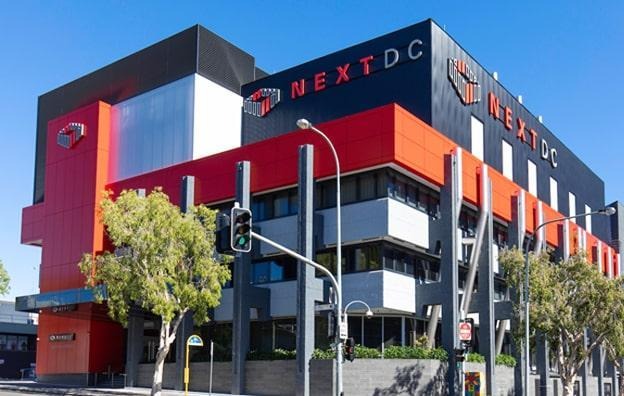
Top 4 ASX Penny Stocks Trending Among Retail Investors

Retail investor participation across the ASX has remained strong as traders continue searching for higher-growth opportunities within speculative sectors such as lithium, uranium, and battery materials. While penny stocks are generally associated with higher volatility and elevated risk, they also tend to attract significant market attention when commodity sentiment and sector momentum improve. This is one of the main reasons several ASX penny stocks continue trending among retail investors in 2026.

One of the biggest drivers behind retail interest is the potential for large percentage price movements. Smaller-cap resource and exploration companies often react sharply to commodity price changes, drilling updates, project developments, or financing announcements. Unlike large-cap stocks that may move gradually, penny stocks can experience rapid momentum shifts as investor sentiment changes.
Another important factor is thematic investing. Retail investors continue focusing heavily on sectors linked to energy transition, uranium demand, and battery materials because these industries remain tied to long-term global growth narratives. As speculative participation increases across these themes, several smaller ASX-listed companies have continued attracting strong trading activity and online investor attention.


What Defines Popular Penny Stocks

Trending ASX penny stocks generally combine strong thematic exposure, high trading volume, speculative momentum, and regular market updates. Companies operating in fast-moving sectors such as lithium and uranium often attract stronger retail participation because commodity-related sentiment can shift rapidly.

Another important factor is project visibility. Exploration updates, resource expansion, development milestones, and financing announcements frequently influence short-term momentum in small-cap mining and energy companies.

Volatility also plays a major role. Retail traders are often drawn toward businesses capable of generating large percentage moves over short periods, particularly during strong commodity cycles or improving sector sentiment.

Vulcan Energy Resources Ltd (ASX: VUL)

Vulcan Energy has attracted significant investor attention because of its combination of lithium development and renewable energy integration. The company’s focus on sustainable lithium production aligns closely with broader electrification and clean energy themes, which continue attracting strong speculative interest globally.

Retail investors are particularly drawn to companies operating within future-facing industries linked to EV demand and battery supply chains. Among trending ASX penny stocks, VUL continues standing out because it combines lithium exposure with a differentiated clean-energy-focused development strategy.

Key Insight: Clean lithium production themes continue supporting strong speculative investor interest.

Deep Yellow Ltd (ASX: DYL)

Deep Yellow remains closely linked to improving uranium market sentiment and renewed global interest in nuclear energy. Uranium stocks have experienced increasing retail participation as investors focus more heavily on energy security, nuclear power expansion, and tightening uranium supply conditions.

Exploration and development-stage uranium companies often attract strong momentum during improving commodity cycles because investors begin reassessing future project economics and production potential. Within the broader ASX penny stocks space, DYL continues benefiting from growing enthusiasm surrounding the uranium sector.

Key Insight: Renewed nuclear energy demand continues supporting uranium sector momentum.

European Lithium Ltd (ASX: EUR)

European Lithium provides exposure to battery material demand through its lithium-focused development projects. Lithium-related penny stocks remain highly popular among retail traders because EV demand expectations and battery supply-chain developments frequently influence market sentiment across the sector.

The company’s exposure to European battery material supply themes additionally supports investor interest as markets increasingly focus on supply diversification and energy-transition infrastructure. Among speculative ASX penny stocks, EUR remains closely watched because of its direct leverage to lithium sector momentum.

Key Insight: EV supply-chain growth continues supporting lithium-focused speculative activity.

Lotus Resources Ltd (ASX: LOT)

Lotus Resources continues attracting investor attention through its uranium development exposure and leverage to improving nuclear energy sentiment. Smaller uranium companies often experience heightened volatility during positive sector cycles because relatively small changes in investor expectations can significantly influence valuations.

As uranium prices and long-term demand expectations improve, companies such as Lotus Resources frequently benefit from increasing speculative participation. Within trending ASX penny stocks, LOT remains notable because of its exposure to one of the market’s strongest commodity momentum themes.

Key Insight: Uranium market optimism continues driving speculative retail participation.

How These Stocks Differ

These ASX penny stocks differ mainly based on commodity exposure and development focus. Vulcan Energy and European Lithium are closely tied to lithium and battery material demand, while Deep Yellow and Lotus Resources provide uranium-focused exposure linked to nuclear energy themes.

Another important difference is project maturity and risk profile. Some companies are more heavily focused on development-stage projects, while others remain earlier-stage exploration opportunities. This difference can significantly influence volatility, financing requirements, and investor sentiment.

Thematic positioning also matters. Lithium businesses tend to benefit more from EV and battery demand narratives, while uranium companies are increasingly influenced by energy security and nuclear power expansion discussions.

Why Retail Investors Continue Focusing on Penny Stocks

Retail investors are often attracted to penny stocks because smaller-cap businesses can deliver large percentage gains during favourable market conditions. Commodity-linked sectors such as lithium and uranium are particularly popular because sentiment within these industries can shift rapidly based on macroeconomic developments, commodity pricing, and government policy changes.

Social media, online trading communities, and thematic investing trends have also increased visibility for speculative sectors. Stocks connected to energy transition themes frequently experience heightened retail participation because investors view them as long-term structural growth opportunities.

At the same time, lower nominal share prices can psychologically attract retail traders even though risk levels often remain significantly higher compared to large-cap businesses.

Risk Considerations

Despite strong momentum potential, ASX penny stocks remain highly speculative and volatile. Smaller companies are often more sensitive to financing conditions, operational delays, commodity price changes, and project execution risks.

Exploration and development-stage businesses may also generate limited revenue while relying heavily on future project success and market sentiment. During weaker commodity cycles or risk-off market environments, speculative sectors can experience sharp price declines.

Liquidity risk is another important consideration because smaller-cap stocks may experience wider price swings and lower institutional participation. For investors, diversification and disciplined risk management remain essential when gaining exposure to speculative penny stock opportunities.

Disclaimer:

General Financial Product Advice and Regulatory Framework: Pristine Gaze Pty Ltd (ABN 66 680 815 678, ACN 680 815 678) operates as Corporate Authorised Representative (CAR No. 001312049) of Alpha Securities Pty Ltd (AFSL 330757), which is licensed and regulated by the Australian Securities and Investments Commission under the Corporations Act 2001 (Cth). This report contains general financial product advice only and has been prepared without consideration of your personal objectives, financial situation, specific needs, circumstances, or investment experience. The information is not tailored to individual circumstances and may not be suitable for your particular situation. Before acting on any information contained herein, you should carefully consider its appropriateness having regard to your personal objectives, financial situation, and needs, and consider seeking personal financial advice from a qualified financial adviser who can assess your individual circumstances and provide tailored recommendations.

Investment Risks and Market Warnings: All investments carry significant risk, and different investment strategies may carry varying levels of risk exposure including total loss of invested capital. The value of investments and income derived from them can fluctuate significantly due to market conditions, economic factors, company-specific events, regulatory changes, commodity price volatility, currency fluctuations, interest rate movements, and other factors beyond our control. Securities markets are subject to market risk from general economic conditions and investor sentiment, liquidity risk affecting the ability to buy or sell securities at desired prices, credit risk from issuer default or deterioration, operational risk from inadequate internal processes, sector-specific risks including industry regulatory changes, technology obsolescence, management changes, competitive pressures, supply chain disruptions, and mining-specific risks including resource estimation uncertainty, operational hazards, environmental compliance, permitting delays, commodity price cycles, geopolitical factors affecting mining operations, and exploration risks. Small-cap and speculative mining stocks carry additional risks including limited liquidity, higher volatility, dependence on key personnel, limited operating history, uncertain cash flows, and potential failure to achieve commercial production.

Information Accuracy and Limitations: While we endeavour to ensure information accuracy and reliability, we make no representations or warranties (express or implied) regarding the accuracy, reliability, completeness, timeliness, or suitability of information provided, except where liability cannot be excluded under applicable law. This report may include information from third-party sources including company announcements, regulatory filings, research reports, market data providers, financial news services, and publicly available information, which we do not independently verify and for which we assume no responsibility. Past performance, examples, historical data, or projections are not indicative of future results, and no guarantee of future returns is provided or implied. To the maximum extent permitted by law, Pristine Gaze Pty Ltd and Alpha Securities Pty Ltd, together with their respective directors, officers, employees, representatives, and related entities, exclude all liability for any errors, omissions, inaccuracies, loss or damage (including direct, indirect, consequential, or special damages) arising from reliance on information provided, investment decisions made based on this report, market losses, opportunity costs, and technical issues or system failures.