

Gold has traditionally been regarded as one of the most reliable assets during periods of rising inflation and economic uncertainty. As inflation erodes the purchasing power of currencies, investors often increase their allocation to gold as a hedge against higher prices. This increased demand can benefit both the precious metal itself and the mining companies that produce it. For this reason, ASX gold stocks frequently attract greater investor attention whenever inflationary pressures remain elevated.
Australia is one of the world’s largest gold-producing nations, with several ASX-listed miners operating high-quality assets across the country and overseas. While gold prices naturally fluctuate over time, inflation concerns, central bank buying, geopolitical uncertainty, and safe-haven demand continue supporting the long-term outlook for the sector.
For investors seeking exposure to inflation-resistant assets, these four ASX-listed gold producers are worth watching.
Why Gold Stocks Benefit During Inflation
Gold has historically been viewed as a store of value during periods of high inflation and financial market volatility. When inflation rises, investors often shift capital towards assets that can preserve purchasing power.
Unlike physical gold, gold mining companies can benefit from rising bullion prices through expanding profit margins and stronger cash flows. If production costs remain relatively stable while gold prices increase, mining companies may experience improving profitability.
This is one of the main reasons why ASX gold stocks often outperform during inflationary environments.
Northern Star Resources Ltd (ASX: NST)
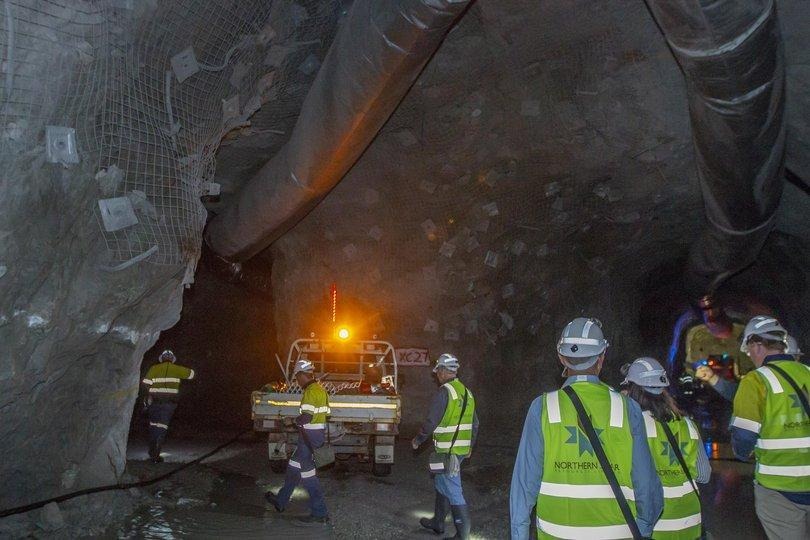
Northern Star Resources is one of Australia’s largest gold producers, operating multiple high-quality mining assets across Western Australia and Alaska. The company has built a strong reputation through consistent production growth, disciplined capital allocation, and operational efficiency.
Its large production base provides significant exposure to movements in gold prices. During periods of higher bullion prices, Northern Star can benefit from expanding operating margins while continuing to invest in future resource development.
Among ASX gold stocks, Northern Star remains one of the sector’s largest and most established producers.
Key Insight: Large-scale production provides strong leverage to rising gold prices.
Evolution Mining Ltd (ASX: EVN)
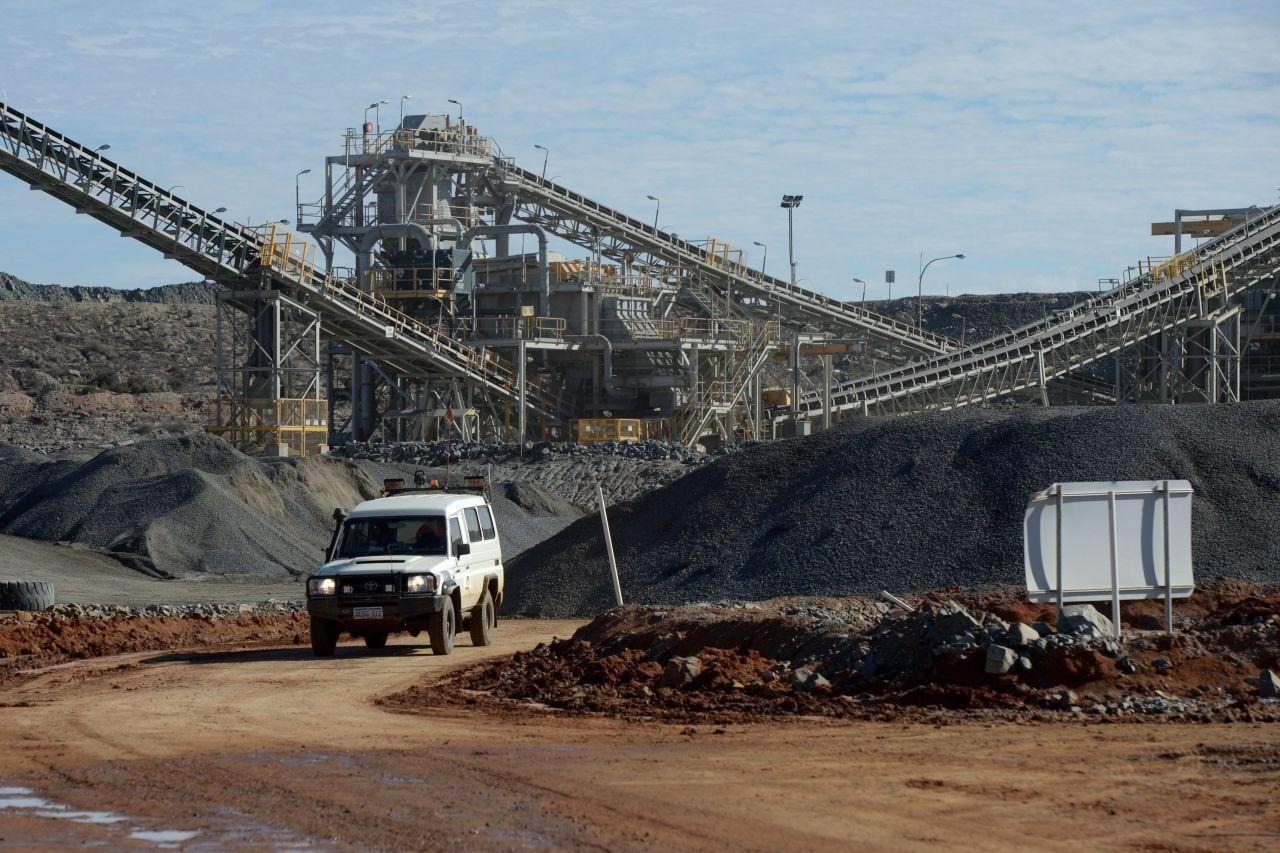
Evolution Mining operates a diversified portfolio of gold and copper mines across Australia and Canada. The company’s combination of established operations and disciplined financial management has helped it become one of Australia’s leading mid-to-large gold producers.
As inflation supports stronger gold prices, Evolution can benefit from improving revenue while maintaining exposure to both gold and copper markets. Its diversified asset portfolio also provides operational flexibility during changing commodity cycles.
Within the broader universe of ASX gold stocks, Evolution Mining continues attracting investors because of its balanced production profile and long-term growth strategy.
Key Insight: Diversified mining assets support resilient long-term earnings.
Regis Resources Ltd (ASX: RRL)
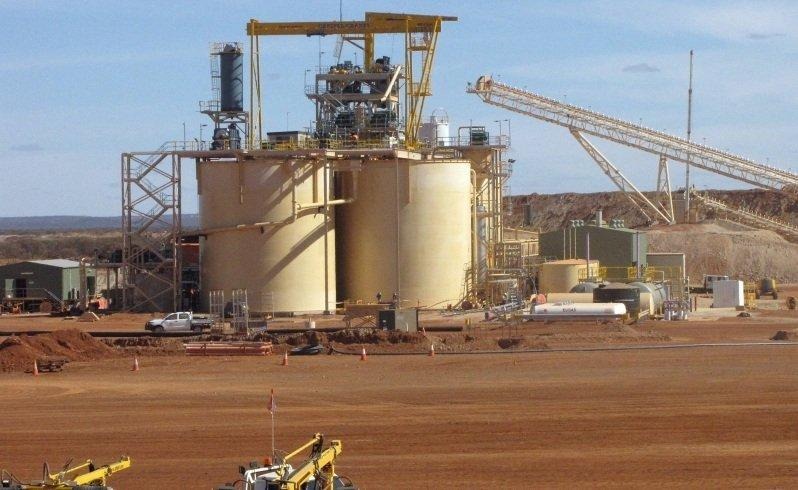
Regis Resources is an Australian gold producer with established mining operations and ongoing exploration projects. The company continues investing in extending mine life while improving operational efficiency across its assets.
As gold prices strengthen during inflationary periods, higher realised selling prices can improve cash generation and support additional investment into exploration and future production.
Among ASX gold stocks, Regis Resources offers investors exposure to a well-established Australian gold producer with continued resource development potential.
Key Insight: Rising gold prices can enhance cash flow and support future growth.
Genesis Minerals Ltd (ASX: GMD)
Genesis Minerals has rapidly expanded its position within Australia’s gold industry through strategic acquisitions and operational improvements. The company continues focusing on increasing production from its Leonora operations while optimising costs and improving efficiency.
A supportive gold price environment can strengthen profitability while allowing Genesis to accelerate production growth and maximise the value of its mining assets.
Within discussions surrounding ASX gold stocks, Genesis Minerals has emerged as one of the sector’s growing producers with meaningful expansion opportunities.
Key Insight: Production growth and operational optimisation support long-term value creation.
What These Companies Have in Common
Although Northern Star, Evolution Mining, Regis Resources, and Genesis Minerals vary in size, they all benefit from direct exposure to the gold market. Each company operates producing mines, continues investing in resource development, and stands to benefit when higher gold prices improve industry profitability.
Another common factor is their focus on operational efficiency and disciplined capital allocation, which can strengthen financial performance throughout different commodity cycles.
These characteristics make them well positioned to benefit from long-term inflation trends and continued investor demand for gold.
Why Investors Are Watching Gold Stocks
Inflation, geopolitical uncertainty, and economic volatility have historically encouraged investors to increase exposure to gold-related assets. As one of the world’s leading gold-producing countries, Australia offers investors access to several high-quality mining businesses that can benefit from stronger bullion prices.
Gold producers also provide operational leverage to the gold price, meaning earnings can grow faster than the underlying commodity when market conditions remain favourable.
These factors explain why ASX gold stocks continue attracting investors seeking defensive exposure alongside long-term growth potential.
Risk Considerations
Despite favourable long-term trends, gold mining companies remain exposed to commodity price volatility, rising operating costs, production challenges, and exploration risks. Lower gold prices or unexpected operational disruptions can reduce profitability even for well-managed businesses.
Mining companies must also continually replace reserves, manage environmental obligations, and execute development projects successfully to maintain long-term production.
For investors, ASX gold stocks should be evaluated based on production quality, cost structure, balance sheet strength, and long-term resource potential. Companies with efficient operations and disciplined management are generally better positioned to benefit when inflation supports higher gold prices.
Disclaimer:
General Financial Product Advice and Regulatory Framework: Pristine Gaze Pty Ltd (ABN 66 680 815 678, ACN 680 815 678) operates as Corporate Authorised Representative (CAR No. 001312049) of Alpha Securities Pty Ltd (AFSL 330757), which is licensed and regulated by the Australian Securities and Investments Commission under the Corporations Act 2001 (Cth). This report contains general financial product advice only and has been prepared without consideration of your personal objectives, financial situation, specific needs, circumstances, or investment experience. The information is not tailored to individual circumstances and may not be suitable for your particular situation. Before acting on any information contained herein, you should carefully consider its appropriateness having regard to your personal objectives, financial situation, and needs, and consider seeking personal financial advice from a qualified financial adviser who can assess your individual circumstances and provide tailored recommendations.
Investment Risks and Market Warnings: All investments carry significant risk, and different investment strategies may carry varying levels of risk exposure including total loss of invested capital. The value of investments and income derived from them can fluctuate significantly due to market conditions, economic factors, company-specific events, regulatory changes, commodity price volatility, currency fluctuations, interest rate movements, and other factors beyond our control. Securities markets are subject to market risk from general economic conditions and investor sentiment, liquidity risk affecting the ability to buy or sell securities at desired prices, credit risk from issuer default or deterioration, operational risk from inadequate internal processes, sector-specific risks including industry regulatory changes, technology obsolescence, management changes, competitive pressures, supply chain disruptions, and mining-specific risks including resource estimation uncertainty, operational hazards, environmental compliance, permitting delays, commodity price cycles, geopolitical factors affecting mining operations, and exploration risks. Small-cap and speculative mining stocks carry additional risks including limited liquidity, higher volatility, dependence on key personnel, limited operating history, uncertain cash flows, and potential failure to achieve commercial production.
Information Accuracy and Limitations: While we endeavour to ensure information accuracy and reliability, we make no representations or warranties (express or implied) regarding the accuracy, reliability, completeness, timeliness, or suitability of information provided, except where liability cannot be excluded under applicable law. This report may include information from third-party sources including company announcements, regulatory filings, research reports, market data providers, financial news services, and publicly available information, which we do not independently verify and for which we assume no responsibility. Past performance, examples, historical data, or projections are not indicative of future results, and no guarantee of future returns is provided or implied. To the maximum extent permitted by law, Pristine Gaze Pty Ltd and Alpha Securities Pty Ltd, together with their respective directors, officers, employees, representatives, and related entities, exclude all liability for any errors, omissions, inaccuracies, loss or damage (including direct, indirect, consequential, or special damages) arising from reliance on information provided, investment decisions made based on this report, market losses, opportunity costs, and technical issues or system failures.