Rare Earth Stocks Australia Explained
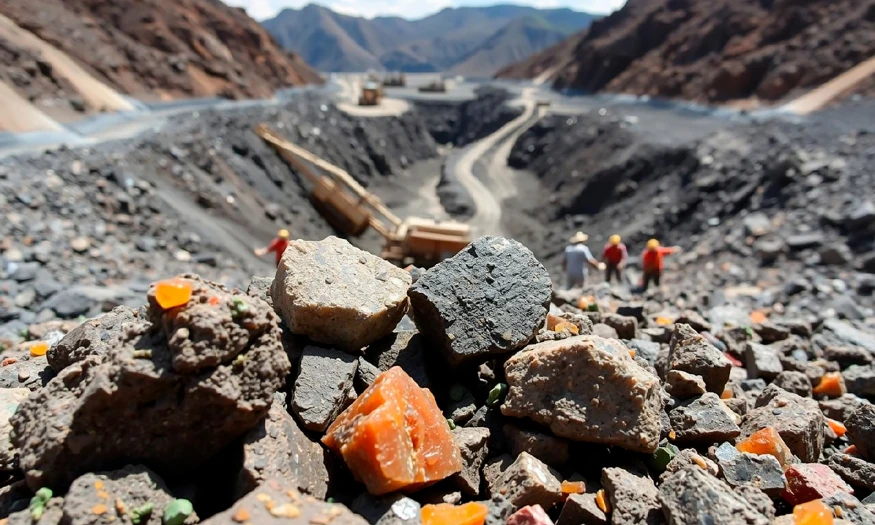
Rare earth elements have become increasingly important because of their use in permanent magnets, electronics, electric vehicles, wind turbines and other advanced technologies. Australia has significant rare earth resources and is developing projects that could help diversify global supply chains. For investors researching rare earth stocks Australia, the sector offers exposure to a specialised part of the resources market, but companies can differ substantially in terms of production stage, project development, funding requirements and commodity exposure.
Why Rare Earths Matter
Rare earths are a group of elements with properties that make them important for modern technologies. Among the most closely watched are neodymium and praseodymium (NdPr), which are used in high-performance permanent magnets. Dysprosium and terbium are also important for certain high-temperature magnet applications.
Demand for these materials is linked to industries such as electric vehicles, renewable energy, electronics and advanced manufacturing. At the same time, global supply chains remain concentrated, creating interest in projects located outside traditional production centres.
Lynas Rare Earths (ASX: LYC)
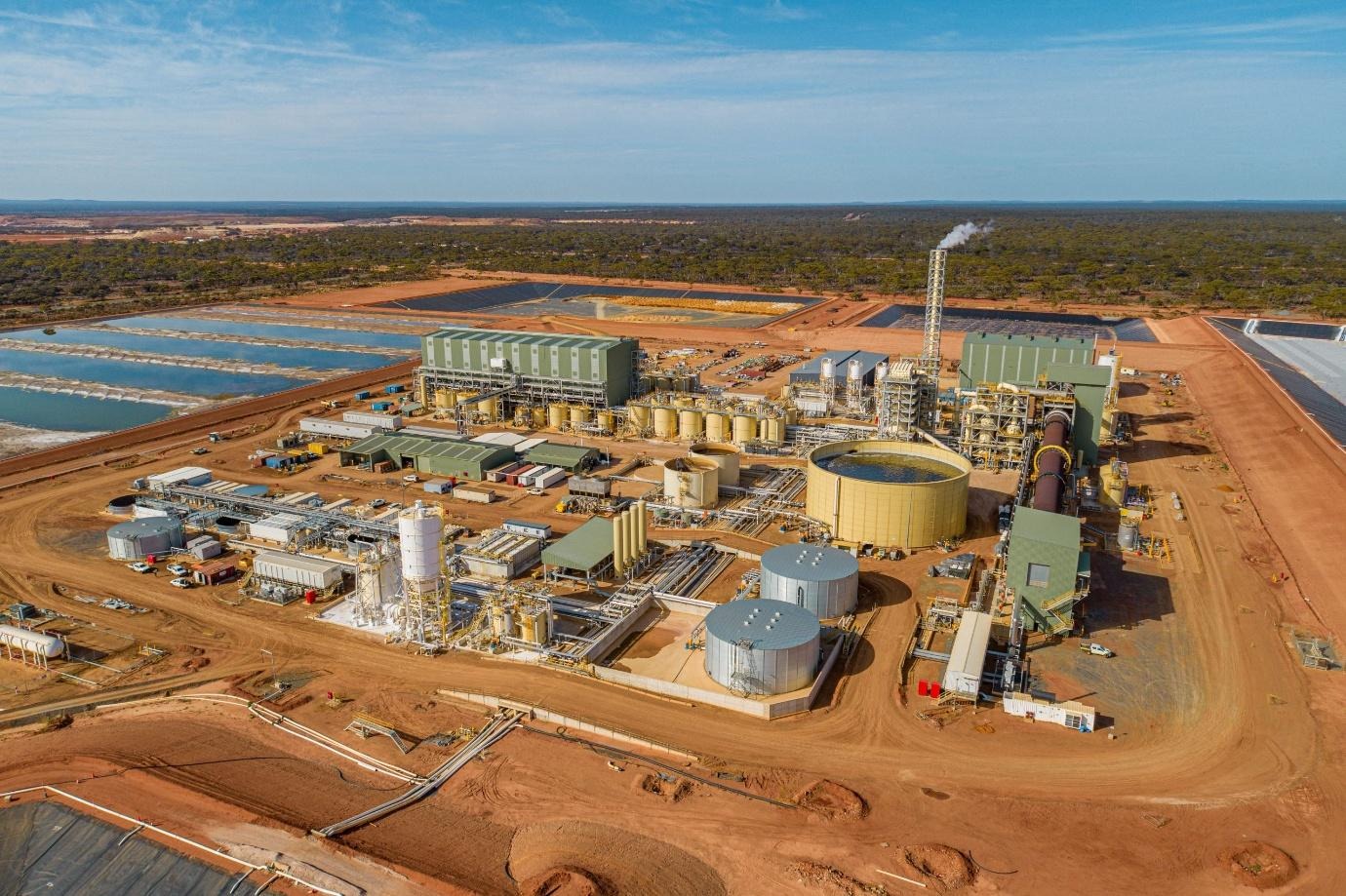
Lynas Rare Earths is one of the most established names among rare earth stocks Australia. The company operates the Mt Weld rare earths mine in Western Australia and processes material through its operations in Australia and Malaysia. Lynas describes Mt Weld as one of the world's premier rare earth deposits and is a significant producer of separated rare earth materials outside China.
Its Kalgoorlie processing facility in Western Australia undertakes value-added processing of concentrate from Mt Weld, producing mixed rare earth carbonate that can subsequently be processed into separated materials. The facility also has the ability to accept third-party feedstock from other projects as they develop.
For investors, Lynas provides exposure to an operating rare earths business rather than a company relying entirely on a future development project. However, its performance remains influenced by rare earth prices, production volumes, operating costs and demand from global customers.
Arafura Rare Earths (ASX: ARU)
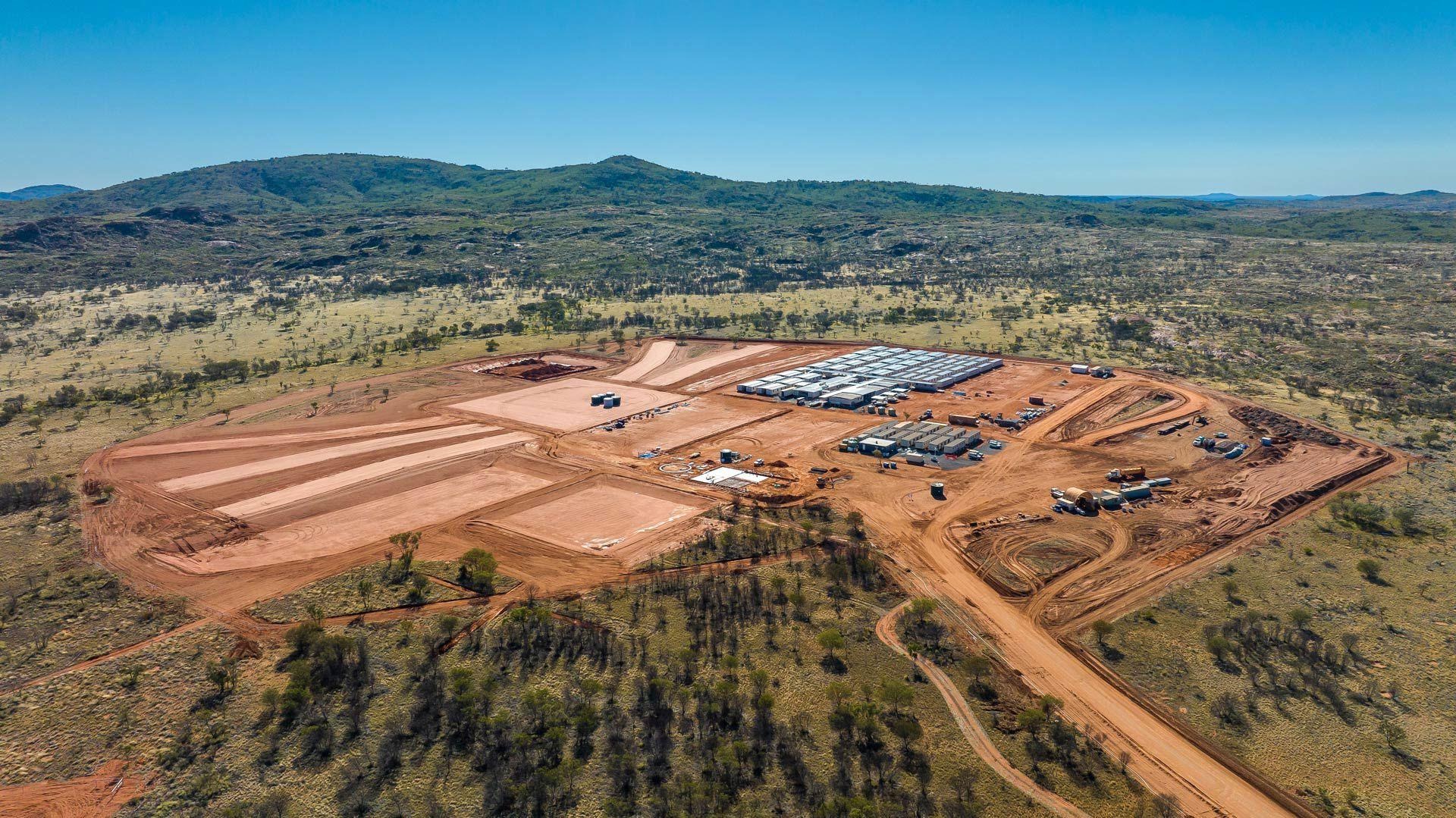
Arafura Rare Earths provides a different type of exposure within the sector. Its flagship Nolans Project is located in the Northern Territory, approximately 135 kilometres north of Alice Springs, and is being developed as an integrated mine and processing operation.
The project is focused particularly on NdPr oxide and is designed to produce 4,440 tonnes per year of NdPr oxide, alongside other products including SEG/HRE oxide and phosphoric acid. Arafura currently lists a 38-year mine life for the project.
The company has also confirmed financing arrangements supporting the Nolans development, including US$775 million of senior debt facilities and an US$80 million cost-overrun facility.
Arafura therefore offers investors exposure to the potential development of a large Australian rare earths project, although project execution, funding, construction and production remain important considerations.
Northern Minerals (ASX: NTU)
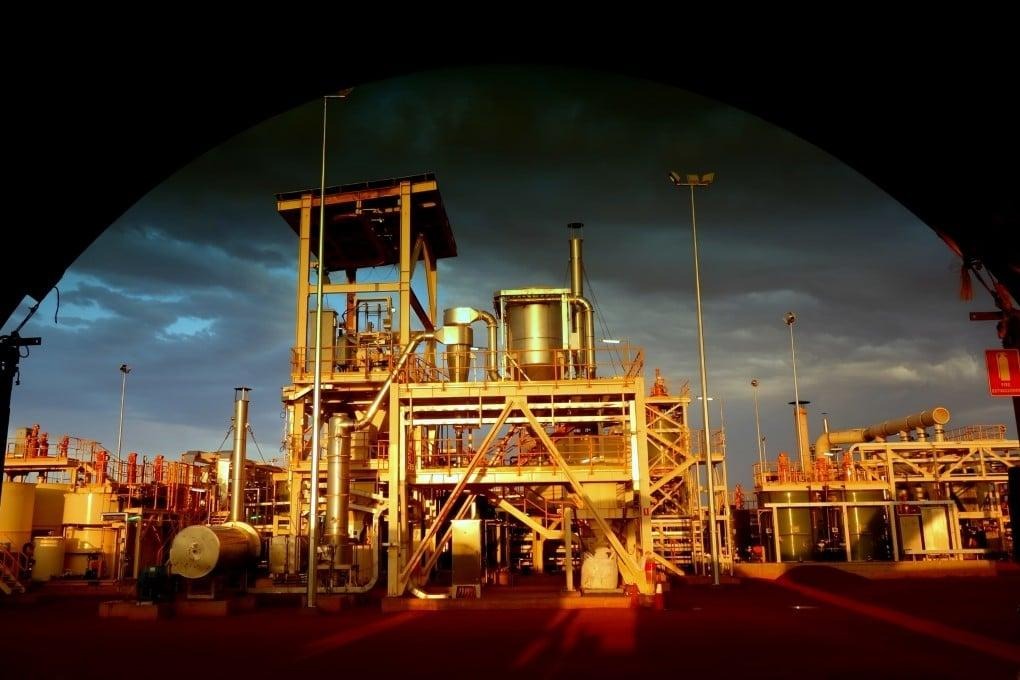
Northern Minerals provides exposure to heavy rare earth elements through its Browns Range Project in Western Australia's East Kimberley region.
The project is particularly focused on dysprosium and terbium, with the Wolverine deposit described by the company as Australia's highest-grade dysprosium and terbium orebody. Northern Minerals is developing Browns Range with the objective of establishing a source of heavy rare earths outside China.
This makes Northern Minerals different from companies primarily focused on NdPr. Its investment case is more closely connected to the future supply and demand outlook for heavy rare earths, while project development and execution remain important factors for investors to monitor.
What Drives Rare Earth Stocks?
Rare earth companies can respond differently to changes in commodity markets because their exposure depends on the specific elements they produce or plan to produce. NdPr prices, for example, can be influenced by demand for permanent magnets, while dysprosium and terbium have their own supply and demand dynamics.
Other factors that can influence the sector include project development, processing technology, government support, customer agreements, operating costs and global supply-chain developments.
For investors, understanding which rare earth elements a company is exposed to can therefore be just as important as understanding the company's overall project size.
Producer vs Developer
A major distinction among rare earth stocks Australia is whether a company is already producing or is still developing its project.
An established producer can provide exposure to actual operating revenue and production, although it remains exposed to commodity prices and operational risks. A development-stage company may offer greater potential if its project reaches production successfully, but investors also face construction, financing, permitting and execution risks.
This distinction is particularly important when comparing companies with very different market capitalisations or share prices.
What Investors Should Watch
Investors researching the Australian rare earths sector should consider several factors rather than focusing solely on expected demand growth:
- Rare earth prices and long-term demand
- Production volumes and operating costs
- Project development progress
- Capital requirements and funding
- Processing and refining capabilities
- Customer and offtake arrangements
- Government and regulatory support
- Exposure to specific rare earth elements
- Balance-sheet strength
These factors can help investors distinguish between companies with established operations and those whose investment cases depend primarily on future project development.
Risk Considerations
Rare earth stocks can carry significant commodity, operational and project-development risks. Prices can be volatile, while changes in global supply, demand or technology can affect individual rare earth elements differently. Development-stage companies may require substantial additional funding and face construction, permitting and execution risks. Established producers can still experience production disruptions, cost increases and changing market conditions. Investors should assess each company's financial position, project stage, commodity exposure and valuation before investing.
Disclaimer:
General Financial Product Advice and Regulatory Framework: Pristine Gaze Pty Ltd (ABN 66 680 815 678, ACN 680 815 678) operates as Corporate Authorised Representative (CAR No. 001312049) of Alpha Securities Pty Ltd (AFSL 330757), which is licensed and regulated by the Australian Securities and Investments Commission under the Corporations Act 2001 (Cth). This report contains general financial product advice only and has been prepared without consideration of your personal objectives, financial situation, specific needs, circumstances, or investment experience. The information is not tailored to individual circumstances and may not be suitable for your particular situation. Before acting on any information contained herein, you should carefully consider its appropriateness having regard to your personal objectives, financial situation, and needs, and consider seeking personal financial advice from a qualified financial adviser who can assess your individual circumstances and provide tailored recommendations.
Investment Risks and Market Warnings: All investments carry significant risk, and different investment strategies may carry varying levels of risk exposure including total loss of invested capital. The value of investments and income derived from them can fluctuate significantly due to market conditions, economic factors, company-specific events, regulatory changes, commodity price volatility, currency fluctuations, interest rate movements, and other factors beyond our control. Securities markets are subject to market risk from general economic conditions and investor sentiment, liquidity risk affecting the ability to buy or sell securities at desired prices, credit risk from issuer default or deterioration, operational risk from inadequate internal processes, sector-specific risks including industry regulatory changes, technology obsolescence, management changes, competitive pressures, supply chain disruptions, and mining-specific risks including resource estimation uncertainty, operational hazards, environmental compliance, permitting delays, commodity price cycles, geopolitical factors affecting mining operations, and exploration risks. Small-cap and speculative mining stocks carry additional risks including limited liquidity, higher volatility, dependence on key personnel, limited operating history, uncertain cash flows, and potential failure to achieve commercial production.
Information Accuracy and Limitations: While we endeavour to ensure information accuracy and reliability, we make no representations or warranties (express or implied) regarding the accuracy, reliability, completeness, timeliness, or suitability of information provided, except where liability cannot be excluded under applicable law. This report may include information from third-party sources including company announcements, regulatory filings, research reports, market data providers, financial news services, and publicly available information, which we do not independently verify and for which we assume no responsibility. Past performance, examples, historical data, or projections are not indicative of future results, and no guarantee of future returns is provided or implied. To the maximum extent permitted by law, Pristine Gaze Pty Ltd and Alpha Securities Pty Ltd, together with their respective directors, officers, employees, representatives, and related entities, exclude all liability for any errors, omissions, inaccuracies, loss or damage (including direct, indirect, consequential, or special damages) arising from reliance on information provided, investment decisions made based on this report, market losses, opportunity costs, and technical issues or system failures.
Frequently Asked Questions
Common questions about investing and market research to help guide your decisions.