
Iron Ore Stocks Australia
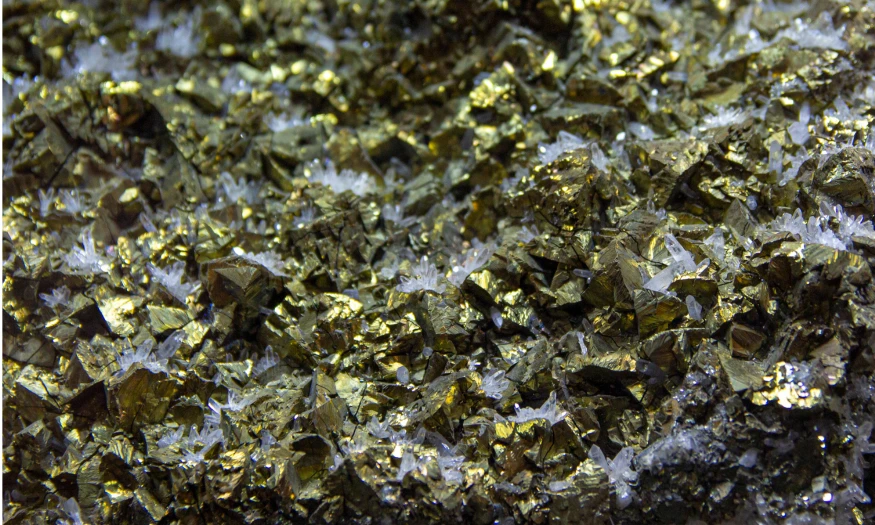
Iron ore remains one of the most important commodities for the Australian resources sector, with global steel production creating significant demand for the raw material. For investors researching iron ore stocks, the ASX provides exposure to companies operating at different scales across the iron ore industry. Among the major names are BHP Group, Rio Tinto and Fortescue, each with substantial exposure to Australia's iron ore industry but with different business structures, production profiles and broader commodity exposure.
The performance of iron ore companies can be influenced by commodity prices, global steel demand, production volumes, operating costs, exchange rates and changes in China's property and infrastructure activity. Understanding these factors provides useful context when assessing the sector.
Why Iron Ore Matters to Australia
Australia is one of the world's major iron ore-producing regions, and iron ore exports have historically been an important contributor to the country's resources economy. The commodity is primarily used to produce steel, meaning demand is closely connected to construction, infrastructure, manufacturing and broader industrial activity.
China is particularly important to the global iron ore market because of its large steelmaking industry. Changes in Chinese steel production can therefore have a significant influence on global iron ore demand and prices.
For Australian producers, this creates both opportunities and risks. Strong steel demand can support higher iron ore prices and improve revenue, while weaker industrial activity can place pressure on commodity prices and earnings.
BHP Group (ASX:BHP)
BHP Group is one of the world's largest diversified mining companies and has significant exposure to iron ore through its Western Australian operations. The company also has interests across other major commodities, giving investors exposure beyond iron ore alone.
Its iron ore business is centred on large-scale operations in Western Australia, supported by extensive mining, processing, rail and port infrastructure. The scale of these operations allows BHP to produce and transport substantial volumes of iron ore for international customers.
For investors examining BHP as one of the major iron ore stocks, production volumes and realised prices are important factors to monitor. Operating costs, productivity, capital expenditure and currency movements can also influence profitability. At the same time, the company's diversified commodity portfolio means its overall financial performance is not determined exclusively by iron ore.
Rio Tinto (ASX:RIO)
Rio Tinto is another major global mining company with substantial iron ore operations in Western Australia. Its Pilbara business includes an extensive network of mines, railways, processing facilities and port infrastructure.
The scale of Rio Tinto's Pilbara operations provides the company with significant exposure to global iron ore demand. Production volumes, shipment levels and realised prices can therefore influence the company's financial performance.
Rio Tinto's broader portfolio also includes commodities outside iron ore. This diversification can influence how the company responds to changing commodity-market conditions. When assessing its iron ore exposure, investors can therefore consider both the performance of the Pilbara operations and the contribution of its other businesses.
Fortescue (ASX:FMG)

Fortescue is another major Australian mining company with a strong focus on iron ore. Its operations are concentrated in Western Australia, where it mines and exports iron ore to international markets.
Because iron ore represents a significant part of Fortescue's business, changes in the commodity's price and demand environment can have a particularly important influence on revenue and earnings. Production volumes, operating costs and shipment performance are therefore key considerations when assessing the company's financial performance.
Fortescue has also been developing its broader energy-transition strategy, meaning its business direction extends beyond its traditional iron ore operations. This creates an additional dimension for investors examining the company and its long-term capital allocation.
What Drives Iron Ore Prices?
Iron ore prices are influenced by several factors, with global steel production being one of the most important. When steel mills increase production, demand for iron ore can rise. Conversely, weaker steel output can reduce demand and place downward pressure on prices.
Supply is equally important. Production changes among major exporting countries can influence the balance between global supply and demand. Weather disruptions, operational issues, infrastructure constraints and changes in mining activity can all affect available supply.
China's economic activity also remains an important factor. Construction, property development, infrastructure spending and manufacturing can influence steel demand, while changes in government policy can affect expectations for future consumption.
Production Costs and Margins
Iron ore prices receive considerable attention, but the cost of producing and transporting the commodity is equally important. Two companies can experience the same commodity-price environment while producing different financial outcomes because of differences in operating costs and production efficiency.
Mining companies therefore monitor factors such as labour expenses, energy costs, maintenance, processing costs, rail transportation and port operations. Currency movements can also influence reported costs because many expenses are incurred in Australian dollars while iron ore is generally sold in US dollars.
Lower-cost production can provide greater operating flexibility during periods of weaker commodity prices, although costs can change as mining conditions and input prices evolve.
The Importance of Production Volumes
Production and shipment volumes can also influence the financial performance of iron ore stocks. Higher production does not automatically result in higher profits if commodity prices fall or operating costs increase.
Investors can therefore examine production guidance, shipment volumes, mine performance and operational disruptions alongside commodity prices. Weather events and infrastructure issues can sometimes affect production or shipments even when underlying market demand remains unchanged.
Over longer periods, maintaining reliable production while controlling costs can be an important component of mining-company performance.
Iron Ore's Changing Long-Term Landscape
The long-term outlook for iron ore is influenced by global steel demand, infrastructure development, urbanisation and the evolution of steelmaking technology. At the same time, decarbonisation is creating pressure across the steel industry because conventional steel production is emissions-intensive.
This could influence the types of iron ore products that become more valuable over time. Mining companies are therefore considering how their operations and product portfolios may fit into a steel industry that is gradually adopting lower-emission technologies.
The pace of this transition remains uncertain and will depend on technology, investment, regulation and economics.
Comparing the Three Major Names
BHP, Rio Tinto and Fortescue provide different forms of exposure to the Australian iron ore industry. BHP and Rio Tinto operate diversified mining businesses with exposure to several commodities, while Fortescue has historically maintained a stronger concentration on iron ore.
This difference matters because commodity diversification can affect how changes in individual markets influence overall company performance. At the same time, a more concentrated exposure can result in greater sensitivity to movements in the underlying commodity.
Investors comparing these companies can therefore look beyond production size and consider commodity exposure, operating costs, capital requirements, financial performance and broader strategic direction.
Risk Considerations
Iron ore stocks remain exposed to fluctuations in global commodity prices and steel demand. A slowdown in Chinese construction, infrastructure or industrial activity could affect demand, while increased global supply could place pressure on prices. Mining companies also face operational disruptions, rising labour and energy costs, infrastructure constraints, currency movements and substantial capital expenditure requirements. Changes in environmental regulation and the transition towards lower-emission steelmaking could influence the long-term demand profile for different iron ore products. Company-specific differences in production costs, commodity diversification and capital allocation can also result in different financial outcomes during the same market conditions.
Disclaimer:
General Financial Product Advice and Regulatory Framework: Pristine Gaze Pty Ltd (ABN 66 680 815 678, ACN 680 815 678) operates as Corporate Authorised Representative (CAR No. 001312049) of Alpha Securities Pty Ltd (AFSL 330757), which is licensed and regulated by the Australian Securities and Investments Commission under the Corporations Act 2001 (Cth). This report contains general financial product advice only and has been prepared without consideration of your personal objectives, financial situation, specific needs, circumstances, or investment experience. The information is not tailored to individual circumstances and may not be suitable for your particular situation. Before acting on any information contained herein, you should carefully consider its appropriateness having regard to your personal objectives, financial situation, and needs, and consider seeking personal financial advice from a qualified financial adviser who can assess your individual circumstances and provide tailored recommendations.
Investment Risks and Market Warnings: All investments carry significant risk, and different investment strategies may carry varying levels of risk exposure including total loss of invested capital. The value of investments and income derived from them can fluctuate significantly due to market conditions, economic factors, company-specific events, regulatory changes, commodity price volatility, currency fluctuations, interest rate movements, and other factors beyond our control. Securities markets are subject to market risk from general economic conditions and investor sentiment, liquidity risk affecting the ability to buy or sell securities at desired prices, credit risk from issuer default or deterioration, operational risk from inadequate internal processes, sector-specific risks including industry regulatory changes, technology obsolescence, management changes, competitive pressures, supply chain disruptions, and mining-specific risks including resource estimation uncertainty, operational hazards, environmental compliance, permitting delays, commodity price cycles, geopolitical factors affecting mining operations, and exploration risks. Small-cap and speculative mining stocks carry additional risks including limited liquidity, higher volatility, dependence on key personnel, limited operating history, uncertain cash flows, and potential failure to achieve commercial production.
Information Accuracy and Limitations: While we endeavour to ensure information accuracy and reliability, we make no representations or warranties (express or implied) regarding the accuracy, reliability, completeness, timeliness, or suitability of information provided, except where liability cannot be excluded under applicable law. This report may include information from third-party sources including company announcements, regulatory filings, research reports, market data providers, financial news services, and publicly available information, which we do not independently verify and for which we assume no responsibility. Past performance, examples, historical data, or projections are not indicative of future results, and no guarantee of future returns is provided or implied. To the maximum extent permitted by law, Pristine Gaze Pty Ltd and Alpha Securities Pty Ltd, together with their respective directors, officers, employees, representatives, and related entities, exclude all liability for any errors, omissions, inaccuracies, loss or damage (including direct, indirect, consequential, or special damages) arising from reliance on information provided, investment decisions made based on this report, market losses, opportunity costs, and technical issues or system failures.