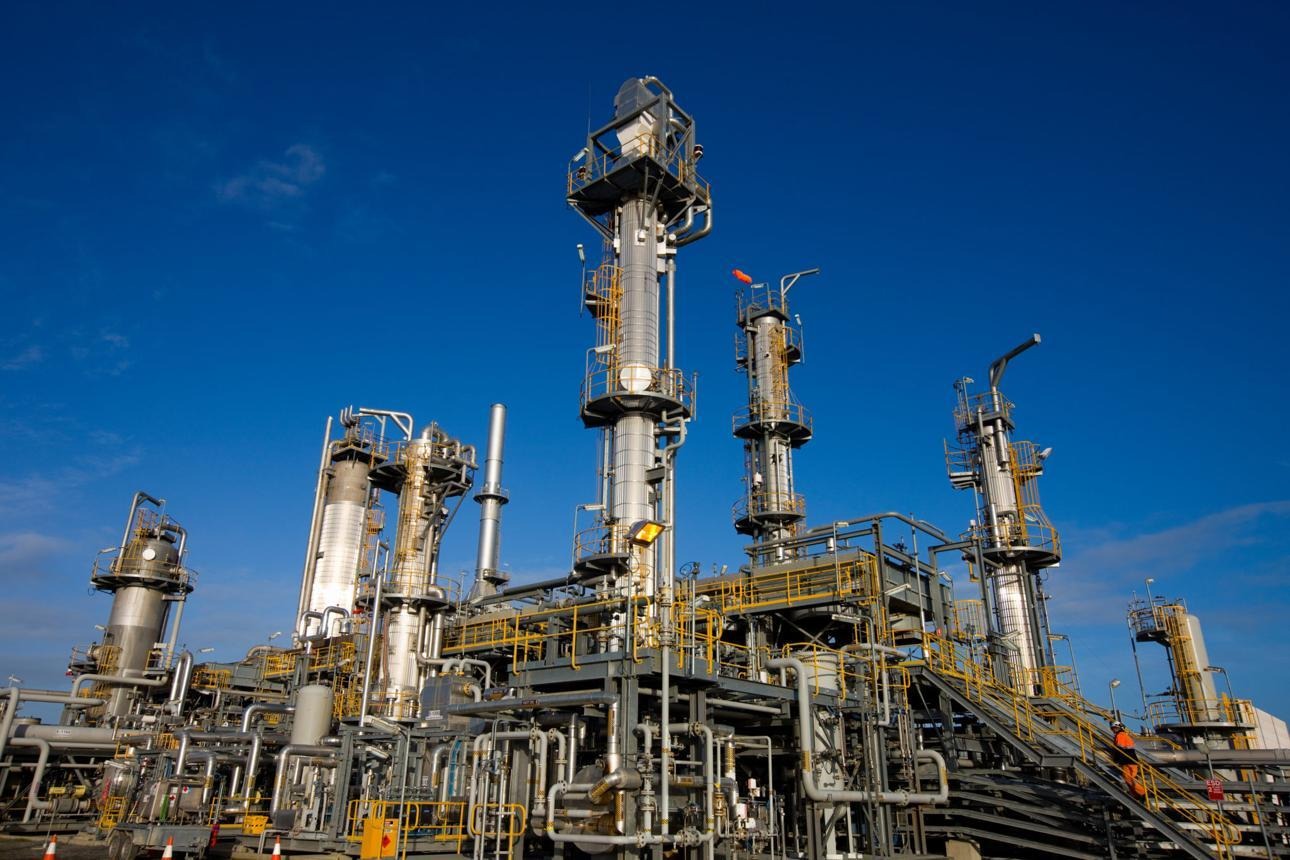
Best 3 ASX Stocks for Conservative Investors in 2026

Why Conservative Investing Is Gaining Attention in 2026

Conservative investing is becoming increasingly important in 2026 as investors navigate uncertain economic conditions, interest rate changes, inflation concerns, and ongoing global market volatility. Rather than focusing entirely on aggressive growth opportunities, many investors are prioritizing businesses capable of delivering stable earnings, defensive cash flow, and long-term operational resilience. This shift has significantly increased interest in these defensive stocks across sectors such as supermarkets, telecommunications, and essential consumer services.

One of the biggest reasons ASX defensive stocks are attracting attention is earnings stability. Companies operating in industries linked to everyday consumer demand often continue generating revenue regardless of broader economic conditions. Businesses providing groceries, household essentials, communication services, and critical infrastructure generally experience less earnings volatility compared to cyclical industries.

Another important factor is predictable cash flow and dividends. Conservative investors typically focus on companies capable of maintaining stable shareholder returns over long periods. Businesses with recurring revenue and strong market positions are often better equipped to withstand economic slowdowns while continuing to support dividends and operational growth.

Defensive sectors also tend to experience lower volatility during uncertain market environments. Investors seeking portfolio stability frequently rotate toward companies with resilient business models and essential service exposure because these businesses remain relevant across economic cycles. This environment continues supporting long-term demand for ASX defensive stocks.

What Defines Strong Defensive Stocks

Strong ASX defensive stocks generally combine stable consumer demand, recurring revenue, operational resilience, and strong market positioning. Businesses operating within supermarkets, telecommunications, utilities, and healthcare often attract the strongest conservative investor participation because demand for these services remains relatively consistent.

Another important factor is scale. Large established companies with nationwide operations and strong brand recognition generally provide stronger operational stability and pricing power. Stable free cash flow generation and manageable debt levels additionally strengthen long-term resilience during uncertain economic conditions.

  • Stable demand across economic cycles 
  • Predictable cash flow and operational resilience 
  • Strong market leadership and defensive earnings visibility 

Best 3 ASX Stocks for Conservative Investors in 2026

Woolworths Group Limited (ASX: WOW)

Woolworths remains one of Australia’s largest supermarket and retail operators, benefiting from stable demand for groceries and household essentials. Consumer staples businesses are often viewed as highly defensive because demand for food and everyday products remains relatively consistent regardless of economic conditions. Among ASX defensive stocks, WOW benefits from strong brand recognition, nationwide operations, and recurring consumer spending.

Large supermarket chains additionally benefit from operational scale and pricing power, helping maintain relatively stable profitability across changing economic environments.

Key Insight: Essential consumer demand supports strong long-term earnings stability.

Coles Group Limited (ASX: COL)

Coles operates within the supermarket and consumer retail sector, generating stable revenue through recurring household spending activity. Grocery retailers continue attracting conservative investors because they provide defensive earnings visibility and relatively predictable operational performance. Among ASX defensive stocks, COL benefits from essential retail exposure and stable long-term demand trends.

Food and grocery spending generally remain resilient even during slower economic conditions, supporting long-term operational stability and cash flow generation.

Key Insight: Defensive grocery retail exposure supports recurring operational cash flow.

Telstra Group Limited (ASX: TLS)
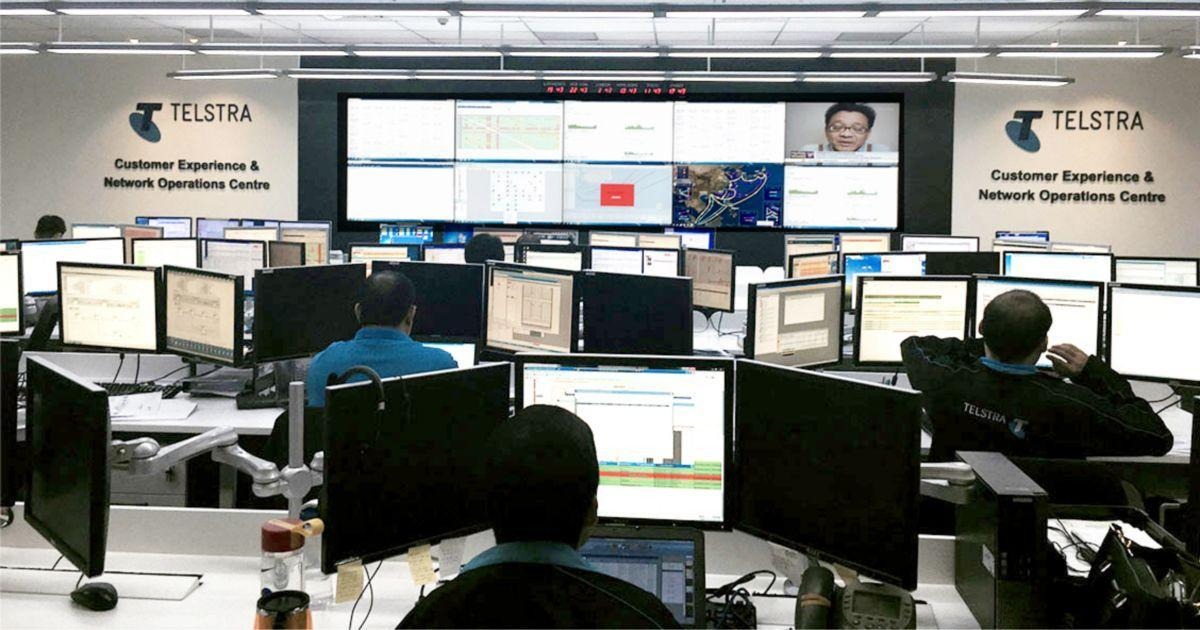
Telstra operates Australia’s largest telecommunications network and benefits from recurring demand for communication and digital connectivity services. Telecommunications businesses are often viewed as defensive because internet, mobile, and digital communication services remain essential for households and businesses. Among ASX defensive stocks, TLS benefits from infrastructure scale, recurring subscription revenue, and stable customer demand.

Digital connectivity continues becoming increasingly important across the economy, supporting long-term relevance and recurring operational cash flow for telecommunications providers.

Key Insight: Essential communication services support predictable recurring revenue.

How These Stocks Differ

These ASX defensive stocks differ mainly based on operational focus and earnings drivers. WOW and COL operate within consumer staples and grocery retail, while TLS focuses on telecommunications infrastructure and recurring digital services revenue. This diversification allows conservative investors to gain exposure across multiple defensive industries simultaneously.

Another important difference is economic sensitivity. Supermarket businesses rely heavily on consumer spending for essential goods, while telecommunications companies benefit from subscription-based recurring revenue and infrastructure-related demand. Investors therefore gain exposure to different forms of defensive operational stability.

What Is Driving Defensive Investing Momentum

Momentum in ASX defensive stocks is currently being driven by economic uncertainty, interest rate volatility, and investor demand for stable earnings visibility. Many investors are prioritizing businesses capable of maintaining operational performance regardless of short-term macroeconomic conditions.

Consumer staples and telecommunications sectors continue attracting strong participation because they provide essential services with relatively predictable long-term demand. Institutional investors are also focusing heavily on companies with strong balance sheets, recurring revenue, and resilient operational models.

Another important factor is dividend stability. Defensive companies often generate consistent free cash flow, allowing them to maintain shareholder payouts and strengthen long-term investment appeal during uncertain market environments.

Risk Considerations

Despite their defensive characteristics, ASX defensive stocks still face important risks. Retail businesses such as WOW and COL remain sensitive to competitive pricing pressure, consumer spending shifts, and operational cost inflation. Telecommunications companies like TLS may face infrastructure investment costs and regulatory challenges.

Slower earnings growth can also limit upside potential compared to high-growth sectors during strong bull market periods. Additionally, defensive stocks may underperform if investors rotate aggressively toward speculative growth industries during improving economic conditions.


Disclaimer:

General Financial Product Advice and Regulatory Framework: Pristine Gaze Pty Ltd (ABN 66 680 815 678, ACN 680 815 678) operates as Corporate Authorised Representative (CAR No. 001312049) of Alpha Securities Pty Ltd (AFSL 330757), which is licensed and regulated by the Australian Securities and Investments Commission under the Corporations Act 2001 (Cth). This report contains general financial product advice only and has been prepared without consideration of your personal objectives, financial situation, specific needs, circumstances, or investment experience. The information is not tailored to individual circumstances and may not be suitable for your particular situation. Before acting on any information contained herein, you should carefully consider its appropriateness having regard to your personal objectives, financial situation, and needs, and consider seeking personal financial advice from a qualified financial adviser who can assess your individual circumstances and provide tailored recommendations.

Investment Risks and Market Warnings: All investments carry significant risk, and different investment strategies may carry varying levels of risk exposure including total loss of invested capital. The value of investments and income derived from them can fluctuate significantly due to market conditions, economic factors, company-specific events, regulatory changes, commodity price volatility, currency fluctuations, interest rate movements, and other factors beyond our control. Securities markets are subject to market risk from general economic conditions and investor sentiment, liquidity risk affecting the ability to buy or sell securities at desired prices, credit risk from issuer default or deterioration, operational risk from inadequate internal processes, sector-specific risks including industry regulatory changes, technology obsolescence, management changes, competitive pressures, supply chain disruptions, and mining-specific risks including resource estimation uncertainty, operational hazards, environmental compliance, permitting delays, commodity price cycles, geopolitical factors affecting mining operations, and exploration risks. Small-cap and speculative mining stocks carry additional risks including limited liquidity, higher volatility, dependence on key personnel, limited operating history, uncertain cash flows, and potential failure to achieve commercial production.

Information Accuracy and Limitations: While we endeavour to ensure information accuracy and reliability, we make no representations or warranties (express or implied) regarding the accuracy, reliability, completeness, timeliness, or suitability of information provided, except where liability cannot be excluded under applicable law. This report may include information from third-party sources including company announcements, regulatory filings, research reports, market data providers, financial news services, and publicly available information, which we do not independently verify and for which we assume no responsibility. Past performance, examples, historical data, or projections are not indicative of future results, and no guarantee of future returns is provided or implied. To the maximum extent permitted by law, Pristine Gaze Pty Ltd and Alpha Securities Pty Ltd, together with their respective directors, officers, employees, representatives, and related entities, exclude all liability for any errors, omissions, inaccuracies, loss or damage (including direct, indirect, consequential, or special damages) arising from reliance on information provided, investment decisions made based on this report, market losses, opportunity costs, and technical issues or system failures.

How the AI Boom Is Driving Interest in ASX Data Centre Stocks

Why AI Is Increasing Demand for Data Centres

Artificial intelligence has rapidly become one of the most important technology trends globally, driving massive investment into cloud computing, high-performance computing infrastructure, data storage, and digital connectivity systems. AI models require enormous computing power and data processing capability, which has significantly increased investor attention toward these data centre stocks.

One of the biggest reasons ASX data centre stocks are gaining momentum is the rapid expansion of AI-related infrastructure demand. Training and operating artificial intelligence systems require large-scale servers, cloud platforms, networking systems, and low-latency digital infrastructure. As businesses worldwide continue increasing AI investment, demand for advanced data centre capacity is growing rapidly.

Another important factor is cloud computing growth. Companies across industries are shifting operations toward digital platforms, automation systems, and cloud-based infrastructure. AI applications accelerate this transition because machine learning systems rely heavily on scalable computing environments and real-time data processing capability. This environment continues strengthening long-term growth expectations for ASX data centre stocks.

Data centres are also viewed as strategically important infrastructure assets because modern digital economies increasingly depend on secure, reliable, and scalable computing networks. AI, streaming, online services, cloud storage, cybersecurity, and enterprise software all rely on strong digital infrastructure. Investors therefore view data centre businesses as long-term beneficiaries of technological transformation.

What Defines Strong Data Centre Stocks

Strong ASX data centre stocks generally combine scalable infrastructure, recurring customer revenue, high connectivity demand, and exposure to cloud computing growth. Businesses operating large-scale data centres or digital infrastructure platforms often attract strong institutional participation because they benefit from long-term structural demand trends.

Another important factor is operational scalability. Data infrastructure businesses capable of expanding server capacity and connectivity efficiently are generally better positioned as AI adoption accelerates. Recurring enterprise contracts additionally strengthen earnings visibility and operational stability.

Connectivity and network integration also matter significantly because modern AI systems require fast, secure, and highly efficient digital ecosystems.

  • AI systems require massive computing infrastructure 
  • Cloud computing growth strengthens long-term demand 
  • Digital infrastructure provides recurring revenue visibility 

Top ASX Data Centre Stocks Benefiting From the AI Boom

NextDC Limited (ASX: NXT)

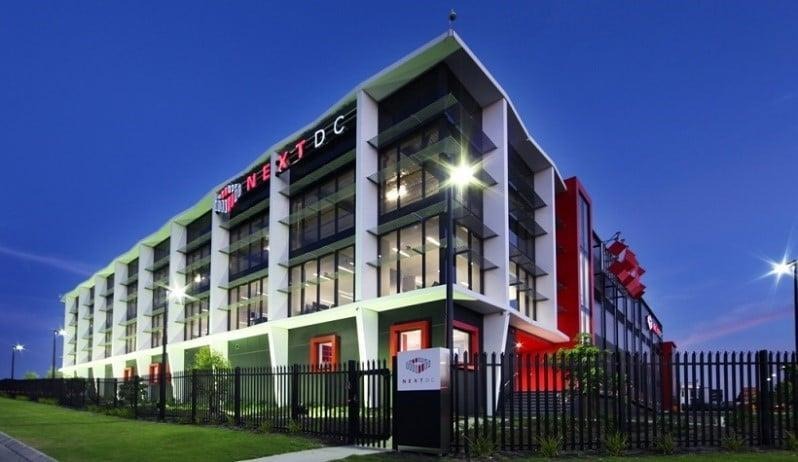
NextDC remains one of Australia’s leading data centre infrastructure companies, benefiting directly from rising demand for cloud computing and AI-related processing capability. Businesses operating large-scale data centres often experience strong momentum during periods of accelerating digital infrastructure investment. Among ASX data centre stocks, NXT benefits from enterprise cloud demand and long-term AI infrastructure expansion.

As artificial intelligence adoption increases globally, businesses require larger and more advanced computing environments, strengthening demand for premium data centre providers.

Key Insight: AI infrastructure demand supports long-term cloud and server growth.

Macquarie Technology Group Limited (ASX: MAQ)

Macquarie Technology Group operates across cloud services, cybersecurity, telecommunications, and data centre infrastructure. Diversified technology infrastructure businesses continue attracting investor interest because enterprise digital transformation spending remains strong. Among ASX data centre stocks, MAQ benefits from cloud adoption, secure digital infrastructure demand, and AI-related enterprise expansion.

Cybersecurity and cloud integration remain highly important as businesses increasingly rely on connected digital systems and AI-powered operations.

Key Insight: Cloud and cybersecurity demand strengthen recurring infrastructure growth.

Megaport Limited (ASX: MP1)

Megaport focuses on cloud connectivity and network infrastructure solutions that support large-scale digital operations and enterprise cloud environments. Connectivity providers remain strategically important because AI systems require fast and scalable data transfer capability. Among ASX data centre stocks, MP1 benefits from growing cloud ecosystem demand and enterprise digital transformation trends.

The company’s network-focused infrastructure model aligns closely with increasing global reliance on cloud computing and high-performance digital systems.

Key Insight: Cloud connectivity demand supports scalable digital infrastructure growth.

DXN Limited (ASX: DXN)

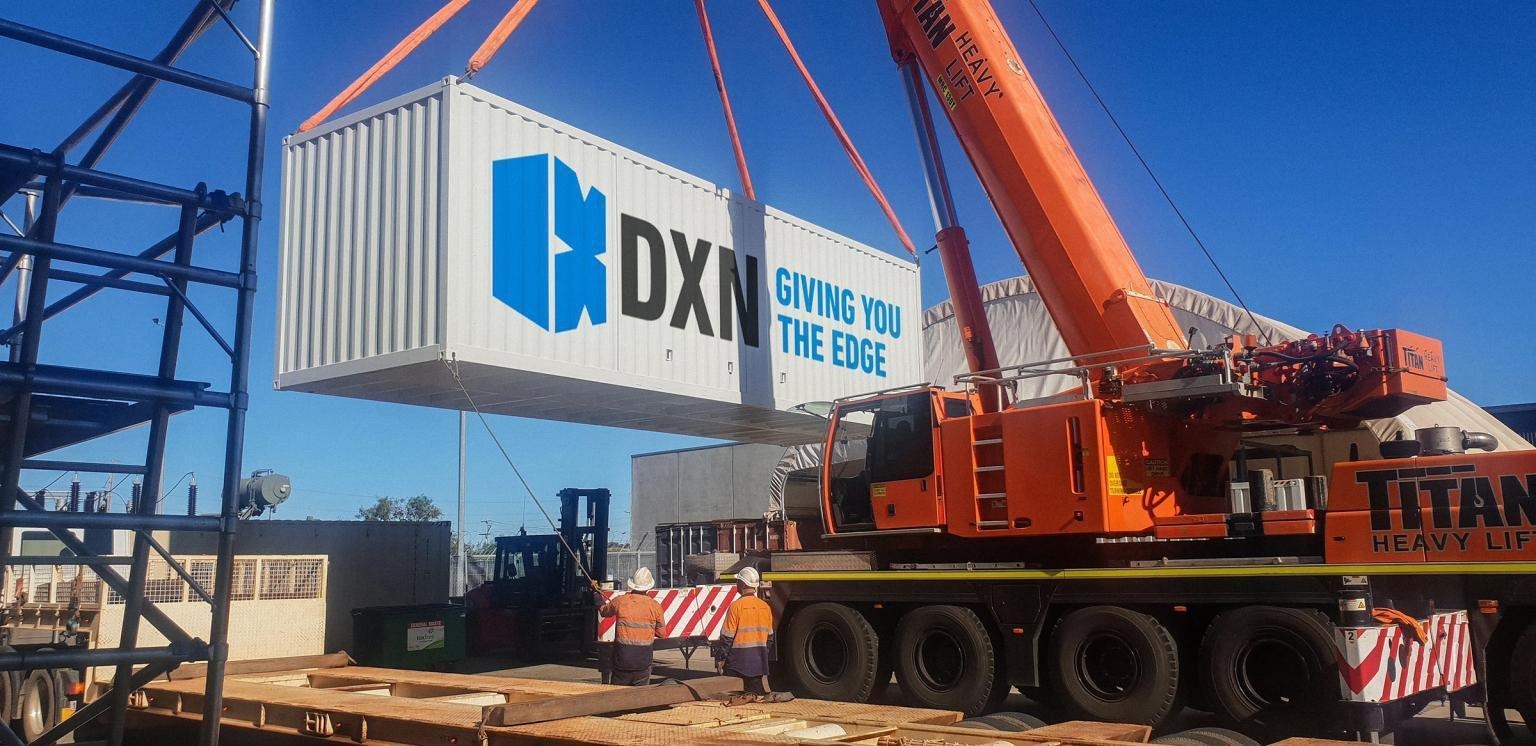
DXN operates within modular data centre and digital infrastructure solutions, benefiting from increasing demand for scalable and flexible computing environments. Modular infrastructure businesses are becoming increasingly important because enterprises require faster deployment of digital systems to support AI and cloud expansion. Among ASX data centre stocks, DXN benefits from flexible infrastructure demand and growing digitalization trends.

Scalable modular systems additionally support expansion into remote and high-growth infrastructure markets where digital connectivity requirements continue increasing.

Key Insight: Modular infrastructure supports flexible AI-driven computing expansion.

How These Stocks Differ

These ASX data centre stocks differ mainly based on operational specialization and infrastructure focus. NXT operates large-scale premium data centres, MAQ combines cloud and cybersecurity infrastructure, MP1 focuses on digital connectivity and cloud networking, while DXN emphasizes modular computing infrastructure solutions. This diversification allows investors to gain exposure across multiple segments of the digital infrastructure ecosystem.

Another important difference is earnings structure. Larger infrastructure businesses such as NXT may provide stronger recurring enterprise revenue visibility, while smaller growth-focused companies like DXN may offer higher long-term expansion potential alongside greater volatility.

What Is Driving Data Centre Sector Momentum

Momentum in ASX data centre stocks is currently being driven by artificial intelligence adoption, cloud computing growth, cybersecurity demand, and enterprise digital transformation investment. Businesses worldwide continue increasing spending on data processing, AI infrastructure, and scalable cloud systems.

AI applications require enormous computing resources, significantly increasing demand for server capacity, data storage, and high-speed connectivity infrastructure. This structural demand trend continues supporting long-term growth expectations for digital infrastructure providers.

Institutional investors are also increasingly focusing on data centre businesses because digital infrastructure is now viewed as essential economic infrastructure similar to utilities and transportation networks.

Risk Considerations

Despite strong long-term growth potential, ASX data centre stocks remain sensitive to valuation pressure, competition, technological disruption, and infrastructure expansion costs. Rapid technological change may require continuous capital investment to maintain competitiveness and operational efficiency.

Smaller-cap infrastructure businesses may additionally face funding and execution risks during expansion phases. Market sentiment toward growth sectors can also weaken rapidly if interest rates remain elevated or technology spending slows.


Disclaimer:

General Financial Product Advice and Regulatory Framework: Pristine Gaze Pty Ltd (ABN 66 680 815 678, ACN 680 815 678) operates as Corporate Authorised Representative (CAR No. 001312049) of Alpha Securities Pty Ltd (AFSL 330757), which is licensed and regulated by the Australian Securities and Investments Commission under the Corporations Act 2001 (Cth). This report contains general financial product advice only and has been prepared without consideration of your personal objectives, financial situation, specific needs, circumstances, or investment experience. The information is not tailored to individual circumstances and may not be suitable for your particular situation. Before acting on any information contained herein, you should carefully consider its appropriateness having regard to your personal objectives, financial situation, and needs, and consider seeking personal financial advice from a qualified financial adviser who can assess your individual circumstances and provide tailored recommendations.

Investment Risks and Market Warnings: All investments carry significant risk, and different investment strategies may carry varying levels of risk exposure including total loss of invested capital. The value of investments and income derived from them can fluctuate significantly due to market conditions, economic factors, company-specific events, regulatory changes, commodity price volatility, currency fluctuations, interest rate movements, and other factors beyond our control. Securities markets are subject to market risk from general economic conditions and investor sentiment, liquidity risk affecting the ability to buy or sell securities at desired prices, credit risk from issuer default or deterioration, operational risk from inadequate internal processes, sector-specific risks including industry regulatory changes, technology obsolescence, management changes, competitive pressures, supply chain disruptions, and mining-specific risks including resource estimation uncertainty, operational hazards, environmental compliance, permitting delays, commodity price cycles, geopolitical factors affecting mining operations, and exploration risks. Small-cap and speculative mining stocks carry additional risks including limited liquidity, higher volatility, dependence on key personnel, limited operating history, uncertain cash flows, and potential failure to achieve commercial production.

Information Accuracy and Limitations: While we endeavour to ensure information accuracy and reliability, we make no representations or warranties (express or implied) regarding the accuracy, reliability, completeness, timeliness, or suitability of information provided, except where liability cannot be excluded under applicable law. This report may include information from third-party sources including company announcements, regulatory filings, research reports, market data providers, financial news services, and publicly available information, which we do not independently verify and for which we assume no responsibility. Past performance, examples, historical data, or projections are not indicative of future results, and no guarantee of future returns is provided or implied. To the maximum extent permitted by law, Pristine Gaze Pty Ltd and Alpha Securities Pty Ltd, together with their respective directors, officers, employees, representatives, and related entities, exclude all liability for any errors, omissions, inaccuracies, loss or damage (including direct, indirect, consequential, or special damages) arising from reliance on information provided, investment decisions made based on this report, market losses, opportunity costs, and technical issues or system failures.

Why More ASX Investors Are Looking at Short-Term Trading Opportunities

Why Short-Term Trading Is Becoming More Popular

Short-term trading has become increasingly popular among Australian investors as market volatility, commodity cycles, and rapid sector rotation continue creating frequent trading opportunities. Unlike long-term investing, short-term trading focuses on capturing price momentum, technical breakouts, and fast-moving market trends within shorter time frames. This environment has significantly increased investor interest in ASX trading stocks, especially in sectors such as lithium, uranium, and battery materials.

One of the biggest reasons these trading stocks are attracting attention is volatility. Stocks experiencing rapid price movements often create opportunities for traders seeking quick gains based on momentum and market sentiment. Commodity-linked companies, particularly those connected to energy transition themes, frequently experience strong price swings due to changing demand expectations and news flow.

Another important factor is liquidity and trading participation. Stocks with strong daily volume and high investor attention generally become more attractive for short-term traders because they provide easier entry and exit opportunities. Market themes such as electric vehicles, lithium demand, uranium supply shortages, and renewable energy investment continue driving heavy participation across ASX trading stocks.

Technical trading strategies are also becoming more common among retail investors. Traders increasingly rely on chart patterns, volume breakouts, momentum indicators, and trend analysis to identify opportunities. Stocks linked to high-growth sectors often respond strongly to these technical setups, further strengthening trading activity.

What Defines Strong Short-Term Trading Stocks

Strong ASX trading stocks generally combine high trading volume, strong sector momentum, volatility, and positive news catalysts. Commodity-linked businesses often perform particularly well in short-term trading environments because commodity prices can rapidly influence sentiment and earnings expectations.

Another important factor is market visibility. Stocks followed closely by institutional and retail traders often experience stronger momentum because increasing participation reinforces price action. Sector themes such as lithium, uranium, and clean energy continue supporting speculative trading activity.

  • High trading volume and market participation 
  • Strong momentum and sector-related catalysts 
  • Volatility supporting short-term trading opportunities 

Top ASX Stocks Attracting Short-Term Trading Interest

Liontown Resources Limited (ASX: LTR)

Liontown Resources remains one of the most closely followed lithium companies due to strong EV-related demand expectations and lithium market volatility. Lithium stocks frequently attract active traders because pricing sentiment and sector news flow can rapidly influence momentum. Among ASX trading stocks, LTR benefits from strong participation linked to battery material demand and long-term electrification trends.

Key Insight: Lithium demand and EV sector momentum support strong trading activity.

Vulcan Energy Resources Limited (ASX: VUL)

Vulcan Energy combines lithium development with renewable energy integration, making it highly attractive to traders focused on energy transition themes. Companies linked to sustainable battery material production often experience strong speculative interest during positive market conditions. Among ASX trading stocks, VUL benefits from clean energy positioning and lithium sector volatility.

Key Insight: Renewable lithium production supports speculative market momentum.

Boss Energy Limited (ASX: BOE)

Boss Energy benefits from rising uranium demand and growing investor interest in nuclear energy markets. Uranium-related stocks frequently experience sharp price movements because of geopolitical developments and changing energy demand expectations. Among ASX trading stocks, BOE continues attracting traders seeking exposure to uranium sector momentum.

Key Insight: Uranium market strength supports high trading participation.

Pilbara Minerals Limited (ASX: PLS)

Pilbara Minerals remains one of Australia’s most actively traded lithium producers due to its strong operational exposure and sensitivity to lithium pricing trends. Large-cap lithium companies often attract both institutional and retail trading activity during volatile commodity cycles. Among ASX trading stocks, PLS benefits from high liquidity and strong market visibility.

Key Insight: Large-scale lithium exposure supports strong market liquidity and momentum.

How These Stocks Differ

These ASX trading stocks differ mainly based on commodity exposure and operational focus. LTR and PLS focus heavily on lithium demand and EV supply chains, VUL combines renewable energy with lithium development, while BOE benefits from uranium and nuclear energy momentum. This diversification allows traders to gain exposure across multiple high-volatility commodity themes.

Another important difference is risk profile. Established producers such as PLS may provide relatively stronger liquidity and operational visibility, while development-stage companies like VUL and LTR often experience larger percentage price swings due to speculative participation.

What Is Driving Trading Momentum

Momentum in ASX trading stocks is currently being driven by energy transition themes, commodity price volatility, and speculative investor participation. Lithium and uranium sectors remain highly active because global electrification and energy security trends continue supporting long-term demand expectations.

Market liquidity and retail trading activity have additionally increased significantly across thematic sectors. Positive drilling updates, project developments, commodity price changes, and macroeconomic news can all rapidly influence short-term price action.

Technical trading setups also continue driving participation. Momentum traders frequently target stocks breaking resistance levels or experiencing strong volume expansion, reinforcing volatility and trading opportunities.

Risk Considerations

Despite strong trading opportunities, ASX trading stocks remain highly volatile and sensitive to commodity pricing, market sentiment, and speculative activity. Sharp reversals can occur quickly if sector momentum weakens or macroeconomic conditions change unexpectedly.

Development-stage mining businesses may additionally face funding and operational risks, while commodity-linked companies remain sensitive to demand expectations and geopolitical developments.


Disclaimer:

General Financial Product Advice and Regulatory Framework: Pristine Gaze Pty Ltd (ABN 66 680 815 678, ACN 680 815 678) operates as Corporate Authorised Representative (CAR No. 001312049) of Alpha Securities Pty Ltd (AFSL 330757), which is licensed and regulated by the Australian Securities and Investments Commission under the Corporations Act 2001 (Cth). This report contains general financial product advice only and has been prepared without consideration of your personal objectives, financial situation, specific needs, circumstances, or investment experience. The information is not tailored to individual circumstances and may not be suitable for your particular situation. Before acting on any information contained herein, you should carefully consider its appropriateness having regard to your personal objectives, financial situation, and needs, and consider seeking personal financial advice from a qualified financial adviser who can assess your individual circumstances and provide tailored recommendations.

Investment Risks and Market Warnings: All investments carry significant risk, and different investment strategies may carry varying levels of risk exposure including total loss of invested capital. The value of investments and income derived from them can fluctuate significantly due to market conditions, economic factors, company-specific events, regulatory changes, commodity price volatility, currency fluctuations, interest rate movements, and other factors beyond our control. Securities markets are subject to market risk from general economic conditions and investor sentiment, liquidity risk affecting the ability to buy or sell securities at desired prices, credit risk from issuer default or deterioration, operational risk from inadequate internal processes, sector-specific risks including industry regulatory changes, technology obsolescence, management changes, competitive pressures, supply chain disruptions, and mining-specific risks including resource estimation uncertainty, operational hazards, environmental compliance, permitting delays, commodity price cycles, geopolitical factors affecting mining operations, and exploration risks. Small-cap and speculative mining stocks carry additional risks including limited liquidity, higher volatility, dependence on key personnel, limited operating history, uncertain cash flows, and potential failure to achieve commercial production.

Information Accuracy and Limitations: While we endeavour to ensure information accuracy and reliability, we make no representations or warranties (express or implied) regarding the accuracy, reliability, completeness, timeliness, or suitability of information provided, except where liability cannot be excluded under applicable law. This report may include information from third-party sources including company announcements, regulatory filings, research reports, market data providers, financial news services, and publicly available information, which we do not independently verify and for which we assume no responsibility. Past performance, examples, historical data, or projections are not indicative of future results, and no guarantee of future returns is provided or implied. To the maximum extent permitted by law, Pristine Gaze Pty Ltd and Alpha Securities Pty Ltd, together with their respective directors, officers, employees, representatives, and related entities, exclude all liability for any errors, omissions, inaccuracies, loss or damage (including direct, indirect, consequential, or special damages) arising from reliance on information provided, investment decisions made based on this report, market losses, opportunity costs, and technical issues or system failures.

How Rate Cuts Could Trigger a Recovery in ASX Tech Shares

Why Interest Rate Cuts Are Important for Technology Stocks

Interest rate expectations play a major role in determining how investors value growth-oriented companies, especially within the technology sector. When interest rates remain high, borrowing costs increase and investors become more cautious toward businesses valued heavily on future earnings potential. However, when central banks begin signaling rate cuts or a less restrictive monetary policy environment, sentiment toward technology companies often improves significantly. This is why investors are increasingly watching these tech shares for signs of recovery.

One of the biggest reasons ASX tech shares benefit from lower rates is valuation expansion. Technology companies are usually priced based on long-term earnings growth rather than short-term cash flow alone. Lower interest rates increase the present value of those future earnings, allowing investors to justify higher valuations. This often creates strong momentum across growth-focused sectors during accommodative monetary cycles.

Another important factor is liquidity. Falling interest rates generally improve overall market confidence and encourage investors to rotate capital away from defensive assets such as bonds toward higher-growth sectors. Technology companies frequently become major beneficiaries of this shift because they are closely linked to innovation, digital transformation, and future economic expansion.

Rate cuts can also improve operational conditions for growth companies. Lower financing costs allow businesses to invest more aggressively into software development, AI infrastructure, cloud computing, cybersecurity, and digital expansion projects. This environment tends to strengthen investor confidence across ASX tech shares positioned for long-term scalability.

What Defines Strong Tech Recovery Candidates

Strong ASX tech shares positioned for recovery generally combine scalable business models, exposure to high-growth technology themes, and improving investor sentiment. Companies operating in artificial intelligence, digital infrastructure, cloud systems, and advanced communication technology often benefit the most when market liquidity improves.

Another important factor is innovation. Technology businesses capable of delivering differentiated products or participating in rapidly growing sectors generally attract stronger institutional participation during recovery phases. Trading liquidity and market visibility additionally strengthen momentum because highly followed stocks tend to react more aggressively to improving market conditions.

  • Lower rates improve technology stock valuations 
  • AI and digital transformation support long-term growth 
  • Strong investor sentiment increases market participation 

Top ASX Tech Shares Positioned for Recovery

BrainChip Holdings Ltd (ASX: BRN)

BrainChip operates within the artificial intelligence and semiconductor technology segment, focusing on neuromorphic AI processing systems. AI-related businesses continue attracting strong investor attention because artificial intelligence remains one of the fastest-growing global technology themes. Among ASX tech shares, BRN benefits from rising optimism around AI adoption and future computing infrastructure demand.

Lower interest rates could strengthen speculative participation in AI-focused businesses because investors generally become more willing to allocate capital toward long-term growth opportunities during supportive monetary conditions.

Key Insight: AI sector momentum and lower rates may support stronger growth valuations.

Pointerra Ltd (ASX: 3DP)

Pointerra operates within cloud-based 3D visualization and data infrastructure systems, benefiting from increasing demand for digital mapping and large-scale data processing solutions. Businesses linked to cloud computing and advanced analytics often perform strongly during growth-oriented market recoveries. Among ASX tech shares, 3DP benefits from long-term digital infrastructure demand and scalable cloud technology exposure.

As businesses continue investing into digital transformation and data-driven operations, cloud-focused technology providers remain strategically important across global markets.

Key Insight: Cloud infrastructure and digital data demand support long-term growth potential.

Adveritas Ltd (ASX: AV1)

Adveritas focuses on fraud detection and cybersecurity-related technology solutions used across digital advertising and online verification systems. Cybersecurity and digital trust infrastructure remain critical as businesses continue expanding online operations globally. Among ASX tech shares, AV1 benefits from increasing enterprise demand for secure digital environments and fraud prevention systems.

Technology companies linked to cybersecurity often attract stronger participation during recovery cycles because digital infrastructure spending generally remains resilient even during uncertain economic conditions.

Key Insight: Cybersecurity demand strengthens long-term technology sector relevance.

Qoria Ltd (ASX: QOR)

Qoria operates within digital safety and online protection technology, focusing on cybersecurity and internet safety systems. As online education, digital communication, and connected infrastructure continue expanding, demand for secure digital ecosystems remains strong. Among ASX tech shares, QOR benefits from rising awareness around digital protection and online security solutions.

The company’s exposure to digital wellbeing and cybersecurity trends aligns closely with long-term global technology adoption patterns and increasing regulatory focus on online safety.

Key Insight: Online safety infrastructure supports recurring digital demand growth.

How These Stocks Differ

These ASX tech shares differ mainly based on operational specialization and technology exposure. BRN focuses on artificial intelligence hardware, 3DP benefits from cloud visualization and data infrastructure, AV1 specializes in fraud prevention and cybersecurity, while QOR operates within online safety and digital protection technology. This diversification allows investors to gain exposure across multiple high-growth technology segments.

Another important difference is risk profile. AI and emerging technology businesses such as BRN may experience higher speculative volatility, while cybersecurity-focused companies like AV1 and QOR may provide relatively more stable demand visibility due to ongoing enterprise security requirements.

What Could Drive Recovery Momentum

Recovery momentum in ASX tech shares is likely to be driven by lower interest rates, stronger investor risk appetite, and continued digital transformation spending globally. Technology sectors often outperform during accommodative monetary cycles because improving liquidity conditions support growth-oriented investment strategies.

Artificial intelligence, cloud computing, cybersecurity, and digital infrastructure remain some of the strongest long-term structural growth themes influencing investor behavior. Companies aligned with these sectors continue attracting institutional and retail attention because of their scalability and future growth potential.

Investor psychology is also important. During periods of improving market confidence, technology stocks often experience accelerated momentum as capital rotates back toward higher-growth sectors.

Risk Considerations

Despite strong recovery potential, ASX tech shares remain sensitive to valuation pressure, market volatility, and competitive disruption. Many technology companies trade on future growth expectations, meaning weaker-than-expected operational performance can trigger sharp price swings.

Smaller-cap technology stocks may additionally face funding and liquidity risks during uncertain market conditions. Rapid technological change also requires continuous innovation and operational execution to maintain long-term competitiveness.

Disclaimer:

General Financial Product Advice and Regulatory Framework: Pristine Gaze Pty Ltd (ABN 66 680 815 678, ACN 680 815 678) operates as Corporate Authorised Representative (CAR No. 001312049) of Alpha Securities Pty Ltd (AFSL 330757), which is licensed and regulated by the Australian Securities and Investments Commission under the Corporations Act 2001 (Cth). This report contains general financial product advice only and has been prepared without consideration of your personal objectives, financial situation, specific needs, circumstances, or investment experience. The information is not tailored to individual circumstances and may not be suitable for your particular situation. Before acting on any information contained herein, you should carefully consider its appropriateness having regard to your personal objectives, financial situation, and needs, and consider seeking personal financial advice from a qualified financial adviser who can assess your individual circumstances and provide tailored recommendations.

Investment Risks and Market Warnings: All investments carry significant risk, and different investment strategies may carry varying levels of risk exposure including total loss of invested capital. The value of investments and income derived from them can fluctuate significantly due to market conditions, economic factors, company-specific events, regulatory changes, commodity price volatility, currency fluctuations, interest rate movements, and other factors beyond our control. Securities markets are subject to market risk from general economic conditions and investor sentiment, liquidity risk affecting the ability to buy or sell securities at desired prices, credit risk from issuer default or deterioration, operational risk from inadequate internal processes, sector-specific risks including industry regulatory changes, technology obsolescence, management changes, competitive pressures, supply chain disruptions, and mining-specific risks including resource estimation uncertainty, operational hazards, environmental compliance, permitting delays, commodity price cycles, geopolitical factors affecting mining operations, and exploration risks. Small-cap and speculative mining stocks carry additional risks including limited liquidity, higher volatility, dependence on key personnel, limited operating history, uncertain cash flows, and potential failure to achieve commercial production.

Information Accuracy and Limitations: While we endeavour to ensure information accuracy and reliability, we make no representations or warranties (express or implied) regarding the accuracy, reliability, completeness, timeliness, or suitability of information provided, except where liability cannot be excluded under applicable law. This report may include information from third-party sources including company announcements, regulatory filings, research reports, market data providers, financial news services, and publicly available information, which we do not independently verify and for which we assume no responsibility. Past performance, examples, historical data, or projections are not indicative of future results, and no guarantee of future returns is provided or implied. To the maximum extent permitted by law, Pristine Gaze Pty Ltd and Alpha Securities Pty Ltd, together with their respective directors, officers, employees, representatives, and related entities, exclude all liability for any errors, omissions, inaccuracies, loss or damage (including direct, indirect, consequential, or special damages) arising from reliance on information provided, investment decisions made based on this report, market losses, opportunity costs, and technical issues or system failures.
Best 4 ASX Rare Earth Stocks Positioned for Long-Term Demand

Why Rare Earth Stocks Are Becoming Increasingly Important

Rare earth minerals have become one of the most strategically important commodity groups globally because they are essential for advanced technologies, electric vehicles, renewable energy infrastructure, defence systems, and industrial manufacturing. Governments and corporations worldwide are increasing investment into supply chain security and critical mineral production, which has significantly boosted investor interest in ASX rare earth stocks.

One of the biggest reasons ASX rare earth stocks are attracting attention is the global energy transition. Rare earth elements are used in EV motors, wind turbines, semiconductors, batteries, and high-performance electronics. As countries continue accelerating renewable energy adoption and electrification projects, long-term demand for these materials is expected to remain strong.

Another important factor is geopolitical supply diversification. Global rare earth production has historically been concentrated within limited regions, creating supply chain concerns for Western economies. Governments are therefore supporting new mining and processing projects to reduce dependence on existing suppliers. This environment continues strengthening investor confidence toward these rare earth stocks with scalable projects and strategic relevance.

Technological expansion is also playing a major role. Industries such as artificial intelligence, defence technology, aerospace, robotics, and advanced electronics increasingly depend on rare earth materials for manufacturing high-performance systems. This creates long-term structural demand that extends well beyond short-term commodity cycles.

What Defines Strong Rare Earth Stocks

Strong ASX rare earth stocks generally combine high-quality mineral resources, project scalability, processing capability, and exposure to strategic supply chains. Companies with advanced exploration assets or development-stage projects often attract stronger investor participation because improving demand expectations can rapidly enhance project economics.

Operational location is another important factor. Rare earth projects situated in politically stable mining jurisdictions are generally viewed more positively because supply security remains a major global concern. Infrastructure access, production scalability, and long-term processing capability also strengthen competitiveness.

  • Rising EV and renewable energy demand supports long-term growth 
  • Strategic supply chain diversification strengthens sector relevance 
  • Rare earth materials remain critical for advanced technologies 

Best 4 ASX Rare Earth Stocks Positioned for Long-Term Demand

St George Mining Ltd (ASX: SGQ)

St George Mining benefits from exposure to critical minerals and rare earth exploration projects linked to long-term electrification trends. Exploration-focused rare earth companies often attract strong investor attention because successful drilling results can rapidly improve project valuations. Among ASX rare earth stocks, SGQ benefits from rising demand for strategic battery and technology materials.

As global industries continue investing into renewable energy systems and EV production, rare earth exploration businesses remain highly relevant within broader commodity markets.

Key Insight: Critical mineral exploration supports long-term growth potential.

RareX Ltd (ASX: REE)

RareX focuses on rare earth exploration and development opportunities linked to critical mineral supply chains. Rare earth projects continue attracting investor participation because governments globally are prioritizing secure access to strategic resources. Among ASX rare earth stocks, REE benefits from rising long-term demand expectations and geopolitical supply diversification trends.

The company’s positioning within strategic mineral markets supports strong thematic investor interest linked to renewable energy and industrial technology expansion.

Key Insight: Strategic mineral demand strengthens long-term market relevance.

Kingsland Minerals Ltd (ASX: KNG)

Kingsland Minerals operates within the exploration and development segment of the rare earth industry, benefiting from increasing investor focus on critical mineral security. Exploration-stage companies often experience strong momentum during positive commodity cycles because market valuations are highly sensitive to resource expansion potential. Among ASX rare earth stocks, KNG benefits from long-term electrification and infrastructure investment themes.

Rare earth materials remain essential for modern industrial systems, supporting strong long-term commodity relevance across global markets.

Key Insight: Electrification trends continue supporting rare earth exploration demand.

Viridis Mining and Minerals Ltd (ASX: VTM)

Viridis Mining and Minerals benefits from exposure to strategic rare earth development projects linked to advanced technology and renewable infrastructure demand. Companies operating within strategic mineral supply chains continue attracting strong institutional and speculative participation due to improving long-term demand expectations. Among ASX rare earth stocks, VTM benefits from both sector momentum and long-term global decarbonization trends.

Rare earth producers and developers are increasingly viewed as strategically important within future technology and energy infrastructure markets.

Key Insight: Renewable infrastructure demand supports long-term strategic growth.

How These Stocks Differ

These ASX rare earth stocks differ mainly based on project stage, operational focus, and exploration exposure. SGQ and KNG emphasize exploration and resource development, REE focuses on strategic rare earth positioning, while VTM benefits from broader critical mineral development opportunities. This diversification allows investors to gain exposure across multiple stages of the rare earth supply chain.

Another important difference is volatility profile. Exploration-focused companies often experience stronger speculative price movements due to drilling results and project announcements, while more advanced development-stage businesses may provide relatively greater operational visibility.

What Is Driving Rare Earth Sector Momentum

Momentum in ASX rare earth stocks is currently being driven by EV production growth, renewable energy investment, geopolitical supply diversification, and rising global technology demand. Governments worldwide continue prioritizing domestic access to critical minerals because rare earths are essential for industrial competitiveness and energy security.

Electric vehicle expansion and wind energy infrastructure remain particularly important long-term demand drivers because these industries require large amounts of strategic minerals. Artificial intelligence, defence systems, and advanced electronics are also increasing demand for rare earth materials globally.

Investor participation has additionally increased because rare earths are viewed as one of the most important commodity themes linked to future industrial transformation and energy transition infrastructure.

Risk Considerations

Despite strong long-term demand potential, ASX rare earth stocks remain highly sensitive to commodity price fluctuations, exploration risk, funding conditions, and project execution challenges. Exploration-stage businesses may experience sharp price volatility because valuations are often heavily dependent on drilling results and development progress.

Rare earth processing and infrastructure development also require substantial capital investment and regulatory approvals. Market sentiment can weaken rapidly if commodity demand expectations decline or operational milestones are delayed.


Disclaimer:

General Financial Product Advice and Regulatory Framework: Pristine Gaze Pty Ltd (ABN 66 680 815 678, ACN 680 815 678) operates as Corporate Authorised Representative (CAR No. 001312049) of Alpha Securities Pty Ltd (AFSL 330757), which is licensed and regulated by the Australian Securities and Investments Commission under the Corporations Act 2001 (Cth). This report contains general financial product advice only and has been prepared without consideration of your personal objectives, financial situation, specific needs, circumstances, or investment experience. The information is not tailored to individual circumstances and may not be suitable for your particular situation. Before acting on any information contained herein, you should carefully consider its appropriateness having regard to your personal objectives, financial situation, and needs, and consider seeking personal financial advice from a qualified financial adviser who can assess your individual circumstances and provide tailored recommendations.

Investment Risks and Market Warnings: All investments carry significant risk, and different investment strategies may carry varying levels of risk exposure including total loss of invested capital. The value of investments and income derived from them can fluctuate significantly due to market conditions, economic factors, company-specific events, regulatory changes, commodity price volatility, currency fluctuations, interest rate movements, and other factors beyond our control. Securities markets are subject to market risk from general economic conditions and investor sentiment, liquidity risk affecting the ability to buy or sell securities at desired prices, credit risk from issuer default or deterioration, operational risk from inadequate internal processes, sector-specific risks including industry regulatory changes, technology obsolescence, management changes, competitive pressures, supply chain disruptions, and mining-specific risks including resource estimation uncertainty, operational hazards, environmental compliance, permitting delays, commodity price cycles, geopolitical factors affecting mining operations, and exploration risks. Small-cap and speculative mining stocks carry additional risks including limited liquidity, higher volatility, dependence on key personnel, limited operating history, uncertain cash flows, and potential failure to achieve commercial production.

Information Accuracy and Limitations: While we endeavour to ensure information accuracy and reliability, we make no representations or warranties (express or implied) regarding the accuracy, reliability, completeness, timeliness, or suitability of information provided, except where liability cannot be excluded under applicable law. This report may include information from third-party sources including company announcements, regulatory filings, research reports, market data providers, financial news services, and publicly available information, which we do not independently verify and for which we assume no responsibility. Past performance, examples, historical data, or projections are not indicative of future results, and no guarantee of future returns is provided or implied. To the maximum extent permitted by law, Pristine Gaze Pty Ltd and Alpha Securities Pty Ltd, together with their respective directors, officers, employees, representatives, and related entities, exclude all liability for any errors, omissions, inaccuracies, loss or damage (including direct, indirect, consequential, or special damages) arising from reliance on information provided, investment decisions made based on this report, market losses, opportunity costs, and technical issues or system failures.

Top 3 ASX Stocks Trending on Investor Watchlists Right Now

Why Investors Closely Watch Trending Stocks

Investor watchlists often provide an early indication of where market attention and momentum are building. Stocks trending on investor watchlists generally attract increased trading activity because they are linked to strong news flow, sector momentum, or improving earnings expectations. This is why trending these stocks are closely monitored by both retail traders and institutional investors looking for potential opportunities.

One of the biggest reasons trending ASX stocks gain attention is momentum. Stocks experiencing rising trading volume and stronger investor participation often continue attracting capital as more traders and investors begin following the story. Positive catalysts such as commodity price strength, earnings growth, or technological developments can accelerate this process significantly.

Another important factor is sector positioning. Companies operating in industries such as lithium, gold, technology, and AI frequently appear on investor watchlists because these sectors remain highly sensitive to market sentiment and macroeconomic trends. Investors continuously search for businesses capable of benefiting from long-term structural growth themes while also delivering short-term momentum opportunities.

Market psychology also plays a major role. Once a stock begins outperforming peers or receiving strong media and investor attention, additional participation often follows. This creates a cycle where visibility and momentum reinforce each other, further strengthening trading activity across trending ASX stocks.

What Defines Strong Watchlist Stocks

Strong trending ASX stocks generally combine strong sector exposure, improving sentiment, high trading activity, and potential growth catalysts. Stocks attracting strong investor participation are often linked to industries benefiting from structural growth or commodity cycles.

Liquidity is another important factor because higher trading volume allows investors to enter and exit positions efficiently. News flow additionally plays a critical role, particularly for mining, technology, and growth-focused companies.

  • Rising investor participation and trading volume 
  • Strong sector momentum and market visibility 
  • Positive news flow and growth catalysts 

Top 3 ASX Stocks Trending on Investor Watchlists

Deep Yellow Ltd (ASX: DYL)

Deep Yellow continues attracting strong investor attention due to rising optimism surrounding uranium demand and nuclear energy growth. Uranium-related companies remain highly sensitive to energy security and global decarbonization trends. Among trending ASX stocks, DYL benefits from long-term uranium market expectations and growing investor participation in nuclear-related commodities.

Increasing global support for nuclear energy and constrained uranium supply conditions continue strengthening sentiment across uranium-focused businesses.

Key Insight: Rising uranium demand supports strong investor momentum.

Temple & Webster Group Ltd (ASX: TPW)

Temple & Webster operates within the online retail and e-commerce sector, benefiting from digital consumer spending trends and improving retail sentiment. E-commerce businesses often attract stronger investor participation during periods of improving consumer confidence and technology sector momentum. Among trending ASX stocks, TPW benefits from scalable digital infrastructure and long-term online retail growth.

As online shopping adoption continues expanding, digital retail businesses remain highly relevant within broader consumer and technology sectors.

Key Insight: Digital retail growth supports improving market participation.

Genesis Minerals Ltd (ASX: GMD)

Genesis Minerals continues attracting investor interest due to strong gold sector momentum and safe-haven demand trends. Gold stocks often gain popularity during uncertain economic conditions because rising gold prices can rapidly improve mining profitability. Among trending ASX stocks, GMD benefits from sector-wide gold market optimism and operational growth potential.

Gold-related companies continue attracting participation as investors seek defensive commodity exposure during volatile market conditions.

Key Insight: Safe-haven demand strengthens gold sector momentum.

How These Stocks Differ

These trending ASX stocks differ mainly based on sector exposure and growth drivers. DYL benefits from uranium and energy transition trends, TPW focuses on e-commerce and digital retail growth, while GMD gains leverage from gold market strength and safe-haven demand. This diversification allows investors to gain exposure across multiple high-interest sectors simultaneously.

Another important difference is volatility profile. Commodity-linked businesses such as DYL and GMD may respond strongly to macroeconomic and commodity price changes, while technology and retail businesses like TPW are more closely linked to consumer sentiment and growth expectations.

What Is Driving Watchlist Momentum

Momentum across trending ASX stocks is currently being driven by commodity cycles, improving technology sentiment, and strong investor appetite for thematic growth opportunities. Uranium, gold, and digital retail remain among the most actively followed themes because they are supported by strong macroeconomic and structural trends.

Investor participation is also increasing because markets continue searching for sectors capable of outperforming during uncertain economic conditions. Companies with strong visibility, scalable business models, or commodity leverage often attract the strongest watchlist activity.

Trading volume and speculative participation additionally reinforce momentum, particularly for companies linked to popular themes such as energy transition, safe-haven commodities, and digital consumer growth.

Risk Considerations

Despite strong momentum, trending ASX stocks remain highly sensitive to market sentiment, sector rotation, and volatility. Commodity-related businesses may experience sharp swings due to changes in uranium or gold pricing, while e-commerce companies remain sensitive to consumer spending and economic conditions.

Smaller-cap growth and mining stocks may additionally face funding, operational, and liquidity risks during weaker market environments. Investor sentiment can also shift rapidly if growth expectations weaken or macroeconomic conditions change unexpectedly.


Disclaimer:

General Financial Product Advice and Regulatory Framework: Pristine Gaze Pty Ltd (ABN 66 680 815 678, ACN 680 815 678) operates as Corporate Authorised Representative (CAR No. 001312049) of Alpha Securities Pty Ltd (AFSL 330757), which is licensed and regulated by the Australian Securities and Investments Commission under the Corporations Act 2001 (Cth). This report contains general financial product advice only and has been prepared without consideration of your personal objectives, financial situation, specific needs, circumstances, or investment experience. The information is not tailored to individual circumstances and may not be suitable for your particular situation. Before acting on any information contained herein, you should carefully consider its appropriateness having regard to your personal objectives, financial situation, and needs, and consider seeking personal financial advice from a qualified financial adviser who can assess your individual circumstances and provide tailored recommendations.

Investment Risks and Market Warnings: All investments carry significant risk, and different investment strategies may carry varying levels of risk exposure including total loss of invested capital. The value of investments and income derived from them can fluctuate significantly due to market conditions, economic factors, company-specific events, regulatory changes, commodity price volatility, currency fluctuations, interest rate movements, and other factors beyond our control. Securities markets are subject to market risk from general economic conditions and investor sentiment, liquidity risk affecting the ability to buy or sell securities at desired prices, credit risk from issuer default or deterioration, operational risk from inadequate internal processes, sector-specific risks including industry regulatory changes, technology obsolescence, management changes, competitive pressures, supply chain disruptions, and mining-specific risks including resource estimation uncertainty, operational hazards, environmental compliance, permitting delays, commodity price cycles, geopolitical factors affecting mining operations, and exploration risks. Small-cap and speculative mining stocks carry additional risks including limited liquidity, higher volatility, dependence on key personnel, limited operating history, uncertain cash flows, and potential failure to achieve commercial production.

Information Accuracy and Limitations: While we endeavour to ensure information accuracy and reliability, we make no representations or warranties (express or implied) regarding the accuracy, reliability, completeness, timeliness, or suitability of information provided, except where liability cannot be excluded under applicable law. This report may include information from third-party sources including company announcements, regulatory filings, research reports, market data providers, financial news services, and publicly available information, which we do not independently verify and for which we assume no responsibility. Past performance, examples, historical data, or projections are not indicative of future results, and no guarantee of future returns is provided or implied. To the maximum extent permitted by law, Pristine Gaze Pty Ltd and Alpha Securities Pty Ltd, together with their respective directors, officers, employees, representatives, and related entities, exclude all liability for any errors, omissions, inaccuracies, loss or damage (including direct, indirect, consequential, or special damages) arising from reliance on information provided, investment decisions made based on this report, market losses, opportunity costs, and technical issues or system failures.
Why Australian Investors Are Focusing More on Dividend Yield

Why Dividend Yield Is Becoming More Important

Dividend investing has become increasingly popular among Australian investors as market volatility, inflation concerns, and uncertain economic conditions continue influencing investment decisions. Investors are now focusing more heavily on businesses capable of generating reliable income and stable shareholder returns rather than relying entirely on speculative capital growth. This shift in market behavior has significantly increased attention toward these dividend yield opportunities across banking, energy, and financial sectors.

One of the biggest reasons investors are prioritizing ASX dividend yield is the search for passive income. High-quality dividend-paying companies allow investors to generate recurring cash flow while still participating in potential long-term share price appreciation. In uncertain market environments, reliable dividends can provide stability and reduce dependence on short-term market performance.

Australia has historically maintained one of the strongest dividend cultures globally, particularly within sectors such as banking, energy, and financial services. Many mature Australian companies generate strong cash flow and distribute a large portion of earnings back to shareholders. This has made ASX dividend yield investing especially attractive for long-term investors seeking both income and capital preservation.

Another major factor is interest rate uncertainty. Although higher rates can improve returns on savings products temporarily, investors still seek assets capable of delivering long-term income growth and inflation protection. Dividend-paying stocks may additionally offer stronger total return potential compared to fixed-income assets over longer investment horizons.

What Defines Strong Dividend Stocks

Strong ASX dividend yield stocks generally combine recurring cash flow, sustainable payout ratios, stable earnings, and strong balance sheet quality. Companies operating within mature industries often maintain more predictable revenue streams, allowing them to continue distributing dividends consistently even during weaker economic cycles.

Another important factor is operational resilience. Businesses capable of generating stable free cash flow despite changing market conditions are generally better positioned to sustain dividends over time. Investors also focus heavily on payout sustainability because excessively high yields without earnings support can become risky.

Sector positioning additionally matters significantly. Banks, energy companies, and regional financial institutions continue attracting strong investor participation because they often maintain relatively stable profitability and long-term dividend histories.

  • Stable cash flow supports recurring shareholder payouts 
  • Sustainable earnings improve dividend reliability 
  • Defensive sectors strengthen long-term income visibility 

Top ASX Dividend Yield Stocks Attracting Investors

Woodside Energy Group Ltd (ASX: WDS)

Woodside Energy benefits from strong oil and gas pricing exposure, which supports high operational cash flow and shareholder distributions. Energy companies often generate significant dividends during favorable commodity cycles because rising oil and gas prices can rapidly improve profitability. Among ASX dividend yield stocks, WDS continues attracting investor attention because of its strong free cash flow generation and energy sector positioning.

Global energy demand and LNG export activity remain important long-term drivers supporting revenue and operational performance across the sector.

Key Insight: Strong energy cash flow supports attractive shareholder returns.

ANZ Group Holdings Limited (ASX: ANZ)

ANZ remains one of Australia’s major banking institutions and benefits from stable lending operations, large customer bases, and recurring financial service revenue. Banking stocks are widely followed within ASX dividend yield investing because mature financial institutions often maintain consistent payout histories and strong capital management.

Improving economic conditions and stable lending activity continue supporting long-term operational resilience within the banking sector.

Key Insight: Large-scale banking operations support reliable dividend stability.

National Australia Bank Ltd (ASX: NAB)

NAB benefits from strong domestic banking operations and recurring lending-related income. Major Australian banks often attract income-focused investors because of stable profitability and strong dividend-paying histories. Among ASX dividend yield stocks, NAB continues attracting institutional and retail participation due to its defensive earnings profile and consistent shareholder returns.

The company’s large lending portfolio and established market presence support long-term operational stability.

Key Insight: Stable lending revenue strengthens recurring shareholder payouts.

Bendigo and Adelaide Bank Ltd (ASX: BEN)

Bendigo and Adelaide Bank benefits from regional banking exposure and recurring customer-focused financial services revenue. Regional banks often attract dividend-focused investors because they provide stable operational performance and defensive income characteristics. Among ASX dividend yield stocks, BEN benefits from consistent customer banking activity and stable earnings generation.

Regional financial institutions continue playing an important role within Australia’s banking landscape, supporting long-term operational relevance.

Key Insight: Regional banking exposure supports steady dividend potential.

Bank of Queensland Ltd (ASX: BOQ)

Bank of Queensland operates within retail and commercial banking, generating recurring income through lending and financial services activities. Banking businesses often remain attractive within ASX dividend yield strategies because stable customer relationships and lending activity support predictable cash flow generation.

Smaller banking institutions may also provide relatively attractive yield profiles compared to larger diversified financial businesses, increasing investor interest during income-focused market environments.

Key Insight: Banking sector cash flow supports long-term income generation.

How These Stocks Differ

These ASX dividend yield stocks differ primarily based on sector exposure and earnings drivers. WDS benefits heavily from energy commodity pricing, while ANZ, NAB, BEN, and BOQ rely on lending activity and financial services revenue. This diversification allows investors to gain exposure across both commodity-linked and financial income-generating sectors simultaneously.

Another important difference is volatility profile. Energy businesses such as WDS may experience stronger earnings swings due to commodity price movements, while banking institutions generally provide more stable operational cash flow and defensive earnings visibility. Investors therefore gain exposure to different styles of dividend-generating businesses.

What Is Driving Dividend Investing Momentum

Momentum in ASX dividend yield investing is currently being driven by investor demand for stable passive income, economic uncertainty, and portfolio defensiveness. Investors increasingly prioritize companies capable of generating recurring shareholder returns during volatile market environments.

Banking and energy sectors continue attracting strong participation because these industries often maintain high free cash flow generation and established payout histories. Dividend-paying stocks are also viewed favorably because they may provide inflation protection and stronger total return potential over long investment horizons.

Institutional investors additionally continue allocating capital toward businesses with sustainable payout structures and strong operational resilience, further strengthening dividend-focused market momentum.

Risk Considerations

Despite their attractive income characteristics, ASX dividend yield stocks remain exposed to sector-specific risks. Energy companies are highly sensitive to commodity price volatility, while banks remain exposed to economic conditions, lending activity, and interest rate changes.

Dividend sustainability is also important because weaker earnings growth or rising operational costs could impact future payout levels. Smaller financial institutions may additionally face competitive and funding pressures during difficult market environments.


Disclaimer:

General Financial Product Advice and Regulatory Framework: Pristine Gaze Pty Ltd (ABN 66 680 815 678, ACN 680 815 678) operates as Corporate Authorised Representative (CAR No. 001312049) of Alpha Securities Pty Ltd (AFSL 330757), which is licensed and regulated by the Australian Securities and Investments Commission under the Corporations Act 2001 (Cth). This report contains general financial product advice only and has been prepared without consideration of your personal objectives, financial situation, specific needs, circumstances, or investment experience. The information is not tailored to individual circumstances and may not be suitable for your particular situation. Before acting on any information contained herein, you should carefully consider its appropriateness having regard to your personal objectives, financial situation, and needs, and consider seeking personal financial advice from a qualified financial adviser who can assess your individual circumstances and provide tailored recommendations.

Investment Risks and Market Warnings: All investments carry significant risk, and different investment strategies may carry varying levels of risk exposure including total loss of invested capital. The value of investments and income derived from them can fluctuate significantly due to market conditions, economic factors, company-specific events, regulatory changes, commodity price volatility, currency fluctuations, interest rate movements, and other factors beyond our control. Securities markets are subject to market risk from general economic conditions and investor sentiment, liquidity risk affecting the ability to buy or sell securities at desired prices, credit risk from issuer default or deterioration, operational risk from inadequate internal processes, sector-specific risks including industry regulatory changes, technology obsolescence, management changes, competitive pressures, supply chain disruptions, and mining-specific risks including resource estimation uncertainty, operational hazards, environmental compliance, permitting delays, commodity price cycles, geopolitical factors affecting mining operations, and exploration risks. Small-cap and speculative mining stocks carry additional risks including limited liquidity, higher volatility, dependence on key personnel, limited operating history, uncertain cash flows, and potential failure to achieve commercial production.

Information Accuracy and Limitations: While we endeavour to ensure information accuracy and reliability, we make no representations or warranties (express or implied) regarding the accuracy, reliability, completeness, timeliness, or suitability of information provided, except where liability cannot be excluded under applicable law. This report may include information from third-party sources including company announcements, regulatory filings, research reports, market data providers, financial news services, and publicly available information, which we do not independently verify and for which we assume no responsibility. Past performance, examples, historical data, or projections are not indicative of future results, and no guarantee of future returns is provided or implied. To the maximum extent permitted by law, Pristine Gaze Pty Ltd and Alpha Securities Pty Ltd, together with their respective directors, officers, employees, representatives, and related entities, exclude all liability for any errors, omissions, inaccuracies, loss or damage (including direct, indirect, consequential, or special damages) arising from reliance on information provided, investment decisions made based on this report, market losses, opportunity costs, and technical issues or system failures.
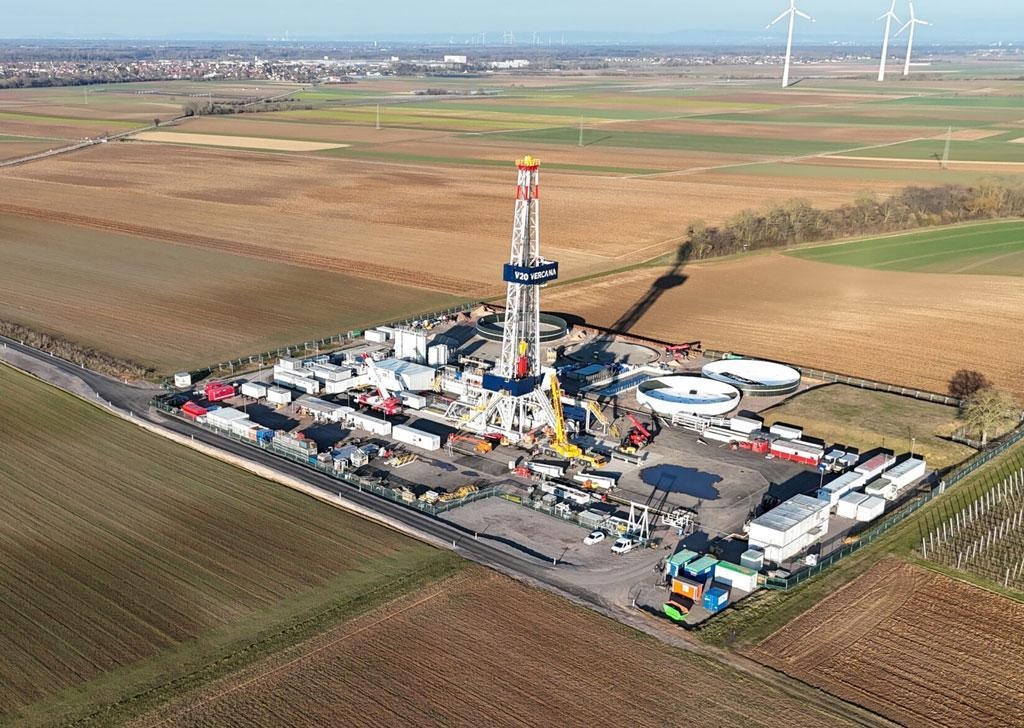
3 ASX Energy Stocks Benefiting from Rising Oil Prices

Why Rising Oil Prices Support Energy Stocks

Oil prices remain one of the most influential drivers of global energy markets because they directly impact profitability across exploration, production, and energy infrastructure companies. When oil prices rise, energy businesses generally experience stronger revenue growth, improved margins, and higher operational cash flow. This is one of the key reasons investors continue focusing on these oil stocks during periods of supply constraints, geopolitical tensions, and stronger global energy demand.

One of the biggest reasons ASX oil stocks benefit from rising crude prices is operating leverage. Many energy companies maintain relatively fixed operational costs, meaning increases in oil and gas prices can significantly improve profitability. Higher commodity prices also strengthen project economics, allowing companies to expand production, improve balance sheets, and increase shareholder returns.

Global supply conditions are another important factor. Production disruptions, geopolitical instability, and lower global inventories often tighten supply conditions, pushing oil prices higher. At the same time, long-term energy demand from transportation, manufacturing, and industrial activity continues supporting market fundamentals. This combination continues strengthening investor interest in ASX oil stocks.

Another major driver is energy security. Governments worldwide are increasingly prioritizing domestic energy production and supply reliability following global energy disruptions in recent years. This environment continues supporting investment across oil and gas infrastructure, LNG production, and exploration projects.

What Defines Strong Oil Stocks

Strong ASX oil stocks generally combine production exposure, operational efficiency, scalable reserves, and leverage to rising energy prices. Companies with diversified production assets and lower operational costs are often better positioned because higher commodity prices translate more directly into stronger profit margins.

LNG exposure also matters significantly because global demand for natural gas continues increasing as countries seek reliable energy alternatives. Export infrastructure and production scalability further strengthen long-term competitiveness within energy markets.

  • Rising oil prices improve revenue and profitability 
  • Energy security supports long-term demand growth 
  • LNG and production exposure strengthen sector momentum 

Top 3 ASX Energy Stocks Benefiting from Rising Oil Prices

Santos Ltd (ASX: STO)

Santos operates across oil and gas production, LNG infrastructure, and energy export markets. Rising oil and gas prices generally improve cash flow generation and project economics for large-scale energy producers. Among ASX oil stocks, STO benefits from diversified energy exposure and long-term LNG demand growth.

Global LNG demand remains strong as countries continue focusing on energy security and supply diversification. Santos’ large operational base and export infrastructure strengthen its positioning within global energy markets.

Key Insight: LNG exposure and diversified production support strong cash flow leverage.

Karoon Energy Ltd (ASX: KAR)

Karoon Energy benefits from direct exposure to offshore oil production and commodity price movements. Companies with strong operational leverage often experience significant earnings momentum during rising oil price cycles. Among ASX oil stocks, KAR attracts investor interest because improving crude prices can rapidly strengthen profitability and operational cash flow.

Offshore production assets also provide exposure to long-term energy demand and global supply dynamics, which remain important drivers of oil market pricing.

Key Insight: Offshore oil production provides strong leverage to rising crude prices.

Beach Energy Ltd (ASX: BPT)

Beach Energy operates across oil and gas production with exposure to domestic energy markets and LNG-linked demand trends. Rising oil and gas prices generally improve operational margins and strengthen production economics for energy companies. Among ASX oil stocks, BPT benefits from increasing demand for reliable domestic and export energy supply.

Natural gas remains strategically important within global energy markets because it is viewed as a transitional fuel supporting energy stability during renewable infrastructure expansion.

Key Insight: Gas and oil exposure support long-term energy market relevance.

How These Stocks Differ

These ASX oil stocks differ mainly based on operational focus and production exposure. STO provides diversified LNG and energy infrastructure exposure, KAR focuses more heavily on offshore oil production leverage, while BPT combines domestic gas and oil operations. This diversification allows investors to gain exposure across multiple segments of the energy industry.

Another important difference is volatility profile. Larger diversified producers such as STO may provide relatively stronger operational stability, while smaller production-focused businesses like KAR can experience stronger earnings leverage during oil rallies. Investors therefore gain exposure to varying risk-reward opportunities across ASX oil stocks.

What Is Driving Oil Sector Momentum

Momentum in ASX oil stocks is currently being driven by rising global energy demand, geopolitical tensions, supply disruptions, and LNG market strength. Industrial growth, transportation demand, and energy security concerns continue supporting commodity pricing globally.

Production discipline from major oil-exporting nations has additionally tightened supply conditions, strengthening crude oil prices and improving profitability across the energy sector. LNG demand also remains elevated as countries diversify energy sources and secure long-term supply contracts.

Investor participation has increased because energy companies often generate strong free cash flow during high commodity price environments, improving dividends, buybacks, and balance sheet strength.

Risk Considerations

Despite strong sector momentum, ASX oil stocks remain sensitive to commodity price volatility, geopolitical developments, regulatory changes, and global economic conditions. Sharp declines in oil prices can rapidly weaken profitability and investor sentiment across the energy sector.

Environmental policies and energy transition trends also remain important long-term considerations for oil and gas companies. Smaller producers may additionally face operational and funding risks during weaker commodity cycles.


Disclaimer:

General Financial Product Advice and Regulatory Framework: Pristine Gaze Pty Ltd (ABN 66 680 815 678, ACN 680 815 678) operates as Corporate Authorised Representative (CAR No. 001312049) of Alpha Securities Pty Ltd (AFSL 330757), which is licensed and regulated by the Australian Securities and Investments Commission under the Corporations Act 2001 (Cth). This report contains general financial product advice only and has been prepared without consideration of your personal objectives, financial situation, specific needs, circumstances, or investment experience. The information is not tailored to individual circumstances and may not be suitable for your particular situation. Before acting on any information contained herein, you should carefully consider its appropriateness having regard to your personal objectives, financial situation, and needs, and consider seeking personal financial advice from a qualified financial adviser who can assess your individual circumstances and provide tailored recommendations.

Investment Risks and Market Warnings: All investments carry significant risk, and different investment strategies may carry varying levels of risk exposure including total loss of invested capital. The value of investments and income derived from them can fluctuate significantly due to market conditions, economic factors, company-specific events, regulatory changes, commodity price volatility, currency fluctuations, interest rate movements, and other factors beyond our control. Securities markets are subject to market risk from general economic conditions and investor sentiment, liquidity risk affecting the ability to buy or sell securities at desired prices, credit risk from issuer default or deterioration, operational risk from inadequate internal processes, sector-specific risks including industry regulatory changes, technology obsolescence, management changes, competitive pressures, supply chain disruptions, and mining-specific risks including resource estimation uncertainty, operational hazards, environmental compliance, permitting delays, commodity price cycles, geopolitical factors affecting mining operations, and exploration risks. Small-cap and speculative mining stocks carry additional risks including limited liquidity, higher volatility, dependence on key personnel, limited operating history, uncertain cash flows, and potential failure to achieve commercial production.

Information Accuracy and Limitations: While we endeavour to ensure information accuracy and reliability, we make no representations or warranties (express or implied) regarding the accuracy, reliability, completeness, timeliness, or suitability of information provided, except where liability cannot be excluded under applicable law. This report may include information from third-party sources including company announcements, regulatory filings, research reports, market data providers, financial news services, and publicly available information, which we do not independently verify and for which we assume no responsibility. Past performance, examples, historical data, or projections are not indicative of future results, and no guarantee of future returns is provided or implied. To the maximum extent permitted by law, Pristine Gaze Pty Ltd and Alpha Securities Pty Ltd, together with their respective directors, officers, employees, representatives, and related entities, exclude all liability for any errors, omissions, inaccuracies, loss or damage (including direct, indirect, consequential, or special damages) arising from reliance on information provided, investment decisions made based on this report, market losses, opportunity costs, and technical issues or system failures.
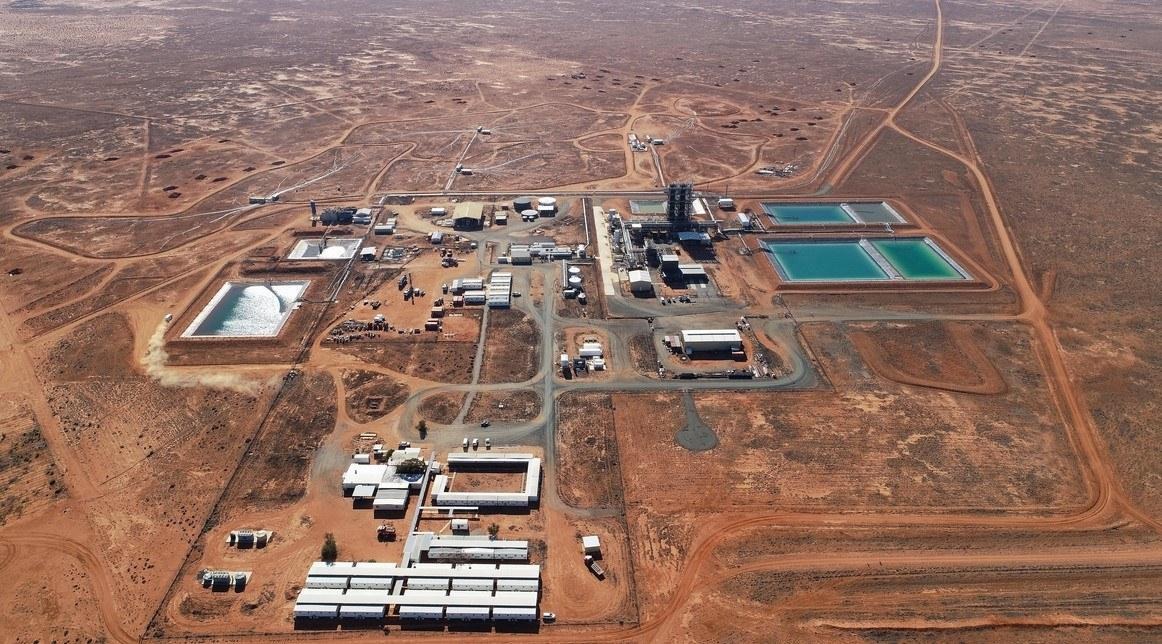
Top 4 ASX Sectors That Could Outperform in the Second Half of 2026

Why Sector Rotation Will Matter in the Second Half of 2026

Sector performance is expected to become one of the biggest drivers of market returns in the second half of 2026 as investors reposition portfolios around interest rates, inflation trends, commodity demand, and economic growth expectations. Different industries react differently to changing economic conditions, which is why investors closely monitor the ASX sector outlook to identify where earnings momentum and capital flows may strengthen.

One of the key reasons sector rotation is becoming increasingly important is the possibility of lower interest rates and improving liquidity conditions globally. Growth-focused industries such as technology often perform strongly when borrowing costs decline because future earnings become more valuable. At the same time, sectors linked to commodities and infrastructure continue benefiting from energy transition investment and global industrial demand.

Another important factor shaping the ASX sector outlook is structural long-term growth. Artificial intelligence, cloud computing, healthcare innovation, renewable energy infrastructure, and critical mineral demand continue attracting large-scale institutional investment. Investors are increasingly focusing on industries capable of delivering stable long-term earnings growth rather than relying only on short-term market momentum.

Geopolitical tensions and supply chain diversification are also influencing sector performance. Governments worldwide continue increasing spending on infrastructure, energy security, healthcare systems, and strategic minerals, creating opportunities across multiple Australian industries. This environment is expected to support strong performance in sectors linked to technology, energy, healthcare, and mining.

What Defines Outperforming Sectors

Strong sectors within the ASX sector outlook generally combine earnings growth, structural demand, institutional participation, and resilience to economic volatility. Industries benefiting from long-term investment trends and recurring demand often outperform because investor confidence remains stronger over extended periods.

Operational scalability and pricing power are also important. Companies capable of maintaining margins and expanding revenue despite changing economic conditions generally attract stronger market participation. Another key factor is global relevance, as sectors exposed to worldwide growth themes often experience stronger capital inflows.

  • Exposure to long-term structural growth trends 
  • Strong earnings and operational momentum 
  • Institutional participation and global demand support 

Technology Sector

Technology is expected to remain one of the strongest-performing industries because of rising demand for artificial intelligence, cybersecurity, cloud computing, and digital infrastructure. Businesses operating in enterprise software, online marketplaces, automation, and digital services continue benefiting from global digital transformation trends. Within the ASX sector outlook, technology remains highly attractive because scalable business models often generate strong earnings growth and recurring revenue.

Falling interest rates may additionally strengthen technology valuations because future earnings become more attractive in lower-rate environments. AI spending and cloud infrastructure investment are also accelerating globally, supporting long-term growth opportunities across the sector.

Key Insight: AI adoption and digital transformation continue supporting technology sector momentum.

Energy Sector

The energy sector continues benefiting from strong global oil and gas demand, energy security concerns, and supply constraints across commodity markets. LNG infrastructure and oil production companies remain strategically important as countries continue securing reliable energy supply. Within the ASX sector outlook, energy stocks continue attracting investor attention because higher commodity prices can rapidly improve profitability and free cash flow generation.

Energy demand from industrial activity, transportation, and manufacturing remains resilient globally. At the same time, geopolitical instability continues supporting higher commodity price volatility and stronger energy sector margins.

Key Insight: Energy security and commodity pricing continue supporting sector strength.

Healthcare Sector

Healthcare remains one of the most defensive and stable industries within the ASX sector outlook because demand for medical services and healthcare technology continues growing regardless of broader economic conditions. Aging populations, healthcare innovation, and rising global medical spending continue supporting long-term earnings growth across healthcare sectors.

Medical technology, biotechnology, diagnostics, and healthcare software businesses are expected to remain key growth areas. Investors also favor healthcare companies because they often provide stable earnings visibility during uncertain economic environments.

Key Insight: Defensive healthcare demand supports stable long-term sector growth.

Mining Sector

Mining remains one of Australia’s most important industries because of the country’s strong exposure to global commodity demand. Lithium, copper, nickel, uranium, and rare earth companies continue benefiting from electrification, renewable energy infrastructure, and industrial development trends. Within the ASX sector outlook, mining remains highly important because commodity cycles strongly influence broader market earnings and investor sentiment.

Critical minerals linked to EV production and battery technology continue attracting strong global investment. Infrastructure spending and supply chain diversification are additionally supporting long-term demand for Australian mining companies.

Key Insight: Critical mineral demand and industrial growth support mining sector momentum.

How These Sectors Differ

These sectors differ primarily based on growth drivers and economic sensitivity. Technology is driven by innovation and digital transformation, energy benefits from commodity pricing and supply constraints, healthcare provides defensive recurring demand, while mining depends heavily on industrial activity and commodity cycles.

Another important difference is volatility profile. Technology and mining sectors may experience stronger momentum and valuation swings, while healthcare and infrastructure-related energy businesses generally provide relatively more stable earnings visibility. Investors therefore gain exposure to varying risk-reward opportunities across the ASX sector outlook.

What Could Drive Sector Leadership in Late 2026

Sector leadership during the second half of 2026 is likely to be influenced by interest rate policy, global economic activity, commodity pricing, and institutional capital flows. Lower interest rates may strengthen technology and growth sectors, while commodity demand and infrastructure spending could continue supporting mining and energy industries.

Artificial intelligence, healthcare innovation, and electrification remain some of the strongest long-term structural themes influencing investor positioning. Governments worldwide continue increasing investment into infrastructure, renewable energy systems, and advanced technology, creating strong tailwinds for these sectors.

Institutional investors are also likely to continue rotating capital toward industries with stable earnings growth and long-term expansion opportunities, strengthening broader market momentum.

Risk Considerations

Despite strong opportunities, every sector within the ASX sector outlook carries unique risks. Technology businesses face competition and valuation pressure, energy companies remain sensitive to commodity price volatility, healthcare firms face regulatory and research risks, while mining businesses depend heavily on global demand conditions and commodity cycles.


Disclaimer:

General Financial Product Advice and Regulatory Framework: Pristine Gaze Pty Ltd (ABN 66 680 815 678, ACN 680 815 678) operates as Corporate Authorised Representative (CAR No. 001312049) of Alpha Securities Pty Ltd (AFSL 330757), which is licensed and regulated by the Australian Securities and Investments Commission under the Corporations Act 2001 (Cth). This report contains general financial product advice only and has been prepared without consideration of your personal objectives, financial situation, specific needs, circumstances, or investment experience. The information is not tailored to individual circumstances and may not be suitable for your particular situation. Before acting on any information contained herein, you should carefully consider its appropriateness having regard to your personal objectives, financial situation, and needs, and consider seeking personal financial advice from a qualified financial adviser who can assess your individual circumstances and provide tailored recommendations.

Investment Risks and Market Warnings: All investments carry significant risk, and different investment strategies may carry varying levels of risk exposure including total loss of invested capital. The value of investments and income derived from them can fluctuate significantly due to market conditions, economic factors, company-specific events, regulatory changes, commodity price volatility, currency fluctuations, interest rate movements, and other factors beyond our control. Securities markets are subject to market risk from general economic conditions and investor sentiment, liquidity risk affecting the ability to buy or sell securities at desired prices, credit risk from issuer default or deterioration, operational risk from inadequate internal processes, sector-specific risks including industry regulatory changes, technology obsolescence, management changes, competitive pressures, supply chain disruptions, and mining-specific risks including resource estimation uncertainty, operational hazards, environmental compliance, permitting delays, commodity price cycles, geopolitical factors affecting mining operations, and exploration risks. Small-cap and speculative mining stocks carry additional risks including limited liquidity, higher volatility, dependence on key personnel, limited operating history, uncertain cash flows, and potential failure to achieve commercial production.

Information Accuracy and Limitations: While we endeavour to ensure information accuracy and reliability, we make no representations or warranties (express or implied) regarding the accuracy, reliability, completeness, timeliness, or suitability of information provided, except where liability cannot be excluded under applicable law. This report may include information from third-party sources including company announcements, regulatory filings, research reports, market data providers, financial news services, and publicly available information, which we do not independently verify and for which we assume no responsibility. Past performance, examples, historical data, or projections are not indicative of future results, and no guarantee of future returns is provided or implied. To the maximum extent permitted by law, Pristine Gaze Pty Ltd and Alpha Securities Pty Ltd, together with their respective directors, officers, employees, representatives, and related entities, exclude all liability for any errors, omissions, inaccuracies, loss or damage (including direct, indirect, consequential, or special damages) arising from reliance on information provided, investment decisions made based on this report, market losses, opportunity costs, and technical issues or system failures.
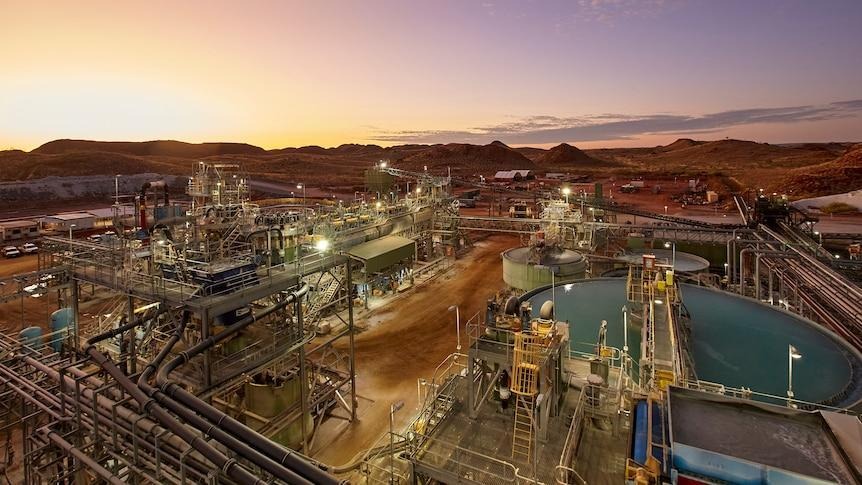
Best 5 ASX Stocks for Investors Seeking Stable Cash Flow

Why Stable Cash Flow Matters for Investors

Stable cash flow is one of the most important factors investors consider when evaluating long-term investment opportunities because it reflects a company’s ability to consistently generate revenue and sustain operations across different market conditions. Businesses with predictable cash flow are generally viewed as more resilient during economic uncertainty because they can continue funding expansion, paying dividends, reducing debt, and maintaining operational stability even during weaker market cycles. This is why these cash flow stocks continue attracting strong investor interest.

One of the biggest advantages of ASX cash flow stocks is earnings predictability. Companies operating within infrastructure, utilities, property, and diversified retail sectors often generate recurring revenue through long-term contracts, essential services, or stable consumer demand. This reduces earnings volatility and improves investor confidence over time.

Stable cash flow is also important because it supports shareholder returns. Businesses generating strong and consistent operating cash flow are generally better positioned to maintain dividends, invest into future growth, and strengthen balance sheets. During uncertain economic environments, investors often prioritize companies with reliable revenue streams and defensive operational characteristics.

Another major reason investors favor ASX cash flow stocks is reduced dependence on speculative growth assumptions. While high-growth businesses may rely heavily on future expansion expectations, cash flow-focused companies are often valued based on existing operational strength and recurring profitability. This creates a more defensive investment profile during volatile market conditions.

What Defines Strong Cash Flow Stocks

Strong ASX cash flow stocks generally combine recurring revenue, operational resilience, pricing power, and stable demand. Infrastructure and utility businesses often perform particularly well because they provide essential services supported by long-term agreements and predictable customer usage.

Property-related businesses can also generate stable cash flow through rental income and long-term lease structures. Retail and diversified conglomerates with strong market positioning may additionally benefit from consistent consumer spending and diversified revenue streams.

Balance sheet quality is another important factor. Companies capable of generating strong free cash flow while maintaining manageable debt levels are often viewed more favorably because they have greater financial flexibility during changing economic conditions.

  • Recurring revenue and stable operational demand 
  • Strong free cash flow generation capability 
  • Defensive business models and earnings resilience 

Best 5 ASX Stocks for Investors Seeking Stable Cash Flow

Transurban Group (ASX: TCL)

Transurban operates major toll road infrastructure assets that generate highly predictable recurring revenue from transportation usage. Infrastructure companies often attract investors seeking defensive exposure because demand for transport networks remains relatively stable regardless of broader economic conditions. Among ASX cash flow stocks, TCL stands out because of its long-term concession agreements and inflation-linked revenue structures.

Toll road infrastructure additionally benefits from urban population growth and increasing transportation demand over time. This creates stable long-term operational cash flow and earnings visibility.

Key Insight: Long-term infrastructure assets support highly predictable recurring cash flow.

APA Group (ASX: APA)

APA Group operates energy infrastructure and gas pipeline assets across Australia, generating stable revenue through long-term contracts and utility-related demand. Utility infrastructure businesses often provide strong cash flow consistency because energy distribution remains essential across economic cycles. Among ASX cash flow stocks, APA benefits from defensive infrastructure exposure and predictable operational revenue.

The company’s extensive energy infrastructure network supports stable earnings generation while also benefiting from ongoing domestic energy demand growth.

Key Insight: Utility infrastructure creates stable and defensive revenue generation.

BWP Trust (ASX: BWP)

BWP Trust operates within the property investment sector and generates recurring rental income through long-term commercial property leases. Property trusts focused on stable tenants are often viewed favorably by investors seeking consistent income and operational stability. Among ASX cash flow stocks, BWP benefits from predictable lease revenue and defensive real estate exposure.

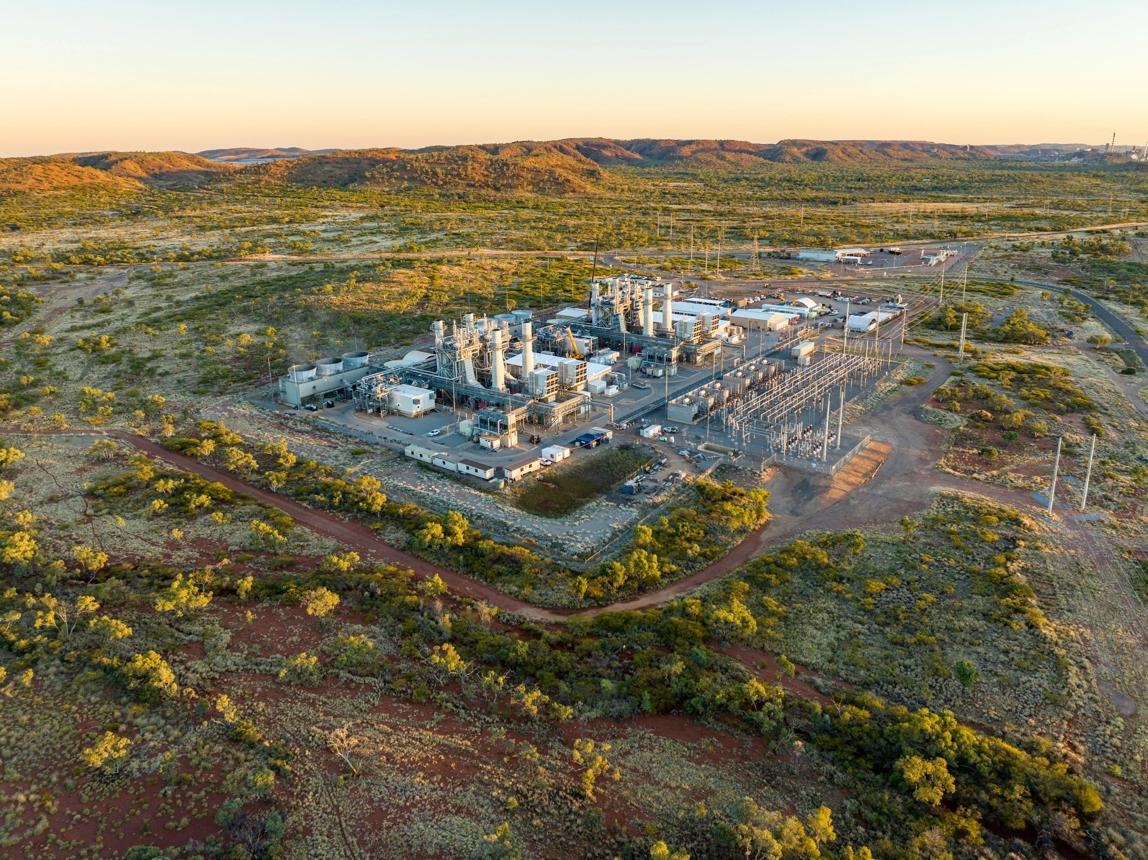
Long-term lease agreements and high-quality property assets continue supporting recurring cash flow visibility even during uncertain economic conditions.

Key Insight: Stable lease income supports reliable long-term cash flow generation.

GPT Group (ASX: GPT)

GPT Group operates diversified retail, office, and logistics property assets, generating recurring rental income across multiple real estate segments. Diversified property exposure often strengthens operational resilience because revenue is supported by multiple tenant categories and commercial industries. Among ASX cash flow stocks, GPT benefits from strong property infrastructure and recurring rental streams.

Logistics and infrastructure-related property demand additionally continue supporting long-term asset relevance and operational stability.

Key Insight: Diversified property exposure strengthens recurring rental cash flow.

Wesfarmers Ltd (ASX: WES)

Wesfarmers operates a diversified portfolio of retail and industrial businesses, including exposure to home improvement, consumer retail, and industrial operations. Diversified conglomerates often provide stable earnings because revenue is generated across multiple industries simultaneously. Among ASX cash flow stocks, WES benefits from operational diversification and strong consumer market positioning.

Essential retail businesses such as home improvement and consumer goods continue generating relatively stable demand even during changing economic conditions, supporting consistent cash flow generation.

Key Insight: Diversified operations support resilient long-term earnings stability.

How These Stocks Differ

These ASX cash flow stocks differ primarily based on industry exposure and revenue drivers. TCL and APA focus on infrastructure and utilities, BWP and GPT generate recurring property rental income, while WES benefits from diversified retail and industrial operations. This diversification allows investors to build balanced portfolios with exposure across multiple defensive industries.

Another important difference is sensitivity to economic conditions. Infrastructure and utility businesses generally provide stronger earnings stability, while retail-related businesses such as WES may respond more directly to consumer activity trends. Property companies additionally depend on occupancy levels and long-term tenant demand.

What Is Driving Demand for Cash Flow Stocks

Demand for ASX cash flow stocks is currently being driven by economic uncertainty, market volatility, and investor preference for defensive earnings visibility. Investors increasingly favor businesses capable of maintaining stable operational performance regardless of short-term economic fluctuations.

Infrastructure, utilities, and property-related sectors continue attracting strong participation because they provide recurring revenue and long-term contract stability. Companies with reliable cash flow are also often better positioned to sustain dividends and shareholder returns during uncertain market conditions.

Another important driver is portfolio stability. Investors seeking lower volatility and more predictable long-term returns often prioritize businesses with stable operating cash flow rather than relying solely on speculative growth opportunities.

Risk Considerations

Despite their defensive characteristics, ASX cash flow stocks still face sector-specific risks. Infrastructure and utility businesses may be affected by regulatory changes, financing costs, and interest rate movements. Property-related businesses remain sensitive to occupancy conditions, asset valuations, and tenant demand trends.

Retail-focused companies such as WES additionally face consumer spending and competitive pressures. Economic slowdowns, rising operational costs, or weaker demand conditions could impact future earnings growth and cash flow stability.


Disclaimer:

General Financial Product Advice and Regulatory Framework: Pristine Gaze Pty Ltd (ABN 66 680 815 678, ACN 680 815 678) operates as Corporate Authorised Representative (CAR No. 001312049) of Alpha Securities Pty Ltd (AFSL 330757), which is licensed and regulated by the Australian Securities and Investments Commission under the Corporations Act 2001 (Cth). This report contains general financial product advice only and has been prepared without consideration of your personal objectives, financial situation, specific needs, circumstances, or investment experience. The information is not tailored to individual circumstances and may not be suitable for your particular situation. Before acting on any information contained herein, you should carefully consider its appropriateness having regard to your personal objectives, financial situation, and needs, and consider seeking personal financial advice from a qualified financial adviser who can assess your individual circumstances and provide tailored recommendations.

Investment Risks and Market Warnings: All investments carry significant risk, and different investment strategies may carry varying levels of risk exposure including total loss of invested capital. The value of investments and income derived from them can fluctuate significantly due to market conditions, economic factors, company-specific events, regulatory changes, commodity price volatility, currency fluctuations, interest rate movements, and other factors beyond our control. Securities markets are subject to market risk from general economic conditions and investor sentiment, liquidity risk affecting the ability to buy or sell securities at desired prices, credit risk from issuer default or deterioration, operational risk from inadequate internal processes, sector-specific risks including industry regulatory changes, technology obsolescence, management changes, competitive pressures, supply chain disruptions, and mining-specific risks including resource estimation uncertainty, operational hazards, environmental compliance, permitting delays, commodity price cycles, geopolitical factors affecting mining operations, and exploration risks. Small-cap and speculative mining stocks carry additional risks including limited liquidity, higher volatility, dependence on key personnel, limited operating history, uncertain cash flows, and potential failure to achieve commercial production.

Information Accuracy and Limitations: While we endeavour to ensure information accuracy and reliability, we make no representations or warranties (express or implied) regarding the accuracy, reliability, completeness, timeliness, or suitability of information provided, except where liability cannot be excluded under applicable law. This report may include information from third-party sources including company announcements, regulatory filings, research reports, market data providers, financial news services, and publicly available information, which we do not independently verify and for which we assume no responsibility. Past performance, examples, historical data, or projections are not indicative of future results, and no guarantee of future returns is provided or implied. To the maximum extent permitted by law, Pristine Gaze Pty Ltd and Alpha Securities Pty Ltd, together with their respective directors, officers, employees, representatives, and related entities, exclude all liability for any errors, omissions, inaccuracies, loss or damage (including direct, indirect, consequential, or special damages) arising from reliance on information provided, investment decisions made based on this report, market losses, opportunity costs, and technical issues or system failures.