Top 4 ASX Dividend Stocks with Consistent Growth

Why Dividend Growth Matters

Dividend growth investing focuses on companies that can consistently increase payouts over time, rather than simply offering high yields. These companies typically demonstrate strong earnings growth, disciplined capital allocation, and resilient business models. On the ASX Dividend stocks are particularly valuable as they combine income generation with capital appreciation, making them suitable for long-term wealth creation.

What Defines Consistent Dividend Growth

Consistent dividend growth is driven by stable earnings, strong free cash flow, and a balanced payout ratio. Companies that operate in industries with predictable demand are more likely to sustain and grow dividends over time. A long track record of increasing payouts signals financial strength and management discipline, making such companies attractive to income-focused investors.

Top 4 ASX Dividend Growth Stocks For Next Week

Coles Group Ltd
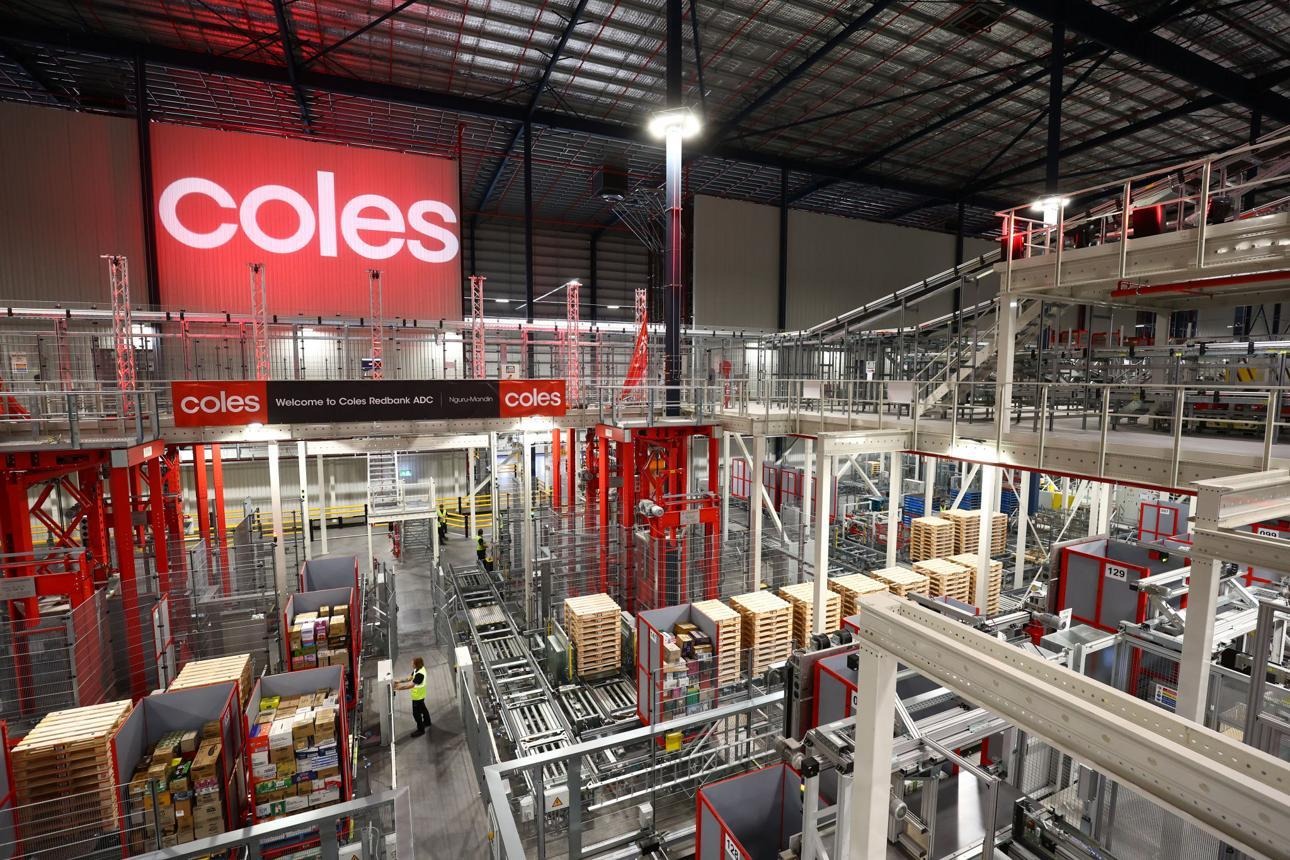
Coles operates in the supermarket sector, providing essential goods that generate consistent demand regardless of economic conditions. Its stable revenue base supports regular dividend payments, with gradual growth over time. The defensive nature of its business ensures reliable cash flow and steady returns to shareholders.
Key Insight: Coles is a defensive dividend stock with stable and predictable growth.

Macquarie Group Ltd

Macquarie Group is a global financial services company known for its strong earnings growth and diversified operations. Its ability to generate income across multiple asset classes supports consistent dividend increases. The company’s global presence and investment expertise provide long-term growth potential.
Key Insight: Macquarie is a growth-oriented financial stock with consistent dividend expansion.

Origin Energy Ltd
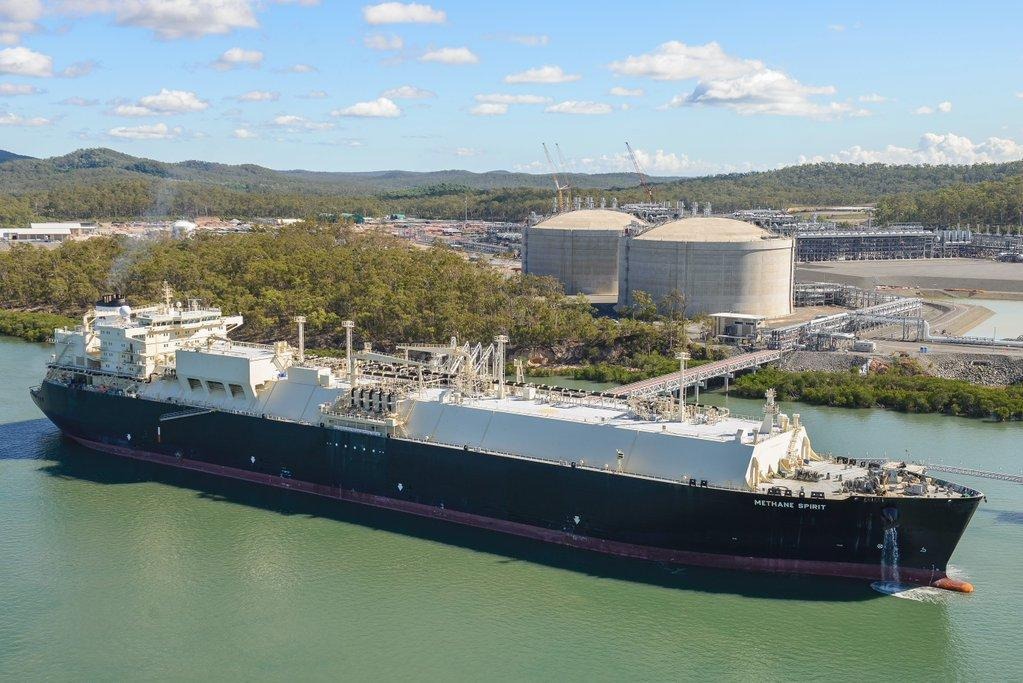
Origin Energy combines energy generation with LNG exposure, providing diversified revenue streams. Its strong cash flow supports regular dividend payments, while strategic investments in energy infrastructure contribute to long-term growth. Dividend growth is supported by both operational stability and energy demand.
Key Insight: Origin is a balanced energy stock with growing dividend potential.

Suncorp Group Ltd

Suncorp operates in the insurance and financial services sector, generating stable income through premiums and financial products. Its consistent earnings profile supports steady dividend growth, while ongoing business optimization enhances profitability. The company’s focus on efficiency and capital management strengthens its ability to return capital to shareholders.
Key Insight: Suncorp is a stable financial stock with consistent dividend growth driven by insurance earnings.

How These Stocks Differ

ASX Dividend Stocks represent different sectors, providing diversified exposure to dividend growth. Coles offers defensive consumer stability, Macquarie provides global financial growth, Origin delivers energy sector exposure, and Suncorp represents insurance-based income. This diversification allows investors to balance risk while maintaining consistent dividend growth across industries.

What Is Driving Dividend Growth

ASX Dividend Stocks is driven by earnings expansion, operational efficiency, and strong cash flow generation. Companies that can maintain margins while growing revenue are more likely to increase payouts over time. Economic stability, industry demand, and disciplined capital allocation further support long-term dividend growth.

Risk Considerations

Dividend growth stocks are relatively stable but still face risks such as earnings slowdowns, sector-specific challenges, and macroeconomic changes. Interest rate fluctuations can also impact investor preference for dividend-paying stocks. Evaluating both growth potential and financial strength is essential for long-term success in this segment.


Disclaimer:

General Financial Product Advice and Regulatory Framework: Pristine Gaze Pty Ltd (ABN 66 680 815 678, ACN 680 815 678) operates as Corporate Authorised Representative (CAR No. 001312049) of Alpha Securities Pty Ltd (AFSL 330757), which is licensed and regulated by the Australian Securities and Investments Commission under the Corporations Act 2001 (Cth). This report contains general financial product advice only and has been prepared without consideration of your personal objectives, financial situation, specific needs, circumstances, or investment experience. The information is not tailored to individual circumstances and may not be suitable for your particular situation. Before acting on any information contained herein, you should carefully consider its appropriateness having regard to your personal objectives, financial situation, and needs, and consider seeking personal financial advice from a qualified financial adviser who can assess your individual circumstances and provide tailored recommendations.

Investment Risks and Market Warnings: All investments carry significant risk, and different investment strategies may carry varying levels of risk exposure including total loss of invested capital. The value of investments and income derived from them can fluctuate significantly due to market conditions, economic factors, company-specific events, regulatory changes, commodity price volatility, currency fluctuations, interest rate movements, and other factors beyond our control. Securities markets are subject to market risk from general economic conditions and investor sentiment, liquidity risk affecting the ability to buy or sell securities at desired prices, credit risk from issuer default or deterioration, operational risk from inadequate internal processes, sector-specific risks including industry regulatory changes, technology obsolescence, management changes, competitive pressures, supply chain disruptions, and mining-specific risks including resource estimation uncertainty, operational hazards, environmental compliance, permitting delays, commodity price cycles, geopolitical factors affecting mining operations, and exploration risks. Small-cap and speculative mining stocks carry additional risks including limited liquidity, higher volatility, dependence on key personnel, limited operating history, uncertain cash flows, and potential failure to achieve commercial production.

Information Accuracy and Limitations: While we endeavour to ensure information accuracy and reliability, we make no representations or warranties (express or implied) regarding the accuracy, reliability, completeness, timeliness, or suitability of information provided, except where liability cannot be excluded under applicable law. This report may include information from third-party sources including company announcements, regulatory filings, research reports, market data providers, financial news services, and publicly available information, which we do not independently verify and for which we assume no responsibility. Past performance, examples, historical data, or projections are not indicative of future results, and no guarantee of future returns is provided or implied. To the maximum extent permitted by law, Pristine Gaze Pty Ltd and Alpha Securities Pty Ltd, together with their respective directors, officers, employees, representatives, and related entities, exclude all liability for any errors, omissions, inaccuracies, loss or damage (including direct, indirect, consequential, or special damages) arising from reliance on information provided, investment decisions made based on this report, market losses, opportunity costs, and technical issues or system failures.
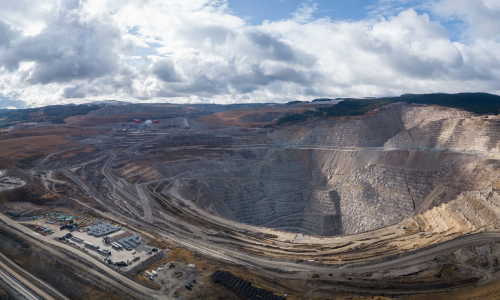

Top 4 ASX Mining Stocks Benefiting from Strong Commodities Prices

Commodity Strength Driving Mining Stocks

Global commodity markets have entered a strong phase driven by supply constraints, infrastructure demand, and energy transition trends. Metals such as copper, coal, lithium, and base metals are experiencing sustained demand, which directly benefits mining companies. When commodity prices rise, mining companies with efficient operations and strong production capacity experience significant margin expansion. This creates a favorable environment for ASX mining stocks, particularly those with diversified exposure and scalable operations.

What Makes a Mining Stock Benefit from Commodity Prices

Mining companies benefit from commodity price increases when they operate at low cost and have strong production volumes. Higher prices directly translate into higher margins, provided costs remain controlled. Companies with diversified portfolios or exposure to multiple commodities are better positioned to capture broad-based demand.

  • Low production cost (higher margins) 
  • High volume output 
  • Exposure to strong commodities 

Top 4 ASX Mining Stocks

South32 Ltd

South32 offers diversified exposure to multiple commodities, including aluminium, manganese, and base metals. This diversification allows it to benefit from broad commodity strength rather than relying on a single resource.
Key Insight: South32 is a diversified miner benefiting from multiple commodity cycles.

Mineral Resources Ltd

Mineral Resources operates across lithium and iron ore, combining mining with infrastructure and logistics capabilities. Its integrated model enhances margins during strong commodity cycles.
Key Insight: MIN is an integrated mining company with strong leverage to commodity prices.

Evolution Mining Ltd

Evolution Mining benefits from rising gold prices, with its low-cost operations allowing strong margin expansion. Gold’s role as a hedge during uncertainty further supports its performance.
Key Insight: EVN is a gold miner benefiting from both price strength and cost efficiency.

Whitehaven Coal Ltd

Whitehaven Coal is highly leveraged to coal prices, which have remained strong due to energy demand. Its production scale and export exposure allow it to generate significant cash flow during upcycles.
Key Insight: WHC is a high-leverage coal stock benefiting from strong energy demand.

How These Stocks Differ

These ASX Mining Stocks differ based on commodity exposure and operational structure. South32 provides diversified exposure, Mineral Resources combines mining with infrastructure, Evolution Mining focuses on gold, and Whitehaven Coal is tied to energy demand. This creates a mix of cyclical and defensive exposure within the mining sector, allowing investors to benefit from different commodity trends simultaneously.

Risk Considerations

ASX Mining stocks are highly sensitive to commodity price fluctuations, which can impact profitability and valuations. Operational risks, including cost inflation and production disruptions, can also affect performance. Additionally, regulatory and environmental factors may influence long-term demand for certain commodities, particularly coal.

Disclaimer:

General Financial Product Advice and Regulatory Framework: Pristine Gaze Pty Ltd (ABN 66 680 815 678, ACN 680 815 678) operates as Corporate Authorised Representative (CAR No. 001312049) of Alpha Securities Pty Ltd (AFSL 330757), which is licensed and regulated by the Australian Securities and Investments Commission under the Corporations Act 2001 (Cth). This report contains general financial product advice only and has been prepared without consideration of your personal objectives, financial situation, specific needs, circumstances, or investment experience. The information is not tailored to individual circumstances and may not be suitable for your particular situation. Before acting on any information contained herein, you should carefully consider its appropriateness having regard to your personal objectives, financial situation, and needs, and consider seeking personal financial advice from a qualified financial adviser who can assess your individual circumstances and provide tailored recommendations.

Investment Risks and Market Warnings: All investments carry significant risk, and different investment strategies may carry varying levels of risk exposure including total loss of invested capital. The value of investments and income derived from them can fluctuate significantly due to market conditions, economic factors, company-specific events, regulatory changes, commodity price volatility, currency fluctuations, interest rate movements, and other factors beyond our control. Securities markets are subject to market risk from general economic conditions and investor sentiment, liquidity risk affecting the ability to buy or sell securities at desired prices, credit risk from issuer default or deterioration, operational risk from inadequate internal processes, sector-specific risks including industry regulatory changes, technology obsolescence, management changes, competitive pressures, supply chain disruptions, and mining-specific risks including resource estimation uncertainty, operational hazards, environmental compliance, permitting delays, commodity price cycles, geopolitical factors affecting mining operations, and exploration risks. Small-cap and speculative mining stocks carry additional risks including limited liquidity, higher volatility, dependence on key personnel, limited operating history, uncertain cash flows, and potential failure to achieve commercial production.

Information Accuracy and Limitations: While we endeavour to ensure information accuracy and reliability, we make no representations or warranties (express or implied) regarding the accuracy, reliability, completeness, timeliness, or suitability of information provided, except where liability cannot be excluded under applicable law. This report may include information from third-party sources including company announcements, regulatory filings, research reports, market data providers, financial news services, and publicly available information, which we do not independently verify and for which we assume no responsibility. Past performance, examples, historical data, or projections are not indicative of future results, and no guarantee of future returns is provided or implied. To the maximum extent permitted by law, Pristine Gaze Pty Ltd and Alpha Securities Pty Ltd, together with their respective directors, officers, employees, representatives, and related entities, exclude all liability for any errors, omissions, inaccuracies, loss or damage (including direct, indirect, consequential, or special damages) arising from reliance on information provided, investment decisions made based on this report, market losses, opportunity costs, and technical issues or system failures.
Top 3 ASX Defence Stocks in a Changing Global Landscape

Defence spending doesn’t follow economic cycles — it follows necessity. And right now, that necessity is rising.

Across the world, governments are increasing defence budgets in response to geopolitical tensions, regional conflicts, and evolving security threats. This is not short-term spending — it’s a structural shift toward long-term defence readiness.

For investors tracking ASX defence stocks, this creates a compelling opportunity. Unlike many sectors, defence companies often operate on long-term contracts backed by government funding, providing revenue visibility and stability.

At the same time, modern warfare is evolving. It’s no longer just about traditional weapons — it’s about technology, surveillance, communication, and autonomous systems.

Right now, three ASX-listed companies are well positioned within this changing landscape.

  • Codan Ltd (ASX: CDA) – The communication backbone. Supplies secure communication equipment globally.
  • Electro Optic Systems (ASX: EOS) – The advanced tech player. Focused on remote weapon systems and space tracking.
  • DroneShield Ltd (ASX: DRO) – The emerging disruptor. Specialises in counter-drone technology.

Each of these companies captures a different segment of modern defence.

Why Defence Stocks Are Gaining Momentum

The defence sector is undergoing a transformation.

Governments are not only increasing spending but also shifting focus toward advanced technologies. This includes areas like surveillance systems, cyber defence, and autonomous platforms.

For ASX defence stocks, this creates long-term growth visibility.

What Makes Defence Stocks Unique

Defence companies operate differently from traditional businesses.

Key characteristics include:

  • Long-term government contracts 
  • High barriers to entry 
  • Stable and predictable revenue 
  • Limited competition in specialised areas 
  • Strong order pipelines 

These factors create a level of stability that is rare in other sectors.

Codan Ltd (ASX: CDA)

Codan is a global leader in communication technology used by defence forces, law enforcement, and emergency services.

Its products are critical for secure communication in remote and high-risk environments. This makes demand relatively stable and less dependent on economic conditions.

The company has built strong relationships with government agencies worldwide.

Key insight: Codan is a steady contract-driven business — reliability is its biggest strength.

Electro Optic Systems Holdings Ltd (ASX: EOS)

EOS operates at the forefront of defence technology.

The company develops remote weapon systems and space tracking capabilities, placing it in a high-growth segment of the defence industry.

Its exposure to advanced systems aligns with the future of warfare.

Key insight: EOS is a technology-driven defence stock — higher growth potential with higher execution risk.

DroneShield Ltd (ASX: DRO)

DroneShield focuses on counter-drone solutions, one of the fastest-growing areas in defence.

With drones becoming increasingly common in both military and civilian contexts, the need to detect and neutralise them is rising rapidly.

The company has been gaining attention through contracts and global demand.

Key insight: DroneShield is a high-growth niche player — benefiting from a rapidly expanding threat category.

How These Stocks Compare

Each of these companies represents a different part of the defence ecosystem.

Codan focuses on communication systems. EOS develops advanced defence technology. DroneShield operates in the counter-drone space.

This creates diversified exposure within ASX defence stocks.

What Is Driving Defence Demand

Defence spending is supported by long-term global trends.

Key drivers include:

  • Rising geopolitical tensions 
  • Increasing defence budgets 
  • Technological advancement in warfare 
  • Growth in autonomous and drone systems 
  • National security priorities 

These are structural drivers, not short-term events.

Why Long-Term Contracts Matter

One of the biggest advantages of defence companies is revenue visibility.

Long-term contracts provide predictable income streams, reducing uncertainty and supporting business planning.

For investors, this translates into:

  • Stable earnings outlook 
  • Strong order backlogs 
  • Reduced volatility 

Changing Nature of Defence Technology

Modern defence is becoming increasingly technology-driven.

Companies that can innovate and adapt to new threats are likely to benefit the most.

This shift is creating opportunities beyond traditional defence manufacturing.

Risk Considerations

Despite strong fundamentals, ASX defence stocks carry risks.

Dependence on government contracts means revenue can be affected by policy changes or budget adjustments.

Execution risk, especially in technology-driven companies, can impact performance.

Geopolitical changes can both support and disrupt the sector.

For investors, balancing growth potential with execution and policy risk is essential.


Disclaimer:

General Financial Product Advice and Regulatory Framework: Pristine Gaze Pty Ltd (ABN 66 680 815 678, ACN 680 815 678) operates as Corporate Authorised Representative (CAR No. 001312049) of Alpha Securities Pty Ltd (AFSL 330757), which is licensed and regulated by the Australian Securities and Investments Commission under the Corporations Act 2001 (Cth). This report contains general financial product advice only and has been prepared without consideration of your personal objectives, financial situation, specific needs, circumstances, or investment experience. The information is not tailored to individual circumstances and may not be suitable for your particular situation. Before acting on any information contained herein, you should carefully consider its appropriateness having regard to your personal objectives, financial situation, and needs, and consider seeking personal financial advice from a qualified financial adviser who can assess your individual circumstances and provide tailored recommendations.

Investment Risks and Market Warnings: All investments carry significant risk, and different investment strategies may carry varying levels of risk exposure including total loss of invested capital. The value of investments and income derived from them can fluctuate significantly due to market conditions, economic factors, company-specific events, regulatory changes, commodity price volatility, currency fluctuations, interest rate movements, and other factors beyond our control. Securities markets are subject to market risk from general economic conditions and investor sentiment, liquidity risk affecting the ability to buy or sell securities at desired prices, credit risk from issuer default or deterioration, operational risk from inadequate internal processes, sector-specific risks including industry regulatory changes, technology obsolescence, management changes, competitive pressures, supply chain disruptions, and mining-specific risks including resource estimation uncertainty, operational hazards, environmental compliance, permitting delays, commodity price cycles, geopolitical factors affecting mining operations, and exploration risks. Small-cap and speculative mining stocks carry additional risks including limited liquidity, higher volatility, dependence on key personnel, limited operating history, uncertain cash flows, and potential failure to achieve commercial production.

Information Accuracy and Limitations: While we endeavour to ensure information accuracy and reliability, we make no representations or warranties (express or implied) regarding the accuracy, reliability, completeness, timeliness, or suitability of information provided, except where liability cannot be excluded under applicable law. This report may include information from third-party sources including company announcements, regulatory filings, research reports, market data providers, financial news services, and publicly available information, which we do not independently verify and for which we assume no responsibility. Past performance, examples, historical data, or projections are not indicative of future results, and no guarantee of future returns is provided or implied. To the maximum extent permitted by law, Pristine Gaze Pty Ltd and Alpha Securities Pty Ltd, together with their respective directors, officers, employees, representatives, and related entities, exclude all liability for any errors, omissions, inaccuracies, loss or damage (including direct, indirect, consequential, or special damages) arising from reliance on information provided, investment decisions made based on this report, market losses, opportunity costs, and technical issues or system failures.
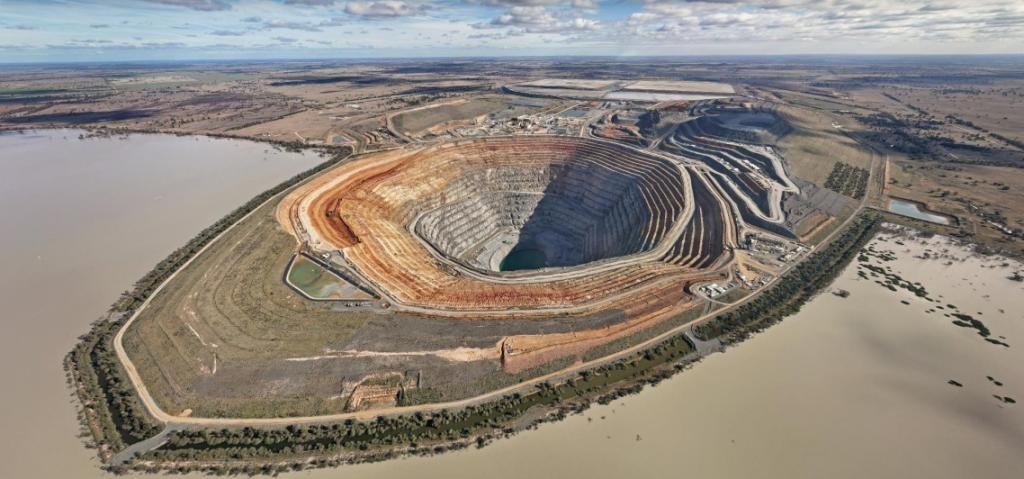
Best 4 ASX Growth Stocks with Strong Earnings Visibility

Growth investing becomes far more powerful when it’s not based on hope — but on visibility.

Anyone can buy a “story stock,” but the real edge comes from identifying companies where future earnings are not just expected, but increasingly predictable. That’s what separates speculative growth from high-quality growth.

For investors tracking ASX growth stocks, this is where the focus shifts — from potential to execution backed by clear demand trends.

Right now, certain ASX-listed companies are showing strong earnings visibility due to structural tailwinds, recurring revenue models, or expanding production capacity.

Among them, four stand out across different sectors.

  • CSL Ltd (ASX: CSL) – The global healthcare leader. Strong demand and consistent earnings expansion.
  • Xero Ltd (ASX: XRO) – The SaaS growth engine. Recurring revenue with global scaling potential.
  • NextDC Ltd (ASX: NXT) – The data infrastructure play. Benefiting from cloud and AI demand.
  • REA Group Ltd (ASX: REA) – The digital platform leader. Dominant position in online property listings.

Each of these companies offers a different type of growth — but all share one key trait: clear earnings visibility.

Why Earnings Visibility Matters

Growth stocks are often valued based on future expectations.

But when those expectations are uncertain, volatility increases. On the other hand, when companies have predictable revenue streams or strong demand visibility, investors gain confidence.

For ASX growth stocks, earnings visibility typically comes from:

  • Recurring revenue models 
  • Long-term demand trends 
  • Market leadership 
  • Strong pricing power 
  • Scalable business models 

These factors reduce uncertainty and support sustained growth.

Growth vs Speculation

Not all growth stocks are equal.

Speculative growth stocks rely heavily on future assumptions. High-quality growth stocks show consistent execution backed by real numbers.

The difference is visibility.

CSL Ltd (ASX: CSL)

CSL is one of Australia’s most successful global companies.

Operating in the biotechnology sector, it benefits from long-term demand for healthcare products, particularly plasma therapies.

Its global presence and strong product portfolio provide consistent revenue growth.

Key insight: CSL is a defensive growth stock — steady expansion backed by essential demand.

Xero Ltd (ASX: XRO)

Xero represents one of the strongest SaaS growth stories on the ASX.

Its subscription-based model generates recurring revenue, providing high visibility into future earnings.

As the company expands globally, growth potential remains significant.

Key insight: Xero is a recurring revenue growth stock — predictable and scalable.

NextDC Ltd (ASX: NXT)

NextDC is positioned at the centre of digital infrastructure growth.

With rising demand for cloud computing and AI, data centre capacity is becoming increasingly valuable.

The company’s long-term contracts and expansion projects provide strong earnings visibility.

Key insight: NextDC is a structural growth play — driven by long-term technology trends.

REA Group Ltd (ASX: REA)

REA Group dominates the online property advertising space in Australia.

Its platform benefits from network effects, where more users attract more listings, creating a strong competitive advantage.

This dominance supports consistent revenue growth.

Key insight: REA is a platform-driven growth stock — strong market position ensures visibility.

How These Stocks Compare

Each of these companies represents a different type of growth.

CSL provides healthcare stability. Xero offers software scalability. NextDC captures infrastructure demand. REA benefits from platform dominance.

Together, they create diversified exposure within ASX growth stocks.

What Is Driving Growth Right Now

Growth is being supported by structural trends.

Key drivers include:

  • Digital transformation 
  • Healthcare demand 
  • Cloud and AI expansion 
  • Platform-based business models 
  • Global scalability 

These are long-term drivers, not short-term cycles.

Why Visibility Attracts Investors

Investors prefer companies where future earnings are easier to estimate.

Higher visibility reduces uncertainty, which often leads to stronger valuations and sustained price trends.

This is why high-quality growth stocks tend to outperform over time.

Risk Considerations

Despite strong potential, ASX growth stocks carry risks.

High valuations can make them sensitive to market corrections. If growth slows, price declines can be sharp.

Interest rate changes can also impact valuations.

Competition and execution risks may affect long-term performance.

For investors, balancing growth potential with valuation discipline is essential.


Disclaimer:

General Financial Product Advice and Regulatory Framework: Pristine Gaze Pty Ltd (ABN 66 680 815 678, ACN 680 815 678) operates as Corporate Authorised Representative (CAR No. 001312049) of Alpha Securities Pty Ltd (AFSL 330757), which is licensed and regulated by the Australian Securities and Investments Commission under the Corporations Act 2001 (Cth). This report contains general financial product advice only and has been prepared without consideration of your personal objectives, financial situation, specific needs, circumstances, or investment experience. The information is not tailored to individual circumstances and may not be suitable for your particular situation. Before acting on any information contained herein, you should carefully consider its appropriateness having regard to your personal objectives, financial situation, and needs, and consider seeking personal financial advice from a qualified financial adviser who can assess your individual circumstances and provide tailored recommendations.

Investment Risks and Market Warnings: All investments carry significant risk, and different investment strategies may carry varying levels of risk exposure including total loss of invested capital. The value of investments and income derived from them can fluctuate significantly due to market conditions, economic factors, company-specific events, regulatory changes, commodity price volatility, currency fluctuations, interest rate movements, and other factors beyond our control. Securities markets are subject to market risk from general economic conditions and investor sentiment, liquidity risk affecting the ability to buy or sell securities at desired prices, credit risk from issuer default or deterioration, operational risk from inadequate internal processes, sector-specific risks including industry regulatory changes, technology obsolescence, management changes, competitive pressures, supply chain disruptions, and mining-specific risks including resource estimation uncertainty, operational hazards, environmental compliance, permitting delays, commodity price cycles, geopolitical factors affecting mining operations, and exploration risks. Small-cap and speculative mining stocks carry additional risks including limited liquidity, higher volatility, dependence on key personnel, limited operating history, uncertain cash flows, and potential failure to achieve commercial production.

Information Accuracy and Limitations: While we endeavour to ensure information accuracy and reliability, we make no representations or warranties (express or implied) regarding the accuracy, reliability, completeness, timeliness, or suitability of information provided, except where liability cannot be excluded under applicable law. This report may include information from third-party sources including company announcements, regulatory filings, research reports, market data providers, financial news services, and publicly available information, which we do not independently verify and for which we assume no responsibility. Past performance, examples, historical data, or projections are not indicative of future results, and no guarantee of future returns is provided or implied. To the maximum extent permitted by law, Pristine Gaze Pty Ltd and Alpha Securities Pty Ltd, together with their respective directors, officers, employees, representatives, and related entities, exclude all liability for any errors, omissions, inaccuracies, loss or damage (including direct, indirect, consequential, or special damages) arising from reliance on information provided, investment decisions made based on this report, market losses, opportunity costs, and technical issues or system failures.

2 ASX Dividend Stocks for Long-Term Income Investors

Long-term investing isn’t always about chasing the highest returns — sometimes it’s about building consistent income that compounds over time.

That’s where dividend investing stands out.

For investors focused on stability, dividend stocks offer something unique — regular cash flow regardless of market conditions. And when held over the long term, these payouts can become a powerful source of passive income.

But here’s the catch — not all dividend stocks are equal.

The real opportunity lies in identifying companies that can sustain and grow their dividends over time, not just offer high yields today.

For those tracking ASX dividend stocks, two companies consistently stand out for long-term income potential.

  • Commonwealth Bank (ASX: CBA) – The income anchor. Strong earnings backing reliable dividends.
  • Transurban Group (ASX: TCL) – The infrastructure income play. Predictable, inflation-linked cash flows.

These two stocks represent different sectors — banking and infrastructure — but share one key trait: consistent income generation.

Why Dividend Investing Works Long-Term

Markets can be unpredictable. Prices go up and down, and timing the perfect entry or exit is nearly impossible.

Dividend investing changes the equation.

Instead of relying only on price appreciation, investors earn returns through cash payouts, which can be reinvested to compound over time.

For ASX dividend stocks, this creates a dual benefit:

The Power of Compounding Dividends

When dividends are reinvested, they start generating returns of their own.

Over time, this creates a compounding effect where income grows even without adding new capital.

This is why long-term dividend investing can be highly effective.

Commonwealth Bank of Australia (ASX: CBA)

CBA is widely regarded as one of the most reliable dividend-paying companies on the ASX.

As Australia’s largest bank, it generates strong and consistent earnings through lending, deposits, and financial services.

This stability allows the company to maintain regular dividend payouts across different market conditions.

Even during economic slowdowns, banks like CBA tend to remain profitable, supporting income investors.

Key insight: CBA acts as a core income stock — not the highest yield, but one of the most dependable.

Transurban Group (ASX: TCL)

Transurban offers a completely different type of income exposure.

The company operates toll roads across major cities, generating revenue from daily traffic usage. This creates predictable and often inflation-linked cash flow.

Because of this, Transurban is able to provide stable distributions over time.

As urban populations grow and traffic increases, revenue tends to rise gradually.

Key insight: Transurban is an infrastructure-based income stock — steady, predictable, and long-term focused.

Why These Two Stocks Work Well Together

Diversification is key in dividend investing.

CBA provides exposure to the financial sector, while Transurban offers infrastructure-based income. Together, they reduce reliance on a single industry.

This combination creates a more balanced approach within ASX dividend stocks.

What Makes a Dividend Stock Reliable

Not every dividend-paying company is suitable for long-term investing.

The best ones typically have:

  • Strong and consistent earnings 
  • Sustainable payout ratios 
  • Market leadership 
  • Stable business models 
  • Ability to perform across cycles 

These factors support long-term income generation.

Income vs Yield — What Matters More?

High yield can be tempting, but it often comes with higher risk.

A company offering unusually high dividends may not be able to sustain them.

For long-term investors, consistency matters more than yield.

It’s better to own a stock that steadily pays and grows dividends than one that offers high but unstable payouts.

How Dividend Stocks Perform in Different Markets

Dividend stocks tend to perform differently across market cycles.

  • In bull markets: They may underperform growth stocks 
  • In sideways markets: They provide steady returns 
  • In downturns: They offer relative stability 

This makes them an important part of a balanced portfolio.

Why Institutional Investors Prefer Dividend Stocks

Large investors often allocate capital to dividend-paying companies because of their predictability.

Stable cash flows, strong balance sheets, and regular payouts make these stocks attractive for long-term portfolios.

This institutional interest also adds stability to share prices.

Risk Considerations

Even the best ASX dividend stocks carry risks.

Dividend payouts depend on earnings — if profits decline, companies may reduce or suspend dividends.

Banks can be affected by economic downturns, while infrastructure companies may face regulatory or operational challenges.

Interest rate changes can also impact the attractiveness of dividend stocks compared to fixed-income investments.

For investors, the key is to focus on sustainability, diversification, and long-term holding.


Disclaimer:

General Financial Product Advice and Regulatory Framework: Pristine Gaze Pty Ltd (ABN 66 680 815 678, ACN 680 815 678) operates as Corporate Authorised Representative (CAR No. 001312049) of Alpha Securities Pty Ltd (AFSL 330757), which is licensed and regulated by the Australian Securities and Investments Commission under the Corporations Act 2001 (Cth). This report contains general financial product advice only and has been prepared without consideration of your personal objectives, financial situation, specific needs, circumstances, or investment experience. The information is not tailored to individual circumstances and may not be suitable for your particular situation. Before acting on any information contained herein, you should carefully consider its appropriateness having regard to your personal objectives, financial situation, and needs, and consider seeking personal financial advice from a qualified financial adviser who can assess your individual circumstances and provide tailored recommendations.

Investment Risks and Market Warnings: All investments carry significant risk, and different investment strategies may carry varying levels of risk exposure including total loss of invested capital. The value of investments and income derived from them can fluctuate significantly due to market conditions, economic factors, company-specific events, regulatory changes, commodity price volatility, currency fluctuations, interest rate movements, and other factors beyond our control. Securities markets are subject to market risk from general economic conditions and investor sentiment, liquidity risk affecting the ability to buy or sell securities at desired prices, credit risk from issuer default or deterioration, operational risk from inadequate internal processes, sector-specific risks including industry regulatory changes, technology obsolescence, management changes, competitive pressures, supply chain disruptions, and mining-specific risks including resource estimation uncertainty, operational hazards, environmental compliance, permitting delays, commodity price cycles, geopolitical factors affecting mining operations, and exploration risks. Small-cap and speculative mining stocks carry additional risks including limited liquidity, higher volatility, dependence on key personnel, limited operating history, uncertain cash flows, and potential failure to achieve commercial production.

Information Accuracy and Limitations: While we endeavour to ensure information accuracy and reliability, we make no representations or warranties (express or implied) regarding the accuracy, reliability, completeness, timeliness, or suitability of information provided, except where liability cannot be excluded under applicable law. This report may include information from third-party sources including company announcements, regulatory filings, research reports, market data providers, financial news services, and publicly available information, which we do not independently verify and for which we assume no responsibility. Past performance, examples, historical data, or projections are not indicative of future results, and no guarantee of future returns is provided or implied. To the maximum extent permitted by law, Pristine Gaze Pty Ltd and Alpha Securities Pty Ltd, together with their respective directors, officers, employees, representatives, and related entities, exclude all liability for any errors, omissions, inaccuracies, loss or damage (including direct, indirect, consequential, or special damages) arising from reliance on information provided, investment decisions made based on this report, market losses, opportunity costs, and technical issues or system failures.

Best 5 ASX Penny Stocks with Strong Catalysts

Penny stocks don’t move on stability — they move on catalysts.

Unlike large-cap companies where growth is gradual, small-cap stocks can re-rate quickly when something changes in the story. That “something” could be a contract, a partnership, a drilling result, or even a shift in market sentiment.

For investors tracking ASX penny stocks, the real edge lies in identifying upcoming triggers before they fully play out.

Most penny stocks stay flat because nothing changes. The ones that move are those where progress + narrative + timing align.

Right now, five ASX-listed penny stocks are gaining attention due to clear catalysts driving interest.

  • BrainChip (ASX: BRN) – The AI narrative. Moves with artificial intelligence sentiment.
  • DroneShield (ASX: DRO) – The defence catalyst. Benefiting from rising counter-drone demand.
  • St George Mining (ASX: SGQ) – The battery metals trigger. Linked to lithium and nickel themes.
  • Vulcan Energy Resources (ASX: VUL) – The clean lithium story. Focused on zero-carbon production.
  • Lake Resources (ASX: LKE) – The development play. Driven by project progress milestones.

Each of these stocks is tied to a different catalyst — which is exactly what creates opportunity.

Why Catalysts Matter in Penny Stocks

Large-cap stocks move based on earnings. Penny stocks move based on expectation of future earnings.

That’s why catalysts are everything.

For ASX penny stocks, price movement is usually triggered by:

  • Exploration or project updates 
  • Strategic partnerships 
  • Sector momentum 
  • Funding or institutional interest 
  • Market narrative shifts 

Once a catalyst hits, the market quickly reprices the stock.

What Makes a Catalyst Powerful

Not all catalysts lead to sustained moves.

The strongest ones are:

  • Clearly visible to the market 
  • Backed by actual progress 
  • Supported by sector trends 

The more believable the story, the stronger the reaction.

BrainChip Holdings Ltd (ASX: BRN)

BrainChip is one of the most well-known AI penny stocks on the ASX.

Its Akida processor focuses on edge AI, a segment gaining traction due to energy efficiency and real-time processing needs.

The stock tends to react strongly whenever AI sentiment builds globally.

Key insight: BRN is a pure narrative stock — price movement depends heavily on how strong the AI theme is at any given time.

DroneShield Ltd (ASX: DRO)

DroneShield operates in a rapidly growing niche — counter-drone technology.

With rising geopolitical tensions and increased drone usage, demand for detection and defence systems is expanding.

The company has been securing contracts, which act as clear price catalysts.

Key insight: DRO is a contract-driven stock — announcements often trigger sharp moves.

St George Mining Ltd (ASX: SGQ)

St George Mining provides exposure to lithium and nickel — both critical for EV batteries.

The stock tends to move with battery metal sentiment, especially during sector rallies.

Exploration updates and commodity trends act as its main catalysts.

Key insight: SGQ is a sector-linked catalyst stock — it performs best when lithium sentiment turns positive.

Vulcan Energy Resources Ltd (ASX: VUL)

Vulcan Energy stands out due to its unique positioning — zero-carbon lithium production.

Its project in Europe aligns with sustainability trends and supply chain localisation efforts.

Milestones related to project development and partnerships act as key triggers.

Key insight: VUL is a theme + execution stock — both narrative and progress matter.

Lake Resources NL (ASX: LKE)

Lake Resources focuses on lithium extraction using innovative technology.

Its progress toward commercial production is closely watched, making development updates key catalysts.

The stock reacts strongly to project-related news.

Key insight: LKE is a development-driven play — execution progress defines movement.

How These Stocks Compare

Each of these stocks is driven by a different type of catalyst.

  • BRN → AI narrative 
  • DRO → Defence contracts 
  • SGQ → Lithium sector momentum 
  • VUL → Clean energy positioning 
  • LKE → Project development 

This diversity spreads risk across multiple themes.

What Drives Catalyst-Based Moves

Catalyst-driven moves tend to be sharp and fast.

Key triggers include:

  • Announcements and updates 
  • Sector momentum 
  • Volume spikes 
  • Market narrative alignment 
  • Retail participation 

Once these combine, price can accelerate quickly.

Risk Considerations

Despite strong upside, ASX penny stocks carry high risk.

Catalysts may fail to deliver expected outcomes, leading to sharp declines. Many companies lack stable earnings, making them dependent on future expectations.

Volatility is high, and dilution through capital raising is common.

For investors, understanding risk is just as important as identifying opportunity.


Disclaimer:

General Financial Product Advice and Regulatory Framework: Pristine Gaze Pty Ltd (ABN 66 680 815 678, ACN 680 815 678) operates as Corporate Authorised Representative (CAR No. 001312049) of Alpha Securities Pty Ltd (AFSL 330757), which is licensed and regulated by the Australian Securities and Investments Commission under the Corporations Act 2001 (Cth). This report contains general financial product advice only and has been prepared without consideration of your personal objectives, financial situation, specific needs, circumstances, or investment experience. The information is not tailored to individual circumstances and may not be suitable for your particular situation. Before acting on any information contained herein, you should carefully consider its appropriateness having regard to your personal objectives, financial situation, and needs, and consider seeking personal financial advice from a qualified financial adviser who can assess your individual circumstances and provide tailored recommendations.

Investment Risks and Market Warnings: All investments carry significant risk, and different investment strategies may carry varying levels of risk exposure including total loss of invested capital. The value of investments and income derived from them can fluctuate significantly due to market conditions, economic factors, company-specific events, regulatory changes, commodity price volatility, currency fluctuations, interest rate movements, and other factors beyond our control. Securities markets are subject to market risk from general economic conditions and investor sentiment, liquidity risk affecting the ability to buy or sell securities at desired prices, credit risk from issuer default or deterioration, operational risk from inadequate internal processes, sector-specific risks including industry regulatory changes, technology obsolescence, management changes, competitive pressures, supply chain disruptions, and mining-specific risks including resource estimation uncertainty, operational hazards, environmental compliance, permitting delays, commodity price cycles, geopolitical factors affecting mining operations, and exploration risks. Small-cap and speculative mining stocks carry additional risks including limited liquidity, higher volatility, dependence on key personnel, limited operating history, uncertain cash flows, and potential failure to achieve commercial production.

Information Accuracy and Limitations: While we endeavour to ensure information accuracy and reliability, we make no representations or warranties (express or implied) regarding the accuracy, reliability, completeness, timeliness, or suitability of information provided, except where liability cannot be excluded under applicable law. This report may include information from third-party sources including company announcements, regulatory filings, research reports, market data providers, financial news services, and publicly available information, which we do not independently verify and for which we assume no responsibility. Past performance, examples, historical data, or projections are not indicative of future results, and no guarantee of future returns is provided or implied. To the maximum extent permitted by law, Pristine Gaze Pty Ltd and Alpha Securities Pty Ltd, together with their respective directors, officers, employees, representatives, and related entities, exclude all liability for any errors, omissions, inaccuracies, loss or damage (including direct, indirect, consequential, or special damages) arising from reliance on information provided, investment decisions made based on this report, market losses, opportunity costs, and technical issues or system failures.

3 ASX Oil Stocks Benefiting from Global Supply Tightness

Oil markets don’t stay balanced for long. They either swing into oversupply — or tighten sharply. And right now, the global setup is increasingly leaning toward supply tightness.

Years of underinvestment in exploration, combined with geopolitical tensions and production constraints, are creating a situation where supply struggles to keep up with demand. When that happens, oil prices tend to move higher — sometimes very quickly.

For investors tracking ASX oil stocks, this creates a powerful opportunity. Oil producers don’t just benefit from rising prices — they often see disproportionate increases in cash flow and profitability.

That’s because production costs remain relatively stable while selling prices rise, expanding margins.

Right now, three ASX-listed oil-focused companies are well positioned to benefit from this environment.

  • Woodside Energy (ASX: WDS) – The global LNG and oil leader. Strong exposure to international energy prices.
  • Santos Ltd (ASX: STO) – The diversified energy producer. Balanced oil and gas portfolio.
  • Karoon Energy (ASX: KAR) – The high-leverage oil play. More sensitive to crude price movements.

Each of these stocks reacts differently to oil price changes — which is exactly what creates opportunity.

Why Global Oil Supply Is Tightening

The oil market is being shaped by structural factors, not just short-term events.

For years, investment in new oil projects has been limited due to energy transition concerns and capital discipline. At the same time, demand has remained relatively strong.

For ASX oil stocks, this imbalance creates a favourable setup.

Key factors driving supply tightness include:

  • Underinvestment in new oil exploration 
  • OPEC production controls 
  • Geopolitical disruptions in key regions 
  • Declining output from mature oil fields 
  • Steady global energy demand 

When supply is constrained and demand holds, prices tend to rise.

Why Oil Stocks Benefit More Than Oil Prices

Oil producers operate with fixed or semi-fixed costs.

When oil prices increase, revenue rises immediately — but costs don’t increase at the same rate. This leads to margin expansion, where profits grow faster than prices.

That’s why ASX oil stocks often outperform the commodity itself during strong cycles.

Woodside Energy Group Ltd (ASX: WDS)

Woodside is the largest independent oil and gas company listed on the ASX.

Its operations span LNG and oil production, with exposure to global markets. This gives it strong leverage to international energy prices.

When oil and LNG prices rise, Woodside’s cash flow can increase significantly.

Its scale and diversified asset base also provide resilience during volatile periods.

Key insight: Woodside is a macro-driven energy stock — it moves with global oil and gas dynamics.

Santos Ltd (ASX: STO)

Santos offers a more balanced exposure across oil and gas.

Its diversified portfolio allows it to benefit from rising energy prices while maintaining relatively stable operations.

The company also has long-life assets, which support consistent production.

Key insight: Santos is a balanced oil exposure stock — less volatile than pure oil plays but still benefits from price strength.

Karoon Energy Ltd (ASX: KAR)

Karoon Energy represents the higher-risk, higher-reward side of the oil sector.

Its operations are more focused on oil production, which makes it highly sensitive to crude price movements.

When oil prices rise, Karoon’s earnings can increase rapidly — often leading to sharper stock price movements.

Key insight: Karoon is a leverage play on oil prices — strong upside during rallies, but higher volatility.

How These Stocks Compare

Even though all three fall under ASX oil stocks, they behave differently.

Woodside offers scale and global exposure. Santos provides balance and consistency. Karoon delivers higher sensitivity to oil price changes.

This creates three different approaches:

  • Stable global exposure (WDS) 
  • Balanced energy mix (STO) 
  • High-beta oil play (KAR) 

What Is Driving Oil Demand

While supply is tightening, demand remains steady.

Key demand drivers include:

  • Industrial activity 
  • Transportation needs 
  • Emerging market consumption 
  • Limited short-term alternatives to oil 
  • Seasonal demand patterns 

This combination of steady demand and constrained supply supports higher prices.

Why Timing Matters in Oil Stocks

Oil stocks are cyclical.

They perform best during periods of rising prices and strong sentiment. Entering early in the cycle can provide significant upside, while late entry increases risk.

For investors, understanding the cycle is critical when analysing ASX oil stocks.

Risk Considerations

Despite strong tailwinds, oil stocks come with risks.

Oil prices are highly volatile and influenced by global events beyond company control. A sudden increase in supply or drop in demand can reverse trends quickly.

Regulatory and environmental pressures can also impact operations and long-term outlook.

Company-specific risks, including production issues and project delays, may affect performance.

For investors, it is important to recognise that oil stocks are cycle-driven opportunities, not consistent performers.


Disclaimer:

General Financial Product Advice and Regulatory Framework: Pristine Gaze Pty Ltd (ABN 66 680 815 678, ACN 680 815 678) operates as Corporate Authorised Representative (CAR No. 001312049) of Alpha Securities Pty Ltd (AFSL 330757), which is licensed and regulated by the Australian Securities and Investments Commission under the Corporations Act 2001 (Cth). This report contains general financial product advice only and has been prepared without consideration of your personal objectives, financial situation, specific needs, circumstances, or investment experience. The information is not tailored to individual circumstances and may not be suitable for your particular situation. Before acting on any information contained herein, you should carefully consider its appropriateness having regard to your personal objectives, financial situation, and needs, and consider seeking personal financial advice from a qualified financial adviser who can assess your individual circumstances and provide tailored recommendations.

Investment Risks and Market Warnings: All investments carry significant risk, and different investment strategies may carry varying levels of risk exposure including total loss of invested capital. The value of investments and income derived from them can fluctuate significantly due to market conditions, economic factors, company-specific events, regulatory changes, commodity price volatility, currency fluctuations, interest rate movements, and other factors beyond our control. Securities markets are subject to market risk from general economic conditions and investor sentiment, liquidity risk affecting the ability to buy or sell securities at desired prices, credit risk from issuer default or deterioration, operational risk from inadequate internal processes, sector-specific risks including industry regulatory changes, technology obsolescence, management changes, competitive pressures, supply chain disruptions, and mining-specific risks including resource estimation uncertainty, operational hazards, environmental compliance, permitting delays, commodity price cycles, geopolitical factors affecting mining operations, and exploration risks. Small-cap and speculative mining stocks carry additional risks including limited liquidity, higher volatility, dependence on key personnel, limited operating history, uncertain cash flows, and potential failure to achieve commercial production.

Information Accuracy and Limitations: While we endeavour to ensure information accuracy and reliability, we make no representations or warranties (express or implied) regarding the accuracy, reliability, completeness, timeliness, or suitability of information provided, except where liability cannot be excluded under applicable law. This report may include information from third-party sources including company announcements, regulatory filings, research reports, market data providers, financial news services, and publicly available information, which we do not independently verify and for which we assume no responsibility. Past performance, examples, historical data, or projections are not indicative of future results, and no guarantee of future returns is provided or implied. To the maximum extent permitted by law, Pristine Gaze Pty Ltd and Alpha Securities Pty Ltd, together with their respective directors, officers, employees, representatives, and related entities, exclude all liability for any errors, omissions, inaccuracies, loss or damage (including direct, indirect, consequential, or special damages) arising from reliance on information provided, investment decisions made based on this report, market losses, opportunity costs, and technical issues or system failures.

2 ASX Rare Earth Stocks with Strategic Importance

Rare earth elements have quietly become one of the most strategically important resources in the world. They may not get the same attention as gold or lithium, but without them, modern technology simply doesn’t function.

From electric vehicles to wind turbines and advanced defence systems, rare earths sit at the core of critical industries. What makes them even more important is the global supply imbalance, with China dominating production.

This has triggered a global push to diversify supply chains — and that’s where Australian companies come into play.

For investors tracking ASX rare earth stocks, the opportunity is not just about commodity prices — it’s about strategic positioning in a supply-constrained market.

Right now, two ASX-listed companies stand out due to their global importance and growing relevance.

  • Lynas Rare Earths (ASX: LYC) – The global supplier. One of the few large-scale producers outside China.
  • Iluka Resources (ASX: ILU) – The processing powerhouse. Expanding into refining and downstream capabilities.

Both are not just mining companies — they are becoming key players in global supply chains.

Why Rare Earths Are Strategically Important

Rare earth elements are essential for high-performance magnets used in EV motors, renewable energy systems, and defence technologies.

The challenge is not demand — it’s supply concentration.

With China controlling a large portion of global production, countries are actively seeking alternative sources. This creates a strong tailwind for companies operating outside that ecosystem.

For ASX rare earth stocks, this strategic importance often matters more than short-term price movements.

What Makes a Rare Earth Company Valuable

Unlike traditional mining companies, rare earth businesses are evaluated differently.

Key factors include:

  • Ability to process and refine materials 
  • Strategic partnerships and government support 
  • Long-term supply agreements 
  • Exposure to critical elements like NdPr 

This makes the sector more policy-driven than purely market-driven.

Lynas Rare Earths Ltd (ASX: LYC)

Lynas is the backbone of the rare earth industry outside China.

Its Mt Weld mine in Australia and processing facilities in Malaysia give it a unique advantage — it is one of the few companies capable of producing rare earths at scale.

This positions Lynas as a critical supplier for global industries.

What makes it particularly important is its exposure to NdPr (neodymium-praseodymium), which is essential for permanent magnets used in EVs and wind turbines.

Key insight: Lynas is a “strategic asset,” not just a mining stock — its value is tied to global supply chain security.

Iluka Resources Ltd (ASX: ILU)

Iluka is transforming itself from a mineral sands company into a rare earth processing player.

Its Eneabba refinery project is a major step toward building domestic processing capability in Australia — something that is crucial for reducing reliance on overseas supply chains.

Unlike Lynas, which focuses on production, Iluka is moving into refining and value addition.

This shift places it in a different but equally important part of the value chain.

Key insight: Iluka is a “value chain expansion story” — its upside depends on execution and processing capability.

How These Two Stocks Differ

While both fall under ASX rare earth stocks, their roles are distinct.

Lynas is an established producer with global importance. Iluka is building processing infrastructure that could reshape supply chains.

This creates two different investment angles:

  • Production leadership (Lynas) 
  • Processing and downstream growth (Iluka) 

Together, they represent complementary parts of the rare earth ecosystem.

What Is Driving Global Demand

Rare earth demand is being driven by structural trends.

Key drivers include:

  • Growth in electric vehicles 
  • Expansion of renewable energy infrastructure 
  • Defence and advanced technology demand 
  • Supply chain diversification efforts 
  • Government support for critical minerals 

These are long-term drivers, not short-term cycles.

Strategic vs Commodity Thinking

One important difference in this sector is how investors approach it.

Rare earths are not just commodities — they are strategic resources. This means prices are influenced not only by supply and demand, but also by geopolitical decisions.

Companies that play a role in securing supply chains often receive more attention from governments and institutions.

Risk Considerations

Despite their importance, ASX rare earth stocks come with risks.

Rare earth pricing can be volatile and less transparent compared to other commodities. Project execution, especially in processing, can face delays and cost overruns.

Geopolitical factors, while supportive, can also introduce uncertainty.

Additionally, demand projections depend heavily on long-term adoption of technologies like EVs and renewables.

For investors, understanding both the strategic importance and operational risks is essential.


Disclaimer:

General Financial Product Advice and Regulatory Framework: Pristine Gaze Pty Ltd (ABN 66 680 815 678, ACN 680 815 678) operates as Corporate Authorised Representative (CAR No. 001312049) of Alpha Securities Pty Ltd (AFSL 330757), which is licensed and regulated by the Australian Securities and Investments Commission under the Corporations Act 2001 (Cth). This report contains general financial product advice only and has been prepared without consideration of your personal objectives, financial situation, specific needs, circumstances, or investment experience. The information is not tailored to individual circumstances and may not be suitable for your particular situation. Before acting on any information contained herein, you should carefully consider its appropriateness having regard to your personal objectives, financial situation, and needs, and consider seeking personal financial advice from a qualified financial adviser who can assess your individual circumstances and provide tailored recommendations.

Investment Risks and Market Warnings: All investments carry significant risk, and different investment strategies may carry varying levels of risk exposure including total loss of invested capital. The value of investments and income derived from them can fluctuate significantly due to market conditions, economic factors, company-specific events, regulatory changes, commodity price volatility, currency fluctuations, interest rate movements, and other factors beyond our control. Securities markets are subject to market risk from general economic conditions and investor sentiment, liquidity risk affecting the ability to buy or sell securities at desired prices, credit risk from issuer default or deterioration, operational risk from inadequate internal processes, sector-specific risks including industry regulatory changes, technology obsolescence, management changes, competitive pressures, supply chain disruptions, and mining-specific risks including resource estimation uncertainty, operational hazards, environmental compliance, permitting delays, commodity price cycles, geopolitical factors affecting mining operations, and exploration risks. Small-cap and speculative mining stocks carry additional risks including limited liquidity, higher volatility, dependence on key personnel, limited operating history, uncertain cash flows, and potential failure to achieve commercial production.

Information Accuracy and Limitations: While we endeavour to ensure information accuracy and reliability, we make no representations or warranties (express or implied) regarding the accuracy, reliability, completeness, timeliness, or suitability of information provided, except where liability cannot be excluded under applicable law. This report may include information from third-party sources including company announcements, regulatory filings, research reports, market data providers, financial news services, and publicly available information, which we do not independently verify and for which we assume no responsibility. Past performance, examples, historical data, or projections are not indicative of future results, and no guarantee of future returns is provided or implied. To the maximum extent permitted by law, Pristine Gaze Pty Ltd and Alpha Securities Pty Ltd, together with their respective directors, officers, employees, representatives, and related entities, exclude all liability for any errors, omissions, inaccuracies, loss or damage (including direct, indirect, consequential, or special damages) arising from reliance on information provided, investment decisions made based on this report, market losses, opportunity costs, and technical issues or system failures.

Top 4 ASX Mining Stocks with Expansion Projects

In mining, growth doesn’t just come from rising commodity prices — it comes from expansion. Companies that increase production capacity, develop new assets, or extend mine life often unlock the next phase of earnings growth.

That’s exactly why expansion projects matter so much.

For investors tracking ASX mining growth stocks, the focus shifts from current performance to future production potential. Stocks that are actively expanding operations tend to attract attention early, before the full impact of that growth is reflected in earnings.

Right now, several ASX-listed mining companies are in the middle of major expansion phases, positioning themselves for stronger output and higher revenue in the coming years.

Among them, four stand out due to their scale, project pipelines, and growth visibility.

  • BHP Group (ASX: BHP) – The expansion giant. Investing heavily in future-facing commodities like copper.
  • Rio Tinto (ASX: RIO) – The capacity builder. Expanding iron ore operations and project pipeline.
  • South32 Ltd (ASX: S32) – The diversified growth play. Expanding across base metals and battery materials.
  • Pilbara Minerals (ASX: PLS) – The lithium expansion story. Scaling production to meet EV demand.

Each of these companies represents a different type of expansion-driven growth.

Why Expansion Projects Drive Mining Stocks

Mining is capital-intensive, but it is also scalable.

Once infrastructure is in place, increasing production can significantly improve revenue and profitability. This is why expansion projects often lead to step-change growth, not incremental gains.

For ASX mining growth stocks, expansion typically results in:

  • Higher production volumes 
  • Improved economies of scale 
  • Longer mine life 
  • Increased market share 

These factors contribute directly to earnings growth over time.

What Makes an Expansion Project Valuable

Not all expansion projects deliver the same results.

The most impactful ones usually have:

  • High-quality resource bases 
  • Strong commodity demand 
  • Efficient cost structures 
  • Clear execution timelines 

Projects aligned with long-term demand trends tend to attract the most investor interest.

BHP Group Ltd (ASX: BHP)

BHP is positioning itself for the future by expanding into commodities like copper, which are critical for electrification and energy transition.

The company’s investment strategy is focused on long-term demand trends rather than short-term cycles.

Its scale allows it to execute large expansion projects while maintaining strong cash flow from existing operations.

Key insight: BHP is a “future-focused expansion play” — targeting commodities with structural demand growth.

Rio Tinto Ltd (ASX: RIO)

Rio Tinto continues to expand its iron ore operations, particularly in the Pilbara region.

Its focus is on maintaining production levels while improving efficiency and extending mine life.

This ensures consistent output and long-term revenue visibility.

Key insight: Rio is a “capacity expansion stock” — focused on sustaining and optimising production.

South32 Ltd (ASX: S32)

South32 offers diversified exposure across multiple commodities, including aluminium, manganese, and base metals.

Its expansion strategy is focused on increasing output in key assets while investing in future-facing resources.

This diversification reduces reliance on any single commodity.

Key insight: South32 is a “diversified growth play” — expansion across multiple resource segments.

Pilbara Minerals Ltd (ASX: PLS)

Pilbara Minerals is expanding its lithium production capacity to meet growing demand from the EV sector.

Its Pilgangoora project continues to scale, making it one of the key lithium suppliers globally.

Expansion in lithium is particularly important due to strong long-term demand trends.

Key insight: PLS is a “demand-driven expansion stock” — growth tied directly to EV adoption.

How These Stocks Compare

Each of these companies approaches expansion differently.

BHP focuses on future commodities. Rio expands existing capacity. South32 diversifies growth across metals. Pilbara scales lithium production.

This creates a mix of strategies within ASX mining growth stocks.

What Is Driving Mining Expansion Right Now

Expansion projects are being supported by global demand trends.

Key drivers include:

  • Growth in EV and battery demand 
  • Infrastructure development 
  • Energy transition 
  • Supply constraints in key commodities 
  • Long-term industrial demand 

These factors justify large-scale investments.

Why Expansion Matters for Investors

Expansion projects often signal confidence.

When companies invest in growth, it indicates belief in long-term demand. This can attract institutional interest and improve market sentiment.

Stocks in expansion phases often see re-rating before earnings fully reflect growth.

Risk Considerations

Despite strong potential, expansion projects carry risks.

Execution delays, cost overruns, and regulatory approvals can impact timelines. Commodity price fluctuations may also affect project viability.

Capital expenditure requirements can put pressure on balance sheets.

For investors, it is important to assess both the opportunity and the risks associated with expansion.


Disclaimer:

General Financial Product Advice and Regulatory Framework: Pristine Gaze Pty Ltd (ABN 66 680 815 678, ACN 680 815 678) operates as Corporate Authorised Representative (CAR No. 001312049) of Alpha Securities Pty Ltd (AFSL 330757), which is licensed and regulated by the Australian Securities and Investments Commission under the Corporations Act 2001 (Cth). This report contains general financial product advice only and has been prepared without consideration of your personal objectives, financial situation, specific needs, circumstances, or investment experience. The information is not tailored to individual circumstances and may not be suitable for your particular situation. Before acting on any information contained herein, you should carefully consider its appropriateness having regard to your personal objectives, financial situation, and needs, and consider seeking personal financial advice from a qualified financial adviser who can assess your individual circumstances and provide tailored recommendations.

Investment Risks and Market Warnings: All investments carry significant risk, and different investment strategies may carry varying levels of risk exposure including total loss of invested capital. The value of investments and income derived from them can fluctuate significantly due to market conditions, economic factors, company-specific events, regulatory changes, commodity price volatility, currency fluctuations, interest rate movements, and other factors beyond our control. Securities markets are subject to market risk from general economic conditions and investor sentiment, liquidity risk affecting the ability to buy or sell securities at desired prices, credit risk from issuer default or deterioration, operational risk from inadequate internal processes, sector-specific risks including industry regulatory changes, technology obsolescence, management changes, competitive pressures, supply chain disruptions, and mining-specific risks including resource estimation uncertainty, operational hazards, environmental compliance, permitting delays, commodity price cycles, geopolitical factors affecting mining operations, and exploration risks. Small-cap and speculative mining stocks carry additional risks including limited liquidity, higher volatility, dependence on key personnel, limited operating history, uncertain cash flows, and potential failure to achieve commercial production.

Information Accuracy and Limitations: While we endeavour to ensure information accuracy and reliability, we make no representations or warranties (express or implied) regarding the accuracy, reliability, completeness, timeliness, or suitability of information provided, except where liability cannot be excluded under applicable law. This report may include information from third-party sources including company announcements, regulatory filings, research reports, market data providers, financial news services, and publicly available information, which we do not independently verify and for which we assume no responsibility. Past performance, examples, historical data, or projections are not indicative of future results, and no guarantee of future returns is provided or implied. To the maximum extent permitted by law, Pristine Gaze Pty Ltd and Alpha Securities Pty Ltd, together with their respective directors, officers, employees, representatives, and related entities, exclude all liability for any errors, omissions, inaccuracies, loss or damage (including direct, indirect, consequential, or special damages) arising from reliance on information provided, investment decisions made based on this report, market losses, opportunity costs, and technical issues or system failures.

3 ASX Lithium Stocks with Strong Market Momentum

Lithium stocks don’t move quietly — they trend. And when momentum builds in this sector, it usually does so fast.

The reason is simple. Lithium sits at the heart of the electric vehicle (EV) revolution. Any shift in demand expectations, pricing outlook, or supply dynamics can quickly translate into strong price action across the sector.

For traders and investors tracking ASX lithium stocks, momentum becomes a key factor. It’s not just about long-term demand — it’s about how quickly sentiment can shift and drive short-term moves.
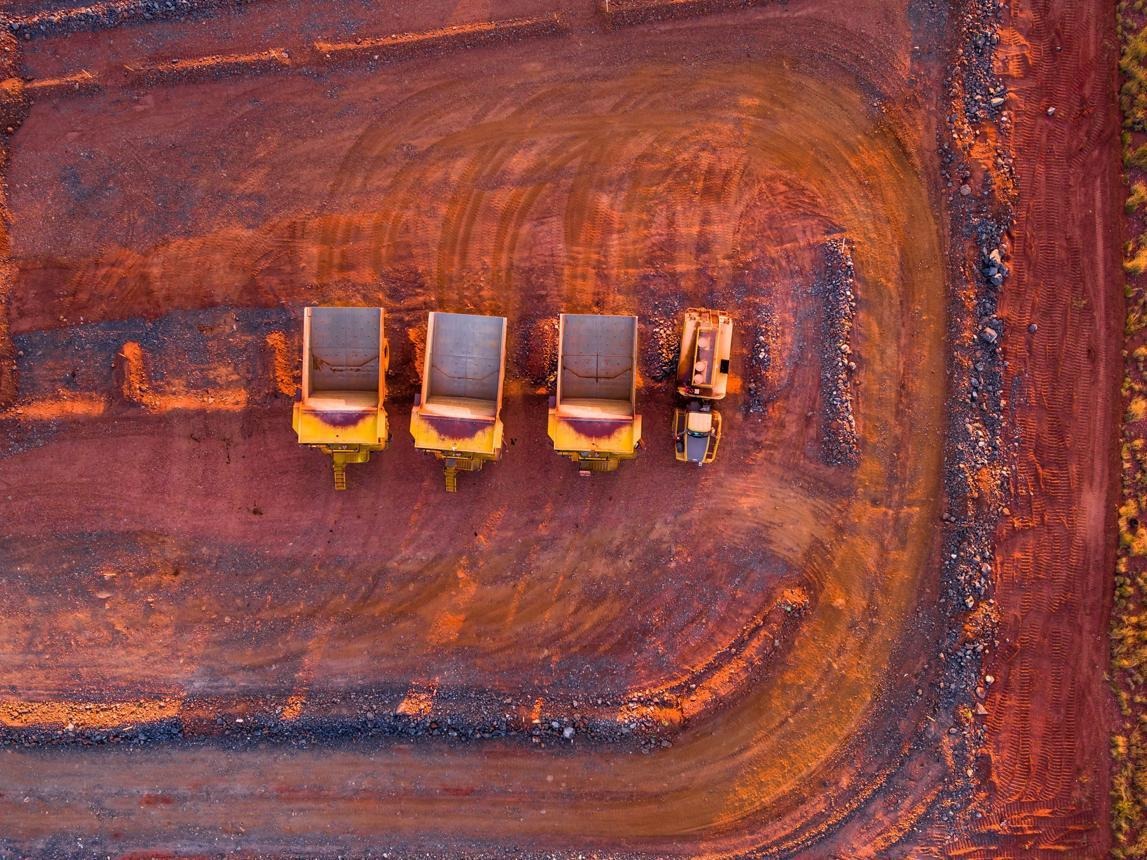
After a period of volatility in lithium prices, the sector is once again showing signs of life. Select stocks are starting to attract attention, with rising volumes and improving price trends.
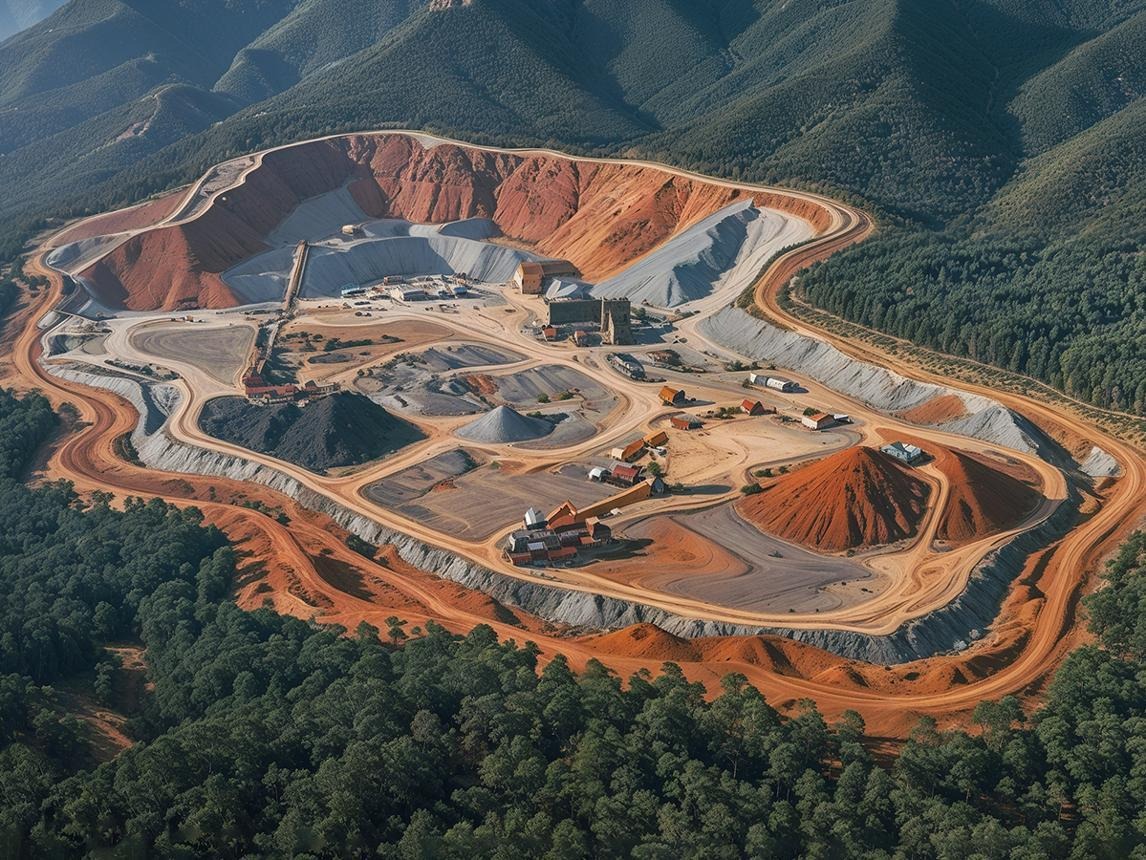
Right now, three ASX-listed lithium names are standing out in terms of market momentum.
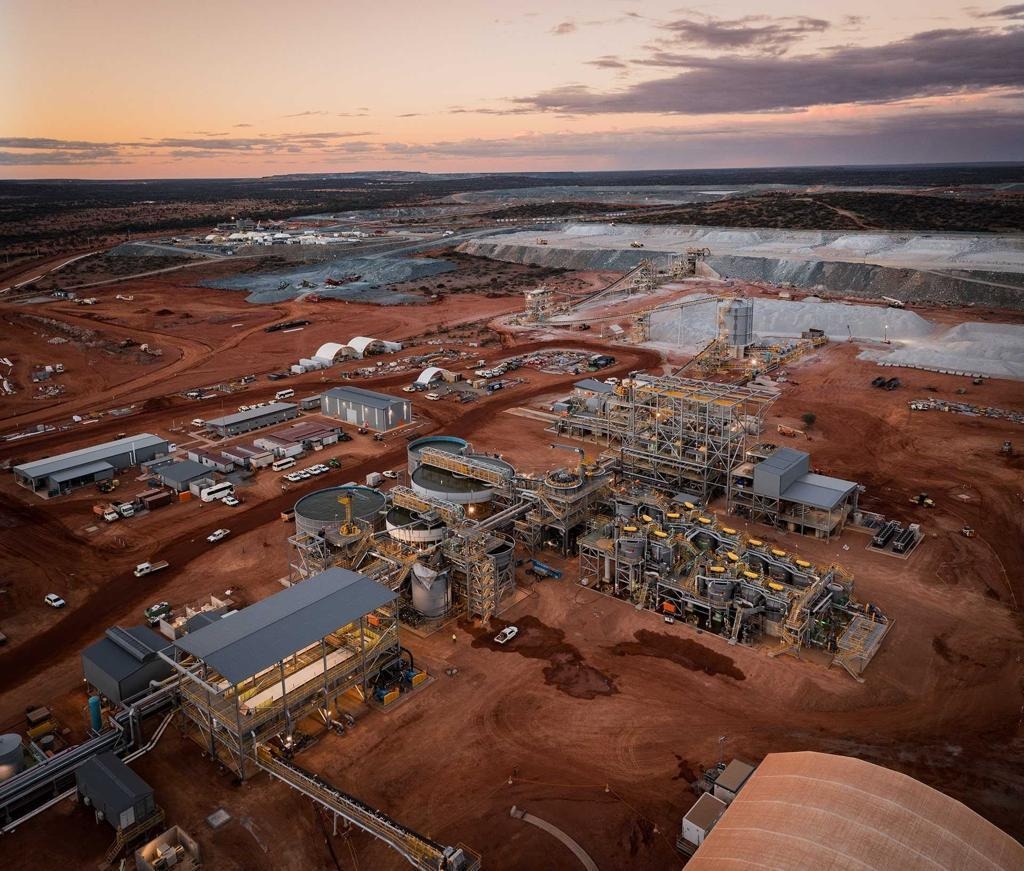
  • Pilbara Minerals (ASX: PLS) – The sector leader. Highly liquid and often the first to react to lithium moves.
  • Mineral Resources (ASX: MIN) – The integrated powerhouse. Combines lithium production with mining services.
  • Liontown Resources (ASX: LTR) – The development momentum play. Driven by project progress and investor interest.

Each of these stocks captures a different layer of lithium momentum.

Why Lithium Stocks Show Strong Momentum

Lithium is not just another commodity — it’s a growth-driven resource.

Unlike traditional commodities, demand is linked to long-term structural trends such as EV adoption, battery storage, and renewable energy expansion. This creates strong sentiment cycles.

For ASX lithium stocks, price movements are often driven by:

  • Changes in lithium pricing outlook 
  • EV demand forecasts 
  • Supply constraints or project delays 
  • Investor sentiment toward battery metals 
  • Sector-wide momentum 

When sentiment shifts positive, the entire sector tends to move together.

What Traders Look for in Lithium Momentum

Momentum in lithium stocks is rarely random.

Traders typically look for:

  • Rising trading volumes 
  • Breakouts from consolidation zones 
  • Strong sector alignment 
  • Leadership stocks moving first 

The idea is to identify early signals before the broader market reacts.

Pilbara Minerals Ltd (ASX: PLS)

Pilbara Minerals is often seen as the benchmark for lithium momentum on the ASX.

Its high liquidity and strong market participation make it a go-to stock for both institutional and retail traders. When lithium sentiment improves, PLS is usually among the first to show movement.

The company’s production scale also ensures that it remains closely tied to lithium pricing trends.

Key insight: PLS is a “momentum leader.” If this stock starts trending, it often signals broader sector strength.

Mineral Resources Ltd (ASX: MIN)

Mineral Resources adds a different dimension to lithium exposure.

Unlike pure lithium players, it combines mining operations with mining services, creating multiple revenue streams. This gives it both stability and growth potential.

Its lithium exposure ensures it benefits from sector momentum, while its services business adds resilience.

Key insight: MIN is a “balanced momentum stock” — it moves with lithium but has underlying business strength.

Liontown Resources Ltd (ASX: LTR)

Liontown represents the development side of the lithium story.

With its Kathleen Valley project, the company has attracted significant attention as it moves toward production. Stocks in this stage often see momentum driven by milestones and updates.

Unlike established producers, Liontown’s price movement is more sensitive to news flow.

Key insight: LTR is a “development momentum play” — driven by progress, not just prices.

How These Stocks Compare

Each of these companies reflects a different type of momentum.

PLS leads sector moves. MIN offers integrated exposure with stability. LTR captures development-driven interest.

Together, they provide a diversified way to approach ASX lithium stocks.

What Is Driving Lithium Momentum Right Now

Lithium momentum is being shaped by both macro and sector-specific factors.

Key drivers include:

  • Rebound in lithium price expectations 
  • Continued growth in EV demand 
  • Supply constraints in new projects 
  • Renewed investor interest in battery metals 
  • Global push toward clean energy 

These factors are helping rebuild confidence in the sector.

Timing and Positioning in Momentum Trades

Momentum trading requires a different mindset compared to long-term investing.

Instead of predicting moves, traders focus on reacting to them. Entry points are typically based on confirmation signals rather than anticipation.

This approach helps reduce risk while capturing trend strength.

Risk Considerations

Despite strong potential, ASX lithium stocks come with risks.

Lithium prices can be highly volatile, which directly impacts company earnings and stock performance. Sentiment-driven rallies can reverse quickly.

Development-stage companies face execution risks, including project delays and cost overruns.

Market momentum can also fade rapidly, especially if broader sentiment shifts.

For investors and traders, the key is balancing opportunity with discipline — momentum can create gains, but it can also amplify losses.


Disclaimer:

General Financial Product Advice and Regulatory Framework: Pristine Gaze Pty Ltd (ABN 66 680 815 678, ACN 680 815 678) operates as Corporate Authorised Representative (CAR No. 001312049) of Alpha Securities Pty Ltd (AFSL 330757), which is licensed and regulated by the Australian Securities and Investments Commission under the Corporations Act 2001 (Cth). This report contains general financial product advice only and has been prepared without consideration of your personal objectives, financial situation, specific needs, circumstances, or investment experience. The information is not tailored to individual circumstances and may not be suitable for your particular situation. Before acting on any information contained herein, you should carefully consider its appropriateness having regard to your personal objectives, financial situation, and needs, and consider seeking personal financial advice from a qualified financial adviser who can assess your individual circumstances and provide tailored recommendations.

Investment Risks and Market Warnings: All investments carry significant risk, and different investment strategies may carry varying levels of risk exposure including total loss of invested capital. The value of investments and income derived from them can fluctuate significantly due to market conditions, economic factors, company-specific events, regulatory changes, commodity price volatility, currency fluctuations, interest rate movements, and other factors beyond our control. Securities markets are subject to market risk from general economic conditions and investor sentiment, liquidity risk affecting the ability to buy or sell securities at desired prices, credit risk from issuer default or deterioration, operational risk from inadequate internal processes, sector-specific risks including industry regulatory changes, technology obsolescence, management changes, competitive pressures, supply chain disruptions, and mining-specific risks including resource estimation uncertainty, operational hazards, environmental compliance, permitting delays, commodity price cycles, geopolitical factors affecting mining operations, and exploration risks. Small-cap and speculative mining stocks carry additional risks including limited liquidity, higher volatility, dependence on key personnel, limited operating history, uncertain cash flows, and potential failure to achieve commercial production.

Information Accuracy and Limitations: While we endeavour to ensure information accuracy and reliability, we make no representations or warranties (express or implied) regarding the accuracy, reliability, completeness, timeliness, or suitability of information provided, except where liability cannot be excluded under applicable law. This report may include information from third-party sources including company announcements, regulatory filings, research reports, market data providers, financial news services, and publicly available information, which we do not independently verify and for which we assume no responsibility. Past performance, examples, historical data, or projections are not indicative of future results, and no guarantee of future returns is provided or implied. To the maximum extent permitted by law, Pristine Gaze Pty Ltd and Alpha Securities Pty Ltd, together with their respective directors, officers, employees, representatives, and related entities, exclude all liability for any errors, omissions, inaccuracies, loss or damage (including direct, indirect, consequential, or special damages) arising from reliance on information provided, investment decisions made based on this report, market losses, opportunity costs, and technical issues or system failures.