Best 4 ASX Oil Stocks Benefiting From Price Volatility

Why Oil Price Volatility Creates Trading Opportunities

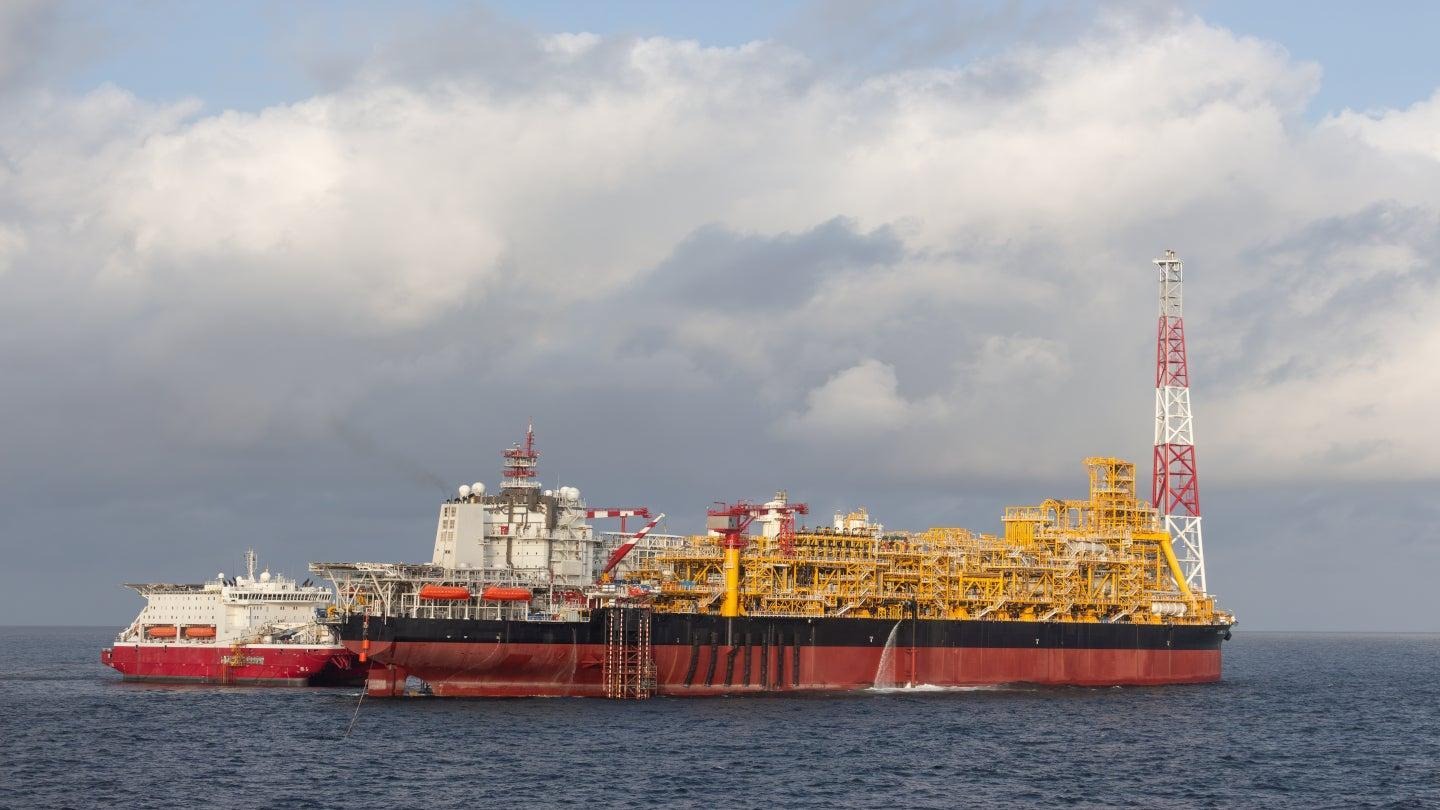
Oil remains one of the most actively traded commodities in global markets because of its direct connection to economic growth, industrial activity, transportation demand, and geopolitical developments. Unlike many commodities that move gradually over time, oil prices often experience sharp fluctuations due to supply disruptions, production decisions, or macroeconomic uncertainty. This volatility creates strong opportunities for these oil stocks, as energy companies tend to react aggressively to changes in crude oil prices.

One of the key drivers of oil volatility is geopolitical risk. Conflicts in major oil-producing regions, production cuts by exporting nations, and sanctions on energy markets can rapidly tighten global supply. Even relatively small disruptions can significantly impact oil prices because the global energy system relies heavily on stable supply chains. These conditions often create strong momentum for ASX oil stocks, particularly those with direct exposure to production and exploration activities.

Another major factor is global demand. Oil consumption remains heavily linked to industrial output, transportation activity, and economic growth. When global growth expectations improve, energy demand typically rises, supporting crude oil prices. Conversely, concerns about economic slowdowns can weaken demand expectations and increase volatility. This cyclical behavior continues to make these oil stocks attractive for both traders and commodity-focused investors.

Price volatility also benefits smaller exploration and production companies because rising oil prices can rapidly improve project economics and investor sentiment. Since many energy companies operate with relatively fixed costs, higher oil prices often translate into stronger margins and cash flow growth. This operational leverage is one of the primary reasons why ASX oil stocks can experience strong price momentum during favorable commodity cycles.

What Defines Strong Oil Companies

Strong ASX oil stocks generally combine production capability, exploration upside, and operational scalability. Companies with established production assets tend to benefit more directly from rising oil prices because they generate immediate cash flow. Exploration-focused companies, meanwhile, often provide higher speculative upside but also carry greater risk.

Project location and production costs also play an important role. Companies operating in stable jurisdictions with lower extraction costs are generally more resilient during periods of weaker oil prices. Infrastructure access, funding capability, and reserve quality further influence long-term competitiveness within the energy sector.

Liquidity and market participation are additionally important for ASX oil stocks because higher trading activity generally strengthens momentum during periods of rising commodity prices. Stocks with strong sector exposure and active investor participation tend to sustain momentum more effectively.

  • Direct exposure to oil price movements 
  • Production scalability and exploration upside 
  • Strong operational and funding capability 

Best 4 ASX Oil Stocks For Next Month

Pancontinental Energy NL (ASX: PCL)

Pancontinental Energy focuses on offshore oil and gas exploration, providing exposure to high-impact energy discoveries. Exploration-focused oil companies often attract speculative interest because successful drilling outcomes can significantly increase valuation. Among ASX oil stocks, PCL benefits from its exploration potential and sensitivity to oil market sentiment.
Key Insight: Offshore exploration exposure creates high-upside momentum potential.

Frontier Energy Ltd (ASX: FHE)

Frontier Energy operates within the broader energy development sector and benefits from rising investor focus on energy security and market supply dynamics. Companies linked to evolving energy infrastructure often experience increased participation during periods of energy market volatility. Among ASX oil stocks, FHE attracts interest because of its development-focused growth profile.
Key Insight: Energy sector demand strengthens development-driven momentum.

Omega Oil & Gas Ltd (ASX: OMA)

Omega Oil & Gas provides exposure to oil and gas exploration activities, making it highly sensitive to commodity price expectations. Smaller-cap exploration businesses often experience stronger percentage price movements during bullish oil cycles. Among ASX oil stocks, OMA remains attractive for traders seeking higher volatility and speculative exposure.
Key Insight: Smaller-cap energy exposure amplifies price momentum opportunities.

Brookside Energy Ltd (ASX: BRK)
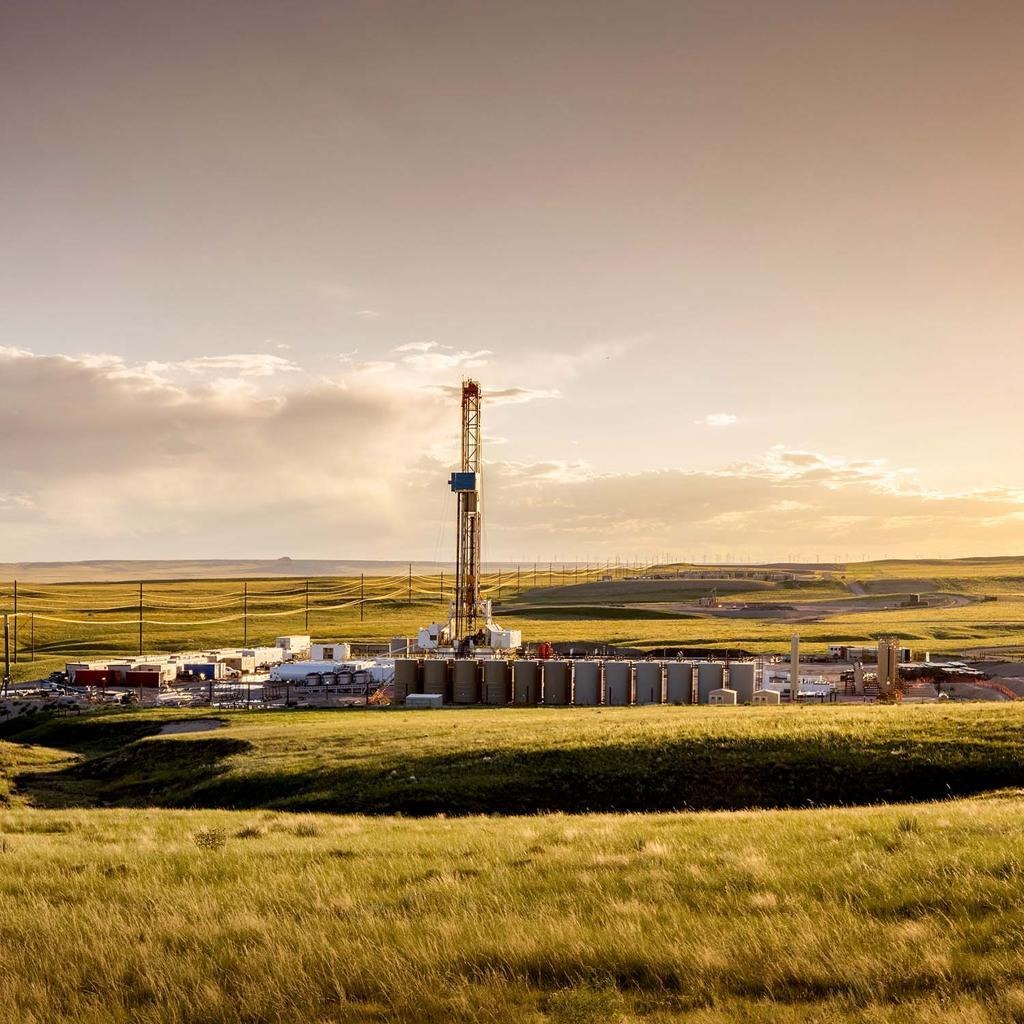
Brookside Energy combines exploration and production exposure, allowing it to benefit from both operational growth and rising oil prices. Companies with active production assets often generate stronger cash flow during favorable oil market conditions. Among ASX oil stocks, BRK stands out because of its balance between production stability and exploration upside.
Key Insight: Production exposure strengthens cash flow during oil rallies.

How These Stocks Differ

These ASX oil stocks differ primarily based on operational stage and business structure. PCL focuses heavily on offshore exploration upside, FHE emphasizes broader energy development opportunities, OMA provides speculative small-cap exposure, while BRK combines production and exploration operations. This diversification allows investors to gain exposure to multiple segments of the energy sector.

Another key difference is volatility profile. Exploration-focused companies generally offer greater upside potential but also carry higher operational and funding risks. Companies with producing assets may provide relatively stronger stability because they can benefit immediately from higher oil prices through increased revenue generation.

What Is Driving Oil Market Momentum

Momentum in ASX oil stocks is being driven by supply constraints, geopolitical tensions, and global energy demand. Production cuts by major oil exporters and ongoing geopolitical instability continue supporting oil price volatility. At the same time, industrial growth and transportation demand remain important drivers of consumption.

Market psychology and trading activity additionally amplify price movement. Oil is one of the most actively traded commodities globally, meaning sentiment can shift rapidly based on macroeconomic developments. This creates strong momentum opportunities for ASX oil stocks during both bullish and bearish cycles.

Energy security concerns also continue supporting long-term investment into oil and gas infrastructure despite the ongoing energy transition. As economies balance renewable expansion with stable energy supply requirements, oil demand is expected to remain significant for years to come.

Risk Considerations

Despite strong upside potential, ASX oil stocks remain highly volatile and sensitive to commodity price fluctuations. Sudden changes in global demand expectations, geopolitical developments, or production increases can quickly reverse momentum.

Exploration-focused companies additionally face drilling, funding, and operational risks. Smaller-cap oil stocks can experience extreme price swings due to lower liquidity and speculative trading activity. Regulatory changes and environmental policies may also impact long-term industry conditions.

For investors and traders, disciplined risk management remains essential when dealing with ASX oil stocks. Position sizing, diversification, and awareness of commodity cycles are important for managing volatility within the energy sector.


Disclaimer:

General Financial Product Advice and Regulatory Framework: Pristine Gaze Pty Ltd (ABN 66 680 815 678, ACN 680 815 678) operates as Corporate Authorised Representative (CAR No. 001312049) of Alpha Securities Pty Ltd (AFSL 330757), which is licensed and regulated by the Australian Securities and Investments Commission under the Corporations Act 2001 (Cth). This report contains general financial product advice only and has been prepared without consideration of your personal objectives, financial situation, specific needs, circumstances, or investment experience. The information is not tailored to individual circumstances and may not be suitable for your particular situation. Before acting on any information contained herein, you should carefully consider its appropriateness having regard to your personal objectives, financial situation, and needs, and consider seeking personal financial advice from a qualified financial adviser who can assess your individual circumstances and provide tailored recommendations.

Investment Risks and Market Warnings: All investments carry significant risk, and different investment strategies may carry varying levels of risk exposure including total loss of invested capital. The value of investments and income derived from them can fluctuate significantly due to market conditions, economic factors, company-specific events, regulatory changes, commodity price volatility, currency fluctuations, interest rate movements, and other factors beyond our control. Securities markets are subject to market risk from general economic conditions and investor sentiment, liquidity risk affecting the ability to buy or sell securities at desired prices, credit risk from issuer default or deterioration, operational risk from inadequate internal processes, sector-specific risks including industry regulatory changes, technology obsolescence, management changes, competitive pressures, supply chain disruptions, and mining-specific risks including resource estimation uncertainty, operational hazards, environmental compliance, permitting delays, commodity price cycles, geopolitical factors affecting mining operations, and exploration risks. Small-cap and speculative mining stocks carry additional risks including limited liquidity, higher volatility, dependence on key personnel, limited operating history, uncertain cash flows, and potential failure to achieve commercial production.

Information Accuracy and Limitations: While we endeavour to ensure information accuracy and reliability, we make no representations or warranties (express or implied) regarding the accuracy, reliability, completeness, timeliness, or suitability of information provided, except where liability cannot be excluded under applicable law. This report may include information from third-party sources including company announcements, regulatory filings, research reports, market data providers, financial news services, and publicly available information, which we do not independently verify and for which we assume no responsibility. Past performance, examples, historical data, or projections are not indicative of future results, and no guarantee of future returns is provided or implied. To the maximum extent permitted by law, Pristine Gaze Pty Ltd and Alpha Securities Pty Ltd, together with their respective directors, officers, employees, representatives, and related entities, exclude all liability for any errors, omissions, inaccuracies, loss or damage (including direct, indirect, consequential, or special damages) arising from reliance on information provided, investment decisions made based on this report, market losses, opportunity costs, and technical issues or system failures.


Top 3 ASX Defence Stocks With Strong Long-Term Contracts

Why Defence Spending Continues To Rise

Global defence spending has increased significantly over the past decade as governments prioritize national security, military modernization, and technological advancement. Rising geopolitical tensions, cybersecurity threats, and increasing regional conflicts have forced countries to strengthen defence capabilities and expand long-term military budgets. This trend has created strong opportunities for ASX defence stocks, particularly companies capable of securing multi-year government contracts and supplying advanced defence technologies.

One of the key reasons investors closely follow these defence stocks is revenue stability. Unlike cyclical industries that depend heavily on consumer demand or commodity prices, defence companies often operate under long-term government agreements. These contracts provide predictable cash flow and revenue visibility, making the sector relatively resilient during broader economic uncertainty. Long-term contracts also create higher barriers to entry because governments typically prefer established suppliers with proven operational capabilities.

Another major driver is technological transformation within the defence industry. Modern military operations increasingly rely on advanced systems such as autonomous weapons, electronic warfare, drone defence, surveillance technologies, and secure communications. Companies specializing in these areas continue attracting strong government investment. This shift means these defence stocks are no longer viewed only as industrial businesses — they are increasingly seen as technology-driven growth opportunities.

Global defence cooperation and export opportunities are also supporting sector growth. Australian defence companies are expanding internationally by supplying allied governments and defence organizations. As geopolitical alliances strengthen, demand for advanced military systems and defence infrastructure is expected to remain elevated, benefiting ASX defence stocks over the long term.

What Defines Strong Defence Companies

Strong ASX defence stocks generally combine long-term government relationships, advanced technological capabilities, and diversified contract exposure. Companies capable of delivering mission-critical systems often secure recurring contracts, creating stable long-term revenue streams.

Innovation is another important factor. Defence businesses investing heavily into research and development are more likely to remain competitive as military technology evolves. Companies operating in high-growth areas such as drone defence, secure communications, and electronic systems generally attract stronger investor interest because of long-term demand visibility.

Financial stability and execution capability also matter significantly. Governments prioritize suppliers capable of meeting strict operational and security requirements. Companies with strong balance sheets, operational scale, and successful delivery records are therefore more likely to secure future contracts.

  • Long-term government contract exposure 
  • Advanced defence and security technology 
  • Stable cash flow and recurring revenue visibility 

Top 3 ASX Defence Stocks

Electro Optic Systems Holdings Ltd (ASX: EOS)

Electro Optic Systems specializes in advanced defence technologies including remote weapon systems, space-related defence infrastructure, and surveillance solutions. The company benefits from rising global demand for automated and precision-based military systems. Among ASX defence stocks, EOS stands out because of its exposure to high-tech defence applications and long-term military modernization trends.

Its remote weapon systems have attracted international defence interest due to increasing focus on automation and battlefield precision. The company also operates within the space and satellite communication segment, which continues gaining strategic importance for defence operations globally. As governments expand investment into advanced military technologies, EOS remains strongly positioned within the broader defence sector.
Key Insight: Advanced military automation and space technology strengthen long-term contract potential.

Austal Ltd (ASX: ASB)

Austal is one of the leading defence shipbuilders operating in Australia and the United States. The company designs and manufactures naval vessels for government and military clients, giving it strong exposure to long-term defence infrastructure spending. Among ASX defence stocks, Austal is often viewed as a relatively stable operator because of its established contract pipeline and international defence relationships.

Naval modernization programs continue driving demand for advanced vessels and maritime defence capabilities. Austal benefits directly from these trends as governments allocate larger budgets toward fleet expansion and replacement projects. The company’s large-scale operations and manufacturing capabilities also create operational advantages within the shipbuilding sector.
Key Insight: Naval defence contracts provide long-term revenue stability and visibility.

Codan Ltd (ASX: CDA)

Codan operates in secure communication and technology systems used across defence, security, and emergency response sectors. Reliable communication systems are essential for military operations, making the company strategically important within the defence ecosystem. Among ASX defence stocks, Codan stands out because of its recurring demand profile and mission-critical communication solutions.

The company benefits from increasing global demand for secure communication infrastructure as military operations become more technologically integrated. Its international presence and established customer relationships further strengthen long-term growth potential. Codan’s exposure to both defence and broader security markets additionally provides diversification compared to pure-play military contractors.
Key Insight: Secure communication technology supports recurring defence demand.

How These Stocks Differ

These ASX defence stocks differ primarily based on operational specialization. EOS focuses on advanced weapons systems and defence technology, Austal emphasizes naval shipbuilding and maritime infrastructure, while Codan specializes in secure communication systems. This diversification allows investors to gain exposure across multiple segments of the defence industry rather than relying on a single military theme.

Another key difference is growth profile. EOS offers stronger exposure to emerging defence technologies, which may create higher growth potential but also greater volatility. Austal benefits from large-scale infrastructure contracts that provide relatively stable revenue visibility, while Codan combines defensive earnings with technology-driven expansion opportunities. These varying characteristics create different risk-reward profiles within ASX defence stocks.

What Is Driving Long-Term Defence Demand

The long-term outlook for ASX defence stocks continues to be supported by rising geopolitical tensions, military modernization programs, and increasing cybersecurity concerns. Governments worldwide are expanding defence budgets while prioritizing investment into advanced technologies such as autonomous systems, surveillance, and electronic warfare.

Defence cooperation among allied nations is also strengthening procurement activity. Countries increasingly seek reliable defence suppliers capable of supporting long-term strategic objectives. This trend benefits companies operating in areas such as secure communications, naval infrastructure, and advanced weapons systems.

Another major driver is technological evolution. Defence systems are becoming increasingly digital and automated, creating sustained demand for innovative military solutions. Companies positioned within these high-growth segments are likely to remain strategically important for years to come.

Risk Considerations

Despite strong long-term potential, ASX defence stocks remain exposed to certain risks. Government spending priorities can change depending on political and economic conditions, potentially impacting future contract opportunities. Delays in project approvals or contract execution may also affect revenue growth.

Competition within the global defence industry is another important factor, particularly for companies competing against larger international contractors. Technological disruption additionally creates ongoing pressure for continuous innovation and research investment.


Disclaimer:

General Financial Product Advice and Regulatory Framework: Pristine Gaze Pty Ltd (ABN 66 680 815 678, ACN 680 815 678) operates as Corporate Authorised Representative (CAR No. 001312049) of Alpha Securities Pty Ltd (AFSL 330757), which is licensed and regulated by the Australian Securities and Investments Commission under the Corporations Act 2001 (Cth). This report contains general financial product advice only and has been prepared without consideration of your personal objectives, financial situation, specific needs, circumstances, or investment experience. The information is not tailored to individual circumstances and may not be suitable for your particular situation. Before acting on any information contained herein, you should carefully consider its appropriateness having regard to your personal objectives, financial situation, and needs, and consider seeking personal financial advice from a qualified financial adviser who can assess your individual circumstances and provide tailored recommendations.

Investment Risks and Market Warnings: All investments carry significant risk, and different investment strategies may carry varying levels of risk exposure including total loss of invested capital. The value of investments and income derived from them can fluctuate significantly due to market conditions, economic factors, company-specific events, regulatory changes, commodity price volatility, currency fluctuations, interest rate movements, and other factors beyond our control. Securities markets are subject to market risk from general economic conditions and investor sentiment, liquidity risk affecting the ability to buy or sell securities at desired prices, credit risk from issuer default or deterioration, operational risk from inadequate internal processes, sector-specific risks including industry regulatory changes, technology obsolescence, management changes, competitive pressures, supply chain disruptions, and mining-specific risks including resource estimation uncertainty, operational hazards, environmental compliance, permitting delays, commodity price cycles, geopolitical factors affecting mining operations, and exploration risks. Small-cap and speculative mining stocks carry additional risks including limited liquidity, higher volatility, dependence on key personnel, limited operating history, uncertain cash flows, and potential failure to achieve commercial production.

Information Accuracy and Limitations: While we endeavour to ensure information accuracy and reliability, we make no representations or warranties (express or implied) regarding the accuracy, reliability, completeness, timeliness, or suitability of information provided, except where liability cannot be excluded under applicable law. This report may include information from third-party sources including company announcements, regulatory filings, research reports, market data providers, financial news services, and publicly available information, which we do not independently verify and for which we assume no responsibility. Past performance, examples, historical data, or projections are not indicative of future results, and no guarantee of future returns is provided or implied. To the maximum extent permitted by law, Pristine Gaze Pty Ltd and Alpha Securities Pty Ltd, together with their respective directors, officers, employees, representatives, and related entities, exclude all liability for any errors, omissions, inaccuracies, loss or damage (including direct, indirect, consequential, or special damages) arising from reliance on information provided, investment decisions made based on this report, market losses, opportunity costs, and technical issues or system failures.

5 ASX Stocks Positioned for Quick Breakout Gains

Why Breakout Stocks Continue To Attract Market Attention

Breakout trading remains one of the most popular short-term strategies in equity markets because it focuses on identifying stocks capable of generating rapid upward price movement once resistance levels are broken. Traders and momentum investors constantly track ASX breakout stocks because these companies often experience sharp price acceleration when technical setups align with positive market sentiment. Unlike long-term investing, breakout trading relies heavily on momentum, liquidity, and participation from both retail and institutional investors.

One of the major reasons these stocks perform strongly is the combination of technical consolidation and rising volume. Stocks often trade within narrow ranges before entering a breakout phase. During this consolidation period, investors gradually accumulate positions while monitoring resistance levels. Once price breaks above resistance with strong volume, buying momentum typically accelerates, creating rapid gains over short periods.

Another important factor is sector momentum. Breakout activity is often strongest in industries linked to emerging technologies, critical minerals, or exploration-driven sectors. Stocks operating in these areas tend to attract speculative interest because investors expect future growth rather than relying only on current earnings. This dynamic continues to support strong trading activity in ASX breakout stocks, particularly in small-cap and exploration-focused companies.

News flow also acts as a key catalyst. Exploration results, resource upgrades, partnerships, and industry-wide developments can all trigger breakout moves. In highly speculative sectors, positive announcements can rapidly shift sentiment and increase trading participation. This is why these breakout stocks are frequently associated with mining, energy transition, and emerging technology sectors.

What Defines Strong Breakout Stocks

Strong ASX breakout stocks generally share a few important characteristics. Technical consolidation patterns are one of the most important signals, as they often indicate accumulation before a breakout. Rising trading volume further confirms market participation and momentum strength.

Sector sentiment also matters significantly. Stocks operating in industries experiencing strong investor interest are more likely to sustain breakouts because capital continues flowing into the sector. Liquidity and volatility additionally influence breakout quality, with more active stocks generally attracting stronger momentum participation.

  • Technical consolidation before breakout 
  • Increasing trading volume and momentum 
  • Positive sector sentiment and catalysts 

Top 5 ASX Stocks Positioned for Quick Breakout Gains

Culpeo Minerals Ltd (ASX: CPO)

Culpeo Minerals operates in the exploration sector and continues attracting investor attention due to its exposure to copper and resource development opportunities. Exploration companies often experience strong speculative momentum following drilling updates and resource announcements. Among ASX breakout stocks, CPO stands out because of its sensitivity to exploration-driven catalysts and commodity sentiment.
Key Insight: Exploration momentum and copper demand support breakout potential.

American West Metals Ltd (ASX: AW1)

American West Metals focuses on base metal exploration and development, benefiting from increasing demand linked to industrial growth and electrification. The company’s exploration exposure creates strong volatility and speculative interest during positive market conditions. Among ASX breakout stocks, AW1 remains highly active whenever resource sentiment improves.
Key Insight: Base metals exposure strengthens speculative momentum.

Anson Resources Ltd (ASX: ASN)

Anson Resources provides exposure to lithium and battery-related resource development, positioning it within long-term EV demand trends. Battery material companies continue attracting strong market attention due to electrification themes. Among ASX breakout stocks, ASN benefits from both commodity demand and speculative momentum.
Key Insight: EV-related lithium demand supports breakout trends.

Tempest Minerals Ltd (ASX: TEM)

Tempest Minerals operates within the exploration and development segment, where resource discoveries can significantly impact valuation. Smaller exploration companies often attract strong trading interest during commodity rallies. Among ASX breakout stocks, TEM provides high-risk, high-reward exposure to exploration success.
Key Insight: Exploration-driven volatility creates strong breakout opportunities.

Sun Silver Ltd (ASX: SS1)

Sun Silver benefits from rising investor interest in precious metals and silver-related exploration. Precious metal companies often gain momentum during periods of economic uncertainty and inflation concerns. Among ASX breakout stocks, SS1 attracts speculative participation because of its silver exposure and smaller-cap profile.
Key Insight: Precious metals demand supports speculative upside momentum.

How These Stocks Differ

These ASX breakout stocks differ primarily based on commodity exposure and operational focus. CPO and AW1 emphasize base metals exploration, ASN is linked to lithium and battery demand, TEM focuses on broader exploration upside, while SS1 benefits from silver market momentum. This diversification allows investors to participate across multiple speculative themes simultaneously.

What Is Driving Breakout Momentum

Momentum in ASX breakout stocks is being driven by rising demand for critical minerals, electrification trends, exploration activity, and speculative trading participation. Commodity-linked sectors continue attracting strong investor interest due to expectations of long-term structural demand growth.

Technical factors also contribute significantly. Stocks breaking above resistance levels with strong volume tend to attract momentum traders, creating additional buying pressure. Positive exploration updates and broader commodity rallies further amplify momentum across ASX breakout stocks.

Risk Considerations

ASX breakout stocks remain highly volatile and speculative. Failed exploration results, funding challenges, or weak commodity sentiment can quickly reverse momentum. Smaller-cap companies are particularly sensitive to liquidity changes and market psychology.

Investors and traders should therefore focus on disciplined risk management, including proper position sizing and avoiding overexposure to speculative sectors. While ASX breakout stocks offer strong upside potential, volatility and rapid sentiment changes create substantial downside risk as well.


Disclaimer:

General Financial Product Advice and Regulatory Framework: Pristine Gaze Pty Ltd (ABN 66 680 815 678, ACN 680 815 678) operates as Corporate Authorised Representative (CAR No. 001312049) of Alpha Securities Pty Ltd (AFSL 330757), which is licensed and regulated by the Australian Securities and Investments Commission under the Corporations Act 2001 (Cth). This report contains general financial product advice only and has been prepared without consideration of your personal objectives, financial situation, specific needs, circumstances, or investment experience. The information is not tailored to individual circumstances and may not be suitable for your particular situation. Before acting on any information contained herein, you should carefully consider its appropriateness having regard to your personal objectives, financial situation, and needs, and consider seeking personal financial advice from a qualified financial adviser who can assess your individual circumstances and provide tailored recommendations.

Investment Risks and Market Warnings: All investments carry significant risk, and different investment strategies may carry varying levels of risk exposure including total loss of invested capital. The value of investments and income derived from them can fluctuate significantly due to market conditions, economic factors, company-specific events, regulatory changes, commodity price volatility, currency fluctuations, interest rate movements, and other factors beyond our control. Securities markets are subject to market risk from general economic conditions and investor sentiment, liquidity risk affecting the ability to buy or sell securities at desired prices, credit risk from issuer default or deterioration, operational risk from inadequate internal processes, sector-specific risks including industry regulatory changes, technology obsolescence, management changes, competitive pressures, supply chain disruptions, and mining-specific risks including resource estimation uncertainty, operational hazards, environmental compliance, permitting delays, commodity price cycles, geopolitical factors affecting mining operations, and exploration risks. Small-cap and speculative mining stocks carry additional risks including limited liquidity, higher volatility, dependence on key personnel, limited operating history, uncertain cash flows, and potential failure to achieve commercial production.

Information Accuracy and Limitations: While we endeavour to ensure information accuracy and reliability, we make no representations or warranties (express or implied) regarding the accuracy, reliability, completeness, timeliness, or suitability of information provided, except where liability cannot be excluded under applicable law. This report may include information from third-party sources including company announcements, regulatory filings, research reports, market data providers, financial news services, and publicly available information, which we do not independently verify and for which we assume no responsibility. Past performance, examples, historical data, or projections are not indicative of future results, and no guarantee of future returns is provided or implied. To the maximum extent permitted by law, Pristine Gaze Pty Ltd and Alpha Securities Pty Ltd, together with their respective directors, officers, employees, representatives, and related entities, exclude all liability for any errors, omissions, inaccuracies, loss or damage (including direct, indirect, consequential, or special damages) arising from reliance on information provided, investment decisions made based on this report, market losses, opportunity costs, and technical issues or system failures.

3 ASX Penny Stocks With Strong Buying Momentum

Why Penny Stocks Attract Momentum Traders

Penny stocks remain one of the most actively followed segments of the market because of their ability to generate rapid percentage gains within short periods. Unlike large-cap companies that often move gradually, smaller-cap speculative stocks can experience sharp rallies driven by news flow, exploration updates, sector momentum, or increasing retail participation. This high-volatility nature is exactly why these breakout penny stocks continue attracting momentum traders looking for aggressive short-term opportunities.

One of the biggest reasons ASX breakout penny stocks perform strongly during momentum phases is their relatively low market capitalization. Smaller companies require less capital inflow to generate significant price movement. When investor attention shifts toward a particular sector such as lithium, exploration, technology, or battery materials, speculative capital can rapidly push these stocks higher.

Another major factor is retail trading activity. Penny stocks often become highly popular among speculative traders because they provide the possibility of outsized returns compared to larger companies. Social media discussions, momentum trading communities, and market sentiment can all amplify buying pressure. Once trading volume starts increasing, these breakout penny stocks frequently enter strong momentum phases where price acceleration becomes self-reinforcing.

Sector momentum also plays an important role. Penny stocks operating in industries linked to emerging trends such as battery materials, exploration, or critical minerals generally attract stronger participation because investors expect long-term structural demand growth. Positive announcements related to drilling, project development, or resource upgrades can quickly transform market sentiment and trigger breakout rallies.

What Defines Strong Penny Stock Momentum

Strong ASX breakout penny stocks generally display several common characteristics. Rising trading volume is one of the most important indicators because it confirms increasing market participation. Stocks moving higher on weak volume often fail to sustain momentum, while strong participation increases breakout reliability.

Technical setups additionally play a major role. Penny stocks consolidating within narrow ranges before breaking resistance levels often attract strong speculative buying. Momentum traders closely monitor breakout patterns because early-stage moves can sometimes lead to rapid gains over short periods.

Catalysts such as drilling updates, funding announcements, partnerships, or sector-wide rallies also significantly influence momentum. Since many penny stocks are still in exploration or development stages, sentiment can change extremely quickly based on company announcements.

  • Strong trading volume expansion 
  • Breakout above key resistance levels 
  • Positive news flow and speculative sentiment 

Top ASX Penny Stocks With Strong Buying Momentum

Petratherm Ltd (ASX: PTR)

Petratherm has gained increasing market attention due to exploration activity and exposure to critical minerals. Exploration-focused companies often experience strong momentum during positive drilling updates and rising commodity sentiment. Among ASX breakout penny stocks, PTR benefits from speculative participation and exploration-driven volatility, making it attractive for momentum traders.
Key Insight: Exploration activity and market speculation support breakout momentum.

Ragnar Metals Ltd (ASX: RAG)

Ragnar Metals focuses on mineral exploration projects that continue attracting speculative interest during strong commodity cycles. Smaller-cap exploration businesses can generate rapid percentage gains when positive developments increase investor participation. Among ASX breakout penny stocks, RAG stands out due to its exploration leverage and momentum-driven trading behavior.
Key Insight: Exploration leverage creates strong speculative upside potential.

Askari Metals Ltd (ASX: AS2)

Askari Metals provides exposure to battery materials and exploration-focused growth opportunities. Lithium and battery-related sectors continue attracting strong speculative interest due to EV demand and energy transition themes. Among ASX breakout penny stocks, AS2 benefits from sector momentum and strong retail participation during positive market conditions.
Key Insight: Battery material exposure supports strong buying momentum.

How These Stocks Differ

These ASX breakout penny stocks differ mainly based on commodity exposure and exploration focus. PTR benefits from critical mineral exploration activity, RAG emphasizes broader mineral exploration upside, while AS2 is closely tied to lithium and battery material demand. This diversification allows traders to gain exposure across multiple speculative themes simultaneously.

Another important difference is volatility profile. Lithium and battery-related stocks often react strongly to EV demand expectations, while exploration-focused companies are more heavily influenced by drilling results and resource updates. Investors and traders therefore gain access to varying forms of speculative momentum within ASX breakout penny stocks.

What Is Driving Buying Momentum

Momentum in ASX breakout penny stocks is currently being driven by speculative capital flows, commodity market optimism, and retail trading activity. Exploration and battery-material sectors continue attracting investor attention because of their long-term structural growth narratives.

Trading psychology additionally amplifies momentum. Once penny stocks begin trending higher with strong volume, more traders enter positions expecting continuation moves. This often leads to rapid short-term rallies, especially when positive company announcements align with favorable sector sentiment.

Low market capitalization also contributes significantly to momentum strength. Smaller companies can move aggressively even with relatively moderate increases in buying activity, creating larger percentage gains compared to established large-cap stocks.

Risk Considerations

Despite their upside potential, ASX breakout penny stocks carry extremely high risk. Exploration setbacks, funding challenges, or weaker commodity sentiment can quickly reverse momentum and lead to sharp losses. Smaller-cap stocks additionally face liquidity risks, meaning price swings may become exaggerated during volatile market conditions.

Speculative momentum can also create emotional trading behavior, increasing the likelihood of overextended rallies followed by rapid corrections. Investors and traders should therefore focus on disciplined risk management strategies such as stop-loss placement, position sizing, and avoiding excessive exposure to highly speculative sectors.


Disclaimer:

General Financial Product Advice and Regulatory Framework: Pristine Gaze Pty Ltd (ABN 66 680 815 678, ACN 680 815 678) operates as Corporate Authorised Representative (CAR No. 001312049) of Alpha Securities Pty Ltd (AFSL 330757), which is licensed and regulated by the Australian Securities and Investments Commission under the Corporations Act 2001 (Cth). This report contains general financial product advice only and has been prepared without consideration of your personal objectives, financial situation, specific needs, circumstances, or investment experience. The information is not tailored to individual circumstances and may not be suitable for your particular situation. Before acting on any information contained herein, you should carefully consider its appropriateness having regard to your personal objectives, financial situation, and needs, and consider seeking personal financial advice from a qualified financial adviser who can assess your individual circumstances and provide tailored recommendations.

Investment Risks and Market Warnings: All investments carry significant risk, and different investment strategies may carry varying levels of risk exposure including total loss of invested capital. The value of investments and income derived from them can fluctuate significantly due to market conditions, economic factors, company-specific events, regulatory changes, commodity price volatility, currency fluctuations, interest rate movements, and other factors beyond our control. Securities markets are subject to market risk from general economic conditions and investor sentiment, liquidity risk affecting the ability to buy or sell securities at desired prices, credit risk from issuer default or deterioration, operational risk from inadequate internal processes, sector-specific risks including industry regulatory changes, technology obsolescence, management changes, competitive pressures, supply chain disruptions, and mining-specific risks including resource estimation uncertainty, operational hazards, environmental compliance, permitting delays, commodity price cycles, geopolitical factors affecting mining operations, and exploration risks. Small-cap and speculative mining stocks carry additional risks including limited liquidity, higher volatility, dependence on key personnel, limited operating history, uncertain cash flows, and potential failure to achieve commercial production.

Information Accuracy and Limitations: While we endeavour to ensure information accuracy and reliability, we make no representations or warranties (express or implied) regarding the accuracy, reliability, completeness, timeliness, or suitability of information provided, except where liability cannot be excluded under applicable law. This report may include information from third-party sources including company announcements, regulatory filings, research reports, market data providers, financial news services, and publicly available information, which we do not independently verify and for which we assume no responsibility. Past performance, examples, historical data, or projections are not indicative of future results, and no guarantee of future returns is provided or implied. To the maximum extent permitted by law, Pristine Gaze Pty Ltd and Alpha Securities Pty Ltd, together with their respective directors, officers, employees, representatives, and related entities, exclude all liability for any errors, omissions, inaccuracies, loss or damage (including direct, indirect, consequential, or special damages) arising from reliance on information provided, investment decisions made based on this report, market losses, opportunity costs, and technical issues or system failures.

3 ASX Lithium Stocks poised to grow with strong global EV Demand

Why EV Demand Continues To Drive Lithium Growth

Lithium has become one of the most important commodities in the global energy transition. As electric vehicle adoption accelerates worldwide, demand for lithium-ion batteries continues to rise rapidly. These batteries are essential not only for EVs but also for renewable energy storage systems, consumer electronics, and industrial applications. This structural shift has placed ASX lithium stocks at the center of one of the most significant long-term growth trends in global markets.

Governments across major economies are actively supporting electrification through subsidies, emissions targets, and renewable energy investments. Car manufacturers are simultaneously increasing EV production to meet changing consumer demand and regulatory requirements. As a result, the need for battery materials continues to expand, directly these lithium stocks exposed to production, development, and exploration projects.

Another major factor supporting the sector is supply pressure. While lithium demand has grown rapidly, new supply takes years to develop due to exploration, permitting, and infrastructure requirements. This creates periods where supply growth struggles to keep pace with demand, supporting long-term pricing strength. For investors, these stocks represent exposure not just to commodity cycles, but to a broader structural transition toward electrification and clean energy.

In addition to EV demand, battery storage systems are becoming increasingly important for renewable energy infrastructure. Solar and wind energy require efficient storage solutions, further strengthening demand for lithium-based technologies. This broadening demand base continues to support long-term interest in ASX lithium stocks.

What Defines Strong Lithium Companies

Not all lithium companies offer the same level of opportunity. Strong ASX lithium stocks generally combine high-quality resources, scalable projects, and strategic positioning within the battery supply chain. Companies with lower production costs and long-life assets are typically better positioned to benefit from future demand growth.

Operational scale is another important factor. Larger companies with diversified operations tend to offer greater stability, while smaller exploration-focused companies may provide higher upside potential but with increased risk. Partnerships, infrastructure access, and processing capability also influence long-term competitiveness.

  • Exposure to growing EV and battery demand 
  • Scalable lithium projects and reserves 
  • Strategic positioning within battery supply chains 

Top 3 ASX Lithium Stocks

Mineral Resources Ltd (ASX: MIN)

Mineral Resources combines mining operations with logistics and infrastructure capabilities, giving it a competitive advantage within the lithium sector. The company benefits from exposure to both lithium and iron ore, creating diversified revenue streams while still participating in battery material demand growth. Among ASX lithium stocks, MIN stands out because of its integrated business model and operational scale, which support stronger margins and efficiency during favorable commodity cycles.
Key Insight: Integrated infrastructure and lithium exposure strengthen long-term growth potential.

IGO Ltd (ASX: IGO)

IGO focuses heavily on battery materials, including lithium and nickel, positioning it directly within the EV supply chain. The company’s strategic investments and partnerships strengthen its long-term exposure to battery demand growth. Among ASX lithium stocks, IGO is often viewed as a higher-quality battery metals company due to its diversification across multiple critical materials.
Key Insight: Battery metals diversification supports long-term EV demand exposure.

Wildcat Resources Ltd (ASX: WC8)

Wildcat Resources is a smaller exploration-focused company that has gained significant market attention due to its lithium exposure and drilling activity. Exploration updates and resource potential continue to attract speculative interest, making it one of the more volatile ASX lithium stocks. While higher risk compared to established producers, the company offers strong upside potential if exploration success continues.
Key Insight: Exploration-driven momentum creates higher-risk, higher-reward exposure.

How These Stocks Differ

These ASX lithium stocks differ based on operational maturity and business structure. Mineral Resources operates with large-scale infrastructure and diversified mining exposure, IGO focuses on battery metals integration and strategic partnerships, while Wildcat Resources offers exploration upside with greater volatility. This creates different risk-reward profiles within the lithium sector.

Another key difference is stability versus growth potential. Established operators such as MIN and IGO generally provide stronger operational stability, while smaller exploration-focused companies like WC8 may deliver stronger percentage gains during positive sector momentum. Investors therefore gain exposure to multiple segments of the lithium value chain.

What Is Driving Lithium Demand

The long-term outlook for lithium continues to be driven primarily by EV adoption and renewable energy storage demand. Governments worldwide are accelerating the transition away from fossil fuels, which increases investment into battery technologies and electrification infrastructure. This ongoing transition continues to support ASX lithium stocks.

Automotive manufacturers are also competing aggressively to secure battery material supply, which strengthens the strategic importance of lithium producers. As battery technology expands into additional industries, lithium demand is expected to remain structurally strong over the long term.

Risk Considerations

Despite strong growth potential, ASX lithium stocks remain highly cyclical and sensitive to commodity price volatility. Lithium prices can fluctuate sharply depending on supply-demand expectations and market sentiment. Exploration companies additionally face development, funding, and execution risks.

Competition within the sector is also increasing as new projects emerge globally. Operational delays, regulatory approvals, and changing battery technologies may impact long-term performance. For investors, balancing growth potential with risk management remains essential when evaluating ASX lithium stocks.
Disclaimer:

General Financial Product Advice and Regulatory Framework: Pristine Gaze Pty Ltd (ABN 66 680 815 678, ACN 680 815 678) operates as Corporate Authorised Representative (CAR No. 001312049) of Alpha Securities Pty Ltd (AFSL 330757), which is licensed and regulated by the Australian Securities and Investments Commission under the Corporations Act 2001 (Cth). This report contains general financial product advice only and has been prepared without consideration of your personal objectives, financial situation, specific needs, circumstances, or investment experience. The information is not tailored to individual circumstances and may not be suitable for your particular situation. Before acting on any information contained herein, you should carefully consider its appropriateness having regard to your personal objectives, financial situation, and needs, and consider seeking personal financial advice from a qualified financial adviser who can assess your individual circumstances and provide tailored recommendations.

Investment Risks and Market Warnings: All investments carry significant risk, and different investment strategies may carry varying levels of risk exposure including total loss of invested capital. The value of investments and income derived from them can fluctuate significantly due to market conditions, economic factors, company-specific events, regulatory changes, commodity price volatility, currency fluctuations, interest rate movements, and other factors beyond our control. Securities markets are subject to market risk from general economic conditions and investor sentiment, liquidity risk affecting the ability to buy or sell securities at desired prices, credit risk from issuer default or deterioration, operational risk from inadequate internal processes, sector-specific risks including industry regulatory changes, technology obsolescence, management changes, competitive pressures, supply chain disruptions, and mining-specific risks including resource estimation uncertainty, operational hazards, environmental compliance, permitting delays, commodity price cycles, geopolitical factors affecting mining operations, and exploration risks. Small-cap and speculative mining stocks carry additional risks including limited liquidity, higher volatility, dependence on key personnel, limited operating history, uncertain cash flows, and potential failure to achieve commercial production.

Information Accuracy and Limitations: While we endeavour to ensure information accuracy and reliability, we make no representations or warranties (express or implied) regarding the accuracy, reliability, completeness, timeliness, or suitability of information provided, except where liability cannot be excluded under applicable law. This report may include information from third-party sources including company announcements, regulatory filings, research reports, market data providers, financial news services, and publicly available information, which we do not independently verify and for which we assume no responsibility. Past performance, examples, historical data, or projections are not indicative of future results, and no guarantee of future returns is provided or implied. To the maximum extent permitted by law, Pristine Gaze Pty Ltd and Alpha Securities Pty Ltd, together with their respective directors, officers, employees, representatives, and related entities, exclude all liability for any errors, omissions, inaccuracies, loss or damage (including direct, indirect, consequential, or special damages) arising from reliance on information provided, investment decisions made based on this report, market losses, opportunity costs, and technical issues or system failures.

4 ASX Small-Cap Mining Stocks with High Upside

Why Small-Cap Mining Stocks Attract Investors

Small-cap mining companies continue to attract strong investor attention because they offer significantly higher growth potential compared to large established producers. Unlike major mining companies that already operate at large scale, smaller miners are often in the exploration or early development stage, where project success can dramatically increase company valuation. This is one of the key reasons why ASX small cap mining stocks are widely followed by speculative and growth-focused investors.

One of the biggest advantages of these stocks is leverage to discovery and resource expansion. A successful drilling result, resource upgrade, or development milestone can rapidly shift market sentiment and trigger substantial share price appreciation. Since these companies operate with lower market capitalizations, even relatively small operational developments can have a major impact on valuation.

Commodity cycles also play an important role. During periods of strong demand for gold, lithium, rare earths, or battery materials, smaller mining companies often experience stronger percentage gains compared to larger producers. Investors are typically willing to take higher risks in exchange for the possibility of outsized returns, especially when market sentiment toward a particular commodity becomes highly positive. This dynamic continues to support interest in ASX small cap mining stocks.

Another important factor is acquisition potential. Large mining companies frequently acquire smaller exploration or development businesses to expand reserves and secure future production. This creates additional upside opportunities for ASX small cap mining stocks that hold attractive projects or strategic assets.

What Defines High-Upside Small-Cap Mining Companies

Not all small-cap miners offer the same opportunity. Strong ASX small cap mining stocks generally combine quality resources, exploration upside, and strong project economics. Companies operating in commodities with favorable long-term demand trends tend to attract stronger investor interest.

Project location and infrastructure access are also important. Mining projects located in stable jurisdictions with existing infrastructure are generally more attractive because they reduce operational and development risk. In addition, management quality and funding capability often determine whether a company can successfully move from exploration toward production.

  • Strong exploration or development potential 
  • Exposure to high-demand commodities 
  • Scalability and long-term resource upside 

Best ASX Small-Cap Mining Stocks

Brightstar Resources Ltd (ASX: BTR)

Brightstar Resources operates within the gold exploration sector, benefiting from investor demand for precious metals exposure during uncertain economic conditions. The company continues to focus on resource development and drilling activity, which creates strong speculative interest. Among ASX small cap mining stocks, Brightstar stands out due to its combination of exploration upside and exposure to gold market momentum.
Key Insight: Gold exploration upside strengthens long-term speculative potential.

Krakatoa Resources Ltd (ASX: KTA)

Krakatoa Resources focuses on exploration activities across multiple commodities, giving it diversified exposure within the mining sector. Exploration companies often experience sharp price movements when drilling results exceed expectations, and KTA has attracted attention for its project potential. Among ASX small cap mining stocks, Krakatoa offers high-risk, high-reward exposure driven by exploration success.
Key Insight: Exploration-driven momentum creates strong upside potential.

Larvotto Resources Ltd (ASX: LRV)

Larvotto Resources is focused on developing mining assets with long-term growth potential. The company benefits from increasing investor interest in emerging mining projects capable of scaling over time. Among ASX small cap mining stocks, LRV attracts attention because of its development-focused growth profile and exploration opportunities.
Key Insight: Development-stage growth creates long-term expansion opportunities.

D3 Energy Ltd (ASX: D3E)

D3 Energy operates in the energy exploration space, providing exposure to natural gas and energy-related developments. Smaller energy-focused exploration companies often experience significant volatility based on drilling and project updates. Among ASX small cap mining stocks, D3E offers exposure to the broader energy transition and commodity demand cycle.
Key Insight: Energy exploration exposure supports speculative growth potential.

How These Stocks Differ

These ASX small cap mining stocks differ primarily based on commodity exposure and operational stage. Brightstar focuses on gold exploration, Krakatoa emphasizes diversified exploration activity, Larvotto concentrates on development-stage growth, while D3 Energy provides exposure to the energy sector. This diversification allows investors to participate across multiple mining and resource themes simultaneously.

Another key difference is risk profile. Exploration-focused companies generally offer higher upside potential but also carry greater uncertainty, while development-stage businesses may provide relatively more operational visibility. Investors therefore gain access to varying levels of speculation and growth potential within ASX small cap mining stocks.

What Is Driving Small-Cap Mining Momentum

Momentum in ASX small cap mining stocks is being driven by commodity demand, exploration success, and increasing investor appetite for high-growth opportunities. Gold continues to benefit from safe haven demand, while energy and battery-related commodities remain supported by long-term structural trends.

In addition, market sentiment toward resource discoveries can rapidly accelerate price momentum. Positive drilling updates, resource upgrades, and project financing announcements often act as catalysts for significant share price appreciation. This creates an environment where ASX small cap mining stocks can outperform during strong commodity cycles.

Risk Considerations

Despite their upside potential, ASX small cap mining stocks carry substantial risk. Exploration results may fail to meet expectations, project development can face delays, and funding challenges may impact long-term growth. Smaller companies are also generally more volatile due to lower liquidity and market capitalization.

Commodity price fluctuations can additionally influence investor sentiment and profitability expectations. Regulatory approvals, operational execution, and infrastructure access also remain important risk factors. For investors, balancing speculative upside with disciplined risk management is essential when evaluating ASX small cap mining stocks.


Disclaimer:

General Financial Product Advice and Regulatory Framework: Pristine Gaze Pty Ltd (ABN 66 680 815 678, ACN 680 815 678) operates as Corporate Authorised Representative (CAR No. 001312049) of Alpha Securities Pty Ltd (AFSL 330757), which is licensed and regulated by the Australian Securities and Investments Commission under the Corporations Act 2001 (Cth). This report contains general financial product advice only and has been prepared without consideration of your personal objectives, financial situation, specific needs, circumstances, or investment experience. The information is not tailored to individual circumstances and may not be suitable for your particular situation. Before acting on any information contained herein, you should carefully consider its appropriateness having regard to your personal objectives, financial situation, and needs, and consider seeking personal financial advice from a qualified financial adviser who can assess your individual circumstances and provide tailored recommendations.

Investment Risks and Market Warnings: All investments carry significant risk, and different investment strategies may carry varying levels of risk exposure including total loss of invested capital. The value of investments and income derived from them can fluctuate significantly due to market conditions, economic factors, company-specific events, regulatory changes, commodity price volatility, currency fluctuations, interest rate movements, and other factors beyond our control. Securities markets are subject to market risk from general economic conditions and investor sentiment, liquidity risk affecting the ability to buy or sell securities at desired prices, credit risk from issuer default or deterioration, operational risk from inadequate internal processes, sector-specific risks including industry regulatory changes, technology obsolescence, management changes, competitive pressures, supply chain disruptions, and mining-specific risks including resource estimation uncertainty, operational hazards, environmental compliance, permitting delays, commodity price cycles, geopolitical factors affecting mining operations, and exploration risks. Small-cap and speculative mining stocks carry additional risks including limited liquidity, higher volatility, dependence on key personnel, limited operating history, uncertain cash flows, and potential failure to achieve commercial production.

Information Accuracy and Limitations: While we endeavour to ensure information accuracy and reliability, we make no representations or warranties (express or implied) regarding the accuracy, reliability, completeness, timeliness, or suitability of information provided, except where liability cannot be excluded under applicable law. This report may include information from third-party sources including company announcements, regulatory filings, research reports, market data providers, financial news services, and publicly available information, which we do not independently verify and for which we assume no responsibility. Past performance, examples, historical data, or projections are not indicative of future results, and no guarantee of future returns is provided or implied. To the maximum extent permitted by law, Pristine Gaze Pty Ltd and Alpha Securities Pty Ltd, together with their respective directors, officers, employees, representatives, and related entities, exclude all liability for any errors, omissions, inaccuracies, loss or damage (including direct, indirect, consequential, or special damages) arising from reliance on information provided, investment decisions made based on this report, market losses, opportunity costs, and technical issues or system failures.

Top 4 ASX Dividend Growth Stocks Increasing Shareholder Returns

Why Dividend Growth Investing Matters

Dividend growth investing focuses not only on current income but also on the ability of companies to consistently increase shareholder payouts over time. Unlike high-yield investing, which often prioritizes immediate income, dividend growth strategies emphasize long-term financial strength, earnings expansion, and sustainable capital allocation. This approach has made ASX dividend growth stocks increasingly attractive for investors seeking a balance between income generation and long-term wealth creation.

One of the major advantages of these growth stocks is compounding. Companies that regularly increase dividends allow investors to reinvest payouts into additional shares, creating long-term portfolio growth. Over time, even moderate annual increases in dividends can significantly enhance total returns. This makes dividend growth investing particularly effective for long-term investors focused on financial stability and passive income expansion.

Another important factor is business quality. Companies capable of consistently increasing dividends generally operate with strong cash flow generation, stable earnings, and disciplined management. These businesses often hold leadership positions within their industries, enabling them to maintain profitability across economic cycles. As a result, ASX dividend growth stocks are often viewed as higher-quality investments compared to companies that offer unsustainably high yields.

Market volatility also increases the attractiveness of dividend growth strategies. During uncertain market conditions, investors tend to favor companies with reliable earnings and strong balance sheets. Businesses capable of maintaining and increasing dividends during challenging periods often attract stronger institutional support, which can help stabilize share price performance.

What Defines Strong Dividend Growth Companies

Strong ASX dividend growth stocks generally share several characteristics. Consistent earnings growth is one of the most important factors, as rising profits support increasing shareholder payouts. Companies with strong free cash flow and manageable debt levels are better positioned to sustain long-term dividend expansion.

Capital allocation discipline is equally important. Businesses that balance reinvestment with shareholder returns are more likely to create sustainable long-term value. Sector positioning also matters, as companies operating in industries with stable demand often maintain more predictable earnings profiles.

  • Consistent earnings and cash flow growth 
  • Sustainable and increasing dividend payouts 
  • Strong balance sheets and capital discipline 

Top 4 ASX Dividend Growth Stocks

Macquarie Group Ltd (ASX: MQG)

Macquarie Group operates across investment banking, asset management, infrastructure, and financial services. The company has built a reputation for strong earnings growth and disciplined capital allocation, allowing it to consistently increase shareholder returns over time. Among ASX dividend growth stocks, Macquarie stands out because of its diversified global operations and ability to benefit from infrastructure and asset management trends.
Key Insight: Diversified global operations support long-term dividend growth.

Origin Energy Ltd (ASX: ORG)

Origin Energy benefits from exposure to both electricity generation and LNG markets, creating diversified revenue streams. The company’s strong cash flow generation supports shareholder returns while also enabling investment into future energy projects. Among ASX dividend growth stocks, ORG offers a combination of energy sector exposure and improving earnings stability.
Key Insight: Energy diversification supports cash flow and shareholder returns.

Suncorp Group Ltd (ASX: SUN)

Suncorp operates within insurance and financial services, sectors that generate recurring revenue through premiums and financial products. Its stable business model and disciplined capital management have supported long-term dividend sustainability. Among ASX dividend growth stocks, Suncorp is often viewed as a defensive income and growth combination.
Key Insight: Insurance-driven cash flow supports stable dividend expansion.

Wesfarmers Ltd (ASX: WES)

Wesfarmers operates across retail, industrial, and consumer-focused businesses, giving it diversified earnings exposure. Its portfolio includes major retail operations such as Bunnings, which continue to generate strong and recurring cash flow. Among ASX dividend growth stocks, Wesfarmers stands out because of its balance between operational stability and growth potential.
Key Insight: Diversified retail operations support consistent shareholder returns.

How These Stocks Differ

These ASX dividend growth stocks differ based on sector exposure and earnings drivers. Macquarie benefits from financial and infrastructure operations, Origin Energy relies on energy markets and LNG exposure, Suncorp generates recurring insurance-based revenue, while Wesfarmers is driven by retail and consumer demand. This diversification allows investors to gain exposure to multiple industries while maintaining a focus on increasing shareholder returns.

Another key difference is growth style. Macquarie focuses on global financial expansion, Origin benefits from energy demand and transition trends, Suncorp emphasizes defensive earnings stability, and Wesfarmers combines mature retail cash flow with selective growth initiatives. These varying characteristics create different risk-reward profiles within ASX dividend growth stocks.

What Is Driving Shareholder Returns

Shareholder returns in ASX dividend growth stocks are primarily driven by earnings expansion, operational efficiency, and disciplined capital management. Companies capable of generating excess cash flow often increase dividends while also reinvesting into future growth opportunities.

Long-term economic growth, consumer demand, and infrastructure investment also contribute to earnings expansion across multiple sectors. Businesses that successfully balance reinvestment with shareholder distributions are generally better positioned to deliver sustainable returns over time.

Risk Considerations

Despite their stability, ASX dividend growth stocks are still exposed to economic and sector-specific risks. Financial companies may be impacted by interest rate changes and economic slowdowns, while energy businesses remain sensitive to commodity prices and regulatory shifts. Retail-focused companies can also face changing consumer spending patterns.

Additionally, rising costs or weaker earnings growth may limit future dividend increases. Investors should therefore focus not only on current dividend performance but also on long-term business quality and earnings sustainability when evaluating ASX dividend growth stocks.


Disclaimer:

General Financial Product Advice and Regulatory Framework: Pristine Gaze Pty Ltd (ABN 66 680 815 678, ACN 680 815 678) operates as Corporate Authorised Representative (CAR No. 001312049) of Alpha Securities Pty Ltd (AFSL 330757), which is licensed and regulated by the Australian Securities and Investments Commission under the Corporations Act 2001 (Cth). This report contains general financial product advice only and has been prepared without consideration of your personal objectives, financial situation, specific needs, circumstances, or investment experience. The information is not tailored to individual circumstances and may not be suitable for your particular situation. Before acting on any information contained herein, you should carefully consider its appropriateness having regard to your personal objectives, financial situation, and needs, and consider seeking personal financial advice from a qualified financial adviser who can assess your individual circumstances and provide tailored recommendations.

Investment Risks and Market Warnings: All investments carry significant risk, and different investment strategies may carry varying levels of risk exposure including total loss of invested capital. The value of investments and income derived from them can fluctuate significantly due to market conditions, economic factors, company-specific events, regulatory changes, commodity price volatility, currency fluctuations, interest rate movements, and other factors beyond our control. Securities markets are subject to market risk from general economic conditions and investor sentiment, liquidity risk affecting the ability to buy or sell securities at desired prices, credit risk from issuer default or deterioration, operational risk from inadequate internal processes, sector-specific risks including industry regulatory changes, technology obsolescence, management changes, competitive pressures, supply chain disruptions, and mining-specific risks including resource estimation uncertainty, operational hazards, environmental compliance, permitting delays, commodity price cycles, geopolitical factors affecting mining operations, and exploration risks. Small-cap and speculative mining stocks carry additional risks including limited liquidity, higher volatility, dependence on key personnel, limited operating history, uncertain cash flows, and potential failure to achieve commercial production.

Information Accuracy and Limitations: While we endeavour to ensure information accuracy and reliability, we make no representations or warranties (express or implied) regarding the accuracy, reliability, completeness, timeliness, or suitability of information provided, except where liability cannot be excluded under applicable law. This report may include information from third-party sources including company announcements, regulatory filings, research reports, market data providers, financial news services, and publicly available information, which we do not independently verify and for which we assume no responsibility. Past performance, examples, historical data, or projections are not indicative of future results, and no guarantee of future returns is provided or implied. To the maximum extent permitted by law, Pristine Gaze Pty Ltd and Alpha Securities Pty Ltd, together with their respective directors, officers, employees, representatives, and related entities, exclude all liability for any errors, omissions, inaccuracies, loss or damage (including direct, indirect, consequential, or special damages) arising from reliance on information provided, investment decisions made based on this report, market losses, opportunity costs, and technical issues or system failures.
5 ASX Stocks for Short-Term Trading Opportunities This Week

Why Short-Term Trading Opportunities Are Increasing

Short-term trading has become increasingly popular as market volatility and sector rotation create rapid price movements across global equities. Traders are constantly looking for stocks that can generate momentum within days or weeks rather than years. This environment has made ASX trading stocks particularly attractive, as sectors such as energy, uranium, lithium, and critical minerals continue to experience strong price swings driven by macroeconomic developments and investor sentiment.

One of the key reasons why ASX trading stocks attract short-term traders is volatility. Unlike defensive stocks that move gradually over time, trading-focused stocks often react aggressively to news flow, commodity prices, and technical breakouts. This creates opportunities for active traders to capture quick price movements. Momentum can accelerate rapidly when trading volume increases, especially in sectors linked to commodities and energy transitions.

Another important factor is thematic momentum. Markets frequently rotate capital into sectors benefiting from global trends such as uranium demand, EV adoption, energy security, and battery technology growth. ASX trading stocks aligned with these themes often experience sharp upward trends as investor participation increases. Traders closely monitor these sectors because strong narratives can sustain momentum over short periods.

Technical setups also play a major role. Stocks approaching breakout levels with increasing volume tend to attract short-term participants looking for continuation moves. This combination of sector momentum, liquidity, and technical strength is what makes ASX trading stocks highly active in short-term market environments.

What Defines Strong Trading Stocks

Strong ASX trading stocks generally exhibit high liquidity, consistent trading volume, and sensitivity to catalysts such as commodity prices or company announcements. Stocks with strong momentum trends are more likely to attract both institutional and retail participation, which further strengthens price action.

Another important characteristic is volatility. While volatility increases risk, it also creates larger trading opportunities. Stocks operating in high-growth or cyclical sectors tend to experience stronger short-term movements, making them suitable for momentum-based trading strategies.

  • Strong trading volume and liquidity 
  • Sector momentum and market participation 
  • Positive catalysts supporting price movement 

Top 5 ASX Stocks for Short-Term Trading Opportunities

Karoon Energy Ltd (ASX: KAR)

Karoon Energy operates in the oil sector, which continues to benefit from supply-side uncertainty and energy demand. Oil prices remain highly sensitive to geopolitical developments, making KAR one of the more active ASX trading stocks during volatile commodity cycles. The company’s direct exposure to global oil pricing creates strong short-term trading opportunities whenever crude prices move sharply.
Key Insight: Oil price volatility supports strong short-term momentum.

Boss Energy Ltd (ASX: BOE)

Boss Energy benefits from rising investor interest in uranium and nuclear energy. Growing global focus on clean energy and energy security has strengthened uranium demand expectations, leading to strong momentum across the sector. Among ASX trading stocks, BOE attracts significant trading activity whenever uranium prices rise or sector sentiment improves.
Key Insight: Uranium demand trends drive speculative momentum.

Paladin Energy Ltd (ASX: PDN)

Paladin Energy is one of the most recognized uranium-focused companies on the ASX, making it highly sensitive to changes in uranium market sentiment. Its price movements are often amplified during periods of strong sector momentum, attracting short-term traders looking for volatility-driven opportunities. Among ASX trading stocks, PDN stands out due to its liquidity and consistent market participation.
Key Insight: Strong uranium exposure supports high trading activity.

Vulcan Energy Resources Ltd (ASX: VUL)

Vulcan Energy operates within the lithium and clean energy sector, benefiting from continued EV and battery demand. The company’s focus on sustainable lithium production aligns with long-term energy transition trends. ASX trading stocks linked to lithium often experience strong momentum due to fluctuating commodity prices and investor sentiment around EV growth.
Key Insight: Battery demand and lithium trends support momentum trading.

Lotus Resources Ltd (ASX: LOT)

Lotus Resources is another uranium-focused company gaining attention as global nuclear energy demand increases. Smaller uranium stocks often exhibit stronger percentage price movements during positive sector momentum, making LOT attractive for short-term traders. Among ASX trading stocks, Lotus provides higher-risk, higher-volatility exposure to the uranium narrative.
Key Insight: Smaller uranium plays can deliver stronger momentum swings.

How These Stocks Differ

These ASX trading stocks differ based on their commodity exposure and volatility profile. KAR is driven by oil price movements, BOE and PDN benefit from uranium demand, VUL focuses on lithium and energy transition themes, while LOT provides smaller-cap uranium exposure with higher volatility. This diversity allows traders to participate across multiple high-momentum sectors simultaneously.

Another key difference is liquidity and market maturity. Larger companies such as PDN often provide stronger liquidity and smoother price action, while smaller stocks like LOT may experience sharper swings due to lower market capitalization. These differences create varying risk-reward profiles for traders.

What Is Driving Short-Term Momentum

Momentum in ASX trading stocks is currently being driven by commodity cycles, geopolitical developments, and global energy trends. Uranium stocks benefit from increasing support for nuclear energy, while oil companies respond to supply constraints and geopolitical uncertainty. Lithium-related companies continue to attract attention due to EV demand and battery technology expansion.

Technical factors also contribute significantly to momentum. Breakout patterns, rising volume, and sector-wide participation often amplify price movements. Traders closely monitor these signals because momentum-driven rallies can accelerate quickly once market participation increases.

Risk Considerations

ASX trading stocks carry significant short-term risk due to volatility and rapid changes in market sentiment. Commodity prices can fluctuate sharply based on macroeconomic conditions, geopolitical developments, or regulatory announcements. These changes can quickly reverse momentum and lead to losses if positions are not managed properly.

Liquidity and emotional trading also create risks, particularly in smaller-cap stocks where price swings can become exaggerated. Traders should therefore focus on disciplined risk management strategies such as stop-loss orders, position sizing, and avoiding overexposure to a single sector.


Disclaimer:

General Financial Product Advice and Regulatory Framework: Pristine Gaze Pty Ltd (ABN 66 680 815 678, ACN 680 815 678) operates as Corporate Authorised Representative (CAR No. 001312049) of Alpha Securities Pty Ltd (AFSL 330757), which is licensed and regulated by the Australian Securities and Investments Commission under the Corporations Act 2001 (Cth). This report contains general financial product advice only and has been prepared without consideration of your personal objectives, financial situation, specific needs, circumstances, or investment experience. The information is not tailored to individual circumstances and may not be suitable for your particular situation. Before acting on any information contained herein, you should carefully consider its appropriateness having regard to your personal objectives, financial situation, and needs, and consider seeking personal financial advice from a qualified financial adviser who can assess your individual circumstances and provide tailored recommendations.

Investment Risks and Market Warnings: All investments carry significant risk, and different investment strategies may carry varying levels of risk exposure including total loss of invested capital. The value of investments and income derived from them can fluctuate significantly due to market conditions, economic factors, company-specific events, regulatory changes, commodity price volatility, currency fluctuations, interest rate movements, and other factors beyond our control. Securities markets are subject to market risk from general economic conditions and investor sentiment, liquidity risk affecting the ability to buy or sell securities at desired prices, credit risk from issuer default or deterioration, operational risk from inadequate internal processes, sector-specific risks including industry regulatory changes, technology obsolescence, management changes, competitive pressures, supply chain disruptions, and mining-specific risks including resource estimation uncertainty, operational hazards, environmental compliance, permitting delays, commodity price cycles, geopolitical factors affecting mining operations, and exploration risks. Small-cap and speculative mining stocks carry additional risks including limited liquidity, higher volatility, dependence on key personnel, limited operating history, uncertain cash flows, and potential failure to achieve commercial production.

Information Accuracy and Limitations: While we endeavour to ensure information accuracy and reliability, we make no representations or warranties (express or implied) regarding the accuracy, reliability, completeness, timeliness, or suitability of information provided, except where liability cannot be excluded under applicable law. This report may include information from third-party sources including company announcements, regulatory filings, research reports, market data providers, financial news services, and publicly available information, which we do not independently verify and for which we assume no responsibility. Past performance, examples, historical data, or projections are not indicative of future results, and no guarantee of future returns is provided or implied. To the maximum extent permitted by law, Pristine Gaze Pty Ltd and Alpha Securities Pty Ltd, together with their respective directors, officers, employees, representatives, and related entities, exclude all liability for any errors, omissions, inaccuracies, loss or damage (including direct, indirect, consequential, or special damages) arising from reliance on information provided, investment decisions made based on this report, market losses, opportunity costs, and technical issues or system failures.

3 ASX Income Stocks Delivering Consistent Yield

Why Income Investing Continues To Matter

In a market environment where volatility remains elevated and capital appreciation is often uncertain, income investing continues to play an important role in portfolio construction. Investors increasingly focus on companies capable of delivering stable and reliable dividend payouts, especially during periods when broader market sentiment weakens. This is where ASX income stocks become particularly attractive, as they combine regular cash flow generation with the potential for long-term capital stability.

The Australian share market has historically been recognized for its strong dividend culture. Mature sectors such as banking, insurance, infrastructure, and consumer staples generate predictable earnings, enabling companies to maintain consistent shareholder payouts. For long-term investors, ASX  stocks provide an opportunity to create recurring passive income while also benefiting from compounding returns over time.

Another advantage of income investing is defensive positioning. Companies that consistently pay dividends are usually financially stable and operate in industries with steady demand. This reduces earnings volatility compared to highly speculative growth companies. As a result, these stocks are often favored by investors seeking lower-risk exposure while still maintaining equity market participation.

What Defines Strong Income Stocks

Reliable ASX income stocks generally share several important characteristics. Strong free cash flow is essential because dividends are funded through actual cash generation rather than temporary accounting profits. Companies with predictable earnings and manageable debt levels are also more likely to sustain payouts during economic slowdowns.

Another key factor is payout sustainability. Extremely high dividend yields can sometimes indicate underlying weakness if payouts are not supported by long-term profitability. Investors therefore focus not only on current yield but also on dividend consistency and balance sheet strength.

  • Stable cash flow generation 
  • Sustainable payout ratios 
  • Defensive or mature business models 

Top 3 ASX Income Stocks

Suncorp Group Ltd (ASX: SUN)

Suncorp operates across insurance and financial services, giving it exposure to relatively stable and recurring revenue streams. Insurance businesses often generate predictable cash flow due to recurring premium income, which supports consistent dividend distributions. Among ASX income stocks, Suncorp stands out because of its balance between income generation and operational resilience. The company’s strong market position and established customer base further support long-term earnings stability.
Key Insight: Insurance-based cash flow supports consistent and reliable dividends.

APA Group (ASX: APA)

APA Group is one of Australia’s largest energy infrastructure operators, managing gas pipelines and energy assets across the country. Its business model is built around long-term contracts, which provide stable and predictable revenue. This makes APA one of the more defensive ASX income stocks, as earnings are less dependent on short-term economic fluctuations. Infrastructure-based businesses are often favored by income-focused investors because of their reliable cash flow profile.
Key Insight: Long-term infrastructure contracts provide predictable income stability.

Coles Group Ltd (ASX: COL)

Coles operates in the consumer staples sector, which tends to remain resilient even during economic downturns. Grocery demand remains relatively stable regardless of broader market conditions, supporting consistent revenue generation. Among ASX income stocks, Coles benefits from defensive characteristics and recurring consumer demand. Its scale and operational efficiency also strengthen its ability to maintain steady shareholder payouts over time.
Key Insight: Defensive retail operations support stable dividend generation.

How These Stocks Differ

These ASX income stocks differ primarily based on their industry exposure and earnings drivers. Suncorp benefits from recurring insurance premiums, APA relies on infrastructure-based cash flow, while Coles generates stability through consumer staples demand. This diversification allows investors to build balanced income exposure across multiple sectors while reducing reliance on a single economic trend.

What Is Driving Dividend Stability

Dividend sustainability in ASX income stocks is driven by factors such as predictable cash flow, disciplined capital allocation, and stable market demand. Companies operating in defensive sectors are generally better positioned to maintain dividends during economic uncertainty. Interest rates and broader macroeconomic conditions also influence investor demand for income-focused investments.

As markets remain volatile, investors increasingly prioritize companies capable of delivering consistent shareholder returns rather than relying solely on capital growth. This shift continues to support long-term interest in ASX income stocks.

Risk Considerations

Despite their stability, ASX income stocks are not completely risk-free. Regulatory changes, economic downturns, and industry-specific pressures can impact earnings and dividend payouts. Infrastructure companies may face policy-related risks, while insurers can be affected by large claim events. Retail businesses are also exposed to changing consumer spending trends.

For investors, evaluating dividend sustainability alongside business quality remains essential. A balanced approach focusing on both yield and operational stability is important when selecting ASX income stocks for long-term portfolios.


Disclaimer:

General Financial Product Advice and Regulatory Framework: Pristine Gaze Pty Ltd (ABN 66 680 815 678, ACN 680 815 678) operates as Corporate Authorised Representative (CAR No. 001312049) of Alpha Securities Pty Ltd (AFSL 330757), which is licensed and regulated by the Australian Securities and Investments Commission under the Corporations Act 2001 (Cth). This report contains general financial product advice only and has been prepared without consideration of your personal objectives, financial situation, specific needs, circumstances, or investment experience. The information is not tailored to individual circumstances and may not be suitable for your particular situation. Before acting on any information contained herein, you should carefully consider its appropriateness having regard to your personal objectives, financial situation, and needs, and consider seeking personal financial advice from a qualified financial adviser who can assess your individual circumstances and provide tailored recommendations.

Investment Risks and Market Warnings: All investments carry significant risk, and different investment strategies may carry varying levels of risk exposure including total loss of invested capital. The value of investments and income derived from them can fluctuate significantly due to market conditions, economic factors, company-specific events, regulatory changes, commodity price volatility, currency fluctuations, interest rate movements, and other factors beyond our control. Securities markets are subject to market risk from general economic conditions and investor sentiment, liquidity risk affecting the ability to buy or sell securities at desired prices, credit risk from issuer default or deterioration, operational risk from inadequate internal processes, sector-specific risks including industry regulatory changes, technology obsolescence, management changes, competitive pressures, supply chain disruptions, and mining-specific risks including resource estimation uncertainty, operational hazards, environmental compliance, permitting delays, commodity price cycles, geopolitical factors affecting mining operations, and exploration risks. Small-cap and speculative mining stocks carry additional risks including limited liquidity, higher volatility, dependence on key personnel, limited operating history, uncertain cash flows, and potential failure to achieve commercial production.

Information Accuracy and Limitations: While we endeavour to ensure information accuracy and reliability, we make no representations or warranties (express or implied) regarding the accuracy, reliability, completeness, timeliness, or suitability of information provided, except where liability cannot be excluded under applicable law. This report may include information from third-party sources including company announcements, regulatory filings, research reports, market data providers, financial news services, and publicly available information, which we do not independently verify and for which we assume no responsibility. Past performance, examples, historical data, or projections are not indicative of future results, and no guarantee of future returns is provided or implied. To the maximum extent permitted by law, Pristine Gaze Pty Ltd and Alpha Securities Pty Ltd, together with their respective directors, officers, employees, representatives, and related entities, exclude all liability for any errors, omissions, inaccuracies, loss or damage (including direct, indirect, consequential, or special damages) arising from reliance on information provided, investment decisions made based on this report, market losses, opportunity costs, and technical issues or system failures.

Top 4 ASX Gold Mining Stocks Benefiting from Safe Haven Demand

Why Safe Haven Demand Supports Gold Stocks

Gold has historically been viewed as one of the most important safe haven assets during periods of economic uncertainty, inflation, and geopolitical instability. Whenever financial markets become volatile or investor confidence weakens, capital often shifts toward gold as a store of value. This directly benefits ASX gold mining stocks, as rising gold prices generally improve margins, earnings, and cash flow for producers.

Over the last few years, global macroeconomic uncertainty has increased significantly due to inflation concerns, interest rate fluctuations, geopolitical tensions, and slowing economic growth in major economies. These factors have strengthened investor demand for defensive assets, creating a favourable environment for these stocks. Unlike highly cyclical sectors, gold producers can often perform well during periods when broader equity markets struggle.

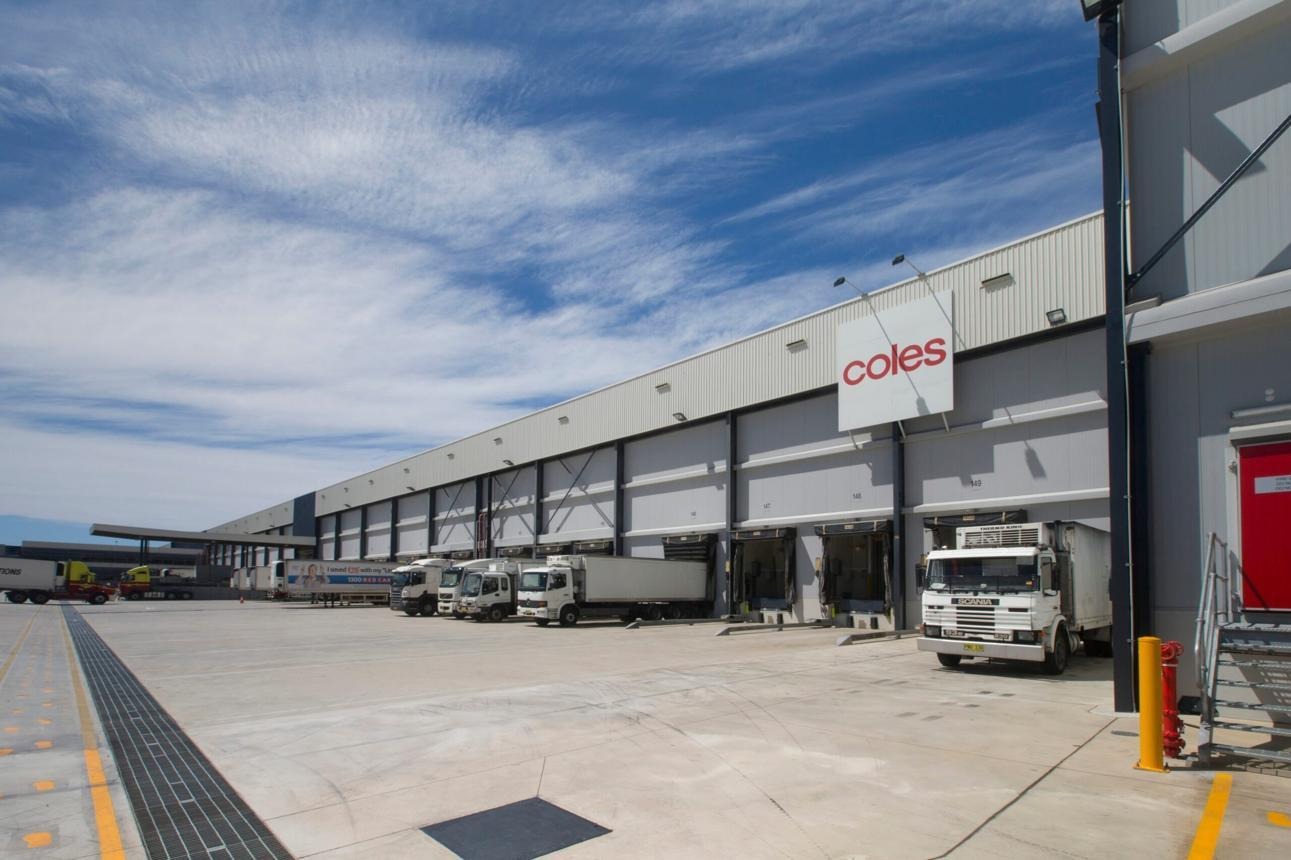

Another reason gold mining companies attract attention during uncertain periods is their operational leverage. Mining businesses have relatively fixed production costs, meaning that increases in gold prices can lead to disproportionately higher profitability. Even moderate price increases can significantly improve margins for efficient producers. This is one of the key reasons why gold mining stocks are closely watched during periods of rising safe haven demand.

Additionally, central bank gold purchases and long-term portfolio diversification strategies continue to support global demand for gold. Institutional investors often increase exposure to precious metals during uncertain market conditions, which further strengthens the outlook for ASX gold mining stocks.

What Defines Strong Gold Mining Companies

Not all gold producers benefit equally from rising gold prices. Strong ASX gold mining stocks usually combine low production costs, operational efficiency, and high-quality reserves. Companies with lower All-In Sustaining Costs (AISC) are generally better positioned because they can maintain strong margins even if gold prices fluctuate.

Production scale is also important. Larger miners with diversified operations often have greater stability and flexibility compared to smaller producers. Operational consistency, reserve quality, and disciplined capital allocation further influence long-term profitability.

  • Low production costs supporting margins 
  • High-quality reserves and stable production 
  • Operational efficiency and scalability 

Top 4 ASX Gold Mining Stocks

Ramelius Resources Ltd (ASX: RMS)

Ramelius Resources has built a strong position within the Australian gold sector through disciplined operations and steady production growth. The company focuses on maintaining operational efficiency while expanding its asset base. Among ASX gold mining stocks, Ramelius stands out due to its balance between production growth and cost control. Its ability to maintain relatively stable margins during changing gold price environments strengthens its defensive appeal.
Key Insight: Operational discipline and cost efficiency support long-term resilience.

Genesis Minerals Ltd (ASX: GMD)

Genesis Minerals has gained increasing market attention due to its growing production profile and strategic asset development. The company benefits from exposure to strong gold prices while continuing to improve operational scale. Among ASX gold mining stocks, Genesis is often viewed as a growth-oriented gold producer with expanding market relevance.
Key Insight: Production growth combined with rising gold demand enhances upside potential.

Capricorn Metals Ltd (ASX: CMM)

Capricorn Metals is recognized for its relatively efficient operations and strong project execution. Its focus on maintaining cost discipline and operational consistency has helped it establish a stable position in the gold sector. ASX gold mining stocks like Capricorn often attract investors seeking a combination of production stability and long-term growth potential.
Key Insight: Efficient operations support margin strength during volatile markets.

Ora Banda Mining Ltd (ASX: OBM)

Ora Banda Mining operates in the Australian gold sector with a focus on resource development and production expansion. The company benefits from investor interest in emerging gold producers during periods of strong gold prices. Among ASX gold mining stocks, Ora Banda offers exposure to both production growth and exploration upside.
Key Insight: Expansion potential strengthens long-term growth opportunities.

How These Stocks Differ

These ASX gold mining stocks differ based on production scale, operational maturity, and growth profile. Ramelius emphasizes operational consistency, Genesis focuses on expanding production, Capricorn highlights cost efficiency, and Ora Banda offers higher exploration and development upside. This diversity allows investors to gain exposure to different types of gold producers within the same sector.

What Is Driving Gold Demand

Gold demand is influenced by multiple macroeconomic and geopolitical factors. Inflation concerns, central bank purchases, weakening currencies, and rising global uncertainty all contribute to safe haven demand. During periods when investors seek stability, capital often flows toward gold-related assets, supporting ASX gold mining stocks.

At the same time, interest rate expectations also impact gold prices. Lower or stabilizing interest rates generally improve the attractiveness of gold compared to fixed-income assets. These broader economic conditions continue to create a supportive environment for gold producers.

Risk Considerations

Despite their defensive characteristics, ASX gold mining stocks still carry operational and market risks. Gold price volatility can impact earnings, while production disruptions and rising operating costs may pressure margins. Mining companies are also exposed to regulatory, environmental, and project execution risks.

Additionally, smaller gold producers may experience higher volatility compared to established miners. Investors should therefore evaluate both operational quality and financial stability when selecting ASX gold mining stocks.


Disclaimer:

General Financial Product Advice and Regulatory Framework: Pristine Gaze Pty Ltd (ABN 66 680 815 678, ACN 680 815 678) operates as Corporate Authorised Representative (CAR No. 001312049) of Alpha Securities Pty Ltd (AFSL 330757), which is licensed and regulated by the Australian Securities and Investments Commission under the Corporations Act 2001 (Cth). This report contains general financial product advice only and has been prepared without consideration of your personal objectives, financial situation, specific needs, circumstances, or investment experience. The information is not tailored to individual circumstances and may not be suitable for your particular situation. Before acting on any information contained herein, you should carefully consider its appropriateness having regard to your personal objectives, financial situation, and needs, and consider seeking personal financial advice from a qualified financial adviser who can assess your individual circumstances and provide tailored recommendations.

Investment Risks and Market Warnings: All investments carry significant risk, and different investment strategies may carry varying levels of risk exposure including total loss of invested capital. The value of investments and income derived from them can fluctuate significantly due to market conditions, economic factors, company-specific events, regulatory changes, commodity price volatility, currency fluctuations, interest rate movements, and other factors beyond our control. Securities markets are subject to market risk from general economic conditions and investor sentiment, liquidity risk affecting the ability to buy or sell securities at desired prices, credit risk from issuer default or deterioration, operational risk from inadequate internal processes, sector-specific risks including industry regulatory changes, technology obsolescence, management changes, competitive pressures, supply chain disruptions, and mining-specific risks including resource estimation uncertainty, operational hazards, environmental compliance, permitting delays, commodity price cycles, geopolitical factors affecting mining operations, and exploration risks. Small-cap and speculative mining stocks carry additional risks including limited liquidity, higher volatility, dependence on key personnel, limited operating history, uncertain cash flows, and potential failure to achieve commercial production.

Information Accuracy and Limitations: While we endeavour to ensure information accuracy and reliability, we make no representations or warranties (express or implied) regarding the accuracy, reliability, completeness, timeliness, or suitability of information provided, except where liability cannot be excluded under applicable law. This report may include information from third-party sources including company announcements, regulatory filings, research reports, market data providers, financial news services, and publicly available information, which we do not independently verify and for which we assume no responsibility. Past performance, examples, historical data, or projections are not indicative of future results, and no guarantee of future returns is provided or implied. To the maximum extent permitted by law, Pristine Gaze Pty Ltd and Alpha Securities Pty Ltd, together with their respective directors, officers, employees, representatives, and related entities, exclude all liability for any errors, omissions, inaccuracies, loss or damage (including direct, indirect, consequential, or special damages) arising from reliance on information provided, investment decisions made based on this report, market losses, opportunity costs, and technical issues or system failures.