

ASX: FMG

Is Fortescue Ltd (ASX: FMG) a Good Starting Point for Beginner Investors?

When stepping into the world of investing, beginners often face a tough question: Which stock should I start with? While many sectors and companies compete for attention, one name that frequently stands out on the ASX is Fortescue Ltd (ASX: FMG).

As one of Australia’s mining powerhouses, Fortescue is known for its iron ore production, shareholder-friendly policies, and more recently, its bold push into clean energy. But does it tick the right boxes for someone just starting their investment journey?

Let’s break it down in simple terms—looking at Fortescue’s core business, financials, risks, and future potential.

1. A Straightforward and Understandable Business Model

Warren Buffett famously advises beginners to invest in businesses they understand. Fortescue fits this principle perfectly.

What does FMG do?
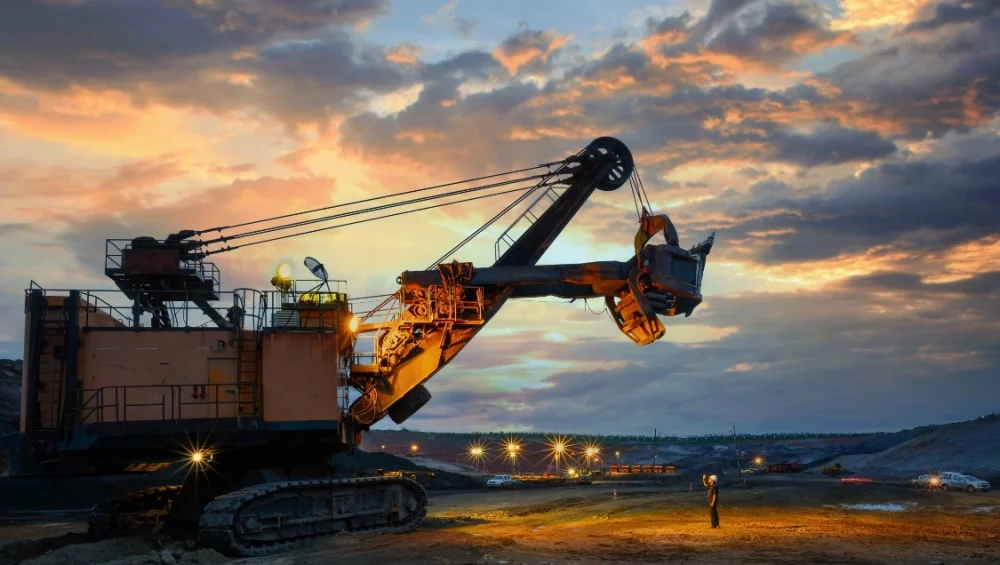
At its core, Fortescue extracts iron ore from the Pilbara region in Western Australia, transports it via rail to port facilities, and exports it—mainly to customers in China.

This simplicity is ideal for beginner investors. You don’t have to decipher complex technologies or disruptive innovations to understand where Fortescue’s revenue comes from.

Snapshot of FMG’s Recent Performance:

H1 FY25 Revenue: $11.55 billion

Net Income: $2.35 billion

P/E Ratio: 8.51 (as of July 2025)

Gross Margin: 39.19%

The strong margin and low P/E ratio show that Fortescue is generating solid earnings and may even be undervalued, offering potential upside for new investors.

2. Generous and Reliable Dividend Income

One of the best reasons to consider FMG as a starting stock is its attractive dividend profile.

While many high-growth companies reinvest profits, Fortescue has consistently returned earnings to shareholders—even during iron ore downturns. In fact, the company is well-known for delivering fully franked dividends, enhancing after-tax returns for Australian investors.

Latest Dividend Stats (TTM):

Dividend per Share: $0.50

Dividend Yield: 8.51% (TTM basis)

This dividend yield is significantly higher than the average term deposit or savings account, which makes FMG appealing for beginners who prefer stable income streams while learning about capital growth.

3. Exposure to Clean Energy: Fortescue Future Industries (FFI)

In addition to its iron ore operations, Fortescue is looking toward the future through its green energy arm—Fortescue Future Industries (FFI). FFI is focused on producing green hydrogen and investing in global decarbonisation projects.

Why This Matters for Beginners:

  1. Diversification: Offers a non-mining revenue stream over time.
  2. Growth Potential: If successful, FFI could significantly boost Fortescue’s long-term value.
  3. Sustainability Focus: Investing in FMG provides exposure to ESG-friendly initiatives, which are becoming increasingly important.

Though FFI is still in the investment phase and not yet profitable, it adds a forward-looking dimension to the company’s otherwise stable base business.

4. Financial Strength and Operational Discipline

For beginners, financial stability matters. A solid balance sheet and disciplined capital allocation help a company navigate economic downturns and commodity volatility.

Fortescue’s debt levels have been consistently reduced over the years, and the company maintains a strong cash flow, even during iron ore price dips. Its efficient cost structure also helps it stay competitive globally.

With production costs well below market prices, FMG remains profitable even in soft markets.

5. Key Risks That New Investors Should Know

While FMG has many beginner-friendly traits, it’s not without risks. Here are a few critical ones to keep in mind:

  1. Iron Ore Price Volatility

FMG’s fortunes are closely tied to global iron ore prices, which are influenced by demand from China, supply shocks, and geopolitical events.

  1. China Dependence

Roughly 90% of Fortescue’s iron ore exports go to China. A slowdown in Chinese construction or government policy changes could directly impact revenue.

  1. Green Energy Execution Risk

While FFI is promising, green hydrogen is still an emerging market. High capital requirements and technological hurdles may delay returns, especially for conservative investors.

6. Long-Term Outlook: Why FMG Still Makes Sense

Despite the risks, Fortescue’s long-term investment thesis remains strong:

  1. Demand for steel isn’t going away, especially in developing economies.
  2. Australia remains a low-risk jurisdiction with reliable mining regulations.
  3. Fortescue’s management is highly focused on shareholder returns, cost efficiency, and long-term strategic diversification.

In short, while it may not be the most exciting tech stock on the market, FMG offers a reliable, income-generating, and forward-looking opportunity for beginners.

Conclusion: A Smart Starting Point for New Investors

So, is Fortescue Ltd (ASX: FMG) a good first stock?

Absolutely—if your goal is to start with a stable, income-producing company that also has a foot in the future.

To summarise, FMG offers:

A simple business model.
Strong dividend yield.
Global relevance through iron ore exports.Yes, there are commodity risks, but for investors who understand them and are looking for a well-managed, large-cap stock, Fortescue makes an excellent case for being your first pick on the ASX.

Final Word

For beginner investors, confidence often comes from clarity—and Fortescue delivers that in spades. Whether you’re building your portfolio for passive income, learning how the stock market works, or just dipping your toes in, FMG offers a compelling mix of stability, transparency, and growth.

Disclaimer:

General Financial Product Advice and Regulatory Framework: Pristine Gaze Pty Ltd (ABN 66 680 815 678, ACN 680 815 678) operates as Corporate Authorised Representative (CAR No. 001312049) of Alpha Securities Pty Ltd (AFSL 330757), which is licensed and regulated by the Australian Securities and Investments Commission under the Corporations Act 2001 (Cth). This report contains general financial product advice only and has been prepared without consideration of your personal objectives, financial situation, specific needs, circumstances, or investment experience. The information is not tailored to individual circumstances and may not be suitable for your particular situation. Before acting on any information contained herein, you should carefully consider its appropriateness having regard to your personal objectives, financial situation, and needs, and consider seeking personal financial advice from a qualified financial adviser who can assess your individual circumstances and provide tailored recommendations.

Investment Risks and Market Warnings: All investments carry significant risk, and different investment strategies may carry varying levels of risk exposure including total loss of invested capital. The value of investments and income derived from them can fluctuate significantly due to market conditions, economic factors, company-specific events, regulatory changes, commodity price volatility, currency fluctuations, interest rate movements, and other factors beyond our control. Securities markets are subject to market risk from general economic conditions and investor sentiment, liquidity risk affecting the ability to buy or sell securities at desired prices, credit risk from issuer default or deterioration, operational risk from inadequate internal processes, sector-specific risks including industry regulatory changes, technology obsolescence, management changes, competitive pressures, supply chain disruptions, and mining-specific risks including resource estimation uncertainty, operational hazards, environmental compliance, permitting delays, commodity price cycles, geopolitical factors affecting mining operations, and exploration risks. Small-cap and speculative mining stocks carry additional risks including limited liquidity, higher volatility, dependence on key personnel, limited operating history, uncertain cash flows, and potential failure to achieve commercial production.

Information Accuracy and Limitations: While we endeavour to ensure information accuracy and reliability, we make no representations or warranties (express or implied) regarding the accuracy, reliability, completeness, timeliness, or suitability of information provided, except where liability cannot be excluded under applicable law. This report may include information from third-party sources including company announcements, regulatory filings, research reports, market data providers, financial news services, and publicly available information, which we do not independently verify and for which we assume no responsibility. Past performance, examples, historical data, or projections are not indicative of future results, and no guarantee of future returns is provided or implied. To the maximum extent permitted by law, Pristine Gaze Pty Ltd and Alpha Securities Pty Ltd, together with their respective directors, officers, employees, representatives, and related entities, exclude all liability for any errors, omissions, inaccuracies, loss or damage (including direct, indirect, consequential, or special damages) arising from reliance on information provided, investment decisions made based on this report, market losses, opportunity costs, and technical issues or system failures.


Facebook
Twitter
LinkedIn
Yield ASX Stocks

Top 3 High Yield ASX Stocks Perfect for Passive Income

Looking for ways to make your money work for you? On the Australian Securities Exchange (ASX), some heavy hitters have quietly carved out a reputation for strong, consistent dividends—handily beating the market average. As of 2025, Helia Group, Fortescue Metals Group, and Rio Tinto stand out as exceptional picks for investors chasing passive income that can weather any economic climate.

Why High Yield Matters for Passive Investors

Dividend investing is one of the most reliable paths for building passive income. High-yield stocks on the ASX deliver steady cash flows, helping buffer a portfolio against market volatility and economic downturns. Choosing stocks with robust businesses, sector leadership, and proven payout histories is key for anyone looking to maximize their investment returns in 2025. Let’s explore three top prospects for sustainable income.

1. Helia Group Ltd (ASX: HLI): Insurer with an Outsize Yield

Helia Group is making waves in 2025 with a dividend yield that puts many large-caps to shame. As a leading Australian mortgage insurer, Helia is known for strong underwriting, prudent risk management, and an unwavering commitment to shareholder returns.

Key Numbers and Performance

Dividend Yield (TTM): 6.02–6.6%

Annual Dividend (latest): $0.53 per share paid in April 2025

Payout Ratio: 38–39%

Recent Revenue: $245.45 million (H2 ’24)

Net Income: $134.51 million (H2 ’24)

Dividend Frequency: Semi-Annual, with special dividends possible

Helia’s high yield stems from both regular and occasional special dividends, supported by a cash-generative operation and management’s focus on capital returns. Despite a challenging climate for financial stocks, the group has kept payouts strong while maintaining a conservative payout ratio, which helps secure future distributions.

Why Helia Stands Out

  1. Cash-rich business, conservatively managed
  2. History of special and regular dividends
  3. Commitment to balancing distributions and reinvestment
  1. Fortescue Metals Group (ASX: FMG): Iron Ore, Iron Dividends

Fortescue Metals Group is not just an iron ore titan—it’s also a favorite among income-focused investors because of its eye-popping, fully franked dividends. Every year, Fortescue turns outstanding exports into cash for shareholders, positioning itself at the top of the ASX dividend leaderboard.

Key Numbers and Performance

Dividend Yield (TTM): 7.8%–8.2%

Annual Dividend: $1.39 per share (latest)

Most Recent Dividend: $0.50 per share (paid March 27, 2025)

Payout Ratio: 104%

Revenue (H1 FY25): $11.55 billion

Net Income (H1 FY25): $2.35 billion

Franking: 100%

Frequency: Semi-Annual

Fortescue’s payout ratio may look high, but it consistently generates immense free cash flow, thanks to discipline in both operations and capital management. This underpins not only the current high yields but sets the stage for potentially strong future dividends.

Why Fortescue Delivers

  1. High, fully franked yields (great for Australian tax efficiency)
  2. Operational discipline and robust free cash flow
  3. Historically resilient to commodity swings
  1. Rio Tinto (ASX: RIO): A Mining Giant with Reliable Passive Returns

No list would be complete without Rio Tinto, a giant in diversified mining and a paragon of consistent returns. For decades, Rio has rewarded long-term shareholders with regular, generous dividends—even in commodity downturns.

Key Numbers and Performance

Dividend Yield (TTM): 6.58%–7.41%

Annual Dividend: $3.71 per share (recent)

Payout Frequency: Semi-Annual

Revenue (H2 FY24): $40.63 billion

Net Income (H2 FY24): $8.69 billion

With sector leadership and global diversification, Rio Tinto’s income stream remains less vulnerable to single-commodity swings. Its board aims to return 40–60% of underlying earnings in dividends, setting a high floor for regular payouts—even when prices soften.

Why Rio Tinto Is Reliable

  1. Massive scale and market leadership
  2. Long track record of consistent, generous dividends
  3. Healthy cash flows protect and grow the payout even in downturns

The Takeaway: Three Powerhouses for Passive Income

These three ASX stocks—Helia Group, Fortescue Metals, and Rio Tinto—shine for different reasons, but all deliver one thing in common: robust and dependable passive income. Their sector leadership, consistent payouts, and strong financials make them prime candidates to anchor an income-focused portfolio in 2025.

Key Considerations:

  1. Diversification: Balance these stocks with other sectors to manage risks tied to mining and financial cycles.
  2. Dividend Sustainability: Always consider payout ratios and cash flow backing.
  3. Market Conditions: Commodity companies’ yields can swing with global demand; insurers are exposed to property cycles.

Still, the high yields and stability offered by these companies mean you can genuinely earn while you sleep. For those focused on building passive income, these ASX giants are at the top of the list.

Investing for income in 2025? Let Helia Group, Fortescue, and Rio Tinto help your portfolio pay you—year after year. Just remember: smart income investing means pairing these heavyweights with diversification and regular review for peace of mind and growing wealth.

 Disclaimer:

General Financial Product Advice and Regulatory Framework: Pristine Gaze Pty Ltd (ABN 66 680 815 678, ACN 680 815 678) operates as Corporate Authorised Representative (CAR No. 001312049) of Alpha Securities Pty Ltd (AFSL 330757), which is licensed and regulated by the Australian Securities and Investments Commission under the Corporations Act 2001 (Cth). This report contains general financial product advice only and has been prepared without consideration of your personal objectives, financial situation, specific needs, circumstances, or investment experience. The information is not tailored to individual circumstances and may not be suitable for your particular situation. Before acting on any information contained herein, you should carefully consider its appropriateness having regard to your personal objectives, financial situation, and needs, and consider seeking personal financial advice from a qualified financial adviser who can assess your individual circumstances and provide tailored recommendations.

Investment Risks and Market Warnings: All investments carry significant risk, and different investment strategies may carry varying levels of risk exposure including total loss of invested capital. The value of investments and income derived from them can fluctuate significantly due to market conditions, economic factors, company-specific events, regulatory changes, commodity price volatility, currency fluctuations, interest rate movements, and other factors beyond our control. Securities markets are subject to market risk from general economic conditions and investor sentiment, liquidity risk affecting the ability to buy or sell securities at desired prices, credit risk from issuer default or deterioration, operational risk from inadequate internal processes, sector-specific risks including industry regulatory changes, technology obsolescence, management changes, competitive pressures, supply chain disruptions, and mining-specific risks including resource estimation uncertainty, operational hazards, environmental compliance, permitting delays, commodity price cycles, geopolitical factors affecting mining operations, and exploration risks. Small-cap and speculative mining stocks carry additional risks including limited liquidity, higher volatility, dependence on key personnel, limited operating history, uncertain cash flows, and potential failure to achieve commercial production.

Information Accuracy and Limitations: While we endeavour to ensure information accuracy and reliability, we make no representations or warranties (express or implied) regarding the accuracy, reliability, completeness, timeliness, or suitability of information provided, except where liability cannot be excluded under applicable law. This report may include information from third-party sources including company announcements, regulatory filings, research reports, market data providers, financial news services, and publicly available information, which we do not independently verify and for which we assume no responsibility. Past performance, examples, historical data, or projections are not indicative of future results, and no guarantee of future returns is provided or implied. To the maximum extent permitted by law, Pristine Gaze Pty Ltd and Alpha Securities Pty Ltd, together with their respective directors, officers, employees, representatives, and related entities, exclude all liability for any errors, omissions, inaccuracies, loss or damage (including direct, indirect, consequential, or special damages) arising from reliance on information provided, investment decisions made based on this report, market losses, opportunity costs, and technical issues or system failures.
 

Facebook
Twitter
LinkedIn
WiseTech

Why WiseTech is Falling — and What It Means

Introduction: When Tech Titans Stumble

WiseTech Global has long been one of Australia’s most celebrated tech success stories. Known globally for its logistics software platform, CargoWise, WiseTech has enjoyed rapid revenue growth, international expansion, and a soaring share price on the Australian Securities Exchange (ASX). However, 2025 has brought an unexpected twist. After years of consistent gains and investor enthusiasm, WiseTech shares have taken a sharp dive. This begs the question: Why is WiseTech falling? More importantly, what does this mean for investors, employees, and the broader Australian tech sector?

The Downshift No One Expected

In a jarring market move, WiseTech shares plummeted over 12% in a single session—from about $139 down to under $122—before seeing a mild rebound. For many investors, this rapid retreat came as a surprise, given the company’s prior momentum. WiseTech’s all-time highs just months earlier, combined with the company’s reputation for innovation and growing global footprint, made this sell-off a wake-up call.

What Triggered the Slide? Key Reasons Summarized

1. Downgraded Guidance Doused Euphoria

WiseTech lowered its FY25 revenue guidance to between $1.2 billion and $1.3 billion, down from the previous range of $1.3 billion to $1.35 billion. EBITDA forecasts were also trimmed to $600 million–$660 million.

The single biggest cause cited was a delay in launching the much-anticipated Container Transport Optimization (CTO) product—a key growth driver that investors were counting on to drive the next phase of revenue expansion. This setback hit investor confidence hard, given how critical CTO is to WiseTech’s future growth story.

2. Executive Turmoil and Governance Concerns

The departure of founder and long-standing CEO Richard White shook the company. White stepped down amid governance concerns and intense media scrutiny, though investigations found no evidence of misconduct. Still, the brouhaha created instability at the top.

Adding to the upheaval, multiple board members resigned over disagreements regarding White’s continuing role. As a result, WiseTech’s board now falls short of ASX rules regarding independent oversight, raising alarms about governance standards.

Interim CEO Andrew Cartledge has taken the helm during this turbulent period, tasked with steadying the ship and charting a clear direction forward.

3. Investor Anxiety About Growth and Visibility

Analysts and investors have expressed concerns about a slowing rollout of new products beyond CTO, as well as integration challenges linked to recent acquisitions. While revenue growth remains positive and strong, it faces increasingly difficult comparisons to the company’s explosive past growth.

More worryingly, the visibility of future revenue streams has become murkier, unsettling investors who expected steady clarity on upcoming growth drivers.

4.The Domino Effect: Market Reactions

The day’s 12% share price drop was accompanied by increased trading volumes as the market digested WiseTech’s lowered guidance and leadership turmoil. At current prices, WiseTech still trades at a price-to-earnings (PE) ratio above 120, one of the highest among ASX 200 companies.

This valuation premium means even slight execution hiccups can lead to outsized sell-offs, amplifying volatility.

WiseTech’s Structural Strength is Intact

Despite short-term setbacks, the fundamentals of WiseTech’s business remain sound. Its core CargoWise platform continues to lead the global logistics software sector, boasting strong adoption among major freight companies worldwide and excellent customer retention rates. Recurring revenues and high margins keep the underlying business healthy, providing a base for potential recovery.

Premium Valuation Faces a Reality Check

WiseTech’s high valuation is built on the promise of sustained rapid growth. This premium pricing means investors expect near-flawless execution and continuous innovation. Any delays—like the CTO rollout postponement—or governance uncertainties can lead to sharp market corrections. WiseTech’s recent decline is a reminder that lofty multiples require strong performance to justify them.

Leadership Flux Adds Suspense

The CEO change, board resignations, and governance scrutiny heighten uncertainty for investors. Institutional shareholders often demand strong, independent oversight and stable leadership before committing or increasing positions. WiseTech’s current board composition falls short of ASX independence standards, which may delay regaining full investor confidence.

Product Pipeline: From Hope to Execution Risk

WiseTech’s long-term outlook remains promising, hinging heavily on new product rollouts such as CTO. Investors will now seek clear, transparent updates on product launches and tangible commercial results to regain faith in the company’s growth trajectory. The journey from product announcement to successful execution is proving more complex and time-consuming than investors initially hoped.

Sector Implications: Growth Tech Faces Scrutiny

WiseTech’s troubles are not in isolation. They highlight wider challenges faced by high-multiple tech companies, where sustained outperformance is essential. In a market environment now more cautious and valuation-sensitive, any stumble—even one perceived as minor—can cause disproportionate market reactions. Furthermore, founder-led Australian tech companies are learning the hard way about the importance of smooth leadership succession and robust governance structures.

Conclusion: Hard Questions, Resilient Core

WiseTech’s share price decline in 2025 is a reality check but far from the end of its story. The company remains a powerhouse in global logistics software, backed by solid financials and a loyal customer base. However, the bar is higher for premium tech stocks today: the market demands flawless execution and stronger governance to match high expectations.

For shareholders and observers, WiseTech’s fall serves as an important lesson—the road to sustained growth is rarely smooth. Recovery depends on delivering on promises, rebuilding investor trust, and navigating leadership transitions wisely. As the dust settles, WiseTech’s core strengths could yet propel it back to growth—but only if it can translate potential into performance.

 Disclaimer:

General Financial Product Advice and Regulatory Framework: Pristine Gaze Pty Ltd (ABN 66 680 815 678, ACN 680 815 678) operates as Corporate Authorised Representative (CAR No. 001312049) of Alpha Securities Pty Ltd (AFSL 330757), which is licensed and regulated by the Australian Securities and Investments Commission under the Corporations Act 2001 (Cth). This report contains general financial product advice only and has been prepared without consideration of your personal objectives, financial situation, specific needs, circumstances, or investment experience. The information is not tailored to individual circumstances and may not be suitable for your particular situation. Before acting on any information contained herein, you should carefully consider its appropriateness having regard to your personal objectives, financial situation, and needs, and consider seeking personal financial advice from a qualified financial adviser who can assess your individual circumstances and provide tailored recommendations.

Investment Risks and Market Warnings: All investments carry significant risk, and different investment strategies may carry varying levels of risk exposure including total loss of invested capital. The value of investments and income derived from them can fluctuate significantly due to market conditions, economic factors, company-specific events, regulatory changes, commodity price volatility, currency fluctuations, interest rate movements, and other factors beyond our control. Securities markets are subject to market risk from general economic conditions and investor sentiment, liquidity risk affecting the ability to buy or sell securities at desired prices, credit risk from issuer default or deterioration, operational risk from inadequate internal processes, sector-specific risks including industry regulatory changes, technology obsolescence, management changes, competitive pressures, supply chain disruptions, and mining-specific risks including resource estimation uncertainty, operational hazards, environmental compliance, permitting delays, commodity price cycles, geopolitical factors affecting mining operations, and exploration risks. Small-cap and speculative mining stocks carry additional risks including limited liquidity, higher volatility, dependence on key personnel, limited operating history, uncertain cash flows, and potential failure to achieve commercial production.

Information Accuracy and Limitations: While we endeavour to ensure information accuracy and reliability, we make no representations or warranties (express or implied) regarding the accuracy, reliability, completeness, timeliness, or suitability of information provided, except where liability cannot be excluded under applicable law. This report may include information from third-party sources including company announcements, regulatory filings, research reports, market data providers, financial news services, and publicly available information, which we do not independently verify and for which we assume no responsibility. Past performance, examples, historical data, or projections are not indicative of future results, and no guarantee of future returns is provided or implied. To the maximum extent permitted by law, Pristine Gaze Pty Ltd and Alpha Securities Pty Ltd, together with their respective directors, officers, employees, representatives, and related entities, exclude all liability for any errors, omissions, inaccuracies, loss or damage (including direct, indirect, consequential, or special damages) arising from reliance on information provided, investment decisions made based on this report, market losses, opportunity costs, and technical issues or system failures.

Facebook
Twitter
LinkedIn
Goodman Group

Is Goodman Group Too Expensive for New Investors?

Goodman Group, Australia’s industrial property giant, has been a favorite among investors chasing the rising demand for data centers and logistics hubs. However, with its share price hovering around $35 and premium valuation metrics, many new investors are asking: Is Goodman Group (GMG) too expensive right now?

Quick Company Snapshot

As of July 2025, Goodman Group trades at approximately $35.25 per share, boasting a market capitalization above $71 billion. This positions it as one of the largest listed property companies in Australia and a major global player. Goodman specializes in high-demand property types such as logistics warehouses, e-commerce infrastructure, and hyperscale data centers. With operations spanning global cities—from Sydney to Frankfurt to Silicon Valley—the company offers investors unique exposure to both traditional industrial real estate and emerging digital infrastructure sectors.

The Price Surge: A Relentless Rally

Over the past two years, Goodman’s share price has experienced a steady climb. Back in mid-2023, shares traded below $25, but by July 2025, they have risen to the mid-$30s. In early 2025, Goodman raised capital through a placement at $33.50, which was only slightly below the market price at the time, underscoring strong demand from institutional investors. Since then, the share price has continued to inch higher, albeit at a slower pace, reflecting a market that has largely absorbed earlier gains.

Is Goodman’s Valuation Too High?

When viewed through traditional valuation lenses, Goodman Group appears expensive. It trades at a price-to-earnings (PE) ratio north of 74, while most industrial property trusts or REITs generally fall between 15 and 25. More so, its price-to-book (P/B) ratio stands at about 3.5 to 3.97, compared to sector peers that typically trade below 2. The company also offers a dividend yield of less than 1%—significantly lower than the average for both the Australian market and the REIT sector. Independent valuation models further suggest that Goodman’s intrinsic value may be near $18.40, indicating a nearly 50% premium in market price at current levels.

Why Do Investors Pay the Premium?

Despite such lofty valuation metrics, investors remain confident in Goodman’s prospects for several reasons. First, the company has a massive development pipeline valued between $40 billion and $50 billion, largely focused on hyperscale data centers—a rapidly growing asset class fueled by artificial intelligence, cloud computing, and digitalization trends. Second, Goodman’s scale and global footprint are rare in the REIT world, providing investors with exposure to multiple key markets and sectors simultaneously. Third, the company benefits from long-term leases and high occupancy rates, which create stable and predictable income streams. Lastly, Goodman maintains a conservative balance sheet with low gearing, increasing its resilience against rising interest rates or market volatility.

Drawbacks: The Case Against Buying In Now

Although Goodman’s strengths are clear, several risks may deter newcomers. High valuation multiples mean little room for disappointment—if earnings growth slows or the global data center market experiences setbacks, the share price could correct sharply. Furthermore, the company’s low dividend yield makes it less attractive for income-focused investors who prioritize steady cash flow. On the competitive front, the data center industry faces growing entrants and technological shifts requiring hefty upfront investment. Lastly, as with all property trusts, fluctuations in global interest rates can increase borrowing costs and reduce asset valuations.

Is There Value Left for Newcomers?

Many analysts foresee only modest upside potential in the coming year, often below 10%, given how much growth is already factored into the current share price. While Goodman’s position in emerging sectors like logistics and data infrastructure provides long-term growth opportunities, new investors should temper expectations. Valuation models widely show the stock as overvalued by 30–50%, implying that future price appreciation could be limited unless the company significantly outperforms these expectations.

Final Verdict: Great Business, But Not a Bargain

Goodman Group stands out as a world-class company at the intersection of two powerful trends: e-commerce logistics and digital infrastructure. For investors with a long time horizon and high tolerance for volatility, GMG represents a compelling growth story. However, for most new investors in mid-2025, the stock’s premium valuation and low dividend yield suggest limited immediate upside and heightened risk of a price correction. Those seeking value or regular income might do better to explore other industrial property trusts or blue-chip REITs with more attractive valuations.

 Disclaimer:

General Financial Product Advice and Regulatory Framework: Pristine Gaze Pty Ltd (ABN 66 680 815 678, ACN 680 815 678) operates as Corporate Authorised Representative (CAR No. 001312049) of Alpha Securities Pty Ltd (AFSL 330757), which is licensed and regulated by the Australian Securities and Investments Commission under the Corporations Act 2001 (Cth). This report contains general financial product advice only and has been prepared without consideration of your personal objectives, financial situation, specific needs, circumstances, or investment experience. The information is not tailored to individual circumstances and may not be suitable for your particular situation. Before acting on any information contained herein, you should carefully consider its appropriateness having regard to your personal objectives, financial situation, and needs, and consider seeking personal financial advice from a qualified financial adviser who can assess your individual circumstances and provide tailored recommendations.

Investment Risks and Market Warnings: All investments carry significant risk, and different investment strategies may carry varying levels of risk exposure including total loss of invested capital. The value of investments and income derived from them can fluctuate significantly due to market conditions, economic factors, company-specific events, regulatory changes, commodity price volatility, currency fluctuations, interest rate movements, and other factors beyond our control. Securities markets are subject to market risk from general economic conditions and investor sentiment, liquidity risk affecting the ability to buy or sell securities at desired prices, credit risk from issuer default or deterioration, operational risk from inadequate internal processes, sector-specific risks including industry regulatory changes, technology obsolescence, management changes, competitive pressures, supply chain disruptions, and mining-specific risks including resource estimation uncertainty, operational hazards, environmental compliance, permitting delays, commodity price cycles, geopolitical factors affecting mining operations, and exploration risks. Small-cap and speculative mining stocks carry additional risks including limited liquidity, higher volatility, dependence on key personnel, limited operating history, uncertain cash flows, and potential failure to achieve commercial production.

Information Accuracy and Limitations: While we endeavour to ensure information accuracy and reliability, we make no representations or warranties (express or implied) regarding the accuracy, reliability, completeness, timeliness, or suitability of information provided, except where liability cannot be excluded under applicable law. This report may include information from third-party sources including company announcements, regulatory filings, research reports, market data providers, financial news services, and publicly available information, which we do not independently verify and for which we assume no responsibility. Past performance, examples, historical data, or projections are not indicative of future results, and no guarantee of future returns is provided or implied. To the maximum extent permitted by law, Pristine Gaze Pty Ltd and Alpha Securities Pty Ltd, together with their respective directors, officers, employees, representatives, and related entities, exclude all liability for any errors, omissions, inaccuracies, loss or damage (including direct, indirect, consequential, or special damages) arising from reliance on information provided, investment decisions made based on this report, market losses, opportunity costs, and technical issues or system failures.

Facebook
Twitter
LinkedIn
ANZ

Is It Time to Take Profits on ANZ (ASX: ANZ)?

ANZ Bank (ASX: ANZ): Time to Cash In or Stay the Course?

Riding the Momentum: ANZ’s Stellar Run

2024 and early 2025 have been kind to ANZ investors. With its share price rallying close to A$30, ANZ has jumped nearly 15% in the last six months alone. Solid earnings, a strong balance sheet, and a resilient Australian economy have helped lift investor sentiment.

But after a strong rally, questions are now emerging: Has the stock run too far too fast? Or is there more upside left in the tank?

In this blog, we break down ANZ’s latest financials, examine market risks, and help you decide whether it’s time to take some profits—or keep collecting dividends.

Big Numbers, Balanced Growth: ANZ’s 1H FY25 Performance

ANZ delivered a stable performance in the first half of FY25, supported by growth in lending and decent cost control.
Here are some key highlights from the H1 FY25 results:

Total Revenue: $35.63 billion

Net Profit After Tax (NPAT): $3.64 billion

Net Interest Margin (NIM): Down to 1.56%

Loan Impairments: Rose 48% YoY

Dividend: $0.83 per share (70% franked)

While earnings remained strong, the squeeze on margins and a sharp rise in loan impairments are causing some discomfort. Margin pressure is mainly driven by competitive home loan pricing and rising deposit costs.

Still a Dividend Magnet

One of ANZ’s major attractions is its reliable dividend yield of ~5.4%, placing it among the most attractive income-generating stocks on the ASX.

The bank’s capital position remains robust, with a CET1 ratio above 11%, meaning it has more than enough buffer to continue paying dividends—even if conditions worsen.

If you’re an income investor, ANZ still ticks the boxes for yield, reliability, and long-term dividend stability.

Warning Signs on the Radar

Despite the strong topline, some concerns are beginning to surface beneath the numbers:

Margin Pressure

ANZ’s net interest margin slipped to 1.56%, the lowest in several years. Fierce competition in mortgages and rising deposit rates are compressing profits, a trend that could persist if the RBA begins cutting rates.

⚠️ Rising Bad Debts

Loan impairment charges spiked 48% YoY, especially within the retail segment. This signals that households are starting to feel the pinch of elevated interest rates, potentially leading to higher defaults ahead.

💸 Valuation No Longer Cheap

At a P/E ratio of ~13.5×, ANZ is slightly above its historical average. While it isn’t overvalued, it’s certainly not trading at a bargain either. Much of the recent upside has likely priced in the positives.

Market Mood: Taking Chips Off the Table?

Between July 19–21, 2025, ANZ shares fell 2–3%, part of a broader sell-off in major banks. Investors appear to be booking profits ahead of the upcoming August reporting season, wary of slowing growth and macro uncertainty.

The ASX 200 index also pulled back after hitting record highs, suggesting this isn’t an ANZ-specific issue but rather a broader sector rotation. Still, the timing raises eyebrows.

Should You Take Profits on ANZ?

Yes, If:

  1. You bought in at 2023–24 lows and are sitting on double-digit returns.
  2. You’re worried about margin erosion and rising credit defaults.
  3. You want to shift capital into sectors with higher growth potential in the short term.

No, If:

  1. You rely on ANZ’s dividend for steady passive income.
  2. You expect RBA rate cuts later this year to support lending and reduce funding costs.
  3. You view ANZ as a long-term anchor stock in a diversified portfolio.

What Lies Ahead?

As we head into the second half of FY25, several factors will influence ANZ’s performance:

  1. August to November earnings updates – Will margins stabilize or keep slipping?
  2. Loan growth outlook – Especially in mortgages and business lending
  3. Impairment trends – Are household and SME borrowers coping?
  4. RBA policy – Any cut in rates could offer relief, but also hurt bank margins

Essentially, ANZ is at a crossroads—awaiting cues from both internal performance and broader economic shifts.

Final Take: Be Strategic, Not Emotional

ANZ remains one of the top-tier banks in Australia, backed by strong fundamentals, high dividends, and a solid capital position. However, signs of strain are creeping in—narrowing margins, rising impairments, and valuation fatigue.

A smart strategy at this stage might be partial profit-taking. Lock in gains if you bought early, and reduce your exposure if you’re wary of near-term risks. But for long-term investors, keeping a core position still makes sense—especially for the consistent dividend stream and potential compounding returns.

 Disclaimer:

General Financial Product Advice and Regulatory Framework: Pristine Gaze Pty Ltd (ABN 66 680 815 678, ACN 680 815 678) operates as Corporate Authorised Representative (CAR No. 001312049) of Alpha Securities Pty Ltd (AFSL 330757), which is licensed and regulated by the Australian Securities and Investments Commission under the Corporations Act 2001 (Cth). This report contains general financial product advice only and has been prepared without consideration of your personal objectives, financial situation, specific needs, circumstances, or investment experience. The information is not tailored to individual circumstances and may not be suitable for your particular situation. Before acting on any information contained herein, you should carefully consider its appropriateness having regard to your personal objectives, financial situation, and needs, and consider seeking personal financial advice from a qualified financial adviser who can assess your individual circumstances and provide tailored recommendations.

Investment Risks and Market Warnings: All investments carry significant risk, and different investment strategies may carry varying levels of risk exposure including total loss of invested capital. The value of investments and income derived from them can fluctuate significantly due to market conditions, economic factors, company-specific events, regulatory changes, commodity price volatility, currency fluctuations, interest rate movements, and other factors beyond our control. Securities markets are subject to market risk from general economic conditions and investor sentiment, liquidity risk affecting the ability to buy or sell securities at desired prices, credit risk from issuer default or deterioration, operational risk from inadequate internal processes, sector-specific risks including industry regulatory changes, technology obsolescence, management changes, competitive pressures, supply chain disruptions, and mining-specific risks including resource estimation uncertainty, operational hazards, environmental compliance, permitting delays, commodity price cycles, geopolitical factors affecting mining operations, and exploration risks. Small-cap and speculative mining stocks carry additional risks including limited liquidity, higher volatility, dependence on key personnel, limited operating history, uncertain cash flows, and potential failure to achieve commercial production.

Information Accuracy and Limitations: While we endeavour to ensure information accuracy and reliability, we make no representations or warranties (express or implied) regarding the accuracy, reliability, completeness, timeliness, or suitability of information provided, except where liability cannot be excluded under applicable law. This report may include information from third-party sources including company announcements, regulatory filings, research reports, market data providers, financial news services, and publicly available information, which we do not independently verify and for which we assume no responsibility. Past performance, examples, historical data, or projections are not indicative of future results, and no guarantee of future returns is provided or implied. To the maximum extent permitted by law, Pristine Gaze Pty Ltd and Alpha Securities Pty Ltd, together with their respective directors, officers, employees, representatives, and related entities, exclude all liability for any errors, omissions, inaccuracies, loss or damage (including direct, indirect, consequential, or special damages) arising from reliance on information provided, investment decisions made based on this report, market losses, opportunity costs, and technical issues or system failures.

Facebook
Twitter
LinkedIn
MTM Critical Minerals

MTM Critical Minerals (ASX: MTM): Hidden Gem or Overhyped?

The ASX small-cap scene has a new disruptor—and its name is MTM Critical Metals. With a jaw-dropping 1,870% share price rally over the past year, this once-obscure player has quickly become one of the most talked-about names on the Australian exchange. But is the buzz justified, or are we looking at yet another overhyped early-stage company?

Let’s dig deeper into MTM’s operations, its promising Flash Joule Heating (FJH) technology, financials, and the looming risks behind the glowing headlines.

From E-Waste to Equity Rockstar

MTM’s 2025 rise is nothing short of spectacular. Central to its story is its Flash Joule Heating (FJH) technology, a proprietary process (licensed from Rice University) that extracts critical metals—including lithium, rare earths, niobium, gallium, and antimony—from electronic waste and mineral residues.

At a time when the world is scrambling for sustainable ways to source critical minerals, MTM’s value proposition sounds like a dream. And investors have responded: its stock has gained almost 2,000% YTD, making it one of the top-performing ASX stocks of the year.

Flash of Data

Behind the hype, MTM has been putting together a story of execution and progress—albeit in the pre-revenue stage.

  • Cash Position: As of H1 FY25, MTM reported over $5.38 million in cash, largely from strategic fundraisings, including support from Pengana Capital Group and Terra Capital.
  • Supply Agreements: MTM has secured 1,100 tonnes/year of electronic waste feedstock, ensuring future raw material supply for its commercialisation plans.
  • Operational Milestones: It has met all key milestones ahead of schedule and aims to kick off commercial-scale operations by 2026.
  • Funding Runway: With over $10 million available (including committed capital), the company has coverage for nearly 7 quarters, suggesting strong financial discipline for an early-stage tech venture.

Still, no commercial revenues have been reported. MTM remains in its investment phase, with net losses and negative EBITDA continuing to reflect the cost-heavy early cycle.

Technology Spotlight: The FJH Advantage

MTM’s secret sauce is its Flash Joule Heating (FJH) process. Here’s what makes it disruptive:

  • Efficiency: FJH uses intense electric pulses to rapidly heat waste materials, releasing embedded critical metals in seconds—a faster and cleaner alternative to traditional mining and smelting.
  • Versatility: The process targets a wide spectrum of metals: rare earth elements, lithium, gallium, niobium, and more—many of which are essential for EVs, semiconductors, and defence.
  • Sustainability: By recovering value from e-waste, MTM aligns with global ESG and circular economy trends—offering a greener path to metal recovery.
  • Industry Support: MOUs with major players like Indium Corporation and alignment with the S. Department of Defense for strategic metals suggest external validation of MTM’s tech potential.

Why MTM Could Be a Hidden Gem

1. Scalable Tech with Global Relevance

MTM’s pilot plant targets one tonne/month output—just a small fraction of the 400–500 tonnes/year gallium demand in the U.S. alone. If successful, MTM could serve strategic needs of Western countries desperate for alternative, local sources of critical metals.

2. Attractive Asset Base

MTM isn’t just about tech—it holds rare earth and niobium exploration projects across Western Australia and Canada, giving it upside exposure to global mining trends.

3. Strong Funding and Execution

Despite being early stage, MTM has executed ahead of timeline and secured funding that stretches into late 2025. In a capital-intensive sector, this financial buffer gives it the time to prove its model.

Risks That Could Prove the Hype Hollow

1. Still Pre-Revenue

While the tech sounds impressive, MTM hasn’t yet generated revenue. Its operations currently run at an operating cash burn exceeding $3 million per half-year, highlighting the speculative nature of the business.

2. Scale-Up Uncertainty

FJH has been tested at pilot scale, but the commercial plant is yet to be built. There’s no guarantee the process will work as efficiently or economically on a larger scale, especially with regulatory, logistical, and technical challenges to overcome.

3. Share Price Volatility

With a 1,870% rally, MTM’s valuation may have far outpaced its business progress. If milestones are delayed—or if broader market sentiment shifts—the stock could face steep corrections.

Hidden Gem or Hype? Final Thoughts

MTM Critical Metals presents a compelling yet complex story. On one hand, it boasts proprietary, scalable technology with real potential to disrupt the critical minerals and e-waste recycling space. Its strong cash reserves, strategic partnerships, and early execution success make it an exciting prospect in a sector hungry for innovation. On the other hand, the company is still in its pre-revenue phase, with key operational milestones—like commercial production and revenue generation—still to be achieved. Its share price has soared nearly 1,870% over the past year, raising questions about whether investor optimism has outpaced reality. At this stage, MTM stands at a critical inflection point: if it delivers on its commercial rollout and scales successfully, it could indeed be a hidden gem. But until then, it remains a high-risk, high-reward play—demanding cautious optimism and close monitoring from investors.

Investor Takeaway: Vision or Caution?

If you’re an investor who embraces early-stage innovation, and you believe in tech-driven solutions for the global mineral crisis, MTM offers a bold and exciting narrative. It’s backed by smart capital, green technology, and a growing asset base.

However, if you’re risk-averse or skeptical of speculative surges, it may be worth holding back until MTM demonstrates commercial traction.

This is not a company to blindly chase on momentum. Instead, it demands close monitoring, selective positioning, and a clear understanding that the road from pilot to production is rarely smooth.

 Disclaimer:

General Financial Product Advice and Regulatory Framework: Pristine Gaze Pty Ltd (ABN 66 680 815 678, ACN 680 815 678) operates as Corporate Authorised Representative (CAR No. 001312049) of Alpha Securities Pty Ltd (AFSL 330757), which is licensed and regulated by the Australian Securities and Investments Commission under the Corporations Act 2001 (Cth). This report contains general financial product advice only and has been prepared without consideration of your personal objectives, financial situation, specific needs, circumstances, or investment experience. The information is not tailored to individual circumstances and may not be suitable for your particular situation. Before acting on any information contained herein, you should carefully consider its appropriateness having regard to your personal objectives, financial situation, and needs, and consider seeking personal financial advice from a qualified financial adviser who can assess your individual circumstances and provide tailored recommendations.

Investment Risks and Market Warnings: All investments carry significant risk, and different investment strategies may carry varying levels of risk exposure including total loss of invested capital. The value of investments and income derived from them can fluctuate significantly due to market conditions, economic factors, company-specific events, regulatory changes, commodity price volatility, currency fluctuations, interest rate movements, and other factors beyond our control. Securities markets are subject to market risk from general economic conditions and investor sentiment, liquidity risk affecting the ability to buy or sell securities at desired prices, credit risk from issuer default or deterioration, operational risk from inadequate internal processes, sector-specific risks including industry regulatory changes, technology obsolescence, management changes, competitive pressures, supply chain disruptions, and mining-specific risks including resource estimation uncertainty, operational hazards, environmental compliance, permitting delays, commodity price cycles, geopolitical factors affecting mining operations, and exploration risks. Small-cap and speculative mining stocks carry additional risks including limited liquidity, higher volatility, dependence on key personnel, limited operating history, uncertain cash flows, and potential failure to achieve commercial production.

Information Accuracy and Limitations: While we endeavour to ensure information accuracy and reliability, we make no representations or warranties (express or implied) regarding the accuracy, reliability, completeness, timeliness, or suitability of information provided, except where liability cannot be excluded under applicable law. This report may include information from third-party sources including company announcements, regulatory filings, research reports, market data providers, financial news services, and publicly available information, which we do not independently verify and for which we assume no responsibility. Past performance, examples, historical data, or projections are not indicative of future results, and no guarantee of future returns is provided or implied. To the maximum extent permitted by law, Pristine Gaze Pty Ltd and Alpha Securities Pty Ltd, together with their respective directors, officers, employees, representatives, and related entities, exclude all liability for any errors, omissions, inaccuracies, loss or damage (including direct, indirect, consequential, or special damages) arising from reliance on information provided, investment decisions made based on this report, market losses, opportunity costs, and technical issues or system failures.

Facebook
Twitter
LinkedIn
Lithium Stocks

3 Undervalued Lithium Stocks Every ASX Investor Should Know

The Lithium Boom Isn’t Over—It’s Just Getting Started

Lithium, often called the “white gold” of the clean energy revolution, is at the heart of major shifts in both mobility and energy. With the unstoppable rise of electric vehicles (EVs), battery storage systems, and global decarbonization targets, demand for lithium is on track to nearly triple between 2023 and 2030. While many lithium stocks reached sky-high valuations during the 2021–2022 frenzy, recent price corrections have pulled some strong contenders back into appealing territory for long-term investors.

In this blog, we spotlight three ASX-listed lithium stocks that now look undervalued based on their fundamentals and future potential:

  1. Mineral Resources (ASX: MIN)
  2. IGO Limited (ASX: IGO)
  3. Lithium Energy (ASX: LEL)

Let’s dive into why these names deserve a place on your watchlist.

Why Now Might Be the Right Time to Invest

The price of lithium—tracked by the Global X Lithium & Battery Tech ETF (LIT)—has slumped nearly 40% from the 2022 peak, dragging many lithium miners with it. This sharp correction has left some quality stocks looking much cheaper than they were just two years ago. Yet, the long-term demand story remains robust: Benchmark Mineral Intelligence projects that global lithium demand will surge from roughly 800,000 tonnes of lithium carbonate equivalent (LCE) in 2023 to over 2.5 million tonnes by 2030, powered mainly by the EV revolution and the scaling-up of battery energy storage.

This disconnect between current valuations and future demand could be a window of opportunity for savvy ASX investors. Here’s a closer look at three undervalued lithium stocks poised to benefit as the market turns.

  1. Mineral Resources (ASX: MIN) — A Lithium Powerhouse With Diversification

Recent Performance and Highlights

H1 FY25 Revenue: $2.29 billion, a 9% year-over-year decline (impacted by lower lithium prices)

EBITDA: $275 million, down 56% year-over-year

Dividend: Maintained a fully franked interim dividend of $0.20 per share

Despite falling earnings, Mineral Resources stands out thanks to its diversified business model. Alongside its significant lithium operations, MIN has profitable mining services and iron ore businesses, which offer a buffer against commodity cycles.

Key Lithium Assets

  1. Mount Marion (50%) (JV with Ganfeng Lithium): One of Australia’s major spodumene mines.
  2. Wodgina (50%) (JV with Albemarle): Among the world’s largest and most advanced hard-rock lithium projects.

Why It’s Undervalued

While the pullback in lithium prices hurt results, MIN is now trading below its historical price-to-earnings ratio. Its dual focus on lithium and mining services, plus ongoing expansion at its joint-venture sites, makes it a stable play in a volatile sector. When lithium prices recover—as global trends suggest they will—MIN could quickly rerate upwards.

2. IGO Limited (ASX: IGO) — Battery Metal Exposure at a Discount

Recent Performance and Highlights

H1 FY25 Revenue: $267 million

Cash Balance: $246.6 million at period end

Dividend: No interim dividend declared

IGO faced headwinds from plummeting spodumene prices, leading to a sharp earnings drop. Still, IGO’s balance sheet remains robust, supporting its long-term play on battery metals.

Strategic Lithium Assets

  1. Greenbushes JV: IGO and Tianqi Lithium jointly own the Greenbushes mine, the world’s largest hard-rock lithium project.
  2. Kwinana Lithium Hydroxide Plant: IGO holds 100% interest, integrating mining and battery chemical production.

What Makes It a Standout

With a healthy cash buffer and strategic control of key assets, IGO is more than just a miner—it’s building a vertically integrated battery supply chain. Even in a weak pricing environment, IGO’s enterprise value appears attractive for investors with a long-term outlook. The company’s investments position it to capitalize as battery demand—and lithium consumption—accelerate through the decade.

3. Lithium Energy (ASX: LEL) — Pure-Play Upside With Major Potential

Performance Snapshot

Exploration Stage: No revenue or profits yet

Q2 FY25 Cash: $1.77 million

Debt: None

Lithium Energy is a smaller, pure-play lithium explorer focused on big discoveries and potential upside. It’s an early-stage bet—but the kind that can deliver outsized returns if exploration success continues.

Flagship Projects

  1. Solaroz Lithium Brine Project (Argentina): High-grade brines discovered at 436mg/L Li concentrations as of July 2025, confirming the project’s strong geological potential. This project sits in South America’s “Lithium Triangle,” a region famed for low-cost, large-scale brine operations.
  2. Burke Graphite Project (Queensland): Offers added exposure to battery anode materials.

Investment Case

With a market cap under $50 million, Lithium Energy offers high risk but also high reward. The company’s low overhead and focus on value-accretive exploration mean that any resource upgrade or partnership deal could ignite the share price. Given Solaroz’s recent drilling results, investors who are comfortable with volatility and want maximum leverage to future lithium demand may find LEL especially compelling.

Final Thoughts: Seize the Trend Before It Turns

The lithium sector’s current price weakness reflects a temporary supply glut, but strong demand fundamentals are lurking beneath the surface. As nations continue to push toward green energy and mobility, lithium’s strategic value is only set to grow.

Here’s why these three stocks deserve your attention:

  1. Mineral Resources: Provides stability, diversification, and established production.
  2. IGO Limited: Offers deep exposure to world-class lithium assets and the evolving battery supply chain.
  3. Lithium Energy: A speculative play, with considerable upside tied to exploration success and favorable commodity cycles.

In the race for clean energy dominance, the biggest winners are often those who invest before the next boom. With global lithium demand forecast to more than triple by 2030, today’s undervaluations could become tomorrow’s bargains.

Disclaimer:

General Financial Product Advice and Regulatory Framework: Pristine Gaze Pty Ltd (ABN 66 680 815 678, ACN 680 815 678) operates as Corporate Authorised Representative (CAR No. 001312049) of Alpha Securities Pty Ltd (AFSL 330757), which is licensed and regulated by the Australian Securities and Investments Commission under the Corporations Act 2001 (Cth). This report contains general financial product advice only and has been prepared without consideration of your personal objectives, financial situation, specific needs, circumstances, or investment experience. The information is not tailored to individual circumstances and may not be suitable for your particular situation. Before acting on any information contained herein, you should carefully consider its appropriateness having regard to your personal objectives, financial situation, and needs, and consider seeking personal financial advice from a qualified financial adviser who can assess your individual circumstances and provide tailored recommendations.

Investment Risks and Market Warnings: All investments carry significant risk, and different investment strategies may carry varying levels of risk exposure including total loss of invested capital. The value of investments and income derived from them can fluctuate significantly due to market conditions, economic factors, company-specific events, regulatory changes, commodity price volatility, currency fluctuations, interest rate movements, and other factors beyond our control. Securities markets are subject to market risk from general economic conditions and investor sentiment, liquidity risk affecting the ability to buy or sell securities at desired prices, credit risk from issuer default or deterioration, operational risk from inadequate internal processes, sector-specific risks including industry regulatory changes, technology obsolescence, management changes, competitive pressures, supply chain disruptions, and mining-specific risks including resource estimation uncertainty, operational hazards, environmental compliance, permitting delays, commodity price cycles, geopolitical factors affecting mining operations, and exploration risks. Small-cap and speculative mining stocks carry additional risks including limited liquidity, higher volatility, dependence on key personnel, limited operating history, uncertain cash flows, and potential failure to achieve commercial production.

Information Accuracy and Limitations: While we endeavour to ensure information accuracy and reliability, we make no representations or warranties (express or implied) regarding the accuracy, reliability, completeness, timeliness, or suitability of information provided, except where liability cannot be excluded under applicable law. This report may include information from third-party sources including company announcements, regulatory filings, research reports, market data providers, financial news services, and publicly available information, which we do not independently verify and for which we assume no responsibility. Past performance, examples, historical data, or projections are not indicative of future results, and no guarantee of future returns is provided or implied. To the maximum extent permitted by law, Pristine Gaze Pty Ltd and Alpha Securities Pty Ltd, together with their respective directors, officers, employees, representatives, and related entities, exclude all liability for any errors, omissions, inaccuracies, loss or damage (including direct, indirect, consequential, or special damages) arising from reliance on information provided, investment decisions made based on this report, market losses, opportunity costs, and technical issues or system failures.

 
Facebook
Twitter
LinkedIn
ReadyTech Holdings

Readytech Holdings Is A Hidden Gem Or Overhyped

Introduction: Is This Aussie Tech Player Quietly Powering Ahead?

In the crowded world of tech stocks, it’s easy to overlook companies that don’t make daily headlines. But sometimes, the best opportunities lie in those under-the-radar performers that quietly build strong fundamentals and deliver consistent growth. One such name catching the eye of savvy investors is ReadyTech Holdings (ASX: RDY).

Specializing in mission-critical software for education, workforce management, and government sectors, ReadyTech doesn’t sell flashy apps or ride high-profile trends. Instead, it offers sticky, reliable SaaS (Software-as-a-Service) solutions in sectors where digital transformation is still accelerating. But is this enough to crown RDY a hidden gem—or is the buzz around it starting to overheat?

Let’s dive deep into the fundamentals, financials, market trends, and expert sentiment to decide whether ReadyTech is truly undervalued gold—or an overhyped play in disguise.

1. Business Model: Mission-Critical Software for Critical Sectors

ReadyTech provides cloud-based SaaS solutions across three main segments:

  1. Education – platforms for student management, learning, and compliance used by vocational and higher education institutions.
  2. Workforce Solutions – payroll, HR, and workforce compliance tools for medium-sized businesses.
  3. Government & Justice – case management and community support systems for government, justice, and human services.

These industries aren’t optional—they’re essential. This gives ReadyTech a strong competitive moat and sticky customer base. The mission-critical nature of its products means high switching costs and reliable recurring revenue streams.

2. Financial Performance: Growing Steadily with Solid Margins

ReadyTech Holdings kicked off the first half of FY25 with a steady performance, pulling in $58.33 million in total revenue, up 6.6% year-on-year—a testament to the growing demand for its smart software solutions. Even better, the company kept things lean and profitable, locking in a healthy EBITDA margin of 28%. But what really stands out is its rock-solid customer retention rate of around 95%.

3. Market Opportunity: Digitization Tailwinds in ‘Old Economy’ Sectors

While most tech investors chase consumer apps or AI, ReadyTech operates in sectors that are just beginning their digital transformation journey—like government, justice, and vocational education. This puts the company in a sweet spot for long-term growth.

  1. Education Sector: The push toward blended and online learning is driving demand for cloud-based solutions.
  2. Public Sector: Governments are increasingly outsourcing IT to private players to improve efficiency and reduce cost.
  3. SMEs: Mid-sized businesses require affordable HR/payroll software that complies with Australia’s complex workforce laws.

These long-term trends mean ReadyTech’s addressable market continues to expand—without much direct competition from global giants.

4. Valuation: Attractive Compared to Peers

As of July 2025, RDY trades at:

EV/EBITDA: ~9x

Market Cap: ~$ 302.7 million

Compared to larger ASX tech players like TechnologyOne or WiseTech Global, ReadyTech trades at a discount despite solid growth, healthy margins, and strong client retention. This suggests the market may be underpricing the stock.

5. Risks to Watch

Despite its strengths, ReadyTech is not risk-free:

  1. Customer concentration: Some revenue still depends on large contracts, particularly in government.
  2. Acquisition integration: Growth via acquisitions can bring challenges around integration and culture fit.
  3. Macro sensitivity: Public sector and education budgets can tighten during economic downturns.

However, RDY’s consistent cash generation and diversified client base somewhat offset these concerns.

 The Verdict: Hidden Gem or Overhyped?

 Hidden Gem. ReadyTech has all the hallmarks of a company flying under the radar:

  1. Robust financials
  2. Sticky, low-churn customer base
  3. Long-term industry tailwinds
  4. Sensible valuation relative to peers

While it lacks the glamour of more talked-about tech stocks, RDY offers a balanced mix of growth, defensiveness, and recurring revenue—exactly what long-term investors seek in uncertain markets.

As digitization continues in traditionally slow-moving sectors, ReadyTech is well-positioned to ride the wave with minimal volatility. It’s not a moonshot—but that’s exactly what makes it a potentially undervalued gem in the ASX tech space.

Disclaimer:

General Financial Product Advice and Regulatory Framework: Pristine Gaze Pty Ltd (ABN 66 680 815 678, ACN 680 815 678) operates as Corporate Authorised Representative (CAR No. 001312049) of Alpha Securities Pty Ltd (AFSL 330757), which is licensed and regulated by the Australian Securities and Investments Commission under the Corporations Act 2001 (Cth). This report contains general financial product advice only and has been prepared without consideration of your personal objectives, financial situation, specific needs, circumstances, or investment experience. The information is not tailored to individual circumstances and may not be suitable for your particular situation. Before acting on any information contained herein, you should carefully consider its appropriateness having regard to your personal objectives, financial situation, and needs, and consider seeking personal financial advice from a qualified financial adviser who can assess your individual circumstances and provide tailored recommendations.

Investment Risks and Market Warnings: All investments carry significant risk, and different investment strategies may carry varying levels of risk exposure including total loss of invested capital. The value of investments and income derived from them can fluctuate significantly due to market conditions, economic factors, company-specific events, regulatory changes, commodity price volatility, currency fluctuations, interest rate movements, and other factors beyond our control. Securities markets are subject to market risk from general economic conditions and investor sentiment, liquidity risk affecting the ability to buy or sell securities at desired prices, credit risk from issuer default or deterioration, operational risk from inadequate internal processes, sector-specific risks including industry regulatory changes, technology obsolescence, management changes, competitive pressures, supply chain disruptions, and mining-specific risks including resource estimation uncertainty, operational hazards, environmental compliance, permitting delays, commodity price cycles, geopolitical factors affecting mining operations, and exploration risks. Small-cap and speculative mining stocks carry additional risks including limited liquidity, higher volatility, dependence on key personnel, limited operating history, uncertain cash flows, and potential failure to achieve commercial production.

Information Accuracy and Limitations: While we endeavour to ensure information accuracy and reliability, we make no representations or warranties (express or implied) regarding the accuracy, reliability, completeness, timeliness, or suitability of information provided, except where liability cannot be excluded under applicable law. This report may include information from third-party sources including company announcements, regulatory filings, research reports, market data providers, financial news services, and publicly available information, which we do not independently verify and for which we assume no responsibility. Past performance, examples, historical data, or projections are not indicative of future results, and no guarantee of future returns is provided or implied. To the maximum extent permitted by law, Pristine Gaze Pty Ltd and Alpha Securities Pty Ltd, together with their respective directors, officers, employees, representatives, and related entities, exclude all liability for any errors, omissions, inaccuracies, loss or damage (including direct, indirect, consequential, or special damages) arising from reliance on information provided, investment decisions made based on this report, market losses, opportunity costs, and technical issues or system failures.

 
Facebook
Twitter
LinkedIn
Renewable Energy

Top 2 ASX Renewable Energy Stocks That Could Power Your Portfolio

Riding the Green Energy Wave on the ASX

As the world accelerates towards net-zero carbon goals, renewable energy is no longer a niche trend—it’s the future of global power generation. In Australia, this shift is not only gaining momentum but also reshaping the investment landscape. Rising climate awareness, government incentives, and technological breakthroughs are fueling a historic transition away from fossil fuels.

For investors, this green revolution opens up a powerful opportunity to back companies that are leading the charge. Two standout contenders on the ASX are AGL Energy (ASX: AGL) and Meridian Energy (ASX: MEZ). Both are at the heart of the renewable shift—one as a bold transformer and the other as a 100% green stalwart. Let’s dive into why these two energy stocks could supercharge your investment portfolio.

AGL Energy (ASX: AGL): From Fossil Roots to a Renewable Reinvention

The Comeback Story That Investors Love

AGL Energy is one of Australia’s oldest and largest electricity providers. Traditionally known for its coal-powered generation, AGL is now undergoing a dramatic transformation. It has committed to exiting coal by 2035 and investing in up to 12 GW of renewable and firming capacity by 2030.

Latest Financials (H1 FY25):

Revenue: $7.13 billion — up 15% YoY

Profitability driver: Higher wholesale electricity prices and improved plant reliability

EBITDA: $962 million

This financial recovery has given AGL the confidence to resume dividends, now offering a yield of ~6%, attracting income-seeking investors back to the stock.

Strategic Projects Powering Growth:

  1. Torrens Island Battery: 250 MW/250 MWh capacity in South Australia, due for completion in 2025
  2. Loy Yang A Closure: Scheduled by 2035, signaling its clean energy pivot
  3. $20+ Billion Investment Pipeline: Focused on solar, wind, pumped hydro, and large-scale batteries

Why AGL Deserves a Spot in Your Portfolio:

  1. Massive Customer Base: Over 2 million customers—making it one of the largest platforms to scale renewable adoption.
  2. Turnaround Potential: Transitioning from high-emission generation to a clean, sustainable future.
  3. Strong Dividend Return: Supports both growth and income-focused strategies.

AGL’s journey from a fossil-fuel legacy to a renewable future may carry some transition risk, but the upside could be substantial. If executed well, AGL could emerge as a major clean energy leader in Australia.

Meridian Energy (ASX: MEZ): Pure Green Power from the Land of the Long White Cloud

Already Net-Zero by Nature

While AGL is still in the middle of its green transition, Meridian Energy is already a fully renewable utility. Headquartered in New Zealand and dual-listed on the ASX, Meridian operates an extensive network of hydro and wind assets, supplying power to both New Zealand and growing parts of Australia.

Meridian is not only 100% renewable but also zero fossil-fuel reliant, making it a top pick for ESG-conscious investors.

Latest Financials (H1 FY25):

Operating Income: $298.36 million — up 30.73%

EBITDA Margin: 25%

Strong Hydro Inflows: Provided increased energy output at low cost

Dividend Yield: Steady ~4%

Meridian’s financial strength is bolstered by favorable hydrology and stable energy demand, helping it maintain a low operating cost structure with high margins.

Expansion into Australia:

  1. Powershop Australia: Acquired in 2021, enabling access to over 180,000 Aussie customers.
  2. Wind & Solar Projects: New sites in Victoria and New South Wales, building scale and diversifying revenue.
  3. Sustainable Growth Model: Focused on long-term shareholder value and carbon-free energy.

Why Meridian Is a Green Investor’s Dream:

  1. Zero Fossil Exposure: No stranded asset risk as global regulations tighten.
  2. Strong ESG Ratings: Favored by institutional investors, including pension and superannuation funds.
  3. Stable Government Stake: The New Zealand government holds a 51% share, adding political and financial stability.
  4. Consistent Dividends: Ideal for long-term investors who value steady income with environmental impact.

Meridian is a compelling choice for investors who want to back proven clean energy operations rather than speculative turnarounds.

Final Spark: Should You Power Up With AGL or Meridian?

If you’re a growth investor seeking a transformational story with a high-reward potential, AGL’s renewable reinvention could electrify your portfolio. But if you value stability, long-term income, and a strong ESG profile, Meridian Energy might be the better bet.

Conclusion: Light Up Your Portfolio With Green Energy Leaders

Renewable energy is no longer an idealistic concept—it’s a global investment megatrend. With governments, industries, and consumers all leaning green, now is the time to align your portfolio with the future.

AGL Energy and Meridian Energy offer investors the chance to participate in the energy transition while benefiting from solid business models, robust dividends, and long-term growth potential.

So whether you prefer the spark of a bold transition or the steady hum of proven performancethese two ASX renewable stocks could be your portfolio’s next big power play.

Disclaimer:

General Financial Product Advice and Regulatory Framework: Pristine Gaze Pty Ltd (ABN 66 680 815 678, ACN 680 815 678) operates as Corporate Authorised Representative (CAR No. 001312049) of Alpha Securities Pty Ltd (AFSL 330757), which is licensed and regulated by the Australian Securities and Investments Commission under the Corporations Act 2001 (Cth). This report contains general financial product advice only and has been prepared without consideration of your personal objectives, financial situation, specific needs, circumstances, or investment experience. The information is not tailored to individual circumstances and may not be suitable for your particular situation. Before acting on any information contained herein, you should carefully consider its appropriateness having regard to your personal objectives, financial situation, and needs, and consider seeking personal financial advice from a qualified financial adviser who can assess your individual circumstances and provide tailored recommendations.

Investment Risks and Market Warnings: All investments carry significant risk, and different investment strategies may carry varying levels of risk exposure including total loss of invested capital. The value of investments and income derived from them can fluctuate significantly due to market conditions, economic factors, company-specific events, regulatory changes, commodity price volatility, currency fluctuations, interest rate movements, and other factors beyond our control. Securities markets are subject to market risk from general economic conditions and investor sentiment, liquidity risk affecting the ability to buy or sell securities at desired prices, credit risk from issuer default or deterioration, operational risk from inadequate internal processes, sector-specific risks including industry regulatory changes, technology obsolescence, management changes, competitive pressures, supply chain disruptions, and mining-specific risks including resource estimation uncertainty, operational hazards, environmental compliance, permitting delays, commodity price cycles, geopolitical factors affecting mining operations, and exploration risks. Small-cap and speculative mining stocks carry additional risks including limited liquidity, higher volatility, dependence on key personnel, limited operating history, uncertain cash flows, and potential failure to achieve commercial production.

Information Accuracy and Limitations: While we endeavour to ensure information accuracy and reliability, we make no representations or warranties (express or implied) regarding the accuracy, reliability, completeness, timeliness, or suitability of information provided, except where liability cannot be excluded under applicable law. This report may include information from third-party sources including company announcements, regulatory filings, research reports, market data providers, financial news services, and publicly available information, which we do not independently verify and for which we assume no responsibility. Past performance, examples, historical data, or projections are not indicative of future results, and no guarantee of future returns is provided or implied. To the maximum extent permitted by law, Pristine Gaze Pty Ltd and Alpha Securities Pty Ltd, together with their respective directors, officers, employees, representatives, and related entities, exclude all liability for any errors, omissions, inaccuracies, loss or damage (including direct, indirect, consequential, or special damages) arising from reliance on information provided, investment decisions made based on this report, market losses, opportunity costs, and technical issues or system failures.

Facebook
Twitter
LinkedIn
Woodside Energy

How Woodside Energy (ASX: WDS) Could Benefit from Inflation Trends

In a World of Rising Prices, Energy Still Rules

Inflation is no longer a short-term headache—it’s a long-term reality for consumers, central banks, and investors. With interest rates higher and consumer spending under pressure, one key question arises: Which companies can actually benefit from inflation instead of being harmed by it?

Enter Woodside Energy Group Ltd (ASX: WDS).

As Australia’s largest independent oil and gas producer, Woodside stands tall in the energy sector—a sector that historically does well when inflation is rising. Whether it’s the surge in commodity prices, higher global demand, or supply disruptions, inflation often strengthens the outlook for oil and gas players like Woodside.

In this blog, we explore why Woodside Energy is not just surviving inflation—but positioned to thrive. Let’s unpack the reasons that make WDS a solid inflation-friendly stock in today’s uncertain environment.

Why Energy Stocks Like Woodside Love Inflation

Inflation usually eats into profits for companies with rising costs and limited pricing power. But energy stocks operate differently. Here’s why:

  1. Commodity prices rise with inflation – Oil and gas prices tend to move up when inflation climbs, especially during global supply constraints.
  2. Built-in pricing power – Energy producers often pass rising costs to consumers through higher spot prices and long-term contracts.
  3. Contracts linked to inflation or oil benchmarks – Woodside’s LNG supply deals often include indexation to oil or inflation.
  4. High fixed asset base – Once their infrastructure is built, operational costs stay mostly stable, so higher revenues mean fatter profit margins.

In short, energy companies are structurally aligned with inflationary environments—and Woodside’s business model is a textbook example of that advantage.

Woodside’s Unique Position in an Inflationary World

1. Global Oil and LNG Exposure = Built-In Pricing Power

Woodside exports LNG, crude oil, and condensate—all of which are priced in U.S. dollars and heavily influenced by global inflation trends.

With OPEC+ cutting oil output, geopolitical tensions, and tight LNG supply chains, commodity prices have stayed elevated throughout FY23 and into FY24. That’s good news for Woodside’s revenue.

Moreover, its long-term LNG supply contracts to Asia are often indexed to oil benchmarks or inflation rates. So even if spot prices fluctuate, Woodside still receives inflation-adjusted income through these agreements.

Advantage: Revenue rises with global price trends, offering a natural hedge against inflation.

2. Strong Free Cash Flow = Flexibility and Shareholder Returns

In inflationary times, cash flow is king—and Woodside has plenty of it.

  1. In FY23, Woodside generated strong free cash flow, allowing it to fund both growth projects and shareholder returns.
  2. It has continued this trend into FY24 by:
    1. Paying robust dividends
    2. Executing share buybacks
    3. Reducing debt
    4. Investing in growth projects like Scarborough (Australia) and Sangomar (Senegal)

This financial strength makes Woodside resilient in tough economic environments. While other companies scramble to cover rising costs, Woodside enjoys liquidity and flexibility.

Advantage: High cash generation supports dividends and long-term investment, even during inflation shocks.

3. Operating Model That Resists Inflation

Unlike companies in manufacturing or retail, Woodside isn’t hit hard by rising labor or raw material costs. Most of its capital costs are already sunk into long-term infrastructure like:

  1. Offshore drilling rigs
  2. LNG processing terminals
  3. Pipelines

Once these facilities are operational, ongoing costs are relatively low, and profit margins increase when oil and gas prices climb.

Advantage: Low variable costs mean rising revenues go straight to the bottom line.

4. Scarborough Project = Future-Proof Growth

The Scarborough gas project, expected to start production by 2026, is one of Woodside’s largest investments—and a strategic asset.

Key features:

  1. Construction costs are largely fixed and already committed
  2. Will produce 8 million tonnes of LNG per year
  3. Meets growing global energy demand, especially from Asia
  4. Designed with a lower carbon footprint, improving ESG alignment

As energy demand grows and global prices stay firm, Scarborough is expected to deliver strong, inflation-protected cash flows over the long term.

Advantage: Scarborough adds long-term upside with limited cost risks.

Risks to Consider

While Woodside is well-positioned, it’s not immune to external risks. Some inflation-related and general challenges include:

Environmental regulations and carbon taxes could raise project costs or delay approvals.

A global recession might lower demand for oil and gas.

Currency risks: Most of Woodside’s revenue is in USD, but it reports in AUD.

Geopolitical instability could affect supply chains or global LNG trade.

However, the company mitigates these risks through hedging, project diversification, and long-term contracts.


Financial Snapshot: Woodside in FY24

Woodside’s financial performance supports the inflation-hedge narrative:

Final dividend: $0.85 per share

Dividend yield: Approx. 7.73% (one of the strongest on the ASX)

Revenue (H2 FY24): $12.11 billion

Net Profit After Tax (NPAT): $2.47 billion

These numbers reflect both strong operational performance and effective cost control, making it attractive for income-seeking investors.

Final Verdict: Woodside is an Inflation Hedge with Yield

In a world where prices are rising and uncertainty is high, investors are looking for protection, not just growth.

Woodside Energy offers both:

 Exposure to inflation-linked commodity prices
 Strong free cash flow and dividend yield
 Low-cost, high-margin operations
 Major growth projects with inflation protection
 Solid financials and a resilient balance sheet

Whether you’re a long-term investor seeking stability or a value-seeker in volatile markets, Woodside is worth considering as an inflation-beating asset. As global energy demand and inflation persist, WDS has all the elements to deliver strong returns and income, even as the world gets more expensive.

Disclaimer:

General Financial Product Advice and Regulatory Framework: Pristine Gaze Pty Ltd (ABN 66 680 815 678, ACN 680 815 678) operates as Corporate Authorised Representative (CAR No. 001312049) of Alpha Securities Pty Ltd (AFSL 330757), which is licensed and regulated by the Australian Securities and Investments Commission under the Corporations Act 2001 (Cth). This report contains general financial product advice only and has been prepared without consideration of your personal objectives, financial situation, specific needs, circumstances, or investment experience. The information is not tailored to individual circumstances and may not be suitable for your particular situation. Before acting on any information contained herein, you should carefully consider its appropriateness having regard to your personal objectives, financial situation, and needs, and consider seeking personal financial advice from a qualified financial adviser who can assess your individual circumstances and provide tailored recommendations.

Investment Risks and Market Warnings: All investments carry significant risk, and different investment strategies may carry varying levels of risk exposure including total loss of invested capital. The value of investments and income derived from them can fluctuate significantly due to market conditions, economic factors, company-specific events, regulatory changes, commodity price volatility, currency fluctuations, interest rate movements, and other factors beyond our control. Securities markets are subject to market risk from general economic conditions and investor sentiment, liquidity risk affecting the ability to buy or sell securities at desired prices, credit risk from issuer default or deterioration, operational risk from inadequate internal processes, sector-specific risks including industry regulatory changes, technology obsolescence, management changes, competitive pressures, supply chain disruptions, and mining-specific risks including resource estimation uncertainty, operational hazards, environmental compliance, permitting delays, commodity price cycles, geopolitical factors affecting mining operations, and exploration risks. Small-cap and speculative mining stocks carry additional risks including limited liquidity, higher volatility, dependence on key personnel, limited operating history, uncertain cash flows, and potential failure to achieve commercial production.

Information Accuracy and Limitations: While we endeavour to ensure information accuracy and reliability, we make no representations or warranties (express or implied) regarding the accuracy, reliability, completeness, timeliness, or suitability of information provided, except where liability cannot be excluded under applicable law. This report may include information from third-party sources including company announcements, regulatory filings, research reports, market data providers, financial news services, and publicly available information, which we do not independently verify and for which we assume no responsibility. Past performance, examples, historical data, or projections are not indicative of future results, and no guarantee of future returns is provided or implied. To the maximum extent permitted by law, Pristine Gaze Pty Ltd and Alpha Securities Pty Ltd, together with their respective directors, officers, employees, representatives, and related entities, exclude all liability for any errors, omissions, inaccuracies, loss or damage (including direct, indirect, consequential, or special damages) arising from reliance on information provided, investment decisions made based on this report, market losses, opportunity costs, and technical issues or system failures.

 
Facebook
Twitter
LinkedIn