

2 ASX Stocks That Could Lead Australia’s Energy Future

Australia’s energy system is being rebuilt in real time—more renewables, more firming, more flexible gas, and smarter retail. Two ASX names sit at the centre of that shift from very different angles: Beetaloo Energy Australia (ASX: BTL), working to unlock a new domestic gas province in the Northern Territory, and Origin Energy (ASX: ORG), using scale and cash flow to accelerate batteries, renewables, and customer‑led electrification. One is a focused basin developer with near‑term production goals; the other is a national incumbent turning today’s profits into tomorrow’s grid. Together, they sketch a grounded picture of how the transition can actually work—reliable, investable, and practical.

Beetaloo Energy Australia (BTL): NT gas pilot nearing flow test and first sales

Beetaloo Energy Australia—formerly Empire Energy—rebranded in June 2025 to reflect a pure commitment to the Beetaloo Sub‑basin and its role in domestic supply. The name change wasn’t cosmetic. It signals a company moving from exploration to early cash generation, with the Carpentaria Pilot Project entering a decisive phase.

  1. Identity aligned with the basin
    The ASX ticker migrated from EEG to BTL on 18 June 2025, anchoring the brand to the Northern Territory resource it intends to develop at scale. Investors now have a clear, single‑asset story: pilot, prove, produce.
  2. Capital and liquidity in place
    BTL raised $35 million via placement and SPP in Q2 and closed the quarter with $55.0 million of liquidity—$39.4 million cash and $15.6 million undrawn facilities—excluding an additional $30 million midstream tranche expected upon conditions precedent. This war chest funds pilot construction, testing, and the crucial production flow trial.
  3. Record operational milestone
    At Carpentaria‑5H, BTL completed the longest hydraulic stimulation of any gas well in Australia. The 30‑day production flow test (IP30) is due by end‑September. This single datapoint is a big one: stable, strong IP30 results underpin pilot sanction and de‑risk commercial plans.
  4. Early commercial pathway
    Traditional Owner consent has been received to sell appraisal gas from the Carpentaria Pilot—an important social‑licence and cash‑flow milestone that allows limited sales ahead of first full gas in 2026, subject to plant installation and commissioning.

Why it matters: If IP30 confirms the reservoir can flow at strong, steady rates, BTL moves from concept to cash in a tight domestic market. New NT gas supports firming for renewables, local industry, and—over time—potential links east. The rebrand underscores basin focus; the pilot brings the timeline into view.

What to watch next:

  1. IP30 results from Carpentaria‑5H and any associated well performance diagnostics.
  2. Pilot plant installation milestones and contracting updates for offtake or midstream.
  3. Clarity on first sales timing and ramp profile into 2026.

Origin Energy (ORG): stronger profits, bigger dividends, faster transition

Origin’s FY25 scorecard shows the benefit of an integrated model—retail, generation, and LNG—delivering cash while the company pivots hard into renewables, batteries, and customer electrification. It’s a blueprint for keeping the lights on now while funding the grid of the future.

  1. Financial strength and rising payouts
    Statutory profit reached $1,481 million, underlying EBITDA was $3,411 million, and revenue came in around $17.12 billion. The final dividend of $0.30 per share (fully franked) lifted FY25 total dividends to $0.60 per share—an upgraded payout reflecting robust cash generation and a higher payout ratio.
  2. Growth engines firing
    Retail grew by 104,000 customer accounts, even as cost‑to‑serve fell—valuable resilience in a competitive market. Energy Markets EBITDA ran ahead of guidance despite margin pressure, helped by smarter hedging and efficiency. Integrated Gas contributed higher earnings via LNG trading, diversifying cash inflows.
  3. Transition build‑out at speed
    Origin progressed large‑scale batteries at Eraring and Mortlake and secured access to the Yanco Delta wind project—key firmed‑renewables ingredients. The acquisition of SolarQuotes and the expansion of the Loop virtual power plant (now 393,000 customer assets) strengthen distributed energy orchestration and home electrification. This is how retail becomes a platform—not just a biller.

Why it matters: Origin is channeling today’s cash into tomorrow’s capacity—firming batteries, renewable PPAs, and digital tools that make electrification practical for homes and businesses—all while maintaining fully‑franked dividends. It’s the energy transition seen through a P&L and a project pipeline.

What to watch next:

  1. FY26 guidance for Energy Markets EBITDA and updates on retail margins.
  2. Commissioning timelines for Eraring and Mortlake batteries and progress on Yanco Delta.
  3. Growth in Loop VPP assets, SolarQuotes funnel conversion, and broader customer platform metrics.

Two paths, one outcome: a practical map for the energy transition

  1. Complementary roles
    BTL targets new, lower‑carbon‑intensity domestic gas to firm renewables and stabilise supply in the NT and, in time, the east; ORG is scaling storage, renewables, and customer technology while keeping cash yields attractive. Gas plus storage plus smart retail is the pragmatic formula Australia needs.
  2. The near‑term catalysts
    For BTL: the Carpentaria‑5H IP30 result, then pilot installation steps toward first gas in 2026. For ORG: FY26 earnings guidance, battery commissioning checkpoints, and continued expansion of customer‑side assets that support flexible demand and VPPs.
  3. Why both matter now
    Reliability is as important as decarbonisation. New onshore gas that can be brought to market sensibly helps bridge variability, while utility‑scale batteries and orchestrated behind‑the‑meter assets trim peak demand and integrate more wind and solar. These two companies, in different lanes, enable both sides of the equation.

The takeaway

Australia’s energy future will be built with firmed renewables, flexible gas, and smarter customer platforms—not slogans. Beetaloo Energy Australia is closing in on the data that could green‑light a new NT gas source just as reliability matters most. Origin is converting cash into batteries, renewables, and digital tools while lifting fully‑franked dividends. For investors who want exposure to the transition’s real‑world machinery—supply that’s dependable and demand that’s intelligent—BTL and ORG offer two well‑defined ways to participate. From the wellhead to the household, this is how the next decade of Australian energy gets done.

Disclaimer:

General Financial Product Advice and Regulatory Framework: Pristine Gaze Pty Ltd (ABN 66 680 815 678, ACN 680 815 678) operates as Corporate Authorised Representative (CAR No. 001312049) of Alpha Securities Pty Ltd (AFSL 330757), which is licensed and regulated by the Australian Securities and Investments Commission under the Corporations Act 2001 (Cth). This report contains general financial product advice only and has been prepared without consideration of your personal objectives, financial situation, specific needs, circumstances, or investment experience. The information is not tailored to individual circumstances and may not be suitable for your particular situation. Before acting on any information contained herein, you should carefully consider its appropriateness having regard to your personal objectives, financial situation, and needs, and consider seeking personal financial advice from a qualified financial adviser who can assess your individual circumstances and provide tailored recommendations.

Investment Risks and Market Warnings: All investments carry significant risk, and different investment strategies may carry varying levels of risk exposure including total loss of invested capital. The value of investments and income derived from them can fluctuate significantly due to market conditions, economic factors, company-specific events, regulatory changes, commodity price volatility, currency fluctuations, interest rate movements, and other factors beyond our control. Securities markets are subject to market risk from general economic conditions and investor sentiment, liquidity risk affecting the ability to buy or sell securities at desired prices, credit risk from issuer default or deterioration, operational risk from inadequate internal processes, sector-specific risks including industry regulatory changes, technology obsolescence, management changes, competitive pressures, supply chain disruptions, and mining-specific risks including resource estimation uncertainty, operational hazards, environmental compliance, permitting delays, commodity price cycles, geopolitical factors affecting mining operations, and exploration risks. Small-cap and speculative mining stocks carry additional risks including limited liquidity, higher volatility, dependence on key personnel, limited operating history, uncertain cash flows, and potential failure to achieve commercial production.

Information Accuracy and Limitations: While we endeavour to ensure information accuracy and reliability, we make no representations or warranties (express or implied) regarding the accuracy, reliability, completeness, timeliness, or suitability of information provided, except where liability cannot be excluded under applicable law. This report may include information from third-party sources including company announcements, regulatory filings, research reports, market data providers, financial news services, and publicly available information, which we do not independently verify and for which we assume no responsibility. Past performance, examples, historical data, or projections are not indicative of future results, and no guarantee of future returns is provided or implied. To the maximum extent permitted by law, Pristine Gaze Pty Ltd and Alpha Securities Pty Ltd, together with their respective directors, officers, employees, representatives, and related entities, exclude all liability for any errors, omissions, inaccuracies, loss or damage (including direct, indirect, consequential, or special damages) arising from reliance on information provided, investment decisions made based on this report, market losses, opportunity costs, and technical issues or system failures.


2 ASX Defence Stocks Gaining Momentum

Defence is having a moment. Rising geopolitical tension, bigger budgets, and urgent demand for maritime capability and counter‑drone technology are translating straight into orders for Australian contractors. Two names in the sweet spot are Austal and DroneSh ield. One brings long‑cycle stability with a deep order book and margin recovery; the other brings high‑growth execution with software‑driven operating leverage. Together, they offer a balanced way to tap the defence upcycle.

Defence tailwinds meet delivery

What’s different in 2025 isn’t just the policy rhetoric—it’s delivery. Naval programs are moving from design into production, while counter‑UAS deployments are scaling from pilots to fleet rollouts. The result is visible revenue growth, stronger unit economics, and improved guidance across select ASX names. Austal and DroneShield are turning those tailwinds into tangible milestones: higher throughput, better margins, record contracts, and clearer multi‑year runways.

Austal (ASX: ASB): Order book depth and earnings recovery

Austal’s “dual engine”—US shipbuilding plus Australasian shipbuilding and support—produced a solid 1H FY25 step‑up in both revenue and profit, with a stronger 2H flagged as programs ramp. Importantly, the mix is improving as higher‑value US Navy work advances through milestones.

  1. Strong 1H foundation: Revenue of about $825.7 million rose 15.1% year on year as US and Australasian shipbuilding accelerated. Net profit after tax of roughly $25.1 million jumped 108.9%, reflecting margin rebuild and better operating discipline.
  2. Guidance and upgrades: Management reiterated full‑year EBIT guidance early in the half and subsequently indicated an increased unaudited FY25 EBIT minimum—an encouraging signal that execution is running ahead of plan.
  3. Pipeline visibility: The US book is anchored by programs such as T‑AGOS (ocean surveillance), EPF Flight II, and options linked to Offshore Patrol Cutter (OPC) opportunities. In Australia, the Strategic Shipbuilding Agreement is expected to drive new orders and sustain higher utilisation. The combination provides a multi‑year throughput runway and capacity to keep margins trending higher as design phases convert to production.

Why it matters: Austal is coming out of a period of legacy headwinds with improving mix, expanding production, and better pricing power. As US and Australian projects roll forward, operating leverage into FY26 looks more durable—especially if Australasian support work and commercial builds keep utilisation high.

What to watch next:

  • Second‑half revenue/margin cadence as US programs move deeper into production.
  • Any awarded work under Australian government initiatives tied to the Strategic Shipbuilding Agreement.
  • Cash conversion and working‑capital discipline as throughput rises.

Key risks:

  • Program timing and cost discipline remain crucial in fixed‑price naval contracts.
  • FX and supply‑chain tightness can pressure schedules and margin if not offset.

DroneShield (ASX: DRO): Contracts compounding and pipeline expanding

DroneShield is scaling into a global demand spike for counter‑UAS and electronic warfare. The company’s recent cadence shows the hallmarks of a breakout operator: record quarterly revenue, expanding contracted orders, and a growing software layer to lift recurring margins.

  • Step‑change revenue: June‑quarter revenue of about $38.8 million rose roughly 480% year on year, taking 1H 2025 revenue to approximately $72.3 million (+210% YoY) on accelerated deliveries and broader customer adoption.
  • Deep pipeline: A qualified pipeline near $2.3 billion spans roughly 284 projects, including 13 “whales” above $30 million. Demand is diversified across Europe, the US, and Asia, with operational activity reported in Ukraine and Israel—clear validation of product‑market fit in high‑tempo theatres.
  • Landmark order flow: An all‑time record European military contract landed in mid‑July, with deliveries scheduled through Q3 2025—supporting 2H execution and de‑risking revenue visibility.
  • SaaS momentum: Quarterly SaaS revenue reached about $1.9 million. Management is targeting materially higher recurring income by 2026 as next‑gen AI software and integrated platforms scale alongside hardware.

Why it matters: Contracted revenue already tracking above last year’s total is a powerful setup for operating leverage. As software and services compose a bigger share of mix, blended margins should rise, improving cash generation and resilience through cycles.

What to watch next:

  1. Delivery cadence on the record European order and timing of additional US/European awards.
  2. Growth of subscription/recurring revenue as new software features roll out.
  3. Inventory turns and working capital as the company scales production.

How they complement a defence allocation

  1. Different cycles, same direction: Austal brings long‑cycle, contracted cash flows and sustainment visibility; DroneShield adds short‑cycle growth with a rising software flywheel. Together, they balance stability with upside.
  2. Policy alignment: Both names are direct beneficiaries of allied modernisation—surface fleets, surveillance, and counter‑UAS are priority spending lines with multi‑year budgets behind them.
  3. Operating leverage: Austal’s margin rebuild should continue as production ramps; DroneShield’s margin expansion should come from software mix and scale economies.

A simple framework to track progress

  1. For Austal: Watch awarded work (US Navy, Australian programs), production milestones, EBIT guidance updates, and cash conversion. Margin trajectory is the tell—sustained improvement signals stronger execution and pricing.
  2. For DroneShield: Track quarterly revenue/SaaS growth, conversion of large pipeline opportunities, and delivery timing on landmark contracts. Recurring revenue as a percentage of total is the key metric for quality of earnings.

Bottom line Austal and DroneShield are not just riding defence tailwinds—they’re translating them into better numbers and clearer runways. Austal’s earnings recovery and deep order book provide stable exposure to naval modernisation, while DroneShield’s contract momentum and software layer offer high‑growth torque to the counter‑UAS build‑out. For investors seeking diversified defence exposure on the ASX, this pairing blends durability with acceleration—well suited to a market where delivery now matters as much as

Disclaimer:

General Financial Product Advice and Regulatory Framework: Pristine Gaze Pty Ltd (ABN 66 680 815 678, ACN 680 815 678) operates as Corporate Authorised Representative (CAR No. 001312049) of Alpha Securities Pty Ltd (AFSL 330757), which is licensed and regulated by the Australian Securities and Investments Commission under the Corporations Act 2001 (Cth). This report contains general financial product advice only and has been prepared without consideration of your personal objectives, financial situation, specific needs, circumstances, or investment experience. The information is not tailored to individual circumstances and may not be suitable for your particular situation. Before acting on any information contained herein, you should carefully consider its appropriateness having regard to your personal objectives, financial situation, and needs, and consider seeking personal financial advice from a qualified financial adviser who can assess your individual circumstances and provide tailored recommendations.

Investment Risks and Market Warnings: All investments carry significant risk, and different investment strategies may carry varying levels of risk exposure including total loss of invested capital. The value of investments and income derived from them can fluctuate significantly due to market conditions, economic factors, company-specific events, regulatory changes, commodity price volatility, currency fluctuations, interest rate movements, and other factors beyond our control. Securities markets are subject to market risk from general economic conditions and investor sentiment, liquidity risk affecting the ability to buy or sell securities at desired prices, credit risk from issuer default or deterioration, operational risk from inadequate internal processes, sector-specific risks including industry regulatory changes, technology obsolescence, management changes, competitive pressures, supply chain disruptions, and mining-specific risks including resource estimation uncertainty, operational hazards, environmental compliance, permitting delays, commodity price cycles, geopolitical factors affecting mining operations, and exploration risks. Small-cap and speculative mining stocks carry additional risks including limited liquidity, higher volatility, dependence on key personnel, limited operating history, uncertain cash flows, and potential failure to achieve commercial production.

Information Accuracy and Limitations: While we endeavour to ensure information accuracy and reliability, we make no representations or warranties (express or implied) regarding the accuracy, reliability, completeness, timeliness, or suitability of information provided, except where liability cannot be excluded under applicable law. This report may include information from third-party sources including company announcements, regulatory filings, research reports, market data providers, financial news services, and publicly available information, which we do not independently verify and for which we assume no responsibility. Past performance, examples, historical data, or projections are not indicative of future results, and no guarantee of future returns is provided or implied. To the maximum extent permitted by law, Pristine Gaze Pty Ltd and Alpha Securities Pty Ltd, together with their respective directors, officers, employees, representatives, and related entities, exclude all liability for any errors, omissions, inaccuracies, loss or damage (including direct, indirect, consequential, or special damages) arising from reliance on information provided, investment decisions made based on this report, market losses, opportunity costs, and technical issues or system failures.

Best of Both Worlds: 2 ASX Stocks Offering Growth and Dividends

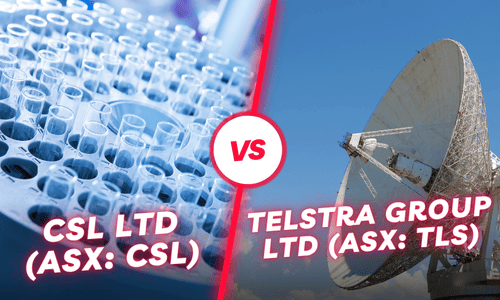
For investors who want cash today without giving up compounding tomorrow, a “growth plus income” sleeve can be a powerful anchor. Two ASX names fit the brief right now: TechnologyOne (ASX: TNE) and Telstra Group (ASX: TLS). Both just delivered solid FY25 updates, both run dependable recurring‑revenue engines, and both are returning more capital to shareholders while reinvesting for durable growth. Different industries, same outcome: rising profits, rising payouts, and clear pathways to keep the flywheel spinning.

TechnologyOne (TNE): ARR compounding, margins expanding, dividends rising

TechnologyOne is Australia’s largest enterprise SaaS ERP platform for governments, higher education, and corporates—and it keeps executing. The first half of FY25 was another record period, extending a long streak of double‑digit growth across the right quality indicators.

  1. FY25 H1 by the numbers: Revenue rose 19% to $285.7 million; NPAT lifted 31% to $63 million; annualised recurring revenue (ARR) climbed 21%. Management upgraded full‑year profit guidance to 13–17% growth, signalling confidence in pipeline conversion and operating leverage.
  2. Quality of growth: Net revenue retention hit 118% (above the 115%+ target), churn was around 0.3%, and ARR in the UK jumped 50%, highlighting international runway. Government and education verticals remained strong, and R&D investment of $68.8 million in the half deepened the moat across modules and industry solutions.
  3. Dividend momentum: The interim dividend increased 30% to 6.6 cents per share. With a long history of semi‑annual payouts and an annual DPS tracking around 24 cents (trailing), investors are seeing cash returns rise alongside profits—even if the current yield is modest.

Why it fits “growth + dividends”: TNE’s sticky, high‑margin subscription base compounds ARR, while a disciplined payout policy steadily shares the gains. With a stated ambition to surpass $1 billion ARR by FY30, the company’s earnings and dividend runway both look long. The model builds resilience (low churn, high NRR), while expanding modules and cloud migrations add upsell torque without stretching risk.

What to watch:

  1. UK execution: sustaining 40–50% ARR growth as the footprint scales.
  2. Net revenue retention: keeping NRR above 115% as module adoption broadens.
  3. Churn and ARPU: holding ultra‑low churn while lifting value per customer through SaaS.

How to think about position sizing: TNE often trades at a premium multiple—justified by durability and visibility—so it can be a core, long‑duration compounder where periodic pullbacks are opportunities rather than warnings.

Telstra Group (TLS): Cash engine with rising payouts and buy‑backs

Telstra’s FY25 result showcased a steadier, stronger cash engine: mobile is growing, costs are in focus, and the balance sheet supports bigger shareholder returns—all while critical network investments continue. It’s yield with a plan.

  1. FY25 scorecard: Total revenue came in at $23.13 billion. NPAT was $2.17 billion (+33.9%), boosted by cycling prior‑year items; underlying NPAT rose 1.8%. The final dividend of 9.5 cents took FY25 ordinary dividends to 19.0 cents per share, fully franked (+5.6% year on year).
  2. Capital returns: A $750 million on‑market buy‑back was completed, with another buy‑back announced—clear signals of confidence in cash earnings and cash EPS (22.4 cents in FY25). Fully franked dividends plus buy‑backs give investors dual levers of return.
  3. Investing to stay ahead: 5G population coverage is ~95%, with the mobile network reaching 99.7% of the population. Telstra flagged additional mobile capex over four years within BAU, continued progress on intercity fibre, a satellite‑to‑mobile text launch, and deeper data/AI collaboration (e.g., with Accenture) to sharpen operations and customer experience.

Why it fits “growth + income”: A resilient, mobile‑led earnings base funds fully franked dividends and buy‑backs, while disciplined capex in 5G, fibre, and AI preserves competitive edge and pricing power. The flywheel is straightforward: defend and expand the core network, translate ARPU and efficiency gains into cash, and return more of it—without starving the future.

What to watch:

  1. Mobile ARPU and market share: evidence that network quality and brand continue to command premium pricing.
  2. Margin trajectory: cost‑out and automation offsetting inflation and investment cycles (5G Advanced, fibre).
  3. Cash conversion: sustaining strong operating cash flows while capex remains disciplined.

How to think about position sizing: TLS can serve as an income core—fully franked dividends, visible buy‑backs—balanced by moderate growth from mobility and infrastructure. It complements higher‑growth holdings by dampening volatility and contributing reliable cash.

Why this duo works together

  1. Different cycles, same compounding: TNE’s subscription software delivers structural growth with low cyclicality; TLS’s telecom cash flows deliver income with network‑driven upside. Together, they smooth portfolio volatility while building intrinsic value.
  2. Capital return clarity: TNE offers progressive, fully franked dividends backed by ARR expansion and ongoing R&D reinvestment. TLS offers fully franked dividends plus buy‑backs layered over a multi‑year investment plan to lock in competitive advantages.
  3. Risk balance: Execution risk for TNE lies in international scaling and maintaining best‑in‑class retention; execution risk for TLS lies in ARPU defense, competitive intensity, and sustaining margin as new network waves roll through. In combination, the risks are diversified across sectors, models, and cycles.

A practical framework for a “growth + income” sleeve

  1. Core anchors: Pair a compounding SaaS leader (TNE) with a high‑quality cash generator (TLS) to create a base that grows distributions and intrinsic value.
  2. Reinvestment discipline: Let TNE’s R&D and product expansion fuel ARR growth; let TLS’s targeted network capex and operational AI drive ARPU and efficiency—both self‑funded.
  3. Cash flow cadence: TNE’s semi‑annual dividends grow with earnings; TLS’s fully franked dividends and buy‑backs provide regular income and per‑share uplift. Consider dividend reinvestment for TNE and partial reinvestment for TLS to balance compounding with spendable income.

Final word

If the goal is to collect reliable dividends without capping growth, TechnologyOne and Telstra offer a compelling one‑two. TNE compounds high‑quality ARR and shares the gains through steadily rising payouts. TLS converts a defensible mobile franchise into fully franked dividends and buy‑backs while investing to protect tomorrow’s cash flows. In a single sleeve, investors can own structural growth and dependable income—the best of both worlds, and a sensible foundation for an ASX portfolio built to last.

Disclaimer:

General Financial Product Advice and Regulatory Framework: Pristine Gaze Pty Ltd (ABN 66 680 815 678, ACN 680 815 678) operates as Corporate Authorised Representative (CAR No. 001312049) of Alpha Securities Pty Ltd (AFSL 330757), which is licensed and regulated by the Australian Securities and Investments Commission under the Corporations Act 2001 (Cth). This report contains general financial product advice only and has been prepared without consideration of your personal objectives, financial situation, specific needs, circumstances, or investment experience. The information is not tailored to individual circumstances and may not be suitable for your particular situation. Before acting on any information contained herein, you should carefully consider its appropriateness having regard to your personal objectives, financial situation, and needs, and consider seeking personal financial advice from a qualified financial adviser who can assess your individual circumstances and provide tailored recommendations.

Investment Risks and Market Warnings: All investments carry significant risk, and different investment strategies may carry varying levels of risk exposure including total loss of invested capital. The value of investments and income derived from them can fluctuate significantly due to market conditions, economic factors, company-specific events, regulatory changes, commodity price volatility, currency fluctuations, interest rate movements, and other factors beyond our control. Securities markets are subject to market risk from general economic conditions and investor sentiment, liquidity risk affecting the ability to buy or sell securities at desired prices, credit risk from issuer default or deterioration, operational risk from inadequate internal processes, sector-specific risks including industry regulatory changes, technology obsolescence, management changes, competitive pressures, supply chain disruptions, and mining-specific risks including resource estimation uncertainty, operational hazards, environmental compliance, permitting delays, commodity price cycles, geopolitical factors affecting mining operations, and exploration risks. Small-cap and speculative mining stocks carry additional risks including limited liquidity, higher volatility, dependence on key personnel, limited operating history, uncertain cash flows, and potential failure to achieve commercial production.

Information Accuracy and Limitations: While we endeavour to ensure information accuracy and reliability, we make no representations or warranties (express or implied) regarding the accuracy, reliability, completeness, timeliness, or suitability of information provided, except where liability cannot be excluded under applicable law. This report may include information from third-party sources including company announcements, regulatory filings, research reports, market data providers, financial news services, and publicly available information, which we do not independently verify and for which we assume no responsibility. Past performance, examples, historical data, or projections are not indicative of future results, and no guarantee of future returns is provided or implied. To the maximum extent permitted by law, Pristine Gaze Pty Ltd and Alpha Securities Pty Ltd, together with their respective directors, officers, employees, representatives, and related entities, exclude all liability for any errors, omissions, inaccuracies, loss or damage (including direct, indirect, consequential, or special damages) arising from reliance on information provided, investment decisions made based on this report, market losses, opportunity costs, and technical issues or system failures.

Is AI the Future? Two ASX Stocks That Say Yes

AI isn’t just a buzzword anymore—it’s a build-out. All over the world, companies are scrambling to secure the infrastructure to train and run AI models, while a parallel race pushes intelligence onto devices at the edge. On the ASX, two very different names sit right on these curves: NEXTDC (ASX: NXT), Australia’s premium data centre platform, and BrainChip Holdings (ASX: BRN), a pioneer in neuromorphic AI for ultra–low-power edge computing. One sells megawatts to hyperscalers. The other designs microwatt brains for devices. Together, they show how Australian tech can ride the same AI wave—from the data hall to the handheld.

NEXTDC: Capacity Sells Out First, Revenue Follows

NEXTDC is building the digital backbone for the AI era: high-density, highly connected data centres engineered for GPU-thirsty workloads. The most telling metric isn’t just revenue—it’s contracted utilisation. In AI, the most coveted capacity gets pre-sold years ahead, and NEXTDC’s pipeline is swelling.

  1. Historic step-up in demand: Pro forma contracted utilisation jumped by 52MW (30%) to 228MW as at 31 March 2025, with Victoria leading thanks to major AI deployments reserving future halls. The forward order book rose another 45MW (54%) to a record 127MW. Most of these new deals start billing in FY27 and reach full run-rate from FY28, locking in multi-year visibility.
  2. Strong first half, stronger runway: In H1 FY25, total revenue reached about $205.5 million, with operating cash flow near $84.9 million—up sharply. Management reaffirmed FY25 guidance for net revenue of $340–350 million and underlying EBITDA of $210–220 million. The message: operating leverage should kick harder from FY26 as today’s order book starts billing.
  3. Building ahead of demand: To keep pace with AI reservations, capex was lifted to $1.4–1.6 billion in FY25 to pull forward capacity. Around 70MW is under development and more than 100MW in planning across S3/S4/S5 Sydney, M2/M3/M4 Melbourne, KL1 Kuala Lumpur and AK1 Auckland. This is a scale-up to match the moment.

Why it matters: In AI data centres, demand is spoken for far in advance. NEXTDC’s record contracted utilisation and forward order book don’t just signal interest—they translate into high-visibility, multi-year revenue once new halls energise. With expansion funded and sites staged, the company is positioned to convert reservations into earnings as the AI cycle matures.

What to watch:

  1. Conversion of the 127MW forward order book into live billing from FY26–FY28.
  2. The pace of additional AI reservations as GPU clusters proliferate.
  3. Execution across Sydney/Melbourne builds and new markets (Kuala Lumpur, Auckland), including power delivery and energisation milestones.

BrainChip: Neuromorphic AI Aiming for Real-World Deployments

If NEXTDC is the AI “engine room,” BrainChip is about making AI brains tiny, fast, and power-thrifty. Its Akida neuromorphic IP is designed to process data directly on-device—vision, sound, biosignals—at a fraction of the energy of conventional chips. That’s critical for wearables, satellites, sensors, and anything that can’t rely on the cloud.

  1. Commercial progress where it counts: In 1H 2025, BrainChip highlighted collaborations including Onsor Technologies (developing epileptic seizure prediction wearables) and continued work with Frontgrade Gaisler to commercialise a space-grade Akida solution—backed by Sweden’s space agency. The aim: the first neuromorphic SoC for space, where power and reliability are everything.
  2. Building revenue—and resilience: First-half FY25 revenue reached roughly $1.61 million, up materially year on year, with net losses narrowing by about 16%. For a platform still early in commercialisation, that’s constructive: engineering validation plus paid progress.
  3. Strategic fit in tough environments: Prior agreements with Airbus Defence and Space and projects with Frontgrade extend Akida’s reach into aerospace and defence use cases—harsh, mission-critical domains that demand ultra-low power and deterministic behaviour.
  4. Product roadmap with a purpose: The company continues to develop Akida designs, software, and Temporal Event-Based Neural Networks (TENNs) tailored for streaming audio/video and event data. That’s the sweet spot for edge inference across consumer devices, industrial monitoring, and safety-critical systems.

Why it matters: AI isn’t staying “cloud-only.” Hybrid and edge architectures need efficient on-device inference to save bandwidth, cut latency, protect privacy, and run on limited energy. BrainChip’s neuromorphic approach is engineered for that world. Revenues are small today, but design wins and paid pilots can compound quickly if they graduate to volume production.

What to watch:

  1. Additional design wins and funded pilots, especially in medical and aerospace where validation cycles translate to durable business.
  2. Roadmap execution for Akida and TENNs, including developer adoption and toolchain maturity.
  3. IP licensing and silicon shipment updates that expand recurring and product revenue.

Two Paths Up the Same Mountain

Think of the AI stack as a mountain range. NEXTDC is building and leasing out the basecamps—the power-dense data halls where models are trained and refined. BrainChip is crafting the ultra-light gear—chips and IP that push intelligence into the field, where power and latency constraints demand a different kind of brilliance.

What makes the pairing compelling:

  1. Different cycles, complementary growth: NEXTDC pre-sells multi-year megawatts and recognises revenue as capacity goes live; BrainChip seeds pilots and partnerships that can scale into long-tail unit volumes.
  2. Infrastructure plus intelligence: One captures the capex-heavy wave of AI compute build-outs; the other targets the proliferation of AI into devices, satellites, and sensors.

If AI Is the Future, This Is What It Looks Like

  1. For NEXTDC: Watch the conversion of its record 127MW forward order book into billing from FY26 to FY28, fresh reservations, and flawless execution at its Sydney and Melbourne campuses, plus new-region debuts. Visibility is high; delivery is the lever.
  2. For BrainChip: Track incremental wins where low power really matters—medical wearables, defence, space—and proof that paid pilots become production ramps. The technology cases are clear; the race is to scale them.

The Upshot

AI is no longer a promise—it’s a pipeline. NEXTDC shows how that pipeline gets built and monetised, selling out capacity before it’s powered on. BrainChip shows how the pipeline reaches the edge, turning microwatts into meaningful intelligence. One name gives exposure to hyperscale infrastructure; the other to on-device innovation. If the next decade belongs to AI, these two ASX stocks offer a distinctly Australian way to participate—from the humming data hall to the sensor on a wrist or in orbit.

Disclaimer:

General Financial Product Advice and Regulatory Framework: Pristine Gaze Pty Ltd (ABN 66 680 815 678, ACN 680 815 678) operates as Corporate Authorised Representative (CAR No. 001312049) of Alpha Securities Pty Ltd (AFSL 330757), which is licensed and regulated by the Australian Securities and Investments Commission under the Corporations Act 2001 (Cth). This report contains general financial product advice only and has been prepared without consideration of your personal objectives, financial situation, specific needs, circumstances, or investment experience. The information is not tailored to individual circumstances and may not be suitable for your particular situation. Before acting on any information contained herein, you should carefully consider its appropriateness having regard to your personal objectives, financial situation, and needs, and consider seeking personal financial advice from a qualified financial adviser who can assess your individual circumstances and provide tailored recommendations.

Investment Risks and Market Warnings: All investments carry significant risk, and different investment strategies may carry varying levels of risk exposure including total loss of invested capital. The value of investments and income derived from them can fluctuate significantly due to market conditions, economic factors, company-specific events, regulatory changes, commodity price volatility, currency fluctuations, interest rate movements, and other factors beyond our control. Securities markets are subject to market risk from general economic conditions and investor sentiment, liquidity risk affecting the ability to buy or sell securities at desired prices, credit risk from issuer default or deterioration, operational risk from inadequate internal processes, sector-specific risks including industry regulatory changes, technology obsolescence, management changes, competitive pressures, supply chain disruptions, and mining-specific risks including resource estimation uncertainty, operational hazards, environmental compliance, permitting delays, commodity price cycles, geopolitical factors affecting mining operations, and exploration risks. Small-cap and speculative mining stocks carry additional risks including limited liquidity, higher volatility, dependence on key personnel, limited operating history, uncertain cash flows, and potential failure to achieve commercial production.

Information Accuracy and Limitations: While we endeavour to ensure information accuracy and reliability, we make no representations or warranties (express or implied) regarding the accuracy, reliability, completeness, timeliness, or suitability of information provided, except where liability cannot be excluded under applicable law. This report may include information from third-party sources including company announcements, regulatory filings, research reports, market data providers, financial news services, and publicly available information, which we do not independently verify and for which we assume no responsibility. Past performance, examples, historical data, or projections are not indicative of future results, and no guarantee of future returns is provided or implied. To the maximum extent permitted by law, Pristine Gaze Pty Ltd and Alpha Securities Pty Ltd, together with their respective directors, officers, employees, representatives, and related entities, exclude all liability for any errors, omissions, inaccuracies, loss or damage (including direct, indirect, consequential, or special damages) arising from reliance on information provided, investment decisions made based on this report, market losses, opportunity costs, and technical issues or system failures.

Top 2 Biotech Penny Stocks on the ASX With Breakthrough Potential

Biotech penny stocks can feel binary—until the science clicks and commercial momentum takes off. That’s exactly why two small caps are drawing outsized attention right now. Neuren Pharmaceuticals is compounding rare‑disease royalties while opening new global markets for its first approved drug, and Amplia Therapeutics is producing early clinical signals that could reshape pancreatic cancer treatment. Here’s a clear, data‑driven look at the latest progress, catalysts to watch, and the risks that come with the ride.

Big science, bigger optionality

The best small-cap biotechs pair credible clinical data with tangible commercial pathways. Neuren’s royalty engine from an approved rare‑disease therapy is ramping quarter by quarter, funding a pipeline in neurology. Amplia’s targeted FAK inhibitor is generating response signals in combination therapy for one of oncology’s hardest tumours—pancreatic ductal adenocarcinoma (PDAC). Together, they offer diversified shots on goal across commercial execution and clinical inflection.

Neuren Pharmaceuticals (ASX: NEU): Rare‑disease royalties compounding, global expansion in sight

Neuren earns tiered royalties from US sales of DAYBUE (trofinetide) for Rett syndrome via its partner, Acadia Pharmaceuticals. Momentum is building as the field footprint grows and patient access broadens, while ex‑US pathways add meaningful upside.

  1. Royalty ramp: Quarterly royalty income reached about $14.7 million in Q2 FY2025, up roughly 16% year on year and 9% sequentially, supported by a record ~987 US patients shipped and an expanded commercial field force (around 30% larger at partner level).
  2. Ex‑US catalysts: A European marketing application for trofinetide was filed in January 2025, with potential EU approval targeted for Q1 2026. Health Canada approved in October 2024, with first Canadian sales expected in Q3 2025. Each region layers additional royalty-bearing revenue streams on top of the US base.
  3. Japan pathway: Plans for a supportive local study ahead of a regulatory filing keep Japan in view as another high‑value market.
  4. Second asset (NNZ‑2591): Positive Phase 2 signals across multiple rare paediatric neurodevelopmental syndromes (including Pitt Hopkins, Angelman, and Phelan‑McDermid) set the stage for Phase 3 planning. Any fast‑track designations, pivotal trial initiations, or interim updates can be material value inflections.

Why it matters: Neuren blends a proven commercial royalty with a diversified neurology pipeline—an uncommon profile for an ASX biotech. The expanding DAYBUE patient base funds development without heavy dilution, while new geographies and potential milestones from the partner add torque to earnings through 2025–2026.

What to watch next (6–12 months):

  1. Successive quarterly increases in US patient numbers and net sales for DAYBUE.
  2. Canada launch dynamics and progress of the EU review; any early access or named‑patient supply updates.
  3. Program design and timing for NNZ‑2591 Phase 3 across target indications, plus any regulatory interactions that expedite timelines.

Key risks:

  1. Commercial execution in rare diseases depends on diagnosis, payer coverage, caregiver persistence, and patient adherence—royalty trajectories can flatten if real‑world persistence dips.
  2. Pipeline transitions to late‑stage trials bring larger, costlier studies with higher execution risk, even when Phase 2 signals are encouraging.

Amplia Therapeutics (ASX: ATX): FAK inhibitor shows compelling early signals in pancreatic cancer

Amplia is advancing narmafotinib (AMP945), a selective focal adhesion kinase (FAK) inhibitor designed to remodel the tumour microenvironment and enhance chemotherapy effectiveness. PDAC is notoriously resistant; combining targeted stromal modulation with standard chemo could be a step change if efficacy and tolerability hold.

  1. ACCENT Phase 1b/2a update: In the ongoing study of AMP945 plus gemcitabine/Abraxane, investigators have reported 15 confirmed partial responses to date, with 21 of 55 patients still on study; final data readout is expected mid‑Q3 2025. Early read‑throughs suggest superiority on response metrics versus chemo alone.
  2. Scientific rationale: Amplia presented the basis for pulsed dosing at a major US pancreatic cancer meeting, aligning pharmacokinetics, tissue target engagement, and safety to support once‑daily oral scheduling. Prior Phase 1 data demonstrated FAK inhibition in human tissue with a manageable safety profile.
  3. Next steps: Depending on the final ACCENT dataset (response rate, durability, PFS/OS signals, safety), Amplia plans to engage on a randomized expansion and discuss potential registrational routes, supported by biomarker insights embedded in the current design.

Why it matters: PDAC remains an area of profound unmet need, with modest gains from existing regimens. A small molecule that safely enhances standard-of-care chemo could unlock a substantial market and attract expedited pathways or partnerships if mid‑stage efficacy holds up.

What to watch next (6–12 months):

  1. Final ACCENT efficacy/safety data, detailed durability analyses, and subgroup outcomes (e.g., baseline tumour burden, biomarkers).
  2. Conference presentations and peer‑reviewed publications that raise external confidence.
  3. Clarity on randomized study design, geographies, endpoints, and whether a breakthrough/fast‑track regulatory dialogue is feasible.

Key risks:

  1. Early signal risk: Open‑label Phase 1b/2a outcomes can fade in larger, randomized settings; robust design and powering are crucial.
  2. Competitive landscape and funding: Multiple approaches in PDAC (including immunotherapy combinations and stroma‑targeted agents) compete for patients and capital; sustained financing is critical through the next phase.

What could push these stocks higher in the next 6–12 months

  1. Neuren

Continued US patient growth and expanding field effectiveness reflected in quarterly royalties.

Progress in Canada launch metrics and concrete steps toward EU approval; any early named‑patient or access programs outside the US.

NNZ‑2591 regulatory interactions, pivotal trial initiations, or designations across indications.

  1. Amplia

A strong final ACCENT readout with durable responses and a clean safety profile.

Inclusion at top oncology congresses and favorable KOL commentary.

Moving into a randomized study with sightlines to registrational endpoints and potential partnering.

Risks to keep front‑of‑mind

  1. Neuren: Royalty curves require durable real‑world adherence, smooth reimbursement, and ongoing physician education; any plateau in patient adds or persistence can dampen growth. Pipeline success is not guaranteed, and multi‑indication programs stretch resources.
  2. Amplia: Scaling from promising signals to registrational clarity in PDAC is a high bar. Timelines, competitive pressures, and capital availability will shape the path and potential dilution.

Bottom line

Neuren is a rare ASX biotech combining an accelerating rare‑disease royalty stream with a growing neurology pipeline—turning science into cash that can fund its next wave. Amplia’s focused FAK strategy is generating the kind of mid‑stage signals in pancreatic cancer that, if sustained and confirmed in randomized settings, could be transformative. For investors comfortable with higher risk in pursuit of outsized upside, these two penny biotechs offer credible, near‑term catalysts and differentiated routes to breakthrough potential.

Disclaimer:

General Financial Product Advice and Regulatory Framework: Pristine Gaze Pty Ltd (ABN 66 680 815 678, ACN 680 815 678) operates as Corporate Authorised Representative (CAR No. 001312049) of Alpha Securities Pty Ltd (AFSL 330757), which is licensed and regulated by the Australian Securities and Investments Commission under the Corporations Act 2001 (Cth). This report contains general financial product advice only and has been prepared without consideration of your personal objectives, financial situation, specific needs, circumstances, or investment experience. The information is not tailored to individual circumstances and may not be suitable for your particular situation. Before acting on any information contained herein, you should carefully consider its appropriateness having regard to your personal objectives, financial situation, and needs, and consider seeking personal financial advice from a qualified financial adviser who can assess your individual circumstances and provide tailored recommendations.

Investment Risks and Market Warnings: All investments carry significant risk, and different investment strategies may carry varying levels of risk exposure including total loss of invested capital. The value of investments and income derived from them can fluctuate significantly due to market conditions, economic factors, company-specific events, regulatory changes, commodity price volatility, currency fluctuations, interest rate movements, and other factors beyond our control. Securities markets are subject to market risk from general economic conditions and investor sentiment, liquidity risk affecting the ability to buy or sell securities at desired prices, credit risk from issuer default or deterioration, operational risk from inadequate internal processes, sector-specific risks including industry regulatory changes, technology obsolescence, management changes, competitive pressures, supply chain disruptions, and mining-specific risks including resource estimation uncertainty, operational hazards, environmental compliance, permitting delays, commodity price cycles, geopolitical factors affecting mining operations, and exploration risks. Small-cap and speculative mining stocks carry additional risks including limited liquidity, higher volatility, dependence on key personnel, limited operating history, uncertain cash flows, and potential failure to achieve commercial production.

Information Accuracy and Limitations: While we endeavour to ensure information accuracy and reliability, we make no representations or warranties (express or implied) regarding the accuracy, reliability, completeness, timeliness, or suitability of information provided, except where liability cannot be excluded under applicable law. This report may include information from third-party sources including company announcements, regulatory filings, research reports, market data providers, financial news services, and publicly available information, which we do not independently verify and for which we assume no responsibility. Past performance, examples, historical data, or projections are not indicative of future results, and no guarantee of future returns is provided or implied. To the maximum extent permitted by law, Pristine Gaze Pty Ltd and Alpha Securities Pty Ltd, together with their respective directors, officers, employees, representatives, and related entities, exclude all liability for any errors, omissions, inaccuracies, loss or damage (including direct, indirect, consequential, or special damages) arising from reliance on information provided, investment decisions made based on this report, market losses, opportunity costs, and technical issues or system failures.
These 2 ASX Mining Juniors Just Struck Gold (Literally)

Gold juniors live and die by the drill bit—and right now, Medallion Metals and Prodigy Gold are delivering the kind of intercepts and project milestones that can shift narratives from “potential” to “probable.” With fresh high-grade hits, momentum on resource upgrades, and clear development pathways, both names have put real ounces—and real catalysts—on the table. Here’s a brisk, investor-friendly look at why these two explorers just lit up the watchlists.

Medallion Metals (MM8): High-grade hits, expanding footprint, fast track to feasibility

Medallion’s Ravensthorpe Gold Project (RGP) in WA keeps punching above its weight. The 17,000m campaign at the Kundip Mining Centre (KMC) has returned thick, high-grade gold with copper and silver credits—exactly the kind of multi-commodity kicker that strengthens project economics as studies progress. Infill and extensional drilling at Gem delivered a standout 7.8m at 17.4 g/t Au, 1.5% Cu and 6.6 g/t Ag (19.9 g/t AuEq) from 218.2m, with multiple >10 GxM hits extending mineralisation down-plunge beyond current mine plan limits—confidence-building data heading into feasibility-level work. Harbour View infill reinforced high-grade continuity, broadening the mine-plan base and feeding directly into the upcoming feasibility timeline.

On the pathway side, Medallion is advancing a feasibility study targeted for completion by December 2025, while maintaining exclusive negotiations with IGO for the Forrestania Nickel Operation and Cosmic Boy plant—processing optionality that could de-risk capital intensity and schedule. Put simply: grade is talking, growth is visible, and infrastructure optionality is in play. It’s the triad that moves a junior from explorer to near-term developer.

What to watch next:

  1. August resource updates incorporating the 17,000m program (look for grade/tonnage lifts and higher confidence categories).
  2. Feasibility milestones (metallurgy, geotech, mine design, opex/capex detail).
  3. Any resolution on Forrestania processing access—an external lever that could pull forward cash flow timing.

Risks in view:

  1. Conversion risk from resource to reserve (metallurgy, geotechnical domains, mining dilution).
  2. Funding and permitting cadence; great ounces still need capital and approvals.

Prodigy Gold (PRX): Hyperion lights up the Tanami with grades that move the needle

Over in the Northern Territory’s Tanami North Project, Prodigy’s Hyperion deposit is stringing together the kind of intercepts that lift both scale and quality. Recent drilling produced eye-catching hits including 10m at 15.9 g/t (among others), with multiple lodes demonstrating continuity at grades above the updated Hyperion MRE (8.64Mt at 1.5 g/t Au for 407koz). That matters: consistent intercepts above model grade typically pull resources upward—both in ounces and confidence—when rolled into the next estimate.

Geologically, Hyperion sits in a rich neighbourhood—between the 1.1Moz Groundrush and 94koz Crusade deposits—supporting a district-scale thesis. Prodigy is also lining up nearby prospects (Brokenwood, Pandora, Tregony North) for follow-up, improving the chance of satellite ounces feeding a central plan. With the 2024 field season complete and assays in, the 2025 program zeroes in on step-outs around the highest-grade zones and resource conversion—exactly the plan to move from “interesting” to “mineable.”

What to watch next:

  1. Hyperion resource update timing and magnitude (grade uplift, strike/width continuity, conversion to Indicated).
  2. 2025 drill design around the best shoots; watch for deeper lode extensions and thicker near-surface zones.
  3. Any early scoping work or development concept framing (mining method, processing route, centralisation potential).

Risks in view:

  1. Ongoing exploration dependency—valuation is sensitive to each drill season.
  2. Scheduling and weather/logistics typical of remote field programs.

Why these two land on the same shortlist

  1. Fresh, high-impact intercepts: Both have delivered recent hits that expand mineralised envelopes and lift confidence—fuel for resource upgrades.
  2. Visible next steps: Medallion has a dated feasibility target and potential third-party processing access; Prodigy has a pipeline of targets feeding a near-term MRE update.
  3. District leverage: KMC sits in a proven WA belt with existing infrastructure options; Hyperion sits within a Tier-1 camp alongside sizable deposits—optionality for hub-and-spoke development down the line.

The playbook for investors

  1. Track the resource maths: For Medallion, watch for grade/tonnage shifts and the ratio of Indicated to Inferred—inputs to mine scheduling and debt capacity. For Prodigy, watch grade vs. the 1.5 g/t Au baseline and any step-changes in lode continuity that enable larger pit shells or underground starts.
  2. De-risking milestones matter: FEED/DFS steps, metallurgical recoveries, and processing access for Medallion; MRE upgrade and cohesive development concept for Prodigy.
  3. Funding windows: Strong drill news and tangible studies/permits usually open cheaper capital. Timing those windows can be as important as the geology.

A quick “pros and watchouts” grid

Medallion Metals (MM8)

  1. Pros: High-grade gold with Cu/Ag credits; feasibility timeline; potential third-party processing; resource upside from recent hits.
  2. Watchouts: Converting grade to reserves; capex/funding; execution across studies and approvals.

Prodigy Gold (PRX)

  1. Pros: Consistent intercepts above MRE grade; Tier-1 district setting; multiple lodes and nearby prospects; clear 2025 catalyst path.
  2. Watchouts: Exploration dependence; pace of resource conversion; logistics and seasonal constraints.

Bottom line

Medallion Metals and Prodigy Gold just did the hardest part: deliver fresh, quality intercepts that expand scale and raise confidence. Medallion layers that with a visible development path and potential processing access—turning drill success into near-term feasibility momentum. Prodigy is methodically thickening and upgrading Hyperion within a proven gold camp—stacking ounces where infrastructure cases have precedent. If the next waves of resource updates and study milestones land as signalled, these “just struck gold” stories can quickly evolve into “ready to build” narratives—and that’s when re-ratings tend to show up fastest.

Disclaimer:

General Financial Product Advice and Regulatory Framework: Pristine Gaze Pty Ltd (ABN 66 680 815 678, ACN 680 815 678) operates as Corporate Authorised Representative (CAR No. 001312049) of Alpha Securities Pty Ltd (AFSL 330757), which is licensed and regulated by the Australian Securities and Investments Commission under the Corporations Act 2001 (Cth). This report contains general financial product advice only and has been prepared without consideration of your personal objectives, financial situation, specific needs, circumstances, or investment experience. The information is not tailored to individual circumstances and may not be suitable for your particular situation. Before acting on any information contained herein, you should carefully consider its appropriateness having regard to your personal objectives, financial situation, and needs, and consider seeking personal financial advice from a qualified financial adviser who can assess your individual circumstances and provide tailored recommendations.

Investment Risks and Market Warnings: All investments carry significant risk, and different investment strategies may carry varying levels of risk exposure including total loss of invested capital. The value of investments and income derived from them can fluctuate significantly due to market conditions, economic factors, company-specific events, regulatory changes, commodity price volatility, currency fluctuations, interest rate movements, and other factors beyond our control. Securities markets are subject to market risk from general economic conditions and investor sentiment, liquidity risk affecting the ability to buy or sell securities at desired prices, credit risk from issuer default or deterioration, operational risk from inadequate internal processes, sector-specific risks including industry regulatory changes, technology obsolescence, management changes, competitive pressures, supply chain disruptions, and mining-specific risks including resource estimation uncertainty, operational hazards, environmental compliance, permitting delays, commodity price cycles, geopolitical factors affecting mining operations, and exploration risks. Small-cap and speculative mining stocks carry additional risks including limited liquidity, higher volatility, dependence on key personnel, limited operating history, uncertain cash flows, and potential failure to achieve commercial production.

Information Accuracy and Limitations: While we endeavour to ensure information accuracy and reliability, we make no representations or warranties (express or implied) regarding the accuracy, reliability, completeness, timeliness, or suitability of information provided, except where liability cannot be excluded under applicable law. This report may include information from third-party sources including company announcements, regulatory filings, research reports, market data providers, financial news services, and publicly available information, which we do not independently verify and for which we assume no responsibility. Past performance, examples, historical data, or projections are not indicative of future results, and no guarantee of future returns is provided or implied. To the maximum extent permitted by law, Pristine Gaze Pty Ltd and Alpha Securities Pty Ltd, together with their respective directors, officers, employees, representatives, and related entities, exclude all liability for any errors, omissions, inaccuracies, loss or damage (including direct, indirect, consequential, or special damages) arising from reliance on information provided, investment decisions made based on this report, market losses, opportunity costs, and technical issues or system failures.

Two Lithium Penny Stocks With Explosive Potential

Lithium Underground, Potential Sky-High – Meet the Small-Cap Contenders That Could Power the Next Boom!

The global demand for lithium is surging as electric vehicles (EVs) and renewable energy storage reshape how the world consumes power. While industry giants capture most headlines, some of the juiciest upside may be found in penny stocks quietly positioning themselves for a big leap. Magnetic Resources and Arizona Lithium, both listed on the ASX and trading well below the heavyweights, are riding strong news momentum and sector tailwinds that could deliver spectacular returns for risk-tolerant investors. Here’s a closer look at why both are attracting growing market and institutional attention.

Magnetic Resources (ASX: MG1): Recharging With Strategic Capital and Gold Leverage

Why Watch Magnetic?

Originally known primarily for its promising gold tenements in Western Australia’s Laverton region, Magnetic Resources now has lithium on its radar—and the firepower to chase it. In August 2025, Magnetic secured a major $35 million capital raise at $1.30 per share, which was oversubscribed and signals strong institutional backing. This capital injection will fund aggressive exploration, including for lithium-bearing pegmatites across more than 261 square kilometers of highly prospective ground.

Nearby competitors in Laverton have already struck lithium in similar terrains—a tantalizing signal that Magnetic’s lithium “blue sky” could convert to real value. While its gold business has so far anchored share price support, Magnetic shares have outperformed both the sector (+20.9%) and the ASX 200 (+9.4%) in the past year, reflecting underlying optimism not just for gold, but for the lithium explorer optionality embedded in its regional land package.

Key catalysts for investors include the recent granting of new mining leases, a packed drilling schedule, and ongoing field activities. As more exploration news hits the market, any step-out success in lithium could spark a dramatic rerating and put the company’s name in front of global battery and automaker partners seeking secure supply.

Arizona Lithium Limited (ASX: AZL): Lean, Funded, and Closer to Production

Why Arizona Lithium?

While Magnetic hedges its bets between gold and lithium, Arizona Lithium is a pure-play lithium developer. In August 2025, AZL sharpened its focus and balance sheet by selling its unpermitted Big Sandy project in the US for US$5 million, leaving management with a war chest and a single, high-potential target: the Prairie Lithium Project in Saskatchewan, Canada.

Prairie is a standout as it became the first lithium brine project in Saskatchewan to receive Phase 1 production approval—a major regulatory and strategic milestone. AZL’s latest drilling campaigns have boosted indicated resources to 4.6 million tonnes of lithium carbonate equivalent (LCE), and annual production potential was upgraded by 120% to an impressive 17,000 tonnes. This places Prairie among the leaders not just in scale but also in forward momentum toward commercial output.

The company’s direct lithium extraction (DLE) technology is hotly tipped as the future for brine mining, promising faster, greener, and more scalable production than many competitors. Alongside ongoing drilling, recent strategic moves (like the oversubscribed share placement and proactive global marketing) have strengthened Arizona Lithium’s financial and market position, making it a compelling target for partnerships and offtake.

Management has been actively presenting Prairie’s investment case globally, engaging with Japanese and Korean industrial and government stakeholders. With the company lean, funded, and lining up production, any confirmation of resource conversion or offtake could send shares surging.

Why These Stocks Could Explode

  1. Penny Status, Massive Leverage: Both MG1 and AZL are true penny stocks. Any resource upgrade, JV, or production news could trigger a “multi-bagger” share price move, common in this sector’s bull runs.
  2. Strong Newsflow & Catalysts: For Magnetic Resources—look for major drilling news, capital deployment, and potential sector rerating. For Arizona Lithium—watch for Prairie brine production milestones, resource expansions, and large-scale partnership announcements.
  3. Region & Market Advantages: Both operate in premium jurisdictions (Australia, Canada)—top destinations for international capital and battery supply deals. Governments and major OEMs want secure, ESG-friendly lithium, and both stocks are positioned to provide it.

What Are the Risks?

  1. Early Stage: Both MG1 and AZL are pre-cash flow; they will require additional time and money before achieving production-scale revenues.
  2. Price Volatility: Lithium pricing cycles remain highly volatile. AZL, for instance, has seen significant YTD share swings in response to commodity moves.
  3. Exploration & Execution Uncertainty: Especially for Magnetic, the “blue sky” potential is just that until the drill bit proves up grade and continuity. Both face the classic risks of dilution with future funding rounds.

The Bottom Line: Small Caps, Big Dreams

Magnetic Resources and Arizona Lithium present a front-row seat to the next phase of the lithium supercycle. With strategic capital, leverage to world-class jurisdictions, and news-rich exploration or development schedules, these stocks give risk-tolerant investors real “optionality”—the chance for big returns on carefully timed entries. For those who understand the risks and are looking for exposure to the next potential breakout in the “white gold” rush, keeping an eye on MG1 and AZL could be a very smart bet.

In the world of lithium penny stocks, it often takes just one drilled discovery or production milestone to ignite a soaring run. For bold portfolios, Magnetic and Arizona are among the best-placed ASX options to turn underground potential into sky-high returns.

Disclaimer:

General Financial Product Advice and Regulatory Framework: Pristine Gaze Pty Ltd (ABN 66 680 815 678, ACN 680 815 678) operates as Corporate Authorised Representative (CAR No. 001312049) of Alpha Securities Pty Ltd (AFSL 330757), which is licensed and regulated by the Australian Securities and Investments Commission under the Corporations Act 2001 (Cth). This report contains general financial product advice only and has been prepared without consideration of your personal objectives, financial situation, specific needs, circumstances, or investment experience. The information is not tailored to individual circumstances and may not be suitable for your particular situation. Before acting on any information contained herein, you should carefully consider its appropriateness having regard to your personal objectives, financial situation, and needs, and consider seeking personal financial advice from a qualified financial adviser who can assess your individual circumstances and provide tailored recommendations.

Investment Risks and Market Warnings: All investments carry significant risk, and different investment strategies may carry varying levels of risk exposure including total loss of invested capital. The value of investments and income derived from them can fluctuate significantly due to market conditions, economic factors, company-specific events, regulatory changes, commodity price volatility, currency fluctuations, interest rate movements, and other factors beyond our control. Securities markets are subject to market risk from general economic conditions and investor sentiment, liquidity risk affecting the ability to buy or sell securities at desired prices, credit risk from issuer default or deterioration, operational risk from inadequate internal processes, sector-specific risks including industry regulatory changes, technology obsolescence, management changes, competitive pressures, supply chain disruptions, and mining-specific risks including resource estimation uncertainty, operational hazards, environmental compliance, permitting delays, commodity price cycles, geopolitical factors affecting mining operations, and exploration risks. Small-cap and speculative mining stocks carry additional risks including limited liquidity, higher volatility, dependence on key personnel, limited operating history, uncertain cash flows, and potential failure to achieve commercial production.

Information Accuracy and Limitations: While we endeavour to ensure information accuracy and reliability, we make no representations or warranties (express or implied) regarding the accuracy, reliability, completeness, timeliness, or suitability of information provided, except where liability cannot be excluded under applicable law. This report may include information from third-party sources including company announcements, regulatory filings, research reports, market data providers, financial news services, and publicly available information, which we do not independently verify and for which we assume no responsibility. Past performance, examples, historical data, or projections are not indicative of future results, and no guarantee of future returns is provided or implied. To the maximum extent permitted by law, Pristine Gaze Pty Ltd and Alpha Securities Pty Ltd, together with their respective directors, officers, employees, representatives, and related entities, exclude all liability for any errors, omissions, inaccuracies, loss or damage (including direct, indirect, consequential, or special damages) arising from reliance on information provided, investment decisions made based on this report, market losses, opportunity costs, and technical issues or system failures.

Could These 2 ASX Stocks Be the Next Tech Unicorns?

Tech Dreams Down Under: Meet the Small Aussie Stars Chasing Unicorn Status

In the tech world, a “unicorn” is more than just a myth—it’s a listed company that’s changed the game, reached billion-dollar territory, and captured global imagination. While Silicon Valley usually grabs headlines, two homegrown ASX contenders—SiteMinder (ASX: SDR) and BrainChip Holdings (ASX: BRN)—are making major waves. With their innovative technology, global ambitions, and rapidly-rising market profiles, could they be the next Australian stocks to join the tech unicorn club? Let’s look at why these two companies are on every watchlist in 2025.

SiteMinder (ASX: SDR): Revolutionizing Hotel Connectivity Worldwide

Why SiteMinder Is Turning Heads

SiteMinder is transforming how hotels operate and compete. The company’s powerful cloud-based platform brings bookings, rates, payments, and distribution into one seamless dashboard. With over 40,000 hotels worldwide relying on SiteMinder, its platform solves key pain points for both small independents and massive global chains—especially as travel demand surges back post-pandemic.

Latest News & Financials (2025)

Revenue Growth: Revenue climbed 13.9% in H1 2025 to $104.45 million. Full FY2025 revenue is forecast to leap 25%, reaching $238.5 million, soaring ahead of industry averages.

Losses Narrowing: Statutory loss was $0.10 per share last year, but is set to shrink by 60% in FY2025 thanks to cost discipline and scaling efficiencies.

Cash Position: Closing out 2024 with $34 million, SiteMinder remains amply funded for planned growth.

Growth Drivers: The company is rapidly expanding integrations with major travel platforms, developing next-gen payments, and launching deeper analytics tools—becoming an essential tech partner for hotels modernizing operations worldwide.

Growth Outlook

With aggressive expansion into the North America, Europe, and Asia Pacific markets, analysts expect SiteMinder to continue outpacing sector peers. With robust leadership, insider buy-in, and price targets near $6.50 (about 20% higher than recent trading), SDR is executing a classic “land and expand” strategy with real momentum.

BrainChip Holdings (ASX: BRN): Bringing AI to the Edge

What Makes BrainChip Unique?

BrainChip is not just another AI company; it’s breaking new ground with neuromorphic hardware. Its Akida neural processor IP brings real-time, ultra-low power AI processing to edge devices—think smartphones, cars, security systems, even healthcare sensors. This technology enables previously impossible machine learning applications right “at the source,” no data center needed.

Latest News & Financials (2025)

Product Rollout: Akida chips and MetaTF developer tools are making inroads from consumer electronics to defense and medical tech.

Financials: FY2025 revenue came in at $603,000 (still early-days), but BrainChip’s expanding project pipeline and tie-ups in fields like quantum security show real commercial promise ahead.

Net Loss: Running at a loss of $37.04 million last year, with FY25 H1 net loss at $19.54 million—typical for a tech company blitzing the R&D trail while scaling for global opportunity.

Unicorn Potential

With a robust patent portfolio and first-mover advantage in neuromorphic AI, BrainChip is now transitioning from development to deployment. Should commercial orders build as expected, scaling can happen very rapidly—especially given the huge emerging market for edge AI and its efficient tech.

So, Could SDR & BRN Be Australia’s Next Tech Unicorns?

The X-Factor: Why They Stand Out

  1. Disruptive Innovation: Both companies are leading technological change in huge, expanding industries. SiteMinder is to hotels what Shopify is to retail; BrainChip is to edge AI what Tesla was to electric cars.
  2. Global Reach: Revenues and clients span continents, ensuring multi-market growth and resilience.
  3. Funding & Execution: With strong balance sheets, SDR and BRN both have the capital needed to scale and attract talent.
  4. Market Leadership: SiteMinder is already a global leader in its vertical; BrainChip is a front-runner in next-gen AI hardware IP.

The Key Risks

  1. Still Pre-Profit: Despite the scale and tech, both companies are still unprofitable, with growth requiring disciplined execution and careful cost management.
  2. Execution and Competition: SiteMinder needs to continue winning customers and keeping them engaged. BrainChip must demonstrate real-world, high-volume chip adoption, fending off giants as AI hardware heats up.
  3. Volatility Common in Small Tech: Newsflow, quarterly results, or strategic missteps could mean share price swings, especially for early-stage tech names.

Final Take: Unicorns in the Making?

SiteMinder and BrainChip share several ingredients that make great tech unicorns: disruptive technology, product-market fit, fast-growing global ambitions, and solid financial backing. If either or both sustain growth and crack their next set of milestones—SiteMinder in hospitality cloud dominance, BrainChip in global AI hardware—joining the billion-dollar club is well within reach.

For investors betting on a future where Australia boasts its own tech unicorns, SDR and BRN should stay high on your radar. They may be small-cap today, but the stage is set for a globally recognized breakout.

Disclaimer:

General Financial Product Advice and Regulatory Framework: Pristine Gaze Pty Ltd (ABN 66 680 815 678, ACN 680 815 678) operates as Corporate Authorised Representative (CAR No. 001312049) of Alpha Securities Pty Ltd (AFSL 330757), which is licensed and regulated by the Australian Securities and Investments Commission under the Corporations Act 2001 (Cth). This report contains general financial product advice only and has been prepared without consideration of your personal objectives, financial situation, specific needs, circumstances, or investment experience. The information is not tailored to individual circumstances and may not be suitable for your particular situation. Before acting on any information contained herein, you should carefully consider its appropriateness having regard to your personal objectives, financial situation, and needs, and consider seeking personal financial advice from a qualified financial adviser who can assess your individual circumstances and provide tailored recommendations.

Investment Risks and Market Warnings: All investments carry significant risk, and different investment strategies may carry varying levels of risk exposure including total loss of invested capital. The value of investments and income derived from them can fluctuate significantly due to market conditions, economic factors, company-specific events, regulatory changes, commodity price volatility, currency fluctuations, interest rate movements, and other factors beyond our control. Securities markets are subject to market risk from general economic conditions and investor sentiment, liquidity risk affecting the ability to buy or sell securities at desired prices, credit risk from issuer default or deterioration, operational risk from inadequate internal processes, sector-specific risks including industry regulatory changes, technology obsolescence, management changes, competitive pressures, supply chain disruptions, and mining-specific risks including resource estimation uncertainty, operational hazards, environmental compliance, permitting delays, commodity price cycles, geopolitical factors affecting mining operations, and exploration risks. Small-cap and speculative mining stocks carry additional risks including limited liquidity, higher volatility, dependence on key personnel, limited operating history, uncertain cash flows, and potential failure to achieve commercial production.

Information Accuracy and Limitations: While we endeavour to ensure information accuracy and reliability, we make no representations or warranties (express or implied) regarding the accuracy, reliability, completeness, timeliness, or suitability of information provided, except where liability cannot be excluded under applicable law. This report may include information from third-party sources including company announcements, regulatory filings, research reports, market data providers, financial news services, and publicly available information, which we do not independently verify and for which we assume no responsibility. Past performance, examples, historical data, or projections are not indicative of future results, and no guarantee of future returns is provided or implied. To the maximum extent permitted by law, Pristine Gaze Pty Ltd and Alpha Securities Pty Ltd, together with their respective directors, officers, employees, representatives, and related entities, exclude all liability for any errors, omissions, inaccuracies, loss or damage (including direct, indirect, consequential, or special damages) arising from reliance on information provided, investment decisions made based on this report, market losses, opportunity costs, and technical issues or system failures.

High Risk, High Reward? Two Speculative ASX Stocks to Watch

Speculation Station: Are These Aussie Small Caps Ready to Rocket?

For investors who thrive on high-risk, high-reward opportunities, the ASX offers a playground of small-cap stocks that can turn ordinary investments into home runs. Two such names attracting serious attention in 2025 are Alpha HPA (ASX: A4N) and Locksley Resources (ASX: LKY). One pioneers breakthrough technology in producing critical battery materials, while the other is an explorer chasing valuable rare earths and antimony in the US. Both embody the thrill and challenge of small-cap speculative investing, and here’s why they deserve a spot on your radar.

Alpha HPA (ASX: A4N) — Betting Big on High Purity Alumina

What Makes Alpha HPA Special?

Alpha HPA stands apart by focusing on high purity alumina (HPA), a key material critical for lithium-ion batteries, LED screens, and next-generation electronic components. Its flagship project, HPA First, is located in Gladstone, Queensland, and it’s gearing up for full-scale commercial production by the end of 2025. The company’s proprietary processing technology promises scalable, cost-effective production that could outpace competitors.

Latest News & Financial Highlights

  1. The HPA First project targets an annual output of 10,000 tonnes of HPA — enough to supply millions of electric vehicle batteries.
  2. Financially, the company remains pre-profit, with cash reserves supporting its operations and expansion, and a capital raise earlier this year was well-received.
  3. The stock commands a high price-to-sales ratio, typical for pre-revenue growth plays in booming tech sectors.
  4. Beyond batteries, Alpha HPA is exploring extensions into sapphire and micro-LED markets, broadening its addressable markets.

Risks and Factors to Watch

  1. Production remains at a pre-commercial stage, so investors must monitor project development closely.
  2. Market dynamics for battery materials like alumina remain cyclical and sensitive to global supply-demand conditions.
  3. Future capital raises may be needed, risking dilution.

With strong engineering and leadership, Alpha HPA offers a bold speculation on next-gen materials vital to the green economy, but success hinges on execution and successful market entry.

Locksley Resources (ASX: LKY) — Wild Card in US Critical Minerals

Rare Earths With a Strategic Edge

Locksley Resources brings a distinct angle to the game with its focus on the Mojave Critical Minerals Project in California, adjacent to the world-famous Mountain Pass rare earth mine. Its exploration targets for rare earth elements and antimony tap into markets vital for electric vehicle motors, energy storage systems, and high-tech electronics.

Recent Activity and Growth Signals

  1. In August 2025, Locksley successfully raised $5.3 million at 9.5 cents per share, oversubscribed and backed by institutional investors like Tribeca.
  2. Extensive fieldwork, including structural geology and advanced mapping, is underway to refine drill targets.
  3. Historical sampling revealed promising grades, with some catchments showing up to 0.26% total rare earth oxides.
  4. Supportive US government policies, including grants and credit facilities from DOE and Exim Bank, bolster the project’s strategic appeal.

Risks and Watch Points

  1. Still early-stage with no production; capital markets will likely remain critical.
  2. Exploration outcomes remain uncertain until drilling results arrive.
  3. Commodity prices and investor sentiment around speculative mining stocks can fluctuate wildly.

The company’s progress in refining targets and moving towards potential resource definition is key, as positive results could substantially re-rate this under-the-radar explorer.

The Double-Edged Sword of Speculative Investing

Both Alpha HPA and Locksley Resources exemplify the promise and perils of small-cap, speculative stocks:

  1. Alpha HPA offers a compelling ride on the battery materials boom, with technology-backed growth potential. But it remains exposed to the risks of capital intensity and early-stage development.
  2. Locksley taps into the global race for critical minerals, harnessing geographic and jurisdictional advantages. Its fate largely hinges on drill success and the ability to raise and manage capital.

For investors, these stocks are high beta — meaning potential for outsized gains but also steep drawdowns.

Why These Stocks Are on Your Radar Now

The global energy transition is sparking unprecedented demand for materials and technologies that underpin electrification and decarbonization. Governments worldwide are backing clean energy and critical minerals, hinting at a multi-year bull run in key sectors. ASX-listed companies like Alpha HPA and Locksley have strategic assets and technical approaches putting them on the front foot to benefit from this vast opportunity.

What to Watch Moving Forward

Alpha HPA: Successful project commissioning milestones, production ramp timelines, capital funding maneuvers, and emerging customer contracts.

Locksley Resources: Drilling results, assay quality and extent, permitting progress, and strategic partnerships or funding rounds will chart next moves.

Final Thoughts: Speculative But Worth Watching

If you’re an investor with a higher risk tolerance and an appetite for growth, Alpha HPA and Locksley Resources present fascinating plays on Australia’s future-facing sectors. Both companies combine emerging innovation with strong market tailwinds — yet require careful monitoring of execution and market conditions.

These are not “buy and forget” stocks; they demand attention, timing, and conviction. But for those ready to embrace the volatility, they could offer significant upside potential as the energy and technology landscapes evolve.

Ready to take a calculated chance? Keep your eye on Alpha HPA and Locksley Resources — the small-caps where Australia’s next wave of innovation could spark monumental returns.

Disclaimer:

General Financial Product Advice and Regulatory Framework: Pristine Gaze Pty Ltd (ABN 66 680 815 678, ACN 680 815 678) operates as Corporate Authorised Representative (CAR No. 001312049) of Alpha Securities Pty Ltd (AFSL 330757), which is licensed and regulated by the Australian Securities and Investments Commission under the Corporations Act 2001 (Cth). This report contains general financial product advice only and has been prepared without consideration of your personal objectives, financial situation, specific needs, circumstances, or investment experience. The information is not tailored to individual circumstances and may not be suitable for your particular situation. Before acting on any information contained herein, you should carefully consider its appropriateness having regard to your personal objectives, financial situation, and needs, and consider seeking personal financial advice from a qualified financial adviser who can assess your individual circumstances and provide tailored recommendations.

Investment Risks and Market Warnings: All investments carry significant risk, and different investment strategies may carry varying levels of risk exposure including total loss of invested capital. The value of investments and income derived from them can fluctuate significantly due to market conditions, economic factors, company-specific events, regulatory changes, commodity price volatility, currency fluctuations, interest rate movements, and other factors beyond our control. Securities markets are subject to market risk from general economic conditions and investor sentiment, liquidity risk affecting the ability to buy or sell securities at desired prices, credit risk from issuer default or deterioration, operational risk from inadequate internal processes, sector-specific risks including industry regulatory changes, technology obsolescence, management changes, competitive pressures, supply chain disruptions, and mining-specific risks including resource estimation uncertainty, operational hazards, environmental compliance, permitting delays, commodity price cycles, geopolitical factors affecting mining operations, and exploration risks. Small-cap and speculative mining stocks carry additional risks including limited liquidity, higher volatility, dependence on key personnel, limited operating history, uncertain cash flows, and potential failure to achieve commercial production.

Information Accuracy and Limitations: While we endeavour to ensure information accuracy and reliability, we make no representations or warranties (express or implied) regarding the accuracy, reliability, completeness, timeliness, or suitability of information provided, except where liability cannot be excluded under applicable law. This report may include information from third-party sources including company announcements, regulatory filings, research reports, market data providers, financial news services, and publicly available information, which we do not independently verify and for which we assume no responsibility. Past performance, examples, historical data, or projections are not indicative of future results, and no guarantee of future returns is provided or implied. To the maximum extent permitted by law, Pristine Gaze Pty Ltd and Alpha Securities Pty Ltd, together with their respective directors, officers, employees, representatives, and related entities, exclude all liability for any errors, omissions, inaccuracies, loss or damage (including direct, indirect, consequential, or special damages) arising from reliance on information provided, investment decisions made based on this report, market losses, opportunity costs, and technical issues or system failures.

2 ASX Dividend Stocks With Surprising Growth: Origin Energy (ASX: ORG) & Insurance Australia Group (ASX: IAG)

Dividends AND Growth? Meet The ASX Double Agents!

When you think of dividend stocks, you might picture reliable, slow-and-steady giants—great for security, not so thrilling on the growth front. But what if a few ASX blue chips could deliver both juicy dividends and exciting earnings upgrades? Enter Origin Energy and Insurance Australia Group: these two have broken the mold in 2025, combining healthy yields with some of the market’s most surprising profit growth and bold guidance for the years ahead. Let’s dive into why you don’t have to pick between income and upside—sometimes you really can have it all!

Origin Energy (ASX: ORG): Powering Dividends with Renewables

2025 Dividend Power-Up

Origin’s shareholders have reason to celebrate—the company’s FY25 dividend was supercharged, with a fully franked final dividend of $0.30 per share paid in October 2025. This took the total dividend for the year to $0.60 per share, a hefty increase on previous years and placing Origin’s yield at about 4.7%, notably above the sector average for energy stocks.

Strong Financials and a Bright Outlook

Origin’s numbers tell the story of transformation and resilience:

Statutory Profit: $1,481 million, edging up from $1,397 million last year.

Underlying EBITDA: $3,411 million, reflecting core strength.

Revenue: Up 6.7% to $17 billion, driven by 104,000 net new retail customer accounts and standout performance in LNG trading.

Growth Engines: Renewables, Batteries & Digital

Origin’s pivot from “classic utility” to a forward-facing renewables leader is sharply boosting its growth profile. The company ramped up investment in battery and renewables projects, including major expansions at Eraring and Mortlake and the rollout of Yanco Delta wind farm. Strategic digital acquisitions like SolarQuotes, and a focus on electrifying customer homes, now position Origin to tap into future energy trends and insulated profits.

Looking Ahead

Guidance for FY26 points to Energy Markets EBITDA of $1.4–$1.7 billion, underpinned by greater renewable and battery assets as well as continued strength in customer growth. The company is leveraging the energy transition to future-proof earnings, aiming for stable or even rising profits while targeting net zero by 2050.

Insurance Australia Group (ASX: IAG): Storm-Proof Profits AND Growing Payouts

2025 Dividend Surprise

Insurance Australia Group delivered a punchy 2025 dividend profile, surprising investors with a final payout of $0.19 per share and raising the total FY25 dividend to $0.31 (up 15% year-on-year). This puts IAG’s yield near 3.5%—with room for more if earnings strength continues.

Financials That Beat Expectations

IAG delivered a blockbuster year:

Net Profit: $1.36 billion, soaring 51% compared to last year.

Revenue: $17.4 billion (up 8.5% year-on-year).

EPS: $0.57, sailing past consensus forecasts.

Growth Drivers: Premiums, Partnerships & Prudent Risk

A major factor in IAG’s leap forward was the ability to increase premiums broadly—a response to inflation and a more sophisticated risk environment. New partnerships, such as those with Royal Club Western Australia and Queensland, are expected to generate an extra $3 billion in gross written premiums and $300 million in insurance profit moving forward.

IAG’s smart risk management worked in its favor: natural disaster claims totaled A$1.09 billion in 2025, which was $200 million below forecast. High rates of customer retention further contributed to its robust bottom line.

Growth Outlook

For FY26, IAG’s profit forecast stands at an impressive $1.45–$1.65 billion, with full steam ahead for operational improvements and broader partnership growth. Analysts expect the company’s momentum—and the potential for higher dividends—to continue as stability in renewals and operating efficiency underpin future performance.

What Sets Origin & IAG Apart

Growth + Dividends, Sector Leadership, Upgraded Guidance

Both Origin and IAG are rare among ASX stocks for their ability to lift dividend distributions while still growing their profits—in 2025, they did just that, and both are positioned in leadership roles for their markets. Origin is a pace-setter in Australia’s energy transformation while IAG towers over the general insurance space with scale, smart partnerships, and product innovation.

What’s more, it’s not just past results—management teams in both cases have upgraded their forward guidance, backing up the argument that these are not merely “one-off” winners, but companies with the operational strength and future-facing strategy to sustain the double act of income and capital growth.

A Few Risks to Watch

  1. Origin’s capital cycle: Ambitious renewables and storage rollouts are expensive. Some EPS softness is forecast for the next year as this capex is absorbed—but cash payouts should remain robust.
  2. IAG’s weather gamble: While 2025’s lighter-than-expected catastrophe claims were a win, insurance profits remain partly at the mercy of nature. That said, prudent risk management is clearly paying off.

The Bottom Line: Dividend Stocks That Refuse To Stand Still

Origin Energy and Insurance Australia Group are proof that “dividend stock” doesn’t have to mean “slow stock.” Both delivered compelling yields AND surprise earnings growth for 2025, plus bold guidance into 2026 and beyond. Investors who want a blend of growing income and true upside potential—backed by sector leadership and resilient balance sheets—should take a close look. In today’s market, these two really are double agents: giving you the power to collect now, and grow for tomorrow.

Disclaimer:

General Financial Product Advice and Regulatory Framework: Pristine Gaze Pty Ltd (ABN 66 680 815 678, ACN 680 815 678) operates as Corporate Authorised Representative (CAR No. 001312049) of Alpha Securities Pty Ltd (AFSL 330757), which is licensed and regulated by the Australian Securities and Investments Commission under the Corporations Act 2001 (Cth). This report contains general financial product advice only and has been prepared without consideration of your personal objectives, financial situation, specific needs, circumstances, or investment experience. The information is not tailored to individual circumstances and may not be suitable for your particular situation. Before acting on any information contained herein, you should carefully consider its appropriateness having regard to your personal objectives, financial situation, and needs, and consider seeking personal financial advice from a qualified financial adviser who can assess your individual circumstances and provide tailored recommendations.

Investment Risks and Market Warnings: All investments carry significant risk, and different investment strategies may carry varying levels of risk exposure including total loss of invested capital. The value of investments and income derived from them can fluctuate significantly due to market conditions, economic factors, company-specific events, regulatory changes, commodity price volatility, currency fluctuations, interest rate movements, and other factors beyond our control. Securities markets are subject to market risk from general economic conditions and investor sentiment, liquidity risk affecting the ability to buy or sell securities at desired prices, credit risk from issuer default or deterioration, operational risk from inadequate internal processes, sector-specific risks including industry regulatory changes, technology obsolescence, management changes, competitive pressures, supply chain disruptions, and mining-specific risks including resource estimation uncertainty, operational hazards, environmental compliance, permitting delays, commodity price cycles, geopolitical factors affecting mining operations, and exploration risks. Small-cap and speculative mining stocks carry additional risks including limited liquidity, higher volatility, dependence on key personnel, limited operating history, uncertain cash flows, and potential failure to achieve commercial production.

Information Accuracy and Limitations: While we endeavour to ensure information accuracy and reliability, we make no representations or warranties (express or implied) regarding the accuracy, reliability, completeness, timeliness, or suitability of information provided, except where liability cannot be excluded under applicable law. This report may include information from third-party sources including company announcements, regulatory filings, research reports, market data providers, financial news services, and publicly available information, which we do not independently verify and for which we assume no responsibility. Past performance, examples, historical data, or projections are not indicative of future results, and no guarantee of future returns is provided or implied. To the maximum extent permitted by law, Pristine Gaze Pty Ltd and Alpha Securities Pty Ltd, together with their respective directors, officers, employees, representatives, and related entities, exclude all liability for any errors, omissions, inaccuracies, loss or damage (including direct, indirect, consequential, or special damages) arising from reliance on information provided, investment decisions made based on this report, market losses, opportunity costs, and technical issues or system failures.