

Harvey Norman is not a company that thrives on hype. It does not promise rapid disruption or exponential user growth. Instead, it has built its reputation on something far more durable: a strong presence in the everyday lives of households through furniture, electronics, appliances and technology. For long-term investors, that raises an important and recurring question. Is Harvey Norman a stock worth steadily accumulating for the years ahead?
Answering that requires stepping away from short-term share price moves and looking closely at how the business earns money, how it adapts to changing consumer behaviour, and whether its strengths remain relevant in a shifting retail landscape.
Why Harvey Norman remains relevant
Harvey Norman sits in a different category from fast fashion or impulse-driven retail. Its core products are big-ticket, considered purchases. Items such as sofas, refrigerators, televisions and home office equipment are not bought on a whim. Consumers research, compare and often prefer dealing with a retailer they trust.
This positioning matters because it changes the demand profile. While discretionary spending can fluctuate, households still replace broken appliances, upgrade technology and invest in their living spaces over time. That creates a base level of demand that tends to be more resilient than purely trend-driven retail.
Over the past several years, lifestyle changes have reinforced this pattern. More time spent at home has encouraged spending on comfort, functionality and home-based technology. Even as economic conditions ebb and flow, the importance of the home remains structurally embedded in consumer priorities.
Consumer behaviour and spending dynamics
Long-term investors care deeply about how consumers behave, not just what they buy. Harvey Norman benefits from a customer base that often trades value rather than abandoning purchases altogether. When budgets tighten, customers may delay a purchase or shift from premium to mid-range products, but they do not stop engaging with the category entirely.
Harvey Norman’s broad product range allows it to capture this behaviour. It can cater to customers seeking affordability as well as those willing to pay for premium features. That flexibility supports revenue stability across cycles and helps protect margins better than a single-price-point model.
Industry data continues to show that spending linked to housing, renovation and technology upgrades tends to hold up better than many discretionary categories. This trend supports the long-term relevance of Harvey Norman’s core offering.
Omnichannel retail as a long-term advantage
One of the most significant changes in retail has been the blending of online and physical shopping. Harvey Norman has invested heavily in this hybrid approach.
Customers can research products online, compare specifications and prices, then visit a store to see items in person or complete the purchase digitally. For high-value items, this combination of convenience and physical reassurance is particularly powerful.
Pure online players often struggle to replicate the in-store experience for large appliances or furniture. At the same time, retailers without a strong digital presence risk losing relevance. Harvey Norman’s ability to operate across both channels positions it well for long-term consumer habits that increasingly mix online discovery with in-store decision-making.
Brand equity and trust still matter
Brand trust is difficult to quantify, but it plays a major role in long-term retail success. Harvey Norman has spent decades building recognition across Australia and several international markets. For many households, it is the default destination for home-related purchases.
This trust is reinforced by after-sales service, warranties and familiarity with store layouts and staff expertise. These factors reduce friction in the buying process and encourage repeat visits.
For long-term investors, strong brand equity acts as a form of competitive moat. It does not prevent competition, but it raises the bar for rivals trying to displace established customer relationships.
Supply chain and inventory discipline
Retail margins are heavily influenced by how well inventory is managed. Excess stock leads to discounting, while shortages lead to lost sales. Harvey Norman’s scale gives it leverage with suppliers and logistics partners, which helps smooth supply disruptions.
Recent operational commentary has pointed to improved inventory planning and supplier diversification. These steps matter because they reduce volatility in product availability and support consistent sales conversion.
For a long-term investor, reliable supply chain execution often shows up indirectly through steadier earnings and fewer margin shocks.
Capital management and shareholder focus
Established retailers are often judged as much on capital allocation as on growth. Harvey Norman has a history of returning capital to shareholders when conditions allow, while still investing in store networks, technology and logistics.
This balance is important. Sustainable dividends and prudent reinvestment signal confidence in ongoing cash generation. For investors with a long time horizon, disciplined capital management can materially enhance total returns over a full cycle.
Competitive pressures to keep in mind
No retail business is without challenges. Harvey Norman competes with online-only retailers, discount chains and specialist boutiques. Price transparency has increased, and consumers are more informed than ever.
The company’s response has been to compete on value rather than price alone. Service, range, convenience and trust are central to this strategy. Long-term investors should watch whether Harvey Norman continues to defend margins without sacrificing competitiveness.
So, should long-term investors accumulate?
Accumulation is not about perfect timing. It is about owning businesses with durable characteristics that can compound value over many years.
Harvey Norman offers several traits that long-term investors often seek:
Exposure to enduring household demand
A strong, recognisable brand
A hybrid retail model aligned with modern consumer behaviour
Scale advantages in supply chain and purchasing
A track record of returning capital to shareholders
At the same time, investors must remain aware of economic cycles, competitive intensity and execution risks.
For those willing to think in multi-year terms, Harvey Norman represents a business grounded in real assets, real customers and real cash flows. That combination does not guarantee smooth performance, but it does provide a foundation that many long-term accumulation strategies are built on.
Disclaimer:
General Financial Product Advice and Regulatory Framework: Pristine Gaze Pty Ltd (ABN 66 680 815 678, ACN 680 815 678) operates as Corporate Authorised Representative (CAR No. 001312049) of Alpha Securities Pty Ltd (AFSL 330757), which is licensed and regulated by the Australian Securities and Investments Commission under the Corporations Act 2001 (Cth). This report contains general financial product advice only and has been prepared without consideration of your personal objectives, financial situation, specific needs, circumstances, or investment experience. The information is not tailored to individual circumstances and may not be suitable for your particular situation. Before acting on any information contained herein, you should carefully consider its appropriateness having regard to your personal objectives, financial situation, and needs, and consider seeking personal financial advice from a qualified financial adviser who can assess your individual circumstances and provide tailored recommendations.
Investment Risks and Market Warnings: All investments carry significant risk, and different investment strategies may carry varying levels of risk exposure including total loss of invested capital. The value of investments and income derived from them can fluctuate significantly due to market conditions, economic factors, company-specific events, regulatory changes, commodity price volatility, currency fluctuations, interest rate movements, and other factors beyond our control. Securities markets are subject to market risk from general economic conditions and investor sentiment, liquidity risk affecting the ability to buy or sell securities at desired prices, credit risk from issuer default or deterioration, operational risk from inadequate internal processes, sector-specific risks including industry regulatory changes, technology obsolescence, management changes, competitive pressures, supply chain disruptions, and mining-specific risks including resource estimation uncertainty, operational hazards, environmental compliance, permitting delays, commodity price cycles, geopolitical factors affecting mining operations, and exploration risks. Small-cap and speculative mining stocks carry additional risks including limited liquidity, higher volatility, dependence on key personnel, limited operating history, uncertain cash flows, and potential failure to achieve commercial production.
Information Accuracy and Limitations: While we endeavour to ensure information accuracy and reliability, we make no representations or warranties (express or implied) regarding the accuracy, reliability, completeness, timeliness, or suitability of information provided, except where liability cannot be excluded under applicable law. This report may include information from third-party sources including company announcements, regulatory filings, research reports, market data providers, financial news services, and publicly available information, which we do not independently verify and for which we assume no responsibility. Past performance, examples, historical data, or projections are not indicative of future results, and no guarantee of future returns is provided or implied. To the maximum extent permitted by law, Pristine Gaze Pty Ltd and Alpha Securities Pty Ltd, together with their respective directors, officers, employees, representatives, and related entities, exclude all liability for any errors, omissions, inaccuracies, loss or damage (including direct, indirect, consequential, or special damages) arising from reliance on information provided, investment decisions made based on this report, market losses, opportunity costs, and technical issues or system failures.

Interest rates sit at the centre of every banking model. When rates jump around, banks are forced to constantly reprice loans, adjust deposit offers and manage funding risk. That uncertainty can cloud earnings visibility and make long-term planning difficult. When rates stabilise, however, the environment becomes far more predictable. Margins settle, customer behaviour normalises and credit quality becomes easier to manage.
In Australia’s financial sector, two major banks stand out as clear beneficiaries of a more stable rate backdrop: National Australia Bank and Commonwealth Bank of Australia. Both institutions operate at enormous scale, and even small improvements in predictability can have meaningful effects on earnings, dividends and strategic execution.
This blog explores why rate stability matters so much for banks, and how NAB and CBA are positioned to benefit over the long term.
Why rate stability changes the banking equation
Banks earn most of their money from the spread between what they pay for funding and what they earn on loans. This spread, known as the net interest margin, is highly sensitive to interest rate movements.
When rates are volatile:
Loan repricing often lags funding cost changes
Deposit competition intensifies, pushing up costs
Borrowers delay decisions due to uncertainty
Credit risk assessments become more conservative
When rates stabilise:
Loan and deposit pricing becomes more predictable
Customers adjust to a new normal and resume borrowing
Funding strategies can be planned with greater confidence
Earnings forecasts become more reliable
For large banks with millions of customers and vast balance sheets, this stability is not just helpful. It is foundational to disciplined execution.
National Australia Bank: clarity supports business lending strength
National Australia Bank has long been recognised for its strong position in business banking, alongside its retail mortgage franchise. A stable interest rate environment directly supports this mix.
Lending confidence across households and businesses
When rates settle, households gain confidence in managing repayments and businesses can plan capital spending with fewer surprises. For NAB, this supports steady demand across home loans, small business lending and agribusiness finance.
Business customers in particular value predictability. Stable rates allow them to model cash flows, assess returns on investment and commit to expansion. This environment encourages ongoing credit demand rather than stop start borrowing cycles.
Cost discipline and capital planning
NAB has consistently highlighted cost control and targeted digital investment as strategic priorities. Rate stability helps here by reducing the need for constant repricing and balance sheet hedging. With fewer moving parts, management can focus on improving efficiency and customer service rather than reacting to macro volatility.
This clarity also supports dividend planning. Australian bank investors place a high value on income, and a predictable earnings outlook allows boards to make payout decisions with greater confidence.
Credit quality benefits
Sudden rate rises tend to expose borrower stress quickly. When rates are stable, arrears and defaults are generally easier to manage. For NAB, this means lower pressure on loan loss provisions and a stronger focus on growth and client relationships rather than defensive risk management.
Commonwealth Bank of Australia: predictability at massive scale
Commonwealth Bank operates Australia’s largest retail banking franchise, alongside significant business and institutional operations. At this scale, predictability is a strategic advantage.
Margin visibility across a vast balance sheet
With one of the largest deposit bases and loan books in the country, even minor swings in margin assumptions can materially affect CBA’s earnings outlook. Stable rates allow the bank to manage deposit pricing, wholesale funding and loan margins with precision rather than urgency.
This stability reduces earnings surprises and strengthens investor confidence in forward guidance, which matters greatly for a bank that often acts as a benchmark for the sector.
Customer behaviour settles
CBA’s ecosystem spans everyday transaction accounts, home loans, business banking and wealth services. Rate stability influences customer behaviour across all of these:
Home buyers are more comfortable committing to long-term loans
Businesses can plan financing without repricing anxiety
Depositors develop clearer expectations about returns
These dynamics reduce churn and support deeper customer relationships, which are central to CBA’s long-term value creation.
Operational efficiency and digital strategy
Like NAB, CBA has been investing heavily in digital platforms and process automation. A stable rate environment reduces distraction from constant balance sheet adjustments, allowing management to focus on efficiency, customer experience and long-term innovation.
Over time, this operational focus can translate into better cost to income ratios and stronger returns on equity, even without aggressive credit growth.
Shared advantages in a stable rate environment
Although NAB and CBA have different strengths, they benefit from rate stability in similar ways.
Earnings confidence improves
When interest income can be forecast with greater accuracy, banks can plan capital allocation, staffing and investment with less risk. This predictability supports smoother earnings profiles across cycles.
Credit risk becomes clearer
Stable rates generally ease pressure on borrowers, improving visibility on asset quality. For long-term investors, this reduces the likelihood of sudden write downs that can derail returns.
Dividends gain credibility
Reliable earnings support consistent dividends. For income focused investors, this is often just as important as growth, particularly in portfolios built for stability.
Strategy replaces reaction
Perhaps most importantly, stability allows management teams to execute strategy rather than constantly react to macro shocks. That shift from defence to discipline often separates steady compounders from more volatile peers.
Risks that still deserve attention
Rate stability does not eliminate risk. Investors should remain aware of:
Broader economic slowdowns that could affect employment and credit demand
Regulatory changes that may alter capital requirements or pricing flexibility
Competitive pressure from digital banks and fintech platforms
However, stable rates reduce one of the largest sources of uncertainty, making these risks easier to assess and manage.
Stability as a quiet tailwind
Interest rates rarely make headlines when they stop moving. But for banks, calm can be powerful. For National Australia Bank and Commonwealth Bank of Australia, rate stability provides clearer earnings visibility, healthier credit dynamics and the freedom to focus on long-term execution. For investors seeking dependable financial exposure rather than rapid swings, these two banks illustrate how stability itself can be a competitive advantage. Over time, that predictability often proves just as valuable as growth.
Disclaimer:
General Financial Product Advice and Regulatory Framework: Pristine Gaze Pty Ltd (ABN 66 680 815 678, ACN 680 815 678) operates as Corporate Authorised Representative (CAR No. 001312049) of Alpha Securities Pty Ltd (AFSL 330757), which is licensed and regulated by the Australian Securities and Investments Commission under the Corporations Act 2001 (Cth). This report contains general financial product advice only and has been prepared without consideration of your personal objectives, financial situation, specific needs, circumstances, or investment experience. The information is not tailored to individual circumstances and may not be suitable for your particular situation. Before acting on any information contained herein, you should carefully consider its appropriateness having regard to your personal objectives, financial situation, and needs, and consider seeking personal financial advice from a qualified financial adviser who can assess your individual circumstances and provide tailored recommendations.
Investment Risks and Market Warnings: All investments carry significant risk, and different investment strategies may carry varying levels of risk exposure including total loss of invested capital. The value of investments and income derived from them can fluctuate significantly due to market conditions, economic factors, company-specific events, regulatory changes, commodity price volatility, currency fluctuations, interest rate movements, and other factors beyond our control. Securities markets are subject to market risk from general economic conditions and investor sentiment, liquidity risk affecting the ability to buy or sell securities at desired prices, credit risk from issuer default or deterioration, operational risk from inadequate internal processes, sector-specific risks including industry regulatory changes, technology obsolescence, management changes, competitive pressures, supply chain disruptions, and mining-specific risks including resource estimation uncertainty, operational hazards, environmental compliance, permitting delays, commodity price cycles, geopolitical factors affecting mining operations, and exploration risks. Small-cap and speculative mining stocks carry additional risks including limited liquidity, higher volatility, dependence on key personnel, limited operating history, uncertain cash flows, and potential failure to achieve commercial production.
Information Accuracy and Limitations: While we endeavour to ensure information accuracy and reliability, we make no representations or warranties (express or implied) regarding the accuracy, reliability, completeness, timeliness, or suitability of information provided, except where liability cannot be excluded under applicable law. This report may include information from third-party sources including company announcements, regulatory filings, research reports, market data providers, financial news services, and publicly available information, which we do not independently verify and for which we assume no responsibility. Past performance, examples, historical data, or projections are not indicative of future results, and no guarantee of future returns is provided or implied. To the maximum extent permitted by law, Pristine Gaze Pty Ltd and Alpha Securities Pty Ltd, together with their respective directors, officers, employees, representatives, and related entities, exclude all liability for any errors, omissions, inaccuracies, loss or damage (including direct, indirect, consequential, or special damages) arising from reliance on information provided, investment decisions made based on this report, market losses, opportunity costs, and technical issues or system failures.

Industrial companies rarely deliver smooth, predictable earnings. Their performance is shaped by long project cycles, large contracts, mobilisation costs and the timing of work on the ground. That often means earnings lag reality. Operational improvements may already be happening, but the profit impact only shows up later.
This lag is exactly why earnings recovery stories exist in the industrial sector. When order books build, contracts begin to ramp and cost discipline improves, earnings can recover meaningfully without any dramatic change in end-market demand.
On the ASX, three industrial names stand out as being positioned at that recovery point: Downer EDI Ltd, NRW Holdings Ltd and Aurizon Holdings Ltd. Each operates in a different part of the industrial landscape, but all share one thing in common: improving visibility that can translate into stronger earnings over time.
Why earnings recovery in industrials often comes late
Unlike consumer businesses, industrial companies do not respond quickly to short-term economic changes. Their earnings are driven by contracts that may run for several years.
When a company wins a large contract, the revenue is not recognised immediately. There are early costs, mobilisation expenses and setup work before projects reach steady-state profitability. Earnings typically dip first, then recover as utilisation improves and margins stabilise.
This means the best recovery signals are often found in contract wins, backlog growth and cost actions, not in headline profit numbers. That context is essential when looking at the three stocks below.
Downer EDI: rebuilding earnings through long-dated work
Downer EDI operates across transport, utilities, defence and facilities management. These are sectors where governments and large corporates commit to long-term spending rather than short bursts of activity.
What has changed is the quality and duration of Downer’s contract base. Recent announcements and disclosures highlight a shift toward longer contracts across defence services, transport maintenance and utilities operations. These contracts often run for multiple years and provide recurring revenue rather than one-off project income.
Why this matters for earnings recovery is simple. Long-dated contracts allow better planning of labour and equipment, which reduces reliance on subcontractors and improves utilisation. When teams and assets are consistently deployed, margins tend to recover naturally.
Downer has also focused on simplifying its business after previous restructures. Fewer moving parts and clearer accountability can improve execution, which is critical when managing large infrastructure contracts.
The key signals to watch here are not just new wins, but how efficiently those contracts move into steady delivery. If utilisation rises and cost overruns stay contained, earnings recovery tends to follow.
NRW Holdings: order book strength turning into operating leverage
NRW Holdings sits closer to the resources and heavy civil end of the industrial spectrum. Its work includes mining services, mine development, bulk earthworks and civil construction. These activities are inherently cyclical, but they are also highly sensitive to order book depth.
NRW has recently reported a strong backlog and an active tender pipeline. Importantly, much of this work comes from repeat customers in mining and infrastructure, which reduces execution risk. Repeat work allows companies to price more accurately and deploy familiar systems, both of which support margins.
Earnings recovery for NRW is closely tied to utilisation. Mining fleets are expensive assets. When machines are under-used, costs stay fixed while revenue falls. When fleets are fully deployed on contracted work, operating leverage works in the company’s favour.
Management commentary has pointed to better visibility on future work and preferred tender positions on several projects. This improves planning confidence and allows NRW to align its workforce and equipment more efficiently.
The real test will be how quickly new contracts transition from mobilisation into full production. Once that happens, margin recovery can be faster than revenue growth, which is typically how industrial earnings rebounds take shape.
Aurizon operates Australia’s largest rail freight network, transporting bulk commodities such as coal, iron ore and increasingly other materials like copper and agricultural products. Rail is a classic industrial business where earnings depend on volume, efficiency and long-term contracts.
Aurizon’s recent focus has been on two fronts. The first is securing long-term haulage contracts with major customers, which provides volume visibility. The second is disciplined cost management, including workforce adjustments and productivity initiatives.
For a rail operator, even small improvements in unit costs can have a large impact on earnings. Tracks, locomotives and wagons are fixed assets. When costs are controlled and utilisation remains stable, margins can improve even without significant volume growth.
Aurizon has also highlighted efforts to diversify its revenue base. Reducing reliance on a single commodity lowers earnings volatility and improves resilience across cycles.
Earnings recovery here is less about sudden growth and more about steady improvement. If cost savings are sustainable and contract volumes remain stable, earnings can gradually rebuild through operating efficiency.
What links these three recovery stories
Despite operating in different segments, these companies share several important traits.
First, contract visibility is improving. Whether through long-term infrastructure contracts, strong order books or haulage agreements, each company has better line of sight on future revenue.
Second, utilisation is rising or stabilising. Industrial earnings recover fastest when people and assets are fully employed under contract rather than sitting idle.
Third, cost discipline is playing a central role. Earnings recovery is not just about more work, but about doing that work more efficiently.
These factors tend to work together. Strong contracts support utilisation. Better utilisation improves margins. Improved margins turn into earnings recovery.
Risks that still need monitoring
Industrial recoveries are rarely smooth. Execution risk remains a key challenge. Delays, safety incidents or cost overruns can quickly erode margins.
There is also exposure to broader economic conditions. A sharp slowdown in infrastructure spending or commodity demand would affect workloads, particularly for mining-linked services.
Working capital timing is another consideration. Mobilisation costs often arrive before revenue, which can pressure cash flow even when earnings prospects are improving.
Reading the recovery signals correctly
For investors watching industrial stocks, earnings recovery is best assessed through a combination of signals rather than a single metric.
Look for growing order books that are backed by credible customers. Watch how quickly contracts move from award to steady delivery. Pay attention to cost trends and utilisation commentary in updates.
When these elements align, earnings recovery becomes less a matter of hope and more a matter of timing. Downer EDI, NRW Holdings and Aurizon each show signs of being at that point in the cycle where operational groundwork has been laid. If execution continues and contract momentum holds, earnings recovery tends to follow in a way that industrial investors have seen many times before.
Disclaimer:
General Financial Product Advice and Regulatory Framework: Pristine Gaze Pty Ltd (ABN 66 680 815 678, ACN 680 815 678) operates as Corporate Authorised Representative (CAR No. 001312049) of Alpha Securities Pty Ltd (AFSL 330757), which is licensed and regulated by the Australian Securities and Investments Commission under the Corporations Act 2001 (Cth). This report contains general financial product advice only and has been prepared without consideration of your personal objectives, financial situation, specific needs, circumstances, or investment experience. The information is not tailored to individual circumstances and may not be suitable for your particular situation. Before acting on any information contained herein, you should carefully consider its appropriateness having regard to your personal objectives, financial situation, and needs, and consider seeking personal financial advice from a qualified financial adviser who can assess your individual circumstances and provide tailored recommendations.
Investment Risks and Market Warnings: All investments carry significant risk, and different investment strategies may carry varying levels of risk exposure including total loss of invested capital. The value of investments and income derived from them can fluctuate significantly due to market conditions, economic factors, company-specific events, regulatory changes, commodity price volatility, currency fluctuations, interest rate movements, and other factors beyond our control. Securities markets are subject to market risk from general economic conditions and investor sentiment, liquidity risk affecting the ability to buy or sell securities at desired prices, credit risk from issuer default or deterioration, operational risk from inadequate internal processes, sector-specific risks including industry regulatory changes, technology obsolescence, management changes, competitive pressures, supply chain disruptions, and mining-specific risks including resource estimation uncertainty, operational hazards, environmental compliance, permitting delays, commodity price cycles, geopolitical factors affecting mining operations, and exploration risks. Small-cap and speculative mining stocks carry additional risks including limited liquidity, higher volatility, dependence on key personnel, limited operating history, uncertain cash flows, and potential failure to achieve commercial production.
Information Accuracy and Limitations: While we endeavour to ensure information accuracy and reliability, we make no representations or warranties (express or implied) regarding the accuracy, reliability, completeness, timeliness, or suitability of information provided, except where liability cannot be excluded under applicable law. This report may include information from third-party sources including company announcements, regulatory filings, research reports, market data providers, financial news services, and publicly available information, which we do not independently verify and for which we assume no responsibility. Past performance, examples, historical data, or projections are not indicative of future results, and no guarantee of future returns is provided or implied. To the maximum extent permitted by law, Pristine Gaze Pty Ltd and Alpha Securities Pty Ltd, together with their respective directors, officers, employees, representatives, and related entities, exclude all liability for any errors, omissions, inaccuracies, loss or damage (including direct, indirect, consequential, or special damages) arising from reliance on information provided, investment decisions made based on this report, market losses, opportunity costs, and technical issues or system failures.

Lovisa Holdings has built a reputation as one of the ASX’s most successful specialty retailers. What started as a small Australian jewellery chain has grown into a global brand selling affordable, trend-driven accessories across dozens of countries. Over the years, its expansion story has been well documented. But growth stories do not stay the same forever. They evolve, slow down, reset and sometimes restart in a new form.
That brings us to the question many investors and analysts are asking: is Lovisa Holdings Ltd entering a new growth cycle, or is it simply stabilising after years of rapid expansion? To answer this, it helps to look beyond short-term performance and focus on how the business model is adapting to a changing retail landscape.
From rapid rollout to refined expansion
Lovisa’s early success was driven by aggressive global store expansion. The brand found a sweet spot with fashion-forward jewellery priced low enough to encourage impulse purchases. This formula allowed Lovisa to scale quickly across Australia, Europe, North America and parts of Asia.
As the store network grew into the hundreds, the nature of growth naturally changed. Opening new stores still mattered, but the impact of each additional location became more incremental. At the same time, managing a large international footprint brought new challenges around supply chains, staffing and local consumer preferences.
What stands out in recent periods is a shift in emphasis. Lovisa appears to be moving from rapid rollout to more deliberate, data-driven expansion. Store openings are increasingly focused on regions with proven demand and long-term demographic appeal. Existing stores are also being refined, with adjustments to layout, product mix and local merchandising. This kind of optimisation is often a sign of a business preparing for its next phase rather than chasing growth at any cost.
Product strength and fast fashion discipline
Jewellery retail sits close to the fast fashion world. Trends change quickly, and relevance can disappear just as fast. Lovisa’s ability to respond to these shifts has always been central to its success.
The company continues to refresh collections frequently, blending core everyday items with trend-led pieces inspired by global fashion movements. This approach encourages repeat visits and keeps the brand feeling current, especially among younger consumers. Instead of relying on a small number of high-priced items, Lovisa’s volume-driven model spreads risk across thousands of SKUs.
Data from recent trading updates has shown that customer engagement remains healthy in multiple regions. In retail, sustained foot traffic and repeat purchases are often early indicators that a brand is still resonating. If this momentum continues, it supports the argument that Lovisa’s growth engine is not exhausted but evolving.
Digital support, not digital replacement
Lovisa has always been a physical retail-first business. Unlike pure online brands, it relies heavily on high-traffic shopping centres and visually appealing store displays. That has not changed, but the role of digital is becoming more supportive.
Online platforms are increasingly used to complement store sales rather than replace them. Improved websites, better inventory visibility and digital marketing tied to in-store promotions all help reinforce the brand ecosystem. Customers might browse online, but many still prefer to purchase accessories in person, where they can see and try items immediately.
This balanced approach reduces the risk of over-investing in low-margin online channels while still meeting modern consumer expectations. A growth cycle built around omni-channel support, rather than digital disruption, often proves more stable in specialty retail.
Cost control as a growth enabler
Growth is not just about revenue. It is also about how efficiently a business operates. In recent years, Lovisa has placed greater emphasis on cost discipline across sourcing, logistics and store operations.
Jewellery retail benefits from relatively high gross margins, but only if inventory is managed well and markdowns are controlled. Lovisa’s model of small, frequently refreshed items helps reduce the risk of large-scale discounting. At the same time, tighter control over overheads provides flexibility to reinvest in high-performing markets.
From an investor perspective, this matters because a new growth cycle built on stronger margins and better cost awareness tends to be more sustainable than one driven purely by store count expansion.
Signals analysts are watching closely
Analysts do not revise long-term outlooks lightly. When they do, it is usually because several indicators start pointing in the same direction. In Lovisa’s case, some of the key signals include:
Improved performance consistency across regions rather than reliance on one standout market
Better sales density in newer stores compared with earlier expansion phases
Continued appeal among younger demographics who drive fashion trends
Evidence that cost pressures are being managed without damaging brand perception
These factors suggest that the business is becoming more balanced. Instead of depending on constant new store openings, Lovisa appears to be extracting more value from its existing footprint while expanding selectively.
Risks that still matter
Even with positive signals, it is important to recognise the risks. Fashion accessories remain discretionary purchases. Consumer confidence, competition from online-only brands and the speed of trend changes can all influence demand. Supply chain disruptions or slower inventory turnover can also impact results in a trend-driven model.
A new growth cycle is never guaranteed. It depends on execution, discipline and the ability to stay relevant in a crowded retail market.
What a renewed growth phase might look like
If Lovisa is entering a new growth cycle, it is likely to be different from its early years. Instead of rapid global rollout, growth may come from:
Gradual expansion in high-potential international markets
Better productivity and sales per store
Stronger brand loyalty supported by frequent product refreshes
Stable margins driven by cost control and inventory discipline
This type of growth is quieter, but often more durable over the long term.
A story of evolution, not reinvention
Lovisa does not need to reinvent itself to grow again. Its core strengths remain intact: affordable pricing, fast trend response and global brand recognition. What has changed is the way growth is being pursued.
Rather than chasing scale alone, the company appears focused on refining its model, improving efficiency and strengthening customer engagement. That combination is often what marks the beginning of a new growth cycle, one built on experience rather than experimentation.
Disclaimer:
General Financial Product Advice and Regulatory Framework: Pristine Gaze Pty Ltd (ABN 66 680 815 678, ACN 680 815 678) operates as Corporate Authorised Representative (CAR No. 001312049) of Alpha Securities Pty Ltd (AFSL 330757), which is licensed and regulated by the Australian Securities and Investments Commission under the Corporations Act 2001 (Cth). This report contains general financial product advice only and has been prepared without consideration of your personal objectives, financial situation, specific needs, circumstances, or investment experience. The information is not tailored to individual circumstances and may not be suitable for your particular situation. Before acting on any information contained herein, you should carefully consider its appropriateness having regard to your personal objectives, financial situation, and needs, and consider seeking personal financial advice from a qualified financial adviser who can assess your individual circumstances and provide tailored recommendations.
Investment Risks and Market Warnings: All investments carry significant risk, and different investment strategies may carry varying levels of risk exposure including total loss of invested capital. The value of investments and income derived from them can fluctuate significantly due to market conditions, economic factors, company-specific events, regulatory changes, commodity price volatility, currency fluctuations, interest rate movements, and other factors beyond our control. Securities markets are subject to market risk from general economic conditions and investor sentiment, liquidity risk affecting the ability to buy or sell securities at desired prices, credit risk from issuer default or deterioration, operational risk from inadequate internal processes, sector-specific risks including industry regulatory changes, technology obsolescence, management changes, competitive pressures, supply chain disruptions, and mining-specific risks including resource estimation uncertainty, operational hazards, environmental compliance, permitting delays, commodity price cycles, geopolitical factors affecting mining operations, and exploration risks. Small-cap and speculative mining stocks carry additional risks including limited liquidity, higher volatility, dependence on key personnel, limited operating history, uncertain cash flows, and potential failure to achieve commercial production.
Information Accuracy and Limitations: While we endeavour to ensure information accuracy and reliability, we make no representations or warranties (express or implied) regarding the accuracy, reliability, completeness, timeliness, or suitability of information provided, except where liability cannot be excluded under applicable law. This report may include information from third-party sources including company announcements, regulatory filings, research reports, market data providers, financial news services, and publicly available information, which we do not independently verify and for which we assume no responsibility. Past performance, examples, historical data, or projections are not indicative of future results, and no guarantee of future returns is provided or implied. To the maximum extent permitted by law, Pristine Gaze Pty Ltd and Alpha Securities Pty Ltd, together with their respective directors, officers, employees, representatives, and related entities, exclude all liability for any errors, omissions, inaccuracies, loss or damage (including direct, indirect, consequential, or special damages) arising from reliance on information provided, investment decisions made based on this report, market losses, opportunity costs, and technical issues or system failures.

Mining stocks rarely inspire neutral opinions. Investors tend to fall clearly into optimists or skeptics, especially when a company sits at the centre of a powerful commodity theme. That is exactly where Sandfire Resources finds itself today.
Once seen as a steady mid tier copper producer, Sandfire has moved into a much more prominent position in investor conversations. Operational upgrades, stronger production visibility and renewed enthusiasm around copper have pushed the company into the spotlight. At the same time, familiar mining risks have not disappeared. Costs, execution, jurisdictional exposure and commodity cycles still matter.
To understand Sandfire properly, it helps to step back and look at both sides of the argument. Below is a balanced breakdown of the bull and bear cases, grounded in operational realities rather than short term price moves.
Why Sandfire matters in the copper conversation
Copper has become one of the most strategically important metals in the global economy. Electrification of transport, expansion of power grids, renewable energy infrastructure and industrial automation all require large amounts of copper. Demand growth is tied to long term structural change rather than short lived trends.
Sandfire sits directly in this theme as a producing copper miner with operating assets and development options. That positioning alone attracts attention, but the real debate is whether Sandfire can translate favourable copper dynamics into sustainable value creation.
The bull case: reasons for optimism
1. Improving operational delivery
One of the strongest pillars of the bull case is operational performance. Recent company updates have pointed to solid production outcomes from core assets and improved guidance clarity. For miners, credibility is built by meeting or exceeding operational expectations, and Sandfire has recently done enough to restore confidence among many investors.
Consistent production matters because it reduces uncertainty. When volumes are predictable, investors can focus more on margins, capital allocation and future growth rather than survival or turnaround risk.
2. Leverage to structural copper demand
The copper story extends far beyond any single quarter or year. Electrification trends imply rising copper intensity across multiple industries. Many analysts highlight a supply gap emerging over the medium to long term as new copper projects become harder and more expensive to develop.
Sandfire offers relatively direct exposure to this theme. If copper demand continues to grow faster than supply, producers with established operations stand to benefit from stronger pricing over time. This is a central reason the market has re-rated copper focused miners, including Sandfire.
3. Growth optionality through projects and transactions
Beyond current production, Sandfire has positioned itself as a company with growth options. Development projects and strategic acquisitions offer pathways to scale, diversify and extend mine life. For long term investors, this optionality matters almost as much as present output.
If executed well, new projects can transform a miner from a single asset producer into a more diversified platform. That transition often supports higher valuation multiples because it reduces concentration risk.
4. Cost awareness at operating sites
Mining margins depend as much on cost control as on commodity prices. Sandfire’s recent commentary suggests ongoing focus on unit costs and operational efficiency. While cost pressures are a reality across the mining sector, evidence of discipline supports the bull narrative.
When output growth is matched with acceptable cost performance, cash generation becomes more resilient, especially during periods of copper price volatility.
The bear case: risks that cannot be ignored
1. Commodity price dependence
No matter how strong the long term copper narrative appears, Sandfire remains exposed to commodity cycles. Copper prices can and do fluctuate based on global growth expectations, currency movements and inventory trends.
A downturn in copper prices would quickly pressure margins, even if operations remain sound. This cyclicality is the core risk in any mining investment and forms the foundation of the bear case.
2. Execution risk in growth plans
Growth projects look attractive on paper, but execution is where many miners stumble. Development timelines, capital costs, technical challenges and commissioning risks can all erode expected returns.
As Sandfire pursues expansion and potential acquisitions, the complexity of the business increases. Investors who lean bearish worry that project risk rises faster than expected benefits, particularly if multiple initiatives overlap.
3. Jurisdictional and regulatory exposure
Mining assets operate within political and regulatory frameworks that can change. Tax regimes, environmental approvals and local community considerations all influence project economics.
Sandfire’s international footprint introduces exposure to multiple jurisdictions, each with its own regulatory dynamics. Any adverse policy changes or permitting delays could affect production plans and cash flows.
4. Valuation sensitivity after a strong run
When a stock performs strongly, expectations rise. The higher the expectations, the smaller the margin for error. After a period of positive sentiment, even minor disappointments can trigger outsized share price reactions.
From a bearish perspective, some of the good news around production, copper demand and growth has already been reflected in market pricing. That does not mean the story is over, but it does mean future returns depend heavily on flawless execution.
What ultimately decides the outcome
Whether the bull or bear case dominates will depend on a few critical variables.
Operational consistency will be key. Meeting production guidance and managing costs build trust over time. Project milestones matter just as much. Delivering expansions on time and within budget can reshape how the market views Sandfire’s long term profile.
External factors also play a role. Copper market fundamentals, inventory levels and global investment in electrification will continue to influence sentiment toward the entire sector.
A balanced perspective
Sandfire Resources represents a classic mining debate. On one side is a company aligned with a powerful structural commodity theme, supported by improving operations and growth options. On the other side are the timeless risks of mining: price volatility, execution challenges and regulatory uncertainty.
For investors, the decision often comes down to risk tolerance and time horizon. Those comfortable with commodity exposure and project risk may focus on the upside tied to copper’s long term importance. More cautious investors may prefer to wait for clearer evidence that growth ambitions can be delivered without surprises.
In the end, Sandfire is neither a simple momentum play nor a pure defensive holding. It sits in the middle, offering meaningful opportunity paired with equally meaningful risk. Understanding both sides of the case is the best way to approach a stock that sits so clearly at the intersection of optimism and uncertainty.
Disclaimer:
General Financial Product Advice and Regulatory Framework: Pristine Gaze Pty Ltd (ABN 66 680 815 678, ACN 680 815 678) operates as Corporate Authorised Representative (CAR No. 001312049) of Alpha Securities Pty Ltd (AFSL 330757), which is licensed and regulated by the Australian Securities and Investments Commission under the Corporations Act 2001 (Cth). This report contains general financial product advice only and has been prepared without consideration of your personal objectives, financial situation, specific needs, circumstances, or investment experience. The information is not tailored to individual circumstances and may not be suitable for your particular situation. Before acting on any information contained herein, you should carefully consider its appropriateness having regard to your personal objectives, financial situation, and needs, and consider seeking personal financial advice from a qualified financial adviser who can assess your individual circumstances and provide tailored recommendations.
Investment Risks and Market Warnings: All investments carry significant risk, and different investment strategies may carry varying levels of risk exposure including total loss of invested capital. The value of investments and income derived from them can fluctuate significantly due to market conditions, economic factors, company-specific events, regulatory changes, commodity price volatility, currency fluctuations, interest rate movements, and other factors beyond our control. Securities markets are subject to market risk from general economic conditions and investor sentiment, liquidity risk affecting the ability to buy or sell securities at desired prices, credit risk from issuer default or deterioration, operational risk from inadequate internal processes, sector-specific risks including industry regulatory changes, technology obsolescence, management changes, competitive pressures, supply chain disruptions, and mining-specific risks including resource estimation uncertainty, operational hazards, environmental compliance, permitting delays, commodity price cycles, geopolitical factors affecting mining operations, and exploration risks. Small-cap and speculative mining stocks carry additional risks including limited liquidity, higher volatility, dependence on key personnel, limited operating history, uncertain cash flows, and potential failure to achieve commercial production.
Information Accuracy and Limitations: While we endeavour to ensure information accuracy and reliability, we make no representations or warranties (express or implied) regarding the accuracy, reliability, completeness, timeliness, or suitability of information provided, except where liability cannot be excluded under applicable law. This report may include information from third-party sources including company announcements, regulatory filings, research reports, market data providers, financial news services, and publicly available information, which we do not independently verify and for which we assume no responsibility. Past performance, examples, historical data, or projections are not indicative of future results, and no guarantee of future returns is provided or implied. To the maximum extent permitted by law, Pristine Gaze Pty Ltd and Alpha Securities Pty Ltd, together with their respective directors, officers, employees, representatives, and related entities, exclude all liability for any errors, omissions, inaccuracies, loss or damage (including direct, indirect, consequential, or special damages) arising from reliance on information provided, investment decisions made based on this report, market losses, opportunity costs, and technical issues or system failures.
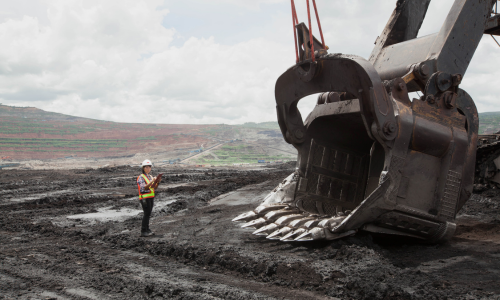
Australia’s equity market has always been shaped by mining. From the earliest gold rushes to the modern era of battery metals and electrification, the country’s economic identity is closely tied to what lies beneath its soil. At the heart of this story sit ASX small caps stocks, especially those operating in mining. These companies are not side characters in the market. They are the starting point of future supply, innovation, and long-term value creation.
ASX small caps stocks often polarise investors. Some see them as speculative instruments driven by hype and momentum. Others recognise them as the birthplace of the most transformative mining stories. Both perspectives contain truth. Mining small caps are risky, but they are not chaotic. Their behaviour is shaped by geology, capital discipline, management decisions, and commodity cycles. When approached thoughtfully, they offer exposure to growth that is difficult to replicate elsewhere in public markets.
This comprehensive pillar post explores ASX small caps stocks in mining, strictly defined as companies with market capitalisation under $500 million. It explains why these companies remain structurally important, how investors can evaluate them sensibly, where opportunity tends to cluster within mining sub-sectors, and how risk can be managed without eliminating upside. This is a timeless guide, written to remain useful across market cycles rather than tied to short-term price movements.
Why mining small caps exist and why they persist
Mining is fundamentally different from most industries. A retailer can test a new product within weeks. A software company can pivot its business model rapidly. A miner cannot. Before revenue, before production, before valuation certainty, there must be geological proof. That proof requires risk capital.
Large mining companies are not designed to take that early risk. Their shareholders expect stability, predictable cash flows, and disciplined capital allocation. This structural limitation creates space for smaller companies to operate. ASX small caps stocks step into this role by taking on exploration and early development risk.
Australia is uniquely positioned to support this ecosystem. The Australian Securities Exchange has deep experience listing junior miners. The country has a skilled technical workforce, a transparent regulatory framework, and a long history of resource investment. This combination allows small mining companies to raise capital, test ideas, and advance projects that would be too uncertain for larger peers.
Over time, this structure has proven resilient. Regardless of commodity cycles, new discoveries must come from somewhere. ASX small caps stocks remain the engine that feeds future production pipelines, not just for Australia, but for global supply chains.
The long gestation period that shapes outcomes
Mining small caps operate on timelines that are unfamiliar to many equity investors. In most industries, progress is measured quarterly. In mining, meaningful progress may take years. This long gestation period is not a flaw, but a structural reality of converting geological ideas into economic assets.
Exploration does not fail quickly when it fails. It usually fails slowly. Data accumulates over multiple drilling programs, reinterpretations, and refinements. Each stage reduces uncertainty, even when results are mixed. For ASX small caps stocks, this gradual de-risking process is where value is often created long before markets respond.
Investors who understand this rhythm avoid the trap of equating silence with stagnation. Technical work often continues between announcements. Environmental studies, metallurgical testing, and land access negotiations rarely generate headlines, yet they materially influence project viability.
Time also acts as a filter. Weak projects tend to exhaust capital before reaching advanced stages. Stronger assets survive long enough to attract partners, funding, or acquisition interest. In this way, time itself becomes a differentiator within ASX small caps stocks.
Market capitalisation is a label, not a risk measure
Defining ASX small caps stocks as companies below $500 million in market value is convenient, but it is not sufficient for analysis. Two companies with identical market caps can carry entirely different risk profiles.
One may be a conceptual explorer with limited drilling and no defined resource. Another may hold a large, well-studied deposit approaching development. Lumping them together leads to confusion and poor investment decisions.
A more useful lens is to consider the stage of development.
Early-stage explorers focus on testing geological ideas. Their value can change dramatically based on a single drill program. Success leads to rapid re-rating, while failure often results in steep declines.
Advanced explorers have defined resources and growing technical confidence. Their risks shift toward economics, metallurgy, and development feasibility.
Developers are closer to production but face execution, funding, and permitting challenges. Their upside may be lower than early explorers, but their risk profile is more defined.
Understanding where a company sits on this spectrum helps investors align expectations with reality.
How ASX mining small caps behave across cycles
ASX small caps stocks in mining move in cycles that reflect both commodity prices and investor sentiment. During favourable periods, capital becomes abundant. Exploration accelerates, valuations expand, and optimism dominates market narratives.
Eventually, conditions tighten. Commodity prices soften or remain range-bound. Risk capital retreats. Funding becomes selective. Share prices decline, often regardless of individual company progress.
This volatility discourages many investors, yet it is also where opportunity emerges. Historically, companies that preserved capital, focused on quality assets, and avoided excessive dilution during downturns were best positioned when sentiment improved.
Long-term success in ASX small caps stocks rarely comes from perfect timing. It comes from understanding where a company sits in the cycle and whether it has the resilience to endure less favourable conditions.
How probability replaces speculation over time
Early-stage mining investments are often described as speculative, but this label hides an important transformation. As projects mature, uncertainty does not disappear, it becomes measurable. Probabilities replace guesswork.
In the earliest phase, valuation is driven by geological possibility. As drilling increases, the range of outcomes narrows. By the time a resource is defined, the question is no longer whether something exists, but whether it can be mined economically.
This shift changes how ASX small caps stocks should be assessed. Investors who continue to treat advanced projects as pure speculation often misprice risk. At the same time, those who assume certainty too early expose themselves to disappointment.
Successful long-term investors adjust expectations as data improves. They recognise that each technical milestone changes the nature of risk. This adaptive thinking is one of the most underappreciated skills in mining investing.
Resource quality is more than a headline number
Mining announcements often highlight large resource estimates. While scale matters, it does not define value on its own. Resource quality determines whether a project can become an economically viable mine.
Grade, depth, geometry, metallurgy, infrastructure access, and jurisdiction all influence outcomes. A smaller, high-grade deposit near infrastructure may outperform a larger, lower-grade project in a remote location.
Investors should look beyond headline figures and consider practical questions. Can the resource be mined profitably at conservative commodity prices? Are processing requirements simple or complex? Is the project located in a jurisdiction that supports development?
ASX small caps stocks that focus on quality rather than sheer size tend to attract long-term capital.
When “good geology” still fails shareholders
Not every technically sound project delivers shareholder returns. This is a difficult reality for new investors to accept. Good geology is necessary, but it is not sufficient.
Projects can fail due to poor execution, unrealistic capital assumptions, or adverse permitting outcomes. Others struggle because infrastructure costs overwhelm resource value. In some cases, commodity prices move against projects at critical moments.
This is why experienced investors evaluate ASX small caps stocks as complete systems, not isolated deposits. They examine cost structures, funding pathways, and strategic relevance alongside geology.
Understanding why good projects sometimes fail improves decision-making far more than studying only successful examples.
Management quality as a decisive factor
In mining small caps, management decisions often matter more than commodity prices. These companies operate with limited margins for error. Capital allocation, communication style, and strategic discipline shape outcomes.
Experienced management teams understand sequencing. They know when to accelerate exploration and when to slow down. They respect shareholder capital and avoid unnecessary dilution. They communicate progress clearly without overstating potential.
In contrast, overly promotional behaviour often signals misaligned incentives. Frequent capital raisings without corresponding value creation erode trust and damage long-term prospects.
Investors who study management track records gain an important edge in evaluating ASX small caps stocks.
Capital allocation as a signal of intent
In mining small caps, capital allocation decisions reveal management priorities more clearly than words. Where money is spent, and when, matters.
Well-run companies align capital raises with value-adding milestones. They avoid raising excessive funds too early, which leads to dilution without progress. They also avoid running too close to empty, which forces desperate decisions.
Poor capital allocation often leaves a trail. Frequent small raisings, inconsistent exploration programs, and shifting project focus signal a lack of strategic clarity.
Investors who track funding history gain insight that financial statements alone cannot provide. In ASX small caps stocks, how capital is raised often matters as much as how much is raised.
Cash is not just liquidity, it is leverage
Most mining small caps operate without revenue for extended periods. Cash determines how much optionality a company has. A strong balance sheet allows management to choose timing, negotiate partnerships, and weather market volatility.
Companies that misjudge funding needs often face forced capital raises at unfavourable prices. Even high-quality projects can suffer permanent damage if dilution is excessive.
Disciplined cash management does not eliminate risk, but it increases the probability that a company survives long enough for its asset to be properly evaluated.
Where opportunity tends to cluster within mining
Although mining covers many commodities, investor attention within ASX small caps stocks tends to focus on a few areas.
Gold remains a constant presence. Its liquidity, transparent pricing, and role as a store of value ensure ongoing relevance. Gold-focused small caps often attract capital even during broader market downturns.
Lithium has emerged as a defining theme of recent years. Demand linked to electric vehicles and energy storage has reshaped exploration priorities. While prices fluctuate, long-term relevance is tied to structural electrification trends rather than short-term sentiment.
Copper occupies a quieter but equally important position. It underpins infrastructure, renewable energy, and electrification. Copper projects often take longer to develop, but successful discoveries can support decades of production.
Understanding these dynamics helps investors contextualise news flow and avoid chasing narratives without substance.
The influence of information gaps in small-cap mining
ASX small caps stocks in mining operate in an environment where information does not travel evenly. Unlike large companies that are covered by analysts, brokers, and institutional research teams, small-cap miners often receive attention only during major announcements. Between those moments, meaningful progress can go largely unnoticed.
This creates information gaps that shape pricing behaviour. Technical work such as metallurgical optimisation, geological reinterpretation, land access agreements, or environmental baseline studies rarely attracts headlines. Yet these steps often determine whether a project ultimately succeeds. Investors who follow only price action or social media narratives may miss these quieter developments.
At the same time, limited coverage increases the responsibility placed on investors. Weaknesses can remain obscured until a capital raise fails or a project timeline slips materially. This is why relying solely on promotional language is risky in ASX small caps stocks. Independent review of announcements, technical reports, and funding history becomes essential.
Over time, as projects advance and uncertainty narrows, information gaps tend to close. Valuations adjust, sometimes rapidly, once progress becomes undeniable. Investors who remain engaged through less visible phases often benefit most from this re-pricing. In mining small caps, advantage rarely comes from reacting faster than others. It comes from understanding more than others and staying attentive when the market’s focus moves elsewhere.
Risk is unavoidable but not uncontrollable
Risk is inherent in ASX small caps stocks. Exploration can fail. Commodity prices fluctuate. Capital markets tighten unexpectedly.
What investors can control is exposure. Diversification across commodities, jurisdictions, and development stages reduces reliance on any single outcome. Sensible position sizing ensures that failures remain survivable.
Equally important is emotional discipline. Volatility is a feature of mining small caps, not a flaw. Investors who react impulsively often undermine their own strategies.
Risk management in this space is about survival first and returns second.
Why volatility is structural, not temporary
Volatility in ASX small caps stocks is often mistaken for instability. In reality, it is structural. Prices move sharply because information arrives in discrete blocks rather than continuous streams.
Drill results, resource updates, and permitting decisions create step-changes in valuation. Between these events, prices drift based on sentiment rather than fundamentals.
Understanding this helps investors avoid emotional reactions. Volatility becomes expected rather than alarming. Those who internalise this reality tend to make fewer reactive decisions.
Behavioural discipline separates outcomes
Information in the mining sector is widely available. What differentiates investors is interpretation and behaviour.
Those who remain patient during quiet periods and cautious during euphoric ones often outperform. They focus on progress rather than promotion. They accept that not every investment will succeed.
This mindset transforms volatility from a source of stress into a source of opportunity.
Evergreen traits observed in resilient mining small caps
The table below highlights recurring characteristics seen in ASX small caps stocks that tend to endure across cycles.
Trait
Why it matters
Long-term impact
Clear geological rationale
Guides focused exploration
Higher discovery efficiency
Experienced management
Improves execution
Better capital outcomes
Conservative cash strategy
Extends runway
Lower dilution risk
Tier-one jurisdiction focus
Reduces permitting risk
Improved valuation
Realistic timelines
Builds credibility
Lower volatility
Transparent communication
Aligns expectations
Investor trust
These traits do not guarantee success, but their absence often predicts failure.
Why ASX small caps stocks remain structurally important
Global demand for minerals continues to rise as economies electrify, urbanise, and modernise infrastructure. Large miners rely on a pipeline of new projects to replace declining assets.
ASX small caps stocks provide that pipeline. They discover resources, advance projects, and create future supply. Without them, the mining industry would stagnate.
For investors, this makes mining small caps a structurally relevant segment rather than a speculative niche.
The quiet role of optionality in mining investments
One of the least discussed advantages изменений of ASX small caps stocks is optionality. Projects rarely follow a single path. A deposit may not support a standalone mine but may still hold strategic value.
Joint ventures, toll treatment, or satellite development can unlock value that is invisible early on. Companies that preserve optionality through land position, infrastructure access, and flexible development plans tend to outperform rigid strategies.
Optionality is difficult to model, but it plays a major role in long-term outcomes.
Next steps
ASX small caps stocks in mining are not about certainty or quick wins. They are about probabilities, discipline, and time. They reward preparation more than prediction and patience more than excitement.
Investors who approach this space with clear frameworks, realistic expectations, and emotional control often find that volatility becomes manageable rather than overwhelming.
If you want ongoing, research-driven insights into ASX small caps stocks, mining trends, and disciplined equity research, subscribe to Pristine Gaze reports. Our coverage focuses on fundamentals, long-term thinking, and cutting through noise to identify enduring opportunities.
Disclaimer:
General Financial Product Advice and Regulatory Framework: Pristine Gaze Pty Ltd (ABN 66 680 815 678, ACN 680 815 678) operates as Corporate Authorised Representative (CAR No. 001312049) of Alpha Securities Pty Ltd (AFSL 330757), which is licensed and regulated by the Australian Securities and Investments Commission under the Corporations Act 2001 (Cth). This report contains general financial product advice only and has been prepared without consideration of your personal objectives, financial situation, specific needs, circumstances, or investment experience. The information is not tailored to individual circumstances and may not be suitable for your particular situation. Before acting on any information contained herein, you should carefully consider its appropriateness having regard to your personal objectives, financial situation, and needs, and consider seeking personal financial advice from a qualified financial adviser who can assess your individual circumstances and provide tailored recommendations.
Investment Risks and Market Warnings: All investments carry significant risk, and different investment strategies may carry varying levels of risk exposure including total loss of invested capital. The value of investments and income derived from them can fluctuate significantly due to market conditions, economic factors, company-specific events, regulatory changes, commodity price volatility, currency fluctuations, interest rate movements, and other factors beyond our control. Securities markets are subject to market risk from general economic conditions and investor sentiment, liquidity risk affecting the ability to buy or sell securities at desired prices, credit risk from issuer default or deterioration, operational risk from inadequate internal processes, sector-specific risks including industry regulatory changes, technology obsolescence, management changes, competitive pressures, supply chain disruptions, and mining-specific risks including resource estimation uncertainty, operational hazards, environmental compliance, permitting delays, commodity price cycles, geopolitical factors affecting mining operations, and exploration risks. Small-cap and speculative mining stocks carry additional risks including limited liquidity, higher volatility, dependence on key personnel, limited operating history, uncertain cash flows, and potential failure to achieve commercial production.
Information Accuracy and Limitations: While we endeavour to ensure information accuracy and reliability, we make no representations or warranties (express or implied) regarding the accuracy, reliability, completeness, timeliness, or suitability of information provided, except where liability cannot be excluded under applicable law. This report may include information from third-party sources including company announcements, regulatory filings, research reports, market data providers, financial news services, and publicly available information, which we do not independently verify and for which we assume no responsibility. Past performance, examples, historical data, or projections are not indicative of future results, and no guarantee of future returns is provided or implied. To the maximum extent permitted by law, Pristine Gaze Pty Ltd and Alpha Securities Pty Ltd, together with their respective directors, officers, employees, representatives, and related entities, exclude all liability for any errors, omissions, inaccuracies, loss or damage (including direct, indirect, consequential, or special damages) arising from reliance on information provided, investment decisions made based on this report, market losses, opportunity costs, and technical issues or system failures.

Economic slowdowns, rising inflation, and cautious customer spending present a challenging environment for many companies. For Emeco Holdings Ltd, a machinery hire business serving mining, infrastructure, and industrial sectors, managing costs has become a strategic priority rather than just a financial exercise. By aligning operational efficiency, workforce management, procurement discipline, and pricing strategies, Emeco is navigating a tighter economy while maintaining resilience and long-term stability.
This blog explores how Emeco is controlling costs, what measures it has implemented, and why these approaches matter for sustaining performance in asset-intensive industries.
Why Cost Management Matters for Emeco
Emeco’s core business revolves around renting heavy equipment – excavators, loaders, trucks, and other machinery to customers in sectors where capital spending is cyclical. Revenue is closely linked to project activity, meaning that slower mining or infrastructure spending can directly impact income.
In such conditions, effective cost management is critical. Controlling expenses preserves margins, protects cash flow, and ensures the company can continue providing reliable service even when project pipelines shrink or customer budgets tighten.
Enhancing Operational Efficiency
Operational efficiency is the backbone of Emeco’s cost strategy. Every dollar spent must contribute directly to revenue generation, particularly when the business relies on high-value assets.
Optimising Fleet Utilisation Idle machinery costs money in maintenance, storage, and depreciation. Emeco has been actively improving fleet utilisation by:
Rebalancing equipment across regions to align with demand fluctuations.
Enhancing scheduling and logistics to minimise idle time.
Retiring older, less productive assets in favour of newer, more efficient machines.
Maintenance That Reduces Costs Without Sacrificing Reliability
Heavy equipment requires regular maintenance, but blanket servicing schedules can be costly and inefficient. Emeco has shifted toward more precise maintenance strategies:
Condition-based servicing: Machines are serviced based on actual usage and wear rather than fixed intervals.
Predictive diagnostics: Early warning systems identify potential problems before they escalate into costly repairs.
Centralised parts management: Maintaining the right inventory reduces both delays and unnecessary stockholding costs.
This combination reduces operating expenses while keeping machinery safe and reliable for clients.
Workforce Flexibility and Efficiency
Labour is a significant cost in equipment hire, and Emeco has implemented strategies to maintain productivity without inflating payroll:
Cross-skilling staff: Employees trained in multiple roles increase flexibility and reduce the need for specialised hires.
Temporary resourcing alignment: Contractors are deployed in line with project pipelines to avoid overstaffing during slower periods.
Performance-linked incentives: Teams are rewarded for utilisation improvements, cost savings, and operational efficiency.
These initiatives maintain an agile workforce capable of adapting to fluctuating market conditions.
Procurement Discipline
Operational costs extend beyond machines and labour to fuel, parts, transport, and external services. Emeco has strengthened procurement practices to curb unnecessary expenditure:
Negotiating long-term and volume agreements with suppliers to lock in favourable terms.
Consolidating vendor relationships to reduce administrative complexity.
Reviewing discretionary spend to eliminate low-value contracts.
Effective supplier management introduces predictability and supports cost stability, which is particularly valuable when revenue is sensitive to market cycles.
Flexible Pricing and Customer Alignment
Cost management also involves aligning pricing with market realities. Emeco has implemented strategies to ensure that revenue reflects the true cost of delivering service:
Flexible pricing models that adapt to usage patterns and seasonal demand.
Bundled services, such as maintenance or operator support, offering value without eroding margins.
Improved quoting processes that accurately reflect equipment type, duration, and service needs.
This approach protects margins while maintaining customer satisfaction and competitive positioning.
Cash Flow Focus Across the Fleet Lifecycle
Capital deployment is critical for asset-heavy businesses like Emeco. The company has implemented measures to ensure cash flow remains robust:
Sequencing capital expenditures based on demand signals.
Maximising returns on existing assets through resale or refurbishment.
Extending asset life where appropriate to defer higher-cost purchases.
Prudent capital management ensures that fleet modernisation does not compromise financial stability, particularly when credit conditions tighten or investment sentiment is cautious.
The Big Picture: Building Resilience
Emeco’s approach to cost management is holistic. By combining fleet optimisation, maintenance efficiency, labour flexibility, procurement discipline, and strategic pricing, the company creates a resilient operational model. Rather than making knee-jerk cuts, Emeco aligns costs with productive output, ensuring that every investment contributes to long-term performance.
Metrics and Signals for Investors
Investors and observers can track the effectiveness of Emeco’s cost management through practical indicators:
Fleet utilisation rates: Higher active use indicates more revenue-generating assets.
Maintenance cost per operating hour: Stable or reduced figures show disciplined spending.
Labour productivity metrics: More output with stable staffing reflects workforce efficiency.
Procurement trends: Lower or stable costs in fuel, parts, and services indicate strong supplier negotiation.
Efficiency as a Competitive Advantage
In a tight economic environment, many companies face unavoidable cost pressures. What sets resilient businesses apart is their ability to manage costs strategically, ensuring that every dollar spent contributes to revenue, customer service, or long-term value.
Disclaimer:
General Financial Product Advice and Regulatory Framework: Pristine Gaze Pty Ltd (ABN 66 680 815 678, ACN 680 815 678) operates as Corporate Authorised Representative (CAR No. 001312049) of Alpha Securities Pty Ltd (AFSL 330757), which is licensed and regulated by the Australian Securities and Investments Commission under the Corporations Act 2001 (Cth). This report contains general financial product advice only and has been prepared without consideration of your personal objectives, financial situation, specific needs, circumstances, or investment experience. The information is not tailored to individual circumstances and may not be suitable for your particular situation. Before acting on any information contained herein, you should carefully consider its appropriateness having regard to your personal objectives, financial situation, and needs, and consider seeking personal financial advice from a qualified financial adviser who can assess your individual circumstances and provide tailored recommendations.
Investment Risks and Market Warnings: All investments carry significant risk, and different investment strategies may carry varying levels of risk exposure including total loss of invested capital. The value of investments and income derived from them can fluctuate significantly due to market conditions, economic factors, company-specific events, regulatory changes, commodity price volatility, currency fluctuations, interest rate movements, and other factors beyond our control. Securities markets are subject to market risk from general economic conditions and investor sentiment, liquidity risk affecting the ability to buy or sell securities at desired prices, credit risk from issuer default or deterioration, operational risk from inadequate internal processes, sector-specific risks including industry regulatory changes, technology obsolescence, management changes, competitive pressures, supply chain disruptions, and mining-specific risks including resource estimation uncertainty, operational hazards, environmental compliance, permitting delays, commodity price cycles, geopolitical factors affecting mining operations, and exploration risks. Small-cap and speculative mining stocks carry additional risks including limited liquidity, higher volatility, dependence on key personnel, limited operating history, uncertain cash flows, and potential failure to achieve commercial production.
Information Accuracy and Limitations: While we endeavour to ensure information accuracy and reliability, we make no representations or warranties (express or implied) regarding the accuracy, reliability, completeness, timeliness, or suitability of information provided, except where liability cannot be excluded under applicable law. This report may include information from third-party sources including company announcements, regulatory filings, research reports, market data providers, financial news services, and publicly available information, which we do not independently verify and for which we assume no responsibility. Past performance, examples, historical data, or projections are not indicative of future results, and no guarantee of future returns is provided or implied. To the maximum extent permitted by law, Pristine Gaze Pty Ltd and Alpha Securities Pty Ltd, together with their respective directors, officers, employees, representatives, and related entities, exclude all liability for any errors, omissions, inaccuracies, loss or damage (including direct, indirect, consequential, or special damages) arising from reliance on information provided, investment decisions made based on this report, market losses, opportunity costs, and technical issues or system failures.

Healthcare progress rarely arrives all at once. More often, it comes through years of steady research, clinical testing and refinement. This long journey is reflected in a company’s pipeline. A pipeline represents future therapies, technologies or applications that can shape how a healthcare business evolves over time. On the ASX, three healthcare companies stand out for the way their pipelines continue to expand in both scope and ambition: CSL Ltd, Orthocell Ltd and 4D Medical. While they operate in very different areas, each is building a pathway toward broader clinical impact and long term relevance.
CSL Ltd: Scaling Innovation on a Global Platform
CSL is one of Australia’s most established healthcare success stories, with operations spanning immunology, haematology, rare diseases and vaccines. Its global plasma collection network and manufacturing footprint give it a scale advantage few companies can match. Yet the real strength of CSL lies not only in what it already sells, but in what it continues to develop.
CSL’s pipeline shows depth as well as diversity. The company consistently advances new indications for existing therapies, extending their use into wider patient populations. This approach builds on proven safety and efficacy, reducing development risk while opening additional revenue pathways.
Beyond extensions of existing products, CSL is also working on next generation plasma-derived therapies that aim to improve patient convenience and treatment outcomes. For example, innovation around dosing efficiency and delivery methods is designed to reduce treatment burden for people living with chronic conditions.
CSL has also signalled long term intent in advanced areas such as cell and gene therapy. While these programs are at earlier stages, they reflect a willingness to invest in emerging science that could define future standards of care. With multiple clinical programs progressing at any given time, CSL’s pipeline provides diversification. Progress in one area can offset delays in another, creating a balanced innovation profile supported by substantial research and development spending that runs into the billions of dollars annually.
Orthocell Ltd: Regenerative Medicine with Practical Focus
Orthocell operates in regenerative medicine, a field that aims to support the body’s natural healing processes rather than replace them. Its work focuses on musculoskeletal and soft tissue repair, areas where traditional treatments often fall short in restoring full function.
The company’s pipeline reflects a practical mindset. Instead of pursuing abstract concepts, Orthocell targets clinical problems surgeons face every day, such as tendon and ligament repair. Its products are designed to improve healing quality, reduce recovery time and support better long term outcomes.
Orthocell’s expanding pipeline includes enhancements to existing regenerative products as well as new applications that build on its core biological platforms. These developments often arise from clinician feedback, ensuring that innovation remains closely tied to real world use. This iterative approach helps refine usability and expand the range of procedures where regenerative solutions can be applied.
What makes Orthocell’s pipeline meaningful is its alignment with unmet needs. Musculoskeletal injuries are common, recovery can be slow, and poor healing often leads to repeat procedures. Technologies that can improve consistency and quality of repair have the potential to change standard practice. An expanding pipeline in this space signals growing confidence in both the science and its clinical relevance.
4D Medical: Expanding the Boundaries of Diagnostic Imaging
4D Medical takes a different route to healthcare innovation. Instead of developing drugs or biological products, the company focuses on advanced imaging technology that provides dynamic insights into organ function. Its platform enables clinicians to visualise movement and airflow in ways that traditional imaging cannot.
The pipeline at 4D Medical is built around expanding applications of its imaging technology. Early clinical use has centred on pulmonary function, where understanding how lungs behave during breathing can improve diagnosis and monitoring. From there, the company has been working to validate additional use cases that broaden clinical relevance.
Pipeline expansion in diagnostic technology depends on three key elements: clinical validation, regulatory approvals and adoption by healthcare providers. 4D Medical has been progressing studies that demonstrate how its imaging delivers actionable data, supporting regulatory clearance in major markets. Each new approved application adds to the overall value of the platform.
What stands out is the scalability of this approach. Once integrated into hospital workflows, the same core technology can support multiple specialties. An expanding pipeline here means more clinical questions can be answered using a single imaging solution, increasing its utility across healthcare systems.
What Expanding Pipelines Signal
Across CSL, Orthocell and 4D Medical, expanding pipelines serve as indicators of future readiness. They suggest that these companies are not reliant on a single product or idea, but are actively building options for growth.
For established players like CSL, pipeline breadth provides resilience and continuity. For emerging innovators like Orthocell and 4D Medical, pipeline expansion reflects growing confidence, scientific validation and closer integration with clinical practice.
Pipelines also offer insight beyond short term financial results. They show where management is allocating capital, how companies respond to patient and clinician needs, and how innovation strategies align with long term healthcare trends.
A Forward Looking View on Healthcare Innovation
Healthcare innovation is rarely linear. It involves setbacks, revisions and breakthroughs that unfold over many years. Pipelines are the clearest window into that process. CSL’s broad biotherapeutic development, Orthocell’s regenerative focus and 4D Medical’s diagnostic expansion each represent distinct paths toward improving patient outcomes.
Disclaimer:
General Financial Product Advice and Regulatory Framework: Pristine Gaze Pty Ltd (ABN 66 680 815 678, ACN 680 815 678) operates as Corporate Authorised Representative (CAR No. 001312049) of Alpha Securities Pty Ltd (AFSL 330757), which is licensed and regulated by the Australian Securities and Investments Commission under the Corporations Act 2001 (Cth). This report contains general financial product advice only and has been prepared without consideration of your personal objectives, financial situation, specific needs, circumstances, or investment experience. The information is not tailored to individual circumstances and may not be suitable for your particular situation. Before acting on any information contained herein, you should carefully consider its appropriateness having regard to your personal objectives, financial situation, and needs, and consider seeking personal financial advice from a qualified financial adviser who can assess your individual circumstances and provide tailored recommendations.
Investment Risks and Market Warnings: All investments carry significant risk, and different investment strategies may carry varying levels of risk exposure including total loss of invested capital. The value of investments and income derived from them can fluctuate significantly due to market conditions, economic factors, company-specific events, regulatory changes, commodity price volatility, currency fluctuations, interest rate movements, and other factors beyond our control. Securities markets are subject to market risk from general economic conditions and investor sentiment, liquidity risk affecting the ability to buy or sell securities at desired prices, credit risk from issuer default or deterioration, operational risk from inadequate internal processes, sector-specific risks including industry regulatory changes, technology obsolescence, management changes, competitive pressures, supply chain disruptions, and mining-specific risks including resource estimation uncertainty, operational hazards, environmental compliance, permitting delays, commodity price cycles, geopolitical factors affecting mining operations, and exploration risks. Small-cap and speculative mining stocks carry additional risks including limited liquidity, higher volatility, dependence on key personnel, limited operating history, uncertain cash flows, and potential failure to achieve commercial production.
Information Accuracy and Limitations: While we endeavour to ensure information accuracy and reliability, we make no representations or warranties (express or implied) regarding the accuracy, reliability, completeness, timeliness, or suitability of information provided, except where liability cannot be excluded under applicable law. This report may include information from third-party sources including company announcements, regulatory filings, research reports, market data providers, financial news services, and publicly available information, which we do not independently verify and for which we assume no responsibility. Past performance, examples, historical data, or projections are not indicative of future results, and no guarantee of future returns is provided or implied. To the maximum extent permitted by law, Pristine Gaze Pty Ltd and Alpha Securities Pty Ltd, together with their respective directors, officers, employees, representatives, and related entities, exclude all liability for any errors, omissions, inaccuracies, loss or damage (including direct, indirect, consequential, or special damages) arising from reliance on information provided, investment decisions made based on this report, market losses, opportunity costs, and technical issues or system failures.

Nick Scali Ltd has been a familiar name in Australian furniture retail for decades. Known for quality sofas, dining sets, and homewares, the company has built a reputation for reliability and style. Yet, in recent months, analysts have begun to take a fresh look at the company’s prospects. A combination of stronger trading updates, international expansion, and operational execution has prompted brokers and commentators to reassess earlier assumptions about the company’s growth trajectory.
This blog explores why analysts are revisiting their outlook, what factors are driving this reconsideration, and the signals that suggest Nick Scali may be entering a new phase in its development.
A Strong Start to FY26
At the core of renewed analyst interest is a solid performance in the first half of FY26. Nick Scali revised its profit guidance upward, reflecting better-than-expected sales in Australia and New Zealand. Even in a broader retail environment that has seen softness, furniture demand remained resilient. In particular, premium home furnishings saw steady orders, suggesting that consumers continue to prioritise quality and long-term value over short-term cost savings.
This upward revision naturally led analysts to reconsider earlier, more cautious estimates. When domestic sales outperform expectations, it signals that previous forecasts may have underestimated both consumer demand and the company’s ability to convert traffic into sales. It also prompts a re-evaluation of the medium-term earnings trajectory.
UK Expansion: Complexity With Opportunity
Another factor drawing analyst attention is Nick Scali’s move into the United Kingdom through the acquisition and rebranding of Fabb Furniture stores. Early-stage international expansions often operate at a loss as systems, staff, and brand recognition are established. Nick Scali’s UK operations initially followed this pattern, showing some early drag on profits. However, recent updates indicate improved performance in refurbished stores, with stronger gross margins and higher order volumes than prior to acquisition.
Analysts now view this as a potential growth lever rather than a short-term burden. While UK stores remain a developing part of the business, the scale of the market and the premium positioning of the brand suggest significant upside if execution continues smoothly. This international vector has become a focal point in updating forecasts, particularly for longer-term earnings potential.
Domestic Market Leadership
Despite international ventures, the core Australian and New Zealand markets remain the backbone of Nick Scali’s business. Domestic operations have consistently outperformed peers, particularly in the premium segment of furniture retail. Comparative performance is a key metric for analysts because it signals brand strength, operational effectiveness, and customer loyalty.
Recent trading updates highlighted order growth and sustained foot traffic, even amid broader economic caution. This suggests that Nick Scali is either gaining share from competitors or benefiting from consumer preference shifts toward higher-quality home furnishings. Analysts see this as evidence of resilience and a reason to adjust assumptions about ongoing revenue growth.
Margins and Operational Discipline
Margins are a critical element for any retailer. Nick Scali’s ability to maintain and even improve gross margins in refurbished stores has caught analyst attention. Reports show that gross profit on the company’s own products increased significantly post-rebranding. This indicates that pricing power and product mix are effective tools in protecting profitability without resorting to discounting.
Sustained margins are an important signal for analysts because they imply earnings stability. In consumer retail, companies that can maintain margin integrity in challenging markets often achieve higher long-term valuations than those reliant on volume-driven promotions.
Leadership Changes and Strategic Focus
Nick Scali recently underwent a leadership transition, with long-serving executives stepping down and new leaders taking on prominent roles. Such changes can introduce both risk and opportunity. Analysts tend to update forecasts when leadership shifts suggest renewed strategic direction, clearer operational priorities, or an emphasis on growth initiatives. In Nick Scali’s case, the new management appears focused on strengthening domestic operations while carefully scaling international expansion.
Updated Analyst Views and Price Targets
As a consequence of these developments, analyst consensus has shifted. Price targets have moved higher, reflecting both the upgraded domestic outlook and potential upside from the UK operations. Broker commentary has become more constructive, with several maintaining or increasing buy recommendations. These revisions indicate a broader reassessment of Nick Scali’s medium-term earnings potential and competitive positioning.
Risks and Considerations
It is important to maintain a balanced perspective. Past periods have seen profit volatility, supply chain pressures, and temporary disruptions in trading. Early-stage UK operations carry execution risk, and international expansion requires careful management of costs, logistics, and brand consistency.
Nonetheless, the combination of domestic resilience, operational execution, and evidence of margin stability provides analysts with sufficient reason to revisit assumptions and consider a more positive outlook.
Signals Analysts Are Watching
Several metrics will guide ongoing analyst assessment of Nick Scali:
Domestic sales trends: Sustained outperformance in Australia and New Zealand provides confidence in the core business.
UK store performance: Movement toward breakeven and margin improvement will shape international contribution forecasts.
Margin trends: Continued ability to protect or enhance margins without heavy discounting is a key signal of pricing power.
Leadership execution: Strategy implementation and operational discipline under the new management team will influence medium-term growth.
These factors combine to form a more forward-looking view, beyond short-term revenue fluctuations or market sentiment swings.
Reassessment Reflects Evolving Potential
Analysts revisit their outlooks when new evidence changes the story investors should focus on. For Nick Scali, several developments have triggered this reassessment: a strong start to FY26, international expansion showing early signs of promise, margin resilience in domestic operations, and leadership evolution. The result is a more forward-looking consensus that reflects both what the company has delivered and the opportunities that may emerge over the next few years. While challenges remain, the reassessment signals confidence in Nick Scali’s ability to navigate a changing retail landscape and continue building value for shareholders.
Disclaimer:
General Financial Product Advice and Regulatory Framework: Pristine Gaze Pty Ltd (ABN 66 680 815 678, ACN 680 815 678) operates as Corporate Authorised Representative (CAR No. 001312049) of Alpha Securities Pty Ltd (AFSL 330757), which is licensed and regulated by the Australian Securities and Investments Commission under the Corporations Act 2001 (Cth). This report contains general financial product advice only and has been prepared without consideration of your personal objectives, financial situation, specific needs, circumstances, or investment experience. The information is not tailored to individual circumstances and may not be suitable for your particular situation. Before acting on any information contained herein, you should carefully consider its appropriateness having regard to your personal objectives, financial situation, and needs, and consider seeking personal financial advice from a qualified financial adviser who can assess your individual circumstances and provide tailored recommendations.
Investment Risks and Market Warnings: All investments carry significant risk, and different investment strategies may carry varying levels of risk exposure including total loss of invested capital. The value of investments and income derived from them can fluctuate significantly due to market conditions, economic factors, company-specific events, regulatory changes, commodity price volatility, currency fluctuations, interest rate movements, and other factors beyond our control. Securities markets are subject to market risk from general economic conditions and investor sentiment, liquidity risk affecting the ability to buy or sell securities at desired prices, credit risk from issuer default or deterioration, operational risk from inadequate internal processes, sector-specific risks including industry regulatory changes, technology obsolescence, management changes, competitive pressures, supply chain disruptions, and mining-specific risks including resource estimation uncertainty, operational hazards, environmental compliance, permitting delays, commodity price cycles, geopolitical factors affecting mining operations, and exploration risks. Small-cap and speculative mining stocks carry additional risks including limited liquidity, higher volatility, dependence on key personnel, limited operating history, uncertain cash flows, and potential failure to achieve commercial production.
Information Accuracy and Limitations: While we endeavour to ensure information accuracy and reliability, we make no representations or warranties (express or implied) regarding the accuracy, reliability, completeness, timeliness, or suitability of information provided, except where liability cannot be excluded under applicable law. This report may include information from third-party sources including company announcements, regulatory filings, research reports, market data providers, financial news services, and publicly available information, which we do not independently verify and for which we assume no responsibility. Past performance, examples, historical data, or projections are not indicative of future results, and no guarantee of future returns is provided or implied. To the maximum extent permitted by law, Pristine Gaze Pty Ltd and Alpha Securities Pty Ltd, together with their respective directors, officers, employees, representatives, and related entities, exclude all liability for any errors, omissions, inaccuracies, loss or damage (including direct, indirect, consequential, or special damages) arising from reliance on information provided, investment decisions made based on this report, market losses, opportunity costs, and technical issues or system failures.

The global energy system is going through a structural transformation. Power generation is moving away from fossil fuels toward cleaner sources, while electricity networks are becoming more complex and decentralised. This shift is not driven by short-term trends but by long-term policy commitments, technological progress and changing consumption patterns.
Institutional investors such as pension funds, insurance companies and large asset managers tend to follow these long cycles rather than short market movements. Their capital usually flows toward businesses with durable assets, visible earnings profiles and relevance to future infrastructure needs. Within Australia’s renewable ecosystem, two ASX-listed companies often highlighted in this context are Origin Energy and Southern Cross Electrical Engineering. Though their roles differ, both sit at critical points of the energy transition.
This article explores why institutional investors are paying attention to these businesses and how each contributes to the renewable energy value chain.
Origin Energy: Redefining the Modern Utility
Origin Energy has traditionally been recognised as a major electricity and gas retailer in Australia. Over time, however, its strategy has evolved to reflect the changing nature of energy systems. Rather than relying solely on conventional generation, Origin has expanded its focus toward renewable power, storage solutions and flexible energy services.
Electricity demand is increasingly influenced by rooftop solar, electric vehicles and variable renewable generation. Utilities that adapt to this reality by investing in storage, grid stability and integrated retail offerings are better positioned for long-term relevance. Origin’s business direction reflects this broader understanding of how energy will be produced, stored and consumed in the future.
Storage and Renewable Assets as Long-Life Infrastructure
One of the most notable elements of Origin’s transition is its investment in large-scale energy storage. Battery systems play a critical role in balancing supply and demand as renewable penetration rises. According to data from the Australian Energy Market Operator, grid-scale storage capacity is expected to expand significantly over the coming decades as coal generation declines.
Battery assets are particularly attractive to institutional investors because they resemble infrastructure investments. They often operate under long economic lives, provide essential grid services and generate revenue from multiple streams such as frequency control, capacity markets and energy arbitrage.
Alongside storage, Origin continues to develop and partner in renewable projects across wind and solar. Many of these assets are linked to long-term power purchase agreements, which provide revenue stability and reduce exposure to short-term wholesale price movements.
Origin’s large customer base remains a key strategic advantage. Retail operations allow the company to connect generation assets directly to end users, creating a more balanced business model. This integration reduces volatility and supports steady cash flows over time.
From an institutional perspective, companies that combine asset ownership with customer relationships often demonstrate resilience across economic cycles. Origin’s ability to bundle renewable energy, storage and retail services strengthens its positioning within Australia’s evolving energy framework.
Southern Cross Electrical Engineering: Enabling the Energy Transition
Renewable energy projects cannot operate in isolation. Every solar farm or wind installation depends on transmission lines, substations, grid connections and control systems. Southern Cross Electrical Engineering operates within this less visible but essential layer of the energy transition.
The company provides electrical engineering, construction and maintenance services across power networks, renewable projects and broader infrastructure developments. As renewable generation expands and electricity networks are upgraded to handle higher and more variable loads, the demand for specialised electrical contractors grows alongside it.
Long-Term Project Pipelines Support Earnings Visibility
Large infrastructure projects typically span several years, from design and construction through to commissioning and ongoing maintenance. This creates longer revenue visibility compared with industries driven by short project cycles.
Government and utility spending on grid upgrades remains a key driver. According to Infrastructure Australia, billions of dollars are allocated to electricity transmission and distribution investment over the coming decades to support renewable integration and energy security. Companies like Southern Cross Electrical Engineering are positioned to benefit from this sustained infrastructure build-out.
Diversification Across Clients and Sectors
Another aspect that appeals to institutional investors is SXE’s diversified customer base. The company works with energy utilities, renewable developers, mining operators and government bodies. This spread reduces dependency on any single sector and aligns revenue generation with essential services that remain in demand across economic conditions.
For long-term capital allocators, businesses that support critical infrastructure often provide more predictable earnings profiles than those exposed to consumer demand cycles.
Why Institutions Are Drawn to Both Companies
Despite operating in different segments of the energy ecosystem, Origin Energy and Southern Cross Electrical Engineering share characteristics that resonate with institutional investors.
Exposure to structural change: Both companies are linked to the long-term decarbonisation of energy systems rather than short-term market themes.
Infrastructure-like economics: Whether through asset ownership or construction services, their activities involve long-duration projects and essential services.
Policy alignment: Government commitments to renewable energy, storage and grid reliability underpin demand for both utilities and infrastructure providers.
Lower disruption risk: Rather than relying on unproven technologies, both companies focus on executing established solutions at scale.
These features help explain why institutional capital often favours such businesses when building long-horizon portfolios.
Signals Worth Monitoring Over Time
For investors observing institutional behaviour, several developments provide insight into sustained confidence:
Progress on major storage or renewable projects
Award of long-term infrastructure contracts
Partnerships with utilities, governments or large corporates
Successful delivery of complex engineering works
Policy support for transmission, storage and clean energy targets
These indicators often matter more than short-term earnings fluctuations when assessing long-term relevance.
Different Roles, Shared Direction
The renewable energy transition is not only about generating clean electricity. It also involves building the systems that transport, balance and deliver that power reliably. Origin Energy and Southern Cross Electrical Engineering represent two complementary sides of this transformation.
One focuses on owning and managing energy assets and customer relationships. The other ensures the physical infrastructure behind the grid is built and maintained. Institutional interest in both reflects a broader understanding that lasting value in renewables comes from execution, scale and integration.
Disclaimer:
General Financial Product Advice and Regulatory Framework: Pristine Gaze Pty Ltd (ABN 66 680 815 678, ACN 680 815 678) operates as Corporate Authorised Representative (CAR No. 001312049) of Alpha Securities Pty Ltd (AFSL 330757), which is licensed and regulated by the Australian Securities and Investments Commission under the Corporations Act 2001 (Cth). This report contains general financial product advice only and has been prepared without consideration of your personal objectives, financial situation, specific needs, circumstances, or investment experience. The information is not tailored to individual circumstances and may not be suitable for your particular situation. Before acting on any information contained herein, you should carefully consider its appropriateness having regard to your personal objectives, financial situation, and needs, and consider seeking personal financial advice from a qualified financial adviser who can assess your individual circumstances and provide tailored recommendations.
Investment Risks and Market Warnings: All investments carry significant risk, and different investment strategies may carry varying levels of risk exposure including total loss of invested capital. The value of investments and income derived from them can fluctuate significantly due to market conditions, economic factors, company-specific events, regulatory changes, commodity price volatility, currency fluctuations, interest rate movements, and other factors beyond our control. Securities markets are subject to market risk from general economic conditions and investor sentiment, liquidity risk affecting the ability to buy or sell securities at desired prices, credit risk from issuer default or deterioration, operational risk from inadequate internal processes, sector-specific risks including industry regulatory changes, technology obsolescence, management changes, competitive pressures, supply chain disruptions, and mining-specific risks including resource estimation uncertainty, operational hazards, environmental compliance, permitting delays, commodity price cycles, geopolitical factors affecting mining operations, and exploration risks. Small-cap and speculative mining stocks carry additional risks including limited liquidity, higher volatility, dependence on key personnel, limited operating history, uncertain cash flows, and potential failure to achieve commercial production.
Information Accuracy and Limitations: While we endeavour to ensure information accuracy and reliability, we make no representations or warranties (express or implied) regarding the accuracy, reliability, completeness, timeliness, or suitability of information provided, except where liability cannot be excluded under applicable law. This report may include information from third-party sources including company announcements, regulatory filings, research reports, market data providers, financial news services, and publicly available information, which we do not independently verify and for which we assume no responsibility. Past performance, examples, historical data, or projections are not indicative of future results, and no guarantee of future returns is provided or implied. To the maximum extent permitted by law, Pristine Gaze Pty Ltd and Alpha Securities Pty Ltd, together with their respective directors, officers, employees, representatives, and related entities, exclude all liability for any errors, omissions, inaccuracies, loss or damage (including direct, indirect, consequential, or special damages) arising from reliance on information provided, investment decisions made based on this report, market losses, opportunity costs, and technical issues or system failures.