4 ASX Small-Cap Stocks Gaining Analyst Attention

Smaller companies listed on the Australian Securities Exchange often attract investor interest when analysts begin identifying improving fundamentals, emerging industry positioning, or expanding growth opportunities. While large-cap companies typically dominate market coverage, analyst rated ASX small cap stocks can sometimes present compelling opportunities as businesses scale operations and expand into new markets.

Small-cap companies frequently operate in industries undergoing technological change, infrastructure expansion, or digital transformation. As revenue growth accelerates or strategic initiatives begin delivering results, analysts may increasingly focus on these companies due to their potential to generate meaningful earnings expansion.

Several analysts rated ASX small cap stocks gaining attention operate in sectors such as telecommunications infrastructure, enterprise software, advanced materials, and cybersecurity technology. Four companies that have recently drawn attention within the small-cap segment include:

  • Superloop Ltd (ASX: SLC)
  • Nuix Ltd (ASX: NXL)
  • IperionX Ltd (ASX: IPX)
  • Qoria Ltd (ASX: QOR)

Each of these companies operates in industries supported by long-term structural trends while pursuing strategies aimed at expanding market opportunities.

Why Analyst Rated ASX Small Cap Stocks Attract Attention

Analysts typically evaluate small-cap companies based on several factors that can signal improving business momentum. Unlike large established companies, smaller businesses often experience faster operational changes as they expand into new markets or scale their platforms.

Common drivers behind analyst interest in small-cap companies include:

  • Accelerating revenue growth
  • Entry into expanding industry segments
  • Strategic partnerships or acquisitions
  • Scalable technology platforms
  • Improving operating margins

When these elements align, analysts may begin covering companies more actively as visibility into future earnings improves.

Superloop Ltd (ASX: SLC)

Superloop operates telecommunications infrastructure and fibre networks across Australia and the Asia-Pacific region. The company provides high-speed connectivity solutions for businesses, wholesale customers, and residential broadband providers.

Among analyst rated ASX small cap stocks, Superloop has attracted attention due to its expanding fibre network and increasing demand for high-bandwidth internet infrastructure.

The company benefits from:

  • Growing fibre network footprint
  • Increasing demand for high-speed connectivity
  • Wholesale and enterprise customer expansion
  • Exposure to long-term digital infrastructure demand

As digital connectivity becomes increasingly essential for businesses and households, telecommunications infrastructure providers are positioned to benefit from rising data consumption and cloud adoption trends.

Nuix Ltd (ASX: NXL)

Nuix develops investigative analytics and data processing software used by organisations to analyse large volumes of complex data. Its technology supports industries such as cybersecurity, legal discovery, financial investigations, and regulatory compliance.

Within the category of analyst rated ASX small cap stocks, Nuix represents exposure to enterprise software solutions designed to handle complex data environments.

The company’s key strengths include:

  • Advanced data analytics software platform
  • Growing demand for cybersecurity and compliance tools
  • Enterprise and government customer base
  • Scalable software licensing model

As organisations generate increasing amounts of digital data, software platforms capable of extracting insights from complex datasets are becoming increasingly valuable.

IperionX Ltd (ASX: IPX)

IperionX focuses on developing sustainable titanium supply chains using innovative processing technologies. Titanium is widely used in aerospace, defence, medical devices, and advanced manufacturing due to its strength-to-weight ratio and corrosion resistance.

Among analyst rated ASX small cap stocks, IperionX has attracted interest because of its exposure to critical minerals and advanced materials supply chains.

The company benefits from:

  • Exposure to aerospace and defence demand
  • Development of low-carbon titanium production technology
  • Strategic positioning within critical minerals supply chains
  • Potential partnerships with advanced manufacturing industries

As governments increasingly prioritise domestic supply chains for strategic materials, companies developing alternative processing technologies may gain additional industry attention.

Qoria Ltd (ASX: QOR)

Qoria develops digital safety solutions designed to protect children and students in online environments. Its platforms are widely used by schools and families to monitor online activity and promote responsible digital behaviour.

Within the analyst rated ASX small cap stocks category, Qoria represents a technology company benefiting from increasing global focus on online safety and cybersecurity in education.

Key advantages include:

  • Expanding international education customer base
  • Subscription-based software platform
  • Growing demand for digital safety tools in schools
  • Global expansion into North America and Europe

As educational institutions adopt more digital learning platforms, demand for tools that enhance student safety and online protection continues increasing.

Comparing the Four Small-Cap Companies

Although these companies operate in different sectors, each represents a distinct growth theme within the Australian small-cap market.

Superloop:

  • Telecommunications infrastructure supporting rising data consumption

Nuix:

  • Enterprise software platform focused on complex data analytics

IperionX:

  • Advanced materials company developing titanium supply chains

Qoria:

  • Digital safety technology serving global education markets

Together, these companies illustrate the diversity of opportunities within the analyst rated ASX small cap stocks segment.

Structural Trends Supporting Small-Cap Growth

Several broader industry trends continue supporting the growth outlook for smaller ASX-listed companies operating in technology and infrastructure sectors.

Key structural drivers include:

  • Increasing digital infrastructure investment
  • Rapid growth in global data generation
  • Expanding cybersecurity and compliance requirements
  • Supply chain diversification for critical materials
  • Rising adoption of cloud-based and subscription software models

Companies aligned with these trends may experience expanding market opportunities as industries continue evolving.

Risk Considerations

Despite their growth potential, analyst rated ASX small cap stocks can carry higher risk compared with larger companies.

Investors monitoring small-cap companies should consider several factors:

  • Higher share price volatility compared with large-cap stocks
  • Dependence on successful execution of growth strategies
  • Competitive pressure from larger industry participants
  • Funding requirements for expansion or technology development
  • Sensitivity to changes in investor sentiment toward small-cap equities

Although smaller companies can offer significant growth opportunities, long-term outcomes often depend on sustained revenue expansion, operational execution, and the ability to scale business models successfully.

Disclaimer:

General Financial Product Advice and Regulatory Framework: Pristine Gaze Pty Ltd (ABN 66 680 815 678, ACN 680 815 678) operates as Corporate Authorised Representative (CAR No. 001312049) of Alpha Securities Pty Ltd (AFSL 330757), which is licensed and regulated by the Australian Securities and Investments Commission under the Corporations Act 2001 (Cth). This report contains general financial product advice only and has been prepared without consideration of your personal objectives, financial situation, specific needs, circumstances, or investment experience. The information is not tailored to individual circumstances and may not be suitable for your particular situation. Before acting on any information contained herein, you should carefully consider its appropriateness having regard to your personal objectives, financial situation, and needs, and consider seeking personal financial advice from a qualified financial adviser who can assess your individual circumstances and provide tailored recommendations.

Investment Risks and Market Warnings: All investments carry significant risk, and different investment strategies may carry varying levels of risk exposure including total loss of invested capital. The value of investments and income derived from them can fluctuate significantly due to market conditions, economic factors, company-specific events, regulatory changes, commodity price volatility, currency fluctuations, interest rate movements, and other factors beyond our control. Securities markets are subject to market risk from general economic conditions and investor sentiment, liquidity risk affecting the ability to buy or sell securities at desired prices, credit risk from issuer default or deterioration, operational risk from inadequate internal processes, sector-specific risks including industry regulatory changes, technology obsolescence, management changes, competitive pressures, supply chain disruptions, and mining-specific risks including resource estimation uncertainty, operational hazards, environmental compliance, permitting delays, commodity price cycles, geopolitical factors affecting mining operations, and exploration risks. Small-cap and speculative mining stocks carry additional risks including limited liquidity, higher volatility, dependence on key personnel, limited operating history, uncertain cash flows, and potential failure to achieve commercial production.

Information Accuracy and Limitations: While we endeavour to ensure information accuracy and reliability, we make no representations or warranties (express or implied) regarding the accuracy, reliability, completeness, timeliness, or suitability of information provided, except where liability cannot be excluded under applicable law. This report may include information from third-party sources including company announcements, regulatory filings, research reports, market data providers, financial news services, and publicly available information, which we do not independently verify and for which we assume no responsibility. Past performance, examples, historical data, or projections are not indicative of future results, and no guarantee of future returns is provided or implied. To the maximum extent permitted by law, Pristine Gaze Pty Ltd and Alpha Securities Pty Ltd, together with their respective directors, officers, employees, representatives, and related entities, exclude all liability for any errors, omissions, inaccuracies, loss or damage (including direct, indirect, consequential, or special damages) arising from reliance on information provided, investment decisions made based on this report, market losses, opportunity costs, and technical issues or system failures.

2 ASX Stocks Positioned for Valuation Re-Rating

Valuation shifts are a common occurrence in equity markets as companies progress through different stages of growth, restructuring, or industry transformation. Businesses that improve profitability, strengthen balance sheets, or reposition their strategies can sometimes experience meaningful valuation adjustments over time. For investors monitoring undervalued ASX stocks, companies undergoing operational improvements or strategic repositioning may attract increasing market attention.

Valuation re-rating often occurs when a company’s financial performance begins to improve after a period of underperformance or uncertainty. As revenue stabilises, margins expand, or market sentiment improves, investor confidence can gradually return. In such situations, companies previously considered undervalued may begin to trade closer to their long-term growth potential.

Within the Australian market, several businesses have recently been associated with turnaround strategies or evolving industry positioning. Two undervalued ASX stocks that have drawn attention due to improving operational outlooks include:

  • Zip Co Ltd (ASX: ZIP)
  • Appen Ltd (ASX: APX)

Both companies operate in technology-driven sectors where shifting industry conditions and internal restructuring efforts can influence future valuation trends.

Why Undervalued ASX Stocks Can Experience Re-Rating

Valuation re-rating typically occurs when new developments change how investors perceive a company’s growth prospects or financial stability. Companies that successfully address operational challenges or adapt to evolving industry conditions may gradually rebuild investor confidence.

Several factors can contribute to a valuation re-rating among undervalued ASX stocks:

  • Improving profitability or cash flow generation
  • Strategic restructuring or cost reductions
  • Recovery in industry demand conditions
  • Product innovation or new technology adoption
  • Expansion into new markets or partnerships

When these developments begin influencing financial performance, valuation multiples may adjust as investor sentiment improves.

Zip Co Ltd (ASX: ZIP)

Zip operates within the buy-now-pay-later (BNPL) sector, providing consumers with flexible payment solutions for online and in-store purchases. The company partners with merchants to integrate instalment-based payment options directly into retail checkout systems.

Among undervalued ASX stocks, Zip has attracted attention as the company focuses on improving operational efficiency and strengthening its financial performance.

The company benefits from:

  • Global digital payments infrastructure
  • Partnerships with retailers and e-commerce platforms
  • Improving cost discipline and profitability focus
  • Exposure to expanding online retail transactions

The BNPL industry experienced rapid growth during the expansion of e-commerce, although rising interest rates and tighter credit conditions later introduced challenges for several companies in the sector.

As Zip continues refining its business model and focusing on sustainable growth, improvements in financial performance could influence how investors assess its long-term valuation potential.

Appen Ltd (ASX: APX)

Appen operates within the artificial intelligence ecosystem by providing training data used to develop machine learning algorithms. Technology companies rely on large volumes of labelled data to train AI systems used in applications such as voice recognition, image processing, and natural language processing.

Within the category of undervalued ASX stocks, Appen represents a company positioned within the broader artificial intelligence industry while undergoing strategic adjustments.

The company benefits from:

  • Exposure to growing demand for AI training data
  • Global customer base including technology companies
  • Large distributed workforce supporting data annotation
  • Participation in expanding machine learning development

Demand for artificial intelligence solutions continues expanding as companies integrate automation and data analytics into their operations. AI systems rely heavily on high-quality training datasets, making data annotation services a key component of the machine learning ecosystem.

Although revenue growth has fluctuated in recent years as the AI industry evolves, ongoing investment in artificial intelligence across multiple sectors may continue supporting demand for specialised data services.

Comparing the Two Undervalued ASX Stocks

Although Zip and Appen operate in different segments of the technology sector, both companies share characteristics often associated with valuation re-rating opportunities.

Zip Co:

  • Digital payments platform operating in the BNPL ecosystem

Appen:

  • AI training data provider supporting machine learning development

Both companies experienced periods of market volatility as industry conditions shifted. However, strategic adjustments and evolving industry demand may influence future investor sentiment toward these businesses.

Structural Trends Supporting Technology Recovery

Several broader industry trends continue shaping the outlook for companies operating in digital payments and artificial intelligence sectors.

Important structural drivers include:

  • Continued growth in global e-commerce transactions
  • Increasing adoption of flexible digital payment solutions
  • Expanding enterprise investment in artificial intelligence
  • Rapid growth in global data generation
  • Increasing demand for automation and machine learning tools

Companies aligned with these structural trends may benefit as technological adoption accelerates across industries.

Risk Considerations

Despite potential recovery opportunities, undervalued ASX stocks often carry significant risks that investors should consider carefully.

Potential risks include:

  • Competitive pressure within fintech and AI industries
  • Changing regulatory frameworks affecting digital finance
  • Dependence on large enterprise customers in technology sectors
  • Execution risks associated with turnaround strategies
  • Market volatility affecting technology company valuations

While valuation re-rating opportunities can attract investor attention, long-term performance ultimately depends on successful operational execution, revenue stability, and the ability to adapt to evolving industry conditions.

Top of Form

Bottom of Form

Bottom of FormTop of Form

Bottom of Form

Disclaimer:

General Financial Product Advice and Regulatory Framework: Pristine Gaze Pty Ltd (ABN 66 680 815 678, ACN 680 815 678) operates as Corporate Authorised Representative (CAR No. 001312049) of Alpha Securities Pty Ltd (AFSL 330757), which is licensed and regulated by the Australian Securities and Investments Commission under the Corporations Act 2001 (Cth). This report contains general financial product advice only and has been prepared without consideration of your personal objectives, financial situation, specific needs, circumstances, or investment experience. The information is not tailored to individual circumstances and may not be suitable for your particular situation. Before acting on any information contained herein, you should carefully consider its appropriateness having regard to your personal objectives, financial situation, and needs, and consider seeking personal financial advice from a qualified financial adviser who can assess your individual circumstances and provide tailored recommendations.

Investment Risks and Market Warnings: All investments carry significant risk, and different investment strategies may carry varying levels of risk exposure including total loss of invested capital. The value of investments and income derived from them can fluctuate significantly due to market conditions, economic factors, company-specific events, regulatory changes, commodity price volatility, currency fluctuations, interest rate movements, and other factors beyond our control. Securities markets are subject to market risk from general economic conditions and investor sentiment, liquidity risk affecting the ability to buy or sell securities at desired prices, credit risk from issuer default or deterioration, operational risk from inadequate internal processes, sector-specific risks including industry regulatory changes, technology obsolescence, management changes, competitive pressures, supply chain disruptions, and mining-specific risks including resource estimation uncertainty, operational hazards, environmental compliance, permitting delays, commodity price cycles, geopolitical factors affecting mining operations, and exploration risks. Small-cap and speculative mining stocks carry additional risks including limited liquidity, higher volatility, dependence on key personnel, limited operating history, uncertain cash flows, and potential failure to achieve commercial production.

Information Accuracy and Limitations: While we endeavour to ensure information accuracy and reliability, we make no representations or warranties (express or implied) regarding the accuracy, reliability, completeness, timeliness, or suitability of information provided, except where liability cannot be excluded under applicable law. This report may include information from third-party sources including company announcements, regulatory filings, research reports, market data providers, financial news services, and publicly available information, which we do not independently verify and for which we assume no responsibility. Past performance, examples, historical data, or projections are not indicative of future results, and no guarantee of future returns is provided or implied. To the maximum extent permitted by law, Pristine Gaze Pty Ltd and Alpha Securities Pty Ltd, together with their respective directors, officers, employees, representatives, and related entities, exclude all liability for any errors, omissions, inaccuracies, loss or damage (including direct, indirect, consequential, or special damages) arising from reliance on information provided, investment decisions made based on this report, market losses, opportunity costs, and technical issues or system failures.
Top 5 ASX Stocks with Improving Margins

Profit margins are one of the most important indicators of operational efficiency and long-term profitability. Companies that consistently improve margins often demonstrate strong pricing power, scalable business models, or cost efficiencies that allow revenue to grow faster than expenses. Over time, improving margins can translate into stronger earnings growth and higher returns for shareholders.

When analysing improving margins ASX stocks, investors typically look for businesses benefiting from operating leverage, technological advantages, or structural industry trends. Companies with digital platforms, high-value services, or efficient production processes often show gradual margin expansion as they scale.

Five ASX-listed companies that have attracted attention for improving operational efficiency and profitability include:

  • REA Group Ltd (ASX: REA)
  • Pro Medicus Ltd (ASX: PME)
  • Atlas Arteria Group (ASX: ALX)
  • Netwealth Group Ltd (ASX: NWL)
  • West African Resources Ltd (ASX: WAF)

Although these businesses operate in very different sectors, each has demonstrated characteristics associated with margin expansion.

Why Improving Margins Matter

Improving margins often indicate that a company is strengthening its competitive position. Businesses that successfully scale operations or introduce higher-value products can expand profitability without proportionally increasing costs.

Key drivers behind improving margins ASX stocks include:

  • Digital platforms with scalable revenue models
  • Operational efficiency improvements
  • Higher pricing power or premium products
  • Production cost optimisation
  • Economies of scale

As margins improve, companies may generate stronger cash flows that can support reinvestment, dividends, or balance sheet strengthening.

REA Group Ltd (ASX: REA)

REA Group operates Australia’s dominant online property marketplace. Its digital advertising platform connects real estate agents with potential buyers and renters across the country.

Among technology-driven improving margins ASX stocks, REA stands out due to its scalable platform model.

The company benefits from:

  • High-margin digital advertising revenue
  • Strong network effects
  • Premium listing products
  • Limited incremental costs for additional users

Online marketplaces typically exhibit strong operating leverage. As property listings increase and agents adopt premium advertising features, revenue growth can significantly outpace cost growth.

REA’s leading position in the Australian property listings market also provides pricing power, which supports continued margin expansion over time.

Pro Medicus Ltd (ASX: PME)

Pro Medicus develops medical imaging software used by hospitals and healthcare providers globally. Its Visage platform enables rapid image processing and diagnostic workflow improvements.

Within healthcare technology, Pro Medicus represents one of the most prominent improving margins ASX stocks.

Key advantages include:

Software businesses often benefit from operating leverage. Once a software platform has been developed, adding new customers typically requires minimal additional cost.

As Pro Medicus continues expanding its presence in international healthcare markets, revenue growth has the potential to further enhance margins.

Atlas Arteria Group (ASX: ALX)

Atlas Arteria is an infrastructure company that owns and operates toll road assets across Europe and North America. Transport infrastructure assets often generate stable and predictable revenue streams.

Among infrastructure-focused improving margins ASX stocks, Atlas Arteria benefits from:

  • Long-term concession agreements
  • Increasing traffic volumes
  • Inflation-linked toll pricing
  • Operational efficiency improvements

As traffic volumes grow on toll roads, revenue can increase without significant additional operating costs. This operating leverage can contribute to margin improvement over time.

Infrastructure assets with stable demand often demonstrate gradual profitability growth as capital investments mature.

Netwealth Group Ltd (ASX: NWL)

Netwealth provides investment platform services to financial advisers and wealth management professionals. Its digital platform allows clients to manage investments, superannuation, and financial planning services.

Within the financial technology sector, Netwealth represents a notable example of improving margins ASX stocks.

The company benefits from:

  • Scalable digital platform infrastructure
  • Growing funds under administration
  • Recurring service fees
  • Increasing adviser adoption

As assets on the platform increase, revenue growth can accelerate without proportional increases in operating costs. This scalability supports margin expansion as the business grows.

Digital wealth platforms continue gaining popularity as financial advisers adopt technology-driven solutions.

West African Resources Ltd (ASX: WAF)

West African Resources is a gold mining company operating projects in West Africa. Mining companies can improve margins by increasing production efficiency or benefiting from favourable commodity prices.

Among resource-focused improving margins ASX stocks, West African Resources benefits from:

  • Expanding gold production
  • Operational cost management
  • High-grade ore deposits
  • Exploration-driven resource growth

Gold mining margins are influenced by production costs and commodity prices. Companies capable of maintaining efficient operations and expanding production volumes may achieve stronger profitability.

As new mining projects move from development into production phases, operational efficiency can improve margins over time.

Comparing the Five Improving Margins ASX Stocks

Although these companies operate in diverse sectors, each demonstrates different drivers behind margin expansion.

REA Group:

  • Digital marketplace with strong operating leverage

Pro Medicus:

  • High-margin healthcare software platform

Atlas Arteria:

  • Infrastructure assets benefiting from traffic growth

Netwealth Group:

  • Scalable digital wealth management platform

West African Resources:

  • Mining efficiency and production growth

These different pathways illustrate how companies across industries can achieve improving profitability.

Structural Trends Supporting Margin Expansion

Several long-term trends are contributing to margin improvements across industries:

  • Digitisation of services and platforms
  • Automation reducing operational costs
  • Increasing demand for premium products and services
  • Infrastructure assets benefiting from population growth
  • Commodity producers improving production efficiency

Companies able to align with these trends often demonstrate stronger operational performance.

Risk Considerations

Despite positive margin trends, improving margins ASX stocks still face potential risks:

  • Changes in economic conditions affecting demand
  • Increased competition within digital platforms
  • Commodity price volatility impacting mining companies
  • Regulatory changes in financial services and infrastructure sectors
  • Technology disruption within rapidly evolving industries

While margin expansion can indicate improving business performance, maintaining efficiency and competitive advantages remains critical for long-term sustainability.

Disclaimer:

General Financial Product Advice and Regulatory Framework: Pristine Gaze Pty Ltd (ABN 66 680 815 678, ACN 680 815 678) operates as Corporate Authorised Representative (CAR No. 001312049) of Alpha Securities Pty Ltd (AFSL 330757), which is licensed and regulated by the Australian Securities and Investments Commission under the Corporations Act 2001 (Cth). This report contains general financial product advice only and has been prepared without consideration of your personal objectives, financial situation, specific needs, circumstances, or investment experience. The information is not tailored to individual circumstances and may not be suitable for your particular situation. Before acting on any information contained herein, you should carefully consider its appropriateness having regard to your personal objectives, financial situation, and needs, and consider seeking personal financial advice from a qualified financial adviser who can assess your individual circumstances and provide tailored recommendations.

Investment Risks and Market Warnings: All investments carry significant risk, and different investment strategies may carry varying levels of risk exposure including total loss of invested capital. The value of investments and income derived from them can fluctuate significantly due to market conditions, economic factors, company-specific events, regulatory changes, commodity price volatility, currency fluctuations, interest rate movements, and other factors beyond our control. Securities markets are subject to market risk from general economic conditions and investor sentiment, liquidity risk affecting the ability to buy or sell securities at desired prices, credit risk from issuer default or deterioration, operational risk from inadequate internal processes, sector-specific risks including industry regulatory changes, technology obsolescence, management changes, competitive pressures, supply chain disruptions, and mining-specific risks including resource estimation uncertainty, operational hazards, environmental compliance, permitting delays, commodity price cycles, geopolitical factors affecting mining operations, and exploration risks. Small-cap and speculative mining stocks carry additional risks including limited liquidity, higher volatility, dependence on key personnel, limited operating history, uncertain cash flows, and potential failure to achieve commercial production.

Information Accuracy and Limitations: While we endeavour to ensure information accuracy and reliability, we make no representations or warranties (express or implied) regarding the accuracy, reliability, completeness, timeliness, or suitability of information provided, except where liability cannot be excluded under applicable law. This report may include information from third-party sources including company announcements, regulatory filings, research reports, market data providers, financial news services, and publicly available information, which we do not independently verify and for which we assume no responsibility. Past performance, examples, historical data, or projections are not indicative of future results, and no guarantee of future returns is provided or implied. To the maximum extent permitted by law, Pristine Gaze Pty Ltd and Alpha Securities Pty Ltd, together with their respective directors, officers, employees, representatives, and related entities, exclude all liability for any errors, omissions, inaccuracies, loss or damage (including direct, indirect, consequential, or special damages) arising from reliance on information provided, investment decisions made based on this report, market losses, opportunity costs, and technical issues or system failures.

Best 4 ASX Growth Stocks Under $5

Lower-priced stocks often attract attention from investors searching for early-stage growth opportunities. While share price alone does not determine the value of a company, businesses trading below $5 can sometimes represent emerging growth stories in expanding industries. These companies may operate in sectors such as technology, healthcare, or digital payments where innovation and scaling potential drive long-term expansion.

When analysing ASX stocks under $5, investors typically look beyond the price tag and focus on underlying business fundamentals. Growth potential, industry positioning, revenue expansion, and scalability often play a more important role than the share price itself.

Several ASX-listed companies trading in this range operate in industries supported by strong structural trends. Four companies that have drawn attention within this segment include:

  • Smart Parking Ltd (ASX: SPZ)
  • Aroa Biosurgery Ltd (ASX: ARX)
  • Tyro Payments Ltd (ASX: TYR)
  • Zip Co Ltd (ASX: ZIP)

Each of these companies operates in sectors undergoing technological change or evolving consumer behaviour.

Why Investors Track ASX Stocks Under $5

Companies trading at lower share prices may represent businesses still in the early stages of scaling their operations. As these companies grow revenue, expand customer bases, and improve profitability, their valuations can change significantly.

Investors often evaluate ASX stocks under $5 based on factors such as:

  • Revenue growth trends
  • Industry tailwinds
  • Scalability of the business model
  • Market expansion opportunities
  • Competitive advantages

While these stocks may experience higher volatility than large-cap companies, they can also provide exposure to emerging industries.

Smart Parking Ltd (ASX: SPZ)

Smart Parking develops technology solutions designed to improve parking management and enforcement for commercial property owners and local governments. The company provides sensor-based and camera-based systems integrated with software platforms that monitor parking activity in real time.

Among technology-driven ASX stocks under $5, Smart Parking benefits from several growth drivers.

Key advantages include:

  • Recurring SaaS-based revenue model
  • Global expansion into the UK and Europe
  • Smart city infrastructure demand
  • Asset-light technology platform

Urban congestion and inefficient parking systems remain challenges in many cities worldwide. Smart parking technology helps optimise space utilisation while improving enforcement efficiency.

Because the company’s solutions rely heavily on software and digital platforms, expansion into new markets can scale revenue without proportionally increasing operational costs.

Aroa Biosurgery Ltd (ASX: ARX)

Aroa Biosurgery operates in the regenerative medicine industry, developing products designed to support wound healing and tissue repair. The company’s technology focuses on biologically derived materials used in surgical procedures and advanced wound care.

Within healthcare-focused ASX stocks under $5, Aroa benefits from growing demand for innovative medical treatments.

Important strengths include:

  • Expanding product portfolio
  • Growing adoption among hospitals and surgeons
  • Exposure to the US healthcare market
  • Increasing clinical acceptance of regenerative technologies

Medical technology companies can experience strong growth when hospitals adopt new treatment methods that improve patient outcomes. As awareness and adoption increase, product sales may expand across healthcare systems globally.

Healthcare innovation remains a long-term structural driver supporting companies operating in regenerative medicine.

Tyro Payments Ltd (ASX: TYR)

Tyro Payments provides digital payment processing solutions primarily for small and medium-sized businesses in Australia. Its platform allows merchants to accept card payments through integrated payment terminals and business software systems.

Among fintech-focused ASX stocks under $5, Tyro benefits from the ongoing shift toward cashless transactions.

Key growth drivers include:

  • Increasing digital payment adoption
  • Expanding merchant customer base
  • Integration with business management software
  • Rising transaction volumes

As consumers increasingly use digital payment methods, merchants require reliable payment infrastructure to process transactions efficiently.

Tyro’s focus on small and medium-sized enterprises allows the company to target a large segment of the Australian business market.

Zip Co Ltd (ASX: ZIP)

Zip operates within the buy-now-pay-later (BNPL) sector, providing consumers with flexible payment options for online and in-store purchases. The company partners with retailers to integrate payment solutions directly into checkout systems.

Within the digital finance category of ASX stocks under $5, Zip offers exposure to the growing e-commerce ecosystem.

The company benefits from:

  • Expansion of online retail
  • Consumer demand for flexible payment options
  • Retail partnerships across global markets
  • Digital lending platform capabilities

Buy-now-pay-later services have become increasingly popular among younger consumers seeking alternatives to traditional credit products.

As e-commerce transactions continue growing, digital payment providers remain an important component of the retail ecosystem.

Comparing the Four ASX Stocks Under $5

Although these companies operate in different industries, they share several characteristics typical of emerging growth businesses.

Smart Parking

  • Smart city technology and SaaS platform growth

Aroa Biosurgery

  • Healthcare innovation and regenerative medicine

Tyro Payments

  • Fintech infrastructure for digital payments

Zip Co

  • Consumer financing and e-commerce payment solutions

These businesses operate in sectors supported by long-term digital and technological trends.

Structural Drivers Supporting Growth

Several macro trends continue supporting companies within the ASX stocks under $5 category:

  • Rapid adoption of digital payment systems
  • Expansion of e-commerce platforms
  • Innovation in healthcare technologies
  • Increasing investment in smart infrastructure

Companies capable of capturing these trends may experience meaningful growth as industries evolve.

Risk Considerations

Despite their growth potential, ASX stocks under $5 often carry higher levels of risk compared to larger companies.

Potential risks include:

  • Higher share price volatility
  • Limited financial resources compared to large-cap companies
  • Competitive pressure from established industry players
  • Dependence on successful market expansion
  • Sensitivity to investor sentiment toward small-cap stocks

Investors analysing companies in this category often focus on revenue growth, customer adoption rates, and financial sustainability to evaluate long-term potential.

Disclaimer:

General Financial Product Advice and Regulatory Framework: Pristine Gaze Pty Ltd (ABN 66 680 815 678, ACN 680 815 678) operates as Corporate Authorised Representative (CAR No. 001312049) of Alpha Securities Pty Ltd (AFSL 330757), which is licensed and regulated by the Australian Securities and Investments Commission under the Corporations Act 2001 (Cth). This report contains general financial product advice only and has been prepared without consideration of your personal objectives, financial situation, specific needs, circumstances, or investment experience. The information is not tailored to individual circumstances and may not be suitable for your particular situation. Before acting on any information contained herein, you should carefully consider its appropriateness having regard to your personal objectives, financial situation, and needs, and consider seeking personal financial advice from a qualified financial adviser who can assess your individual circumstances and provide tailored recommendations.

Investment Risks and Market Warnings: All investments carry significant risk, and different investment strategies may carry varying levels of risk exposure including total loss of invested capital. The value of investments and income derived from them can fluctuate significantly due to market conditions, economic factors, company-specific events, regulatory changes, commodity price volatility, currency fluctuations, interest rate movements, and other factors beyond our control. Securities markets are subject to market risk from general economic conditions and investor sentiment, liquidity risk affecting the ability to buy or sell securities at desired prices, credit risk from issuer default or deterioration, operational risk from inadequate internal processes, sector-specific risks including industry regulatory changes, technology obsolescence, management changes, competitive pressures, supply chain disruptions, and mining-specific risks including resource estimation uncertainty, operational hazards, environmental compliance, permitting delays, commodity price cycles, geopolitical factors affecting mining operations, and exploration risks. Small-cap and speculative mining stocks carry additional risks including limited liquidity, higher volatility, dependence on key personnel, limited operating history, uncertain cash flows, and potential failure to achieve commercial production.

Information Accuracy and Limitations: While we endeavour to ensure information accuracy and reliability, we make no representations or warranties (express or implied) regarding the accuracy, reliability, completeness, timeliness, or suitability of information provided, except where liability cannot be excluded under applicable law. This report may include information from third-party sources including company announcements, regulatory filings, research reports, market data providers, financial news services, and publicly available information, which we do not independently verify and for which we assume no responsibility. Past performance, examples, historical data, or projections are not indicative of future results, and no guarantee of future returns is provided or implied. To the maximum extent permitted by law, Pristine Gaze Pty Ltd and Alpha Securities Pty Ltd, together with their respective directors, officers, employees, representatives, and related entities, exclude all liability for any errors, omissions, inaccuracies, loss or damage (including direct, indirect, consequential, or special damages) arising from reliance on information provided, investment decisions made based on this report, market losses, opportunity costs, and technical issues or system failures.
Best 3 ASX Stocks Benefiting from Structural Trends

Long-term investing often focuses on identifying industries supported by powerful structural trends rather than short-term market movements. Structural trends are long-duration forces that gradually reshape industries and economies. These trends can include rising commodity demand, global energy transitions, population growth, or changing consumption patterns.

Companies positioned within these shifts may benefit from sustained demand growth over many years. When analysing structural growth ASX stocks, investors typically focus on businesses operating in sectors supported by long-term macro drivers rather than cyclical factors alone.

Three ASX-listed companies operating within industries influenced by structural demand trends include:

  • Northern Star Resources Ltd (ASX: NST)
  • Ora Banda Mining Ltd (ASX: OBM)
  • Woodside Energy Group Ltd (ASX: WDS)

Each company operates within sectors where global demand trends continue influencing long-term investment interest.

Why Structural Growth ASX Stocks Matter

Structural trends tend to unfold slowly but consistently. Businesses positioned within these trends can benefit from sustained demand growth and expanding market opportunities.

Common drivers behind structural growth ASX stocks include:

  • Rising global energy demand
  • Increasing demand for safe-haven assets
  • Infrastructure and industrial expansion
  • Commodity demand driven by economic development
  • Long-term shifts in global energy supply

Companies aligned with these forces may experience steady operational expansion over time.

Northern Star Resources Ltd (ASX: NST)

Northern Star Resources is one of Australia’s largest gold producers, operating mines across Australia and North America. Gold mining companies often benefit from long-term macroeconomic drivers such as currency volatility, inflation hedging demand, and global economic uncertainty.

Among structural growth ASX stocks, Northern Star benefits from:

  • Large gold reserve base
  • Multiple operating mines
  • Continuous exploration programs
  • Exposure to global gold demand

Gold has historically served as a store of value and a defensive asset during periods of economic instability. Central banks, institutional investors, and individuals often increase gold allocations during uncertain macroeconomic conditions.

Northern Star’s diversified production portfolio and established mining infrastructure allow it to maintain consistent output while investing in exploration to extend mine life.

Ora Banda Mining Ltd (ASX: OBM)

Ora Banda Mining operates gold mining assets in Western Australia and continues to expand its production capabilities. Smaller gold producers often focus on resource expansion and operational efficiency as they develop mining projects.

Within emerging structural growth ASX stocks, Ora Banda benefits from:

  • Resource expansion potential
  • Exploration programs within established mining regions
  • Growing gold production capacity
  • Exposure to strong gold market fundamentals

Western Australia remains one of the most attractive mining jurisdictions globally due to its established infrastructure, skilled workforce, and regulatory stability.

Exploration programs play an important role in expanding resource estimates and supporting future production growth for companies like Ora Banda.

As global interest in gold remains strong during economic uncertainty, producers capable of increasing output can benefit from favourable market conditions.

Woodside Energy Group Ltd (ASX: WDS)

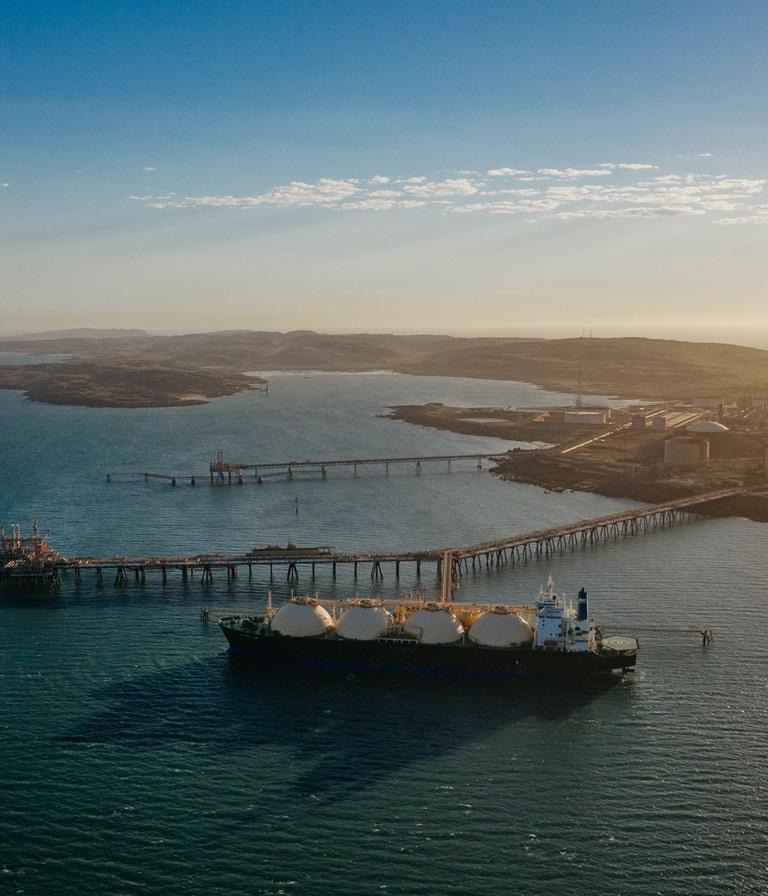
Woodside Energy is one of Australia’s largest energy producers and a major supplier of liquefied natural gas (LNG) to international markets. Global energy demand continues evolving as economies transition toward lower-emission fuels while maintaining reliable energy supply.

Among energy-focused structural growth ASX stocks, Woodside benefits from:

  • Large LNG production assets
  • Long-term energy supply contracts
  • Exposure to global energy demand
  • Strategic project development pipeline

Natural gas plays an important role in the global energy transition. Many countries view LNG as a transitional energy source that can help reduce emissions while maintaining stable electricity generation.

Woodside’s export-focused LNG operations supply energy to markets across Asia and other regions. As global electricity demand rises alongside industrial activity, LNG producers remain key participants in international energy markets.

Comparing the Three Structural Growth ASX Stocks

Although all three companies operate in the resources and energy sectors, they benefit from different structural drivers.

Northern Star Resources:

  • Gold demand linked to economic uncertainty and portfolio diversification

Ora Banda Mining:

  • Exploration-driven growth within established mining regions

Woodside Energy:

  • Global LNG demand supporting energy security and industrial activity

These different structural trends create varying pathways for long-term growth across commodity markets.

Structural Drivers Supporting Resource Companies

Several long-term factors continue influencing structural growth ASX stocks within the resources and energy sectors:

  • Global population growth increasing energy consumption
  • Infrastructure development requiring raw materials
  • Inflation concerns supporting gold demand
  • Expansion of emerging economies increasing commodity demand
  • Energy transition policies supporting natural gas usage

Companies operating in these sectors often align with global supply and demand shifts that unfold over decades.

Risk Considerations

Despite strong structural drivers, structural growth ASX stocks remain exposed to several risks:

  • Commodity price volatility affecting mining revenues
  • Operational risks associated with resource extraction
  • Regulatory changes affecting energy production
  • Capital expenditure requirements for developing new projects
  • Geopolitical developments influencing global commodity markets

Although structural trends can support long-term demand, company performance ultimately depends on operational execution, cost management, and resource development success.

Disclaimer:

General Financial Product Advice and Regulatory Framework: Pristine Gaze Pty Ltd (ABN 66 680 815 678, ACN 680 815 678) operates as Corporate Authorised Representative (CAR No. 001312049) of Alpha Securities Pty Ltd (AFSL 330757), which is licensed and regulated by the Australian Securities and Investments Commission under the Corporations Act 2001 (Cth). This report contains general financial product advice only and has been prepared without consideration of your personal objectives, financial situation, specific needs, circumstances, or investment experience. The information is not tailored to individual circumstances and may not be suitable for your particular situation. Before acting on any information contained herein, you should carefully consider its appropriateness having regard to your personal objectives, financial situation, and needs, and consider seeking personal financial advice from a qualified financial adviser who can assess your individual circumstances and provide tailored recommendations.

Investment Risks and Market Warnings: All investments carry significant risk, and different investment strategies may carry varying levels of risk exposure including total loss of invested capital. The value of investments and income derived from them can fluctuate significantly due to market conditions, economic factors, company-specific events, regulatory changes, commodity price volatility, currency fluctuations, interest rate movements, and other factors beyond our control. Securities markets are subject to market risk from general economic conditions and investor sentiment, liquidity risk affecting the ability to buy or sell securities at desired prices, credit risk from issuer default or deterioration, operational risk from inadequate internal processes, sector-specific risks including industry regulatory changes, technology obsolescence, management changes, competitive pressures, supply chain disruptions, and mining-specific risks including resource estimation uncertainty, operational hazards, environmental compliance, permitting delays, commodity price cycles, geopolitical factors affecting mining operations, and exploration risks. Small-cap and speculative mining stocks carry additional risks including limited liquidity, higher volatility, dependence on key personnel, limited operating history, uncertain cash flows, and potential failure to achieve commercial production.

Information Accuracy and Limitations: While we endeavour to ensure information accuracy and reliability, we make no representations or warranties (express or implied) regarding the accuracy, reliability, completeness, timeliness, or suitability of information provided, except where liability cannot be excluded under applicable law. This report may include information from third-party sources including company announcements, regulatory filings, research reports, market data providers, financial news services, and publicly available information, which we do not independently verify and for which we assume no responsibility. Past performance, examples, historical data, or projections are not indicative of future results, and no guarantee of future returns is provided or implied. To the maximum extent permitted by law, Pristine Gaze Pty Ltd and Alpha Securities Pty Ltd, together with their respective directors, officers, employees, representatives, and related entities, exclude all liability for any errors, omissions, inaccuracies, loss or damage (including direct, indirect, consequential, or special damages) arising from reliance on information provided, investment decisions made based on this report, market losses, opportunity costs, and technical issues or system failures.

4 ASX High-Yield Income Stocks Worth Considering

Dividend income remains one of the most attractive features of investing in Australian equities. Many companies listed on the ASX have long histories of returning capital to shareholders through consistent dividends. For investors seeking regular income streams, companies with stable cash flow, mature business models, and predictable earnings often stand out.

When analysing high yield ASX stocks, investors typically focus on businesses capable of sustaining dividends through different market cycles. Infrastructure operators, telecommunications companies, and established financial service providers often fall into this category because their revenues are supported by essential services and recurring demand.

Four ASX-listed companies frequently associated with reliable income generation include:

  • Telstra Group Ltd (ASX: TLS)
  • APA Group (ASX: APA)
  • Transurban Group (ASX: TCL)
  • McMillan Shakespeare Ltd (ASX: MMS)

Each of these companies operates in sectors where cash flow stability supports dividend distributions.

Why Investors Look for High Yield ASX Stocks

Income-focused investors often prioritise dividend yield alongside capital preservation. Companies capable of generating stable earnings are generally better positioned to distribute dividends regularly.

Common characteristics of high yield ASX stocks include:

  • Consistent operating cash flow
  • Mature business models
  • Defensive industry positioning
  • Long-term contracts or recurring revenue
  • Disciplined capital allocation

These traits help companies maintain shareholder distributions even during periods of economic uncertainty.

Telstra Group Ltd (ASX: TLS)

Telstra is Australia’s largest telecommunications provider, delivering mobile, broadband, and enterprise connectivity services across the country. Telecommunications infrastructure forms the backbone of modern digital economies, making the sector relatively defensive.

Among high yield ASX stocks, Telstra is often recognised for:

  • Large and stable customer base
  • Recurring subscription-based revenue
  • Extensive telecommunications infrastructure
  • Consistent dividend policy

Mobile and broadband services are essential for households and businesses. As data consumption continues growing, telecom operators remain central to digital connectivity.

Telstra’s network investments and customer scale support long-term cash flow generation, enabling the company to maintain dividend payments while investing in infrastructure upgrades.

APA Group (ASX: APA)

APA Group operates one of Australia’s largest energy infrastructure networks, managing natural gas pipelines, storage facilities, and energy assets across the country.

Within infrastructure-focused high yield ASX stocks, APA Group benefits from:

  • Long-term energy transportation contracts
  • Regulated infrastructure assets
  • Stable operating cash flows
  • Strong distribution history

Energy pipelines function as critical infrastructure, transporting gas between production facilities and end users. Because these assets often operate under long-term contractual arrangements, revenue visibility can remain relatively predictable.

This infrastructure model supports steady income generation, which has historically enabled APA to deliver consistent distributions to investors.

Transurban Group (ASX: TCL)

Transurban develops and operates toll road networks across Australia and North America. Its infrastructure assets play an important role in urban transport systems.

Among infrastructure-related high yield ASX stocks, Transurban offers exposure to:

  • Long-term toll road concessions
  • Inflation-linked toll pricing structures
  • Essential transport infrastructure
  • High traffic demand in major cities

Urban population growth and economic activity drive traffic volumes on major toll roads. Because toll roads often operate under concession agreements extending decades into the future, revenue streams can remain relatively stable.

These characteristics support Transurban’s ability to distribute income to investors while continuing to invest in infrastructure expansion projects.

McMillan Shakespeare Ltd (ASX: MMS)

McMillan Shakespeare operates within the financial services sector, specialising in salary packaging, novated leasing, and fleet management services. Its business model centres on providing employee benefit solutions to organisations and government agencies.

Among financial service-focused high yield ASX stocks, McMillan Shakespeare benefits from:

  • Recurring service revenue
  • Large employer client base
  • Established market presence
  • Diversified service offerings

Salary packaging arrangements allow employees to structure compensation packages in tax-efficient ways. Organisations utilise these services to attract and retain employees, creating recurring demand for providers like McMillan Shakespeare.

The company’s combination of financial services and fleet management solutions supports steady earnings generation.

Comparing the Four High Yield ASX Stocks

Although operating across telecommunications, infrastructure, and financial services, these companies share several characteristics associated with dividend-paying businesses.

Telstra

  • Telecom infrastructure and recurring subscription revenue

APA Group

  • Energy pipeline infrastructure with contracted revenue

Transurban

  • Long-term toll road concessions supporting cash flow

McMillan Shakespeare

  • Financial services with recurring employer client relationships

Each company operates in sectors where essential services drive relatively stable revenue streams.

Structural Drivers Supporting Income Stocks

Several factors continue supporting the appeal of high yield ASX stocks:

  • Demand for reliable income streams
  • Infrastructure investment across energy and transport sectors
  • Stable consumer demand for telecommunications services
  • Employer adoption of salary packaging solutions

Income-oriented companies often attract investors seeking steady cash flow rather than high-growth opportunities.

Risk Considerations

Despite their income potential, high yield ASX stocks still carry certain risks that investors should monitor:

  • Interest rate changes affecting income-focused investments
  • Regulatory adjustments in infrastructure or financial services sectors
  • Competitive pressure within telecommunications markets
  • Economic downturns impacting service demand
  • Capital expenditure requirements for infrastructure assets

While dividend-focused companies can provide consistent income streams, evaluating payout sustainability and financial strength remains essential for long-term investment decisions.

Disclaimer:

General Financial Product Advice and Regulatory Framework: Pristine Gaze Pty Ltd (ABN 66 680 815 678, ACN 680 815 678) operates as Corporate Authorised Representative (CAR No. 001312049) of Alpha Securities Pty Ltd (AFSL 330757), which is licensed and regulated by the Australian Securities and Investments Commission under the Corporations Act 2001 (Cth). This report contains general financial product advice only and has been prepared without consideration of your personal objectives, financial situation, specific needs, circumstances, or investment experience. The information is not tailored to individual circumstances and may not be suitable for your particular situation. Before acting on any information contained herein, you should carefully consider its appropriateness having regard to your personal objectives, financial situation, and needs, and consider seeking personal financial advice from a qualified financial adviser who can assess your individual circumstances and provide tailored recommendations.

Investment Risks and Market Warnings: All investments carry significant risk, and different investment strategies may carry varying levels of risk exposure including total loss of invested capital. The value of investments and income derived from them can fluctuate significantly due to market conditions, economic factors, company-specific events, regulatory changes, commodity price volatility, currency fluctuations, interest rate movements, and other factors beyond our control. Securities markets are subject to market risk from general economic conditions and investor sentiment, liquidity risk affecting the ability to buy or sell securities at desired prices, credit risk from issuer default or deterioration, operational risk from inadequate internal processes, sector-specific risks including industry regulatory changes, technology obsolescence, management changes, competitive pressures, supply chain disruptions, and mining-specific risks including resource estimation uncertainty, operational hazards, environmental compliance, permitting delays, commodity price cycles, geopolitical factors affecting mining operations, and exploration risks. Small-cap and speculative mining stocks carry additional risks including limited liquidity, higher volatility, dependence on key personnel, limited operating history, uncertain cash flows, and potential failure to achieve commercial production.

Information Accuracy and Limitations: While we endeavour to ensure information accuracy and reliability, we make no representations or warranties (express or implied) regarding the accuracy, reliability, completeness, timeliness, or suitability of information provided, except where liability cannot be excluded under applicable law. This report may include information from third-party sources including company announcements, regulatory filings, research reports, market data providers, financial news services, and publicly available information, which we do not independently verify and for which we assume no responsibility. Past performance, examples, historical data, or projections are not indicative of future results, and no guarantee of future returns is provided or implied. To the maximum extent permitted by law, Pristine Gaze Pty Ltd and Alpha Securities Pty Ltd, together with their respective directors, officers, employees, representatives, and related entities, exclude all liability for any errors, omissions, inaccuracies, loss or damage (including direct, indirect, consequential, or special damages) arising from reliance on information provided, investment decisions made based on this report, market losses, opportunity costs, and technical issues or system failures.

Top 5 ASX Stocks with Strong Balance Sheets

Financial strength is one of the most important qualities investors look for when evaluating long-term investments. Companies with solid balance sheets tend to have lower financial risk, greater resilience during economic downturns, and the flexibility to invest in growth opportunities when markets become volatile.

Businesses with strong balance sheets typically maintain manageable debt levels, consistent cash flow generation, and sufficient liquidity to fund operations without relying heavily on external financing. For investors seeking stability and disciplined capital management, certain strong balance sheet ASX stocks stand out due to their financial positioning and operational resilience.

Five ASX-listed companies frequently recognised for their financial strength include:

  • CSL Ltd (ASX: CSL)
  • REA Group Ltd (ASX: REA)
  • Pro Medicus Ltd (ASX: PME)
  • Macquarie Group Ltd (ASX: MQG)
  • Wesfarmers Ltd (ASX: WES)

Each of these companies operates with financial discipline and has demonstrated the ability to generate strong cash flows across different economic environments.

What Defines Strong Balance Sheet ASX Stocks

Companies with strong financial positions typically demonstrate several key characteristics:

  • Low or manageable debt levels
  • Strong operating cash flow
  • Healthy liquidity reserves
  • High return on capital
  • Ability to fund growth internally

These factors allow companies to weather economic uncertainty while continuing to invest in expansion or innovation.

CSL Ltd (ASX: CSL)

CSL is one of Australia’s largest biotechnology companies, specialising in plasma-derived therapies and vaccines used globally in the treatment of serious medical conditions.

Among strong balance sheet ASX stocks, CSL stands out due to:

  • Strong global revenue base
  • Consistent operating cash flow
  • High-margin biotechnology products
  • Long-term healthcare demand

Biotechnology companies often require significant research and development investment. CSL’s strong financial position enables it to fund ongoing innovation while maintaining operational stability.

The company’s global footprint across multiple healthcare markets also diversifies revenue streams, further strengthening financial resilience.

REA Group Ltd (ASX: REA)

REA Group operates Australia’s leading online property marketplace, with digital platforms connecting buyers, sellers, and real estate agents.

Within strong balance sheet ASX stocks, REA benefits from:

  • High-margin digital advertising model
  • Low capital expenditure requirements
  • Strong cash generation
  • Market leadership in property listings

Digital marketplace businesses often require minimal physical infrastructure, allowing them to maintain lean cost structures. REA’s strong operating margins and recurring advertising revenue support consistent cash flow.

Because of its dominant position within Australia’s property listings market, the company maintains pricing power and operational efficiency.

Pro Medicus Ltd (ASX: PME)

Pro Medicus develops advanced medical imaging software used by hospitals and diagnostic centres globally. Its flagship Visage imaging platform supports rapid image processing and clinical workflow optimisation.

Among technology-driven strong balance sheet ASX stocks, Pro Medicus is notable for:

  • Asset-light software model
  • Strong profit margins
  • Minimal debt requirements
  • Recurring contract revenue

Healthcare technology companies that deliver software solutions often benefit from scalable business models. Once software platforms are developed, additional customers can be onboarded with relatively low incremental cost.

This structure allows Pro Medicus to maintain strong profitability and financial flexibility.

Macquarie Group Ltd (ASX: MQG)

Macquarie Group operates globally across asset management, infrastructure investment, and financial services. The company has built a reputation for disciplined capital allocation and diversified earnings streams.

Within the financial sector, Macquarie ranks among strong balance sheet ASX stocks because of:

  • Robust capital reserves
  • Diversified global operations
  • Strong infrastructure investment pipeline
  • Risk management expertise

The company’s diversified business model provides exposure to multiple financial markets and asset classes. This diversification can help mitigate volatility in individual segments.

Macquarie’s long history of managing infrastructure and renewable energy investments also contributes to steady revenue generation.

Wesfarmers Ltd (ASX: WES)

Wesfarmers is a diversified conglomerate with major retail operations including Bunnings, Kmart, and Officeworks. The company has a long track record of disciplined capital management and strategic acquisitions.

Among diversified strong balance sheet ASX stocks, Wesfarmers demonstrates:

  • Strong operating cash flow from retail operations
  • Conservative financial management
  • Strategic portfolio diversification
  • Ability to invest in new growth opportunities

Retail conglomerates with strong financial positions can reinvest profits into expanding product lines, improving supply chains, and entering new industries.

Wesfarmers’ balance sheet strength has historically allowed it to pursue strategic investments while maintaining financial stability.

Comparing the Five Strong Balance Sheet ASX Stocks

Although these companies operate across healthcare, digital platforms, financial services, and retail, they share several financial strengths.

CSL:

  • Global healthcare demand supporting steady cash flow

REA Group:

  • High-margin digital marketplace revenue

Pro Medicus:

  • Scalable healthcare technology platform

Macquarie Group:

  • Diversified financial services and infrastructure investments

Wesfarmers:

  • Retail leadership and disciplined capital management

These characteristics contribute to their reputation as financially resilient companies within the ASX.

Structural Advantages of Financial Strength

Companies with strong balance sheets often benefit from:

  • Greater resilience during economic downturns
  • Ability to invest during market disruptions
  • Lower financing costs
  • Enhanced shareholder confidence

During periods of market volatility, financially stable businesses can maintain operations without the pressure of excessive debt obligations.

Risk Considerations

Even strong balance sheet ASX stocks face risks that investors should monitor:

  • Global economic slowdowns affecting demand
  • Regulatory changes in healthcare or financial sectors
  • Competitive pressure within digital platforms and retail markets
  • Currency fluctuations affecting international revenue
  • Capital allocation decisions impacting long-term returns

While financial strength provides stability, company performance ultimately depends on operational execution and market conditions.

Disclaimer:

General Financial Product Advice and Regulatory Framework: Pristine Gaze Pty Ltd (ABN 66 680 815 678, ACN 680 815 678) operates as Corporate Authorised Representative (CAR No. 001312049) of Alpha Securities Pty Ltd (AFSL 330757), which is licensed and regulated by the Australian Securities and Investments Commission under the Corporations Act 2001 (Cth). This report contains general financial product advice only and has been prepared without consideration of your personal objectives, financial situation, specific needs, circumstances, or investment experience. The information is not tailored to individual circumstances and may not be suitable for your particular situation. Before acting on any information contained herein, you should carefully consider its appropriateness having regard to your personal objectives, financial situation, and needs, and consider seeking personal financial advice from a qualified financial adviser who can assess your individual circumstances and provide tailored recommendations.

Investment Risks and Market Warnings: All investments carry significant risk, and different investment strategies may carry varying levels of risk exposure including total loss of invested capital. The value of investments and income derived from them can fluctuate significantly due to market conditions, economic factors, company-specific events, regulatory changes, commodity price volatility, currency fluctuations, interest rate movements, and other factors beyond our control. Securities markets are subject to market risk from general economic conditions and investor sentiment, liquidity risk affecting the ability to buy or sell securities at desired prices, credit risk from issuer default or deterioration, operational risk from inadequate internal processes, sector-specific risks including industry regulatory changes, technology obsolescence, management changes, competitive pressures, supply chain disruptions, and mining-specific risks including resource estimation uncertainty, operational hazards, environmental compliance, permitting delays, commodity price cycles, geopolitical factors affecting mining operations, and exploration risks. Small-cap and speculative mining stocks carry additional risks including limited liquidity, higher volatility, dependence on key personnel, limited operating history, uncertain cash flows, and potential failure to achieve commercial production.

Information Accuracy and Limitations: While we endeavour to ensure information accuracy and reliability, we make no representations or warranties (express or implied) regarding the accuracy, reliability, completeness, timeliness, or suitability of information provided, except where liability cannot be excluded under applicable law. This report may include information from third-party sources including company announcements, regulatory filings, research reports, market data providers, financial news services, and publicly available information, which we do not independently verify and for which we assume no responsibility. Past performance, examples, historical data, or projections are not indicative of future results, and no guarantee of future returns is provided or implied. To the maximum extent permitted by law, Pristine Gaze Pty Ltd and Alpha Securities Pty Ltd, together with their respective directors, officers, employees, representatives, and related entities, exclude all liability for any errors, omissions, inaccuracies, loss or damage (including direct, indirect, consequential, or special damages) arising from reliance on information provided, investment decisions made based on this report, market losses, opportunity costs, and technical issues or system failures.

3 ASX Sector Leaders Delivering Consistent Returns

Within every market, certain companies establish dominant positions in their respective industries. These businesses often combine scale, strong brand recognition, operational efficiency, and consistent profitability. Over time, sector leaders can deliver stable earnings and shareholder returns because their competitive advantages allow them to outperform smaller competitors.

For investors studying ASX sector leaders, the focus often falls on companies with strong market share, durable demand, and the ability to maintain profitability across economic cycles. Sector leadership can also translate into pricing power, higher margins, and long-term growth potential.

Three companies widely recognised as leaders within their respective sectors on the Australian Securities Exchange include:

  • BHP Group Ltd (ASX: BHP)
  • Woolworths Group Ltd (ASX: WOW)
  • CSL Ltd (ASX: CSL)

Each company dominates its industry segment while maintaining strong operational performance.

Why ASX Sector Leaders Attract Investors

Companies considered ASX sector leaders often share several characteristics:

  • Dominant market share within their industry
  • Strong balance sheets and consistent cash flow
  • Established brand reputation
  • Operational scale advantages
  • Long-term demand for core products or services

These qualities allow leading companies to remain competitive even during economic downturns.

BHP Group Ltd (ASX: BHP)

BHP is one of the largest mining companies in the world and a major producer of commodities including iron ore, copper, and metallurgical coal. Its large-scale operations span multiple continents and supply essential raw materials used in infrastructure, manufacturing, and energy transition technologies.

Among ASX sector leaders, BHP stands out due to its scale and diversified commodity exposure.

Key strengths include:

  • Large resource base across major mining regions
  • Strong production capacity in iron ore and copper
  • Global supply chain and infrastructure
  • Long history of operational efficiency

Commodity producers like BHP play a critical role in the global economy. Demand for metals such as copper and iron ore is supported by infrastructure investment, urbanisation, and industrial production.

The company’s ability to operate large-scale mines efficiently allows it to maintain competitive production costs compared to smaller operators.

Woolworths Group Ltd (ASX: WOW)

Woolworths is Australia’s largest supermarket chain and a dominant player in the country’s grocery retail sector. Its extensive store network and logistics infrastructure allow it to serve millions of customers each week.

Within consumer staples, Woolworths represents one of the most established ASX sector leaders.

Important strengths include:

  • National supermarket network
  • Strong private-label product portfolio
  • Integrated supply chain and distribution system
  • Stable consumer demand for essential goods

Grocery retailers typically operate within defensive sectors because food and household products remain essential purchases regardless of economic conditions.

Woolworths’ scale provides operational efficiencies in sourcing, logistics, and pricing. These advantages help maintain competitive positioning within the retail sector.

CSL Ltd (ASX: CSL)

CSL operates in the global biotechnology and pharmaceutical industry, producing plasma-derived therapies and vaccines used to treat serious medical conditions.

Within healthcare, CSL has become one of the most prominent ASX sector leaders.

The company benefits from:

  • Global plasma collection network
  • Advanced biotechnology manufacturing capabilities
  • Strong research and development investment
  • Diversified international revenue base

Biotechnology companies require significant scientific expertise and regulatory approvals to develop and distribute treatments. These barriers to entry can create long-term competitive advantages.

CSL’s therapies are used to treat immune disorders, bleeding conditions, and other serious diseases, ensuring steady demand within healthcare systems worldwide.

Comparing the Three ASX Sector Leaders

Although these companies operate in very different industries, each demonstrates characteristics associated with sector leadership.

BHP:

  • Dominant global mining producer

Woolworths:

  • Leading supermarket retailer in Australia

CSL:

  • Global biotechnology innovator

All three companies maintain strong market positions supported by scale, infrastructure, and operational expertise.

Structural Advantages of Sector Leadership

Companies recognised as ASX sector leaders often benefit from:

  • Economies of scale in operations
  • Strong brand recognition among customers
  • Long-term supplier and customer relationships
  • Ability to invest heavily in innovation and infrastructure

These advantages help maintain competitive barriers against smaller rivals entering the market.

Risk Considerations

Despite their leadership positions, even ASX sector leaders face potential risks that investors should consider:

  • Commodity price fluctuations affecting mining companies
  • Changing consumer behaviour in retail markets
  • Regulatory oversight within healthcare and pharmaceutical sectors
  • Global economic slowdowns impacting demand
  • Competitive pressures from emerging companies

While market leaders often demonstrate resilience during market cycles, ongoing monitoring of industry trends and operational performance remains important when evaluating companies within the ASX.Bottom of Form

Disclaimer:

General Financial Product Advice and Regulatory Framework: Pristine Gaze Pty Ltd (ABN 66 680 815 678, ACN 680 815 678) operates as Corporate Authorised Representative (CAR No. 001312049) of Alpha Securities Pty Ltd (AFSL 330757), which is licensed and regulated by the Australian Securities and Investments Commission under the Corporations Act 2001 (Cth). This report contains general financial product advice only and has been prepared without consideration of your personal objectives, financial situation, specific needs, circumstances, or investment experience. The information is not tailored to individual circumstances and may not be suitable for your particular situation. Before acting on any information contained herein, you should carefully consider its appropriateness having regard to your personal objectives, financial situation, and needs, and consider seeking personal financial advice from a qualified financial adviser who can assess your individual circumstances and provide tailored recommendations.

Investment Risks and Market Warnings: All investments carry significant risk, and different investment strategies may carry varying levels of risk exposure including total loss of invested capital. The value of investments and income derived from them can fluctuate significantly due to market conditions, economic factors, company-specific events, regulatory changes, commodity price volatility, currency fluctuations, interest rate movements, and other factors beyond our control. Securities markets are subject to market risk from general economic conditions and investor sentiment, liquidity risk affecting the ability to buy or sell securities at desired prices, credit risk from issuer default or deterioration, operational risk from inadequate internal processes, sector-specific risks including industry regulatory changes, technology obsolescence, management changes, competitive pressures, supply chain disruptions, and mining-specific risks including resource estimation uncertainty, operational hazards, environmental compliance, permitting delays, commodity price cycles, geopolitical factors affecting mining operations, and exploration risks. Small-cap and speculative mining stocks carry additional risks including limited liquidity, higher volatility, dependence on key personnel, limited operating history, uncertain cash flows, and potential failure to achieve commercial production.

Information Accuracy and Limitations: While we endeavour to ensure information accuracy and reliability, we make no representations or warranties (express or implied) regarding the accuracy, reliability, completeness, timeliness, or suitability of information provided, except where liability cannot be excluded under applicable law. This report may include information from third-party sources including company announcements, regulatory filings, research reports, market data providers, financial news services, and publicly available information, which we do not independently verify and for which we assume no responsibility. Past performance, examples, historical data, or projections are not indicative of future results, and no guarantee of future returns is provided or implied. To the maximum extent permitted by law, Pristine Gaze Pty Ltd and Alpha Securities Pty Ltd, together with their respective directors, officers, employees, representatives, and related entities, exclude all liability for any errors, omissions, inaccuracies, loss or damage (including direct, indirect, consequential, or special damages) arising from reliance on information provided, investment decisions made based on this report, market losses, opportunity costs, and technical issues or system failures.

3 ASX AI Software Stocks with Scalable Business Models

Artificial intelligence is rapidly transforming how businesses operate across industries. From logistics optimisation to machine learning data training and edge computing, AI-powered software platforms are becoming core infrastructure for the digital economy. Companies that build scalable AI-driven solutions often benefit from strong margins, recurring revenue, and global expansion potential.

Within the Australian market, several ASX AI Software Stocks are positioning themselves at the centre of this technological shift. Businesses that successfully integrate artificial intelligence into scalable software platforms can expand rapidly as demand for automation, analytics, and data-driven decision making continues rising.

Three ASX AI Software Stocks attracting attention include:

  • WiseTech Global Ltd (ASX: WTC)
  • Appen Ltd (ASX: APX)
  • Brainchip Holdings Ltd (ASX: BRN)

Each operates in different segments of the AI ecosystem but shares a common characteristic: scalable technology platforms.

Why AI Software Platforms Are Scalable

AI software companies often benefit from structural advantages that allow rapid scaling. Unlike traditional businesses that require physical expansion, software platforms can grow globally with relatively limited incremental cost.

Key drivers supporting growth in AI-focused digital transformation ASX stocks include:

  • Increasing adoption of machine learning tools
  • Global data generation growth
  • Automation across supply chains and enterprise systems
  • Cloud computing and edge processing expansion
  • AI integration into everyday software platforms

These structural trends are creating significant opportunities for companies building AI-powered solutions.

WiseTech Global Ltd (ASX: WTC)

WiseTech Global develops software platforms used by logistics companies to manage global supply chains. Its flagship platform, CargoWise, integrates customs processing, freight management, and supply chain visibility into a unified system.

Among AI software-driven digital transformation ASX stocks, WiseTech stands out because of its global reach and scalable SaaS model.

Logistics Industry Digitisation

Global trade involves complex regulatory compliance, customs documentation, and shipment tracking across multiple countries. Digitising these processes reduces operational friction and improves efficiency.

WiseTech benefits from:

  • Recurring SaaS subscription revenue
  • Continuous software upgrades
  • Strong switching costs once implemented
  • Global adoption across logistics companies

AI and automation tools embedded within logistics software enable predictive analytics, shipment optimisation, and workflow automation. As supply chains become increasingly digitised, integrated platforms like CargoWise continue gaining traction.

Because the platform operates on a subscription basis, additional customers can significantly expand revenue while marginal operating costs remain relatively stable.

Appen Ltd (ASX: APX)

Appen operates within a specialised part of the AI ecosystem: training data for machine learning models. Artificial intelligence systems require enormous amounts of structured data to learn and improve accuracy.

Within the broader category of digital transformation ASX stocks, Appen provides services that help technology companies train AI models.

AI Training Data Infrastructure

Appen’s platform enables the collection, annotation, and validation of datasets used in machine learning.

The company’s capabilities include:

  • Natural language processing datasets
  • Image and speech recognition training data
  • Large-scale distributed workforce platforms
  • Data quality verification systems

Major technology companies rely on labelled datasets to train algorithms powering voice assistants, search engines, recommendation systems, and autonomous technologies.

Although revenue growth has experienced fluctuations in recent years due to shifts in demand from large clients, the broader need for high-quality AI training data continues expanding.

Brainchip Holdings Ltd (ASX: BRN)

Brainchip focuses on neuromorphic computing technology designed to mimic how the human brain processes information. Its Akida processor enables AI processing directly on edge devices rather than relying solely on cloud computing.

Among emerging digital transformation ASX stocks, Brainchip offers exposure to hardware-enabled AI innovation.

Edge AI Processing

Traditional AI systems often rely on cloud infrastructure for data processing. Edge AI technology enables devices to process information locally, reducing latency and energy consumption.

Brainchip’s technology aims to support applications including:

  • Autonomous systems
  • Smart sensors
  • IoT devices
  • Security monitoring systems

Edge AI allows devices to make real-time decisions without constant cloud connectivity. This capability is increasingly important for applications requiring speed, efficiency, and data privacy.

Although still in a development and commercialisation phase compared to larger software companies, Brainchip’s technology reflects ongoing innovation in the AI hardware ecosystem.

Comparing the Three AI Software Companies

While each company operates in different segments, they collectively illustrate the breadth of AI innovation within the ASX technology sector.

WiseTech Global:

  • Logistics software platform with embedded AI capabilities

Appen:

  • AI training data provider supporting machine learning development

Brainchip:

  • Neuromorphic AI processor developer targeting edge computing

Together, they represent software, data infrastructure, and hardware components of the artificial intelligence ecosystem.

Structural Drivers Behind AI Adoption

Artificial intelligence adoption continues accelerating due to:

  • Enterprise automation initiatives
  • Rising demand for predictive analytics
  • Digital supply chain optimisation
  • Smart device integration
  • Rapid growth in global data generation

Businesses across industries are increasingly integrating AI into operational systems, creating long-term demand for supporting software and infrastructure.

Risk Considerations

Despite the growth potential of digital transformation ASX stocks, several risks remain:

  • Technology sector valuation volatility
  • Rapid innovation cycles requiring continuous R&D investment
  • Dependence on enterprise adoption rates
  • Competitive pressure from global technology companies
  • Revenue concentration among large enterprise customers

AI-driven companies must continually innovate and expand customer adoption to sustain long-term growth.

Careful monitoring of product development progress, revenue diversification, and technology partnerships remains essential when evaluating ASX companies operating within the evolving artificial intelligence ecosystem.

Disclaimer:

General Financial Product Advice and Regulatory Framework: Pristine Gaze Pty Ltd (ABN 66 680 815 678, ACN 680 815 678) operates as Corporate Authorised Representative (CAR No. 001312049) of Alpha Securities Pty Ltd (AFSL 330757), which is licensed and regulated by the Australian Securities and Investments Commission under the Corporations Act 2001 (Cth). This report contains general financial product advice only and has been prepared without consideration of your personal objectives, financial situation, specific needs, circumstances, or investment experience. The information is not tailored to individual circumstances and may not be suitable for your particular situation. Before acting on any information contained herein, you should carefully consider its appropriateness having regard to your personal objectives, financial situation, and needs, and consider seeking personal financial advice from a qualified financial adviser who can assess your individual circumstances and provide tailored recommendations.

Investment Risks and Market Warnings: All investments carry significant risk, and different investment strategies may carry varying levels of risk exposure including total loss of invested capital. The value of investments and income derived from them can fluctuate significantly due to market conditions, economic factors, company-specific events, regulatory changes, commodity price volatility, currency fluctuations, interest rate movements, and other factors beyond our control. Securities markets are subject to market risk from general economic conditions and investor sentiment, liquidity risk affecting the ability to buy or sell securities at desired prices, credit risk from issuer default or deterioration, operational risk from inadequate internal processes, sector-specific risks including industry regulatory changes, technology obsolescence, management changes, competitive pressures, supply chain disruptions, and mining-specific risks including resource estimation uncertainty, operational hazards, environmental compliance, permitting delays, commodity price cycles, geopolitical factors affecting mining operations, and exploration risks. Small-cap and speculative mining stocks carry additional risks including limited liquidity, higher volatility, dependence on key personnel, limited operating history, uncertain cash flows, and potential failure to achieve commercial production.

Information Accuracy and Limitations: While we endeavour to ensure information accuracy and reliability, we make no representations or warranties (express or implied) regarding the accuracy, reliability, completeness, timeliness, or suitability of information provided, except where liability cannot be excluded under applicable law. This report may include information from third-party sources including company announcements, regulatory filings, research reports, market data providers, financial news services, and publicly available information, which we do not independently verify and for which we assume no responsibility. Past performance, examples, historical data, or projections are not indicative of future results, and no guarantee of future returns is provided or implied. To the maximum extent permitted by law, Pristine Gaze Pty Ltd and Alpha Securities Pty Ltd, together with their respective directors, officers, employees, representatives, and related entities, exclude all liability for any errors, omissions, inaccuracies, loss or damage (including direct, indirect, consequential, or special damages) arising from reliance on information provided, investment decisions made based on this report, market losses, opportunity costs, and technical issues or system failures.

Top 3 ASX Food and Beverage Companies Expanding Globally

Food and beverage businesses with strong brands and international distribution networks often benefit from durable consumer demand. While domestic sales provide a foundation, global expansion creates additional scale, pricing power, and revenue diversification. As middle-class populations grow across Asia and premium product demand rises globally, selected ASX food stocks are increasingly positioning themselves beyond Australia.

International growth in food and beverage markets typically hinges on brand equity, supply chain management, regulatory approvals, and currency exposure. Companies that successfully expand offshore can reduce reliance on the domestic economy while enhancing long-term earnings growth potential.

Three ASX-listed companies demonstrating global expansion strategies include:

  • Treasury Wine Estates Ltd (ASX: TWE)
  • A2 Milk Company Ltd (ASX: A2M)
  • Bega Cheese Ltd (ASX: BGA)

Each business operates in a distinct segment of the food and beverage industry but shares exposure to international markets.

Why ASX Food Stocks Are Looking Offshore

Global expansion among ASX food stocks is often driven by:

  • Premiumisation trends in emerging markets
  • Growth in middle-class consumer spending
  • Brand differentiation opportunities
  • Export demand supported by trade agreements
  • Revenue diversification beyond Australia

Food brands that resonate internationally can scale faster than purely domestic operators.
Treasury Wine Estates Ltd (ASX: TWE)

Treasury Wine Estates owns a portfolio of premium wine brands including Penfolds and other globally recognised labels. Wine markets are influenced by brand strength, premium positioning, and export channels.

Among international-facing ASX food stocks, TWE stands out due to:

  • Strong brand portfolio
  • Significant US and Asia-Pacific presence
  • Premium product positioning
  • Diversified distribution networks

The United States represents a major revenue driver for Treasury Wine Estates, while Asia remains a long-term opportunity for premium wine demand.

Brand recognition in the premium segment allows for pricing power and higher margins relative to mass-market offerings. Over time, expanding distribution channels into global markets supports revenue scale.

Although agricultural input variability can influence production volumes, premium wine brands often command consistent consumer loyalty.

A2 Milk Company Ltd (ASX: A2M)

A2 Milk specialises in dairy products containing A2 beta-casein protein. Its branding centres on product differentiation, particularly in infant formula and fresh milk segments.

Within premium-focused ASX food stocks, A2 Milk benefits from:

  • Strong brand recognition in Asia-Pacific
  • Export-oriented business model
  • Infant nutrition category exposure
  • Partnerships with international distributors

Infant formula and dairy products remain high-demand categories in several Asian markets. The company has built significant brand awareness in China, supported by e-commerce and daigou distribution channels.

Product differentiation based on protein composition has enabled A2 Milk to position itself within a premium niche, supporting higher margins compared to generic dairy producers.

Geographic expansion into North America and additional Asian markets remains part of its growth strategy.

Bega Cheese Ltd (ASX: BGA)

Bega Cheese operates across dairy manufacturing, branded food products, and nutritional ingredients. It manages well-known Australian food brands while expanding export channels.

Among diversified ASX food stocks, Bega offers:

  • Integrated dairy supply chain
  • Branded and private-label exposure
  • Export markets for dairy ingredients
  • Acquisition-driven portfolio expansion

Dairy consumption remains structurally supported by population growth and stable household demand. Bega’s mix of branded consumer products and bulk dairy ingredients provides both domestic and export revenue streams.

Export growth allows the company to access markets with rising dairy demand, particularly in Asia.

Supply chain integration from sourcing to production enhances operational control, although commodity price variability can influence margins.

Comparing the Three ASX Food Stocks

Although operating in different categories — wine, dairy differentiation, and diversified food manufacturing — all three companies share:

Treasury Wine Estates

A2 Milk

  • Export-focused dairy with niche positioning

Bega Cheese

  • Integrated dairy and branded food exposure

Geographic diversification reduces reliance on domestic consumption and opens access to higher-growth markets abroad.

Structural Growth Drivers

Several global factors continue influencing ASX food stocks with offshore exposure:

  • Growth in premium consumer goods demand
  • Rising disposable income across Asia
  • Expansion of global trade channels
  • Increasing online food and beverage distribution
  • Brand-focused consumer loyalty

Food and beverage products typically exhibit consistent baseline demand, though premium segments may fluctuate with consumer sentiment.

Risk Considerations

Despite global growth opportunities, risks remain for ASX food stocks expanding internationally:

For Treasury Wine Estates:

  • Currency fluctuations
  • Agricultural yield variability
  • Shifting trade policies

For A2 Milk:

  • Regulatory changes in export markets
  • Distribution channel adjustments
  • Competitive infant nutrition landscape

For Bega Cheese:

  • Commodity milk price volatility
  • Margin sensitivity to input costs
  • Integration risks following acquisitions

Global expansion offers growth diversification but also introduces complexity related to regulation, currency exposure, and supply chain management.

Ongoing monitoring of export volumes, brand performance, and cost control measures remains essential when evaluating ASX food companies operating in international markets.Bottom of Form

Bottom of Form


Disclaimer:

General Financial Product Advice and Regulatory Framework: Pristine Gaze Pty Ltd (ABN 66 680 815 678, ACN 680 815 678) operates as Corporate Authorised Representative (CAR No. 001312049) of Alpha Securities Pty Ltd (AFSL 330757), which is licensed and regulated by the Australian Securities and Investments Commission under the Corporations Act 2001 (Cth). This report contains general financial product advice only and has been prepared without consideration of your personal objectives, financial situation, specific needs, circumstances, or investment experience. The information is not tailored to individual circumstances and may not be suitable for your particular situation. Before acting on any information contained herein, you should carefully consider its appropriateness having regard to your personal objectives, financial situation, and needs, and consider seeking personal financial advice from a qualified financial adviser who can assess your individual circumstances and provide tailored recommendations.

Investment Risks and Market Warnings: All investments carry significant risk, and different investment strategies may carry varying levels of risk exposure including total loss of invested capital. The value of investments and income derived from them can fluctuate significantly due to market conditions, economic factors, company-specific events, regulatory changes, commodity price volatility, currency fluctuations, interest rate movements, and other factors beyond our control. Securities markets are subject to market risk from general economic conditions and investor sentiment, liquidity risk affecting the ability to buy or sell securities at desired prices, credit risk from issuer default or deterioration, operational risk from inadequate internal processes, sector-specific risks including industry regulatory changes, technology obsolescence, management changes, competitive pressures, supply chain disruptions, and mining-specific risks including resource estimation uncertainty, operational hazards, environmental compliance, permitting delays, commodity price cycles, geopolitical factors affecting mining operations, and exploration risks. Small-cap and speculative mining stocks carry additional risks including limited liquidity, higher volatility, dependence on key personnel, limited operating history, uncertain cash flows, and potential failure to achieve commercial production.

Information Accuracy and Limitations: While we endeavour to ensure information accuracy and reliability, we make no representations or warranties (express or implied) regarding the accuracy, reliability, completeness, timeliness, or suitability of information provided, except where liability cannot be excluded under applicable law. This report may include information from third-party sources including company announcements, regulatory filings, research reports, market data providers, financial news services, and publicly available information, which we do not independently verify and for which we assume no responsibility. Past performance, examples, historical data, or projections are not indicative of future results, and no guarantee of future returns is provided or implied. To the maximum extent permitted by law, Pristine Gaze Pty Ltd and Alpha Securities Pty Ltd, together with their respective directors, officers, employees, representatives, and related entities, exclude all liability for any errors, omissions, inaccuracies, loss or damage (including direct, indirect, consequential, or special damages) arising from reliance on information provided, investment decisions made based on this report, market losses, opportunity costs, and technical issues or system failures.