
CategoriesBusiness

What falling oil prices mean for markets and inflation

Oil prices retreat as geopolitical tensions ease

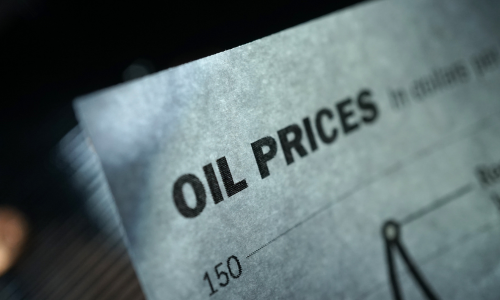
Global oil prices have fallen sharply in recent sessions as hopes of a sustained ceasefire between the United States and Iran improve market sentiment. The decline comes after oil briefly surged above US$110 per barrel during the height of supply disruption fears, before retreating as concerns over the Strait of Hormuz began to ease.

The move has shifted investor focus from supply shocks toward the broader economic implications of lower energy prices.

Inflation pressures could begin to ease

One of the most immediate effects of falling oil prices is the potential reduction in inflationary pressures. Energy costs influence transportation, manufacturing, logistics, and household expenses, meaning lower oil prices can gradually filter through the economy.

If crude prices remain lower for an extended period, businesses may face less cost pressure, helping slow the pace of price increases across multiple sectors.

Markets welcome lower energy costs

Equity markets generally view falling oil prices positively when the decline is driven by improving supply conditions rather than weakening economic demand. Lower fuel costs can support corporate margins, improve consumer spending power, and reduce inflation concerns.

This is particularly important after months of market volatility driven by fears that higher energy prices could keep inflation elevated.

Interest rate expectations come back into focus

The oil pullback is also influencing expectations around central bank policy. Lower energy prices could reduce the risk of inflation reaccelerating, potentially easing pressure on policymakers to maintain a highly restrictive stance.

For investors, this could improve sentiment toward interest rate-sensitive sectors such as technology, real estate, and consumer discretionary stocks.

Not all sectors benefit equally

While lower oil prices are generally supportive for the broader economy, energy producers may face headwinds if crude prices continue to decline. Companies linked directly to oil production often benefit from elevated prices, meaning weaker energy markets can affect earnings expectations.

At the same time, industries that rely heavily on transportation and fuel consumption may see improved profitability.

What investors should watch next

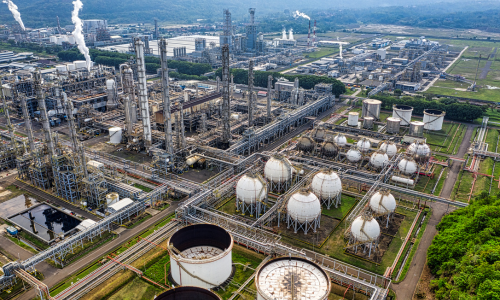
The outlook for oil will largely depend on whether geopolitical tensions continue to ease and how quickly global supply chains normalise. Analysts expect prices to remain volatile, particularly as markets assess the pace of recovery in energy exports and refinery operations.

For now, falling oil prices are being viewed as a positive development for inflation and broader market sentiment, offering investors hope that one of the biggest drivers of recent economic uncertainty may finally be starting to ease.

Disclaimer:

General Financial Product Advice and Regulatory Framework: Pristine Gaze Pty Ltd (ABN 66 680 815 678, ACN 680 815 678) operates as Corporate Authorised Representative (CAR No. 001312049) of Alpha Securities Pty Ltd (AFSL 330757), which is licensed and regulated by the Australian Securities and Investments Commission under the Corporations Act 2001 (Cth). This report contains general financial product advice only and has been prepared without consideration of your personal objectives, financial situation, specific needs, circumstances, or investment experience. The information is not tailored to individual circumstances and may not be suitable for your particular situation. Before acting on any information contained herein, you should carefully consider its appropriateness having regard to your personal objectives, financial situation, and needs, and consider seeking personal financial advice from a qualified financial adviser who can assess your individual circumstances and provide tailored recommendations.

Investment Risks and Market Warnings: All investments carry significant risk, and different investment strategies may carry varying levels of risk exposure including total loss of invested capital. The value of investments and income derived from them can fluctuate significantly due to market conditions, economic factors, company-specific events, regulatory changes, commodity price volatility, currency fluctuations, interest rate movements, and other factors beyond our control. Securities markets are subject to market risk from general economic conditions and investor sentiment, liquidity risk affecting the ability to buy or sell securities at desired prices, credit risk from issuer default or deterioration, operational risk from inadequate internal processes, sector-specific risks including industry regulatory changes, technology obsolescence, management changes, competitive pressures, supply chain disruptions, and mining-specific risks including resource estimation uncertainty, operational hazards, environmental compliance, permitting delays, commodity price cycles, geopolitical factors affecting mining operations, and exploration risks. Small-cap and speculative mining stocks carry additional risks including limited liquidity, higher volatility, dependence on key personnel, limited operating history, uncertain cash flows, and potential failure to achieve commercial production.

Information Accuracy and Limitations: While we endeavour to ensure information accuracy and reliability, we make no representations or warranties (express or implied) regarding the accuracy, reliability, completeness, timeliness, or suitability of information provided, except where liability cannot be excluded under applicable law. This report may include information from third-party sources including company announcements, regulatory filings, research reports, market data providers, financial news services, and publicly available information, which we do not independently verify and for which we assume no responsibility. Past performance, examples, historical data, or projections are not indicative of future results, and no guarantee of future returns is provided or implied. To the maximum extent permitted by law, Pristine Gaze Pty Ltd and Alpha Securities Pty Ltd, together with their respective directors, officers, employees, representatives, and related entities, exclude all liability for any errors, omissions, inaccuracies, loss or damage (including direct, indirect, consequential, or special damages) arising from reliance on information provided, investment decisions made based on this report, market losses, opportunity costs, and technical issues or system failures.


CategoriesBusiness

Could the RBA still raise rates twice this year?

Westpac sees inflation remaining a challenge

While financial markets increasingly expect the Reserve Bank of Australia (RBA) to leave interest rates unchanged in June, some economists believe the tightening cycle may not be over yet. Westpac’s chief economist Luci Ellis has suggested that inflation remains high enough to keep further rate increases on the table later this year.

The view highlights the growing divide between expectations of a near-term pause and concerns that inflation pressures may persist for longer than anticipated.

June pause appears likely

According to Westpac, the RBA is expected to keep rates steady at its upcoming meeting, allowing policymakers more time to assess how previous rate increases are affecting the economy.

Recent economic data has delivered mixed signals, with softer consumer spending and housing activity contrasting against ongoing inflationary pressures and resilient business investment.

Inflation remains above target

Although inflation forecasts have been revised slightly lower, underlying inflation is still expected to remain well above the RBA’s target range. Headline inflation is forecast to reach approximately 4.4% in Q2 before rising to around 4.7% later in the year, while trimmed mean inflation is projected to peak near 3.8%.

These levels remain significantly above the RBA’s preferred midpoint target of 2.5%, suggesting policymakers may still have work to do.

Strong investment activity adds complexity

Another factor influencing the outlook is continued investment across parts of the economy. Large-scale spending on data centres, infrastructure projects, and related industries is helping support economic activity despite weaker consumer demand.

This resilience could make it harder for inflation to return to target as quickly as policymakers would like.

Markets and economists remain divided

Investors are increasingly debating whether Australia is nearing the end of its rate-hiking cycle or simply entering a temporary pause. While softer consumer activity supports a more cautious approach, persistent inflation continues to create risks for policymakers.

As a result, some economists believe additional tightening later in 2026 remains a realistic possibility.

What investors should watch next

Future inflation data, labour market trends, and consumer spending figures will be critical in determining the RBA’s next move. If inflation proves more stubborn than expected, the case for additional rate increases could strengthen.

For now, a June pause appears the most likely outcome. However, with inflation still well above target, the possibility of further rate hikes later this year remains firmly on the radar.

Disclaimer:

General Financial Product Advice and Regulatory Framework: Pristine Gaze Pty Ltd (ABN 66 680 815 678, ACN 680 815 678) operates as Corporate Authorised Representative (CAR No. 001312049) of Alpha Securities Pty Ltd (AFSL 330757), which is licensed and regulated by the Australian Securities and Investments Commission under the Corporations Act 2001 (Cth). This report contains general financial product advice only and has been prepared without consideration of your personal objectives, financial situation, specific needs, circumstances, or investment experience. The information is not tailored to individual circumstances and may not be suitable for your particular situation. Before acting on any information contained herein, you should carefully consider its appropriateness having regard to your personal objectives, financial situation, and needs, and consider seeking personal financial advice from a qualified financial adviser who can assess your individual circumstances and provide tailored recommendations.

Investment Risks and Market Warnings: All investments carry significant risk, and different investment strategies may carry varying levels of risk exposure including total loss of invested capital. The value of investments and income derived from them can fluctuate significantly due to market conditions, economic factors, company-specific events, regulatory changes, commodity price volatility, currency fluctuations, interest rate movements, and other factors beyond our control. Securities markets are subject to market risk from general economic conditions and investor sentiment, liquidity risk affecting the ability to buy or sell securities at desired prices, credit risk from issuer default or deterioration, operational risk from inadequate internal processes, sector-specific risks including industry regulatory changes, technology obsolescence, management changes, competitive pressures, supply chain disruptions, and mining-specific risks including resource estimation uncertainty, operational hazards, environmental compliance, permitting delays, commodity price cycles, geopolitical factors affecting mining operations, and exploration risks. Small-cap and speculative mining stocks carry additional risks including limited liquidity, higher volatility, dependence on key personnel, limited operating history, uncertain cash flows, and potential failure to achieve commercial production.

Information Accuracy and Limitations: While we endeavour to ensure information accuracy and reliability, we make no representations or warranties (express or implied) regarding the accuracy, reliability, completeness, timeliness, or suitability of information provided, except where liability cannot be excluded under applicable law. This report may include information from third-party sources including company announcements, regulatory filings, research reports, market data providers, financial news services, and publicly available information, which we do not independently verify and for which we assume no responsibility. Past performance, examples, historical data, or projections are not indicative of future results, and no guarantee of future returns is provided or implied. To the maximum extent permitted by law, Pristine Gaze Pty Ltd and Alpha Securities Pty Ltd, together with their respective directors, officers, employees, representatives, and related entities, exclude all liability for any errors, omissions, inaccuracies, loss or damage (including direct, indirect, consequential, or special damages) arising from reliance on information provided, investment decisions made based on this report, market losses, opportunity costs, and technical issues or system failures.

CategoriesBusiness

Gold’s next chapter: consolidation or another explosive rally?

Forecasts point to further upside

Gold remains one of the market’s most closely watched assets, with analysts continuing to debate whether the precious metal is entering a period of consolidation or preparing for another major rally. Recent forecasts suggest the long-term outlook remains constructive, despite short-term volatility across global markets.

According to State Street’s latest outlook, the most likely scenario places gold between $4,750 and $5,500 per ounce, representing a 70% probability over the medium term.

Structural demand continues to support prices

A key factor underpinning gold’s outlook is persistent demand from central banks and long-term investors. Central bank purchases have remained elevated in recent years, while relatively low financial ownership of gold continues to leave room for additional investment flows.

These structural drivers are helping support the metal even as investors navigate changing interest rate expectations.

The $6,000 scenario remains possible

While the base case remains positive, analysts also see a bullish scenario where gold could climb to between $5,500 and $6,250 per ounce. This outlook carries a 15% probability and would likely be driven by a more dovish US Federal Reserve, lower interest rates, and a weaker US dollar.

Under such conditions, investor demand for gold could accelerate significantly, pushing prices toward fresh record highs.

Risks still remain

Despite the positive outlook, gold is not without risks. Another 15% probability scenario suggests prices could retreat toward $4,000–$4,750 per ounce if inflation remains stubborn, interest rates stay higher for longer, or the Federal Reserve adopts a more hawkish stance.

Higher yields typically reduce the appeal of non-income-producing assets such as gold.

Safe-haven appeal remains intact

Even with these risks, gold continues to benefit from its status as a traditional safe-haven asset. Ongoing geopolitical uncertainty, concerns around global growth, and continued central bank diversification efforts are all helping support long-term demand.

These factors have become increasingly important as investors seek portfolio protection in an uncertain environment.

What investors should watch next

The next major catalysts for gold will likely come from US monetary policy, inflation trends, and movements in the US dollar. Any signs of rate cuts or weaker economic conditions could provide additional support for prices.

For now, the outlook suggests gold may be entering a consolidation phase after a strong run. However, with forecasts still pointing to significant upside potential, many investors are asking the same question: is this merely a pause before gold’s next explosive rally?

Disclaimer:

General Financial Product Advice and Regulatory Framework: Pristine Gaze Pty Ltd (ABN 66 680 815 678, ACN 680 815 678) operates as Corporate Authorised Representative (CAR No. 001312049) of Alpha Securities Pty Ltd (AFSL 330757), which is licensed and regulated by the Australian Securities and Investments Commission under the Corporations Act 2001 (Cth). This report contains general financial product advice only and has been prepared without consideration of your personal objectives, financial situation, specific needs, circumstances, or investment experience. The information is not tailored to individual circumstances and may not be suitable for your particular situation. Before acting on any information contained herein, you should carefully consider its appropriateness having regard to your personal objectives, financial situation, and needs, and consider seeking personal financial advice from a qualified financial adviser who can assess your individual circumstances and provide tailored recommendations.

Investment Risks and Market Warnings: All investments carry significant risk, and different investment strategies may carry varying levels of risk exposure including total loss of invested capital. The value of investments and income derived from them can fluctuate significantly due to market conditions, economic factors, company-specific events, regulatory changes, commodity price volatility, currency fluctuations, interest rate movements, and other factors beyond our control. Securities markets are subject to market risk from general economic conditions and investor sentiment, liquidity risk affecting the ability to buy or sell securities at desired prices, credit risk from issuer default or deterioration, operational risk from inadequate internal processes, sector-specific risks including industry regulatory changes, technology obsolescence, management changes, competitive pressures, supply chain disruptions, and mining-specific risks including resource estimation uncertainty, operational hazards, environmental compliance, permitting delays, commodity price cycles, geopolitical factors affecting mining operations, and exploration risks. Small-cap and speculative mining stocks carry additional risks including limited liquidity, higher volatility, dependence on key personnel, limited operating history, uncertain cash flows, and potential failure to achieve commercial production.

Information Accuracy and Limitations: While we endeavour to ensure information accuracy and reliability, we make no representations or warranties (express or implied) regarding the accuracy, reliability, completeness, timeliness, or suitability of information provided, except where liability cannot be excluded under applicable law. This report may include information from third-party sources including company announcements, regulatory filings, research reports, market data providers, financial news services, and publicly available information, which we do not independently verify and for which we assume no responsibility. Past performance, examples, historical data, or projections are not indicative of future results, and no guarantee of future returns is provided or implied. To the maximum extent permitted by law, Pristine Gaze Pty Ltd and Alpha Securities Pty Ltd, together with their respective directors, officers, employees, representatives, and related entities, exclude all liability for any errors, omissions, inaccuracies, loss or damage (including direct, indirect, consequential, or special damages) arising from reliance on information provided, investment decisions made based on this report, market losses, opportunity costs, and technical issues or system failures.

CategoriesBusiness

Australia’s EV boom reignites optimism for lithium and battery stocks

Record EV sales strengthen electrification trend

Australia’s electric vehicle market continued its strong momentum in May, with battery electric vehicles (BEVs) capturing a record 19.9% market share, up from the previous record of 16.5% in April. The result highlights accelerating consumer adoption and reinforces expectations that EVs will play an increasingly important role in Australia’s transport sector.

Beyond BEVs, plug-in hybrid vehicles (PHEVs) accounted for 8.7% of the market, while hybrid vehicles reached 17.3%, meaning more than 45% of new vehicle sales now involve some form of electrification.

Lithium sector could benefit from stronger demand outlook

The surge in EV adoption is providing a positive signal for the lithium industry, which has faced significant pricing pressure over the past year. As lithium remains a key component in EV batteries, sustained growth in vehicle sales could support long-term demand expectations for battery materials.

For ASX-listed lithium producers such as Pilbara Minerals, Liontown Resources, Mineral Resources and IGO, improving EV penetration rates may help rebuild investor confidence in the sector’s long-term growth story.

Home battery adoption adds another growth driver

The momentum is not limited to electric vehicles. Australia’s battery storage market is also expanding rapidly, supported by government incentives and rising household interest in energy independence.

Battery installations have surged 165% year-on-year to approximately 343,874 installations in the current financial year to April, up from around 130,000 installations in the previous financial year.

The growth has been supported by the federal government’s Cheaper Home Batteries Program, which initially offered rebates equivalent to around 30% of battery installation costs.

Lower-cost EVs helping drive adoption

Another key factor supporting EV demand has been the arrival of lower-cost electric vehicles, particularly from Chinese manufacturers. Greater affordability and increased model availability are helping bring EV ownership within reach of a broader range of Australian consumers.

This trend is expected to remain a significant catalyst for future market growth.

What investors should watch next

While lithium prices remain well below their 2022 highs, record EV market share and rapidly expanding battery adoption suggest the long-term electrification theme remains firmly intact.

If EV sales continue to approach or exceed 20% market penetration and battery installations maintain their current growth trajectory, sectors linked to lithium, battery materials, renewable energy and energy storage could remain key beneficiaries of Australia’s energy transition.

Disclaimer:

General Financial Product Advice and Regulatory Framework: Pristine Gaze Pty Ltd (ABN 66 680 815 678, ACN 680 815 678) operates as Corporate Authorised Representative (CAR No. 001312049) of Alpha Securities Pty Ltd (AFSL 330757), which is licensed and regulated by the Australian Securities and Investments Commission under the Corporations Act 2001 (Cth). This report contains general financial product advice only and has been prepared without consideration of your personal objectives, financial situation, specific needs, circumstances, or investment experience. The information is not tailored to individual circumstances and may not be suitable for your particular situation. Before acting on any information contained herein, you should carefully consider its appropriateness having regard to your personal objectives, financial situation, and needs, and consider seeking personal financial advice from a qualified financial adviser who can assess your individual circumstances and provide tailored recommendations.

Investment Risks and Market Warnings: All investments carry significant risk, and different investment strategies may carry varying levels of risk exposure including total loss of invested capital. The value of investments and income derived from them can fluctuate significantly due to market conditions, economic factors, company-specific events, regulatory changes, commodity price volatility, currency fluctuations, interest rate movements, and other factors beyond our control. Securities markets are subject to market risk from general economic conditions and investor sentiment, liquidity risk affecting the ability to buy or sell securities at desired prices, credit risk from issuer default or deterioration, operational risk from inadequate internal processes, sector-specific risks including industry regulatory changes, technology obsolescence, management changes, competitive pressures, supply chain disruptions, and mining-specific risks including resource estimation uncertainty, operational hazards, environmental compliance, permitting delays, commodity price cycles, geopolitical factors affecting mining operations, and exploration risks. Small-cap and speculative mining stocks carry additional risks including limited liquidity, higher volatility, dependence on key personnel, limited operating history, uncertain cash flows, and potential failure to achieve commercial production.

Information Accuracy and Limitations: While we endeavour to ensure information accuracy and reliability, we make no representations or warranties (express or implied) regarding the accuracy, reliability, completeness, timeliness, or suitability of information provided, except where liability cannot be excluded under applicable law. This report may include information from third-party sources including company announcements, regulatory filings, research reports, market data providers, financial news services, and publicly available information, which we do not independently verify and for which we assume no responsibility. Past performance, examples, historical data, or projections are not indicative of future results, and no guarantee of future returns is provided or implied. To the maximum extent permitted by law, Pristine Gaze Pty Ltd and Alpha Securities Pty Ltd, together with their respective directors, officers, employees, representatives, and related entities, exclude all liability for any errors, omissions, inaccuracies, loss or damage (including direct, indirect, consequential, or special damages) arising from reliance on information provided, investment decisions made based on this report, market losses, opportunity costs, and technical issues or system failures.

CategoriesBusiness

Australian brands brace for impact as Trump revives tariff strategy

Fresh trade uncertainty emerges for Australian exporters

Australian businesses are once again facing uncertainty after the United States signalled plans to introduce new tariffs on selected Australian goods. The proposal has reignited concerns about global trade tensions and raised questions about the potential impact on exporters that rely heavily on access to the US market.

For many companies, the announcement is another reminder of how quickly international trade conditions can change.

Businesses assess the potential impact

The proposed tariff measures could affect a range of Australian industries, from consumer brands and manufacturers to specialised exporters. While some sectors may receive exemptions, many businesses are now evaluating how higher trade costs could affect competitiveness and profitability.

For companies already navigating a challenging economic environment, additional trade barriers could add further pressure.

Uncertainty becomes the biggest challenge

Perhaps the greatest concern for exporters is not the tariff itself, but the uncertainty surrounding future trade policy. Businesses have spent the past few years adapting to shifting global trade dynamics, and frequent policy changes make long-term planning more difficult.

As a result, many companies are taking a cautious approach while waiting for further clarity.

Australia–US trade relationship remains important

The United States remains one of Australia’s most significant trading partners, making any policy changes particularly important for local businesses. Exporters with strong exposure to the US market will be closely monitoring developments and assessing potential responses if tariffs are implemented.

The situation highlights the ongoing importance of maintaining stable international trade relationships.

Broader implications for global trade

The proposed tariffs also come at a time when global markets are increasingly sensitive to geopolitical and trade-related developments. Any escalation in trade restrictions could affect investor sentiment and create additional volatility across international markets.

This is why policymakers, businesses, and investors are all watching developments closely.

What happens next?

While the full details and final scope of the proposed tariffs remain uncertain, the announcement has already put Australian exporters on alert. Companies will now be looking for greater clarity from both governments as they assess the potential consequences.

For now, Australian brands are preparing for the possibility of another shift in the global trade landscape, with uncertainty once again becoming a key theme for businesses operating internationally.

Disclaimer:

General Financial Product Advice and Regulatory Framework: Pristine Gaze Pty Ltd (ABN 66 680 815 678, ACN 680 815 678) operates as Corporate Authorised Representative (CAR No. 001312049) of Alpha Securities Pty Ltd (AFSL 330757), which is licensed and regulated by the Australian Securities and Investments Commission under the Corporations Act 2001 (Cth). This report contains general financial product advice only and has been prepared without consideration of your personal objectives, financial situation, specific needs, circumstances, or investment experience. The information is not tailored to individual circumstances and may not be suitable for your particular situation. Before acting on any information contained herein, you should carefully consider its appropriateness having regard to your personal objectives, financial situation, and needs, and consider seeking personal financial advice from a qualified financial adviser who can assess your individual circumstances and provide tailored recommendations.

Investment Risks and Market Warnings: All investments carry significant risk, and different investment strategies may carry varying levels of risk exposure including total loss of invested capital. The value of investments and income derived from them can fluctuate significantly due to market conditions, economic factors, company-specific events, regulatory changes, commodity price volatility, currency fluctuations, interest rate movements, and other factors beyond our control. Securities markets are subject to market risk from general economic conditions and investor sentiment, liquidity risk affecting the ability to buy or sell securities at desired prices, credit risk from issuer default or deterioration, operational risk from inadequate internal processes, sector-specific risks including industry regulatory changes, technology obsolescence, management changes, competitive pressures, supply chain disruptions, and mining-specific risks including resource estimation uncertainty, operational hazards, environmental compliance, permitting delays, commodity price cycles, geopolitical factors affecting mining operations, and exploration risks. Small-cap and speculative mining stocks carry additional risks including limited liquidity, higher volatility, dependence on key personnel, limited operating history, uncertain cash flows, and potential failure to achieve commercial production.

Information Accuracy and Limitations: While we endeavour to ensure information accuracy and reliability, we make no representations or warranties (express or implied) regarding the accuracy, reliability, completeness, timeliness, or suitability of information provided, except where liability cannot be excluded under applicable law. This report may include information from third-party sources including company announcements, regulatory filings, research reports, market data providers, financial news services, and publicly available information, which we do not independently verify and for which we assume no responsibility. Past performance, examples, historical data, or projections are not indicative of future results, and no guarantee of future returns is provided or implied. To the maximum extent permitted by law, Pristine Gaze Pty Ltd and Alpha Securities Pty Ltd, together with their respective directors, officers, employees, representatives, and related entities, exclude all liability for any errors, omissions, inaccuracies, loss or damage (including direct, indirect, consequential, or special damages) arising from reliance on information provided, investment decisions made based on this report, market losses, opportunity costs, and technical issues or system failures.

CategoriesBusiness

Is Australia heading for a slowdown or a soft landing?

Economic growth loses momentum in the first quarter

Australia’s economy expanded by just 0.3% in the first quarter of 2026, signalling a slowdown in growth as households and businesses continue to navigate a challenging economic environment. While the economy remains in positive territory, the softer result suggests that higher interest rates and cost-of-living pressures are beginning to weigh on activity.

The latest figures highlight a moderation in momentum rather than a sharp deterioration.

Consumers remain under pressure

One of the biggest challenges facing the economy continues to be weak consumer spending. Elevated borrowing costs and persistent cost-of-living pressures have forced many households to become more cautious with discretionary spending.

This softer demand environment has become a key factor limiting broader economic growth.

Economy still showing signs of resilience

Despite slower growth, several parts of the economy continue to demonstrate resilience. Employment remains relatively stable, business investment has held up better than expected, and annual economic growth remains positive.

These factors suggest Australia is not experiencing a severe downturn, even as growth moderates.

Soft landing or deeper slowdown?

The latest GDP result has intensified debate about whether Australia is heading toward a soft landing or a more prolonged slowdown. A soft landing would involve inflation easing while economic growth remains positive, allowing the economy to avoid recession.

So far, the data appears consistent with a gradual cooling rather than a sharp contraction.

RBA outlook remains in focus

The softer growth figures are likely to attract close attention from the Reserve Bank of Australia. Slowing economic activity could reduce pressure for further interest rate increases, particularly if inflation continues to moderate in coming months.

However, policymakers will still need to balance growth concerns against the risk of persistent inflation.

What investors should watch next

Looking ahead, future inflation data, labour market conditions, and consumer spending trends will be critical in determining the economy’s direction. These indicators will help reveal whether the current slowdown is temporary or the beginning of a more challenging period.

For now, Australia’s economy appears to be cooling rather than collapsing — leaving investors with one key question: is this the path to a soft landing, or simply the early stages of a broader slowdown?

Disclaimer:

General Financial Product Advice and Regulatory Framework: Pristine Gaze Pty Ltd (ABN 66 680 815 678, ACN 680 815 678) operates as Corporate Authorised Representative (CAR No. 001312049) of Alpha Securities Pty Ltd (AFSL 330757), which is licensed and regulated by the Australian Securities and Investments Commission under the Corporations Act 2001 (Cth). This report contains general financial product advice only and has been prepared without consideration of your personal objectives, financial situation, specific needs, circumstances, or investment experience. The information is not tailored to individual circumstances and may not be suitable for your particular situation. Before acting on any information contained herein, you should carefully consider its appropriateness having regard to your personal objectives, financial situation, and needs, and consider seeking personal financial advice from a qualified financial adviser who can assess your individual circumstances and provide tailored recommendations.

Investment Risks and Market Warnings: All investments carry significant risk, and different investment strategies may carry varying levels of risk exposure including total loss of invested capital. The value of investments and income derived from them can fluctuate significantly due to market conditions, economic factors, company-specific events, regulatory changes, commodity price volatility, currency fluctuations, interest rate movements, and other factors beyond our control. Securities markets are subject to market risk from general economic conditions and investor sentiment, liquidity risk affecting the ability to buy or sell securities at desired prices, credit risk from issuer default or deterioration, operational risk from inadequate internal processes, sector-specific risks including industry regulatory changes, technology obsolescence, management changes, competitive pressures, supply chain disruptions, and mining-specific risks including resource estimation uncertainty, operational hazards, environmental compliance, permitting delays, commodity price cycles, geopolitical factors affecting mining operations, and exploration risks. Small-cap and speculative mining stocks carry additional risks including limited liquidity, higher volatility, dependence on key personnel, limited operating history, uncertain cash flows, and potential failure to achieve commercial production.

Information Accuracy and Limitations: While we endeavour to ensure information accuracy and reliability, we make no representations or warranties (express or implied) regarding the accuracy, reliability, completeness, timeliness, or suitability of information provided, except where liability cannot be excluded under applicable law. This report may include information from third-party sources including company announcements, regulatory filings, research reports, market data providers, financial news services, and publicly available information, which we do not independently verify and for which we assume no responsibility. Past performance, examples, historical data, or projections are not indicative of future results, and no guarantee of future returns is provided or implied. To the maximum extent permitted by law, Pristine Gaze Pty Ltd and Alpha Securities Pty Ltd, together with their respective directors, officers, employees, representatives, and related entities, exclude all liability for any errors, omissions, inaccuracies, loss or damage (including direct, indirect, consequential, or special damages) arising from reliance on information provided, investment decisions made based on this report, market losses, opportunity costs, and technical issues or system failures.

Defensive StocksCategoriesBusiness

Drought and rising costs threaten Australia’s farm sector

Australian agriculture faces mounting pressure

Australia’s farming sector is heading into a challenging period as persistent drought conditions and rising operating costs place significant pressure on producers. According to the latest industry forecasts, farm profitability is expected to decline sharply, highlighting the growing strain across the agricultural sector.

The combination of weaker production and higher expenses is creating a difficult environment for many farming businesses.

Crop production forecast to decline

Winter crop production across Australia is expected to fall significantly this year, with dry conditions affecting planting activity in several key agricultural regions. Some areas have received rainfall improvements, but for many growers the relief arrived too late to fully offset earlier losses.

As a result, overall crop output is expected to remain below previous levels.

Rising costs squeeze profitability

Beyond weather-related challenges, farmers are also dealing with increasing input costs. Expenses related to fuel, fertiliser, transport, and other operational requirements have risen considerably, putting additional pressure on profit margins.

Even where production remains relatively stable, higher costs are reducing the financial benefits for many producers.

Regional impacts vary across the country

The effects of drought are not being felt equally across all regions. Some states continue to experience difficult growing conditions, while others have benefited from more favourable rainfall patterns.

This uneven performance is creating a mixed outlook across the broader agricultural sector, with certain regions expected to outperform others.

Export outlook also under pressure

Lower production levels are expected to weigh on agricultural exports, reducing the overall value of shipments from the sector. Given agriculture’s importance to the Australian economy, weaker export earnings could have broader implications for regional communities and economic activity.

The decline highlights how weather conditions can influence both domestic production and international trade performance.

What investors and farmers should watch next

Future rainfall patterns and seasonal conditions will be critical in determining whether the outlook improves. Any improvement in weather conditions could help stabilise production, while continued drought would likely increase pressure on farm incomes.

For now, Australia’s agricultural sector is facing one of its toughest operating environments in recent years, with drought and rising costs combining to significantly impact profitability and growth prospects. 

Disclaimer:

General Financial Product Advice and Regulatory Framework: Pristine Gaze Pty Ltd (ABN 66 680 815 678, ACN 680 815 678) operates as Corporate Authorised Representative (CAR No. 001312049) of Alpha Securities Pty Ltd (AFSL 330757), which is licensed and regulated by the Australian Securities and Investments Commission under the Corporations Act 2001 (Cth). This report contains general financial product advice only and has been prepared without consideration of your personal objectives, financial situation, specific needs, circumstances, or investment experience. The information is not tailored to individual circumstances and may not be suitable for your particular situation. Before acting on any information contained herein, you should carefully consider its appropriateness having regard to your personal objectives, financial situation, and needs, and consider seeking personal financial advice from a qualified financial adviser who can assess your individual circumstances and provide tailored recommendations.

Investment Risks and Market Warnings: All investments carry significant risk, and different investment strategies may carry varying levels of risk exposure including total loss of invested capital. The value of investments and income derived from them can fluctuate significantly due to market conditions, economic factors, company-specific events, regulatory changes, commodity price volatility, currency fluctuations, interest rate movements, and other factors beyond our control. Securities markets are subject to market risk from general economic conditions and investor sentiment, liquidity risk affecting the ability to buy or sell securities at desired prices, credit risk from issuer default or deterioration, operational risk from inadequate internal processes, sector-specific risks including industry regulatory changes, technology obsolescence, management changes, competitive pressures, supply chain disruptions, and mining-specific risks including resource estimation uncertainty, operational hazards, environmental compliance, permitting delays, commodity price cycles, geopolitical factors affecting mining operations, and exploration risks. Small-cap and speculative mining stocks carry additional risks including limited liquidity, higher volatility, dependence on key personnel, limited operating history, uncertain cash flows, and potential failure to achieve commercial production.

Information Accuracy and Limitations: While we endeavour to ensure information accuracy and reliability, we make no representations or warranties (express or implied) regarding the accuracy, reliability, completeness, timeliness, or suitability of information provided, except where liability cannot be excluded under applicable law. This report may include information from third-party sources including company announcements, regulatory filings, research reports, market data providers, financial news services, and publicly available information, which we do not independently verify and for which we assume no responsibility. Past performance, examples, historical data, or projections are not indicative of future results, and no guarantee of future returns is provided or implied. To the maximum extent permitted by law, Pristine Gaze Pty Ltd and Alpha Securities Pty Ltd, together with their respective directors, officers, employees, representatives, and related entities, exclude all liability for any errors, omissions, inaccuracies, loss or damage (including direct, indirect, consequential, or special damages) arising from reliance on information provided, investment decisions made based on this report, market losses, opportunity costs, and technical issues or system failures.

CategoriesBusiness

Property market reaches turning point amid economic uncertainty

Australia’s housing momentum begins to slow

Australia’s property market appears to be entering a new phase, with national home price growth showing signs of flattening after an extended period of strength. Higher interest rates, affordability pressures, and changing policy expectations are beginning to reshape buyer and investor behaviour.

The slowdown marks a notable shift from the strong gains seen across many parts of the market in recent years.

Higher rates continue to impact demand

One of the biggest factors weighing on the housing sector remains the elevated interest rate environment. Increased borrowing costs have reduced purchasing power for many buyers, making it more difficult to sustain the rapid pace of price growth experienced previously.

As a result, both buyers and sellers are becoming more cautious when making property decisions.

Affordability pressures remain a challenge

Housing affordability continues to be a major issue across Australia. Rising mortgage repayments and broader cost-of-living pressures have placed additional strain on household budgets, limiting the ability of many prospective buyers to enter the market.

These challenges are contributing to softer demand conditions across several regions.

Investors reassess the outlook

The changing market environment is also prompting investors to take a more measured approach. While property remains an important long-term asset class, uncertainty around interest rates and economic growth is encouraging greater caution.

Many investors are now focusing more closely on rental yields, cash flow, and long-term fundamentals rather than relying solely on capital growth.

Economic uncertainty adds another layer

The broader economic outlook remains an important factor for the property market. Upcoming GDP data and future inflation trends could influence expectations around monetary policy and economic activity.

Any signs of slowing growth may further affect housing demand, while stronger economic conditions could help support market stability.

What happens next?

While the property market is not showing signs of a sharp downturn, the period of rapid price appreciation appears to be moderating. Future performance will likely depend on interest rates, economic growth, employment conditions, and consumer confidence.

For now, Australia’s housing market appears to be at an important turning point, with buyers, investors, and policymakers all watching closely to see where the next phase of the property cycle leads.

Disclaimer:

General Financial Product Advice and Regulatory Framework: Pristine Gaze Pty Ltd (ABN 66 680 815 678, ACN 680 815 678) operates as Corporate Authorised Representative (CAR No. 001312049) of Alpha Securities Pty Ltd (AFSL 330757), which is licensed and regulated by the Australian Securities and Investments Commission under the Corporations Act 2001 (Cth). This report contains general financial product advice only and has been prepared without consideration of your personal objectives, financial situation, specific needs, circumstances, or investment experience. The information is not tailored to individual circumstances and may not be suitable for your particular situation. Before acting on any information contained herein, you should carefully consider its appropriateness having regard to your personal objectives, financial situation, and needs, and consider seeking personal financial advice from a qualified financial adviser who can assess your individual circumstances and provide tailored recommendations.

Investment Risks and Market Warnings: All investments carry significant risk, and different investment strategies may carry varying levels of risk exposure including total loss of invested capital. The value of investments and income derived from them can fluctuate significantly due to market conditions, economic factors, company-specific events, regulatory changes, commodity price volatility, currency fluctuations, interest rate movements, and other factors beyond our control. Securities markets are subject to market risk from general economic conditions and investor sentiment, liquidity risk affecting the ability to buy or sell securities at desired prices, credit risk from issuer default or deterioration, operational risk from inadequate internal processes, sector-specific risks including industry regulatory changes, technology obsolescence, management changes, competitive pressures, supply chain disruptions, and mining-specific risks including resource estimation uncertainty, operational hazards, environmental compliance, permitting delays, commodity price cycles, geopolitical factors affecting mining operations, and exploration risks. Small-cap and speculative mining stocks carry additional risks including limited liquidity, higher volatility, dependence on key personnel, limited operating history, uncertain cash flows, and potential failure to achieve commercial production.

Information Accuracy and Limitations: While we endeavour to ensure information accuracy and reliability, we make no representations or warranties (express or implied) regarding the accuracy, reliability, completeness, timeliness, or suitability of information provided, except where liability cannot be excluded under applicable law. This report may include information from third-party sources including company announcements, regulatory filings, research reports, market data providers, financial news services, and publicly available information, which we do not independently verify and for which we assume no responsibility. Past performance, examples, historical data, or projections are not indicative of future results, and no guarantee of future returns is provided or implied. To the maximum extent permitted by law, Pristine Gaze Pty Ltd and Alpha Securities Pty Ltd, together with their respective directors, officers, employees, representatives, and related entities, exclude all liability for any errors, omissions, inaccuracies, loss or damage (including direct, indirect, consequential, or special damages) arising from reliance on information provided, investment decisions made based on this report, market losses, opportunity costs, and technical issues or system failures.
CategoriesBusiness

RBA may pause in June — but is another rate hike still coming?

Inflation eases, giving the RBA breathing room

Australia’s latest inflation data has strengthened expectations that the Reserve Bank of Australia (RBA) could leave interest rates unchanged at its June meeting. Headline inflation eased from 4.6% to 4.2% in April, suggesting that previous monetary tightening measures are continuing to work through the economy.

The softer reading has provided some relief for households and businesses that have been dealing with elevated borrowing costs over the past year.

Consumer spending shows signs of weakness

Recent economic data also points to growing pressure on consumers. Household spending declined during April, reflecting the impact of higher living costs and tighter financial conditions.

The slowdown in spending suggests that previous rate increases are beginning to weigh more heavily on economic activity, supporting the argument for a pause in the near term.

Inflation concerns have not disappeared

Despite the improvement in headline inflation, underlying price pressures remain a concern. Core inflation measures continue to sit above the RBA’s preferred target range, indicating that inflation has not yet been fully brought under control.

This is one of the key reasons why economists believe the central bank may pause rather than signal the end of its tightening cycle.

Strong investment activity complicates the outlook

Adding to the uncertainty is the continued strength in business investment. Recent data showed a surge in private capital expenditure, supported in part by significant investment in data centres and infrastructure projects.

While weaker consumer demand argues for caution, strong investment activity suggests parts of the economy remain resilient.

Markets debating the next move

Investors are increasingly expecting the RBA to hold rates steady in June. However, the debate has now shifted toward what happens later in the year.

If inflation proves sticky or economic activity reaccelerates, policymakers could still consider additional tightening to prevent inflation from becoming entrenched.

What investors should watch next

The next major focus will be upcoming GDP data and future inflation releases. These indicators will provide important clues about whether price pressures are easing fast enough for the RBA to remain on hold.

For now, a June pause appears increasingly likely. However, with inflation still above target and parts of the economy showing resilience, the possibility of another rate hike later this year cannot yet be ruled out.

Disclaimer:

General Financial Product Advice and Regulatory Framework: Pristine Gaze Pty Ltd (ABN 66 680 815 678, ACN 680 815 678) operates as Corporate Authorised Representative (CAR No. 001312049) of Alpha Securities Pty Ltd (AFSL 330757), which is licensed and regulated by the Australian Securities and Investments Commission under the Corporations Act 2001 (Cth). This report contains general financial product advice only and has been prepared without consideration of your personal objectives, financial situation, specific needs, circumstances, or investment experience. The information is not tailored to individual circumstances and may not be suitable for your particular situation. Before acting on any information contained herein, you should carefully consider its appropriateness having regard to your personal objectives, financial situation, and needs, and consider seeking personal financial advice from a qualified financial adviser who can assess your individual circumstances and provide tailored recommendations.

Investment Risks and Market Warnings: All investments carry significant risk, and different investment strategies may carry varying levels of risk exposure including total loss of invested capital. The value of investments and income derived from them can fluctuate significantly due to market conditions, economic factors, company-specific events, regulatory changes, commodity price volatility, currency fluctuations, interest rate movements, and other factors beyond our control. Securities markets are subject to market risk from general economic conditions and investor sentiment, liquidity risk affecting the ability to buy or sell securities at desired prices, credit risk from issuer default or deterioration, operational risk from inadequate internal processes, sector-specific risks including industry regulatory changes, technology obsolescence, management changes, competitive pressures, supply chain disruptions, and mining-specific risks including resource estimation uncertainty, operational hazards, environmental compliance, permitting delays, commodity price cycles, geopolitical factors affecting mining operations, and exploration risks. Small-cap and speculative mining stocks carry additional risks including limited liquidity, higher volatility, dependence on key personnel, limited operating history, uncertain cash flows, and potential failure to achieve commercial production.

Information Accuracy and Limitations: While we endeavour to ensure information accuracy and reliability, we make no representations or warranties (express or implied) regarding the accuracy, reliability, completeness, timeliness, or suitability of information provided, except where liability cannot be excluded under applicable law. This report may include information from third-party sources including company announcements, regulatory filings, research reports, market data providers, financial news services, and publicly available information, which we do not independently verify and for which we assume no responsibility. Past performance, examples, historical data, or projections are not indicative of future results, and no guarantee of future returns is provided or implied. To the maximum extent permitted by law, Pristine Gaze Pty Ltd and Alpha Securities Pty Ltd, together with their respective directors, officers, employees, representatives, and related entities, exclude all liability for any errors, omissions, inaccuracies, loss or damage (including direct, indirect, consequential, or special damages) arising from reliance on information provided, investment decisions made based on this report, market losses, opportunity costs, and technical issues or system failures.

CategoriesBusiness

The next energy superpower? WA’s battery growth is turning heads globally

Western Australia emerging as a battery powerhouse

Western Australia is rapidly becoming one of the world’s most important regions for large-scale battery storage, as the state accelerates its transition toward renewable energy infrastructure. Massive battery projects are now transforming the local energy landscape, drawing increasing global attention toward Australia’s clean energy ambitions. 

The pace of expansion has been so significant that Australia is now ranked among the global leaders in battery installations and grid-scale storage development.

Battery installations growing at record pace

Battery storage capacity across WA has surged in recent years, with multiple utility-scale projects now operational or under construction. Facilities like the Kwinana battery project have become central to the state’s renewable transition, helping stabilise electricity supply during peak demand periods. 

The rapid growth reflects falling battery costs, improving technology, and rising demand for reliable renewable energy infrastructure.

Energy transition reshaping the grid

Unlike traditional coal-powered systems, batteries allow excess renewable energy generated during the day to be stored and released later when demand rises. This is helping reshape how electricity markets operate across the state.

As renewable penetration increases, battery storage is becoming increasingly important for maintaining grid reliability and reducing energy volatility.

Global investors and companies taking notice

WA’s rapid battery expansion is also attracting strong international attention. Global energy and battery companies are closely watching Australia’s progress, viewing the country as a key growth market for future energy infrastructure.

Industry experts believe Australia’s unique renewable energy profile and fast adoption rates could position the country as a global leader in battery-backed power systems.

Falling costs improving adoption

Another major driver behind the battery boom has been the sharp decline in storage costs over recent years. Lower costs are making large-scale battery deployment more commercially viable, accelerating adoption across energy markets.

This shift is helping batteries move from a niche technology into mainstream infrastructure.

What this means going forward

The rapid rise of battery storage marks a major turning point in Australia’s energy transition. As more renewable energy enters the grid, demand for storage solutions is expected to increase further.

For now, Western Australia’s battery growth is not only transforming the local power market — it is also positioning the state as a potential global energy leader in the next phase of the renewable revolution.

Disclaimer:

General Financial Product Advice and Regulatory Framework: Pristine Gaze Pty Ltd (ABN 66 680 815 678, ACN 680 815 678) operates as Corporate Authorised Representative (CAR No. 001312049) of Alpha Securities Pty Ltd (AFSL 330757), which is licensed and regulated by the Australian Securities and Investments Commission under the Corporations Act 2001 (Cth). This report contains general financial product advice only and has been prepared without consideration of your personal objectives, financial situation, specific needs, circumstances, or investment experience. The information is not tailored to individual circumstances and may not be suitable for your particular situation. Before acting on any information contained herein, you should carefully consider its appropriateness having regard to your personal objectives, financial situation, and needs, and consider seeking personal financial advice from a qualified financial adviser who can assess your individual circumstances and provide tailored recommendations.

Investment Risks and Market Warnings: All investments carry significant risk, and different investment strategies may carry varying levels of risk exposure including total loss of invested capital. The value of investments and income derived from them can fluctuate significantly due to market conditions, economic factors, company-specific events, regulatory changes, commodity price volatility, currency fluctuations, interest rate movements, and other factors beyond our control. Securities markets are subject to market risk from general economic conditions and investor sentiment, liquidity risk affecting the ability to buy or sell securities at desired prices, credit risk from issuer default or deterioration, operational risk from inadequate internal processes, sector-specific risks including industry regulatory changes, technology obsolescence, management changes, competitive pressures, supply chain disruptions, and mining-specific risks including resource estimation uncertainty, operational hazards, environmental compliance, permitting delays, commodity price cycles, geopolitical factors affecting mining operations, and exploration risks. Small-cap and speculative mining stocks carry additional risks including limited liquidity, higher volatility, dependence on key personnel, limited operating history, uncertain cash flows, and potential failure to achieve commercial production.

Information Accuracy and Limitations: While we endeavour to ensure information accuracy and reliability, we make no representations or warranties (express or implied) regarding the accuracy, reliability, completeness, timeliness, or suitability of information provided, except where liability cannot be excluded under applicable law. This report may include information from third-party sources including company announcements, regulatory filings, research reports, market data providers, financial news services, and publicly available information, which we do not independently verify and for which we assume no responsibility. Past performance, examples, historical data, or projections are not indicative of future results, and no guarantee of future returns is provided or implied. To the maximum extent permitted by law, Pristine Gaze Pty Ltd and Alpha Securities Pty Ltd, together with their respective directors, officers, employees, representatives, and related entities, exclude all liability for any errors, omissions, inaccuracies, loss or damage (including direct, indirect, consequential, or special damages) arising from reliance on information provided, investment decisions made based on this report, market losses, opportunity costs, and technical issues or system failures.