

Renewable Energy StocksCategoriesBusiness

4 Renewable Energy Stocks Making Waves on the ASX

Australia’s energy landscape is changing quickly. Where coal and gas once dominated supply and conversation, renewable energy is increasingly taking the spotlight. Policy support, technological advances, and shifting consumer expectations are driving a long-term transition. On the ASX, a handful of companies are leading the way, not only by constructing solar panels or wind farms but also by shaping the future of energy generation, storage, and distribution. Four Renewable Energy Stocks stand out in this story: AGL Energy, Origin Energy, Rio Tinto, and Infratil Limited. Each occupies a unique niche, yet all contribute to a cleaner, more resilient energy system.

AGL Energy: Transforming from Coal to Clean

Why AGL Matters

AGL has been a familiar name in Australia’s electricity and gas markets for decades. Historically, the company relied heavily on coal-fired power generation, but its focus is shifting toward a renewable-centric future. The transformation is about more than generating electricity. It involves scaling renewable energy, retiring outdated coal plants, and exploring storage solutions that stabilise supply. AGL is also positioning itself as a systems integrator, connecting generation, storage, and grid management in ways that support a low-carbon future.

Recent Moves

AGL has accelerated its investment in wind and solar projects, while simultaneously developing large-scale battery storage. Pilot programs are underway to integrate renewable generation with energy storage, helping to smooth supply fluctuations and support the wider electricity grid. These initiatives demonstrate a commitment to modernising operations while balancing reliability for customers.

What to Watch

The key for AGL will be how it manages the delicate balance between retiring coal assets and bringing new renewable projects online. Tracking adoption of storage solutions, grid integration capabilities, and progress toward carbon reduction goals will indicate how effectively AGL can transition its portfolio while maintaining consistent energy supply.

Origin Energy: Shaping the Energy Transition

Why Origin Matters

Origin Energy is emerging as more than a traditional utility. It integrates renewable development with household solar programs, battery storage, and energy retail innovation. By combining distribution, generation, and consumer-focused services, Origin creates an integrated approach to Australia’s energy transition. The company’s strategy is designed to embed renewable energy not only into the grid but also into everyday energy use for households and businesses.

Recent Moves

Origin has expanded its portfolio with new wind and solar projects, and it is developing partnerships to accelerate battery storage adoption. Consumer-focused initiatives, including rooftop solar programs, smart meters, and digital platforms for energy management, reflect the company’s effort to make renewable energy accessible and efficient for customers.

What to Watch

Origin’s success depends on its ability to execute large-scale renewable projects while ensuring smooth integration with the grid. Equally important is how quickly consumers embrace clean energy solutions and how the company navigates evolving regulatory requirements. These factors will determine how effectively Origin can bridge generation and retail services in a renewable future.

Rio Tinto: Mining Meets Renewable Ambitions

Why Rio Tinto Matters

While Rio Tinto is globally recognised as a mining giant, its involvement in renewable energy is increasingly strategic. Mining operations are energy-intensive, and Rio Tinto has been exploring ways to power its sites with renewable energy. Beyond powering operations, the company produces materials essential for clean technologies, including aluminum, copper, and lithium, giving it a unique role in the renewable supply chain.

Recent Moves

Rio Tinto has invested in solar and wind energy to reduce carbon intensity at mining sites. Its integration of renewable power into operational supply chains demonstrates that industrial leaders can transition toward sustainability without compromising production. Additionally, Rio Tinto’s focus on materials critical for clean energy infrastructure positions it as a contributor to the broader energy transition beyond its operations.

What to Watch

Observers should track the company’s adoption of renewable energy across mining sites, its deployment of energy storage solutions, and its contribution to sustainable material supply chains. Rio Tinto’s approach will reveal how a traditional industrial giant can balance operational efficiency with environmental responsibility.

Infratil Limited: Independent Renewable Infrastructure

Why Infratil Matters

Infratil operates differently from vertically integrated utilities. It focuses on investing in and managing renewable energy projects, providing infrastructure support rather than retail energy. Its strength lies in identifying opportunities, acquiring projects, and optimising operations for long-term value. This approach allows Infratil to contribute to Australia’s energy transition while maintaining flexibility and strategic discipline.

Recent Moves

Infratil has steadily grown its renewable portfolio, including wind farms, solar assets, and energy storage projects. Partnerships with local and international developers have accelerated project delivery, while careful operational management ensures that assets remain efficient and reliable. Infratil’s strategy prioritises proven projects and long-term sustainability, balancing growth with risk management.

What to Watch

The company’s expansion will hinge on its ability to identify high-quality renewable projects, optimise operational efficiency, and adapt to evolving regulations. Success in these areas will demonstrate how infrastructure-focused firms can play a pivotal role in supporting Australia’s clean energy transition.

Common Themes Across These Renewable Energy Stocks

Strategic Integration

All four companies are going beyond simply generating electricity. They are embedding renewable energy into broader business models, whether through household services, industrial operations, or infrastructure investments.

Balancing Transition and Execution

Moving from fossil fuels to renewable sources is a complex challenge. Each company must maintain operational continuity, comply with regulations, and ensure financial sustainability while pursuing renewable objectives.

National Impact

Collectively, these leaders support Australia’s national energy transition. Their projects enhance grid stability, create jobs, foster new industries, and contribute to broader climate goals.

The ASX Leaders Lighting the Way

AGL Energy, Origin Energy, Rio Tinto, and Infratil Limited show that renewable energy leadership is about strategy, execution, and industrial scale. Utilities transforming their portfolios, mining giants greening operations, and infrastructure investors expanding renewable assets all play a part. Watching their projects, partnerships, and strategic decisions offers insight into the trajectory of Australia’s energy future. Beyond business opportunity, their work represents a national commitment to cleaner, more resilient energy systems, laying the foundation for long-term sustainable growth.

Disclaimer:

General Financial Product Advice and Regulatory Framework: Pristine Gaze Pty Ltd (ABN 66 680 815 678, ACN 680 815 678) operates as Corporate Authorised Representative (CAR No. 001312049) of Alpha Securities Pty Ltd (AFSL 330757), which is licensed and regulated by the Australian Securities and Investments Commission under the Corporations Act 2001 (Cth). This report contains general financial product advice only and has been prepared without consideration of your personal objectives, financial situation, specific needs, circumstances, or investment experience. The information is not tailored to individual circumstances and may not be suitable for your particular situation. Before acting on any information contained herein, you should carefully consider its appropriateness having regard to your personal objectives, financial situation, and needs, and consider seeking personal financial advice from a qualified financial adviser who can assess your individual circumstances and provide tailored recommendations.

Investment Risks and Market Warnings: All investments carry significant risk, and different investment strategies may carry varying levels of risk exposure including total loss of invested capital. The value of investments and income derived from them can fluctuate significantly due to market conditions, economic factors, company-specific events, regulatory changes, commodity price volatility, currency fluctuations, interest rate movements, and other factors beyond our control. Securities markets are subject to market risk from general economic conditions and investor sentiment, liquidity risk affecting the ability to buy or sell securities at desired prices, credit risk from issuer default or deterioration, operational risk from inadequate internal processes, sector-specific risks including industry regulatory changes, technology obsolescence, management changes, competitive pressures, supply chain disruptions, and mining-specific risks including resource estimation uncertainty, operational hazards, environmental compliance, permitting delays, commodity price cycles, geopolitical factors affecting mining operations, and exploration risks. Small-cap and speculative mining stocks carry additional risks including limited liquidity, higher volatility, dependence on key personnel, limited operating history, uncertain cash flows, and potential failure to achieve commercial production.

Information Accuracy and Limitations: While we endeavour to ensure information accuracy and reliability, we make no representations or warranties (express or implied) regarding the accuracy, reliability, completeness, timeliness, or suitability of information provided, except where liability cannot be excluded under applicable law. This report may include information from third-party sources including company announcements, regulatory filings, research reports, market data providers, financial news services, and publicly available information, which we do not independently verify and for which we assume no responsibility. Past performance, examples, historical data, or projections are not indicative of future results, and no guarantee of future returns is provided or implied. To the maximum extent permitted by law, Pristine Gaze Pty Ltd and Alpha Securities Pty Ltd, together with their respective directors, officers, employees, representatives, and related entities, exclude all liability for any errors, omissions, inaccuracies, loss or damage (including direct, indirect, consequential, or special damages) arising from reliance on information provided, investment decisions made based on this report, market losses, opportunity costs, and technical issues or system failures.

Zip Co Ltd on a rollercoasterCategoriesBusiness

Why Zip Co Ltd (ASX: ZIP) Is on a Rollercoaster Ride This Month

In the fast moving world of fintech, surprises are almost guaranteed, especially in the buy now pay later space. But even by BNPL standards, Zip Co Ltd has given the market quite a dramatic month. One day, the company seems to be winning investor confidence, and the next, the stock reacts sharply to shifts in broader market sentiment. It has been a mix of excitement, tension and curiosity, with Zip constantly in the spotlight.

Let’s dive into the forces shaping Zip’s swings and why so many eyes are fixed on the company right now.

A Resurgence in BNPL and Zip’s Improving Business Strength

A big part of Zip’s recent rollercoaster can be traced back to encouraging signals from within the company. Over the past year, Zip has been quietly building momentum, especially in the United States, which has become one of its strongest growth markets. Transaction volumes have improved, operational efficiency has strengthened and customer engagement has deepened.

Investors have taken notice of this shift. After spending years navigating challenges in the BNPL landscape, Zip’s more disciplined approach has started to change its narrative. Management has been vocal about focusing on healthier unit economics, improved credit assessment and expanding volumes in a sustainable way. These improvements don’t go unnoticed, and they often create bursts of optimism in the share price.

Another spark of enthusiasm has come from Zip’s large on market share buy back program. Buy backs generally signal confidence from leadership, suggesting they believe the company’s shares hold more value than what the market is pricing in. Moves like these tend to lift sentiment, especially among investors who view buy backs as a strong strategic choice.

These operational wins and capital management steps have offered several moments where the stock bounced, even when no major announcement was made. It’s a reminder that market psychology can be just as powerful as company news.

When Market Mood Turns, Zip Moves Faster

Even with operational momentum on its side, Zip hasn’t been able to escape the broader forces pulling the market in different directions. Many of the dips this month were influenced not by Zip itself, but by pressure across the ASX.

Whenever the ASX 200 faced weakness in recent weeks, Zip’s stock reacted more sharply. Growth oriented fintech stocks tend to be more sensitive to changes in risk appetite, and Zip sits right in that category. When investors turn cautious, these types of companies often feel the impact first and the impact tends to be bigger.

This pattern is not unique to Zip. The technology and fintech sectors experience more pronounced movements because traders often rotate money quickly between growth, defensive, income and cyclical themes. When capital flows out of growth stocks, Zip almost always gets caught in that tide.

So while the business may be performing better internally, its share price continues to reflect the push and pull of the wider market ecosystem.

Mixed News, Mixed Reactions

Another reason the month has felt unpredictable is that Zip has released developments that, in theory, should be positive, but the market’s reaction hasn’t always been clear or consistent.

The company has expanded its partnerships and boosted integrations with several large payment platforms in the United States. For a BNPL firm, these expansions are incredibly important because they increase visibility at checkout, which often leads to higher usage and stronger customer retention.

These are strategic steps that strengthen Zip’s foothold in a highly competitive market. But not every positive update results in a sustained rise in the share price. In fact, sometimes the stock barely reacts at all, while on other days, it jumps suddenly without any major announcement.

This is the nature of a sector that remains highly sensitive to issues such as interest rate expectations, liquidity flows and sentiment around discretionary consumer spending. The BNPL industry has already been through several cycles of hype and doubt, and Zip’s share price still carries some of that residual volatility.

The Psychology Behind the Swings

What makes this month feel like a genuine rollercoaster is the emotional reaction of different groups of investors.

Short term traders often respond to technical indicators, momentum signals and daily sentiment. Long term investors, meanwhile, look at Zip’s strategic direction, operational improvements and financial discipline. When these two approaches overlap or conflict, the stock can swing quickly in either direction.

For example, when Zip revealed stronger performance metrics and recommitted to buy backs, long term investors gained confidence. But on days when global markets turned risk averse, short term traders retreated quickly, dragging Zip’s share price with them.

This gap in time horizons creates movement that can feel disconnected from the actual fundamentals. It’s not unusual for high growth stocks, but it does make the experience more dramatic for anyone watching closely.

What Might Come Next

Zip’s business fundamentals show signs of improvement. Expansion in the U.S., deeper merchant integration, stronger unit economics and buy back activity all point to a company pacing itself for long term performance. But as long as global markets remain sensitive to shifts in sentiment, stocks like Zip may continue to react sharply to macroeconomic cues.

The long term story could stay positive even if the short term trading environment remains bumpy. That’s the nature of high growth fintech firms.

A Final Look at the Ride

Zip Co’s unpredictable journey this month reflects a blend of internal progress and external turbulence. It’s a company rebuilding momentum, but it’s also part of a sector that often moves in response to emotions rather than numbers alone.

If anything, Zip’s recent swings highlight a key truth about the BNPL world. Growth stories can rise quickly on excitement and fall just as fast when caution enters the room. Understanding both the company’s direction and the psychology of the market is essential for making sense of its movements.

Disclaimer:

General Financial Product Advice and Regulatory Framework: Pristine Gaze Pty Ltd (ABN 66 680 815 678, ACN 680 815 678) operates as Corporate Authorised Representative (CAR No. 001312049) of Alpha Securities Pty Ltd (AFSL 330757), which is licensed and regulated by the Australian Securities and Investments Commission under the Corporations Act 2001 (Cth). This report contains general financial product advice only and has been prepared without consideration of your personal objectives, financial situation, specific needs, circumstances, or investment experience. The information is not tailored to individual circumstances and may not be suitable for your particular situation. Before acting on any information contained herein, you should carefully consider its appropriateness having regard to your personal objectives, financial situation, and needs, and consider seeking personal financial advice from a qualified financial adviser who can assess your individual circumstances and provide tailored recommendations.

Investment Risks and Market Warnings: All investments carry significant risk, and different investment strategies may carry varying levels of risk exposure including total loss of invested capital. The value of investments and income derived from them can fluctuate significantly due to market conditions, economic factors, company-specific events, regulatory changes, commodity price volatility, currency fluctuations, interest rate movements, and other factors beyond our control. Securities markets are subject to market risk from general economic conditions and investor sentiment, liquidity risk affecting the ability to buy or sell securities at desired prices, credit risk from issuer default or deterioration, operational risk from inadequate internal processes, sector-specific risks including industry regulatory changes, technology obsolescence, management changes, competitive pressures, supply chain disruptions, and mining-specific risks including resource estimation uncertainty, operational hazards, environmental compliance, permitting delays, commodity price cycles, geopolitical factors affecting mining operations, and exploration risks. Small-cap and speculative mining stocks carry additional risks including limited liquidity, higher volatility, dependence on key personnel, limited operating history, uncertain cash flows, and potential failure to achieve commercial production.

Information Accuracy and Limitations: While we endeavour to ensure information accuracy and reliability, we make no representations or warranties (express or implied) regarding the accuracy, reliability, completeness, timeliness, or suitability of information provided, except where liability cannot be excluded under applicable law. This report may include information from third-party sources including company announcements, regulatory filings, research reports, market data providers, financial news services, and publicly available information, which we do not independently verify and for which we assume no responsibility. Past performance, examples, historical data, or projections are not indicative of future results, and no guarantee of future returns is provided or implied. To the maximum extent permitted by law, Pristine Gaze Pty Ltd and Alpha Securities Pty Ltd, together with their respective directors, officers, employees, representatives, and related entities, exclude all liability for any errors, omissions, inaccuracies, loss or damage (including direct, indirect, consequential, or special damages) arising from reliance on information provided, investment decisions made based on this report, market losses, opportunity costs, and technical issues or system failures.
ASX EnergyCategoriesBusiness

2 ASX Energy Innovators Set for Record Growth

When we talk about energy in Australia, the conversation isn’t just about coal, gas or electrons flowing into homes anymore. It’s about transformation — blending reliability with innovation, balancing traditional fuels with new technology, and shaping how energy is produced, stored and delivered in the decades to come. Two ASX-listed giants — Woodside Energy Group and Origin Energy — are right at the heart of this shift. Each is carving out growth paths that could define the future of energy in Australia and beyond.

Woodside Energy: Big Projects, Broader Horizons

Woodside is well known as one of Australia’s largest energy producers, especially in liquefied natural gas (LNG). But the story now goes far beyond simply extracting and selling gas. Woodside is transforming itself into a global energy company with a diversified portfolio that stretches across continents and energy types.

Expanding LNG Leadership

Woodside’s strategy hinges on meeting global energy demand with affordable, reliable and lower-carbon fuels. Its major projects, including the development of Louisiana LNG in the United States and the Scarborough gas project in Western Australia, are key pillars of this plan. These initiatives are designed to tap into continued global demand for LNG, especially in Asia and other markets where energy consumption is rising. The company expects these projects to play a significant role in its growth trajectory over the coming years.

What makes these projects noteworthy isn’t just their scale but the way they link traditional energy production with future-focused planning. Lumbering fossil fuel ventures of the past are giving way to operationally lean, internationally-integrated, demand-responsive energy assets.

Innovation Beyond Gas

Woodside isn’t stopping at LNG. Its portfolio now includes emerging energy opportunities, such as hydrogen and ammonia prospects across Australia and North America. These are still early-stage technologies with long growth horizons, but they reflect a broader vision: to participate in the energy systems of tomorrow, not just those of today.

In addition, the company is placing renewed emphasis on reliability and safety while reducing greenhouse gas emissions — which matters in a world increasingly focused on energy sustainability.

Why Woodside Could See Record Growth

Woodside’s growth isn’t tied to a single asset or region. Its diversified pipeline of global projects, commitment to innovation, and ability to deliver large-scale energy infrastructure set it up to capture a larger share of future demand. With LNG demand forecast to grow and new energy technologies gaining traction, Woodside is well-positioned to benefit from both traditional and emerging energy trends.

Origin Energy: Powering the Transition with Renewables and Storage

Origin brings a different flavour to the ASX energy story. Known as one of Australia’s major energy retailers and gas suppliers, Origin is also aggressively investing in energy transition technologies — especially grid-scale storage and renewables.

The Eraring Big Battery

Perhaps the most exciting development for Origin is the continued build-out of the Eraring battery energy storage project at its Eraring Power Station in New South Wales. This site is becoming one of the largest grid-scale battery facilities in the southern hemisphere. The latest expansion (the fourth stage of the project) will bring total storage capacity to around 700 MW and over 3,000 MWh of energy storage — designed to help balance the grid as more renewable generation comes online.

Grid-scale storage is a critical element of modern energy systems. It helps smooth out the variability of solar and wind power, supports reliability, and provides valuable services like frequency control and reserve power. As Australia’s grid embraces more renewable sources, Origin’s battery assets could become central to keeping lights on without fossil fuels.

Renewables, Retail Growth and Customer Engagement

Origin isn’t just building big batteries; it’s also diversifying into wind, solar and customer-focused electricity services. Its leadership has emphasised that battery storage and renewables are at the core of future energy supply — a directional shift that aligns with broader national priorities on decarbonisation.

Adding to this, Origin continues to grow its retail customer base and integrate cutting-edge technologies like virtual power plants — systems where distributed batteries at homes and businesses work collectively to support grid stability.

Why Origin Could Achieve High Growth

Origin’s strength lies in its balanced approach: maintaining existing energy supply obligations while building the infrastructure that future grids will depend on. Through grid-scale batteries, renewable projects and expanding customer engagement, the company is placing itself at the forefront of Australia’s energy transition.

And while energy markets are evolving rapidly, Origin’s strong fundamentals and strategic focus on storage and renewables give it multiple avenues for growth, even as traditional generation changes.

What It All Means for Energy Innovation in Australia

Taken together, Woodside and Origin represent two complementary faces of Australia’s energy future:

  1. Woodside leans into global demand for transitional fuels like LNG while building the capability to participate in next-generation energy sources.
  2. Origin focuses on delivering renewable-ready infrastructure and storage that will enable a cleaner, more flexible grid.

Both companies are innovating in ways that promise not only to grow their businesses but also to support the broader transformation of the energy sector.

Whether it’s powering homes with stored solar energy or delivering gas across oceans, these ASX energy innovators are positioned to play a central role in how Australia — and potentially the world — meets its energy challenges in the years ahead.

Disclaimer:

General Financial Product Advice and Regulatory Framework: Pristine Gaze Pty Ltd (ABN 66 680 815 678, ACN 680 815 678) operates as Corporate Authorised Representative (CAR No. 001312049) of Alpha Securities Pty Ltd (AFSL 330757), which is licensed and regulated by the Australian Securities and Investments Commission under the Corporations Act 2001 (Cth). This report contains general financial product advice only and has been prepared without consideration of your personal objectives, financial situation, specific needs, circumstances, or investment experience. The information is not tailored to individual circumstances and may not be suitable for your particular situation. Before acting on any information contained herein, you should carefully consider its appropriateness having regard to your personal objectives, financial situation, and needs, and consider seeking personal financial advice from a qualified financial adviser who can assess your individual circumstances and provide tailored recommendations.

Investment Risks and Market Warnings: All investments carry significant risk, and different investment strategies may carry varying levels of risk exposure including total loss of invested capital. The value of investments and income derived from them can fluctuate significantly due to market conditions, economic factors, company-specific events, regulatory changes, commodity price volatility, currency fluctuations, interest rate movements, and other factors beyond our control. Securities markets are subject to market risk from general economic conditions and investor sentiment, liquidity risk affecting the ability to buy or sell securities at desired prices, credit risk from issuer default or deterioration, operational risk from inadequate internal processes, sector-specific risks including industry regulatory changes, technology obsolescence, management changes, competitive pressures, supply chain disruptions, and mining-specific risks including resource estimation uncertainty, operational hazards, environmental compliance, permitting delays, commodity price cycles, geopolitical factors affecting mining operations, and exploration risks. Small-cap and speculative mining stocks carry additional risks including limited liquidity, higher volatility, dependence on key personnel, limited operating history, uncertain cash flows, and potential failure to achieve commercial production.

Information Accuracy and Limitations: While we endeavour to ensure information accuracy and reliability, we make no representations or warranties (express or implied) regarding the accuracy, reliability, completeness, timeliness, or suitability of information provided, except where liability cannot be excluded under applicable law. This report may include information from third-party sources including company announcements, regulatory filings, research reports, market data providers, financial news services, and publicly available information, which we do not independently verify and for which we assume no responsibility. Past performance, examples, historical data, or projections are not indicative of future results, and no guarantee of future returns is provided or implied. To the maximum extent permitted by law, Pristine Gaze Pty Ltd and Alpha Securities Pty Ltd, together with their respective directors, officers, employees, representatives, and related entities, exclude all liability for any errors, omissions, inaccuracies, loss or damage (including direct, indirect, consequential, or special damages) arising from reliance on information provided, investment decisions made based on this report, market losses, opportunity costs, and technical issues or system failures.

ASX Mobile Tech StocksCategoriesBusiness

3 ASX Mobile Tech Stocks Revolutionizing Connectivity

Mobile connectivity has become one of the quiet forces shaping modern life. It sits behind every video call, every online class, every tap-and-go payment and every emergency alert. We rarely think about it, yet we depend on it every hour. On the ASX there are companies, big and small, that are expanding what mobile technology can do. Some build vast national networks, some challenge the status quo with new products and pricing, and some design smart devices that give mobile networks new meaning.

In this blog we explore three such companies in the Australian market: Telstra Group (TLS), TPG Telecom (TPG) and Spacetalk (SPA). Each plays a different role in the mobile ecosystem, and together they show how connectivity is being reshaped for the future.

Telstra: the national network with national responsibilities

Telstra is the long standing backbone of Australia’s communications system. With the widest footprint and a long history as the country’s incumbent carrier, it carries a huge share of mobile and fixed line traffic. This scale gives Telstra a level of responsibility few companies shoulder. It must keep critical systems running for millions of households and businesses, and it works closely with regulators, emergency agencies and government bodies.

Because it sits at the centre of the network, Telstra often finds itself in the spotlight when disruptions, device issues or coverage challenges appear. In recent periods, national discussions have focused on network resilience and how different devices interact with emergency call routing. Telstra’s public updates and disclosures show a company that is constantly maintaining, modernizing and upgrading its infrastructure while also addressing the expectations that come with being the national carrier.

Why this matters: When Telstra updates a network platform, expands coverage or adjusts operational practice, the effects reach every corner of the country. A single tweak can influence rural coverage, enterprise connectivity, emergency call flow and even how smaller operators plug into the system. Telstra’s decisions have multiplier effects, which is why investors, businesses and policy makers watch its moves closely.

TPG Telecom: the challenger turning scale into options

TPG Telecom operates with a different identity. It has spent much of its history as a challenger, pressuring incumbents through aggressive pricing, flexible offers and product variety. Over the years, mergers and strategic shifts have expanded its customer base and given it much deeper market reach.

As it grows, TPG is no longer just the disruptive player on the sidelines. It now handles operational responsibilities that come with scale. Recently it issued statements around device compatibility with emergency services, participated in capital management programs, including a retail reinvestment plan, and updated customers about operational matters across its brands. These moves reflect a company that is not only offering competitive products but also actively handling infrastructure, regulatory expectations and service quality at a national level.

Why this matters: Challenger networks broaden consumer choice and balance the competitive landscape. When a challenger becomes large enough, its decisions influence pricing trends, interoperability with other networks, customer support expectations and even national emergency response systems. In short, TPG now contributes to the stability and innovation of the entire market, not just the leaner end of it.

Spacetalk: narrow focus, broad potential

Spacetalk shows a completely different side of mobile technology. Instead of building towers or managing spectrum, it designs smart devices for children and seniors. These devices use mobile networks but add layers of safety, communication and location features designed for families.

Spacetalk’s recent product updates show a shift toward becoming a more service driven company. It launched a new subscription platform and mobile app to make the device ecosystem more cohesive. By combining hardware with recurring subscription services, Spacetalk is building long term customer relationships rather than one time device sales. This focus on family safety and connected wellbeing highlights how mobile technology can be specialized for niche but high value uses.

Why this matters: Device ecosystems shape how people use mobile networks. When companies like Spacetalk create simple, safe and integrated experiences, they raise the bar for what consumers expect from mobile technology. They also push carriers and regulators to think about secure connectivity, child safety and data privacy. These innovations expand the social role of mobile tech beyond communication into wellbeing and everyday family life.

How these three stories connect

Looking at Telstra, TPG and Spacetalk side by side reveals three layers that define the mobile world.

  1. Telstra represents infrastructure at national scale, building the foundation that everything else runs on.
  2. TPG brings competition, innovation and variety to the retail and wholesale markets, giving consumers more choices while keeping pressure on the industry to evolve.
  3. Spacetalk enhances the human experience of mobile connectivity through devices and apps that solve real world problems for families.

Each layer interacts with the others. A device update can influence how emergency calls are routed across networks. A retail capital move can shift market share and change how users move between carriers. A new subscription platform can set expectations for seamless service and raise questions about network support. These linkages show that mobile connectivity is not just hardware or radio waves. It is a complex system of infrastructure, competition and real world applications.

What to watch in the next phase of mobile evolution

For anyone following the Australian mobile sector, a few indicators offer useful clues about how connectivity is changing.

Regulators are increasingly focused on resilience, transparency and device performance. Their inquiries and responses often guide how operators improve reliability and how technology rolls out nationwide.

Operator communications and customer programs are also key. How carriers manage handset replacements, software updates and customer outreach provides insight into network health and long term commitment to quality.

Subscription and software based models are becoming more important. As device makers introduce recurring services, the industry shifts toward long term customer engagement rather than one off sales.

Disclaimer:

General Financial Product Advice and Regulatory Framework: Pristine Gaze Pty Ltd (ABN 66 680 815 678, ACN 680 815 678) operates as Corporate Authorised Representative (CAR No. 001312049) of Alpha Securities Pty Ltd (AFSL 330757), which is licensed and regulated by the Australian Securities and Investments Commission under the Corporations Act 2001 (Cth). This report contains general financial product advice only and has been prepared without consideration of your personal objectives, financial situation, specific needs, circumstances, or investment experience. The information is not tailored to individual circumstances and may not be suitable for your particular situation. Before acting on any information contained herein, you should carefully consider its appropriateness having regard to your personal objectives, financial situation, and needs, and consider seeking personal financial advice from a qualified financial adviser who can assess your individual circumstances and provide tailored recommendations.

Investment Risks and Market Warnings: All investments carry significant risk, and different investment strategies may carry varying levels of risk exposure including total loss of invested capital. The value of investments and income derived from them can fluctuate significantly due to market conditions, economic factors, company-specific events, regulatory changes, commodity price volatility, currency fluctuations, interest rate movements, and other factors beyond our control. Securities markets are subject to market risk from general economic conditions and investor sentiment, liquidity risk affecting the ability to buy or sell securities at desired prices, credit risk from issuer default or deterioration, operational risk from inadequate internal processes, sector-specific risks including industry regulatory changes, technology obsolescence, management changes, competitive pressures, supply chain disruptions, and mining-specific risks including resource estimation uncertainty, operational hazards, environmental compliance, permitting delays, commodity price cycles, geopolitical factors affecting mining operations, and exploration risks. Small-cap and speculative mining stocks carry additional risks including limited liquidity, higher volatility, dependence on key personnel, limited operating history, uncertain cash flows, and potential failure to achieve commercial production.

Information Accuracy and Limitations: While we endeavour to ensure information accuracy and reliability, we make no representations or warranties (express or implied) regarding the accuracy, reliability, completeness, timeliness, or suitability of information provided, except where liability cannot be excluded under applicable law. This report may include information from third-party sources including company announcements, regulatory filings, research reports, market data providers, financial news services, and publicly available information, which we do not independently verify and for which we assume no responsibility. Past performance, examples, historical data, or projections are not indicative of future results, and no guarantee of future returns is provided or implied. To the maximum extent permitted by law, Pristine Gaze Pty Ltd and Alpha Securities Pty Ltd, together with their respective directors, officers, employees, representatives, and related entities, exclude all liability for any errors, omissions, inaccuracies, loss or damage (including direct, indirect, consequential, or special damages) arising from reliance on information provided, investment decisions made based on this report, market losses, opportunity costs, and technical issues or system failures.

WiseTech GlobalCategoriesBusiness

Will WiseTech Global (ASX: WTC) Recover After the Recent Dip?

WiseTech Global has long been known as one of Australia’s biggest technology success stories. What started as a homegrown software company grew into a logistics powerhouse whose flagship platform, CargoWise, quietly powers the movement of goods across continents. It built its reputation on helping customs brokers, freight forwarders, carriers, warehouses and shippers streamline the tangled world of global trade.

But over the past year, WiseTech has also been in the spotlight for reasons beyond technology. Its share price took a step back after a mix of softer guidance, regulatory attention and leadership questions unsettled investor confidence. With all the noise surrounding the company, a natural question has emerged.

Can WiseTech recover from this dip ?

To answer that, it helps to break down the forces shaping sentiment around the company, the strengths that remain embedded in its core business, and the patterns that often define recovery in large tech-driven firms.

The Rise, the Rough Patch and a Much-Needed Reality Check

For years, WiseTech built something rare: a logistics platform so comprehensive that industry insiders often describe it as the digital nervous system of freight. CargoWise spread to more than 170 countries and became a go-to platform for companies moving goods across borders. Along the way, WiseTech expanded into adjacent services and gradually stitched together a global footprint.

Then came the turbulence.

Several developments created uncertainty in recent months:

  1. Guidance disappointment. The company’s sales outlook landed below what many analysts expected. Forecasts drive a large part of technology stock sentiment, and the softer guidance quickly translated into share price weakness.
  2. Regulatory headlines. Allegations of insider trading at the individual level triggered investigations and office searches. The company itself was not charged, but the events raised eyebrows and caused unease among institutional investors.
  3. Leadership questions. Any controversy around founder roles or executive transitions tends to amplify concerns around governance, especially in high-growth companies where leadership plays a central role in long-term strategy.

These weren’t failures of the underlying business. They were reminders of how sentiment can swing sharply when governance concerns, guidance cuts or regulatory noise hit at the same time. For investors, it became less about fundamentals and more about trust.

Why the Dip Doesn’t Define the Whole Story

Despite the volatility surrounding WiseTech, the backbone of the business remains strong. In fact, several long-term drivers continue to build behind the scenes.

Strategic Acquistions Strengthening Scale and Reach

One of the biggest moves in the company’s history was its acquisition of U.S.-based e2open, a cloud-native supply chain software provider. This deal gives WiseTech access to markets, customers and product capabilities that it previously could not tap into at scale.

Acquisitions of this size are rarely smooth at the beginning. Integration is challenging, cost pressures emerge, and revenue synergies take time to show. But when integrated well, these purchases create networks that are extremely difficult for competitors to recreate.

WiseTech’s history of acquiring logistics solution companies around the world reflects a long-term plan: build a truly global suite of products that covers everything from freight handling to customs management to supply chain optimisation.

A Broad Global Footprint

Logistics software is a network-driven business. The more regions and partners a company has, the more valuable the platform becomes. WiseTech has continued to acquire companies in Latin America, Europe and other growing logistics hubs, filling strategic gaps in its portfolio. These additions strengthen the appeal of CargoWise as a single, integrated operating environment for the logistics industry.

This scale is difficult to replicate. And although integration challenges may affect short-term sentiment, global reach remains one of the strongest indicators of long-term durability in software.

The Confident Factor and Why It Shapes Recovery

WiseTech’s recent share movements show how tightly linked investor sentiment is to leadership stability, regulatory clarity and execution risk.

For a recovery to take shape, a few broad signals will matter:

  1. Clear direction from leadership. A confident executive team that communicates regularly and transparently can calm markets quickly.
  2. Visible progress in integration. As e2open and other acquisitions start contributing meaningfully to revenue, investors may regain trust in the company’s strategy.
  3. Smooth operational execution. Product updates, new releases and global expansion efforts need to run steadily. Any delay can extend uncertainty.
  4. Sector and macro mood. Technology stocks often reflect broader investor appetite for growth. Even strong companies can face pressure when the broader environment becomes cautious.

In other words, the path to recovery is not only about WiseTech’s software. It is also about how investors feel when they look at the company’s leadership and long-term direction.

What a Recovery Could Look Like

If WiseTech finds its footing again, the rebound will likely unfold in stages.

Gradual sentiment rebuilding

Sharp turnarounds are rare in enterprise software. Recoveries often come through consistent quarterly updates that show execution is on track. Each milestone — successful integration, strong customer wins, or stable governance signals — strengthens confidence.

Catalyst moments

Certain events can speed up a recovery. These might include:

  1. A large enterprise adopting CargoWise across international divisions
    2. Clear evidence of synergy benefits from the e2open integration
    3. Strong subscription growth in newly acquired regions

Such stories signal that the long-term growth engine is still running smoothly.

Reduced risk perception

As questions around governance and regulatory uncertainty fade, markets usually remove the extra risk premium they assign to the stock. This alone can support a more stable valuation range.

Recovery is never certain and rarely linear. External factors like shifts in global trade, supply chain volatility or broader stock market moves can all influence the outcome. But when the underlying business is structurally strong, sentiment tends to stabilise once clarity returns.

A Turnaround is a Journey, Not a Moment

WiseTech’s story is not one of collapse or crisis. It is the story of a global technology leader experiencing a period of noise and scrutiny while managing the complexities of integrating new operations and navigating governance questions.

The recent dip reflects short-term uncertainty layered on top of long-term potential. The next chapter depends on leadership clarity, steady execution and the company’s ability to show that its acquisitions and global strategy are yielding results.

Disclaimer:

General Financial Product Advice and Regulatory Framework: Pristine Gaze Pty Ltd (ABN 66 680 815 678, ACN 680 815 678) operates as Corporate Authorised Representative (CAR No. 001312049) of Alpha Securities Pty Ltd (AFSL 330757), which is licensed and regulated by the Australian Securities and Investments Commission under the Corporations Act 2001 (Cth). This report contains general financial product advice only and has been prepared without consideration of your personal objectives, financial situation, specific needs, circumstances, or investment experience. The information is not tailored to individual circumstances and may not be suitable for your particular situation. Before acting on any information contained herein, you should carefully consider its appropriateness having regard to your personal objectives, financial situation, and needs, and consider seeking personal financial advice from a qualified financial adviser who can assess your individual circumstances and provide tailored recommendations.

Investment Risks and Market Warnings: All investments carry significant risk, and different investment strategies may carry varying levels of risk exposure including total loss of invested capital. The value of investments and income derived from them can fluctuate significantly due to market conditions, economic factors, company-specific events, regulatory changes, commodity price volatility, currency fluctuations, interest rate movements, and other factors beyond our control. Securities markets are subject to market risk from general economic conditions and investor sentiment, liquidity risk affecting the ability to buy or sell securities at desired prices, credit risk from issuer default or deterioration, operational risk from inadequate internal processes, sector-specific risks including industry regulatory changes, technology obsolescence, management changes, competitive pressures, supply chain disruptions, and mining-specific risks including resource estimation uncertainty, operational hazards, environmental compliance, permitting delays, commodity price cycles, geopolitical factors affecting mining operations, and exploration risks. Small-cap and speculative mining stocks carry additional risks including limited liquidity, higher volatility, dependence on key personnel, limited operating history, uncertain cash flows, and potential failure to achieve commercial production.

Information Accuracy and Limitations: While we endeavour to ensure information accuracy and reliability, we make no representations or warranties (express or implied) regarding the accuracy, reliability, completeness, timeliness, or suitability of information provided, except where liability cannot be excluded under applicable law. This report may include information from third-party sources including company announcements, regulatory filings, research reports, market data providers, financial news services, and publicly available information, which we do not independently verify and for which we assume no responsibility. Past performance, examples, historical data, or projections are not indicative of future results, and no guarantee of future returns is provided or implied. To the maximum extent permitted by law, Pristine Gaze Pty Ltd and Alpha Securities Pty Ltd, together with their respective directors, officers, employees, representatives, and related entities, exclude all liability for any errors, omissions, inaccuracies, loss or damage (including direct, indirect, consequential, or special damages) arising from reliance on information provided, investment decisions made based on this report, market losses, opportunity costs, and technical issues or system failures.

Life360CategoriesBusiness

Breaking Down Life360 Inc (ASX: 360) Latest Earnings Surprise

For years, Life360 has been viewed as a company full of potential. It had a popular family safety app, a growing global footprint, and a business model capable of scaling internationally. But potential alone does not always excite the market. That changed recently when Life360 delivered one of its strongest quarterly performances to date. The latest results brought a wave of renewed attention, not just because they were impressive, but because they pushed an important question to the surface: is Life360 finally entering a more mature phase of growth, or is this just a short burst that could be followed by the usual volatility seen in tech stocks?

To understand the significance of the recent earnings surprise, it helps to go deeper into the numbers, the trends behind them, and what they signal for the company’s long-term trajectory.

A Surprising Turn When Life360’s Numbers Turn Loud

The highlight of the latest report was clear: Life360 posted a third quarter performance that exceeded expectations on multiple fronts. The company’s global user base reached about 91.6 million monthly active users, marking nearly 20 percent year on year growth. This shows that despite intense competition in the app world, Life360 has managed to stay relevant and increase engagement.

The story gets even stronger when looking at paying users. Life360 added around 170,000 new paying circles during the quarter, bringing the total to 2.7 million. This is not just a sign of marketing success. It indicates that users are seeing enough value in the platform to pay for premium safety features. Subscription revenue remained the core driver of growth, supported by both an increase in paying circles and a healthy rise in average revenue per circle.

Margins also improved. The company reported stronger gross margins compared to previous periods, suggesting that scale, improved pricing, and better operational efficiency are beginning to work together. Added to that, management raised full year guidance for both revenue and adjusted earnings, which signals confidence that these gains are not temporary.

In short, user growth strengthened, monetization improved, operations became more efficient, and management set higher expectations. It was the type of quarter that changes how a company is perceived.

Why This Surprise Matters

Growth at Scale

Life360 has moved from being a promising app to a platform with significant global scale. Managing nearly 100 million users gives it a level of influence few consumer apps ever reach. What makes this important is that scale now multiplies the impact of every strategic decision. A small increase in conversion rates or retention now shows up meaningfully in revenue. This is the point where the business starts to feel less fragile and more structured.

From Downloads to Monetization

Many consumer apps attract millions of users but struggle to turn those users into paying customers. Life360’s recent results show that it has crossed that barrier. Growth in subscription revenue is coming from two directions: more people are subscribing and those subscribers are generating more revenue on average.

This indicates maturity. It shows that pricing strategy is working, retention is stable, and customers feel the product is worth paying for. When monetization strengthens this way, it becomes easier for a company to reinvest in development without relying heavily on marketing or external funding.

Management Signalling Confidence

Raising full year guidance is one of the strongest signals management can send. It tells the market that the internal view of the business is positive and that current trends are not expected to fade quickly. This element of confidence can shift the perception of a company from speculative to structured. For a global platform competing in fast-moving markets, this confidence also reflects clarity in strategy and execution.

The Clouds Behind the Sunshine

Even with the earnings surprise, there are important risks and challenges that investors should keep in mind.

User growth is strong, but the quality of that growth matters. If new users do not stay active, do not use features regularly, or do not convert to paying circles, the top line numbers can mask underlying weaknesses.

Competition is also intense. New location sharing apps, built in phone features, and increasing privacy discussions globally all pose challenges. Life360 must continue refining its value proposition to remain relevant and trusted.

The company may consider expanding revenue sources beyond subscriptions, but such moves need careful thought. Too much diversification could dilute focus. At the same time, expanding internationally adds complexity related to regulations, currencies, and market behaviour. Running a global operation requires strong execution, and even small missteps can impact margins or user satisfaction.

What This Means for Investors

If someone were to evaluate Life360 today, the picture would look balanced but promising.

As a long term growth opportunity, Life360 has many of the ingredients investors look for. A large user base, strong subscription engine, rising margins, and confident management all point toward a company that is maturing. For investors who believe in the long term potential of subscription based tech platforms, Life360 fits well within that theme.

At the same time, it is not a quick profit idea. One strong quarter cannot guarantee a smooth future. What matters now is consistency: can the company maintain user growth, retain paying circles, and keep improving operational efficiency quarter after quarter?

Tech companies known for high growth often experience sharp price movements in short periods. Investors should expect volatility and avoid thinking of the stock as a guaranteed upward ride. Watching how the company expands services, explores new markets, or forms partnerships could also provide clues about long term resilience.

A Renewal, Not a Finish Line

Life360’s latest earnings surprise is more than just a good quarter. It feels like a turning point in maturity. With a bigger user base, stronger monetization, better margins, and an upgraded outlook, the company is shaping itself into a more stable platform rather than a young app chasing growth.

This does not mean the challenges are over. Retention, competition, privacy concerns, and global execution all remain important hurdles. But the latest numbers show that Life360 is building the foundation needed to navigate those hurdles with more stability than before.

Disclaimer:

General Financial Product Advice and Regulatory Framework: Pristine Gaze Pty Ltd (ABN 66 680 815 678, ACN 680 815 678) operates as Corporate Authorised Representative (CAR No. 001312049) of Alpha Securities Pty Ltd (AFSL 330757), which is licensed and regulated by the Australian Securities and Investments Commission under the Corporations Act 2001 (Cth). This report contains general financial product advice only and has been prepared without consideration of your personal objectives, financial situation, specific needs, circumstances, or investment experience. The information is not tailored to individual circumstances and may not be suitable for your particular situation. Before acting on any information contained herein, you should carefully consider its appropriateness having regard to your personal objectives, financial situation, and needs, and consider seeking personal financial advice from a qualified financial adviser who can assess your individual circumstances and provide tailored recommendations.

Investment Risks and Market Warnings: All investments carry significant risk, and different investment strategies may carry varying levels of risk exposure including total loss of invested capital. The value of investments and income derived from them can fluctuate significantly due to market conditions, economic factors, company-specific events, regulatory changes, commodity price volatility, currency fluctuations, interest rate movements, and other factors beyond our control. Securities markets are subject to market risk from general economic conditions and investor sentiment, liquidity risk affecting the ability to buy or sell securities at desired prices, credit risk from issuer default or deterioration, operational risk from inadequate internal processes, sector-specific risks including industry regulatory changes, technology obsolescence, management changes, competitive pressures, supply chain disruptions, and mining-specific risks including resource estimation uncertainty, operational hazards, environmental compliance, permitting delays, commodity price cycles, geopolitical factors affecting mining operations, and exploration risks. Small-cap and speculative mining stocks carry additional risks including limited liquidity, higher volatility, dependence on key personnel, limited operating history, uncertain cash flows, and potential failure to achieve commercial production.

Information Accuracy and Limitations: While we endeavour to ensure information accuracy and reliability, we make no representations or warranties (express or implied) regarding the accuracy, reliability, completeness, timeliness, or suitability of information provided, except where liability cannot be excluded under applicable law. This report may include information from third-party sources including company announcements, regulatory filings, research reports, market data providers, financial news services, and publicly available information, which we do not independently verify and for which we assume no responsibility. Past performance, examples, historical data, or projections are not indicative of future results, and no guarantee of future returns is provided or implied. To the maximum extent permitted by law, Pristine Gaze Pty Ltd and Alpha Securities Pty Ltd, together with their respective directors, officers, employees, representatives, and related entities, exclude all liability for any errors, omissions, inaccuracies, loss or damage (including direct, indirect, consequential, or special damages) arising from reliance on information provided, investment decisions made based on this report, market losses, opportunity costs, and technical issues or system failures.
BHPCategoriesBusiness

Why BHP Group Deserves a Spot in Your Portfolio.

It’s easy to picture mining companies as part of yesterday’s economy, tied to commodity cycles and old industrial habits. But when you look closely at BHP Group, you don’t see a relic. You see a global materials powerhouse that has steadily adapted to where the world is heading.
Today, BHP is not just extracting iron ore or coal. It is shaping a strategy built around future demand, global megatrends and long-term resilience. From electrification to infrastructure expansion to food security, BHP sits at the intersection of some of the strongest structural forces of this century.

If you step back and study global trends like rising urbanisation, the build out of renewable energy systems, population growth and the shift toward electrified transport, one truth becomes clear. The world needs more of the metals and minerals that BHP is already producing at scale. And not many companies are positioned as strongly.

Below is a closer look at what makes BHP a compelling long term portfolio candidate.

What’s Working for BHP – Strategic Strengths

A diversified commodity portfolio that reduces risk

BHP’s biggest advantage is diversity. Where many miners depend heavily on a single commodity, BHP spreads its strength across iron ore, copper, potash and other key resources.
This is more than simple diversification. It aligns BHP with global shifts. Copper demand is rising with every electric vehicle, transmission line and renewable installation. Potash demand is tied to growing food needs. Iron ore supports global infrastructure.

Because BHP is not tied to the fate of one material, it can navigate downturns in one area while benefiting from strength in others. For long term investors, this creates an important buffer.

Copper leadership during a global shift toward electrification

Copper is the metal behind the modern energy transition. Every solar farm, wind turbine, charging station and high voltage cable depends on it. As the world electrifies, copper sits at the heart of the supply chain.

BHP has moved aggressively into this space and is now one of the largest copper producers globally. It has increased output to record levels while acquiring and developing assets that strengthen its long term position.

If global copper demand continues to climb as expected, this part of BHP’s portfolio could become its most important engine of future growth.

Low cost iron ore operations that generate strong margins

BHP’s iron ore business in Western Australia is one of the lowest cost operations in the world. This matters because it gives the company breathing room during commodity price swings.
Even when prices soften, low cost producers can maintain profitability, preserve cash flow and continue investing in future projects.

This cost advantage is a structural strength that has supported BHP for years, and it continues to play a key role today.

A growth pipeline that expands beyond traditional mining

BHP’s investment in potash is one of its most forward looking moves. Potash is essential for global agriculture. As populations grow and food demand rises, sustainable crop production becomes critical.
This creates a long runway of relevance for agricultural minerals.

By developing potash assets, BHP is aligning itself with a global issue that sits outside traditional mining cycles. This kind of diversification gives the company resilience and ties it to multiple future facing industries.

Huge operational scale and financial strength

Scale is often underappreciated in mining. Running large, efficient operations helps lower costs, improve logistics, and withstand market volatility.
BHP’s global footprint gives it that advantage. The company also consistently generates strong cash flow, allowing it to fund projects, invest in growth, manage risk and still return value to shareholders.

This combination of size, financial discipline and operational strength makes BHP a rare industrial asset.

What’s Changed – A Modern Strategy

The most interesting thing about BHP today is the strategic shift it has embraced. Rather than remaining a traditional mining firm, it is positioning itself as a diversified materials business built for modern demand.

It has gradually reduced exposure to older segments, refocused on copper and potash, and restructured parts of its portfolio to reflect long term global trends.
This is not the BHP of a decade ago. It is actively shaping itself for the needs of the next several decades.

That willingness to rethink the business model separates BHP from peers that rely heavily on legacy assets.

What to Watch – Risks and Realities

Even a company of BHP’s size faces risks. Investors should keep these factors in mind:

  1. Commodity prices remain volatile, even with diversification
    2. Environmental and regulatory pressures continue to rise
    3. New projects, especially in copper and potash, require disciplined execution
    4. Global demand for metals depends on economic conditions, industrial activity and infrastructure cycles

These risks do not make BHP weak. They simply reflect the nature of the industry and highlight the importance of long term thinking.

Who Might Consider BHP

Different investors may find value in BHP for different reasons.

Long horizon investors

Those who believe in megatrends like electrification, infrastructure expansion and population growth will recognise BHP’s alignment with these forces.

Investors seeking balanced exposure

BHP offers a mix of stability and growth potential. It is not a speculative miner. Its scale and diversity help smooth volatility.

Portfolios looking for strategic diversification

BHP provides exposure to industrial metals, agricultural minerals, global supply chains and long term resource demand in a single company.

BHP as a Long Term Anchor, Not a Short Term Bet

The world is rebuilding and rewiring itself. Cities are expanding, energy grids are changing, vehicles are electrifying and food demand is rising. All of this requires metals and minerals found beneath the surface of the earth.

BHP understands this shift and is positioning itself with discipline and foresight. Its diverse portfolio, copper leadership, low cost operations and forward looking investments make it more than just a mining company. It is a materials backbone for the next generation of global growth.

For investors who prefer long term value over short term speculation, BHP can serve as an anchor in a portfolio. Not because of hype, but because of fundamentals tied to the long term needs of the world.

Disclaimer:

General Financial Product Advice and Regulatory Framework: Pristine Gaze Pty Ltd (ABN 66 680 815 678, ACN 680 815 678) operates as Corporate Authorised Representative (CAR No. 001312049) of Alpha Securities Pty Ltd (AFSL 330757), which is licensed and regulated by the Australian Securities and Investments Commission under the Corporations Act 2001 (Cth). This report contains general financial product advice only and has been prepared without consideration of your personal objectives, financial situation, specific needs, circumstances, or investment experience. The information is not tailored to individual circumstances and may not be suitable for your particular situation. Before acting on any information contained herein, you should carefully consider its appropriateness having regard to your personal objectives, financial situation, and needs, and consider seeking personal financial advice from a qualified financial adviser who can assess your individual circumstances and provide tailored recommendations.

Investment Risks and Market Warnings: All investments carry significant risk, and different investment strategies may carry varying levels of risk exposure including total loss of invested capital. The value of investments and income derived from them can fluctuate significantly due to market conditions, economic factors, company-specific events, regulatory changes, commodity price volatility, currency fluctuations, interest rate movements, and other factors beyond our control. Securities markets are subject to market risk from general economic conditions and investor sentiment, liquidity risk affecting the ability to buy or sell securities at desired prices, credit risk from issuer default or deterioration, operational risk from inadequate internal processes, sector-specific risks including industry regulatory changes, technology obsolescence, management changes, competitive pressures, supply chain disruptions, and mining-specific risks including resource estimation uncertainty, operational hazards, environmental compliance, permitting delays, commodity price cycles, geopolitical factors affecting mining operations, and exploration risks. Small-cap and speculative mining stocks carry additional risks including limited liquidity, higher volatility, dependence on key personnel, limited operating history, uncertain cash flows, and potential failure to achieve commercial production.

Information Accuracy and Limitations: While we endeavour to ensure information accuracy and reliability, we make no representations or warranties (express or implied) regarding the accuracy, reliability, completeness, timeliness, or suitability of information provided, except where liability cannot be excluded under applicable law. This report may include information from third-party sources including company announcements, regulatory filings, research reports, market data providers, financial news services, and publicly available information, which we do not independently verify and for which we assume no responsibility. Past performance, examples, historical data, or projections are not indicative of future results, and no guarantee of future returns is provided or implied. To the maximum extent permitted by law, Pristine Gaze Pty Ltd and Alpha Securities Pty Ltd, together with their respective directors, officers, employees, representatives, and related entities, exclude all liability for any errors, omissions, inaccuracies, loss or damage (including direct, indirect, consequential, or special damages) arising from reliance on information provided, investment decisions made based on this report, market losses, opportunity costs, and technical issues or system failures.

Brightstar ResourcesCategoriesBusiness

Brightstar Resources Expands High-Grade Gold at Bull Oak and Havilah Deposits

Brightstar Resources Limited announced strong reverse circulation (RC) drilling results from its Bull Oak and Havilah deposits within the Sandstone Hub in Western Australia. These intercepts confirm extensions beyond the current Mineral Resource Estimate (MRE) of 2.4 million ounces at 1.5 g/t gold for the hub. Drilling targeted areas below existing resources to test for growth potential.​

Key Intercepts for Brightstar Resources at Bull Oak

Bull Oak, with its existing MRE of 90koz at 1.1 g/t gold, showed broad zones of mineralization in granodiorite-hosted quartz veins and banded iron formations. Highlights include BORC25006 with 3m at 31.40 g/t Au from 130m (within 157m at 1.13 g/t Au from 18m), BORC25013 with 10m at 5.83 g/t Au from 11m (within 73m at 1.14 g/t Au), and BORC25010 with 9m at 4.44 g/t Au from 162m. These results suggest high-tonnage potential similar to nearby deposits like Two Mile Hill-Shillington (0.7Moz at 1.5 g/t Au).

Highlights at Havilah

At Havilah, historically producing 34koz at 22 g/t Au from quartz veins in dolerite and ultramafics, down-plunge extensions delivered HVRC25015 with 5m at 12.8 g/t Au from 142m (including 1m at 55.2 g/t Au). Other notable hits were 3m at 1.39 g/t Au from 172m in HVRC25028 and 1m at 3.47 g/t Au from 126m in HVRC25027. The program involved 17 RC holes for 3,200m plus diamond drilling for geotechnical data.

Ongoing Exploration and Outlook

Brightstar Resources’s Managing Director Alex Rovira noted the intercepts outside current resources highlight MRE growth opportunities at both sites. Six rigs are active across the portfolio, including four at Sandstone for resource expansion, infill, and Pre-Feasibility Study support targeting a 2026 PFS. The company aims for mid-tier production with 3.9Moz total group resources.

Disclaimer:

General Financial Product Advice and Regulatory Framework: Pristine Gaze Pty Ltd (ABN 66 680 815 678, ACN 680 815 678) operates as Corporate Authorised Representative (CAR No. 001312049) of Alpha Securities Pty Ltd (AFSL 330757), which is licensed and regulated by the Australian Securities and Investments Commission under the Corporations Act 2001 (Cth). This report contains general financial product advice only and has been prepared without consideration of your personal objectives, financial situation, specific needs, circumstances, or investment experience. The information is not tailored to individual circumstances and may not be suitable for your particular situation. Before acting on any information contained herein, you should carefully consider its appropriateness having regard to your personal objectives, financial situation, and needs, and consider seeking personal financial advice from a qualified financial adviser who can assess your individual circumstances and provide tailored recommendations.

Investment Risks and Market Warnings: All investments carry significant risk, and different investment strategies may carry varying levels of risk exposure including total loss of invested capital. The value of investments and income derived from them can fluctuate significantly due to market conditions, economic factors, company-specific events, regulatory changes, commodity price volatility, currency fluctuations, interest rate movements, and other factors beyond our control. Securities markets are subject to market risk from general economic conditions and investor sentiment, liquidity risk affecting the ability to buy or sell securities at desired prices, credit risk from issuer default or deterioration, operational risk from inadequate internal processes, sector-specific risks including industry regulatory changes, technology obsolescence, management changes, competitive pressures, supply chain disruptions, and mining-specific risks including resource estimation uncertainty, operational hazards, environmental compliance, permitting delays, commodity price cycles, geopolitical factors affecting mining operations, and exploration risks. Small-cap and speculative mining stocks carry additional risks including limited liquidity, higher volatility, dependence on key personnel, limited operating history, uncertain cash flows, and potential failure to achieve commercial production.

Information Accuracy and Limitations: While we endeavour to ensure information accuracy and reliability, we make no representations or warranties (express or implied) regarding the accuracy, reliability, completeness, timeliness, or suitability of information provided, except where liability cannot be excluded under applicable law. This report may include information from third-party sources including company announcements, regulatory filings, research reports, market data providers, financial news services, and publicly available information, which we do not independently verify and for which we assume no responsibility. Past performance, examples, historical data, or projections are not indicative of future results, and no guarantee of future returns is provided or implied. To the maximum extent permitted by law, Pristine Gaze Pty Ltd and Alpha Securities Pty Ltd, together with their respective directors, officers, employees, representatives, and related entities, exclude all liability for any errors, omissions, inaccuracies, loss or damage (including direct, indirect, consequential, or special damages) arising from reliance on information provided, investment decisions made based on this report, market losses, opportunity costs, and technical issues or system failures.
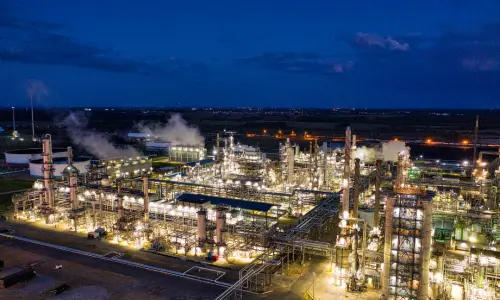
Catalina Resources ASX CTN AdvancesCategoriesFinance

Catalina Resources ASX CTN Advances Phase 1 Drilling at Evanston Gold Project

Catalina Resources Limited has taken a significant step forward in its exploration plans with the commencement of its Phase 1 reverse circulation (RC) drilling program at the Evanston Gold Project in Western Australia. The campaign is focused on systematically testing high-priority gold targets within the Evanston corridor, aiming to build a clearer understanding of the project’s mineralisation potential.

Phase 1 RC Drilling Program Underway

Catalina Resources has launched its Phase 1 reverse circulation (RC) drilling program at the Evanston Gold Project in Western Australia, marking an important advancement in its Central Yilgarn exploration strategy. The campaign targets several high-priority zones along the Evanston corridor, including Leghorn, Viper South, and T1B.

Scope of the Drilling Campaign

The Phase 1 program consists of approximately 36 RC holes totalling around 5,670 metres, with completion expected by late December 2025. The drilling is designed to evaluate key structural and geochemical targets defined through historic work and recent geological modelling. Previous drilling in the area has delivered promising results, such as 48 metres at 0.67 g/t gold and 33 metres at 0.3 g/t gold from surface.

Sampling and Assay Progress

Continuous sampling is being carried out from surface to end-of-hole, ensuring comprehensive analysis across each drill section. The initial batch of samples has already been dispatched for PhotonAssay testing at ALS Kalgoorlie, providing rapid and reliable insights into gold mineralisation.

Next Steps: Mobilisation to Yerilgee Project

Upon completion of the Evanston drilling, Catalina will move its resources to the nearby Yerilgee Project. Exploration efforts there will focus on testing gold-in-soil anomalies and banded iron formation hosted mineralisation. Previous drilling at Yerilgee has yielded strong results, including 17 metres at 4.1 g/t gold, highlighting the project’s potential.

Company Outlook and Strategy

Executive Director Ross Cotton emphasised that the Phase 1 program represents a critical test of Catalina’s highest-priority targets. The results will assist in refining the geological model for Evanston and evaluating the scale of the mineralised system. Cotton reiterated the company’s commitment to disciplined, data-driven exploration aimed at creating long-term value for shareholders.

Advancing Exploration in the Central Yilgarn

The launch of Phase 1 drilling at Evanston underscores Catalina Resources’ strategic push to advance its exploration portfolio. With systematic testing and geological refinement underway, the company continues to position itself for potential new gold discoveries across the Central Yilgarn region.

Disclaimer:

General Financial Product Advice and Regulatory Framework: Pristine Gaze Pty Ltd (ABN 66 680 815 678, ACN 680 815 678) operates as Corporate Authorised Representative (CAR No. 001312049) of Alpha Securities Pty Ltd (AFSL 330757), which is licensed and regulated by the Australian Securities and Investments Commission under the Corporations Act 2001 (Cth). This report contains general financial product advice only and has been prepared without consideration of your personal objectives, financial situation, specific needs, circumstances, or investment experience. The information is not tailored to individual circumstances and may not be suitable for your particular situation. Before acting on any information contained herein, you should carefully consider its appropriateness having regard to your personal objectives, financial situation, and needs, and consider seeking personal financial advice from a qualified financial adviser who can assess your individual circumstances and provide tailored recommendations.

Investment Risks and Market Warnings: All investments carry significant risk, and different investment strategies may carry varying levels of risk exposure including total loss of invested capital. The value of investments and income derived from them can fluctuate significantly due to market conditions, economic factors, company-specific events, regulatory changes, commodity price volatility, currency fluctuations, interest rate movements, and other factors beyond our control. Securities markets are subject to market risk from general economic conditions and investor sentiment, liquidity risk affecting the ability to buy or sell securities at desired prices, credit risk from issuer default or deterioration, operational risk from inadequate internal processes, sector-specific risks including industry regulatory changes, technology obsolescence, management changes, competitive pressures, supply chain disruptions, and mining-specific risks including resource estimation uncertainty, operational hazards, environmental compliance, permitting delays, commodity price cycles, geopolitical factors affecting mining operations, and exploration risks. Small-cap and speculative mining stocks carry additional risks including limited liquidity, higher volatility, dependence on key personnel, limited operating history, uncertain cash flows, and potential failure to achieve commercial production.

Information Accuracy and Limitations: While we endeavour to ensure information accuracy and reliability, we make no representations or warranties (express or implied) regarding the accuracy, reliability, completeness, timeliness, or suitability of information provided, except where liability cannot be excluded under applicable law. This report may include information from third-party sources including company announcements, regulatory filings, research reports, market data providers, financial news services, and publicly available information, which we do not independently verify and for which we assume no responsibility. Past performance, examples, historical data, or projections are not indicative of future results, and no guarantee of future returns is provided or implied. To the maximum extent permitted by law, Pristine Gaze Pty Ltd and Alpha Securities Pty Ltd, together with their respective directors, officers, employees, representatives, and related entities, exclude all liability for any errors, omissions, inaccuracies, loss or damage (including direct, indirect, consequential, or special damages) arising from reliance on information provided, investment decisions made based on this report, market losses, opportunity costs, and technical issues or system failures.

Understanding Dividend Yield StocksCategoriesBusiness

Understanding Dividend Yield Stocks

Trending Dividend Yield Stocks in Australia Today – 28-03-2025

Understanding Dividend Yield Stocks

Investing in dividend yield stocks is a popular strategy among Australian investors who seek stable income and long-term growth. These stocks belong to companies that consistently distribute a portion of their earnings to shareholders in the form of dividends. The dividend yield is calculated as the annual dividend payment divided by the stock’s current price, making it an essential metric for income-focused investors.

In Australia, where the stock market is heavily driven by mining, banking, and infrastructure sectors, dividend-paying stocks are a key consideration for both institutional and retail investors. Given the country’s unique tax system, which includes franking credits, dividend stocks often provide added advantages to local investors.

Why Dividend Stocks Are Trending in 2025

As we step into the second quarter of 2025, several factors are influencing the dividend stock landscape in Australia:

  1. Rising Interest Rates – The Reserve Bank of Australia (RBA) has hinted at a steady interest rate policy, making dividend stocks a preferred choice over fixed-income securities.

  2. Economic Recovery – With Australia witnessing a post-pandemic recovery and strong GDP growth, several blue-chip companies have reinstated or increased their dividends.

  3. Energy & Mining Boom – The surge in commodity prices, particularly in iron ore, lithium, and copper, has led to strong dividend payouts from mining giants.

  4. Banking Sector Strength – Australia’s major banks continue to deliver robust dividends due to stable earnings and improved loan books.

Top Trending Dividend Stocks in Australia Today

1. BHP Group Limited (ASX: BHP)

  • Sector: Mining

  • Dividend Yield: 7.2%

  • Why It’s Trending: Strong iron ore and copper prices have bolstered BHP’s earnings, enabling higher dividend payouts.

2. Commonwealth Bank of Australia (ASX: CBA)

  • Sector: Banking

  • Dividend Yield: 5.4%

  • Why It’s Trending: Despite regulatory scrutiny, CBA has continued its tradition of solid dividend payments, benefiting from high mortgage growth.

3. Woodside Energy Group Ltd (ASX: WDS)

  • Sector: Energy

  • Dividend Yield: 6.8%

  • Why It’s Trending: A strong rally in crude oil and LNG prices has positioned Woodside as a lucrative dividend stock for energy investors.

4. Telstra Group Ltd (ASX: TLS)

  • Sector: Telecommunications

  • Dividend Yield: 4.9%

  • Why It’s Trending: As Australia’s leading telecom provider, Telstra’s strong cash flow allows it to maintain stable dividend payouts.

5. Fortescue Metals Group Ltd (ASX: FMG)

  • Sector: Mining

  • Dividend Yield: 9.3%

  • Why It’s Trending: Record iron ore shipments and high demand from China continue to support Fortescue’s impressive dividend distribution.

Benefits of Investing in Dividend Stocks

  • Steady Income: Investors can generate passive income through regular dividend payouts.

  • Compounding Growth: Reinvesting dividends can accelerate wealth accumulation.

  • Tax Efficiency: Franking credits help Australian investors reduce their tax burden.

  • Lower Volatility: Dividend-paying stocks tend to be less volatile compared to growth stocks.

Risks to Consider

Conclusion

Dividend stocks remain an attractive option for Australian investors in 2025, especially amid global economic uncertainty. With strong performances from mining, banking, and energy sectors, dividend yields are expected to remain competitive. However, investors should always conduct thorough research and diversify their portfolios to mitigate risks.

Disclaimer:

The information provided in this blog is for general informational purposes only and does not constitute financial advice. Investors should conduct their own research and consult with a licensed financial advisor before making any investment decisions. Pristine Gaze does not take responsibility for any financial losses incurred based on this information.


Facebook
Twitter
LinkedIn